

Where it began
Steins;Gate started as a visual novel, developed jointly by 5pb. (now MAGES.) and Nitroplus and first released in Japan for Xbox 360 in July 2009. It was the second entry in the loosely connected Science Adventure series, following Chaos;Head, and built its reputation slowly on the strength of its writing: a slow-burn first half that reads almost like a slice-of-life comedy, then a second half that detonates everything it has been quietly assembling. The story follows Rintaro Okabe, a self-styled mad scientist in Akihabara who accidentally discovers that a microwave can send text messages into the past, and the increasingly desperate consequences of that discovery.
The game reached PC in 2011 and eventually landed on PlayStation, iOS, and Western markets, where it found an audience among visual novel fans who spread word of its finale with genuine fervor. The 2011 anime adaptation by White Fox, which closely follows the game's structure, broke it into the mainstream and remains the version most viewers encounter first. Since then the property has expanded into a theatrical film, a full sequel in both game and anime form, manga adaptations, and a revised rerelease. Each version has its own texture, and several are worth seeking out even if you know the story.
Every version of Steins;Gate
The original game, every adaptation, and every sequel across all media
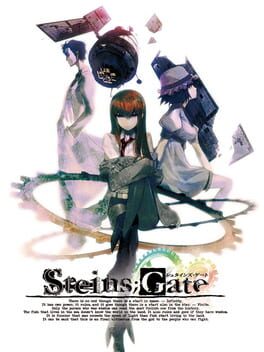

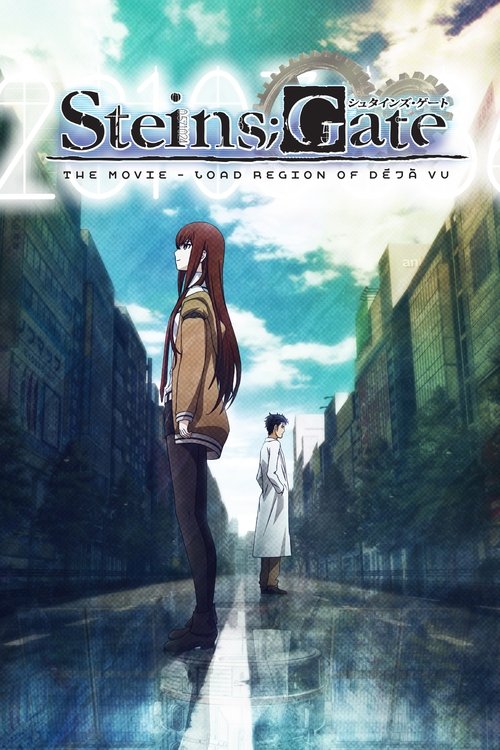
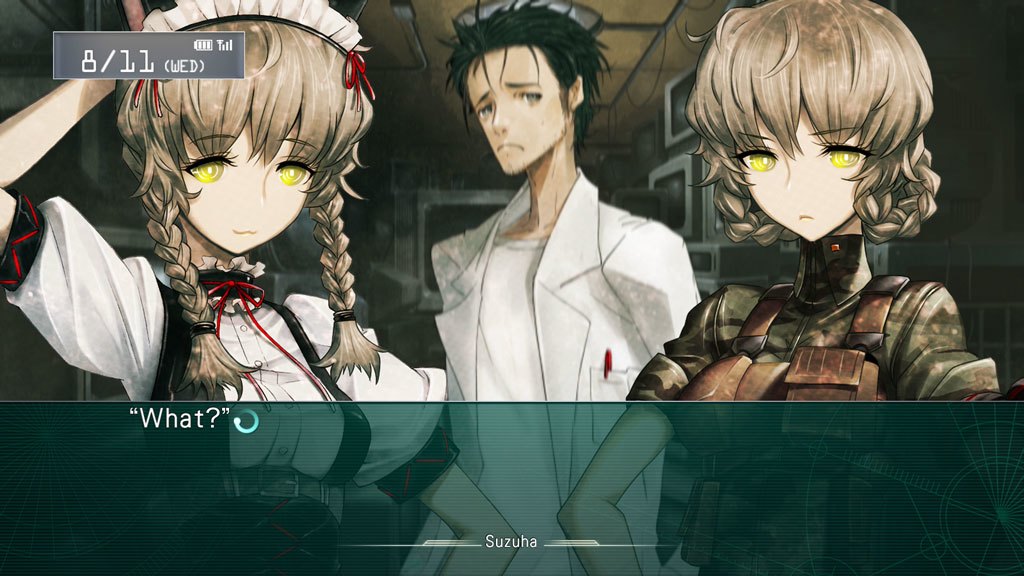

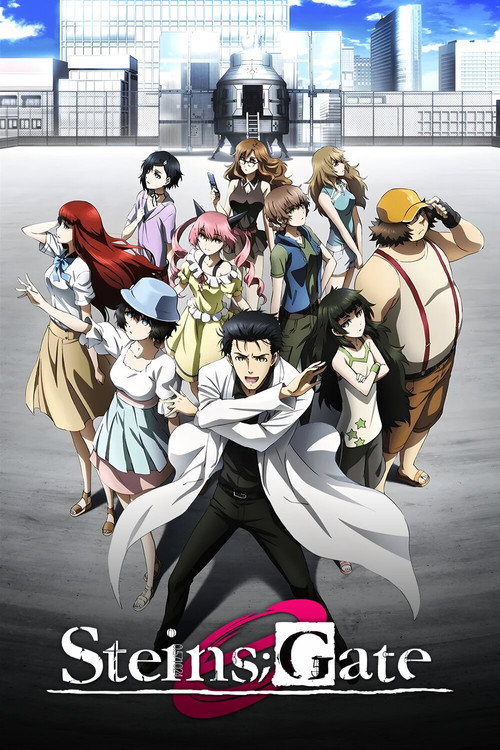
Steins;Gate across the years
- 2009Original visual novel released in Japan (Xbox 360) Steins;Gate
- 2011PC version released; anime series begins (White Fox, 24 episodes) Steins;Gate
- 2013Side-story visual novel explores alternate timelines; theatrical film continues Okabe's story after the true ending Steins;Gate: The Movie - Load Region of Déjà Vu
- 2015Side-story visual novel follows the divergent beta worldline Steins;Gate 0
- 2018Anime adaptation of Steins;Gate 0; Elite remake releases Steins;Gate 0
The definitive version: the 2011 anime, with one caveat
For most people, the 2011 White Fox anime is where to start. It earns its near-perfect ratings: the pacing in the first half is deliberate to the point of demanding patience, and the payoff in episodes 12 through 24 is one of the more genuinely wrenching stretches in recent science-fiction animation. The caveat: episode 23 as broadcast is weaker than the alternate version released later. Seek out the revised episode 23 (sometimes labeled 23*) before you watch the film. The story's power lies in how thoroughly the first half earns the second. You have to sit with Okabe's delusions before you understand what it means to watch them become necessary.
The underrated version: Steins;Gate 0
Steins;Gate 0, both the visual novel and its anime, follows a version of Okabe who gave up. Where the original is about finding the courage to keep trying, this one is about grief, complicity, and what it costs to keep living after failure. The anime adaptation (2018) is uneven in spots, but the visual novel is remarkably controlled in tone. It is darker and structurally looser than the original, which put off some viewers, but if you responded to the emotional core of Steins;Gate it rewards a second visit.
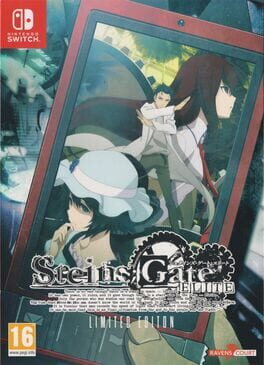
The one to skip: Steins;Gate Elite (unless you are already a fan)
Steins;Gate Elite (2018) replaces the original visual novel's static artwork with footage from the anime, presenting itself as a fusion of the two. The intention is generous but the execution is awkward: the anime's scenes were designed for motion and 16:9 delivery, not for lingering on a single frame while you read. It also strips away most of the original's branching routes, which is where a significant portion of the game's depth lives. For newcomers, watch the anime instead. For fans, play the 2009 original rather than this.
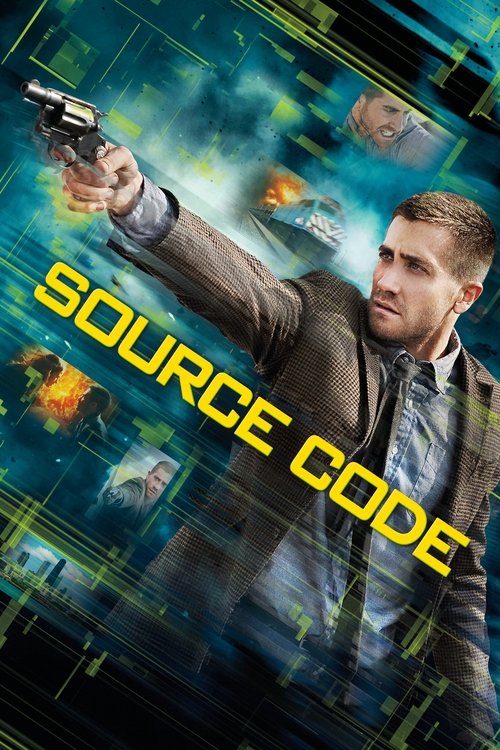
If you love the time-loop mechanics
Stories where the rules of time travel are the real protagonist




If you love the Akihabara otaku texture
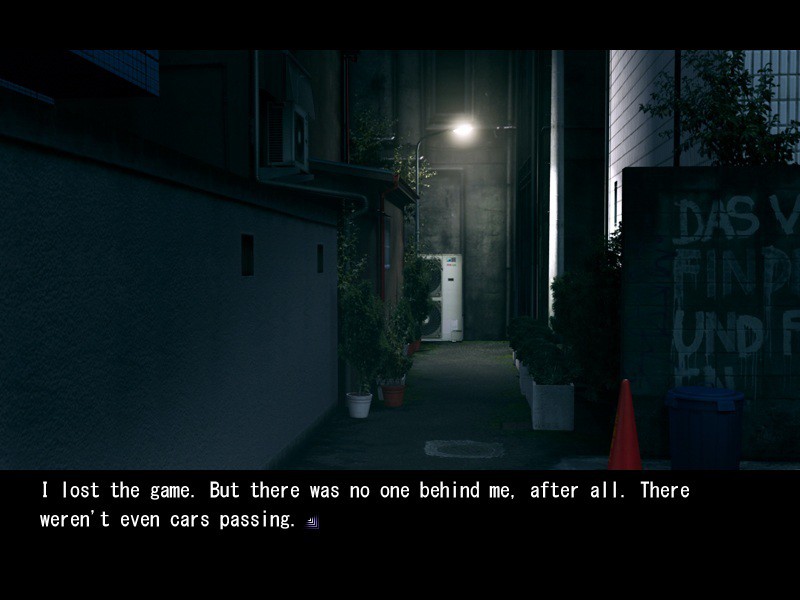
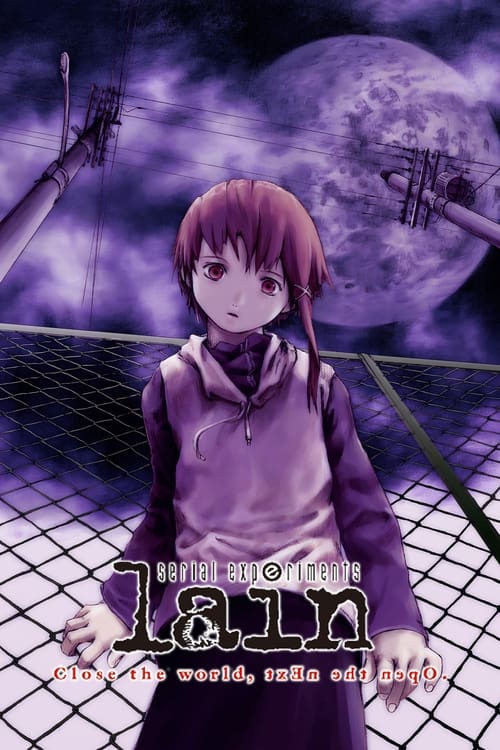
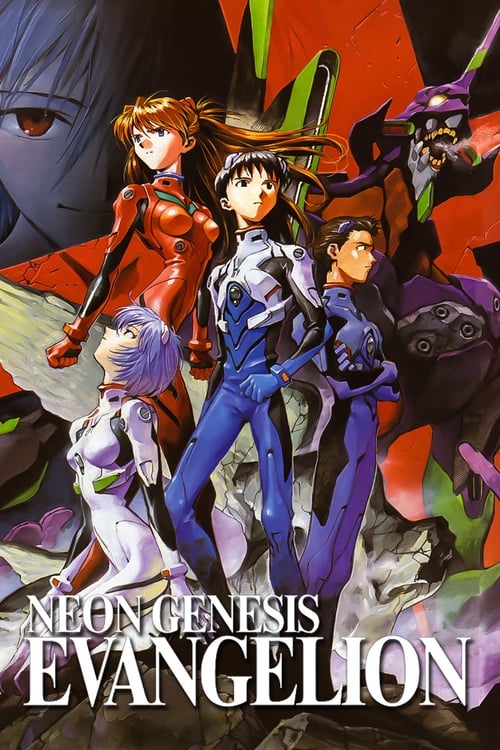
Stories rooted in Tokyo subculture, obsession, and the tension between inside and outside worlds




If you love the visual novel format
Games that use branching narrative and reader-as-witness structure with the same seriousness



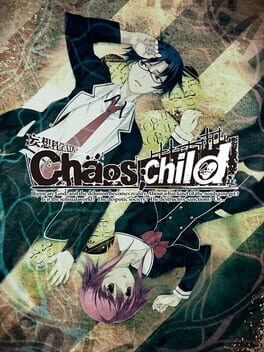


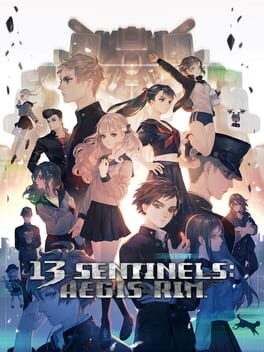
More time travel and parallel worlds
For Fans of Steins;Gate
Explore the For Fans of Steins;Gate guide →The story's power lies in how thoroughly the first half earns the second. You have to sit with Okabe's delusions before you understand what it means to watch them become necessary.On why the slow open is not a flaw