

From a Pitchman's Napkin to a Global Franchise
Television writers Stephen J. Cannell and Frank Lupo invented The A-Team at a single lunch in 1982. The pitch was deliberately simple: four Vietnam veterans wrongly convicted of a crime they did commit (robbing the Bank of Hanoi during the war, on orders), who break out of military prison and go underground as mercenaries for hire. Each week they help ordinary people the law cannot or will not protect, while a dogged military colonel tries to recapture them.
What Cannell and Lupo built was not really a war show or a crime show. It was a comedy of competence. The appeal was watching four extremely capable men build impossible things out of whatever happened to be lying around, then blow those things up at exactly the right moment. The franchise has stayed remarkably loyal to that formula across every medium it has crossed into.
The A-Team Across Time
- 1983TV series premieres on NBC The A-Team
- 1987TV series ends after five seasons The A-Team
- 2010Theatrical reboot by Joe Carnahan The A-Team
If You Love the Wrongly Convicted Anti-Heroes
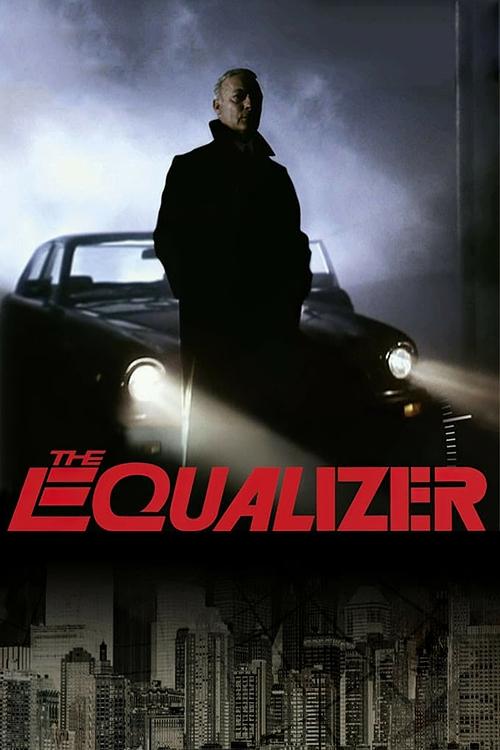
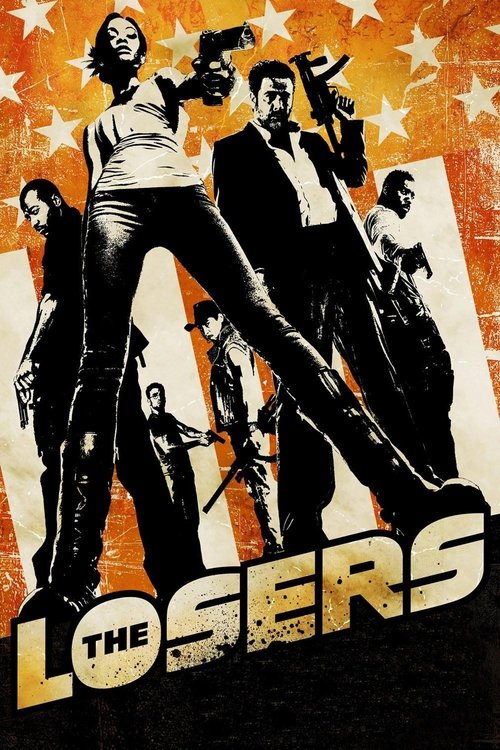
Stories about people the system failed who went ahead and handled it themselves





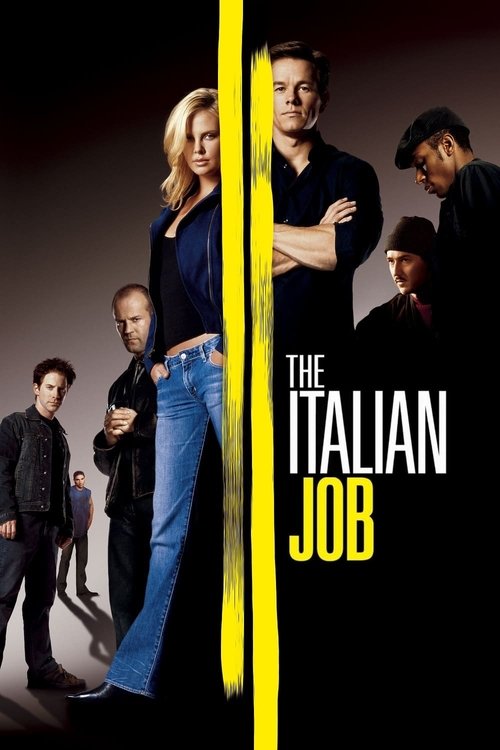
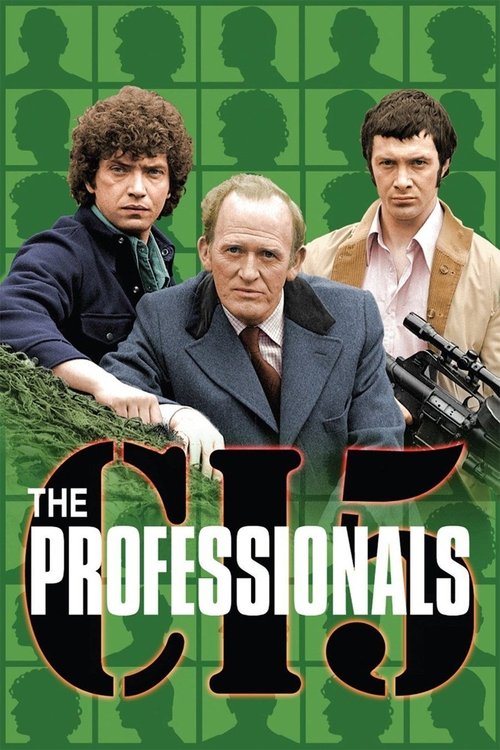
If You Love the Ensemble Action Formula
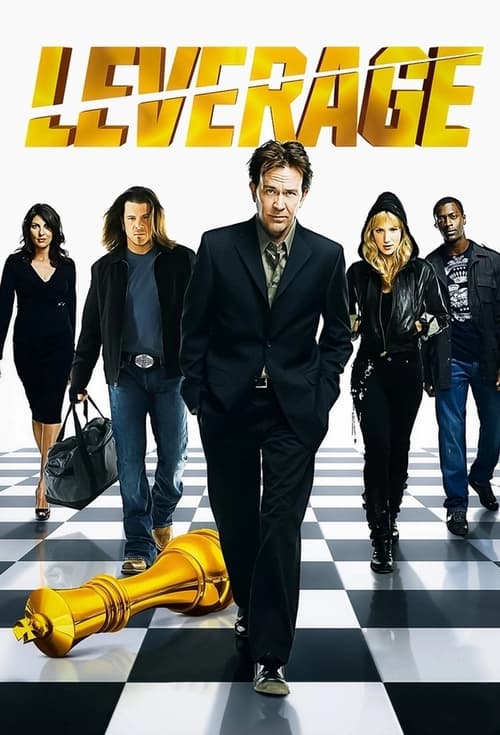
Four or five specialists, one impossible job, no resources, no backup





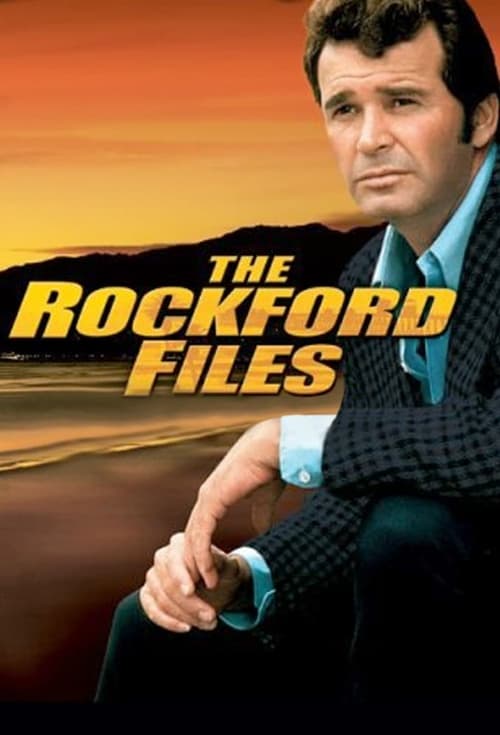
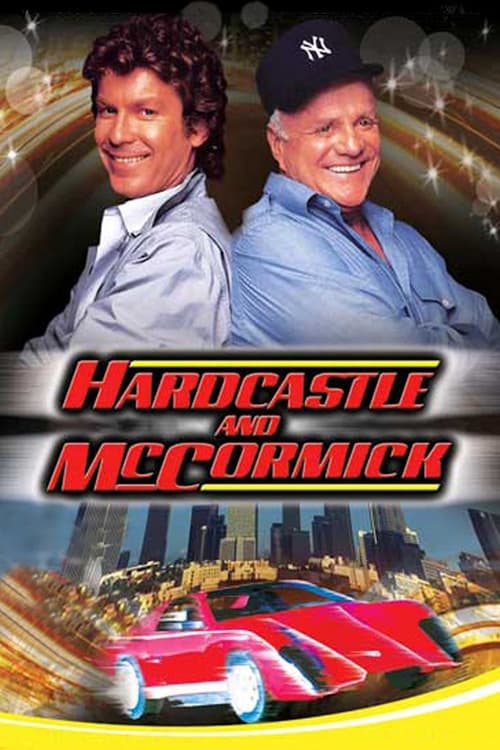
If You Love Cannell-Era American Action TV
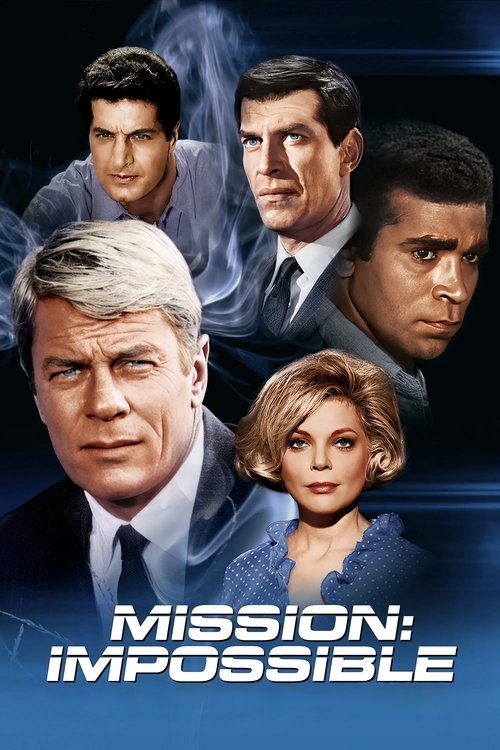
The golden age of network action television, circa 1980 to 1989


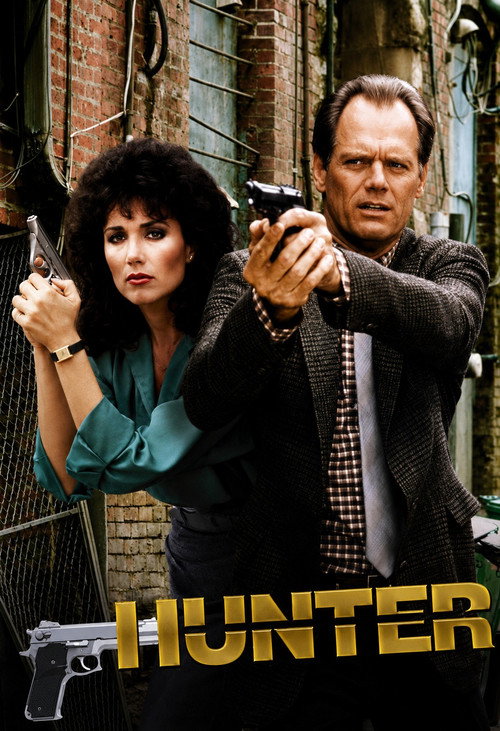

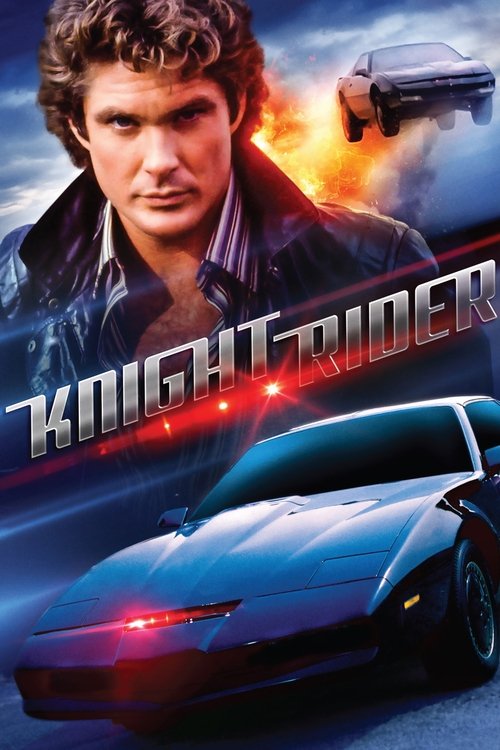

If You Love the 2010 Film Cast
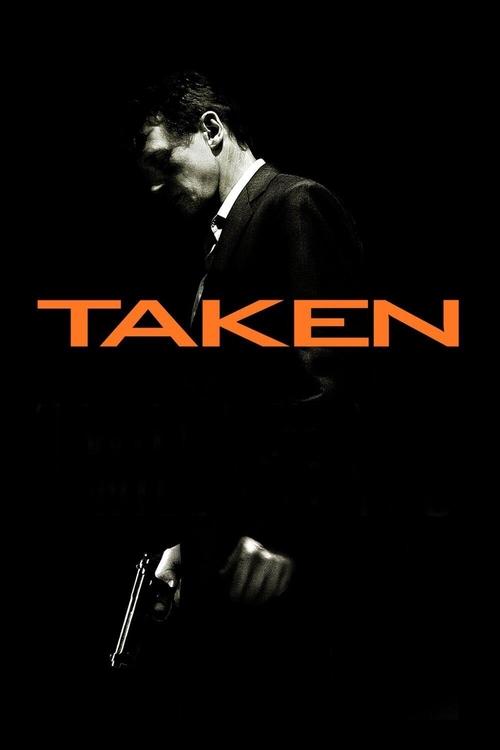
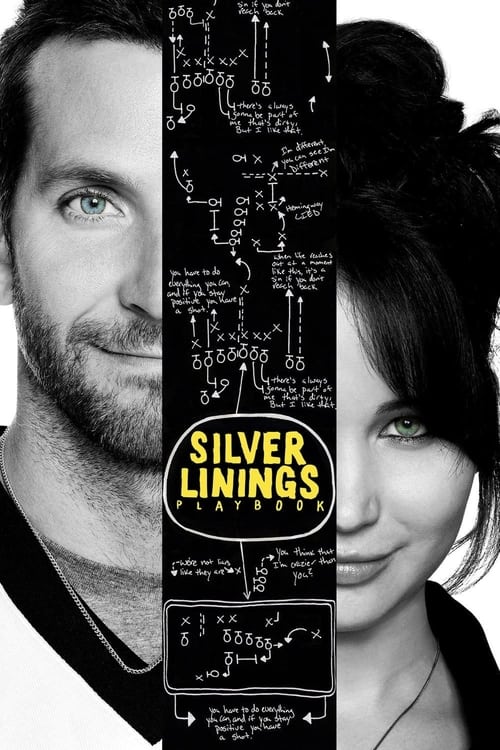
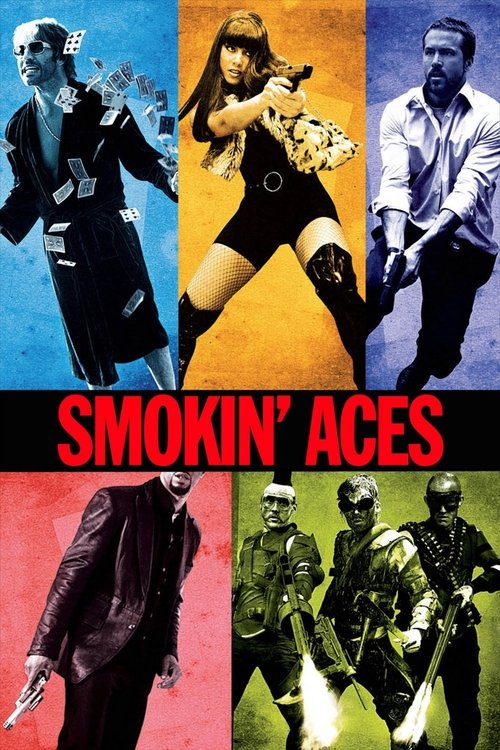
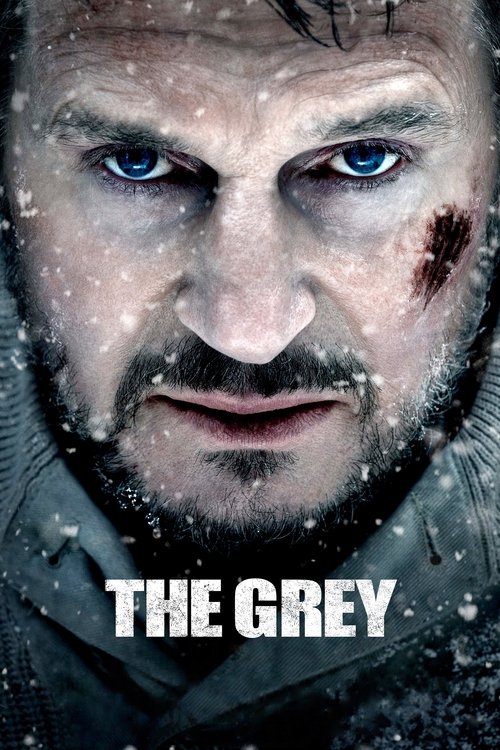
Key films from the reboot's principal cast in the years surrounding it
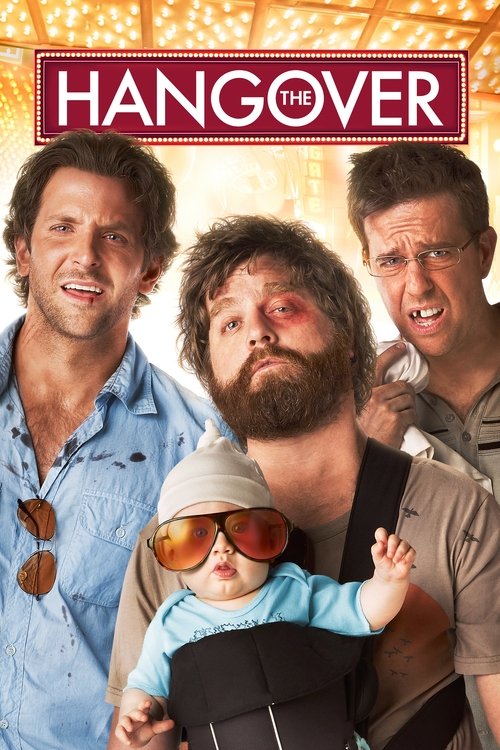
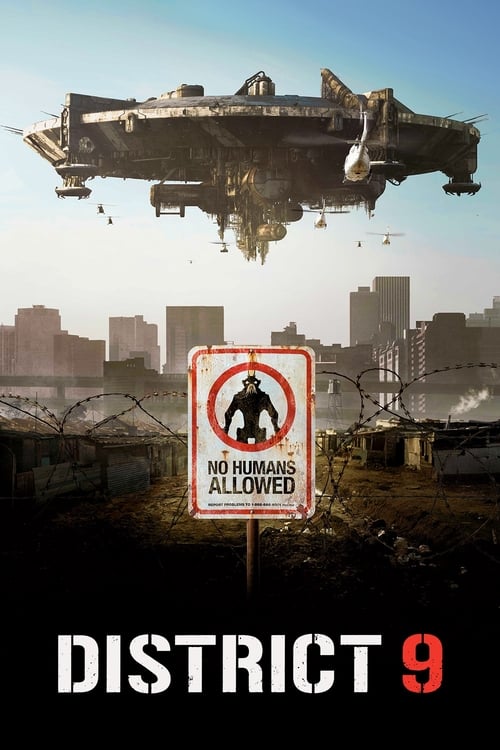

The TV original is still the definitive version
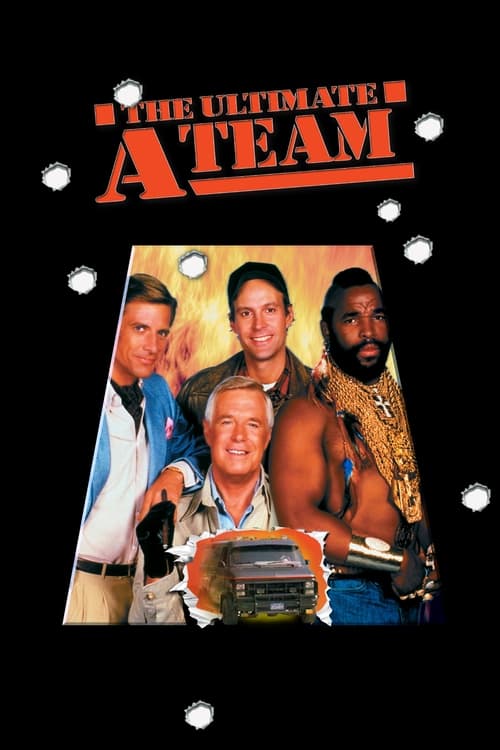
The 1983 NBC series ran for five seasons and 98 episodes, and nothing since has matched it. The chemistry between George Peppard's Hannibal, Dirk Benedict's Face, Dwight Schultz's Murdock, and Mr. T's B.A. Baracus is irreplaceable, and the show never lost its fundamental good humor about itself. The 2010 film is a competent and entertaining action picture, but it kept reaching for the show's lightness and never quite found the original's particular warmth. The A-Team (TV series) is the text. Everything else is a commentary.
The 2010 film deserves more credit than it got
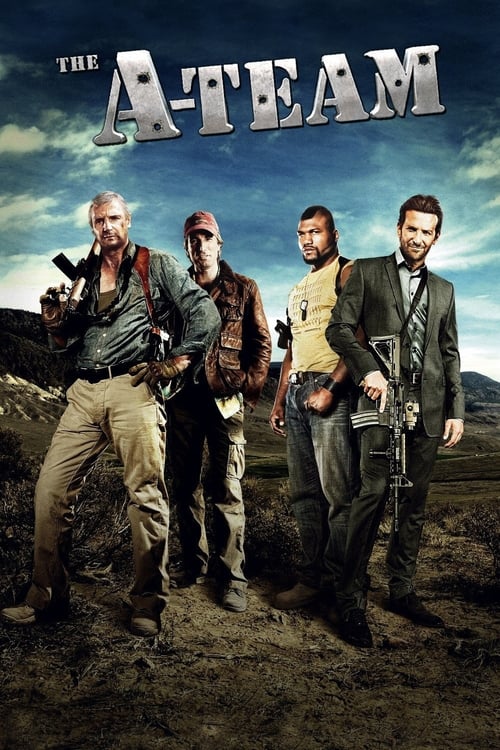
Joe Carnahan's theatrical reboot opened to mixed reviews and underperformed at the box office, which killed a planned sequel and largely buried it. In hindsight, the film is a genuinely confident piece of studio action filmmaking. Liam Neeson, Bradley Cooper, Quinton Jackson, and Sharlto Copley each brought something real to their roles, and the climax (a sequence involving a tank and a cargo plane) is one of the more inventive set pieces of that era. Critics wanted the show; the film offered something different. Audiences and critics mostly held the difference against it.
Season five is the one to approach carefully
The fifth and final season of the TV series drastically restructured the format: the team was captured, tried, convicted, and then secretly pardoned in exchange for operating under military supervision as a unit of one. The anarchic freedom that defined the show (four men with no oversight, no base, no budget, doing whatever felt right) was gone. The supporting cast was overhauled, the humor dried up, and the show was cancelled mid-season. Die-hard fans often treat season four as the real ending. That is not an unreasonable position.