

The soldier fights for a flag. The mercenary fights for a wire transfer, and that single difference is what makes him the most morally interesting figure in the war story. He is the professional who has stripped patriotism out of the equation and kept only the violence and the craft. When the cause is noble he looks like a hero of convenience. When the cause is filthy, and in this genre it usually is, he becomes the mirror the war does not want to look into.
This is a genre obsessed with money and the things money cannot buy back. It loves the African coup, the South American jungle airstrip, the convoy that has to get through, the contract that turns out to be a setup. Its best work, from Frederick Forsyth's research-heavy thrillers to the open ruin of Far Cry 2, understands that hiring out your gun is a Faustian bargain. The pay is good. The bill comes later, and it is rarely settled in cash.
Essential soldiers of fortune
The canon of the contract, across every medium
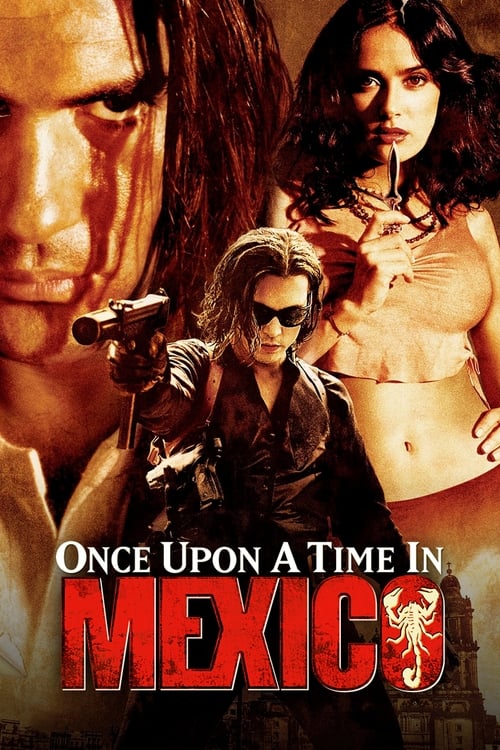
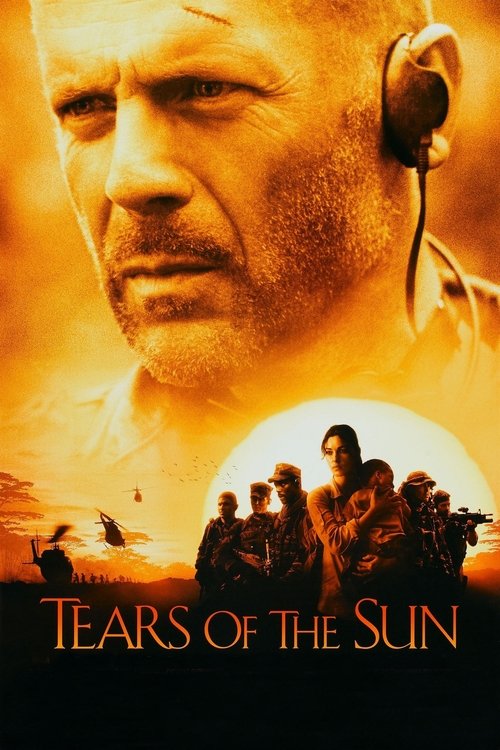


Blood Diamond is the genre's conscience
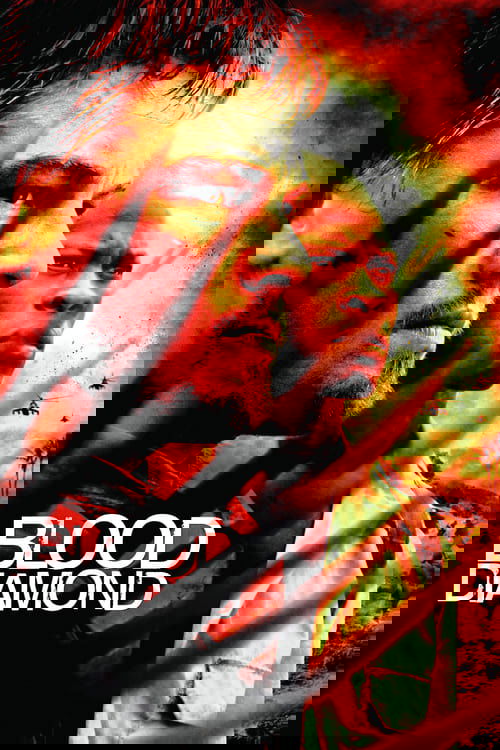
Most mercenary stories let you enjoy the trade and feel clean about it afterward. Edward Zwick's Blood Diamond refuses. Leonardo DiCaprio's Danny Archer is a Rhodesian-born smuggler and ex-soldier who has long since decided Africa is a place that takes from you, so he takes back. The film puts him next to Djimon Hounsou's fisherman, a man with nothing to sell and everything to lose, and lets the contrast do the moral work.
What lifts it above the standard gun-for-hire picture is that it never lets Archer off the hook for being good at his job. His competence is the problem. The conflict-diamond trade runs on exactly his kind of expertise: men who can move through a war zone, cut a deal with a warlord, and never ask where the bodies went. The ending earns its sentiment because the film spent two hours showing you what that expertise actually costs.
Hired guns on film
The coup, the convoy, the contract that goes wrong

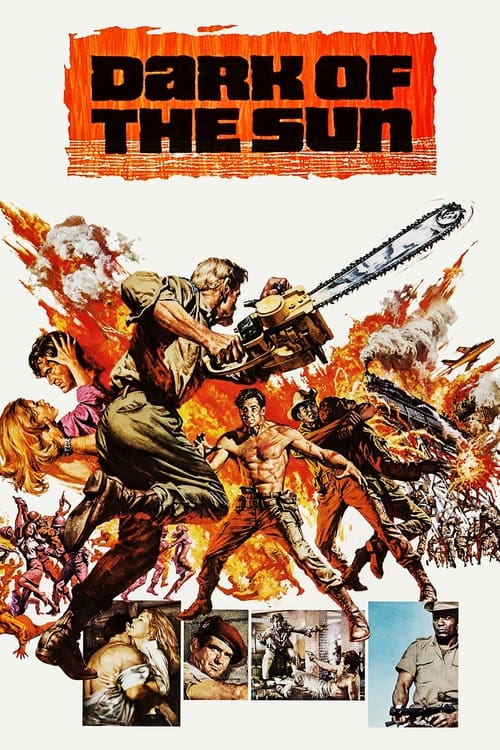
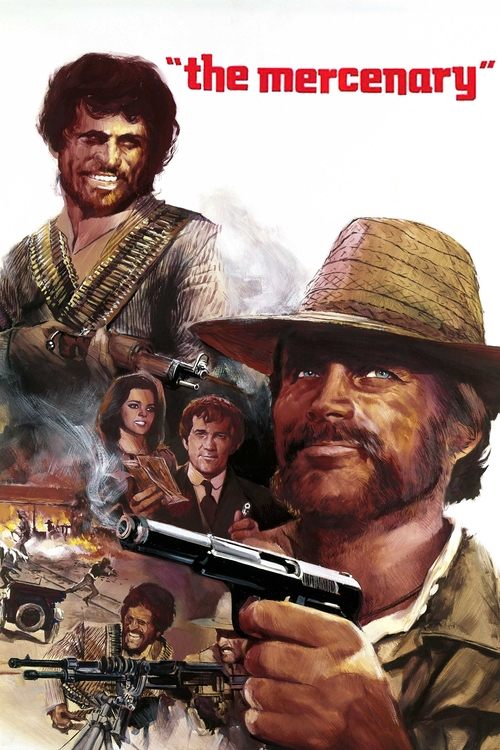
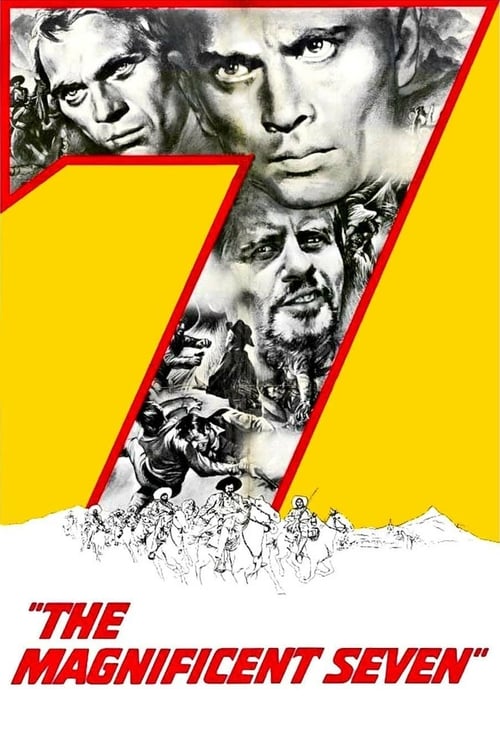
Forsyth wrote the rulebook
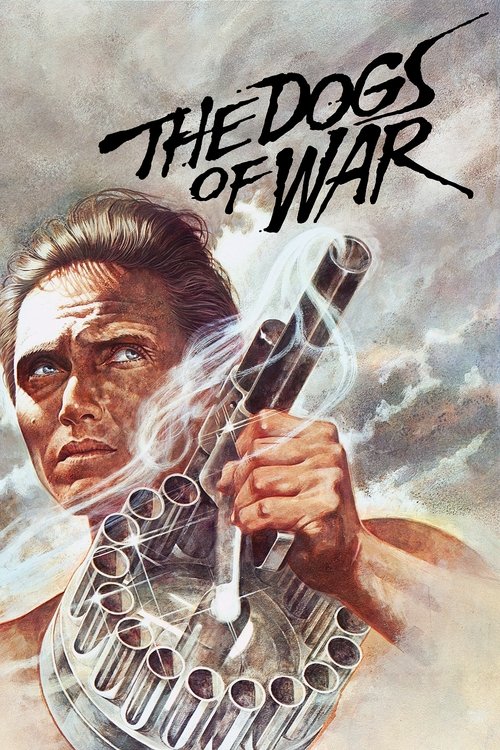
Frederick Forsyth did more than anyone to define what a mercenary thriller looks like. A former RAF pilot and reporter who covered the Biafran war, he wrote The Dogs of War as a procedural: how you would actually finance, arm and stage a coup against a small African dictatorship, told with the cold precision of a man who had watched it happen. The 1980 film with Christopher Walken keeps the grim logistics and the sense that the soldiers are the only honest people in a room full of businessmen and spies.
The genre on the page leans on the same instinct for hard detail. Anton Myrer's Once An Eagle is the long view, the career soldier set against the careerist, while Steven Pressfield's Gates of Fire reaches back to the Spartans, history's original professional warriors, the men who made killing a craft and a creed. Robert Ludlum's The Bourne Identity gave us the operative as a weapon who has forgotten who pointed him.
The trade on the page
Forsyth's heirs, the warrior epic and the operative thriller


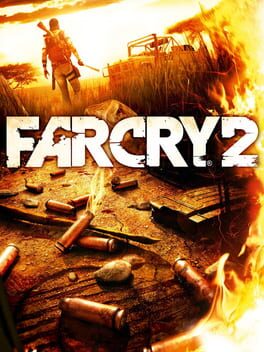
Far Cry 2 is the only honest mercenary game ever made
Every other game in this list hands you a gun and tells you that you are the good kind of contractor. Far Cry 2 drops you into an unnamed African country at war with itself, working for both sides, watching your malaria flare up at the worst moments and your weapons jam and corrode in your hands. There is no clean faction. There is the Jackal, an arms dealer who keeps quoting Nietzsche at you, and there are two militias who will use you and discard you with equal ease.
Ubisoft built a world that actively resents you. Fire spreads unpredictably across the dry grass. Friendly mercenaries you have rescued will turn up later as enemies. The map is a map of a country, not a theme park, and crossing it is genuinely dangerous. It is the rare game that makes the soldier-of-fortune fantasy feel like the trap it actually is, which is exactly why it is still argued about more than its glossier sequels.
Guns for hire to play
From Snake's infiltration runs to the strategy of the contract

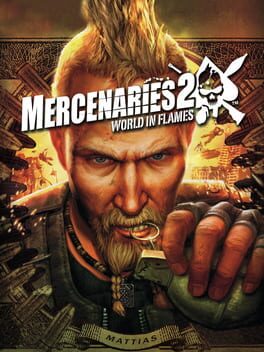
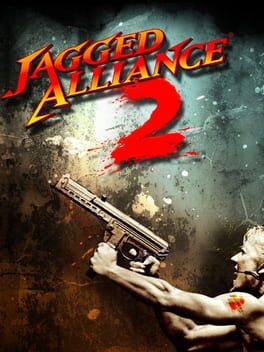
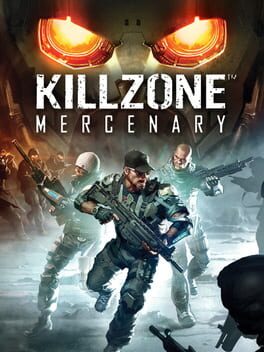
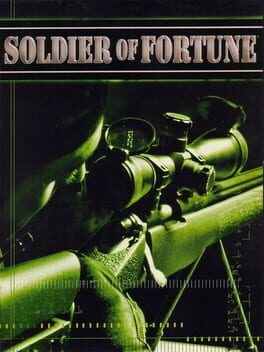
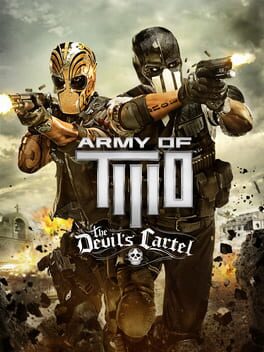
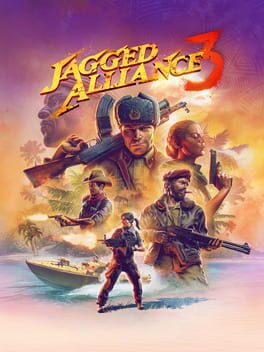
A soldier serves. A mercenary survives. The story is always about the moment those two things stop being the same.On the gap between the flag and the fee
The A-Team turned mercenaries into folk heroes
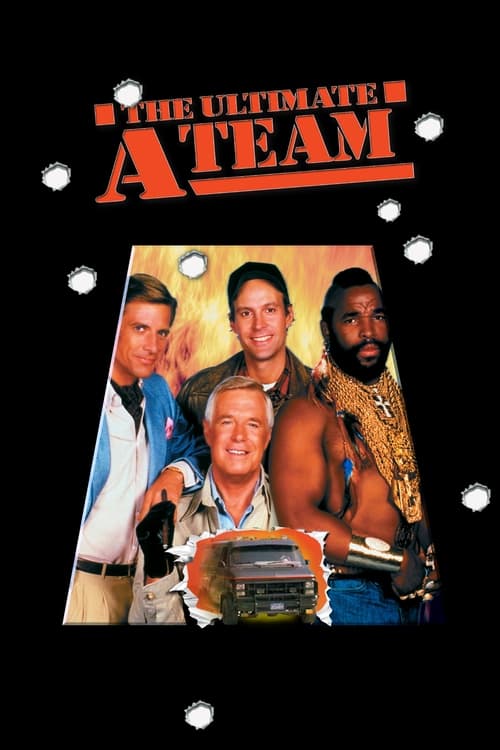
Television found a clever loophole. To make audiences root for soldiers of fortune week after week, you give them a code: take the money, but only from people who deserve help, and never quite kill anyone. The A-Team ran four soldiers wrongly convicted of a crime they did not commit, now for hire to the desperate, and made the contractor lifestyle look like the most fun a man could have with a welding torch and a van.
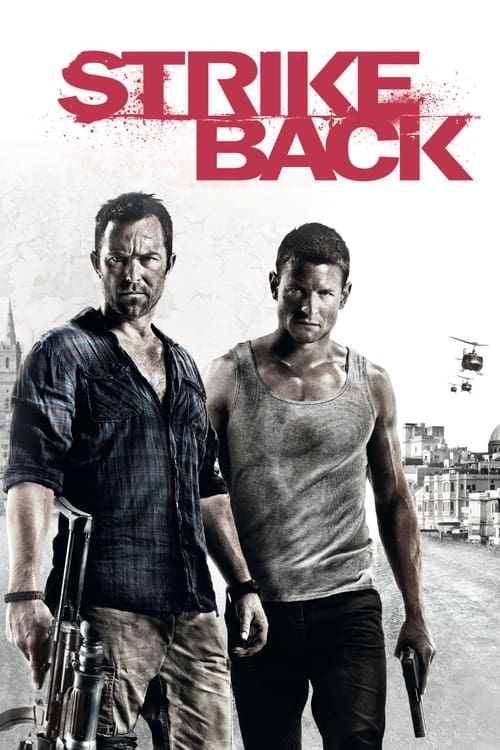
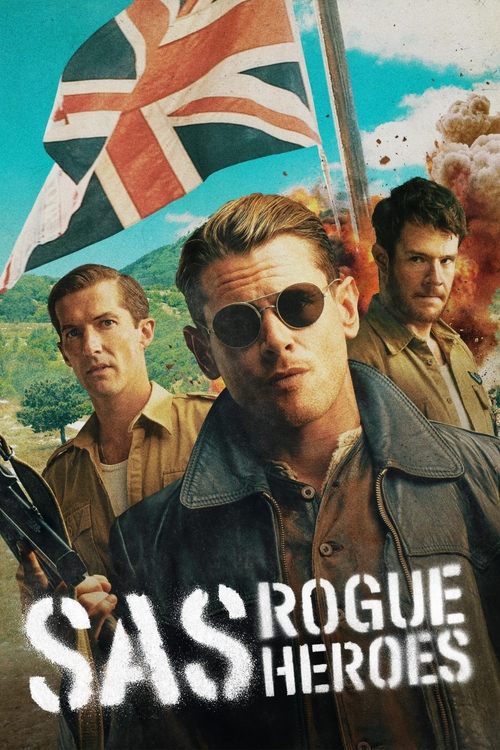
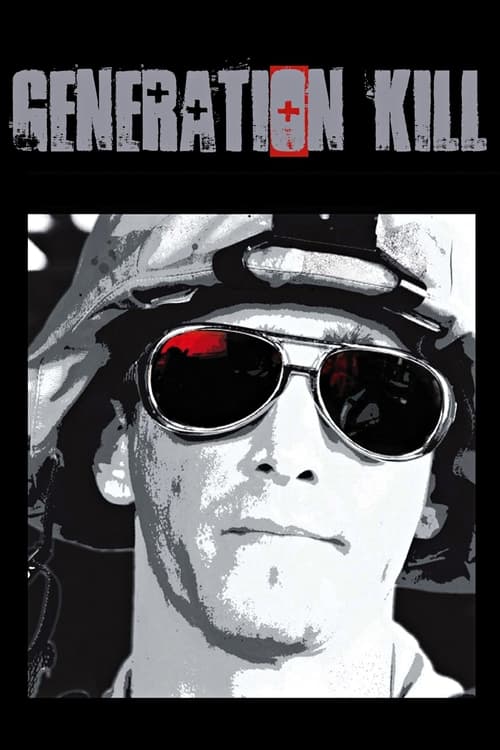
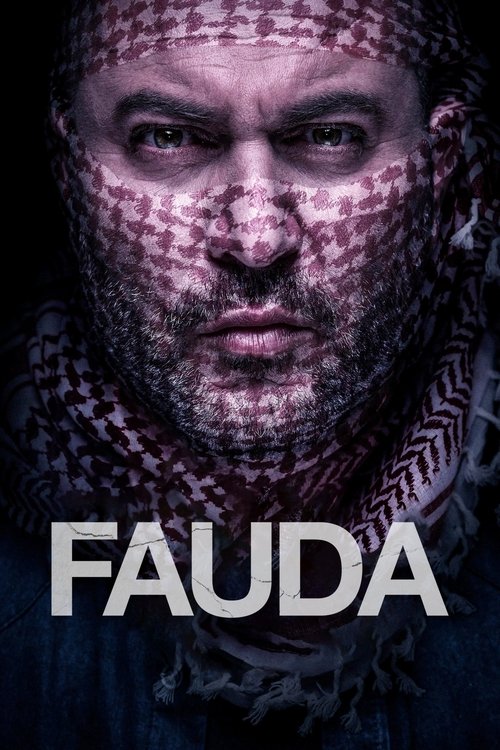
The modern descendants dropped the cartoon and kept the unit. Strike Back and SAS Rogue Heroes treat the operators as professionals first and patriots second, men who would do this work for whoever was paying if the paperwork were different. Generation Kill and Fauda go further still, sitting inside the discipline and the boredom and the sudden violence until the line between the trained soldier and the freelance one blurs into the same hard stare.
The contract on television
From the van and the welding torch to the modern operator
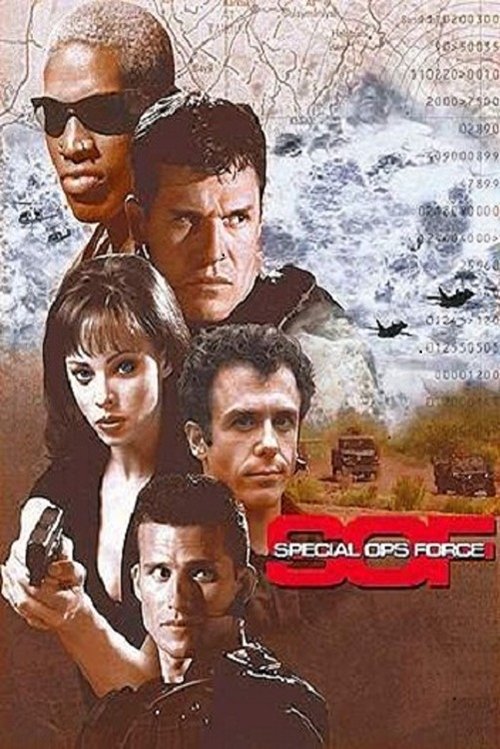
The squad that has nothing left to lose
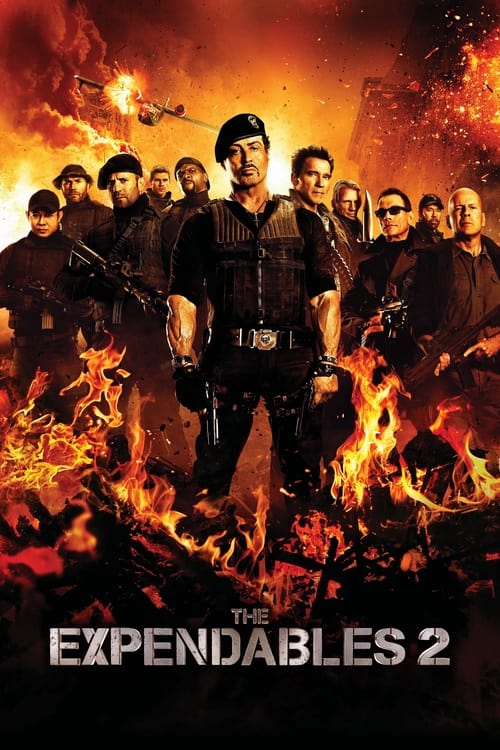
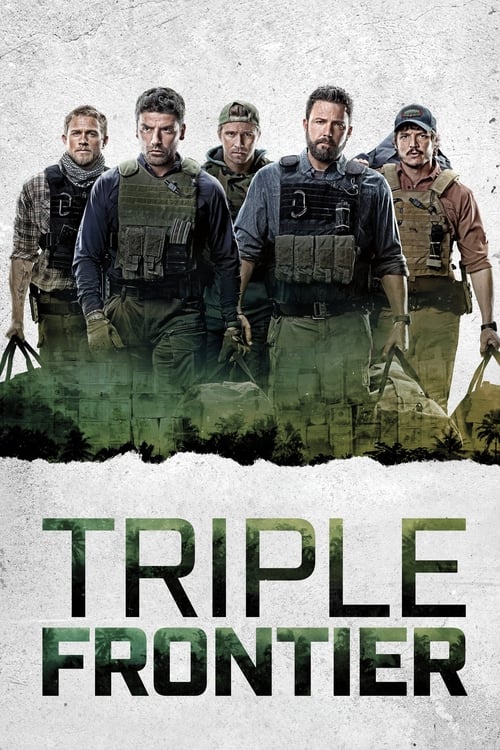
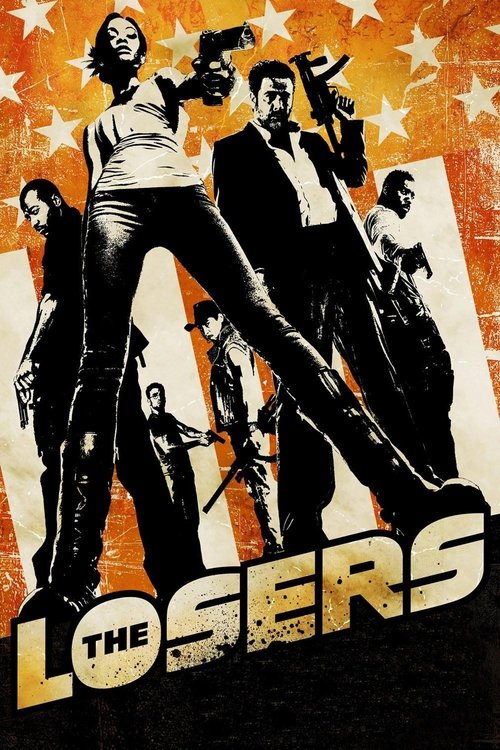
There is a sub-genre inside the genre: the disgraced unit, betrayed by the people who hired them, now working off the books to even the score. The Expendables turned it into an aging-action-star reunion tour, all callused charm and practical explosions. Triple Frontier did it straight and bleak, four ex-special-forces men who decide that after a career of being underpaid for the dangerous work, they are owed one big illegal payday. The money, predictably, becomes the thing that destroys them.
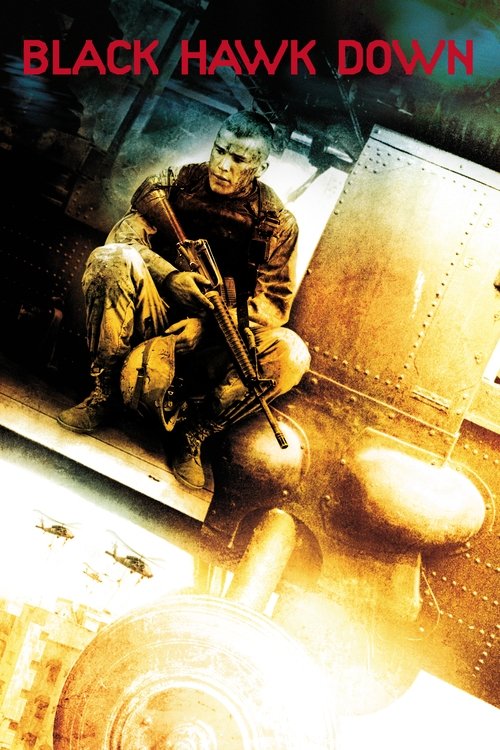
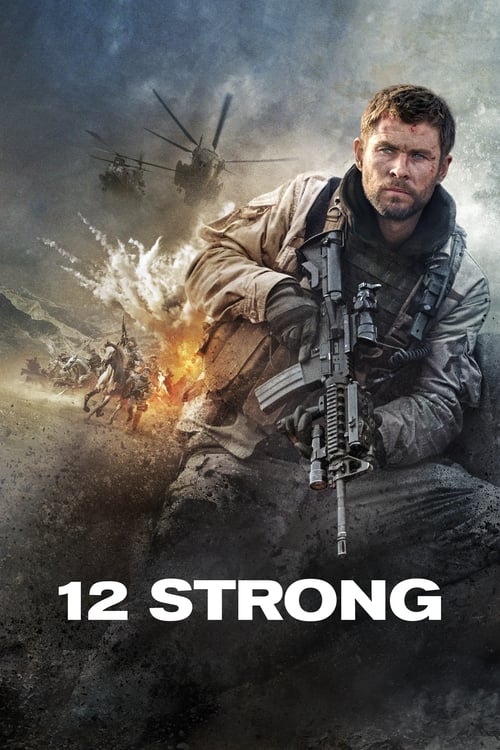
The true stories sit alongside the fictional ones. Black Hawk Down and 12 Strong are about real soldiers, not mercenaries, but they share the genre's central image: a small team, deep in hostile territory, fighting to get out alive when the plan has already fallen apart.
The squad and the score
Disgraced units, last paydays and teams behind enemy lines

Lord of War understood the supply chain
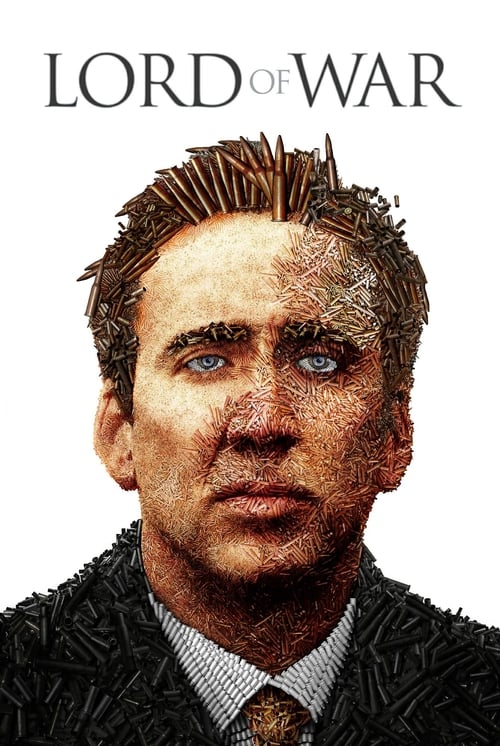
Most of this genre is about the man pulling the trigger. Andrew Niccol's Lord of War is about the man who sold him the gun. Nicolas Cage plays Yuri Orlov, an arms dealer who narrates his own rise with the flat amorality of a salesman who has decided the product is not his problem. The famous opening, following a single bullet from a factory to the head it ends up in, is the whole thesis in ninety seconds.
It belongs here because the mercenary and the arms dealer are two ends of the same business. One supplies the violence, the other supplies the means, and both have constructed elaborate reasons why the consequences belong to someone else. Cage plays Orlov as a man who genuinely believes he is just meeting demand, which is somehow more chilling than any villain twirling a moustache. The film never lets you forget that the convoy in every other story on this page was loaded by someone exactly like him.
The soundtrack of the job
Songs and records about soldiers, sieges and the long road out
Six decades of guns for hire
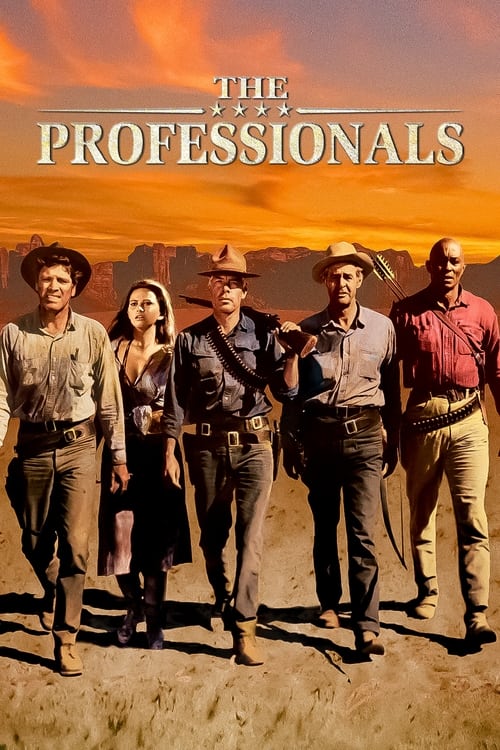
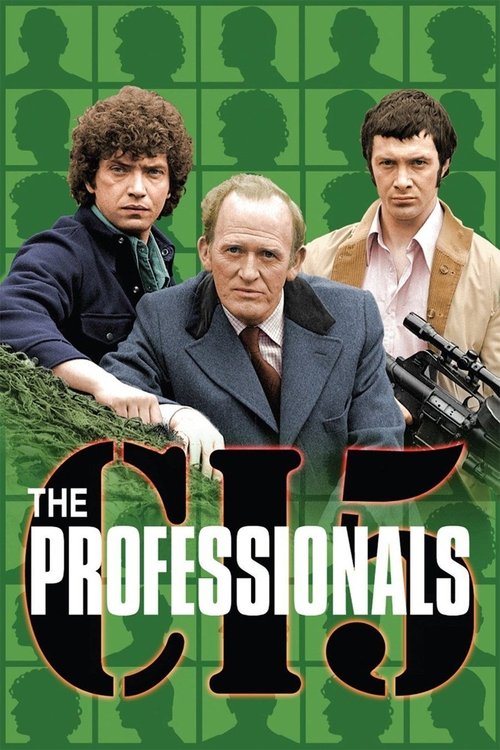
- 1966The Professionals sends four specialists into revolutionary Mexico for a fee The Professionals
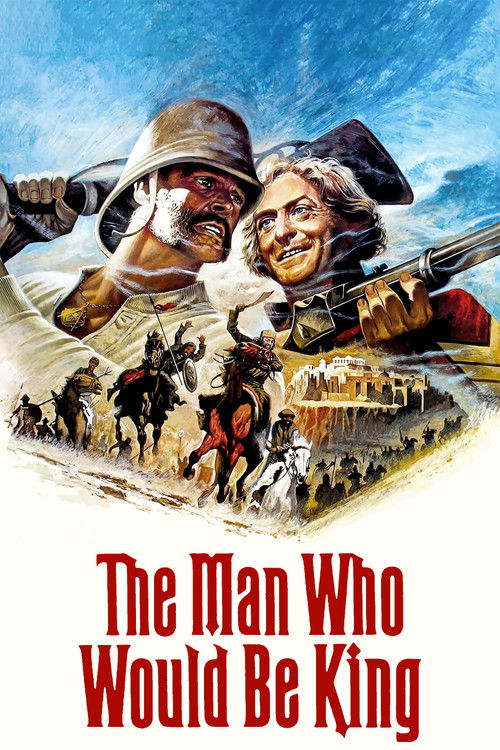
- 1975The Man Who Would Be King: two soldiers go looking for a kingdom of their own The Man Who Would Be King
- 1978The Wild Geese assembles the definitive aging-mercenary ensemble for an African rescue The Wild Geese
- 1983The A-Team makes soldiers of fortune into Saturday-night folk heroes The A-Team
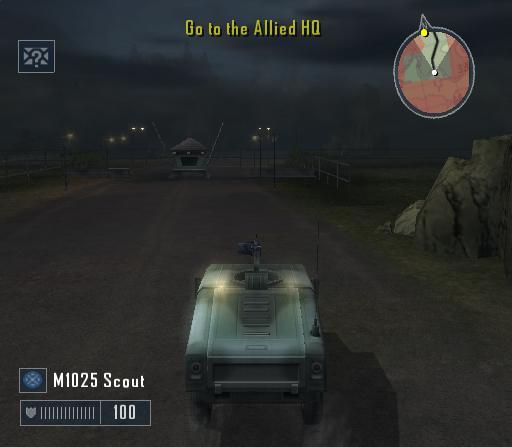
- 2005Mercenaries: Playground of Destruction lets you bid on warlords in a sandbox Korea Mercenaries: Playground of Destruction
- 2006Blood Diamond drags the trade into the conflict-diamond fields of Sierra Leone Blood Diamond
- 2008Far Cry 2 makes the mercenary fantasy feel like the trap it is Far Cry 2
- 2019Triple Frontier asks what a career of dangerous underpaid work is worth Triple Frontier
Why we keep hiring them back
The mercenary endures because he is the soldier with the lie removed. Every war story tells you the fighting means something. The soldier-of-fortune story asks the harder question: what is left when it does not, when the only honest answer to why are you here is that the pay cleared. That is uncomfortable, and discomfort is what keeps a genre alive.
Watch Blood Diamond, play Far Cry 2, read Gates of Fire, and you find the same buried idea in each. These are people who are very good at something the rest of us are glad we never had to learn, doing it for reasons they have stopped examining, in places the world has agreed to forget. The contract is just the excuse. The real subject is the man who took it.