
A Hillbilly Strikes Oil
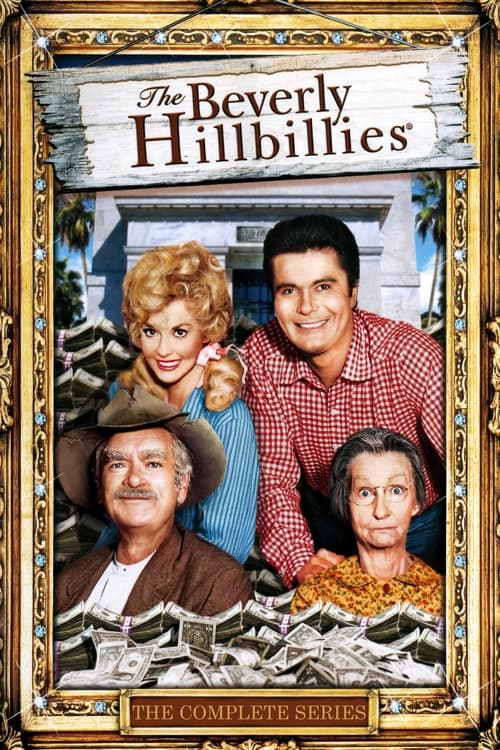
Writer and producer Paul Henning created The Beverly Hillbillies as an original premise for CBS, drawing on his Missouri upbringing and a sustained interest in the gap between Appalachian folk culture and California money. The series premiered on September 26, 1962, and within its first season was the most-watched show on American television. The hook was almost elegant in its efficiency: backwoods patriarch Jed Clampett accidentally strikes oil, becomes fabulously wealthy overnight, and relocates his family (daughter Elly May, nephew Jethro Bodine, grandmother Granny) to a Beverly Hills mansion. Comedy follows from two entirely incompatible value systems colliding, and neither one wins cleanly.
Henning had already found success with rural comedy before he developed the show, and The Beverly Hillbillies became the flagship of a CBS strategy that critics later labeled the rural comedy era, when the network packed its schedule with country-flavored hits. The show ran for nine seasons and 274 episodes, ending in 1971. What it left behind was a premise durable enough to be revisited, parodied, and outright remade across film and television for decades afterward.
The Beverly Hillbillies Across the Decades
- 1962Original CBS series premieres The Beverly Hillbillies
- 1971Original series ends after 274 episodes The Beverly Hillbillies
- 1993Theatrical feature film remake The Beverly Hillbillies
The original run is still the definitive version
Nine seasons is a long run, and not every episode holds up equally, but the first three or four seasons of the original CBS series are genuinely funny television. Buddy Ebsen as Jed Clampett is a performance of quiet authority, almost never going for the obvious joke, and Irene Ryan as Granny is one of the great comic characterizations of 1960s network TV. The show works because Jed is never stupid: he is wise, composed, and usually right. The fish-out-of-water premise survives nine seasons because the show had the sense to make the fish formidable.
The 1993 film is mostly a missed opportunity
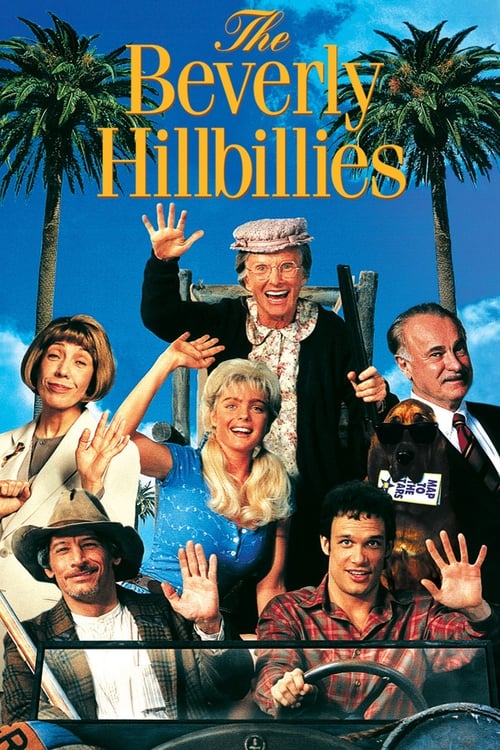
The 1993 theatrical remake directed by Penelope Spheeris has a capable cast (Jim Varney as Jed, Lily Tomlin as Miss Hathaway), and Spheeris had just come off Wayne's World. The film is not unwatchable. But it plays the Clampetts as broader and dumber than Henning ever wrote them, and leans on a tired identity-theft subplot when the original premise is already a perfectly good engine for comedy. It earned decent box office but satisfied almost nobody who cared about the source material.
The unproduced reality version is the most interesting counterfactual
In 2003, CBS development briefly advanced a concept called The Real Beverly Hillbillies, which would have moved an actual rural family into a Beverly Hills mansion and filmed the results as an unscripted series. The project was cancelled following protests from rural advocacy groups and critics who argued it would mock Appalachian culture for entertainment. It never aired. What makes it worth noting is the tension it exposes: is the joke on the hillbillies, or on Beverly Hills? Henning's scripted version always had a clear answer. The reality format would have removed that authorial control entirely, and almost certainly have landed on the wrong side.
If you love the outsider-in-high-society comedy
Fish-out-of-water stories where the wrong person arrives in a very right world


If you love the sudden windfall premise
Stories about ordinary people who find themselves with extraordinary money, and what it costs them

If you love classic CBS rural comedy
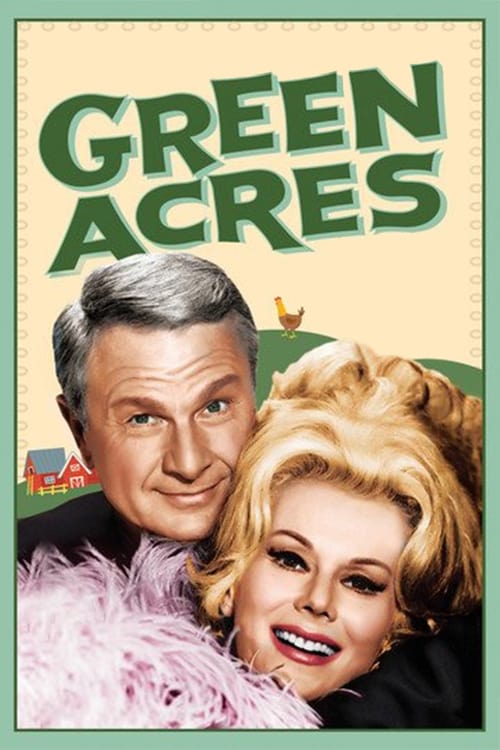
The network's golden era of country-flavored sitcoms that surrounded the Clampetts


Cozy comedy and small town America
Small Town Secrets
Explore the Small Town Secrets guide →Paul Henning's genius was in making Jed Clampett the wisest man in every room he entered. The comedy comes from Beverly Hills failing to notice.CrossBinge editorial