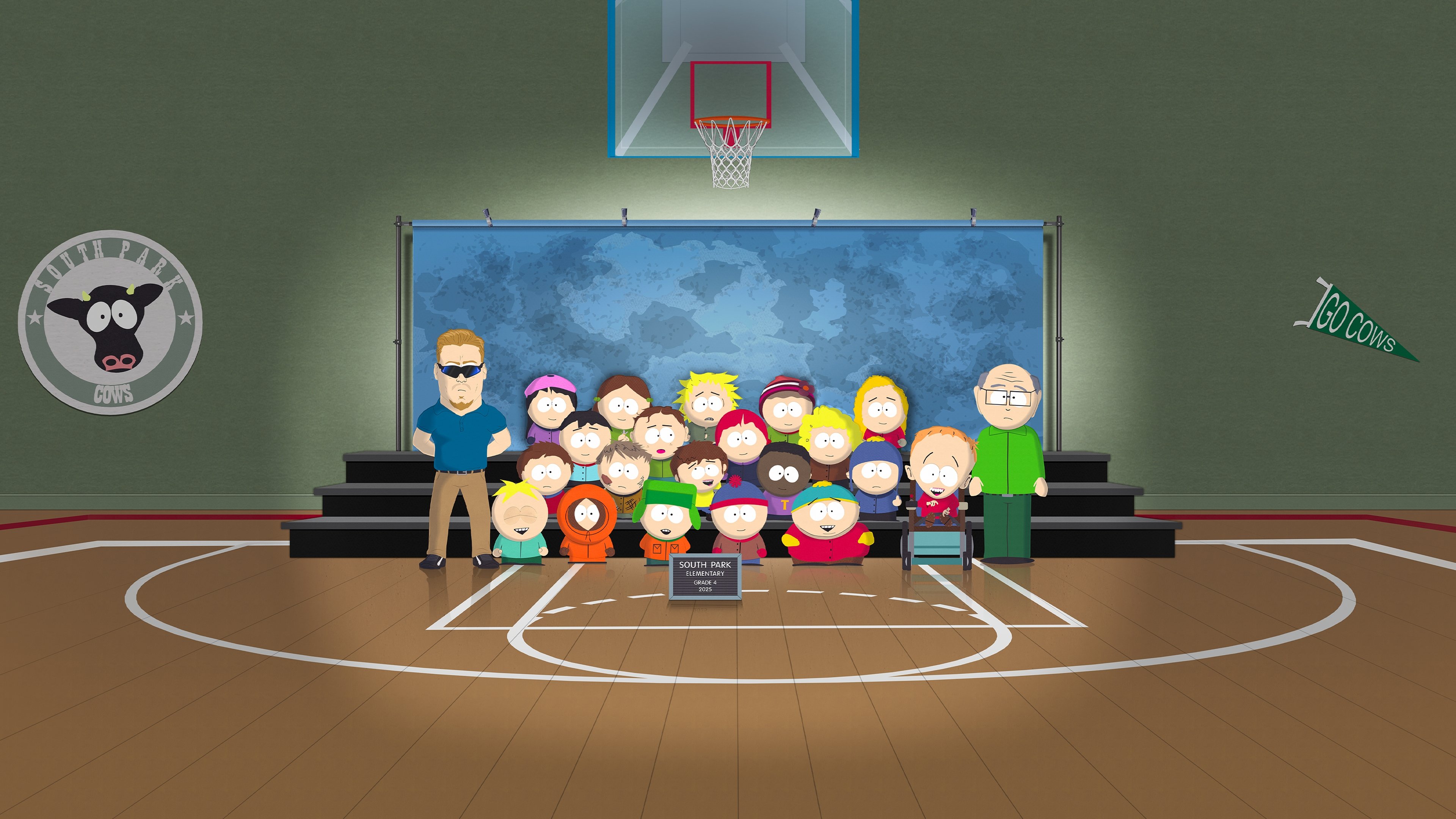

How a Crude VHS Short Became a Cultural Empire
South Park did not begin on television. In 1992, Trey Parker and Matt Stone were college students at the University of Colorado Boulder when they made The Spirit of Christmas: Jesus vs. Frosty, a crude construction-paper animated short featuring proto-versions of the four boys. A few years later, in 1995, Fox executive Brian Graden commissioned a second short, The Spirit of Christmas: Jesus vs. Santa, as a video Christmas card. That tape got dubbed and passed around: one of the earliest viral videos before the internet made virality routine.
Comedy Central signed Parker and Stone based on the shorts, and the series launched in August 1997. It became the network's highest-rated show almost immediately. The animated series is the spine of the South Park universe, but it has extended into a feature film (1999), a long run of video games, a pair of Paramount+ event specials (2021 to 2022), and a rich secondary life in merchandise and streaming. The franchise was never adapted from a pre-existing novel, comic, or play. Parker and Stone are the authors of the entire canon. Everything traces back to those two dubbed holiday tapes.
Every Version of South Park
The original shorts, the series, the film, and the games

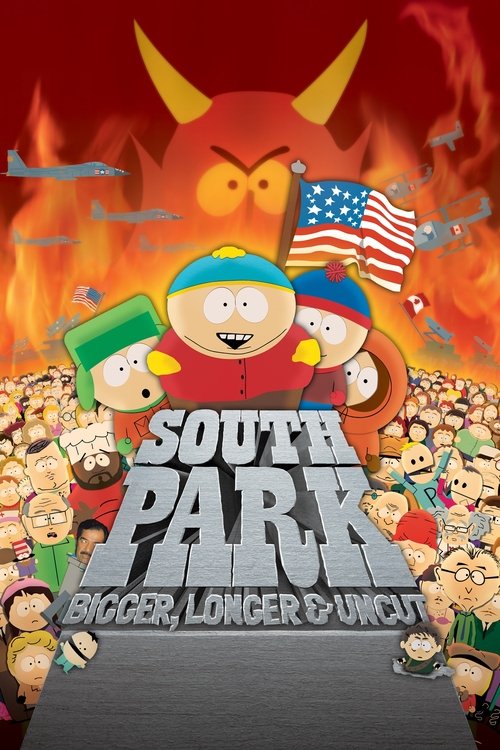
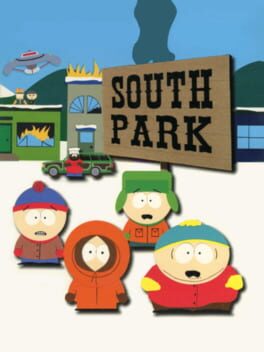
South Park Through the Years
- 1992Jesus vs. Frosty short The Spirit of Christmas
- 1995Jesus vs. Santa short (Brian Graden commission) The Spirit of Christmas
- 1997TV series premieres on Comedy Central South Park
- 1998First South Park video game (N64/PS1) South Park
- 1999Theatrical film South Park: Bigger, Longer & Uncut
- 1999Chef's Luv Shack party game
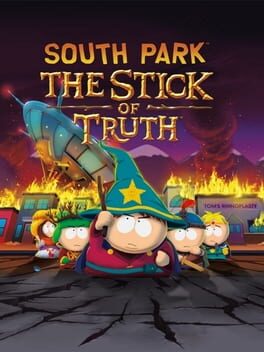
- 2014RPG landmark, co-developed with Obsidian South Park: The Stick of Truth
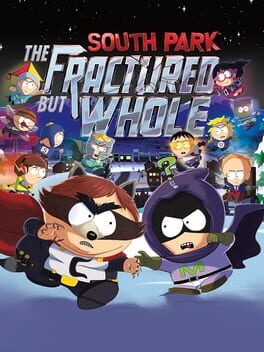
- 2017Superhero RPG sequel South Park: The Fractured But Whole
- 2021Post Covid Paramount+ special South Park
- 2021Return of Covid special
- 2022The Streaming Wars specials
- 2023Joining the Panderverse special
- 2023Not Suitable for Children special
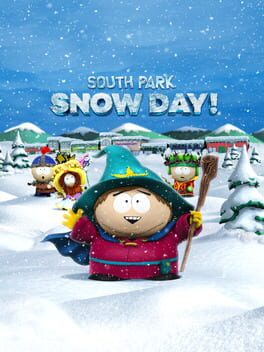
- 2024Snow Day co-op game South Park: Snow Day!
If You Love South Park's Satirical Bite
TV series that take the world apart with jokes instead of arguments
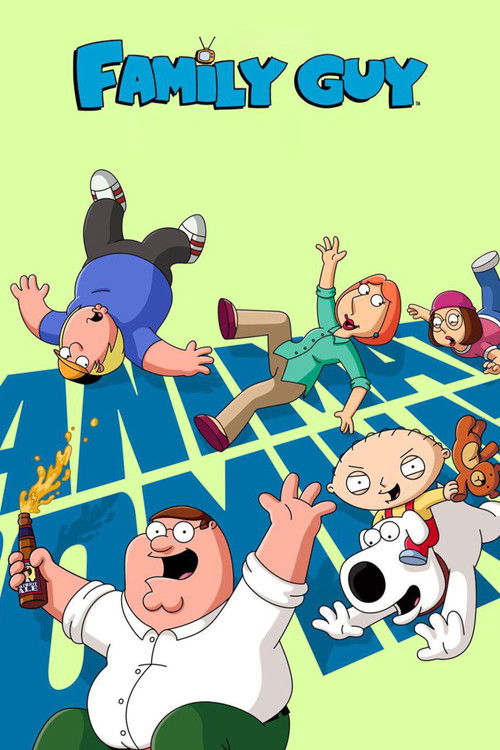
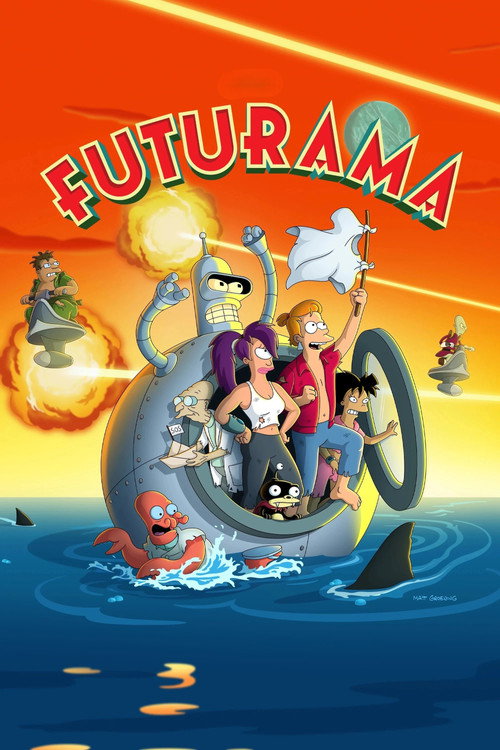
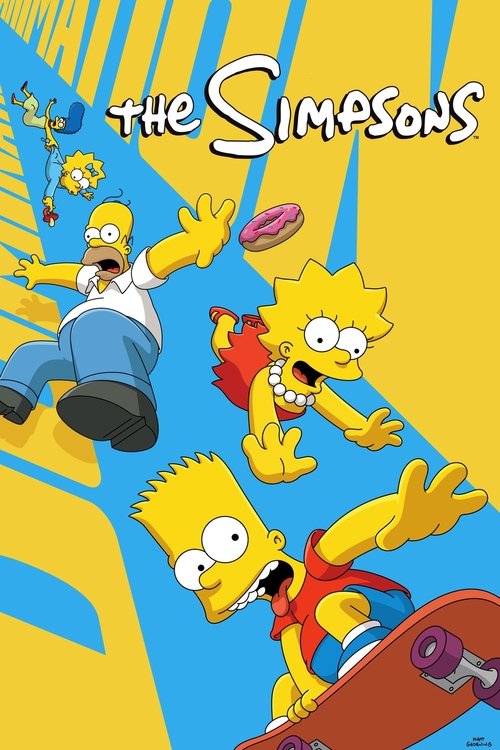
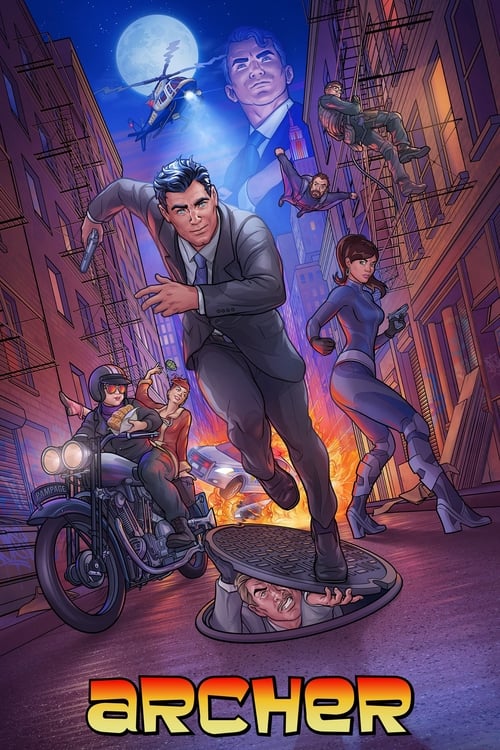
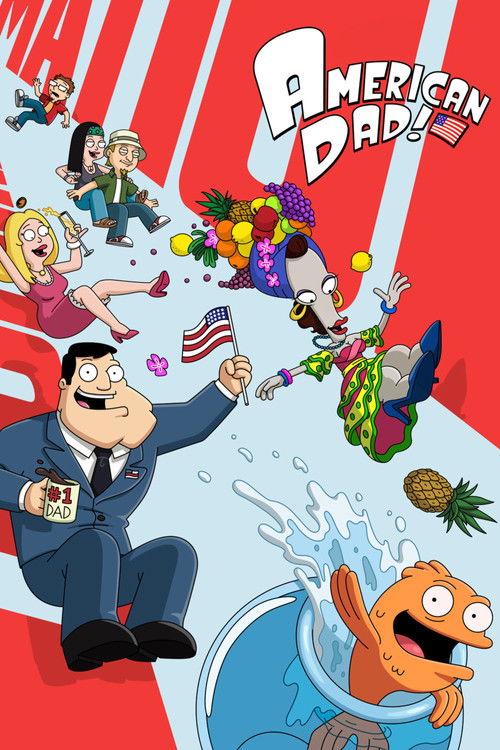
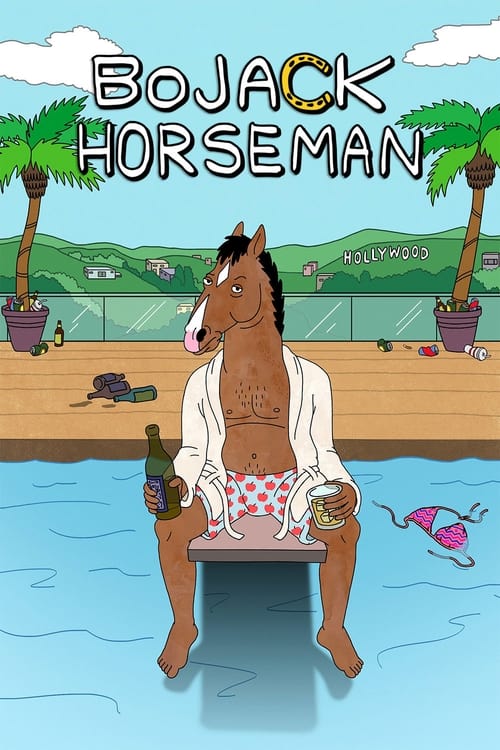
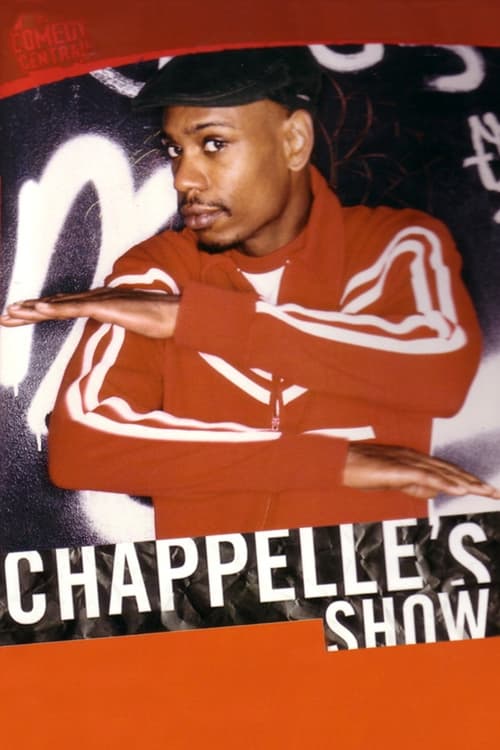

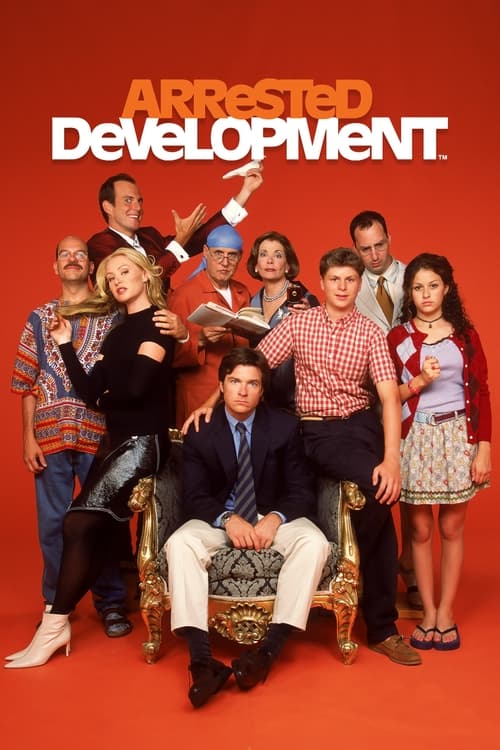
If You Love the South Park Movie's Musical Outrage
Musicals and comedies that use the form as a weapon

The Definitive Version: The TV Series, Seasons 5 to 10
The film is spectacular, the RPG games are genuinely great, but South Park's defining achievement is a sustained run of weekly television. Seasons five through ten represent a period where Parker and Stone wrote, animated, and delivered an episode in six days, and the constraint sharpened their instincts. Episodes like Cartmanland, Scott Tenorman Must Die, Trapped in the Closet, and Make Love Not Warcraft belong in any conversation about the greatest TV comedy episodes ever produced. No other version of South Park captures that live-wire energy of satire arriving before the week is over.
If You Love The Stick of Truth's RPG Parody
Games that mock or subvert the form while playing it with total commitment

The Underrated Version: The Stick of Truth
South Park: The Stick of Truth is one of the few game adaptations of a TV property that grasps what makes the source work. Obsidian Entertainment co-developed it with Parker and Stone, and the collaboration shows: it treats the RPG genre as a full creative partner rather than a vehicle for jokes, and delivers a story that would have worked as a full season of the show. Critics praised it at release but it has since settled below the radar of people who do not play games. It holds up better than almost anything else in the franchise.
If You Love Small-Town America Skewered
Stories that find the absurd in ordinary places





The One to Skip: The 1998 N64 Game
The original 1998 South Park game for Nintendo 64 and PlayStation, developed by Iguana Entertainment, arrived in the series' first flush of popularity and sold purely on the license. It is a first-person shooter that mistakes the show's visual style for its actual content. The jokes do not land; the gameplay is ugly and repetitive. Even fans of the era remembered it poorly. It exists as a record of how quickly licensed games moved in the late 1990s, and how little that era cared whether the result matched the source.