
The Second Age, finally on screen
The story of the Rings of Power was never a standalone novel. J.R.R. Tolkien sketched it across the appendices of The Lord of the Rings (1954-55), in the posthumously published The Silmarillion (1977), and in the dense manuscripts assembled by Christopher Tolkien in Unfinished Tales (1980) and the twelve-volume The History of Middle-earth series. It is the story of an age: the forging of the nineteen rings, the corruption of Sauron, the fall of Numenor, and the long war that ended with the Dark Lord's first defeat.
For decades, this material was considered unfilmable and, more practically, unlicensable. The Tolkien Estate retained tight control over anything beyond The Hobbit and The Lord of the Rings proper. When Amazon Studios acquired the rights to produce a series drawing on the appendices in 2017 for a reported $250 million, it set off the most expensive television production in history. The resulting series, The Lord of the Rings: The Rings of Power, launched on Prime Video in September 2022. Beyond the screen, Tolkien's Second Age material has also shaped video games, a rich tabletop tradition, and a publishing legacy that scholars and fans continue to mine.
Every Version of the Rings of Power Story
The source texts and adaptations across all media


The Rings of Power Story Across Time
- 1954Tolkien publishes The Lord of the Rings with appendices covering Second Age history The Lord of the Rings
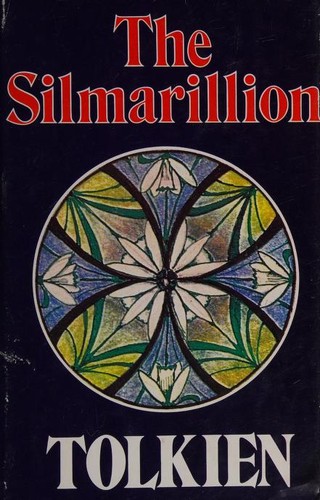
- 1977The Silmarillion published posthumously, with fuller accounts of Numenor and the forging of the rings The Silmarillion
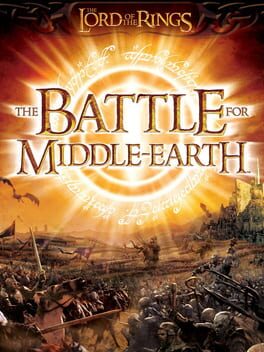
- 2004The Battle for Middle-earth brings large-scale strategy to Tolkien's world, drawing on the Third Age but shaped by Sauron-era lore The Lord of the Rings: The Battle for Middle-earth
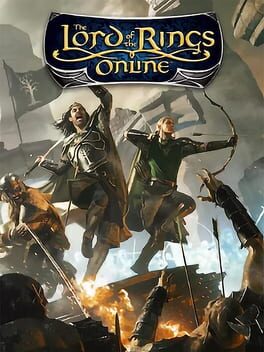
- 2007The Lord of the Rings Online launches, with quests that touch Second Age history across Eriador and beyond The Lord of the Rings Online
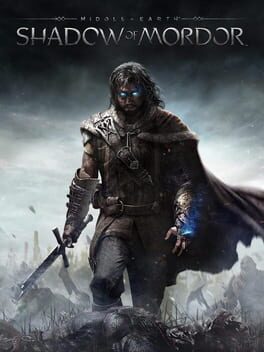
- 2014Shadow of Mordor, set in the period between the Second and Third Ages, builds its mythology directly out of Sauron's ring-making legacy Middle-earth: Shadow of Mordor
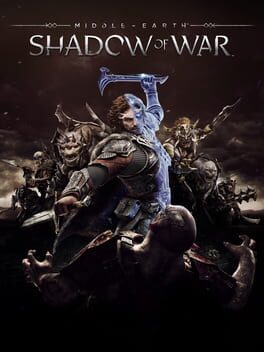
- 2017Shadow of War expands the Nazgul and ring-forging mythology in playable form Middle-earth: Shadow of War
- 2022Amazon's The Rings of Power premieres, the first major screen dramatization of the Second Age The Lord of the Rings: The Rings of Power
The definitive version is the appendices and The Silmarillion, read together
Tolkien's appendices to The Lord of the Rings and the relevant chapters of The Silmarillion remain the most complete and coherent telling of the Second Age. They are terse, sometimes frustratingly so, but every line carries the weight of a fully imagined mythology. The Silmarillion gives you Numenor's pride and its destruction by the sea; the appendices give you the forging of the rings, Annatar's seduction of the elven-smiths, the Siege of Barad-dur. Neither book tells the whole story, which is exactly why reading them together works. You are assembling a history from fragments, the way Tolkien intended it to feel. Any adaptation, however expensive, is working from these notes. Go to the source first.
The underrated one: Shadow of Mordor's Sauron mythology
Middle-earth: Shadow of Mordor and its sequel are not faithful adaptations, and they know it. What they offer instead is a vivid, playable riff on the Sauron-and-rings mythology: the Nazgul as tragic enslaved warriors, the One Ring's corruption as a direct gameplay mechanic, Celebrimbor's ghost as a figure of genuine pathos. The Nemesis system, in which every orc you fail to kill remembers you and grows more powerful for it, accidentally captures something Tolkien wrote about in his letters: the way Sauron individuates his servants rather than simply commanding them in a mass. The lore takes liberties. The game is great.
The divisive one: The Rings of Power TV series
Amazon's series is visually extraordinary and narratively uneven. Season 1 front-loaded mystery at the expense of momentum, keeping Sauron's identity as a guessing game well past the point of diminishing returns. Season 2 corrected course, sharpening the political drama and giving the ring-forging storyline the urgency it needed. Whether you find it a worthy expansion of Tolkien or an expensive rearrangement of his furniture depends entirely on your tolerance for compression and invention. It is not the Tolkien of the books. It is something adjacent: sometimes beautiful, occasionally frustrating, always expensive. The production design alone justifies at least one season.
The problem with adapting the Second Age is that Tolkien wrote it as history, not narrative. The drama has to be invented around the facts, and where you draw that line is where every argument begins.A recurring observation among Tolkien scholars and fans since 2022
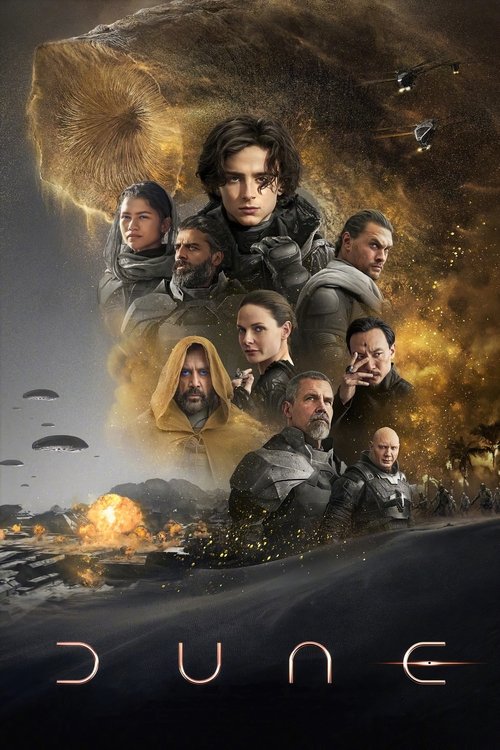
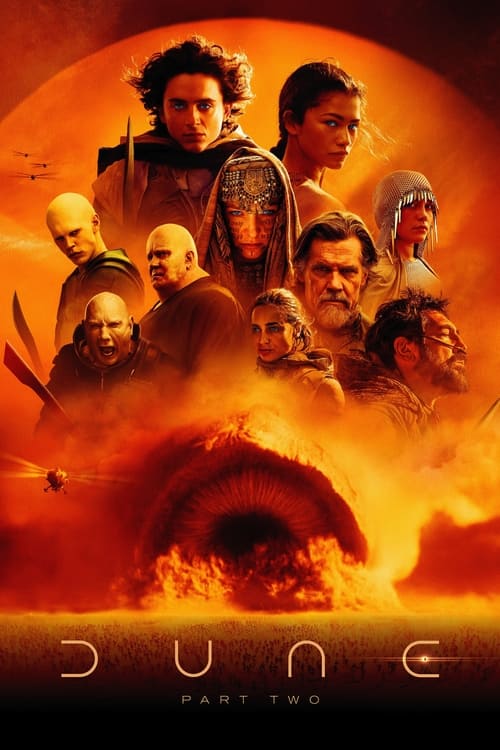
If you love the epic scale of Rings of Power
Sweeping fantasy series with deep world-building and long arcs
If you love the corruption and rings mythology
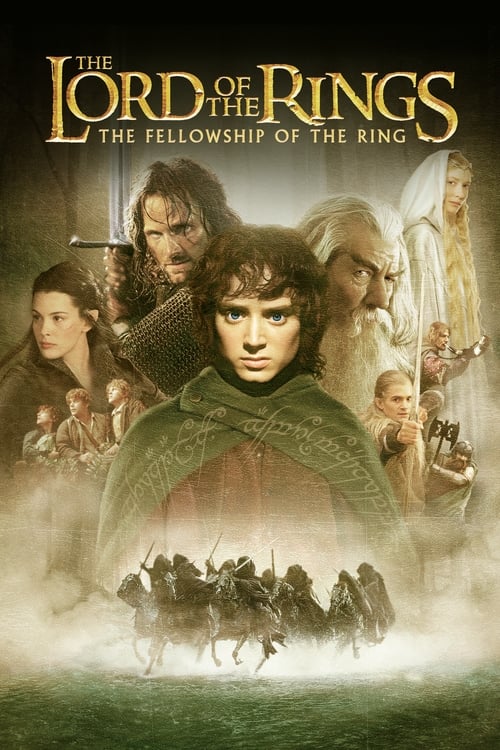
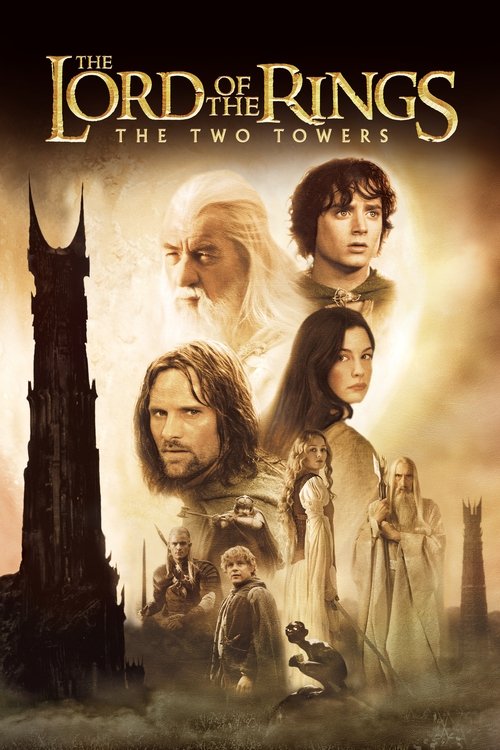
Stories about power, temptation, and the cost of wielding both


If you love the fall of great civilizations
Lost empires, hubris, and the long shadow of the past