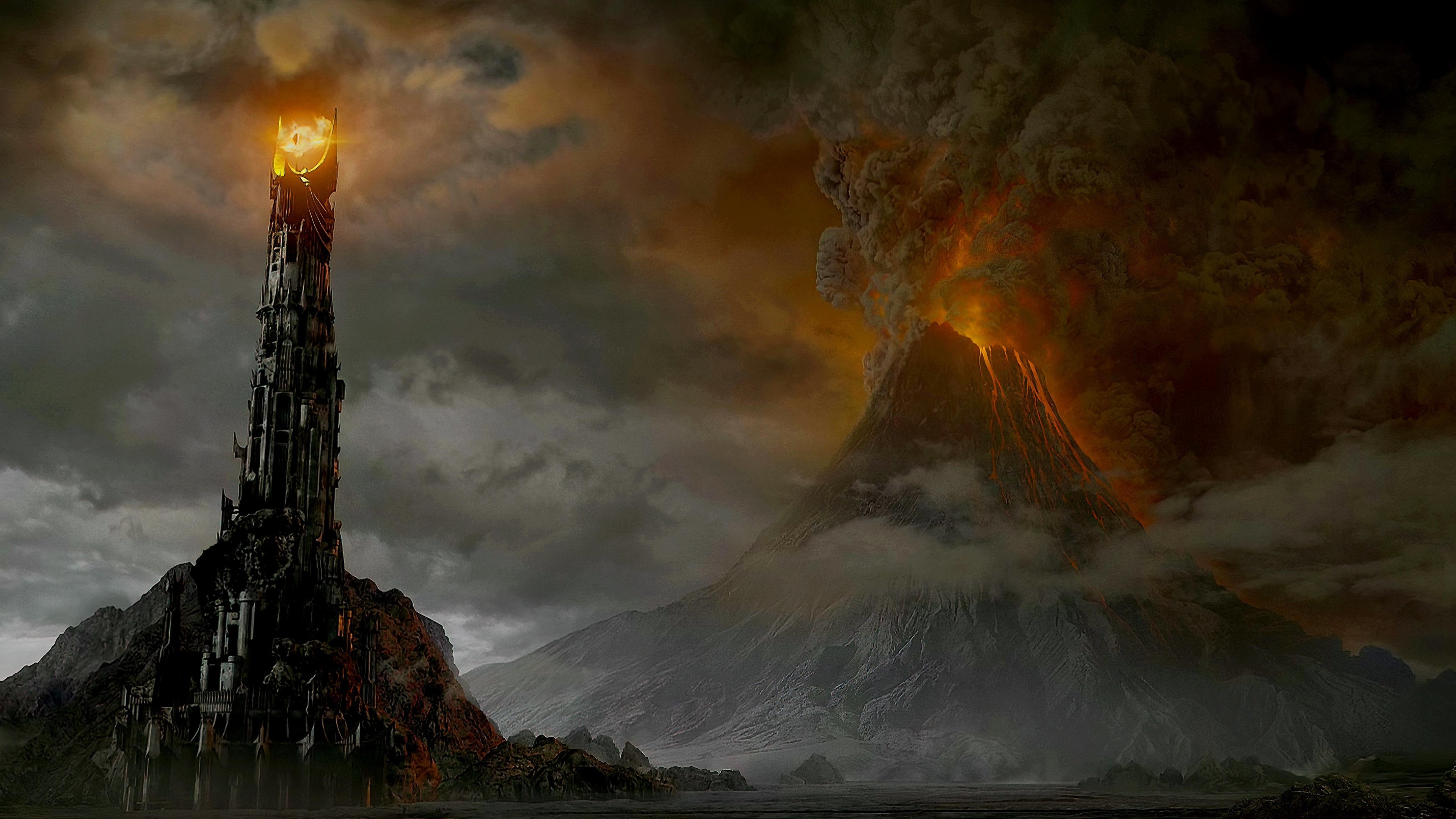

The Lord of the Rings is the template. Not the first epic fantasy, but the one that crystallized what the genre could feel like: weight, consequence, beauty, grief, and the quiet heroism of ordinary people carrying impossible burdens. Peter Jackson's trilogy turned J.R.R. Tolkien's novels into the definitive cinematic myth of the early 21st century, and the world it built has never really closed. If you love it, you already know the feeling: the ache of a story that is simultaneously about grand cosmic stakes and about friendship, loss, and going home. Everything in this guide is chosen because it finds that same register -- other worlds that cost something to visit, and that stay with you after.
Essential Middle-earth
The core of the canon: Jackson's films, Tolkien's books, the Amazon series, and the standout games
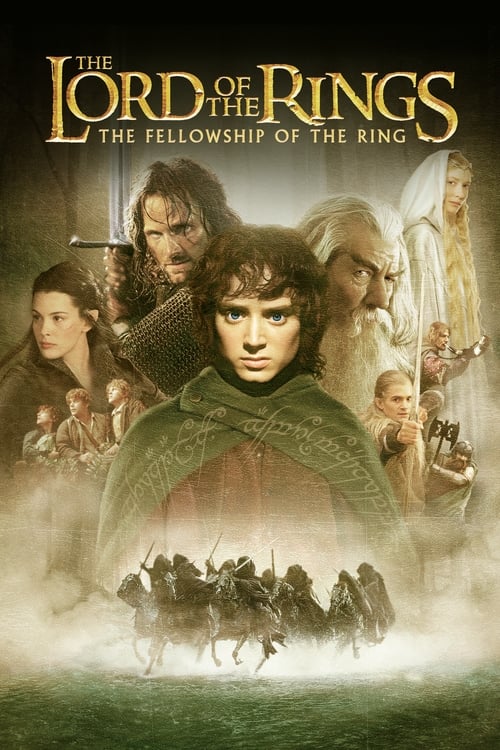 The Lord of the Rings: The Fellowship of the Ring
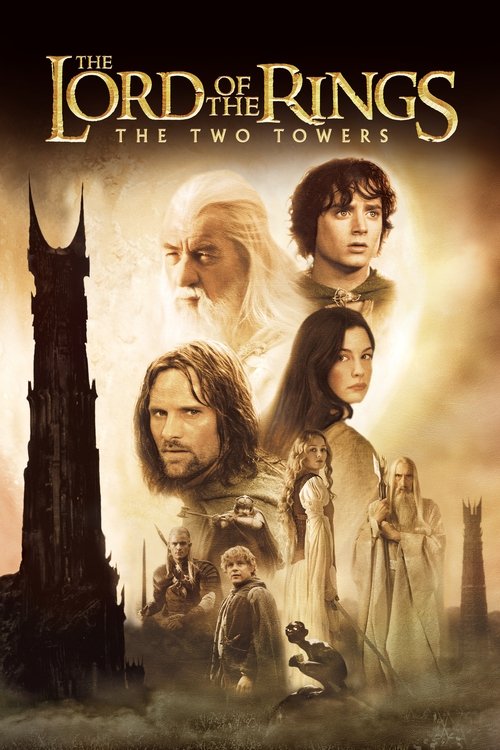 The Lord of the Rings: The Two Towers
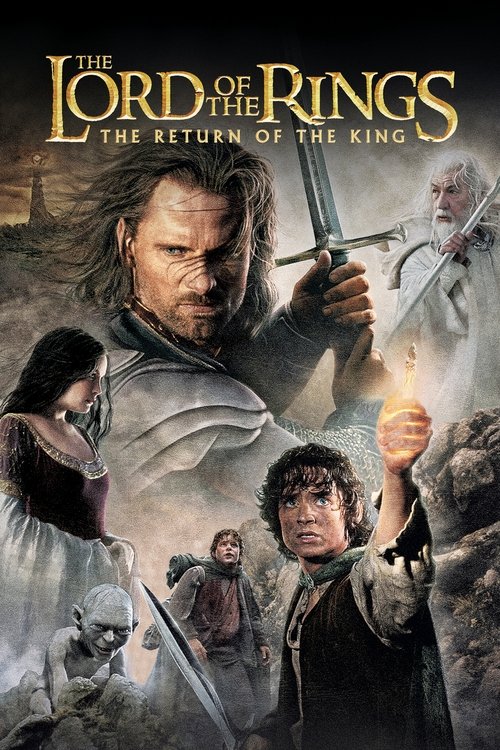 The Lord of the Rings: The Return of the King
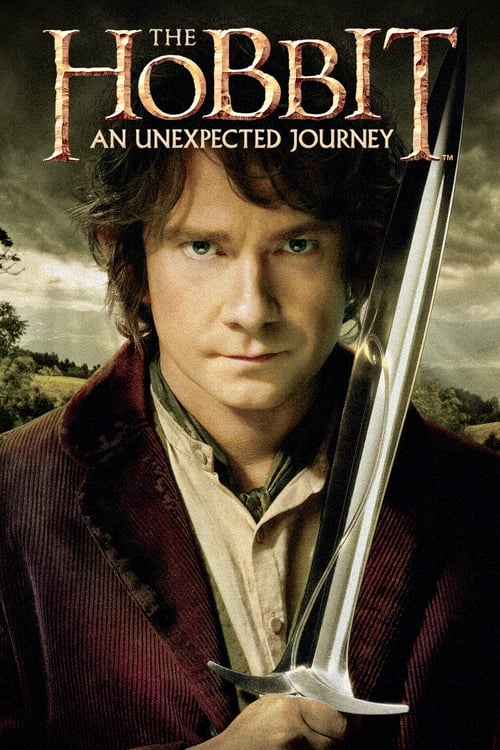 The Hobbit: An Unexpected Journey
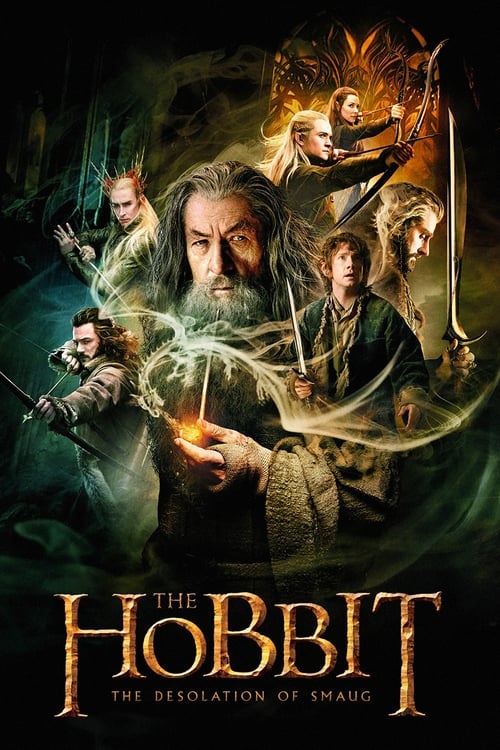 The Hobbit: The Desolation of Smaug
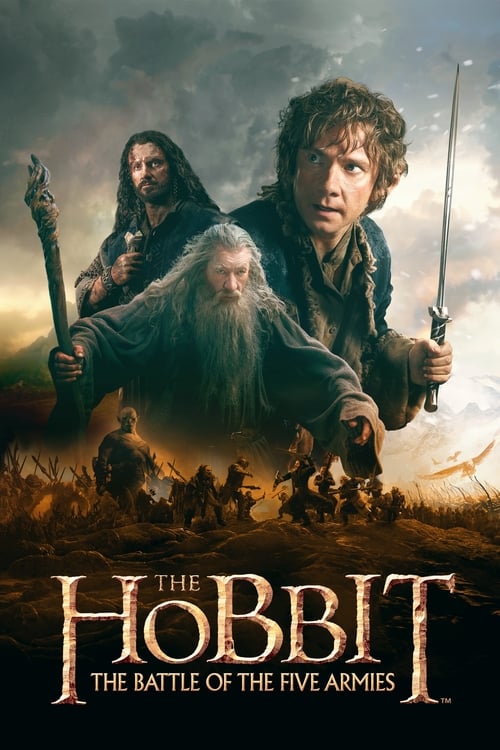 The Hobbit: The Battle of the Five Armies
 The Lord of the Rings: The Rings of Power
 The Lord of the Rings
 The Hobbit
 The Silmarillion
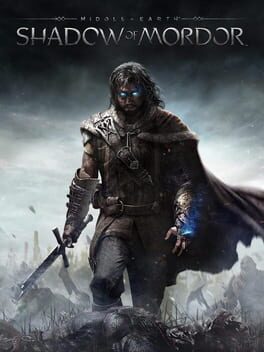 Middle-earth: Shadow of Mordor
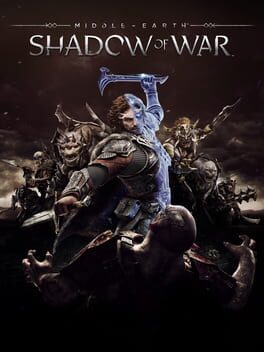 Middle-earth: Shadow of War
If You Love the Jackson Films: Epic Fantasy Cinema
Films and series that share the same sense of scale, world-building, and mythic stakes
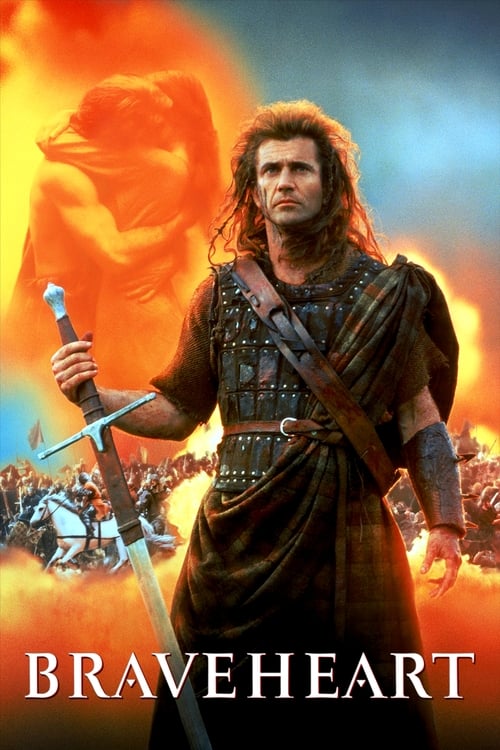
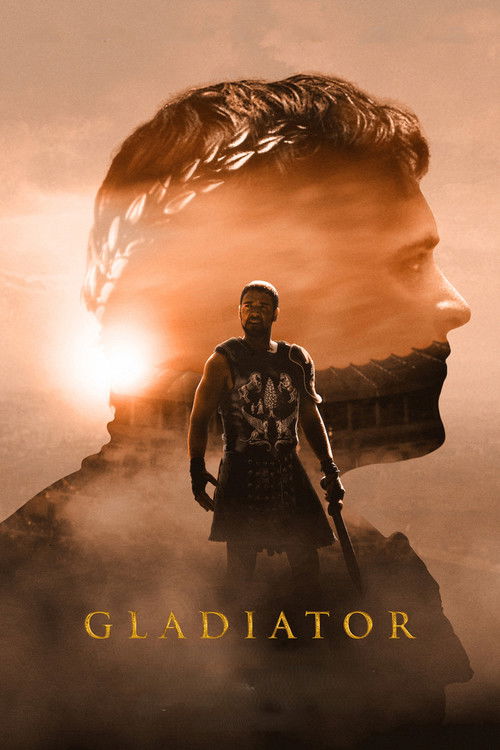
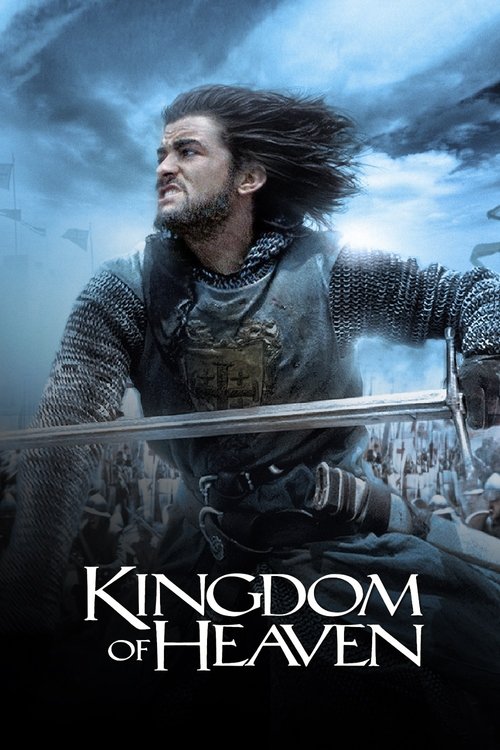

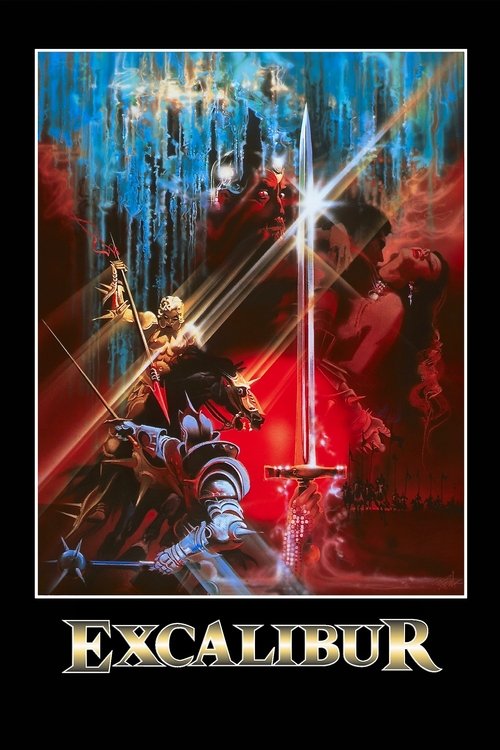
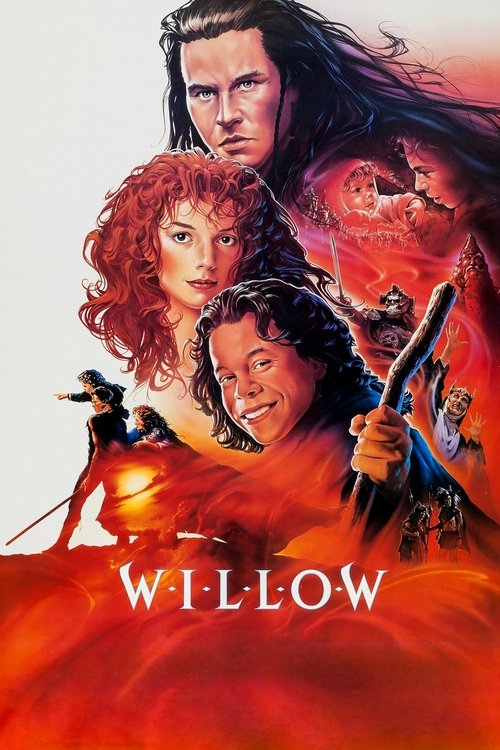
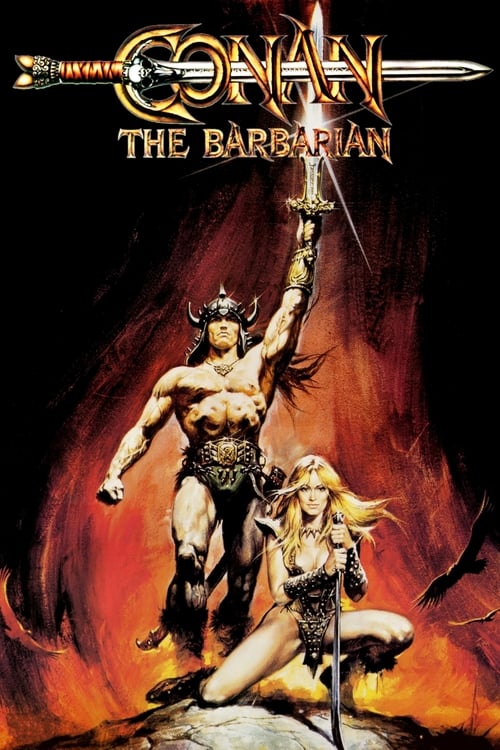
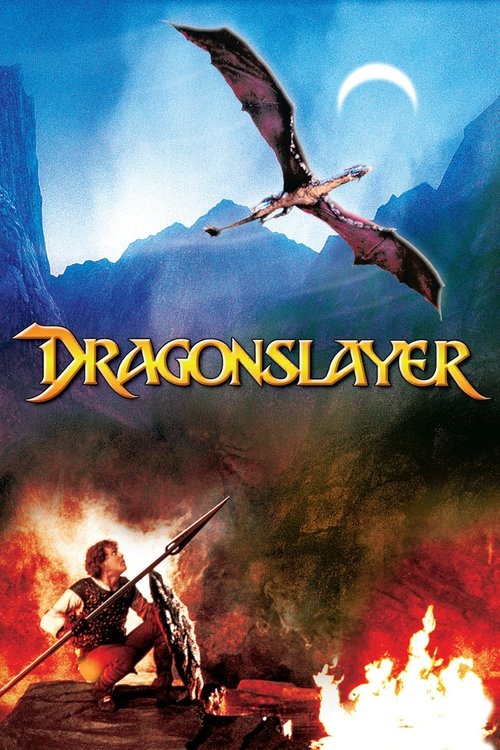
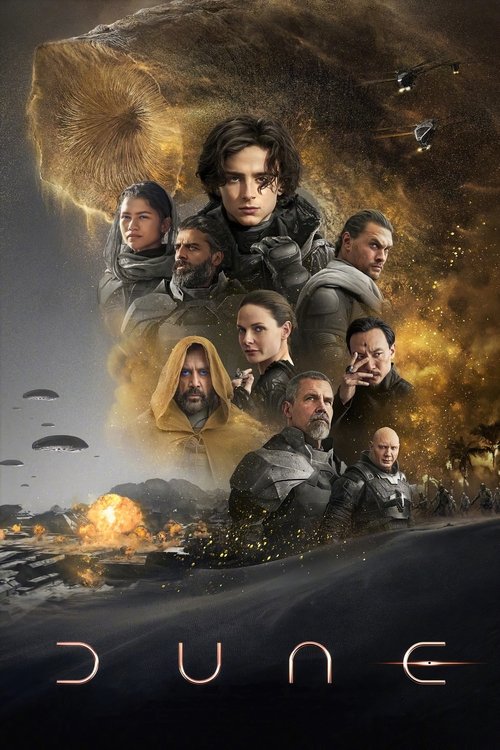
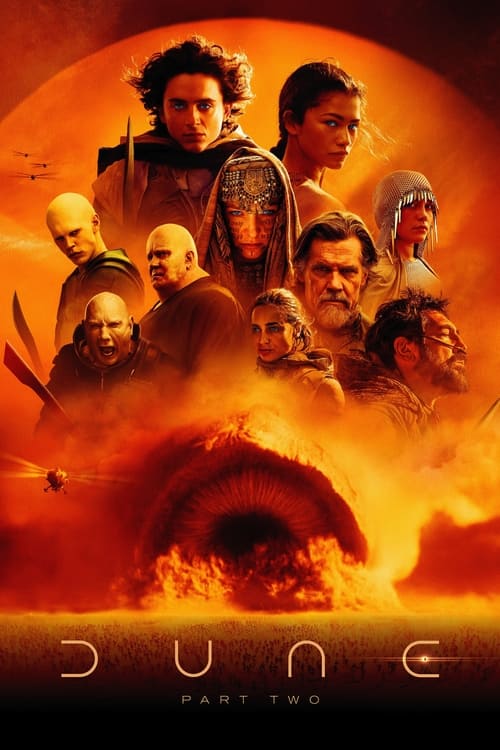
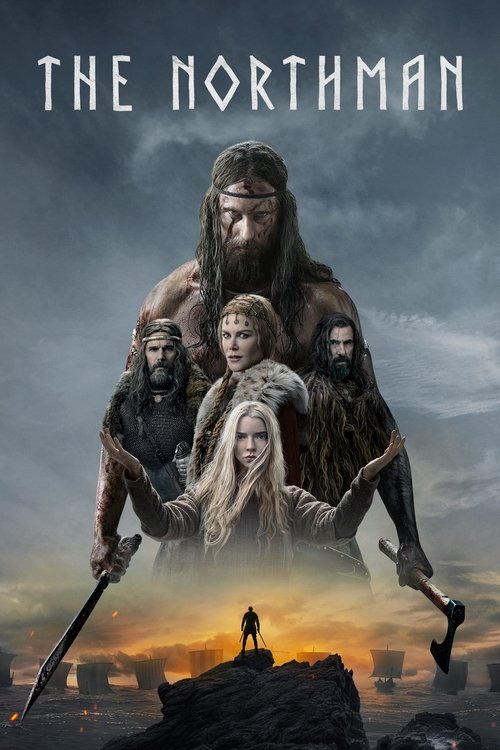
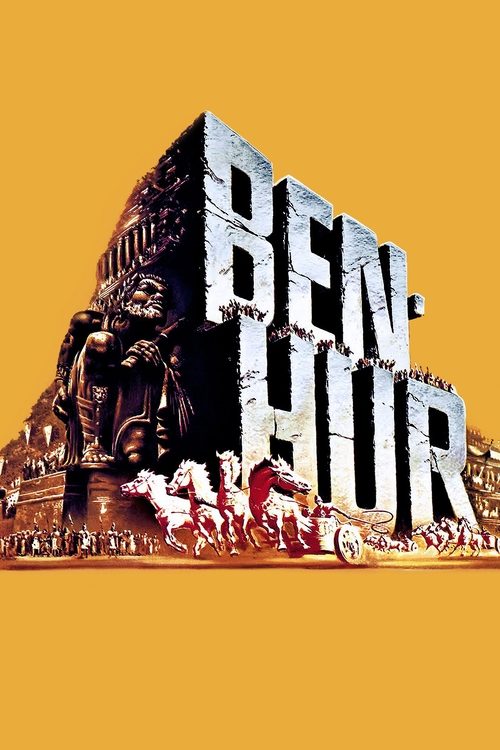
The Tolkien Bookshelf and Its Closest Kin
Essential reading for those who want the same depth of invented world, myth, and language


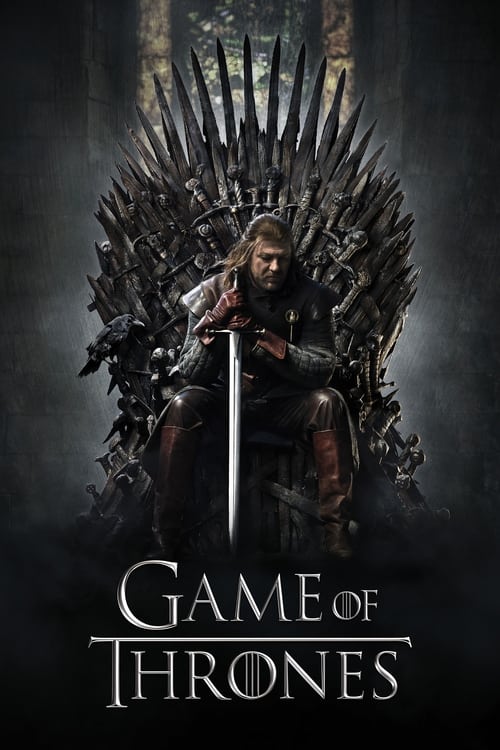
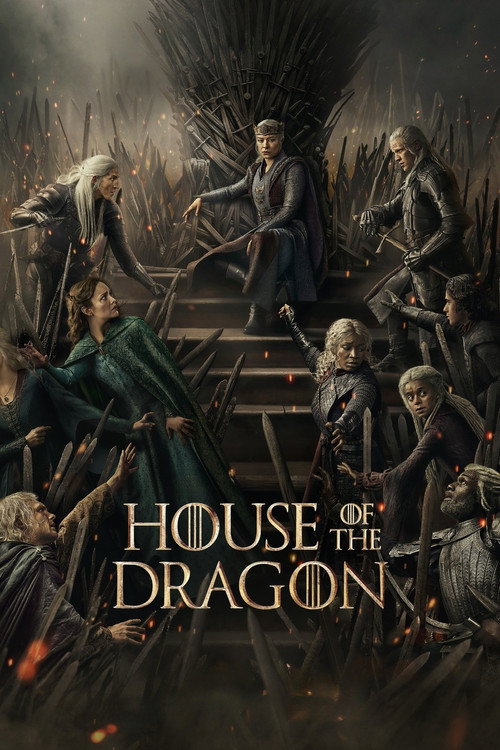
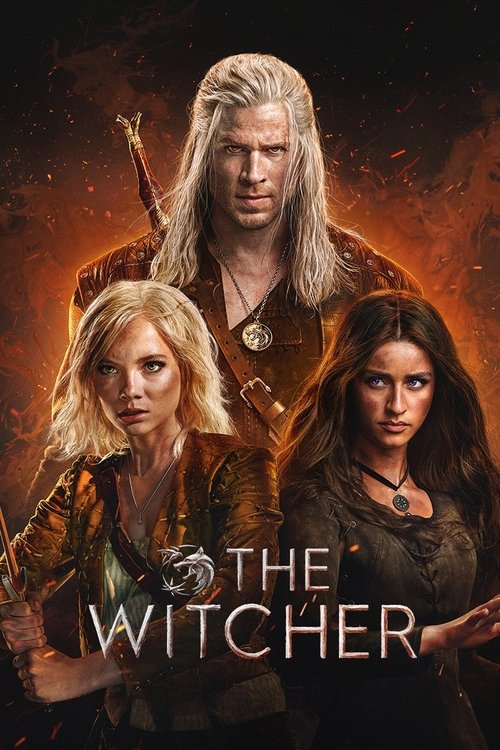
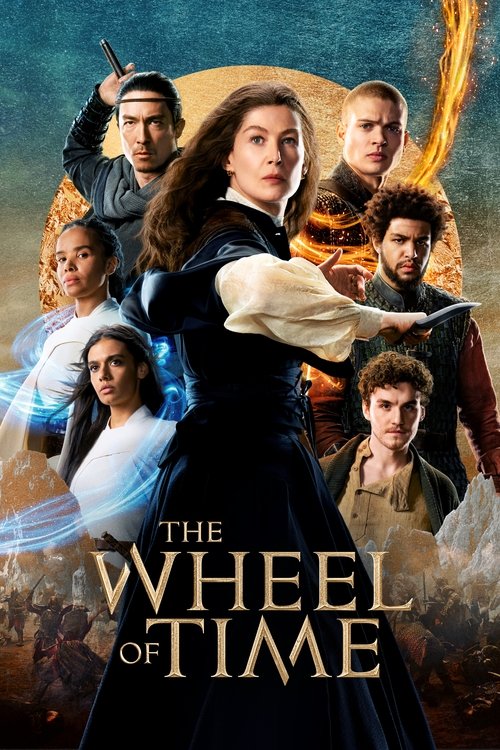
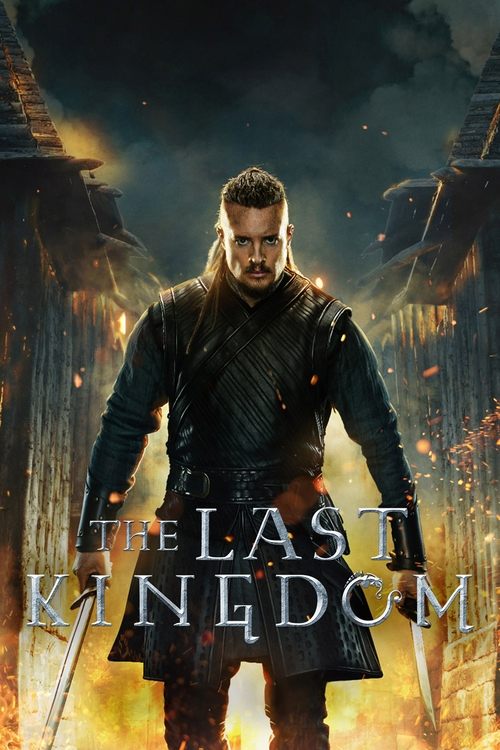
Epic Fantasy on Screen: Series That Build Worlds
Long-form television that commits to real world-building and earned consequence

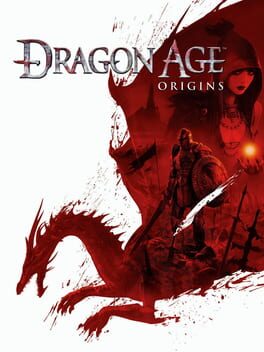
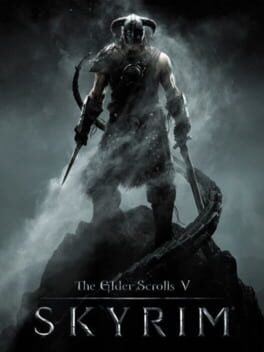
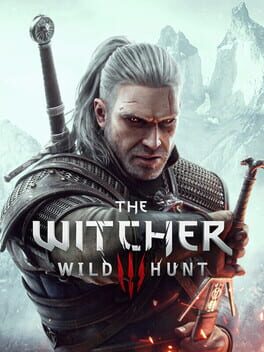
Middle-earth and Beyond: Games That Feel Like an Adventure
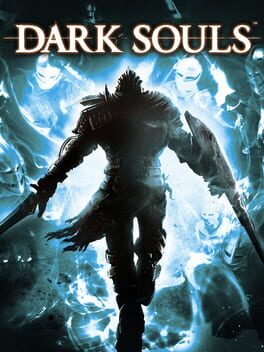
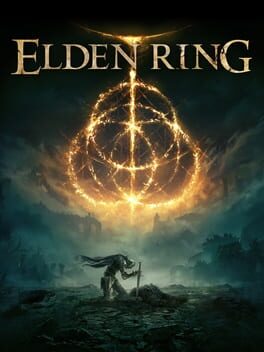
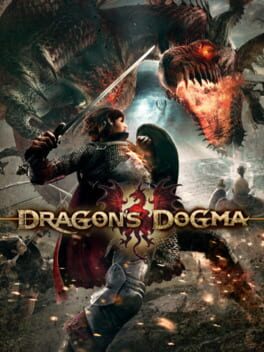
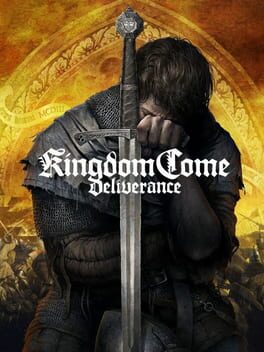
Games that capture the journey, the weight of lore, and the thrill of an open world worth exploring
The Extended Editions Changed What Cinema Could Ask of an Audience
Peter Jackson's theatrical cuts are complete films. But the Extended Editions of the trilogy are a different proposition: they ask for a full day, and they give something back in return. The Shire breathes more. Boromir's grief is legible earlier. Faramir's arc becomes a counterpoint to his brother's rather than a compressed subplot. Whatever you think about bloat in modern franchise filmmaking, the LotR Extended Editions remain the argument that longer can mean richer when every added scene has been earned. They made marathon viewing a communal ritual.
Shadow of Mordor Invented Something New With Its Nemesis System
Middle-earth: Shadow of Mordor is not a faithful Tolkien adaptation and was never trying to be. What it created is a procedural system for making villains that remember you, grow stronger from defeating you, and carry grudges across the full length of the game. The Nemesis System turned generic orc captains into personal antagonists with names, grievances, and grudging respect. It remains one of the most underused mechanics in game design, and Shadow of Mordor is still the best argument for what open-world action games can do with emergent storytelling.
The Rings of Power Gets the Scale Right
The Rings of Power divided audiences, partly because it is not Jackson and partly because it moves slowly and deliberately in an era that rewards relentless event. Those complaints are also its virtues. The series commits to Second Age Middle-earth as a world in transition: Numenor at its height, the elves reckoning with mortality, Sauron operating in disguise. When it works, the scale is genuinely staggering and the sense of watching history turn is hard to find elsewhere on television. It earns its comparison to Tolkien's actual Appendices more than the Hobbit films earn their comparison to the book.
Howard Shore's Score Is the Other Author of Middle-earth
You cannot separate the emotional experience of Jackson's trilogy from Howard Shore's score. Shore did not write background music: he built a leitmotif architecture as dense as Wagner's, where every faction, every character's inner state, and every shift in moral weight has a corresponding musical signature. The Shire theme, the Fellowship theme, the Mordor percussion, Gollum's corrupted waltz -- these are inseparable from the images they accompany. Watching the films without sound is watching a different movie. Shore's contribution to what LotR means culturally has never been given enough credit by name.
Middle-earth Across Media: Key Dates
- 1937The Hobbit published by George Allen and Unwin The Hobbit
- 1954The Fellowship of the Ring and The Two Towers published The Lord of the Rings
- 1955The Return of the King completes the trilogy The Lord of the Rings
- 1977Rankin/Bass animated The Hobbit airs on NBC
- 1978Ralph Bakshi's animated Lord of the Rings released in theaters
- 2001Jackson's Fellowship of the Ring opens worldwide The Lord of the Rings: The Fellowship of the Ring
- 2002The Two Towers released; wins two Oscars The Lord of the Rings: The Two Towers
- 2003Return of the King sweeps 11 Oscars including Best Picture The Lord of the Rings: The Return of the King
- 2012The Hobbit: An Unexpected Journey begins the prequel trilogy The Hobbit: An Unexpected Journey
- 2014Shadow of Mordor releases; Nemesis System changes game design Middle-earth: Shadow of Mordor
- 2017Shadow of War expands the Nemesis System to a full campaign Middle-earth: Shadow of War
- 2022The Rings of Power premieres on Prime Video The Lord of the Rings: The Rings of Power
Middle-earth and kindred epics
For Fans of J.R.R. Tolkien
Explore the For Fans of J.R.R. Tolkien guide →Even darkness must pass. A new day will come. And when the sun shines it will shine out the clearer.Samwise Gamgee, The Lord of the Rings: The Two Towers