
A life too large for one medium
The story originates not in a physics textbook but in a memoir: Travelling to Infinity: My Life with Stephen, published by Jane Hawking in 1999 and revised in 2007. Jane was Stephen Hawking's first wife, and her book is a portrait of a marriage conducted under the pressure of one of the most famous minds of the twentieth century and a progressive motor neurone disease that should have killed him in his twenties. That memoir became the foundation for Anthony McCarten's screenplay and James Marsh's 2014 film, which then sent the story outward into documentary, stage, and broadcast form. The journey is unusual: most biopics adapt a single authorized life. This one kept returning to its source, each version choosing a different angle on the same extraordinary facts.
Every version of The theory of everything
The source and every major adaptation



The story across time
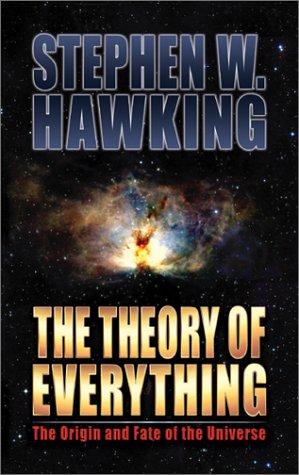
- 1988A Brief History of Time published by Stephen Hawking
- 1991Errol Morris documentary A Brief History of Time
- 1997Stephen Hawking's Universe, six-part PBS/Channel 4 documentary series
- 1999Travelling to Infinity memoir by Jane Hawking
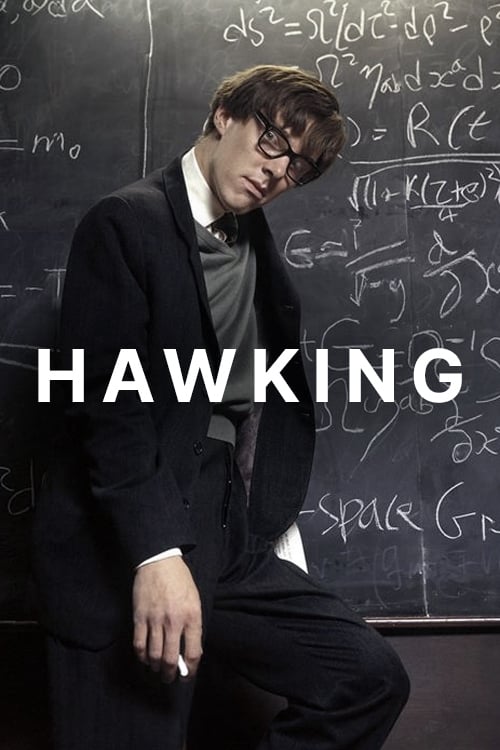
- 2004Hawking, BBC Four TV film with Benedict Cumberbatch as the young physicist
- 2007Travelling to Infinity revised and expanded
- 2010Into the Universe with Stephen Hawking, Discovery Channel series
- 2014The Theory of Everything, dir. James Marsh, starring Eddie Redmayne
- 2018Hawking dies; tributes and retrospective documentaries across broadcast
The definitive version: The Theory of Everything (2014)
James Marsh's film is the one that set the cultural image. Eddie Redmayne's performance is physically extraordinary, but what makes the film linger is the way it stays on Jane's side of the story rather than treating Stephen as pure icon. Anthony McCarten's screenplay compresses years into a few devastating sequences without ever feeling dishonest to the memoir. The Academy agreed: Redmayne won Best Actor, and the film received five nominations total including Best Picture and Best Actress for Felicity Jones. It is the version most people mean when they say they know Hawking's story.
The underrated one: Errol Morris's A Brief History of Time (1991)
Morris's documentary arrived three years after Hawking's book became a global phenomenon and it remains the closest thing to a portrait of the scientist on his own terms. Rather than dramatising childhood or romance, it lets colleagues, family, and Hawking himself build an account of how the ideas actually formed. The visual language is more poetic than explanatory: ants crossing a globe, a slowly rotating black hole rendered in graphics that were cutting-edge in 1991. It is quiet and strange in the best way, and it is overlooked precisely because the 2014 feature is so much more accessible. If you want to understand Hawking the physicist rather than Hawking the husband, start here.
The one to approach carefully: Hawking (2004)
Benedict Cumberbatch plays a young Hawking before the disease had fully progressed, which gives this BBC Four TV film a different dramatic register from Marsh's version. It is competent and sometimes moving, but it covers largely the same early-Cambridge period and inevitably suffers in comparison to what came ten years later. Worth watching if you want to see Cumberbatch's interpretation, but it does not expand the story in any significant direction. Treat it as a companion piece rather than a substitute.
If you love The theory of everything: brilliant-mind biopics
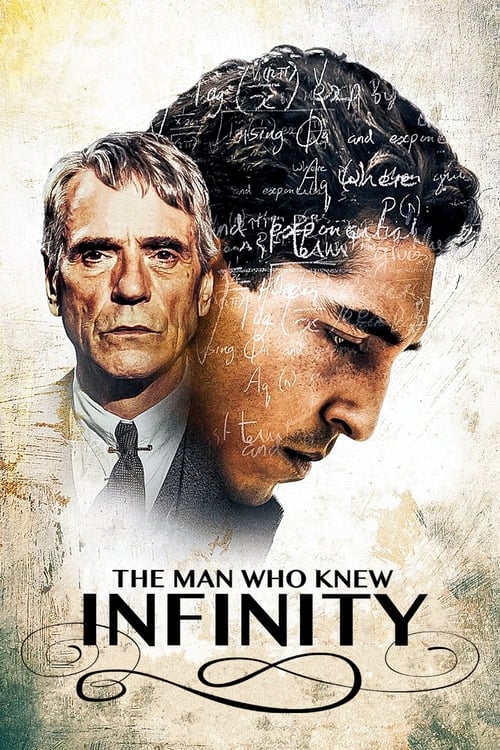
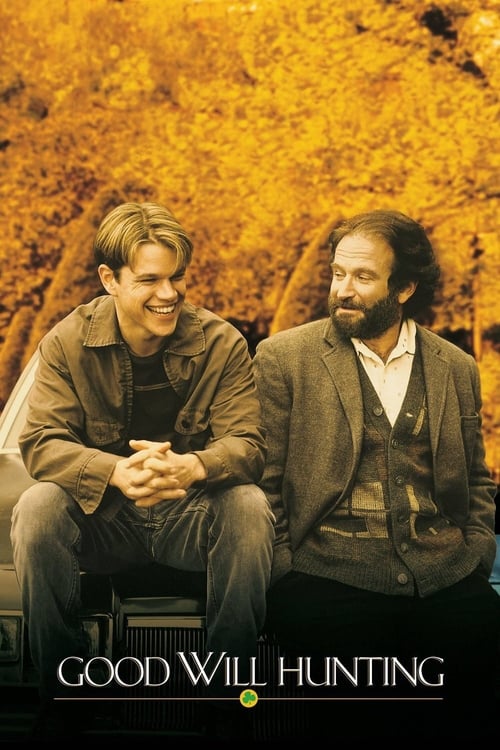
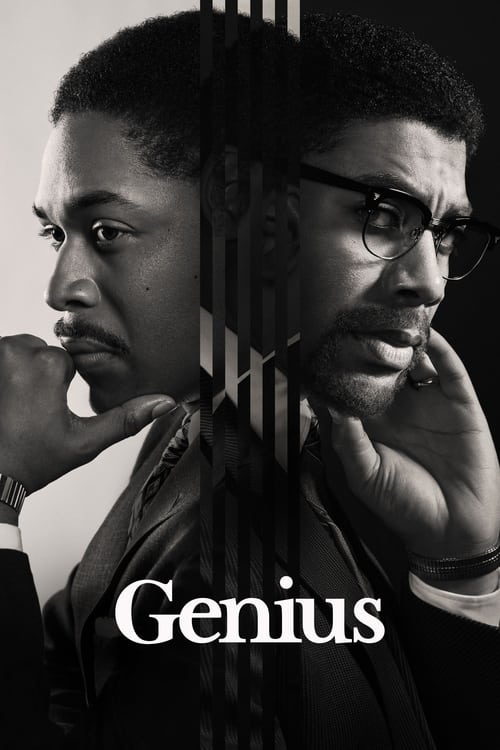
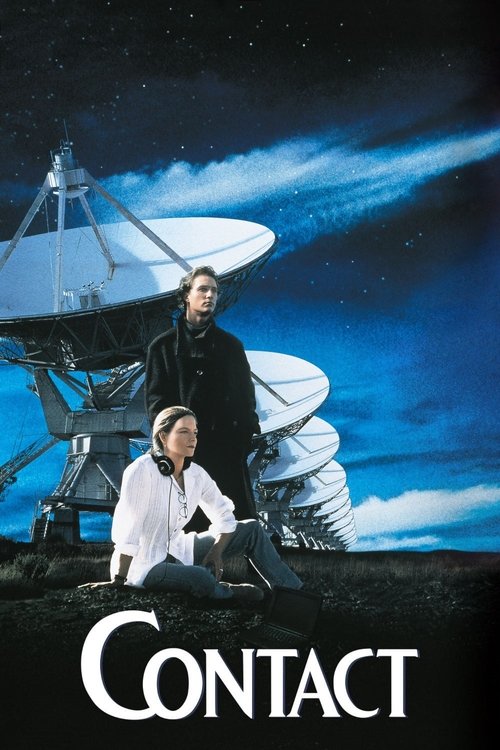
Scientists, mathematicians and visionaries on screen
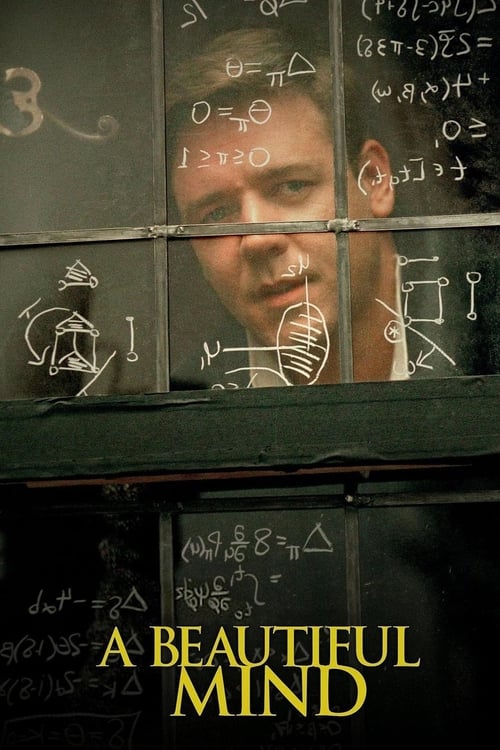
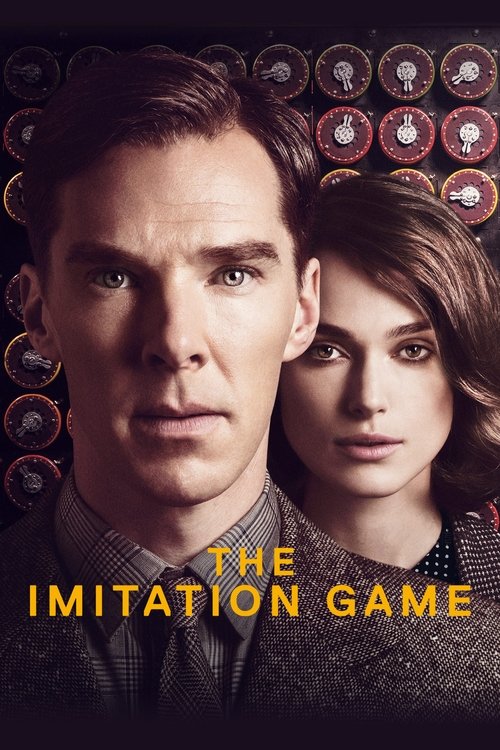
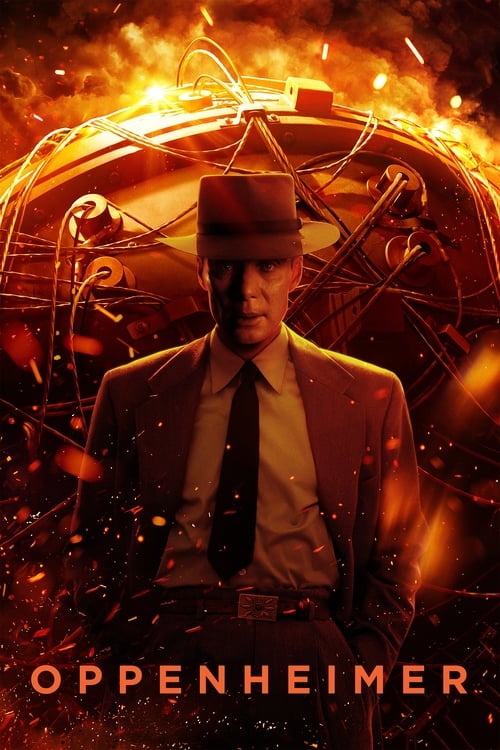
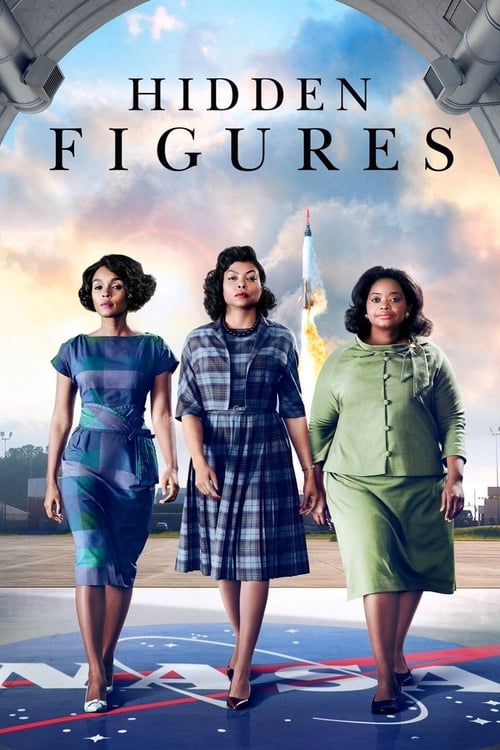

If you love The theory of everything: love under impossible circumstances
Romances shaped by illness, time and loss

If you love The theory of everything: cosmology and the nature of time
Films and series that grapple with the biggest questions