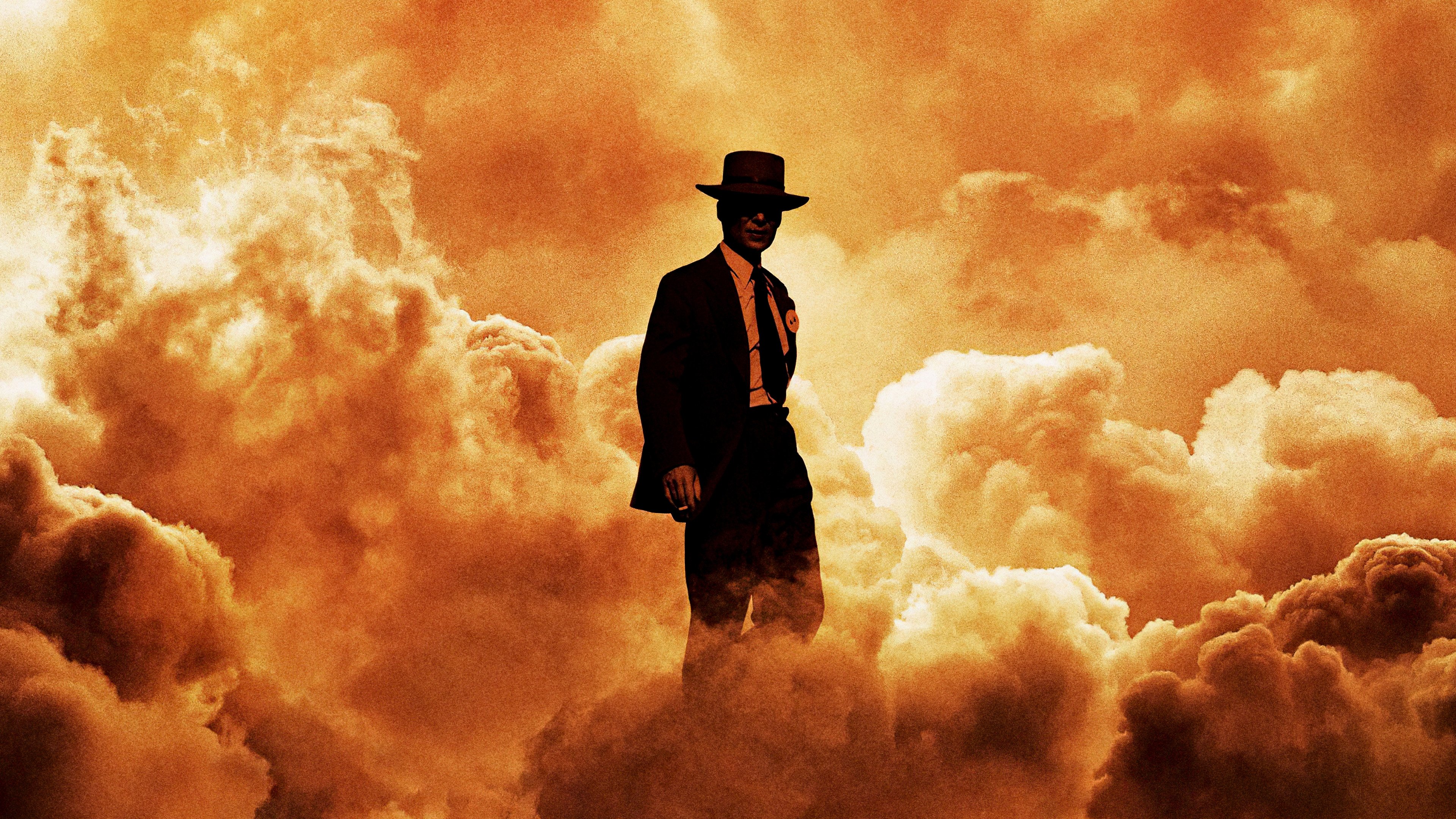

The Man at the Center of History
The Oppenheimer story begins not with the bomb but with a biography. American Prometheus: The Triumph and Tragedy of J. Robert Oppenheimer, written by Kai Bird and Martin J. Sherwin after 25 years of research and published in 2005, is the source that launched the modern wave of adaptations. It won the Pulitzer Prize for Biography in 2006. Before that book, the story had already attracted dramatists and filmmakers: the physicist who directed the Manhattan Project, witnessed the first nuclear detonation at Trinity, and then had his security clearance stripped during the McCarthy era was too large a figure for any medium to ignore.
The story traveled in every direction. Plays came first, drawn to the dramatic structure of the 1954 security hearings, which have the compression and moral weight of a trial. Television followed, giving the story the scope to show the full arc of a life rather than one crisis. Film arrived last, held back partly by the sheer complexity of the physics and politics, until Nolan's three-hour IMAX epic in 2023 became one of the highest-grossing biographical films ever made. What every version shares is an obsession with the same question: what does it mean to build a weapon that changes history, and then have to live with what you made?
Every Version of Oppenheimer
The source biography, every dramatisation, and every screen adaptation
Oppenheimer Across the Decades
- 1945Trinity test and the bombing of Hiroshima and Nagasaki, the events at the core of every adaptation
- 1954AEC security hearings strip Oppenheimer's clearance, the dramatic pivot of most dramatisations
- 1964Heinar Kipphardt's play In the Matter of J. Robert Oppenheimer premieres in West Germany, built from the actual hearing transcripts
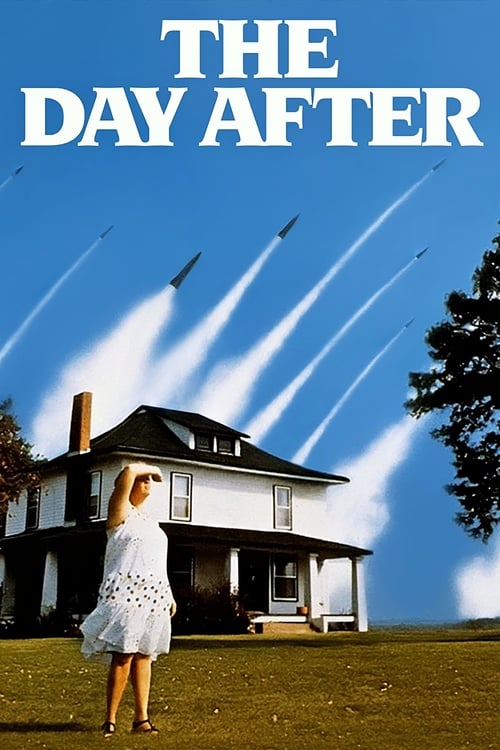
- 1981The Day After Trinity, Jon Else's documentary, interviews actual Manhattan Project scientists while many were still alive The Day After
- 1980Oppenheimer BBC miniseries, seven parts, starring Sam Waterston, wins three BAFTAs
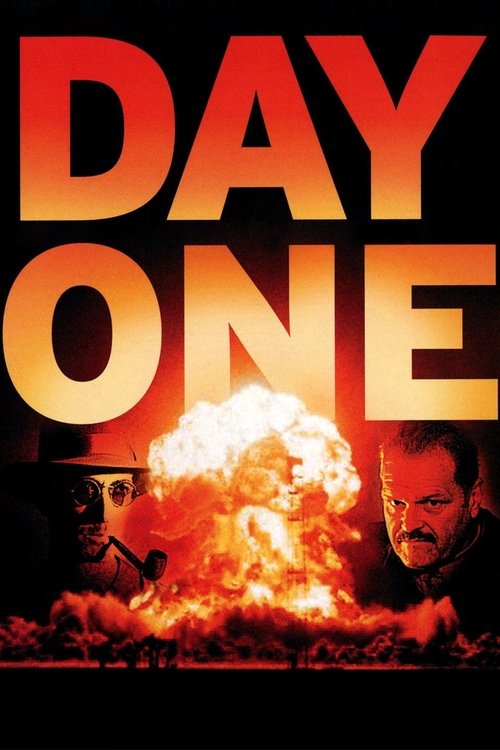
- 1989Day One (CBS TV film), dramatising the creation of the first bomb, starring Brian Dennehy as Groves and David Strathairn as Oppenheimer Day One
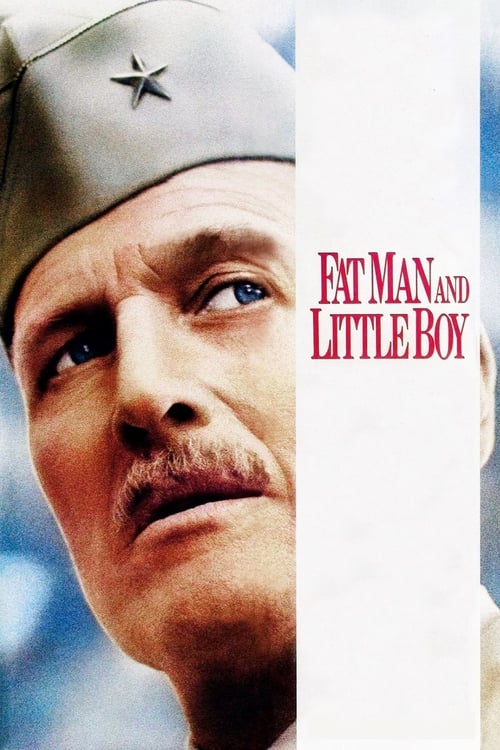
- 1989Fat Man and Little Boy (theatrical film), directed by Roland Joffé, with Paul Newman as General Leslie Groves and Dwight Schultz as Oppenheimer Fat Man and Little Boy
- 1996Infinity, directed by and starring Matthew Broderick as Richard Feynman, covering his time at Los Alamos alongside his dying wife Infinity
- 2005American Prometheus published by Kai Bird and Martin Sherwin, the source Nolan used as his primary script reference
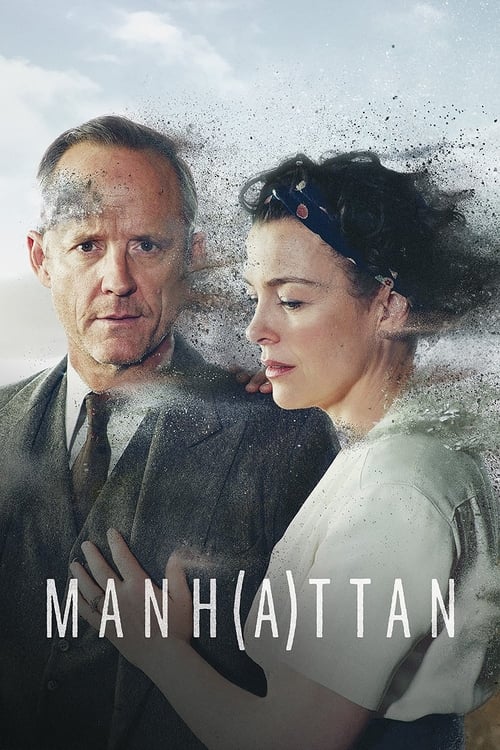
- 2014Manhattan (TV series), fictionalized drama set at Los Alamos, on WGN America, two seasons Manhattan
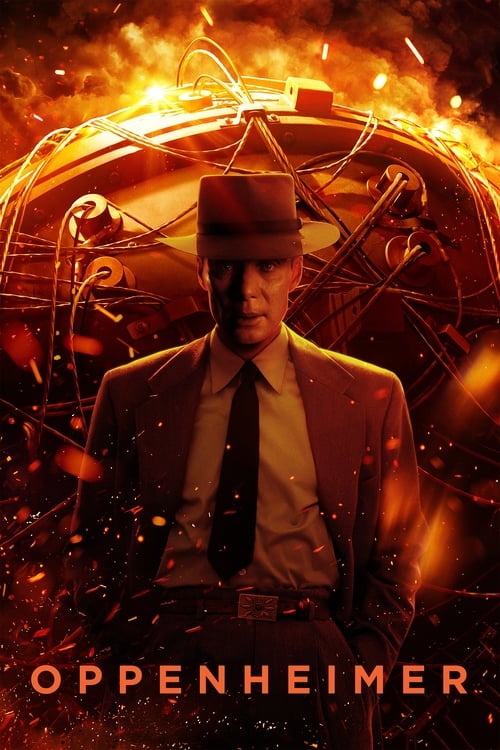
- 2023Oppenheimer, directed by Christopher Nolan, starring Cillian Murphy, becomes one of the highest-grossing biographical films ever made Oppenheimer
The definitive version is the one that feels like a reckoning
Christopher Nolan's 2023 Oppenheimer is the definitive screen version: Cillian Murphy's performance, Hoyte van Hoytema's IMAX photography, and the structural boldness of telling the security hearing story in desaturated black-and-white justify every one of its three hours. For the authoritative written record, American Prometheus has no rival. Nolan used it as his primary source, and it earns every one of its 700-plus pages.
For drama alone, Heinar Kipphardt's 1964 play In the Matter of J. Robert Oppenheimer remains the most formally daring version: built almost entirely from the actual hearing transcripts, it turns bureaucratic interrogation into tragedy without inventing a single line of testimony. Oppenheimer himself hated it, which is its own form of endorsement.
The underrated version everyone skips
The 1980 BBC miniseries Oppenheimer, starring Sam Waterston in the title role, gets almost no attention now that Nolan's film exists. It won three BAFTAs and earned Waterston a Golden Globe nomination. Seven episodes give the story the space a feature never can: you get the full biography, the early career, the politics, the marriage, not just the bomb and the hearings. The security hearing sequences hold up. Seek it out if you want the longer version of the life.
The Day After Trinity (1981), Jon Else's documentary, is the other overlooked essential: interviews with Manhattan Project scientists conducted while many were still alive and sharp, and primary footage that no fiction has ever quite matched for weight.
The one that got away from itself
Fat Man and Little Boy (1989) has real assets: Paul Newman as Groves is commanding, the physical production is impressive for its era, and director Roland Joffé takes the subject seriously. But the script invents a fictional scientist played by John Cusack as its emotional anchor and spends more time on him than on the real figures whose story it is. The detour blunts what could have been a devastating film. Dwight Schultz is convincing as Oppenheimer in the time he's given; the problem is there isn't enough of it.
If you love Oppenheimer: moral weight in wartime
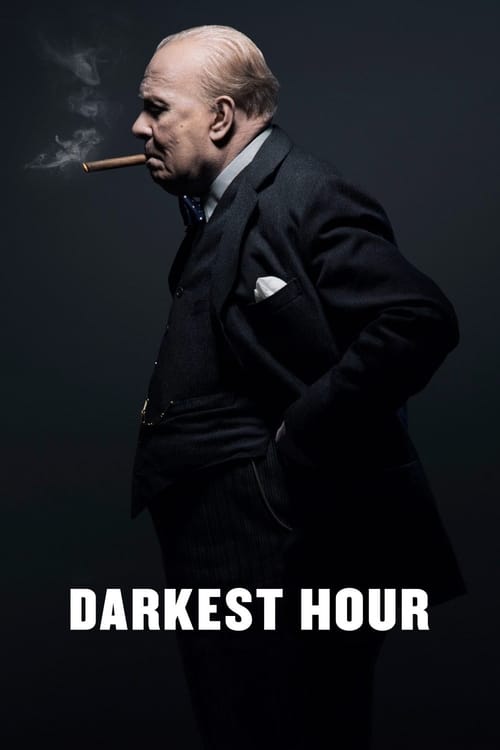
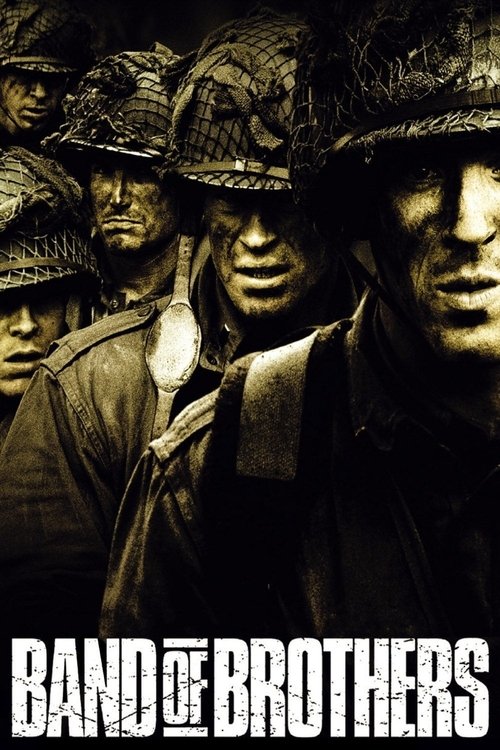
Stories about scientists, soldiers and civilians caught inside the machinery of total war

If you love Oppenheimer: brilliant minds and their consequences
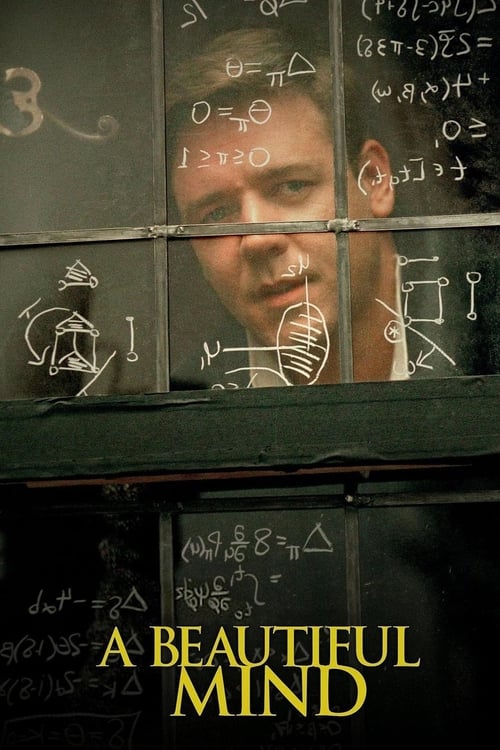
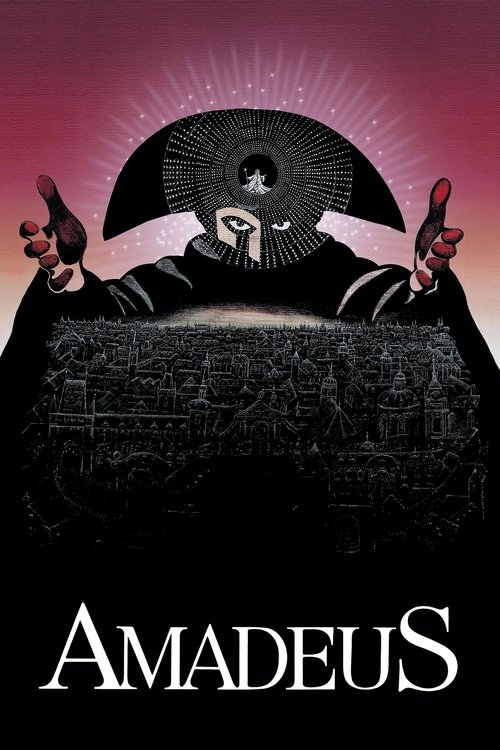
Portraits of scientists, geniuses and visionaries who changed the world and paid for it




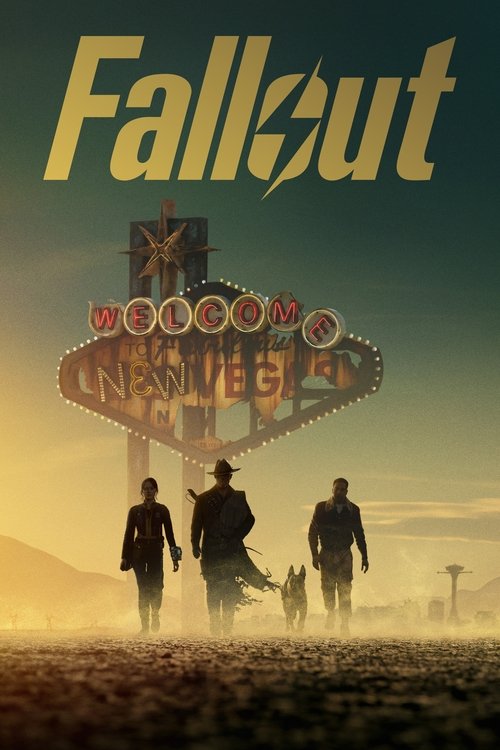
If you love Oppenheimer: nuclear age dread
The long shadow of the bomb, in fiction, drama and games



If you love Oppenheimer: the political trial and the witch hunt
McCarthy-era loyalty investigations and the machinery of ideological persecution



The bomb, the Cold War, real-life science
Nuclear War & Fallout
Explore the Nuclear War & Fallout guide →Now I am become Death, the destroyer of worlds.J. Robert Oppenheimer, recalling a line from the Bhagavad Gita after witnessing the Trinity test, July 1945