
The Case for the Short Film
Somewhere in the 1990s, cinema quietly decided that length was a proxy for seriousness. A film that ran two hours felt weighty. One that ran three felt important. One that ran 82 minutes and dared to end before you were ready? Suspect. Possibly small.
This guide is a rejection of that idea. The films here, the ones under 90 minutes, are not compromised or abbreviated. They are complete. They know exactly what they are and they stop when they are done. That discipline, knowing when to stop, is rarer and harder than knowing how to continue.
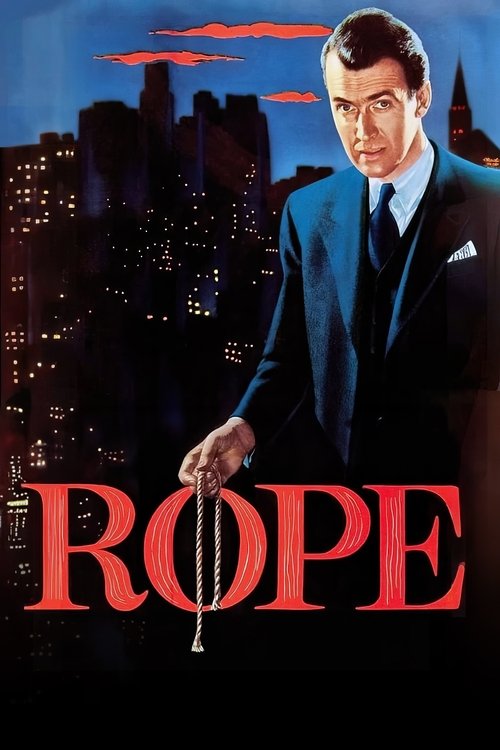
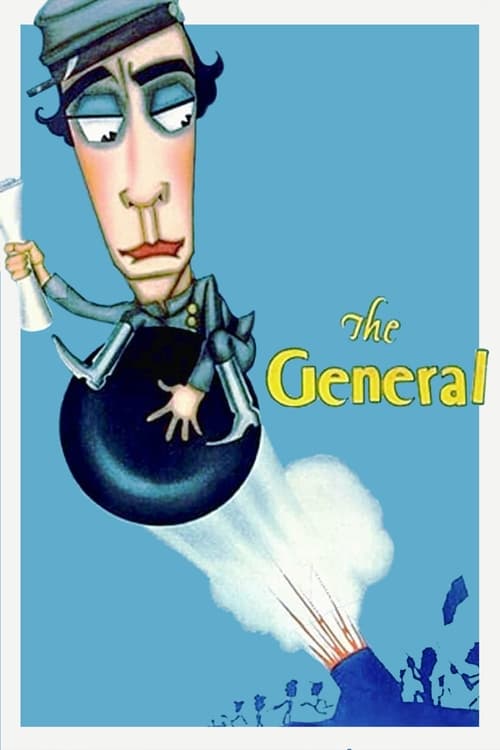
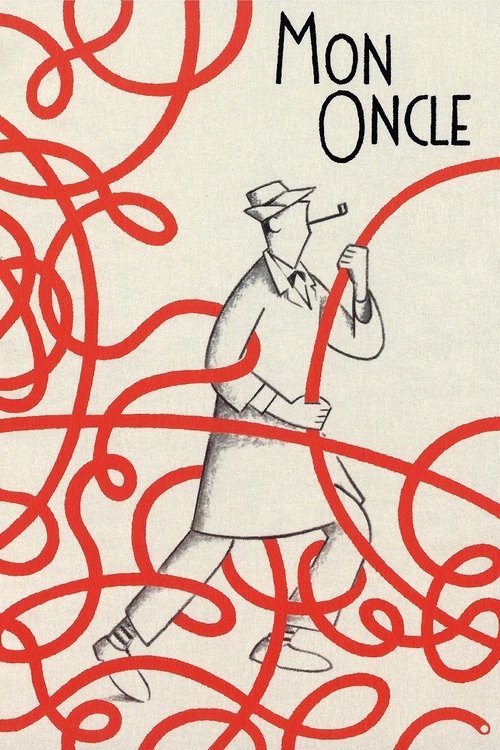
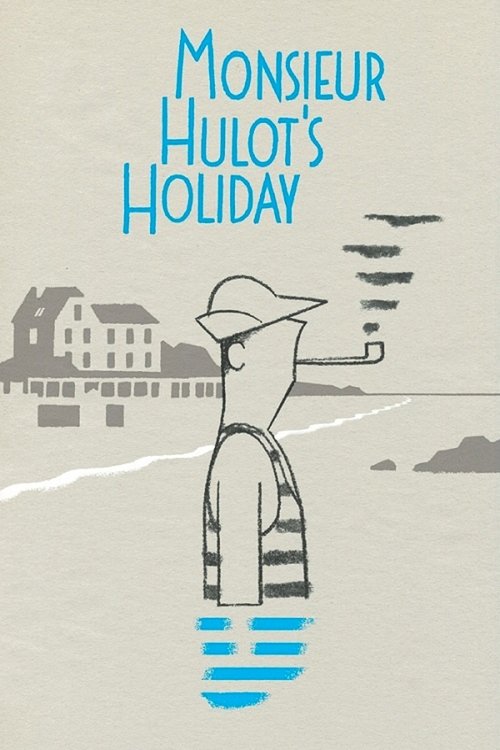
We have ranged across the whole shelf, from the compressed dread of Rope to the poker-faced drift of Stranger Than Paradise, from Jacques Tati's elastic silences to Buster Keaton's The General, which settles every argument about comic filmmaking in 75 minutes and leaves the room. We pulled in games where the mechanic clicks in an hour and books where every sentence is doing three jobs. The rule was simple: if it ends before the 90-minute mark, and if it is genuinely great, it belongs here.
The canon: films that prove brevity is a form
Every one of these ends before most blockbusters find their second act.

The one everyone underrates: Playtime
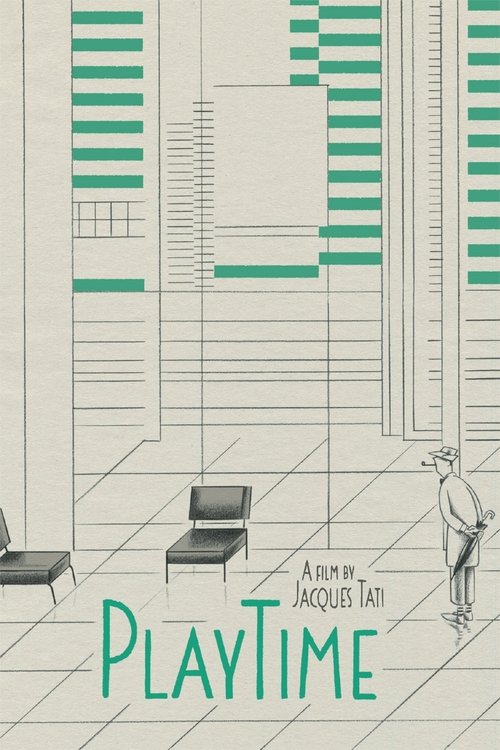
Jacques Tati's Playtime runs 124 minutes in its full cut, which disqualifies it on a technicality. But the edited 93-minute version circulates, and the argument belongs here anyway: this is the greatest comedy about architecture, modernity, and the predicament of human beings trying to survive the built environment they designed for themselves. The film has no real plot. It is a sensation. Every time someone lists the great comedies, Playtime gets bumped for films with jokes in them. That is a category error. Tati is not doing jokes. He is doing something closer to music.
Tight genre pictures: horror and thriller
The best scary films have always known that dread compounds in small spaces and short windows.



Duel is Spielberg's best film and nobody wants to hear it
Duel is 90 minutes of a man being hunted by a truck. The truck has no motivation. The driver is never seen. There is no twist, no explanation, no villain monologue. What Spielberg understood when he was 25, and occasionally forgot later, is that pure physical threat, sustained without resolution, without catharsis, without meaning, is the most honest form of cinema tension. Every film he made afterward tried to explain the shark. Duel had the courage not to explain the truck.
A century of running short: landmark films under 90 minutes
- 1922Silent cinema sets the template Nosferatu
- 1926Keaton solves comedy in 75 minutes The General
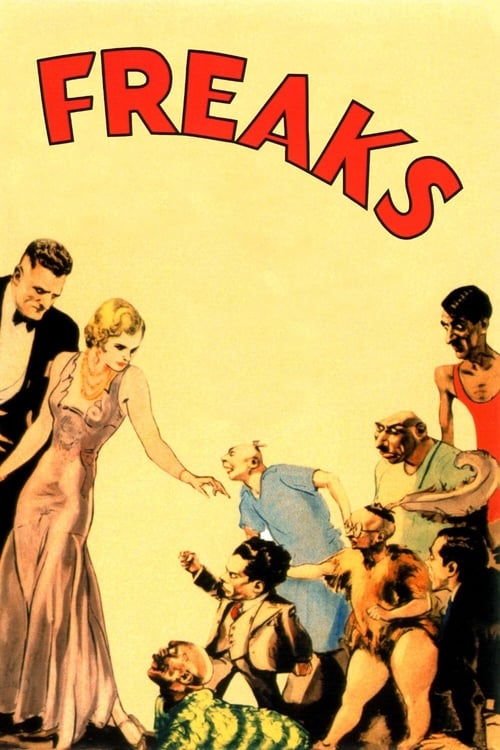
- 1932Tod Browning's still-disturbing 64 minutes Freaks
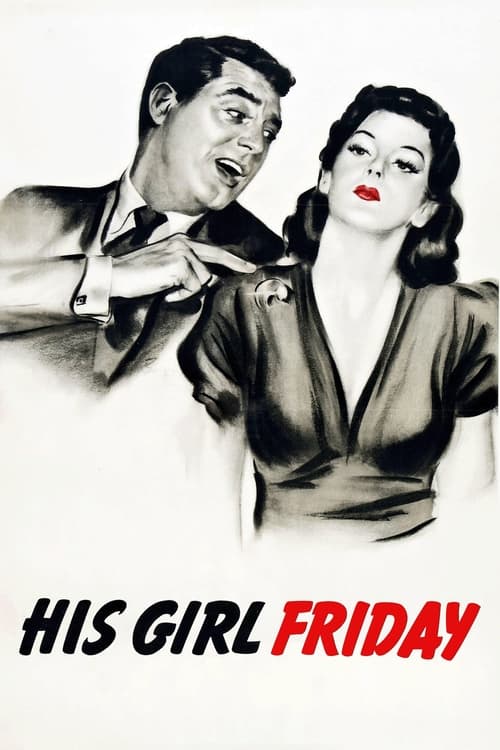
- 1940Hawks runs at 92mph His Girl Friday
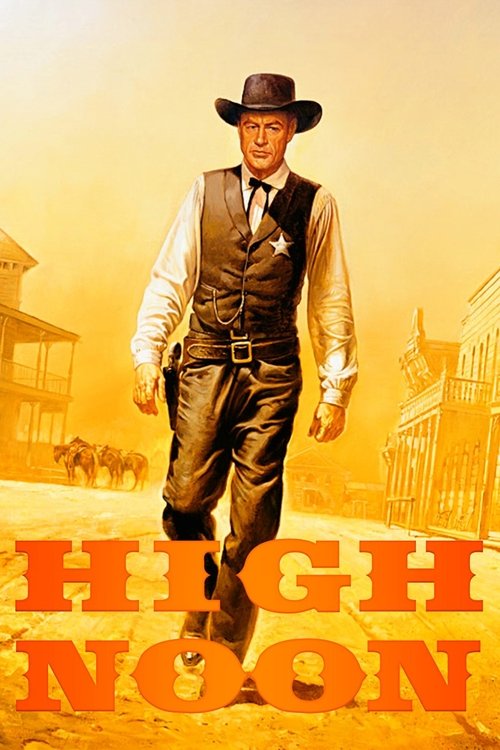
- 1952Real time, real tension High Noon
- 1955Noir stripped to the bone Bad Day at Black Rock
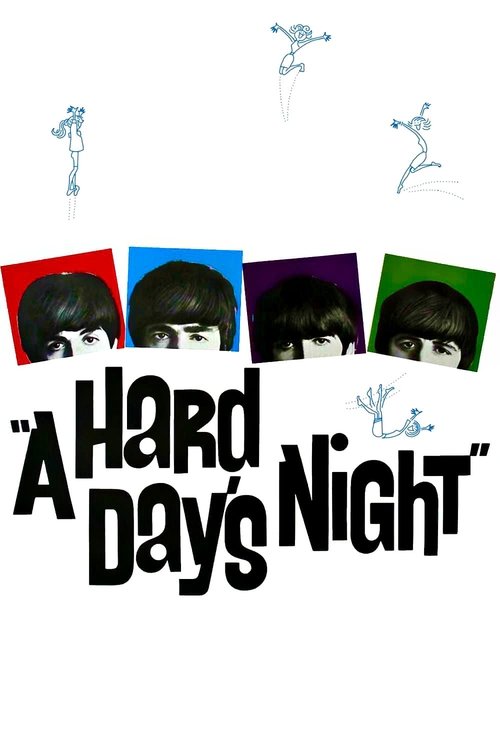
- 1964Rock music discovers cinema A Hard Day's Night
- 1971Spielberg's debut feature on TV Duel
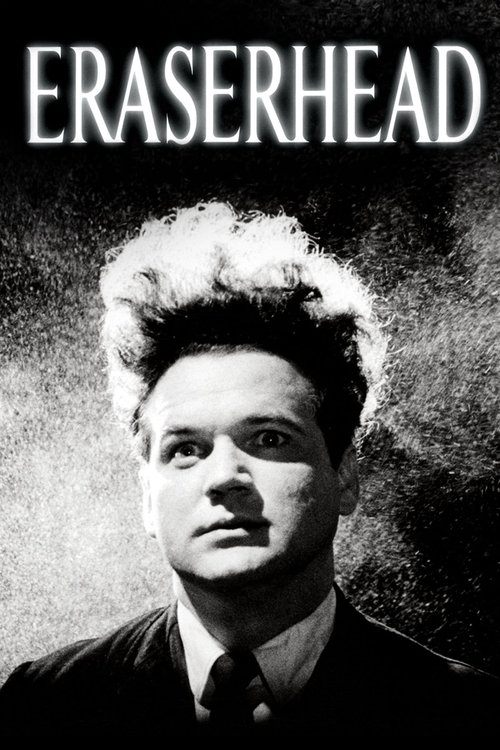
- 1977Lynch's 89-minute fever dream Eraserhead
- 1984Indie America finds its language Stranger Than Paradise
- 2004Linklater proves conversation is plot Before Sunset
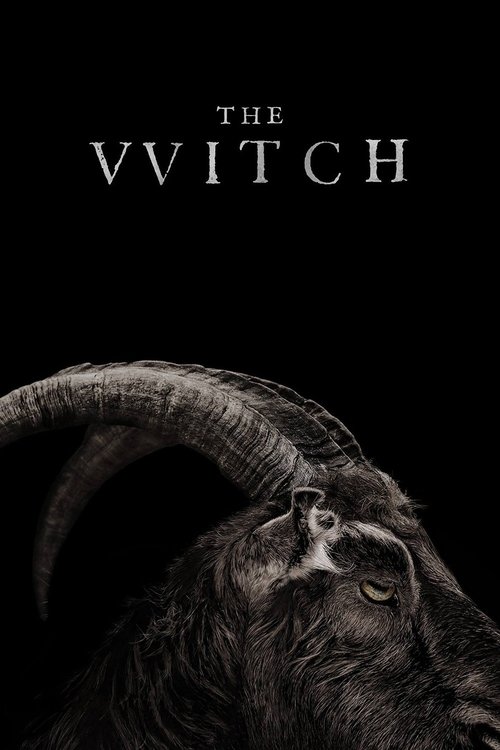
- 2014Slow horror proves length is not patience The Witch
New Wave and art cinema: the short feature as a statement
Directors who treated shortness as form, not constraint.

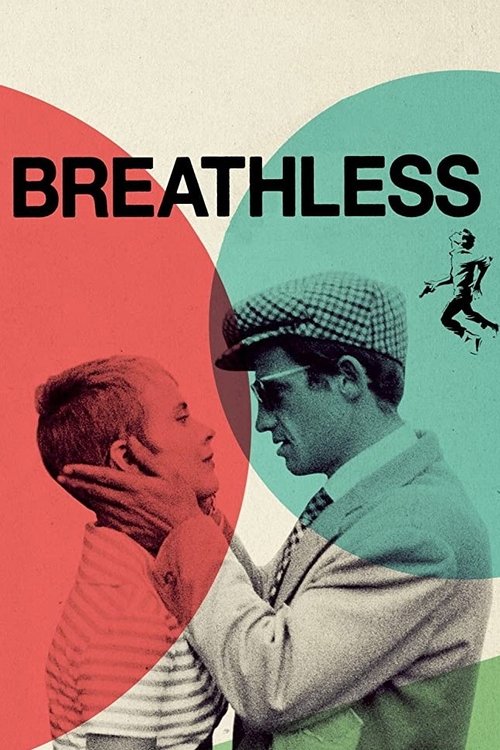
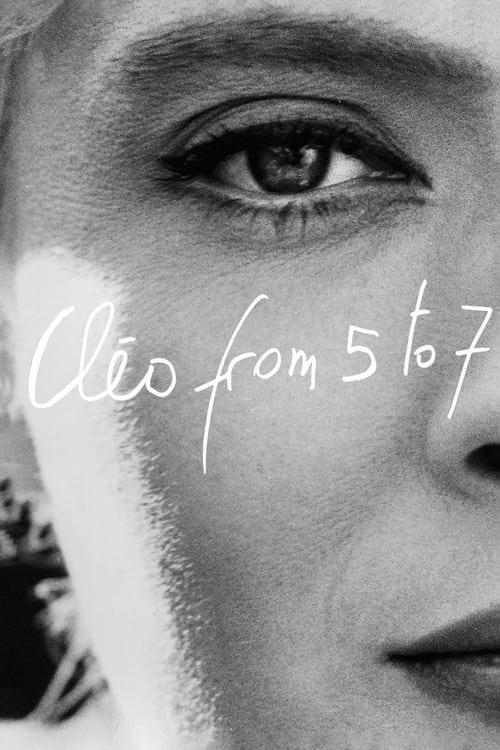
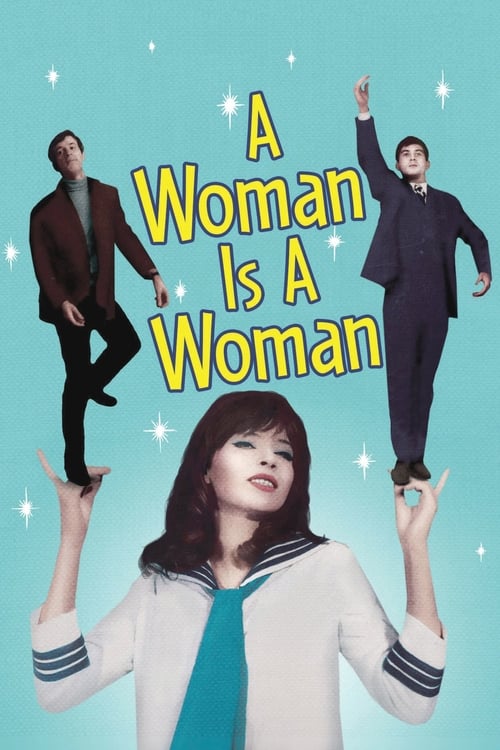
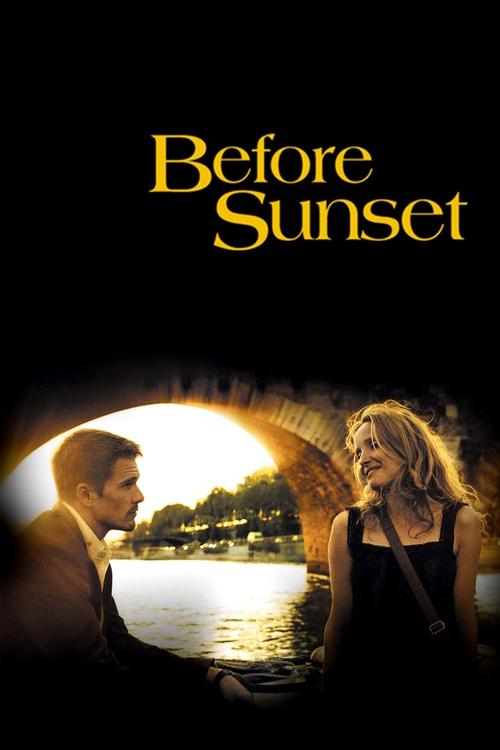

A film is not long because it has something to say. A film is long because the director did not know how to stop saying it.CrossBinge editorial
Books that sprint: fiction under 150 pages
Novellas and short novels that earn comparison with the films above.


Games that understand their length
Completable in a single session, and better for it.
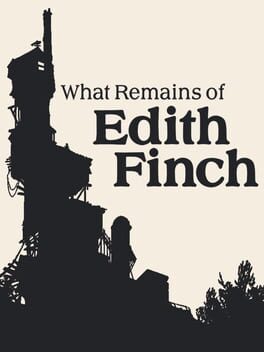


What Remains of Edith Finch is the closest games have come to short fiction
Two hours. That is all What Remains of Edith Finch takes, and most of those two hours are individual vignettes, each one a different game genre, each one a different way of dying. The structural conceit, a family house where every room is a sealed memorial to a dead relative, is the kind of thing that sounds precious in a pitch and feels earned in the playing. It is, by any honest measure, a short-story collection that happens to be interactive. Ian Dallas and the Giant Sparrow team understood something that most game studios resist understanding: that the discipline of the short form produces clarity, and clarity is not the enemy of emotion. It is the condition for it.
The hidden American shorts: studio-era films that ran lean
B-pictures and programmers that turned constraints into virtues.
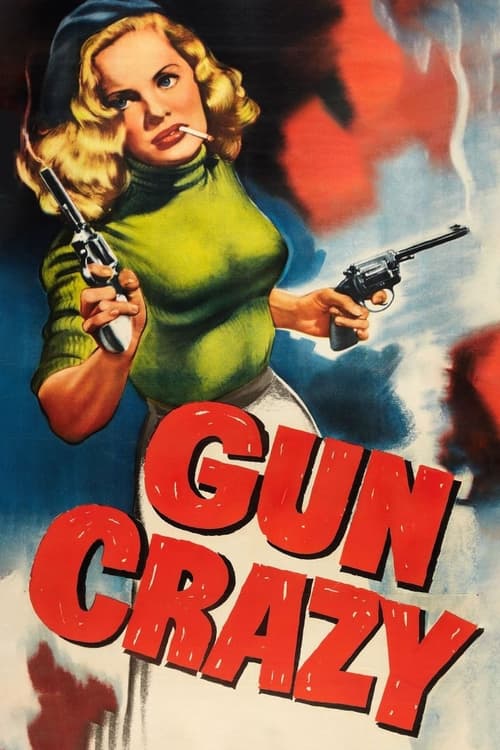


Why noir ran short
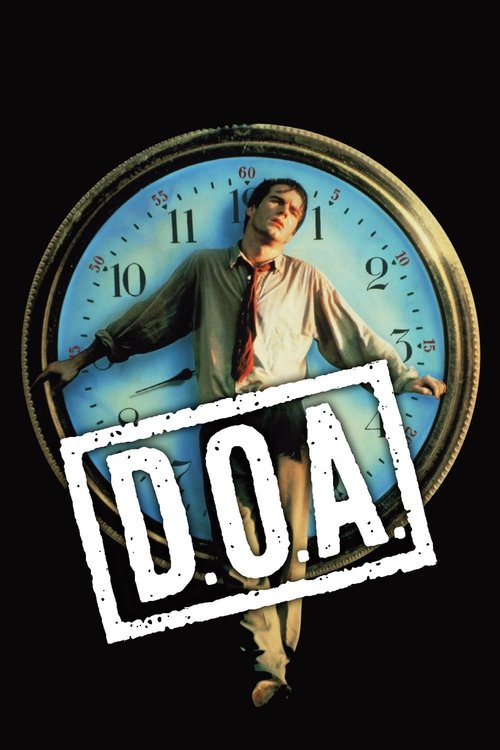
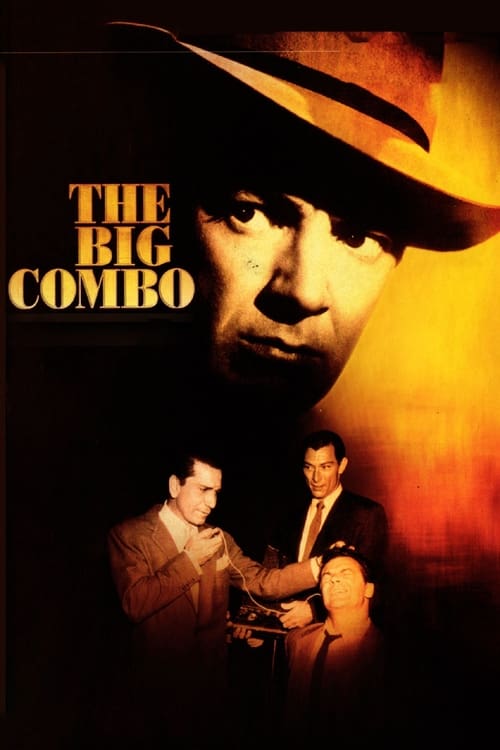
The studio-era B-picture had no budget for padding. Directors like Edgar G. Ulmer (Detour, shot in six days) and Joseph H. Lewis (Gun Crazy) were working with less money, less time, and less studio interference than their A-picture counterparts. The result was accidental clarity. No scene could afford to exist without earning its keep. The compression that modern festival films pursue as an aesthetic virtue was, for these filmmakers, just the shape of the job they had been given.
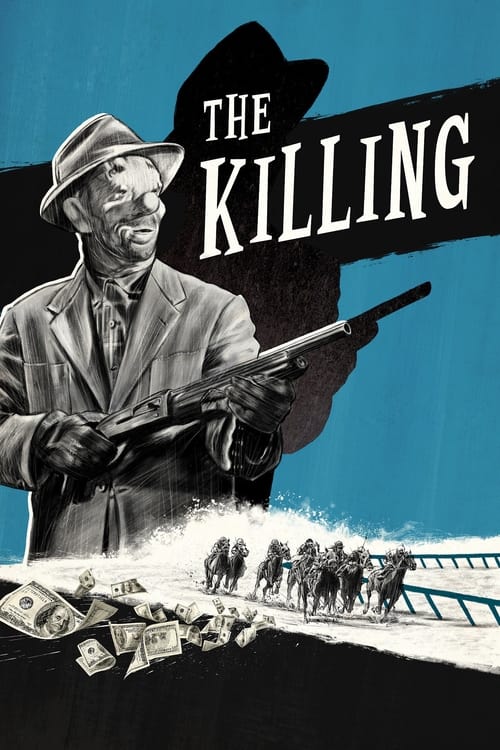
Kubrick's The Killing (85 minutes) is the best structural argument for the short crime film: a heist told out of sequence, each timeline a gear in a mechanism, the whole thing clicking shut on itself in the final scene. It is tighter than The Godfather and no one says so because The Godfather is three hours long and therefore, presumably, more serious.
We are not arguing that short is better. We are arguing that the films listed in this guide are not lesser because they are short. Several of them are greater because of it.