

The case for the short film
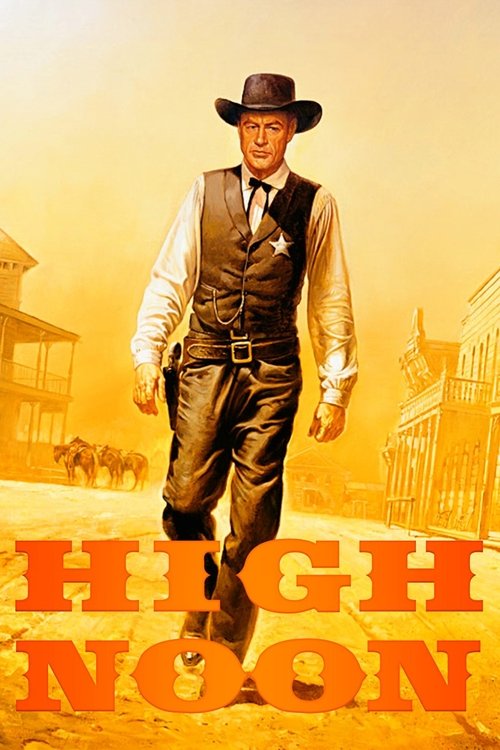
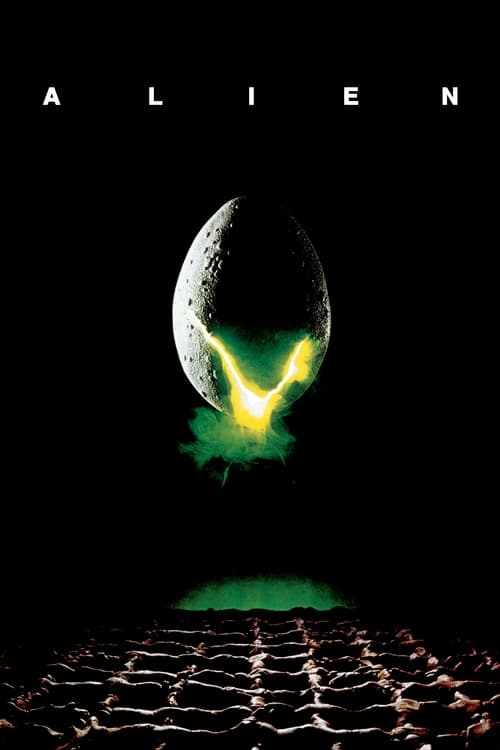
There is a persistent myth that a great film earns its gravity by the pound. Runtime as ambition. The four-hour cut as artistic statement. Studios lean into it; award seasons reward it; directors fight for it in contracts. And meanwhile, the actual canon sits there quietly: Rear Window, High Noon, Alien, The 400 Blows, Mad Max: Fury Road. None of them crack two hours. Several of them are the best films ever made in their genre, full stop.
Compression is a skill, and it is rarer than sprawl. Knowing when to cut, when to trust the audience, when to end the scene before the scene ends itself: these are disciplines that most long films simply do not demonstrate. The works collected here share one quality. They leave you wanting more. That is not a flaw. That is the whole trick.
The undisputed classics
Films that defined entire genres in under 115 minutes
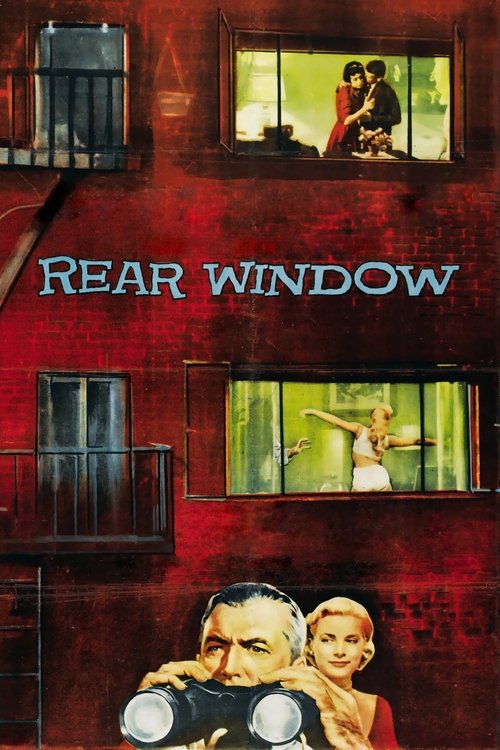
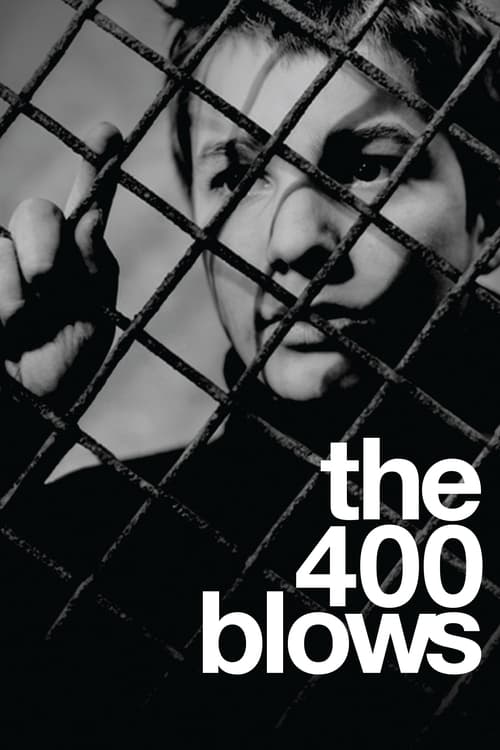
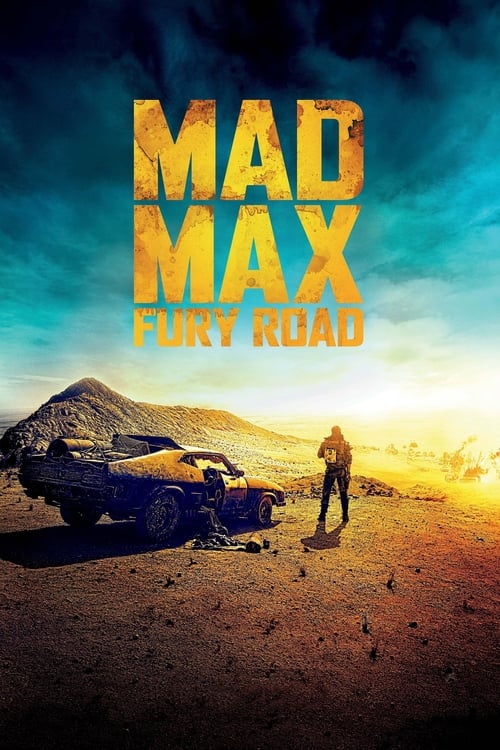
Mad Max: Fury Road is the most purely cinematic film of this century
Mad Max: Fury Road runs 120 minutes exactly, which barely qualifies, and it earns every second by doing something almost no modern film manages: it tells its entire story through movement, image, and sound design rather than dialogue. Roughly 45 minutes of the runtime is a single extended chase sequence. Critics called it action cinema but it is closer to a silent film scored to metal. George Miller spent thirty years developing it and the result is a film that cannot be cut, cannot be explained, and cannot be improved. The people who cite The Revenant or Oppenheimer as the decade's visual achievement are watching the wrong film.
The sharp and the spare: 1990s precision
A decade when lean scripts were a badge of honor
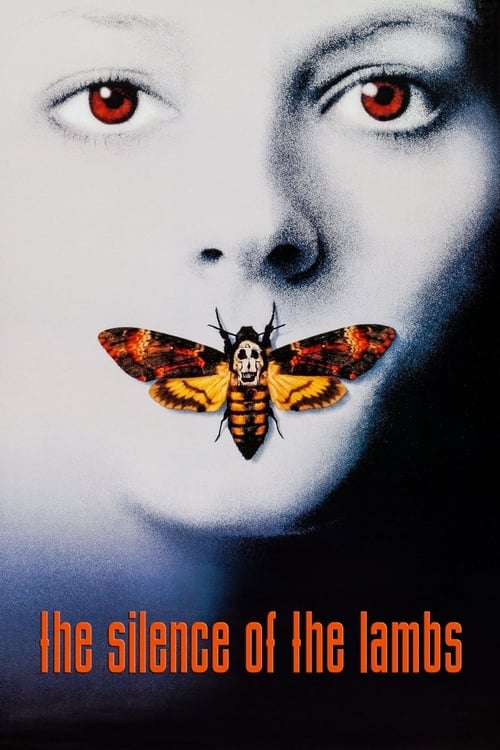

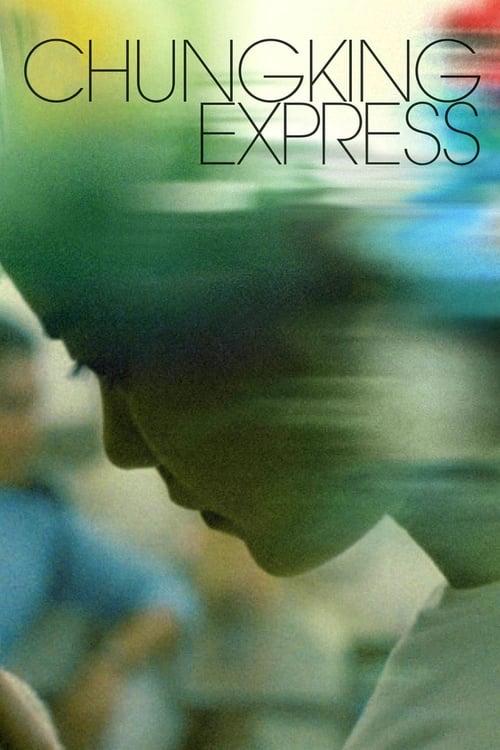
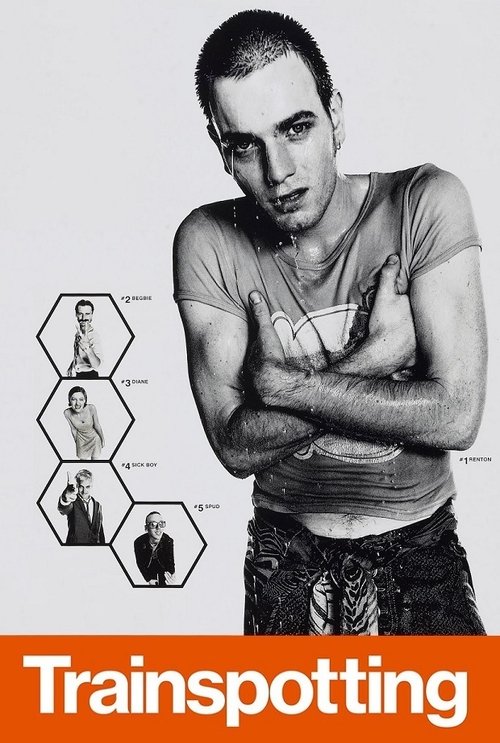

Run Lola Run invented the modern action thriller and nobody gives it credit
Run Lola Run is 81 minutes long, has almost no conventional plot, and predicted every structural experiment that heist films and action games would spend the next twenty years reinventing. Tom Tykwer made it for almost nothing in 1998 and built something at the crossroads of cinema and game design: the player character, the respawn, the branching consequence, the speed-run logic. Christopher Nolan gets cited for fractured chronology. Tykwer did it earlier, leaner, and with better shoes.
A brief history of the sub-two-hour masterwork
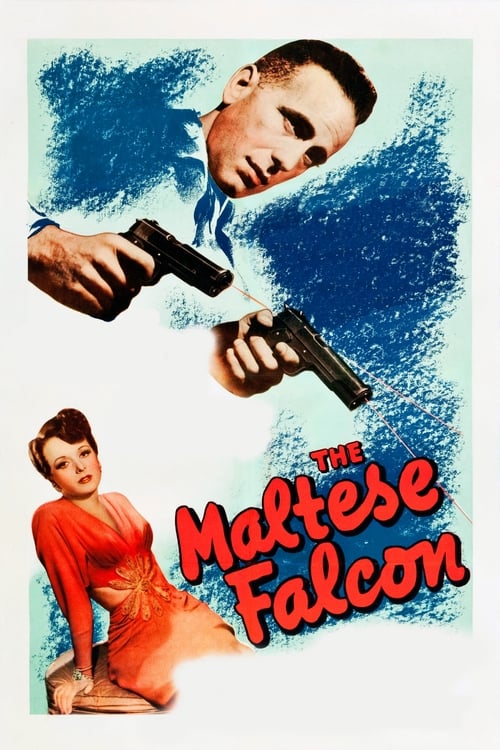
- 1941The Maltese Falcon redefines noir The Maltese Falcon
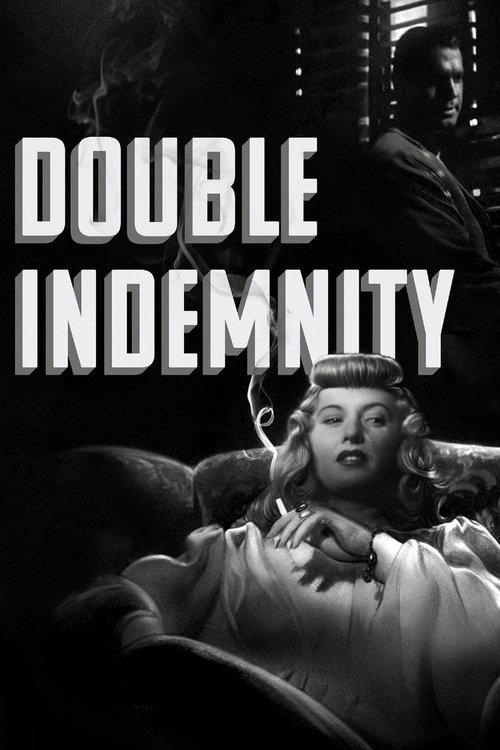
- 1944Double Indemnity: the template every thriller copies Double Indemnity
- 1952High Noon runs exactly 85 minutes High Noon
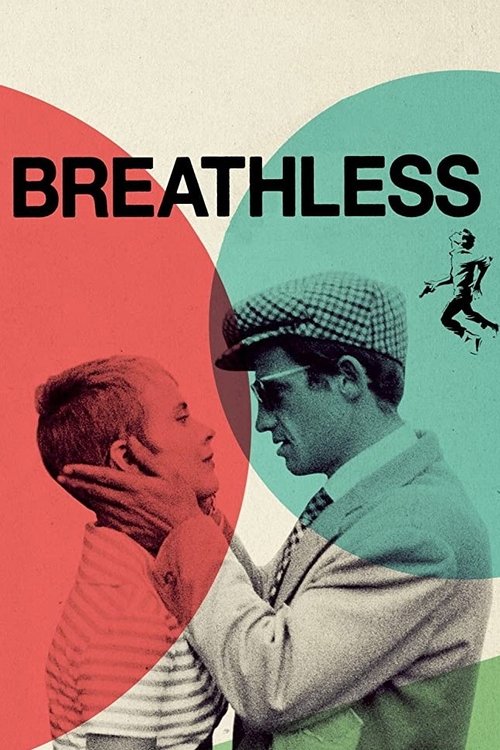
- 1959Breathless invents the jump cut Breathless
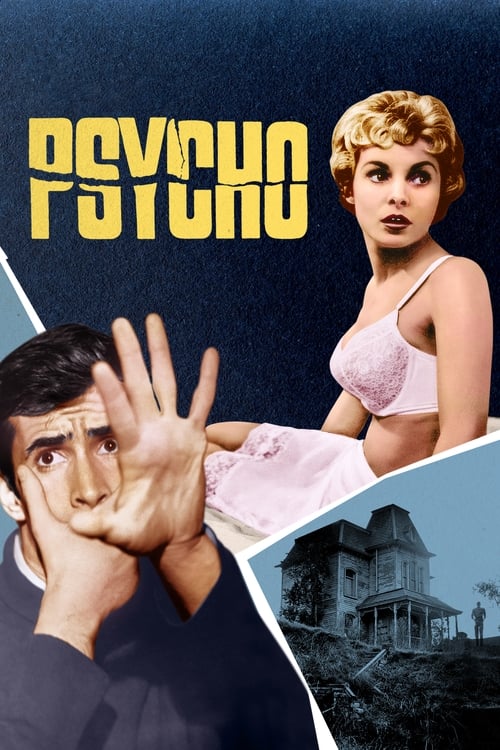
- 1960Psycho breaks every rule in 109 minutes Psycho
- 1974Chinatown: the great American crime film Chinatown
- 1979Alien: slow dread, efficient horror Alien
- 1995Safe proves slow horror can be austere Safe
- 1998Run Lola Run runs three times in 81 minutes Run Lola Run
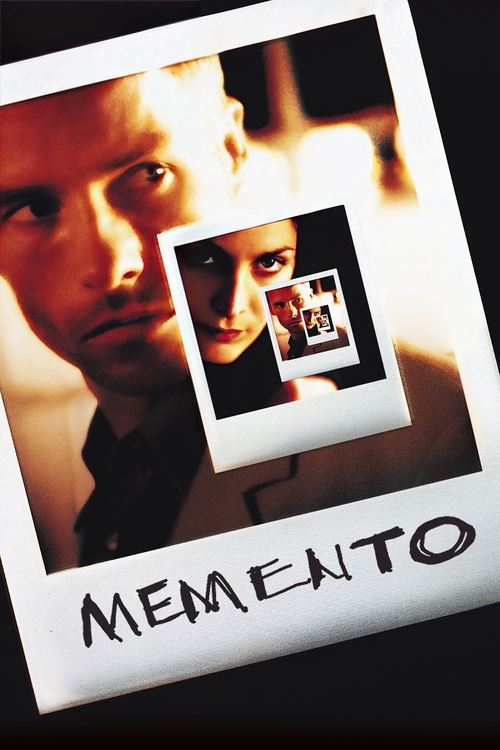
- 2001Memento: 113 minutes, backwards Memento
- 2015Mad Max: Fury Road, pure image Mad Max: Fury Road
Horror and dread in tight quarters
The genre that suffers most from overlong runtimes
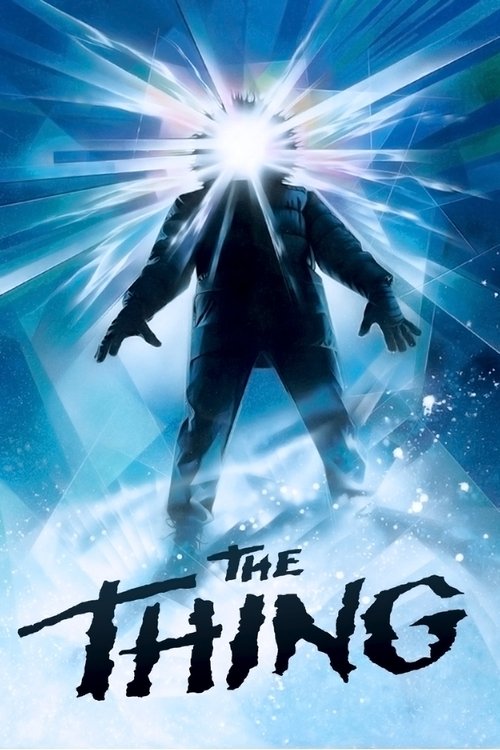
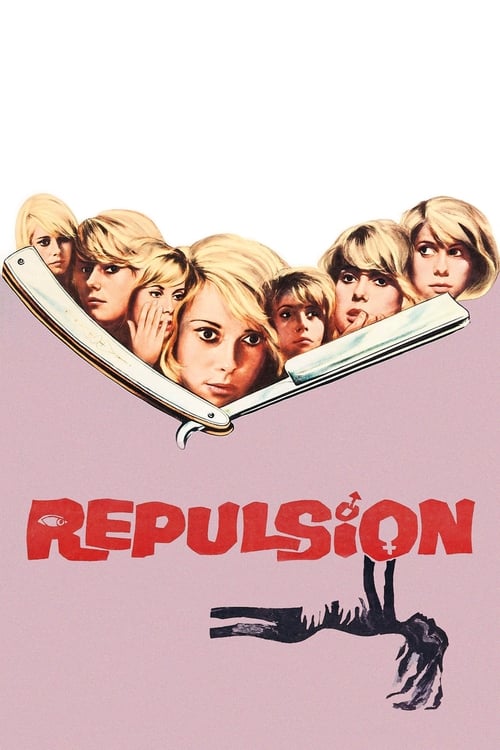
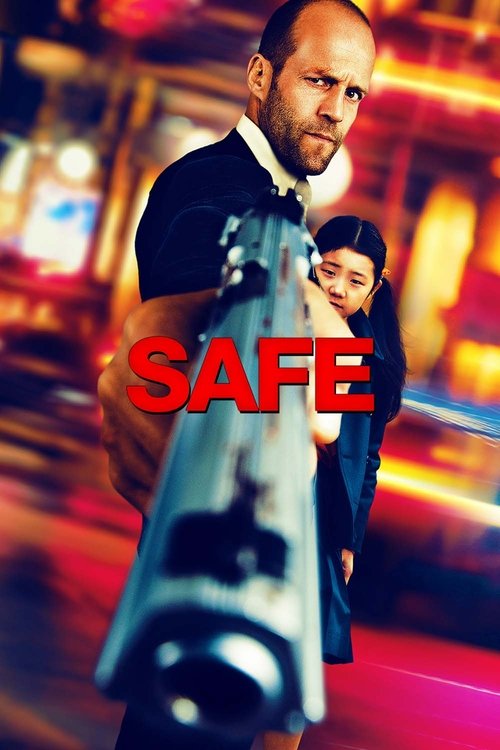
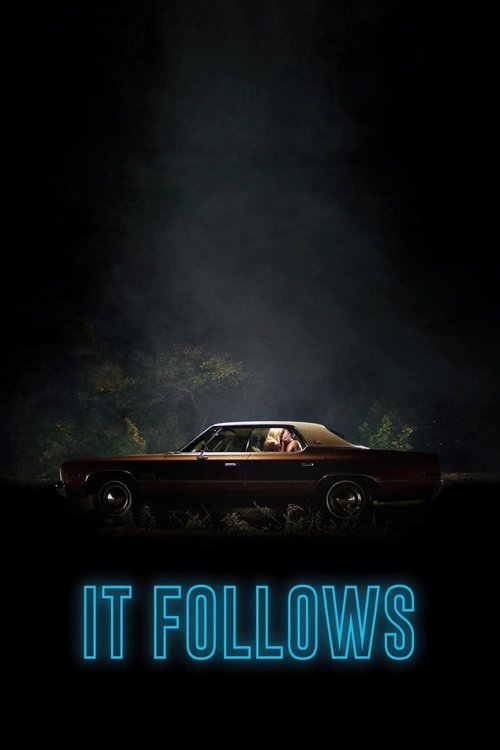
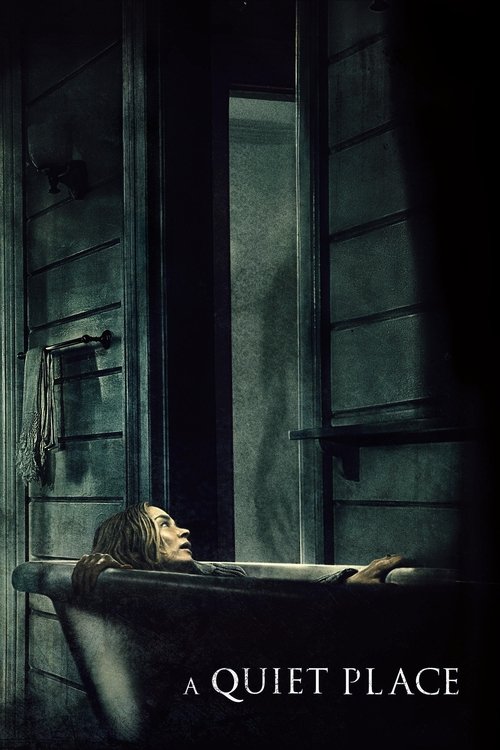
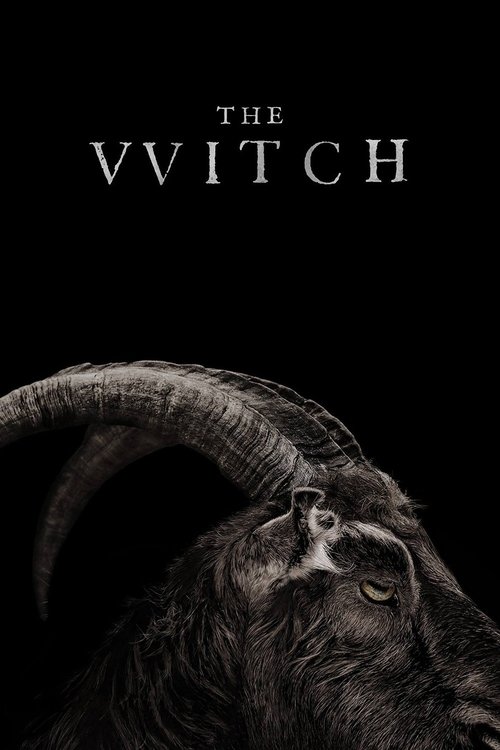
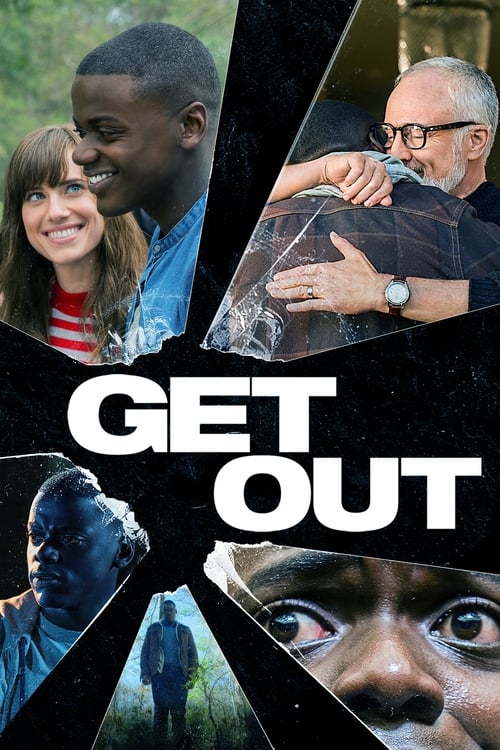
Knowing when to cut is rarer than knowing how to build. The films that end before you want them to are almost always the great ones.CrossBinge editorial
The short game: why the best compact video games belong in this conversation
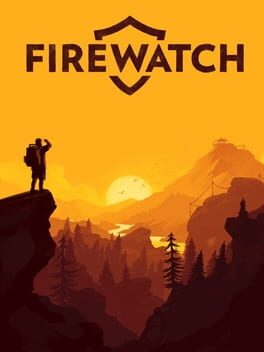
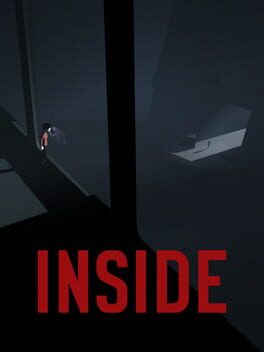
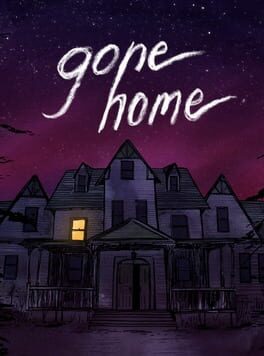
The same economy of form that makes High Noon still devastating at 85 minutes makes Journey devastating at 90 minutes of play time. Short games are fighting the same critical bias that short films fought for decades: the assumption that brevity signals incompleteness. Firewatch, What Remains of Edith Finch, Inside, Return of the Obra Dinn, and Gone Home are all closer in spirit to the compact films on this list than to any open-world release. They know what they are, they say what they mean, and they end. That takes more discipline, not less.

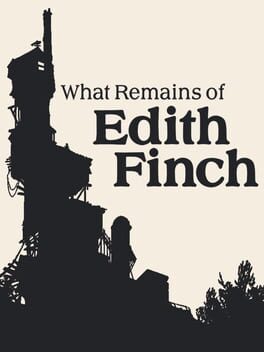
Short games with a complete world inside them
Playable in a single sitting, remembered for years


The international canon
Films that need no translation notes to land


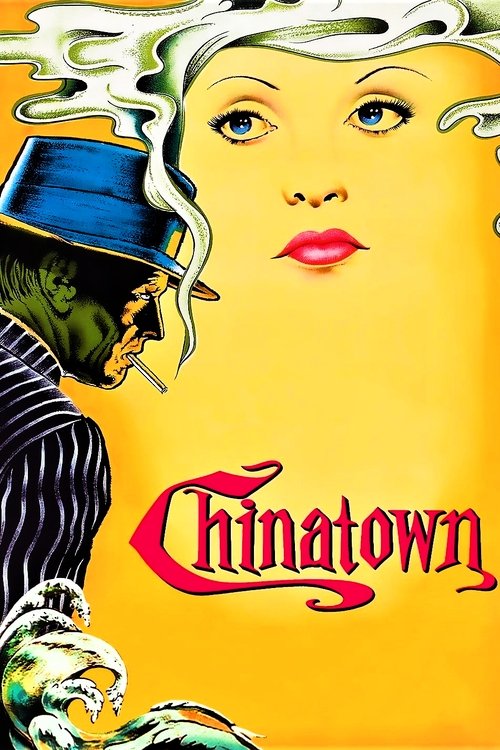
Chinatown is 131 minutes long and it still cuts nothing
Technically Chinatown is 11 minutes over the two-hour ceiling, and it is here anyway because it demonstrates the thesis from the other side. Every scene in Roman Polanski and Robert Towne's film is doing real work. There is nothing to remove. It is not long because it is sprawling; it is long because the story demands exactly that length. The difference between Chinatown at 131 minutes and a modern prestige thriller at 158 minutes is not 27 minutes. It is the difference between a writer who knows what the story is and one who does not. The ceiling matters because it enforces discipline. Chinatown proves that discipline is the point, not the number.
Novels you can finish in a weekend
The page equivalent of a perfect 90-minute film


What the list keeps proving
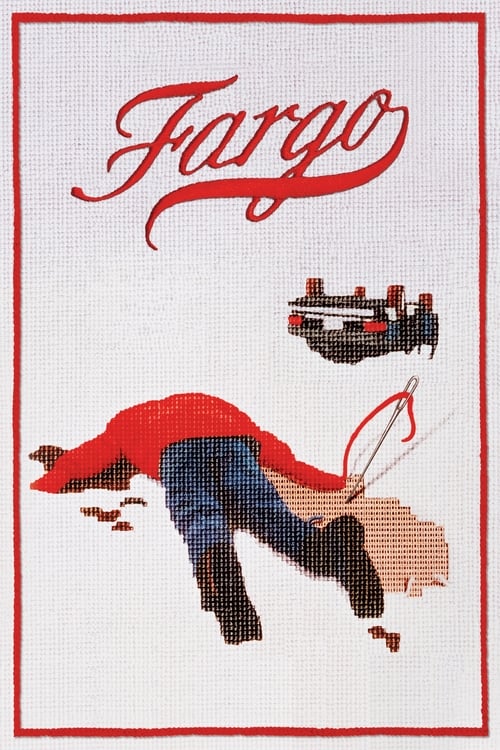
Scroll back through these titles and something becomes clear: compression is not a genre, not a budget constraint, not a feature of any particular era. Psycho is 109 minutes. Get Out is 104. Fargo is 98. Run Lola Run is 81. Journey takes 90 minutes to play. The Great Gatsby is barely 200 pages. What they share is a maker who decided, at some point, that the work was finished. Not abandoned. Finished.
The films you keep coming back to are almost never the ones that exhausted you. They are the ones that ended before they wore out their welcome, the ones where the last frame arrived before you expected it, the ones that sent you back to the beginning to check what you missed. That is not brevity. That is confidence.