

30 Rock ran for seven seasons (2006-2013) on NBC and became the defining comedy of its era precisely because it refused to slow down for the audience. Tina Fey's Liz Lemon anchored a show-within-a-show format that let the writers skewer the absurdity of broadcast television from the inside. The comedy operated at a pace closer to a late-night writers' room than a traditional sitcom: throwaway cutaways, rapid-fire callbacks, and character work so committed that Tracy Jordan and Jenna Maroney became genuinely strange rather than merely quirky. Alec Baldwin's Jack Donaghy delivered conservative corporate satire that somehow landed as affectionate rather than cheap. If 30 Rock hooked you, you are probably chasing a specific feeling: jokes that reward attention, ensemble casts that actually work as an ensemble, and a show confident enough to be weird.
Essential 30 Rock
The show's own best seasons and the creative team's other work





Same Manic Energy: Great Workplace Comedies
Shows built around an ensemble stuck in a dysfunctional institution




Behind the Camera: Films About Making Television and Film
Movies and shows that pull back the curtain on the entertainment industry






Books for People Who Love Sharp Comedy Writing
Memoirs, essays, and novels with the same wit and self-awareness


Games with Absurdist Corporate Chaos
Games that share 30 Rock's love of institutional dysfunction and rapid-fire comedy





Alec Baldwin Made Corporate Villainy Charming
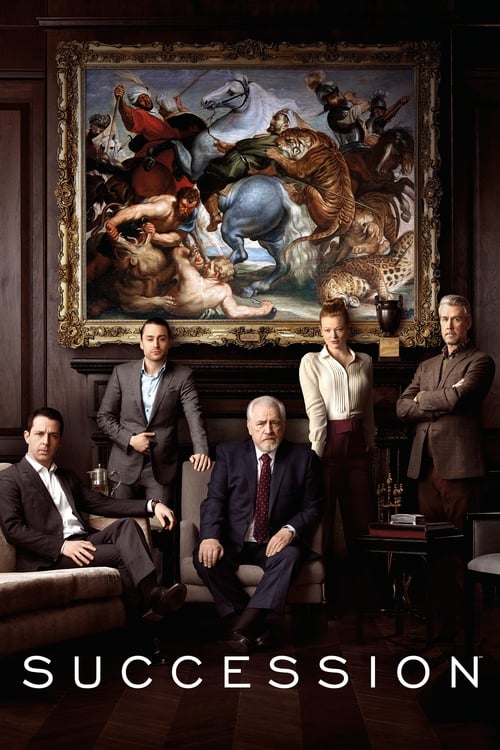
Jack Donaghy is one of the great comedy characters of the 2000s. Baldwin played him as a man who genuinely believed in his worldview rather than as a satirical punching bag, which is what made the satire actually land. The jokes at Jack's expense only work because the character is never stupid: he is brilliant, deeply misguided, and occasionally right in ways that are more uncomfortable than funny. That same quality, a comedy villain who is also the smartest person in the room, is what makes Veep's Selina Meyer and Succession's Logan Roy so compelling. The tradition goes back to Broadcast News, where the most charismatic anchor turns out to be a fraud, and network television still keeps circling that same anxiety.
The Liz Lemon Problem Was Never About Being Relatable
Critics spent years debating whether Liz Lemon was a feminist icon or a regressive figure, and the answer is: that is the wrong question. Tina Fey wrote Liz as someone who had largely achieved what she wanted professionally and was genuinely not sure what to do with that, a more honest portrait of a certain kind of ambition than most television attempted at the time. The comedy came from her blind spots, not her failures. Bossypants, Fey's memoir, is the clearest companion piece: same voice, same self-examination, none of the sitcom softening.
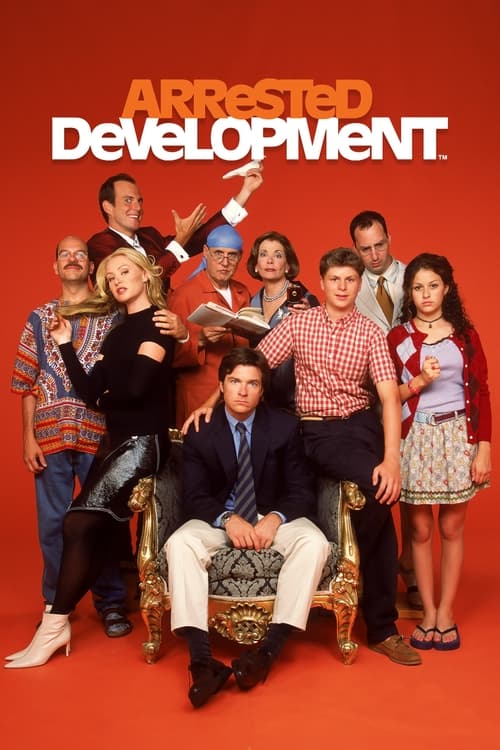
Arrested Development Ran the Same Joke Further
Both shows trust the audience to keep up with dense continuity, layered callbacks, and jokes that only pay off three episodes later. Arrested Development is denser and colder; 30 Rock is warmer and more willing to let characters have actual feelings. Together they define a particular 2000s comedy style: serialized joke architecture rather than reset-every-episode gags. If you finished 30 Rock's run and feel like the comedy ecosystem has never quite replaced it, Arrested Development Seasons 1-3 are the closest thing.
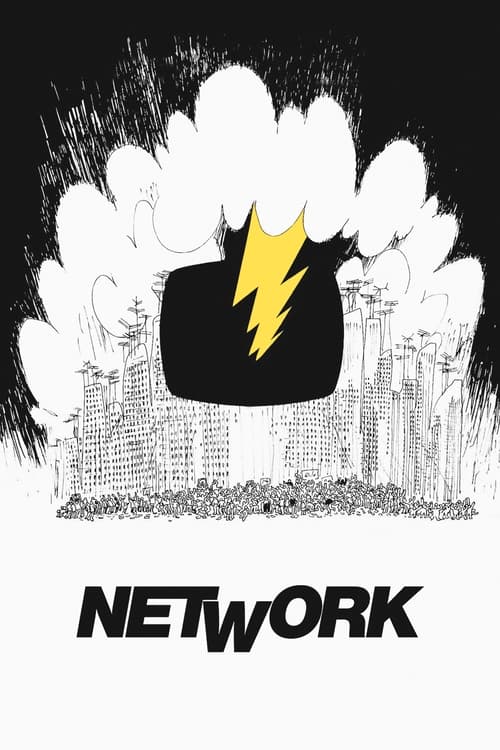
Network (1976) Is the Straight Version of Everything 30 Rock Satirized
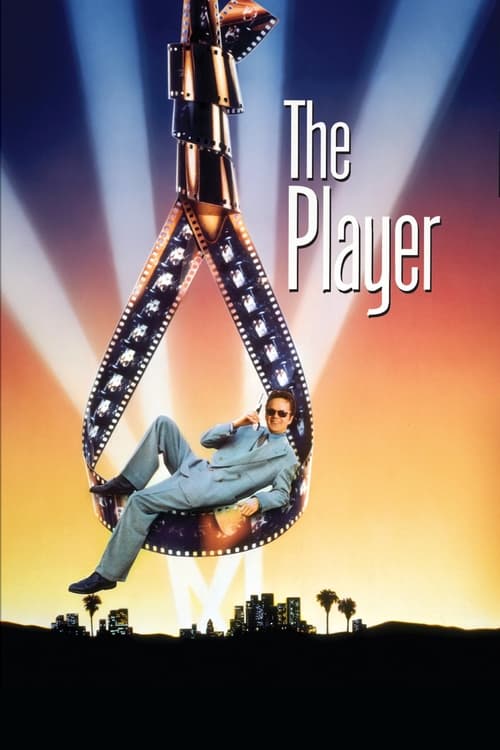
Paddy Chayefsky's screenplay for Network covers the same terrain 30 Rock played for laughs: the cynicism of broadcast executives, the commodification of rage, the collapse of the line between news and entertainment. What 30 Rock treated as farce, Network treated as tragedy, and the two complement each other perfectly. Watching Network after 30 Rock makes the comedy darker; watching 30 Rock after Network makes the drama more bearable. The Player and Broadcast News complete the set for anyone who wants the full picture of Hollywood's self-mythology.
30 Rock and Its Era
- 200630 Rock premieres on NBC alongside Studio 60 on the Sunset Strip, two very different bets on the behind-the-scenes comedy format 30 Rock
- 2006Arrested Development ends its original run, freeing up the audience it had cultivated for dense ensemble comedy Arrested Development
- 2008Tina Fey's Sarah Palin impression makes 30 Rock a cultural conversation rather than a critics' darling 30 Rock
- 2009Parks and Recreation launches, initially derivative but soon finding its own voice in the same NBC comedy block Parks and Recreation
- 2011Tina Fey publishes Bossypants, the memoir that reads as Liz Lemon's real-world counterpart Bossypants
- 2012Veep premieres on HBO, beginning the cycle of political-workplace comedies that would dominate the decade Veep
- 201330 Rock ends its run after seven seasons; the NBC comedy block that defined prestige TV comedy begins to disperse 30 Rock
- 2015Unbreakable Kimmy Schmidt brings Fey and Robert Carlock to Netflix, carrying the 30 Rock DNA into streaming Unbreakable Kimmy Schmidt
More sharp workplace comedy
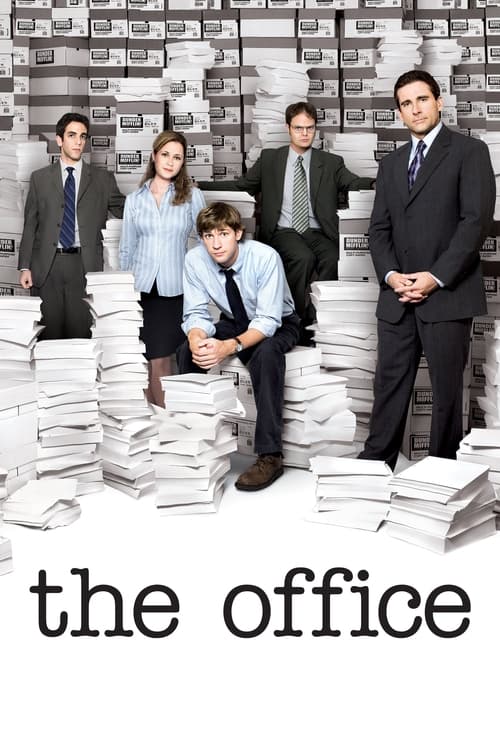
For Fans of The Office
Explore the For Fans of The Office guide →30 Rock never asked you to like its characters. It asked you to keep up with them, which turned out to be a better offer.CrossBinge