
Arrested Development arrived in 2003 and spent three seasons being the smartest show on television that almost nobody watched. A single-camera mockumentary (before that was a genre) about the Bluth family, it built an architecture of running gags, callbacks, and foreshadowed punchlines so dense that rewatches keep paying dividends years later. The through-line fans love: plotting that trusts you to keep up, characters who are catastrophically self-deceived but never stupid, and a refusal to hand-hold any joke. If you finish it and want more of that particular feeling, the path leads across every medium.
Same Energy: Comedies That Trust You
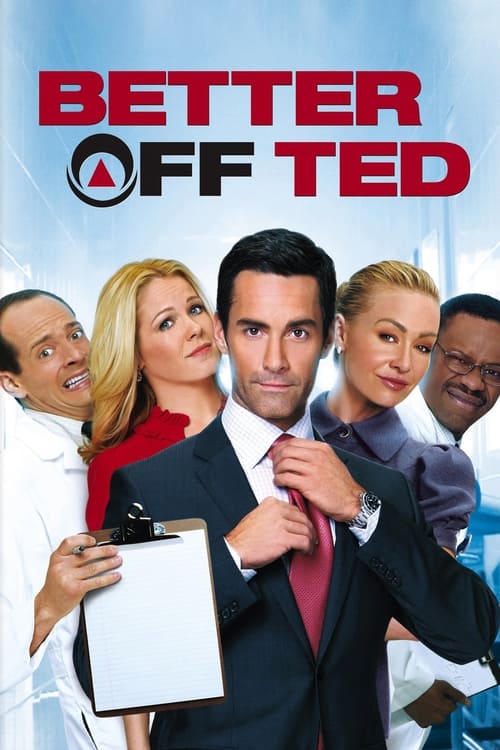
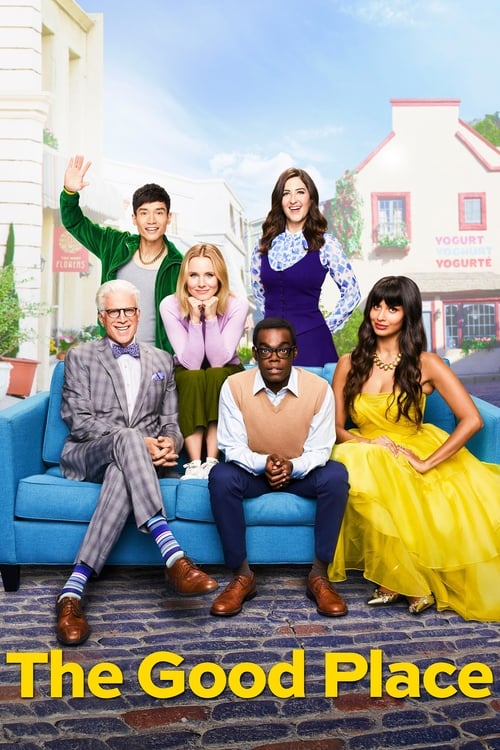
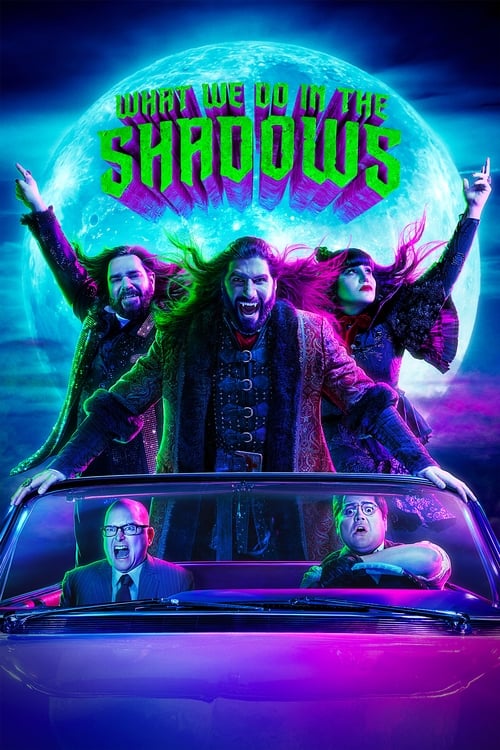
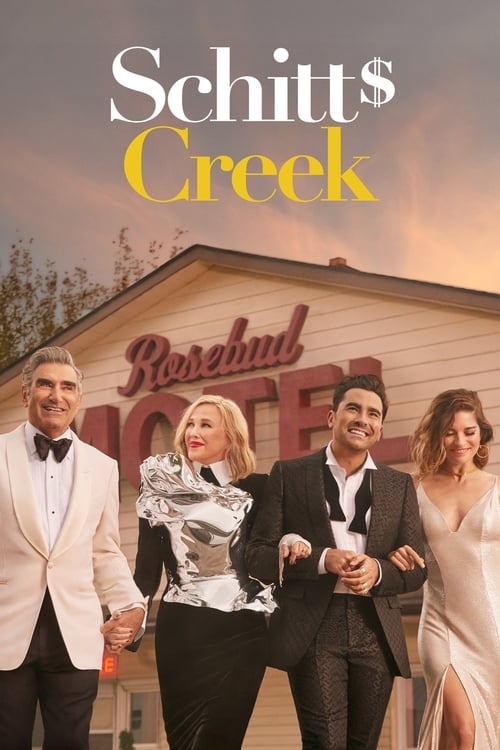
Series built on layered callbacks, unreliable narrators, and earned absurdity

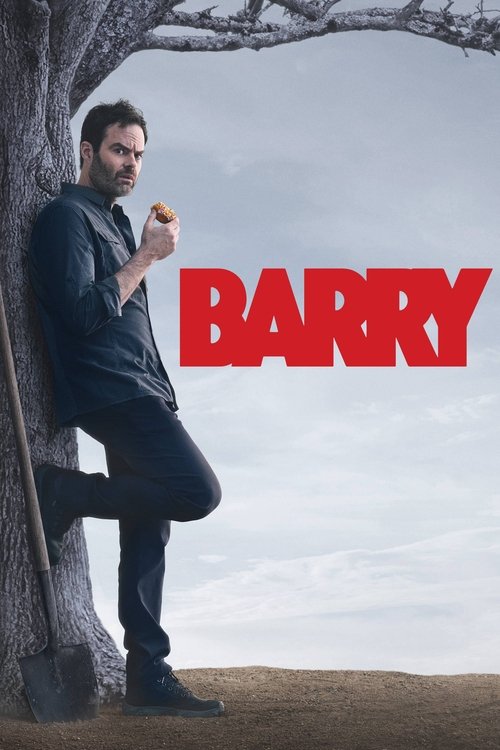
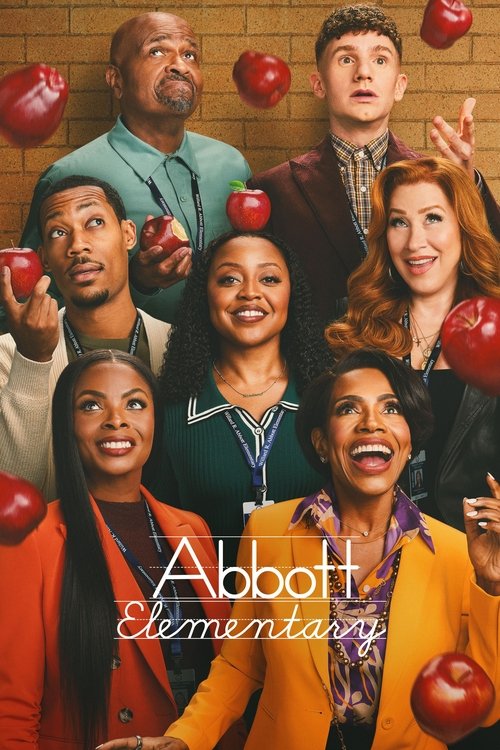
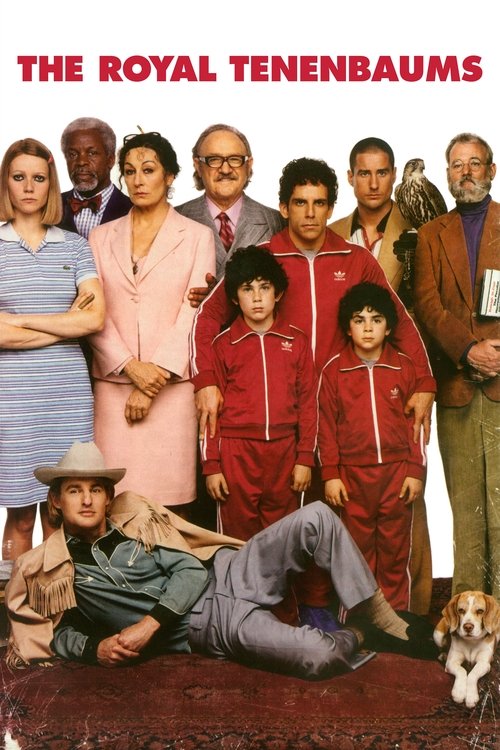
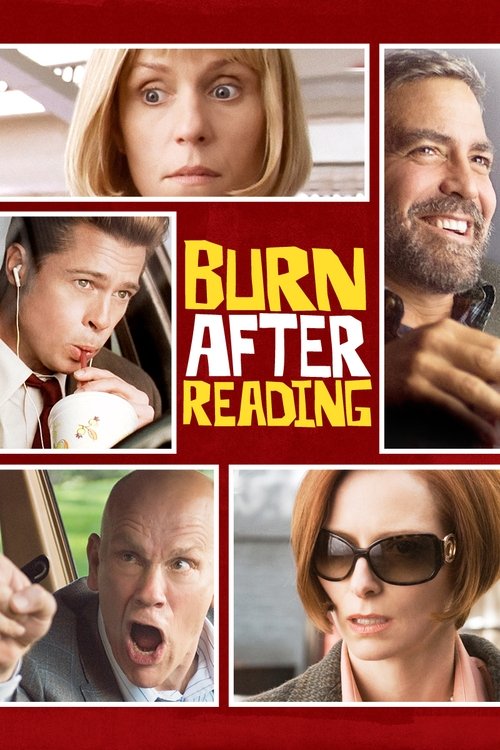
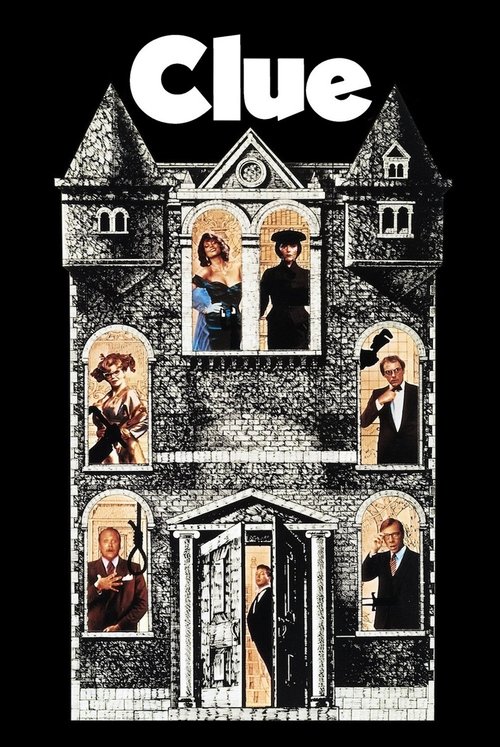
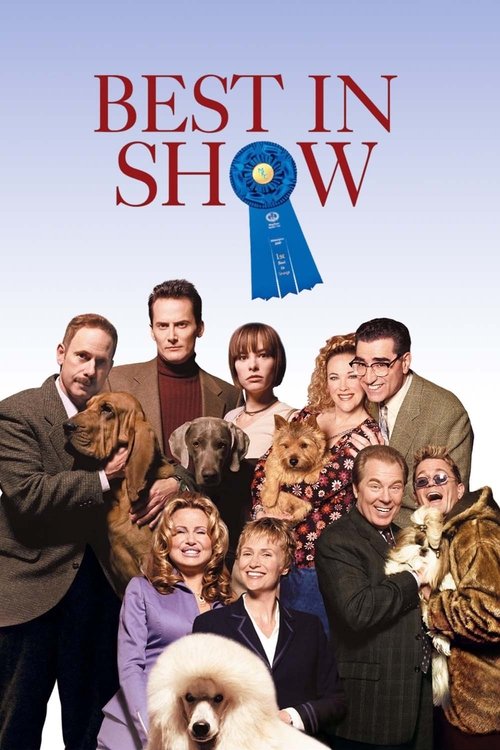
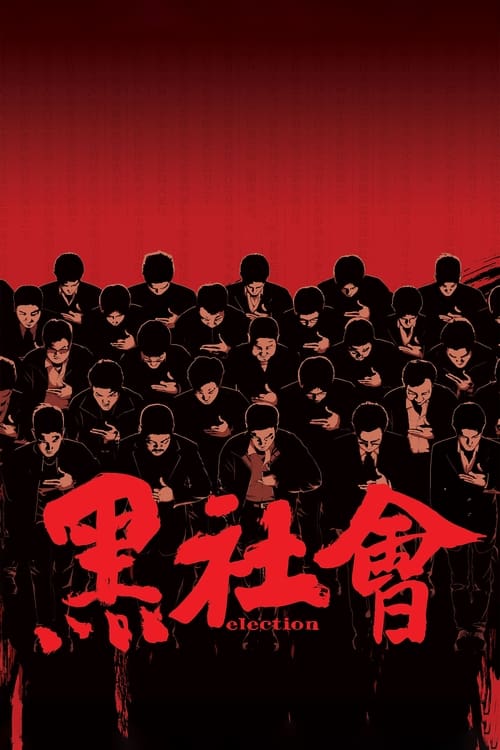
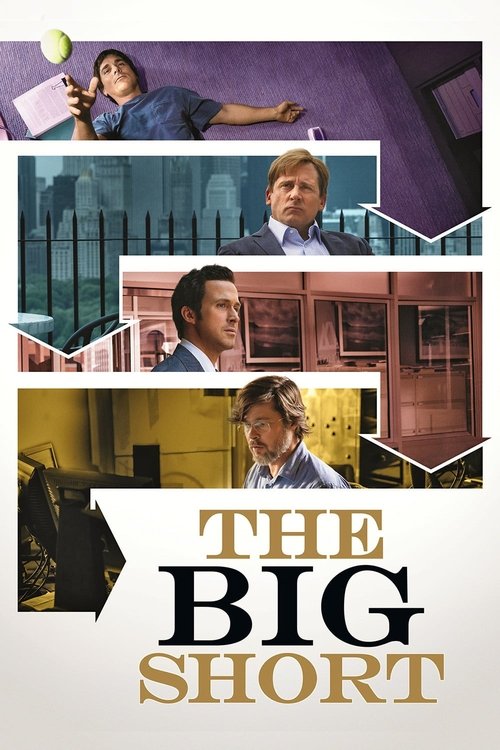
Brilliant Idiots on Film
Movies about self-sabotaging, oblivious, or spectacularly incompetent people



Dysfunction in Print
Novels about families, fraudsters, and people who cannot stop making things worse


Games About Schemes and Misdirection
Games that reward reading subtext, managing chaos, or watching a plan spectacularly collapse
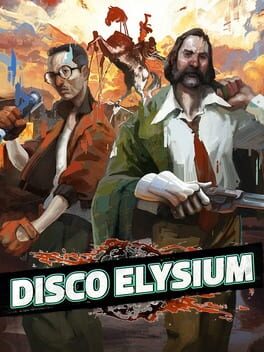
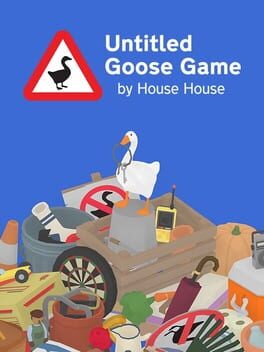
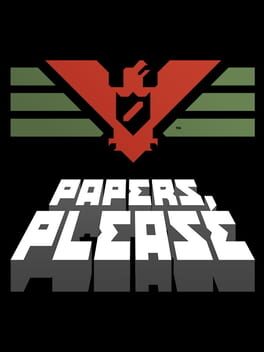
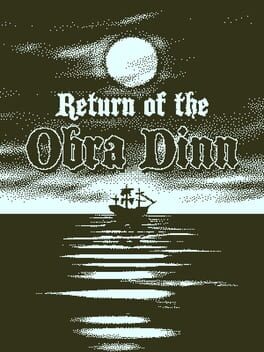

The Mockumentary Changed Everything
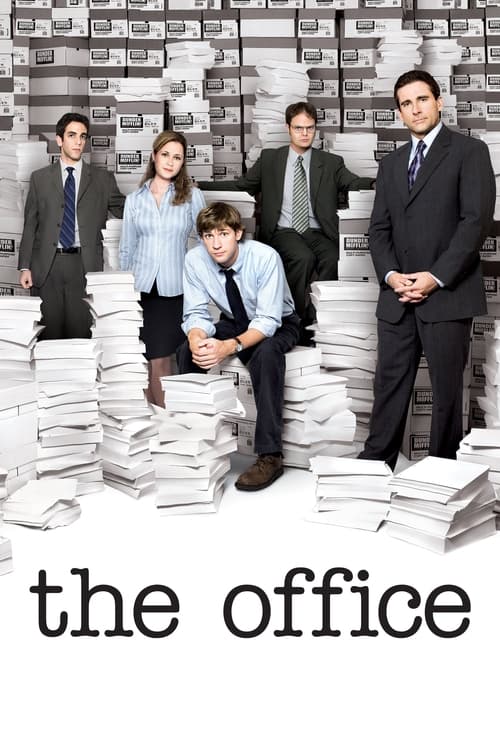
Arrested Development was not technically a mockumentary, but it used the single-camera confessional grammar before The Office (US) made that format ubiquitous. The talking-head aside, the observational framing, the narrator stepping in to undercut what you just saw: these were fresh moves in 2003. The Office, Parks and Recreation, and Modern Family all borrowed from the toolkit Arrested Development helped establish. Watching them back-to-back is a study in how a format gets absorbed into the mainstream.
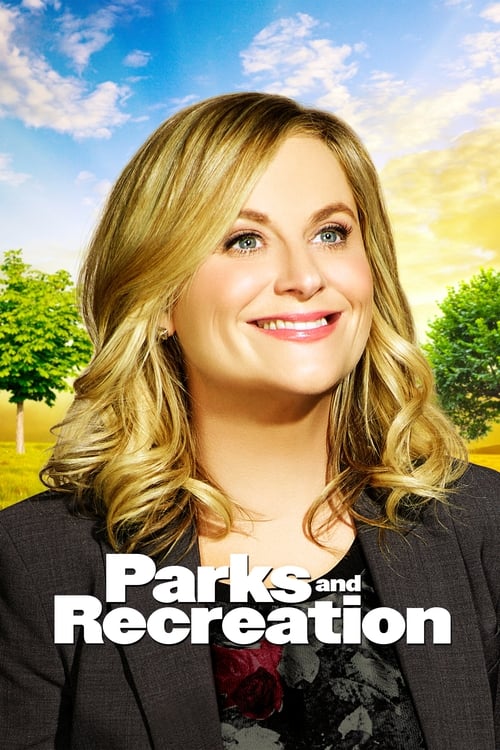
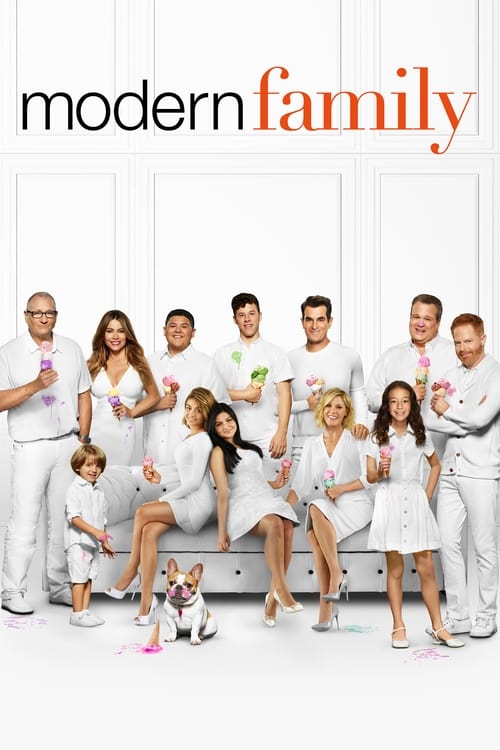
Ron Howard's Narrator Is Half the Joke
The decision to cast Ron Howard as the omniscient narrator, then use him to undermine characters in real time, is one of the show's structural masterstroke choices. He does not explain jokes: he deepens them, arriving a beat after the punchline to make it worse. The narration trusts the audience to know they are being played. Very few comedies have used a narrator this precisely, and it pays off most richly in the Season 1 finale, where the callback density becomes architectural.
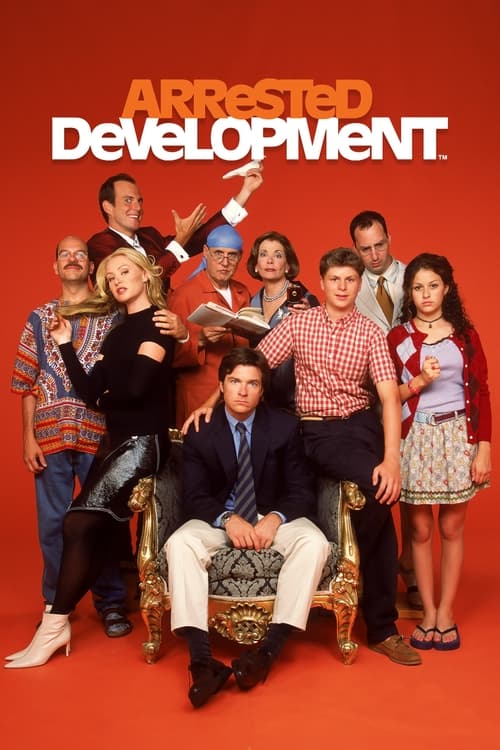
Succession Finished What Arrested Development Started
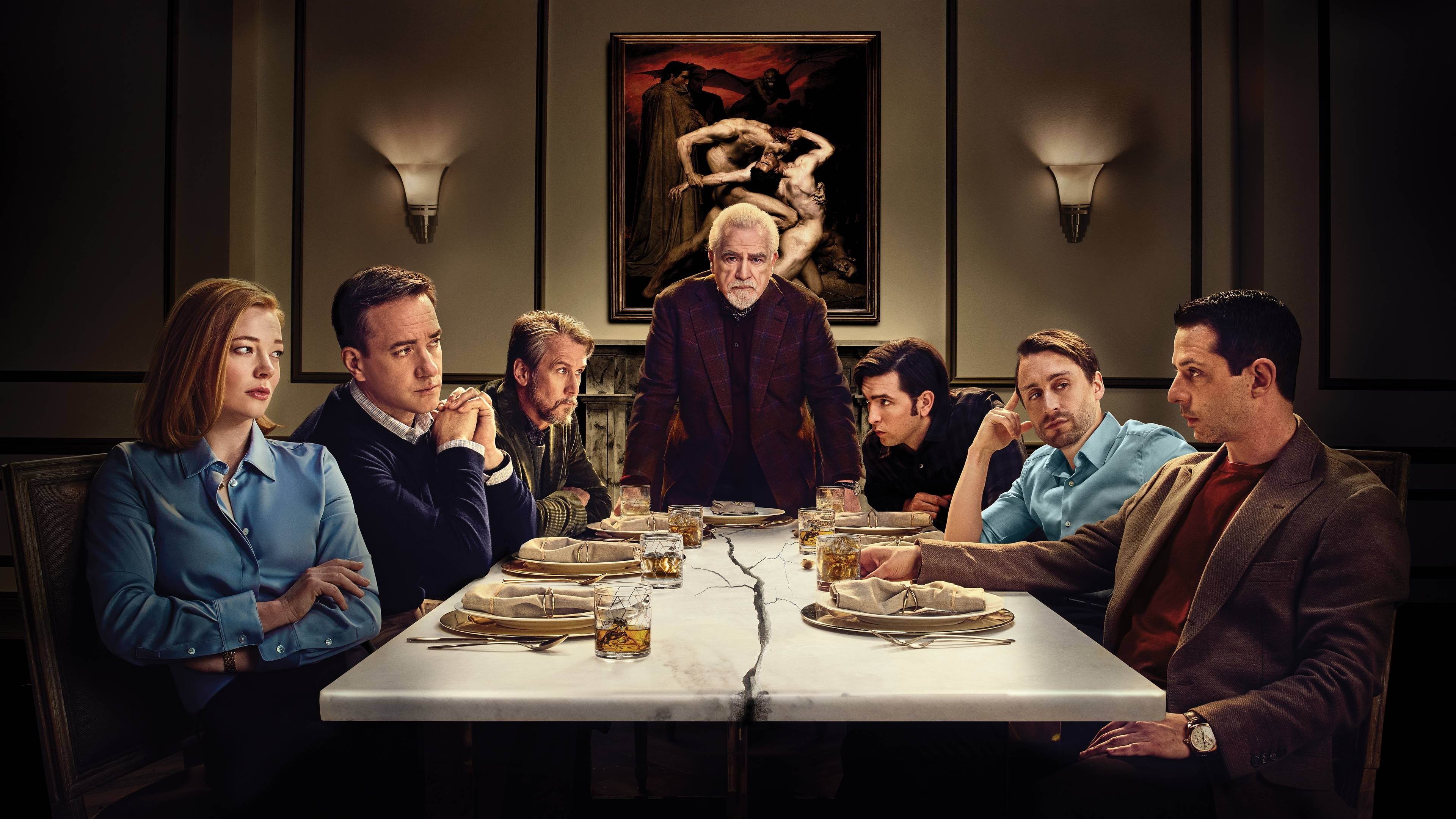
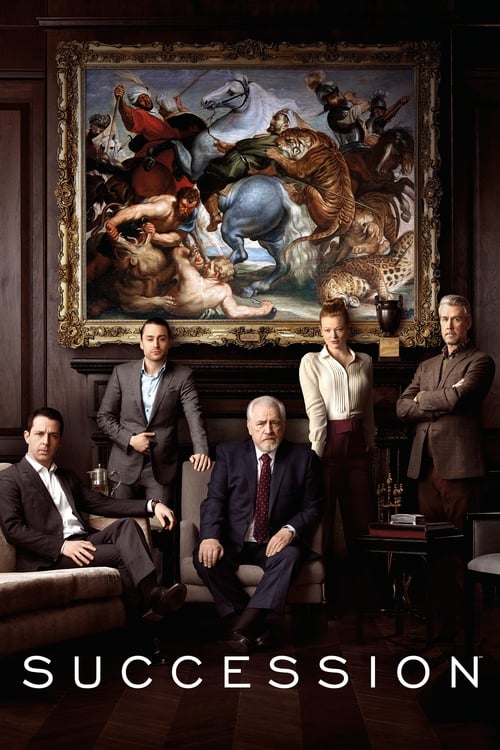
Both shows center a patriarch losing control of his empire to children who are, in different ways, unready. Arrested Development plays this as farce; Succession plays it as tragedy with comedy threaded through. The tonal distance is real, but the DNA is the same: a patriarch who is worse than he believes, children who want approval more than power, and a family that mistakes closeness for loyalty. Fans who come to Succession from Arrested Development often describe the transition as watching the same core material aged into something darker.
A Brief History of Television Comedy Getting Smarter
- 1999The Sopranos premieres, proving prestige serialization works for cable The Sopranos
- 2001The Office (UK) debuts the modern single-camera mockumentary The Office
- 2003Arrested Development premieres on Fox Arrested Development
- 2005The Office (US) adapts the format for American audiences The Office
- 2009Community begins its run of meta, layered pop-culture comedy Community
- 2013Arrested Development Season 4 revives the show on Netflix, pioneering streaming-native comedy structure Arrested Development
- 2015Fleabag debuts on BBC Three, using the camera break as confession Fleabag
- 2018Succession premieres: dynasty comedy as Shakespearean tragedy Succession
More dysfunctional family comedy
For Fans of The Office
Explore the For Fans of The Office guide →There's always money in the banana stand.George Bluth Sr., Arrested Development