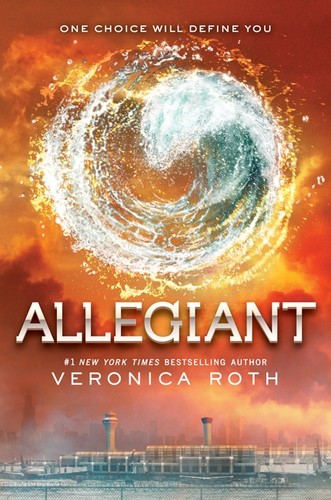

Allegiant does something most YA trilogies refuse to do: it follows its own logic all the way to the end, regardless of whether the audience wants to go there. Veronica Roth built a world where factions define identity, then spent two books dismantling that world, and in the third she asks what happens to a person when every system they trusted turns out to be a lie built on top of another lie. The answer is not triumphant. What fans carry away from Allegiant is not the plot but the sensation of a story that took its premise seriously enough to hurt them. That seriousness, that willingness to let resistance cost something real, is what this guide chases across every medium.
The Divergent Trilogy
The complete arc from faction sorting to systemic collapse, best read in order.


Dystopias That Don't Blink
YA and crossover novels where the system is the villain and the protagonist pays for knowing it.


On Screen: Factions, Arenas, and Broken Utopias
Films where a controlled society fractures and the cost of resistance is personal.

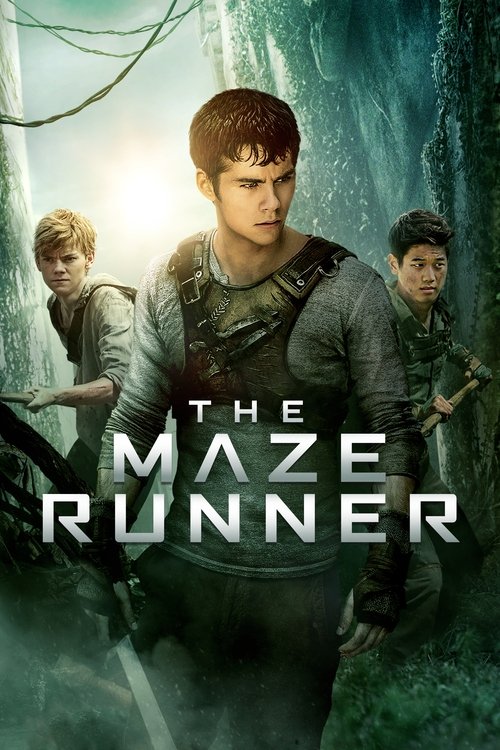
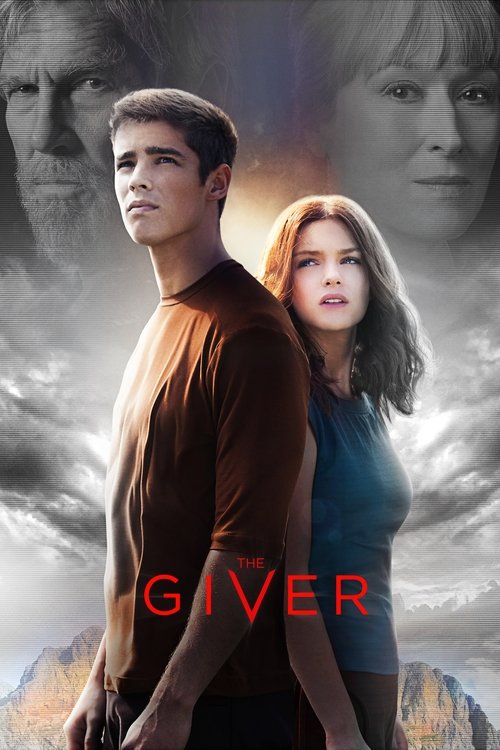
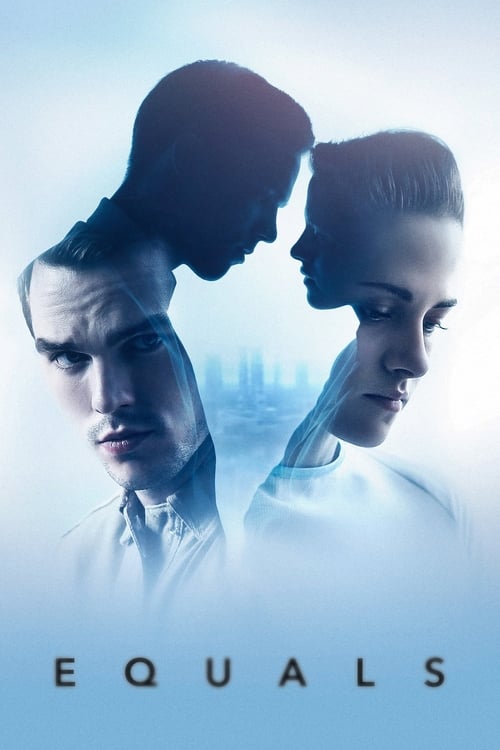
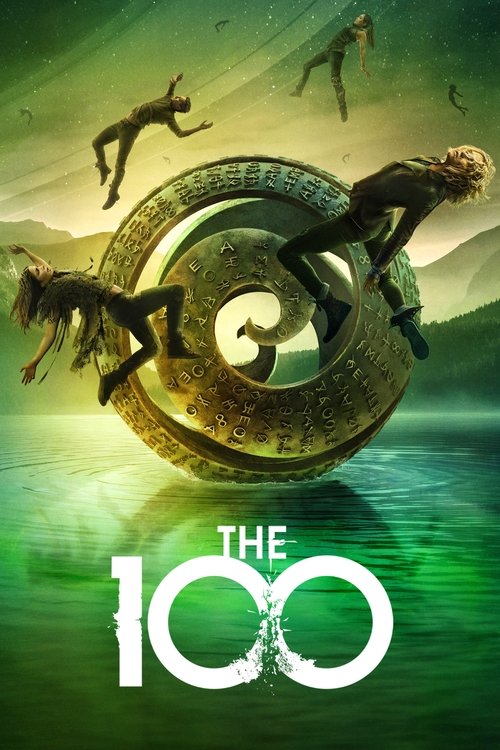
Series That Live in the Gray Zone
TV that refuses easy heroes, where institutions corrupt and loyalty is its own trap.

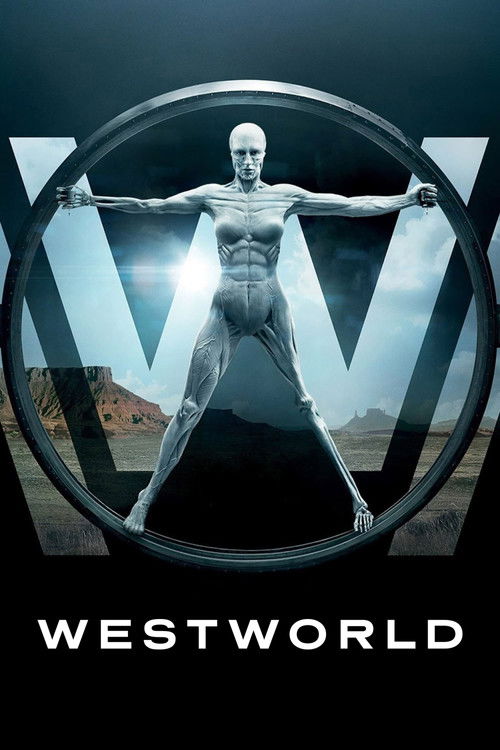

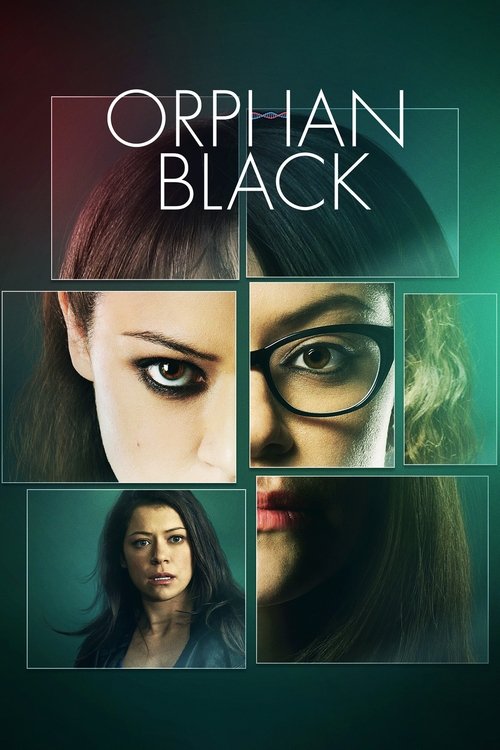
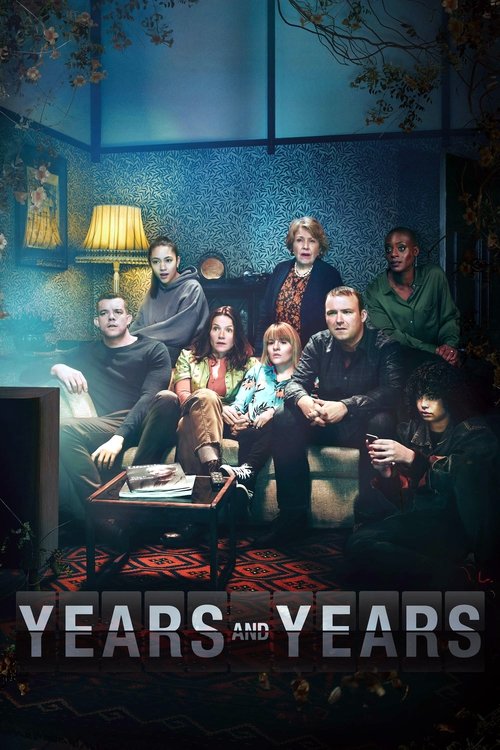
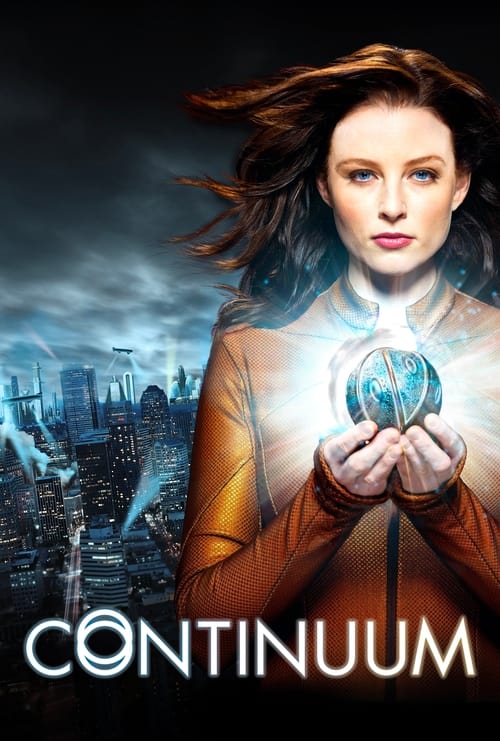
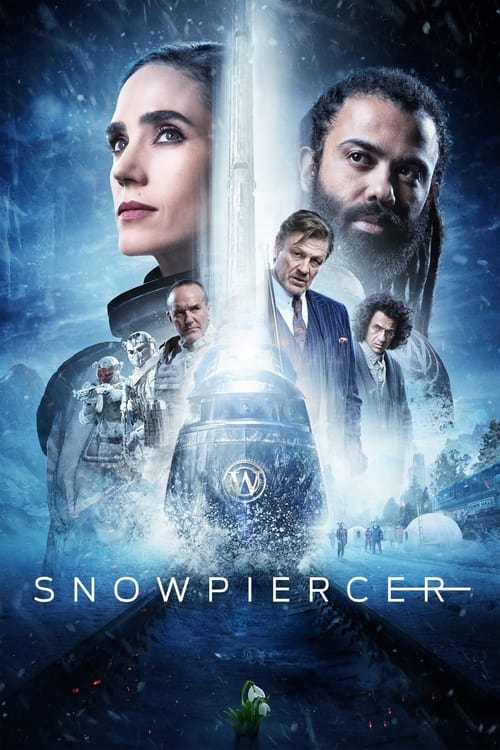
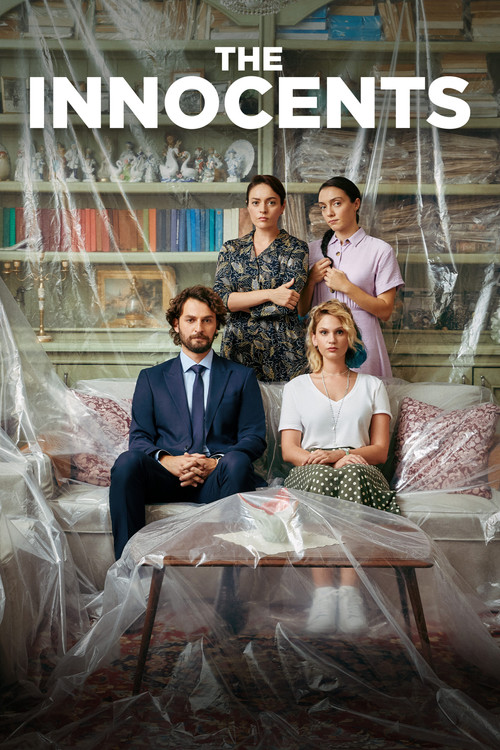
Games Where Identity Is the Battlefield
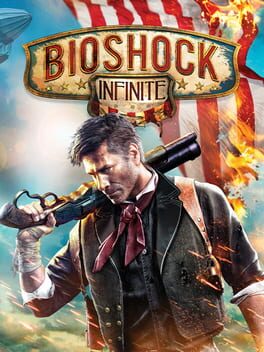
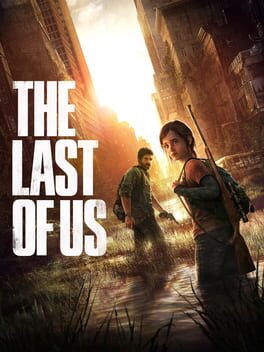
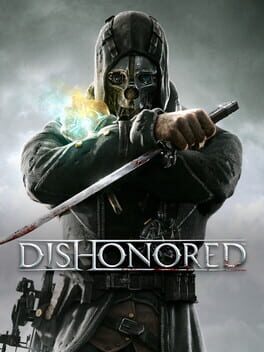
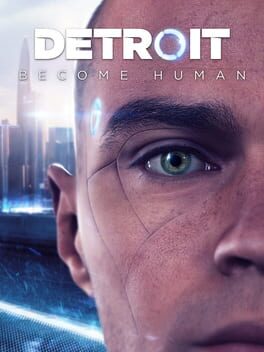
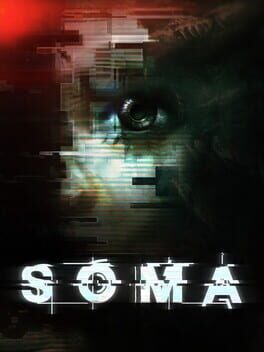
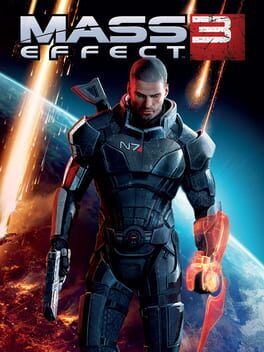
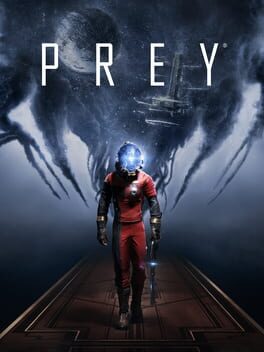
Games built around faction allegiance, genetic identity, or the cost of dismantling a corrupt order from within.


Genetic determinism is the real villain of the trilogy.
The faction system is just a delivery mechanism. The deeper conflict in Allegiant is about whether genetic 'damage' can make a person less human, less valuable, less capable of moral choice. That argument lands much harder in 2024 than it did in 2013. For a fictional universe that interrogates the same logic from the outside, BioShock Infinite's Columbia is the closest analog in games: a society built on a biological hierarchy that codes its cruelty as moral order.
The dual-POV structure is an underrated technical achievement.
Allegiant is the first book in the trilogy to split between Tris and Tobias as narrators, and most readers bounced off it initially because the two voices are not differentiated enough. Return to it with that expectation already adjusted and what you find instead is a structural argument: that two people who love each other can inhabit the same events and draw opposite conclusions. Dark on Netflix uses the same device across three timelines to even more vertiginous effect.
The Bureau of Genetic Welfare is the most interesting institution in the series.
The factions get all the attention but the Bureau is more unsettling precisely because it believes it is the reasonable party. It has data, funding, good intentions, and a long view. It is wrong in the way bureaucracies are wrong: not through malice but through a framework that excludes certain people from the category of 'worth protecting.' The Handmaid's Tale's Gilead gets more credit for institutional horror, but the Bureau is scarier because it looks like a policy document.
The Divergent Universe, in Order
- 2011Divergent published; Tris Prior chooses Dauntless and begins to understand what her world is built on. Divergent
- 2012Insurgent published; the faction system cracks and the secrets underneath begin to surface. Insurgent
- 2013Allegiant published; the trilogy ends with full disclosure of the world's architecture and its human cost. Allegiant
- 2014Four: A Divergent Collection fills in Tobias's story from before and during the events of Divergent.
- 2014Divergent film adaptation opens, launching the screen trilogy. Divergent
- 2015Insurgent film; the series leans into action while the books' philosophical core recedes. Insurgent
- 2016Allegiant film (Part 1 of a planned split) released; plans for Part 2 (Ascendant) are eventually restructured. Allegiant
We are the people who chose to forget the lessons of our past so that we could establish our own rules. We are flawed. But we are also the only ones who can fix what we have broken.Allegiant, Veronica Roth