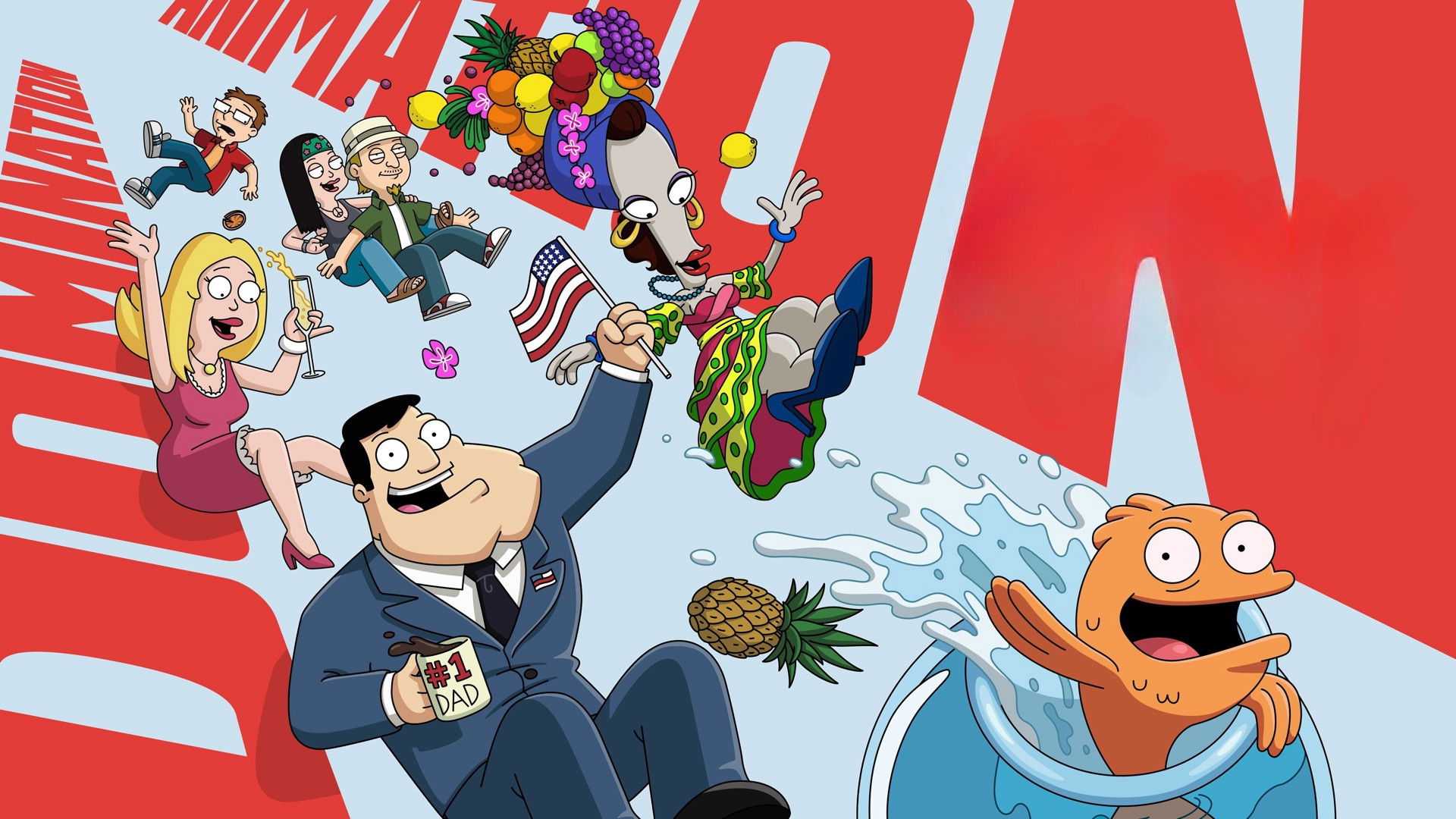

American Dad! arrived in 2005 as Seth MacFarlane's second animated sitcom, but it quickly carved out a personality sharply distinct from Family Guy. Where that show runs on cutaway gags, American Dad! builds sustained plots, commits to character arcs, and goes genuinely weird: a CIA deputy director father, an alien living in the attic, a talking goldfish with the transplanted brain of a German ski instructor. The comedy engine is contradiction. Stan Smith is a hyper-patriotic, reflexively authoritarian man who loves his family and routinely destroys them through that love. Over twenty-plus seasons (a run that puts it among the longest-running animated shows in American TV history) the show has ranged from tight workplace farce to full-episode musicals to horror parody to outright surrealism. What fans respond to is the combination: sharp political satire wrapped around genuine emotional beats, a willingness to let secondary characters (Roger especially) become as complex as the leads, and a refusal to coast on formula. If you love the specific register American Dad! operates in, the works below map every direction that pleasure can travel.
Essential American Dad!
The show's own peaks, from its satirical early seasons to its increasingly unhinged later run.
Animated Satire with Teeth
Series that use comedy, cartoon form, and family structure to say something real about politics, culture, and the American condition.


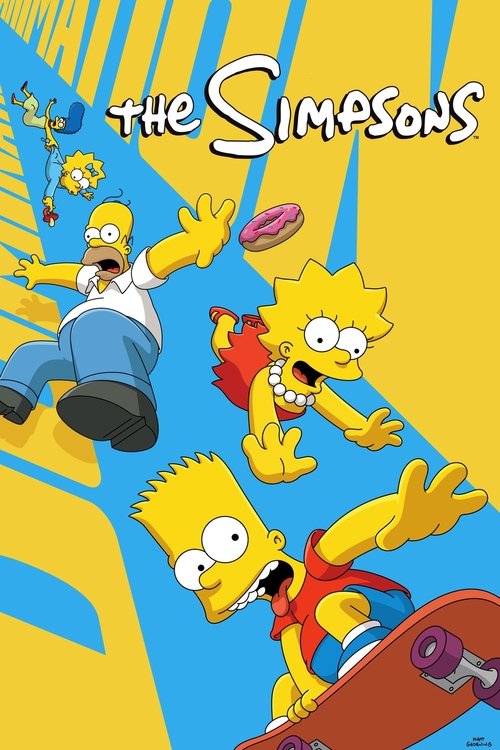
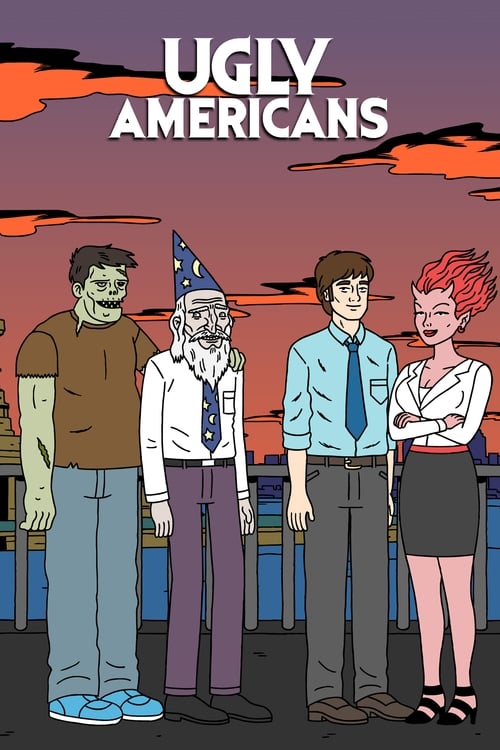
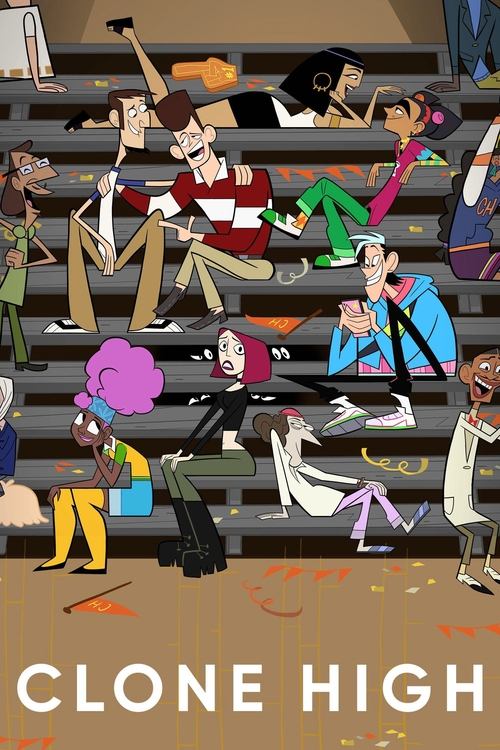
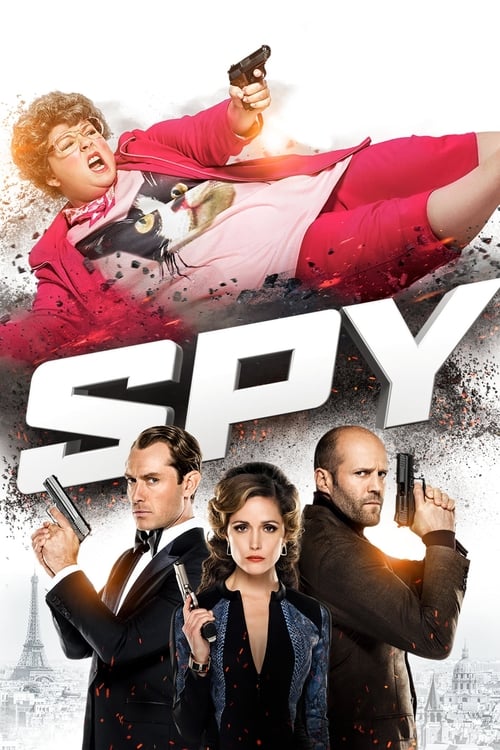
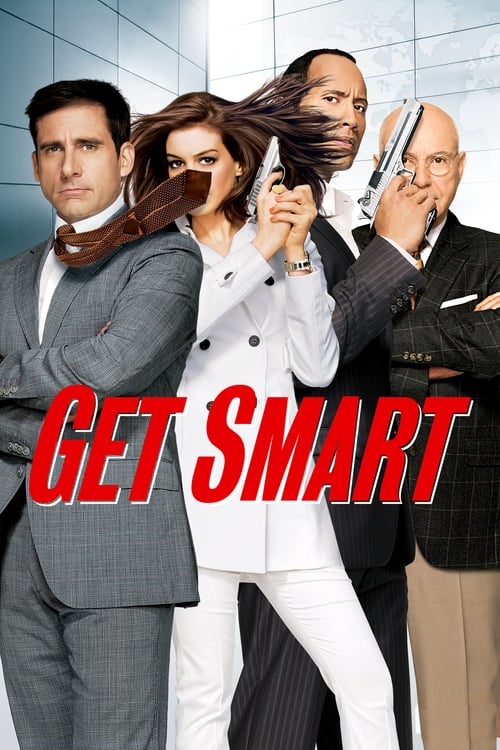
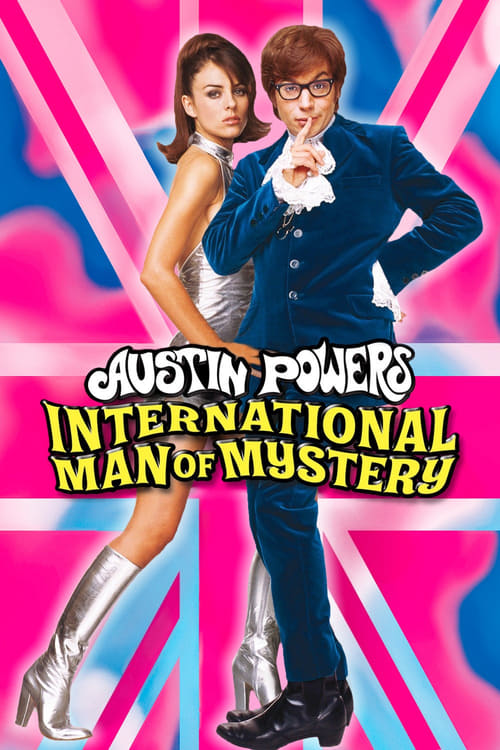
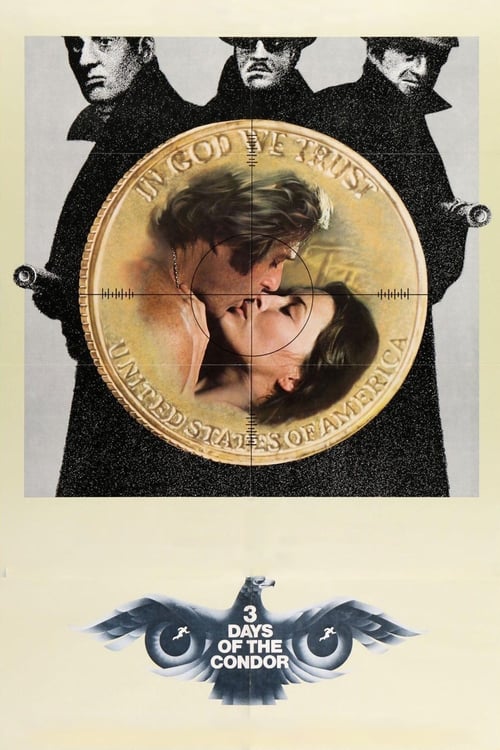
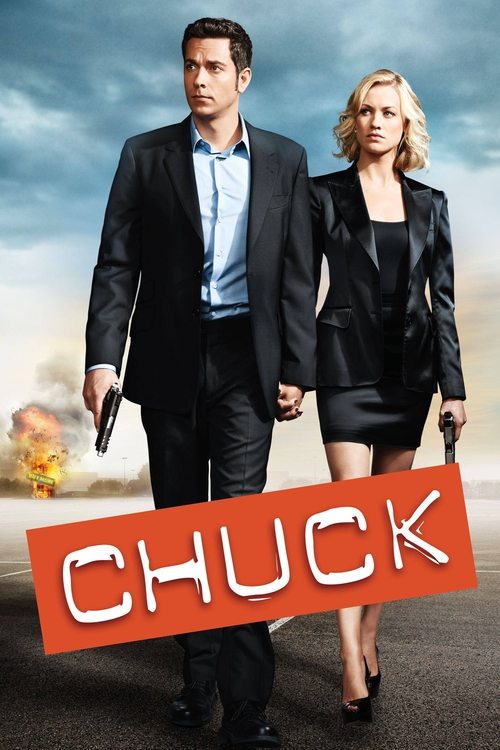
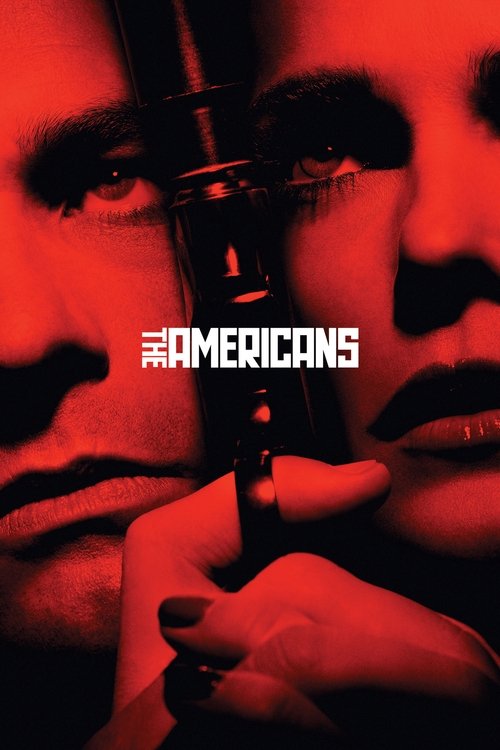
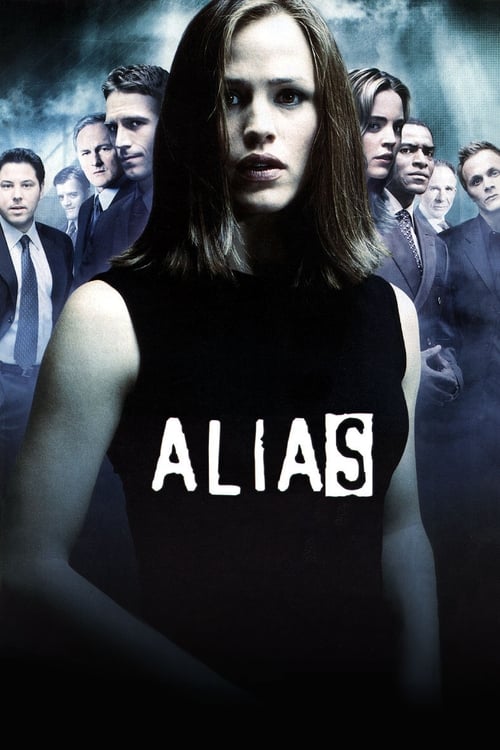
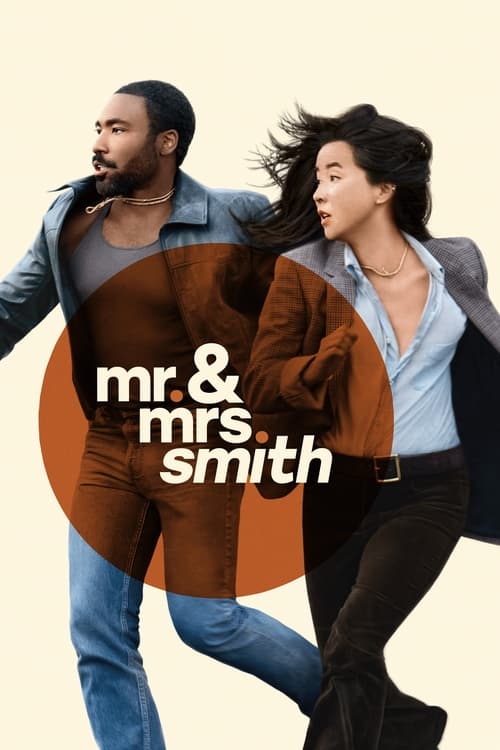
Cold War Paranoia and Spy Comedy on Screen
Films and series that play the intelligence community for laughs, absurdity, or pointed critique, the same DNA as Stan Smith's CIA.
Suburban Dysfunction in Prose
Novels and story collections that excavate the same patch of lawn American Dad! builds its jokes on: the gap between the family America advertises and the one people actually live in.


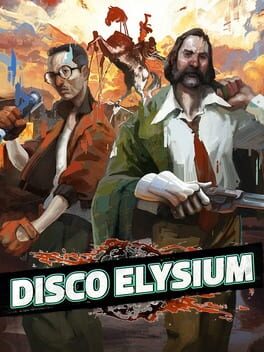
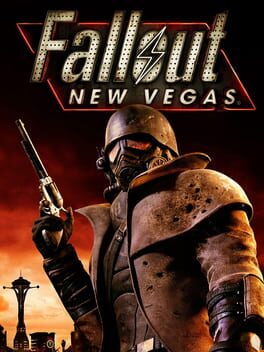
Games About Power, Paranoia, and Absurd Systems
Games that share American Dad!'s interest in authority, bureaucracy, and systems that grind people down in darkly comic ways.
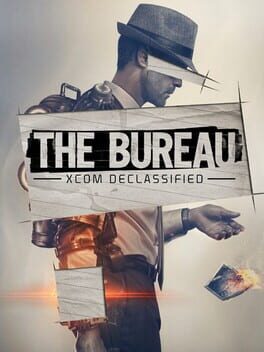
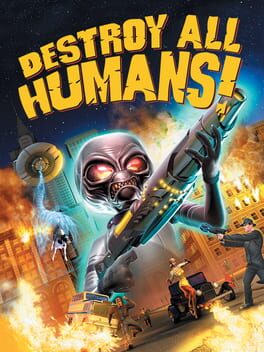
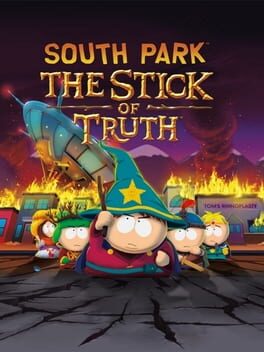
Music That Scores the American Absurd
Albums and artists whose satirical, theatrical, or patriotically warped energy matches what American Dad! sounds like at its best.
Roger Is the Best Character in MacFarlane's Entire Universe
Roger the alien is the show's secret weapon and its purest creative achievement. Where other animated ensemble characters are defined by one trait, Roger is a shapeshifting engine of personas, each with their own backstory and moral logic. He can be pathetic, monstrous, tender, and hilarious within a single episode. No other MacFarlane creation has that range. The show knows it: the more seasons pass, the more screen time Roger gets, and the show gets better for it. He is, functionally, an anthology character living inside a family sitcom.
The Best Spy Comedies Work Because They Take the Spy Part Seriously
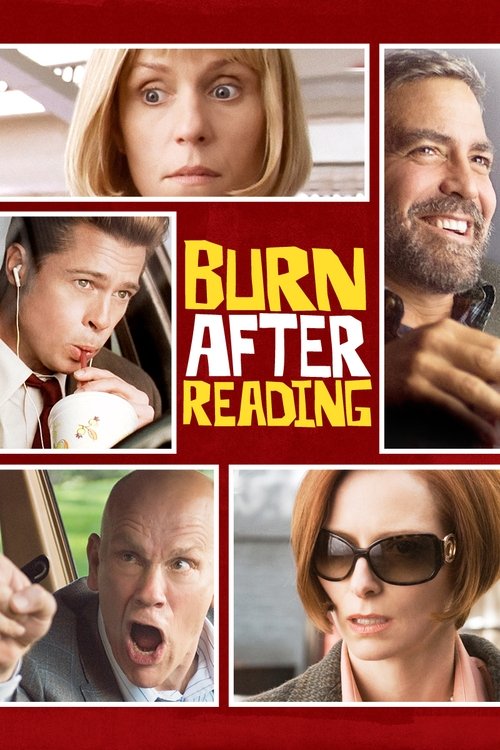
American Dad!, Archer, and Chuck all share a structural insight: the comedy lands harder when the genre mechanics are played straight. Stan's CIA missions have real stakes within their episodes; the absurdity comes from the man, not from winking at the genre. The same principle drives the best spy comedies in film: Burn After Reading is funny because the Coens treat the incompetence with documentary gravity. Spoof only works when there is something real underneath it.
Suburban Satire Requires a Genuine Stake in the Family
The shows that endure in this vein, American Dad!, King of the Hill, The Corrections on the page, are not content to mock their protagonists from a safe ironic distance. They make you feel the love inside the dysfunction. Stan Smith is ridiculous and wrong about almost everything, but his devotion to his family is not a joke. That sincerity is what separates satire with staying power from mere parody.
Disco Elysium Is the American Dad! of Video Games
This sounds stranger than it is. Both works center on a man whose ideology has become a coping mechanism, both use comedy to expose the gap between self-image and reality, and both are genuinely interested in what political conviction costs a person at the human level. Disco Elysium is bleaker and more literary, but the underlying question, what does it do to a person to really believe in a system, is the same one Stan Smith embodies every episode.
American Animation Grows Up: A Timeline
- 1989The Simpsons premieres, establishing that prime-time animation can be a vehicle for sharp social commentary and not just children's entertainment. The Simpsons
- 1997South Park arrives and immediately tests the outer limits of what satire on television is permitted to say. South Park
- 1999King of the Hill ends its run as one of the quietest, most emotionally honest shows the format has produced. King of the Hill
- 2001Family Guy is revived after cancellation, proving that cult animated audiences can sustain a show the ratings had written off. Family Guy
- 2005American Dad! premieres alongside the Super Bowl, initially overshadowed by its sibling show before developing a voice entirely its own. American Dad!
- 2009Archer debuts on FX, bringing animated satire into prestige cable and targeting a somewhat older, genre-savvier audience. Archer
- 2012Bob's Burgers finds its audience and demonstrates that warmth and weirdness are not incompatible in animated family comedy. Bob's Burgers
- 2014BoJack Horseman launches on Netflix, pushing animated comedy into sustained dramatic territory and changing expectations for the form. BoJack Horseman
- 2014American Dad! moves from Fox to TBS, beginning an extended run that would make it one of the longest-running animated series in American history. American Dad!
American Dad! is the show that figured out you can have an alien in the attic, a talking fish, and a father who genuinely believes in things, and use all three to say something true about the country.CrossBinge Editors