
Americana is not a genre so much as a conversation. It begins somewhere between Appalachian hollows and Mississippi Delta juke joints, absorbs the folk revival, the outlaw country movement, and the alt-country rebellion, and ends up as the sound of people trying to tell the truth about their lives. The thread that connects Gillian Welch to Jason Isbell to Lucinda Williams is not a tempo or a chord progression. It is honesty: plainspoken, specific, and earned. Fans of this music are chasing that same quality across every medium, the feeling that someone is leveling with you rather than performing for you.
Essential Americana
The albums that define the genre and its range
Roots and Outlaws: Country Foundations
The records that built the ground Americana stands on
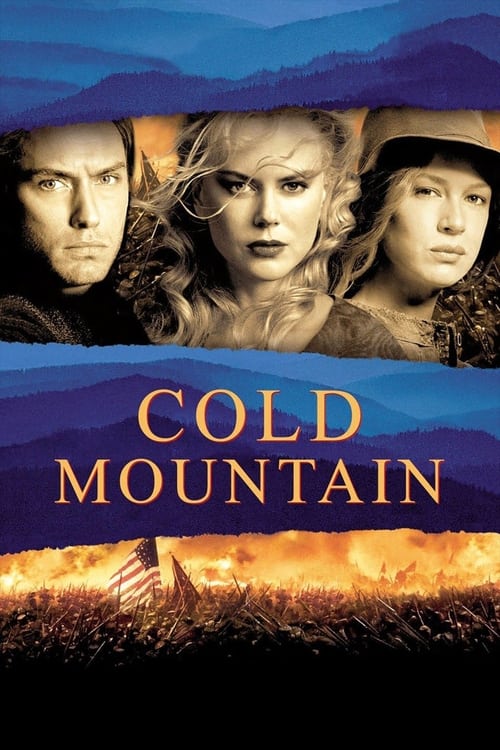
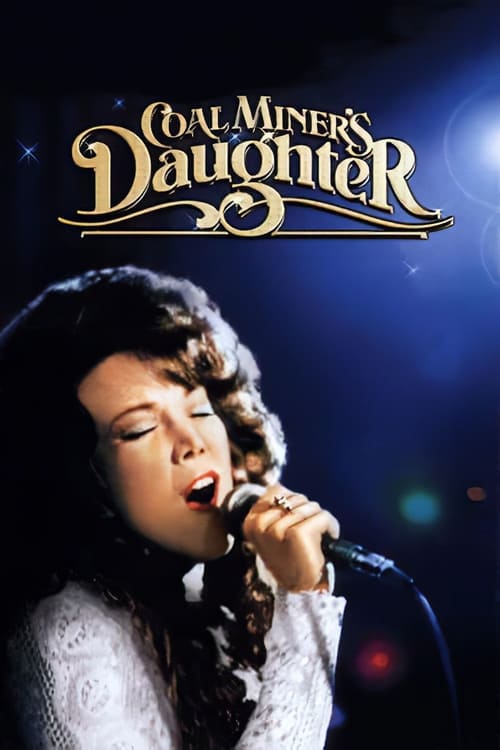
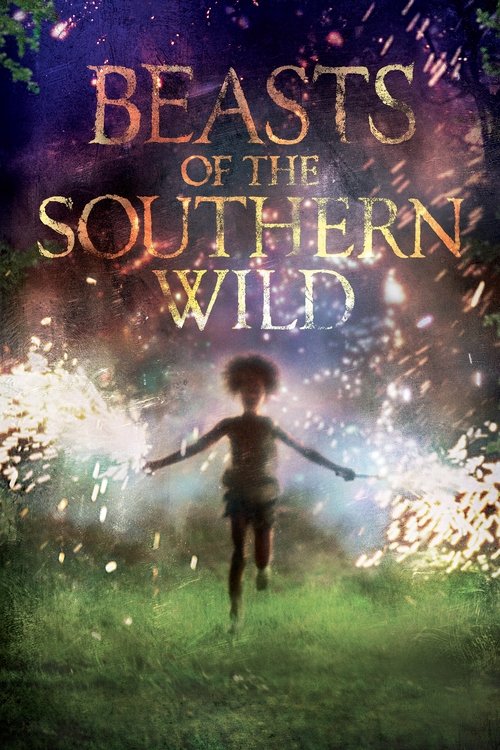
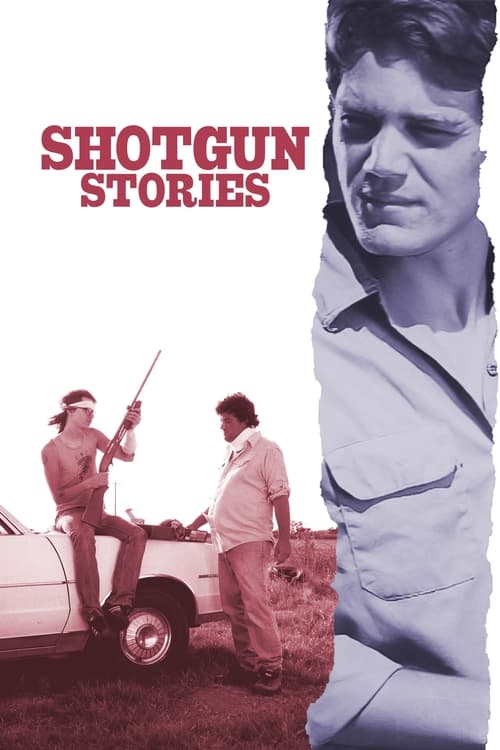
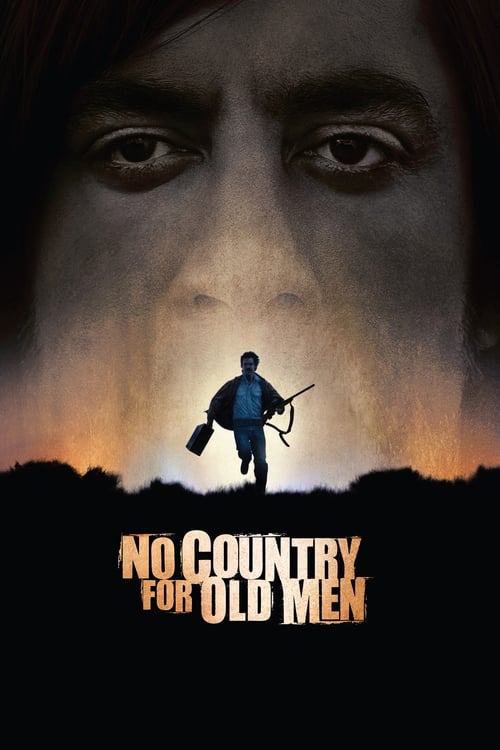
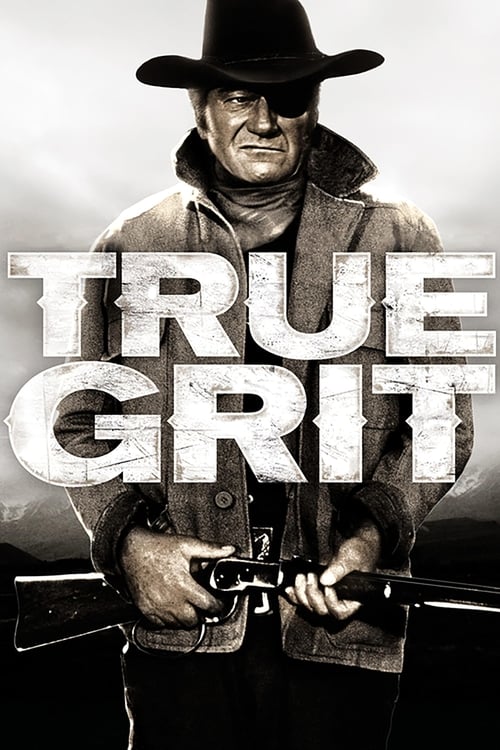
The Movies That Live in the Same Dust
Films soaked in the same landscape, longing, and working-class honesty

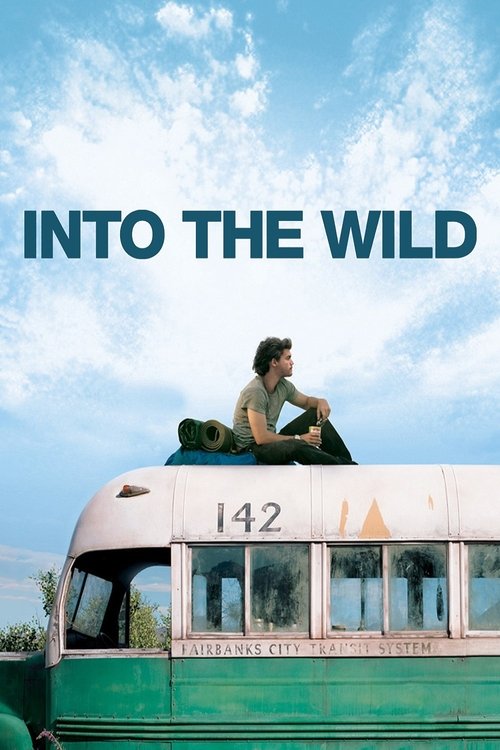
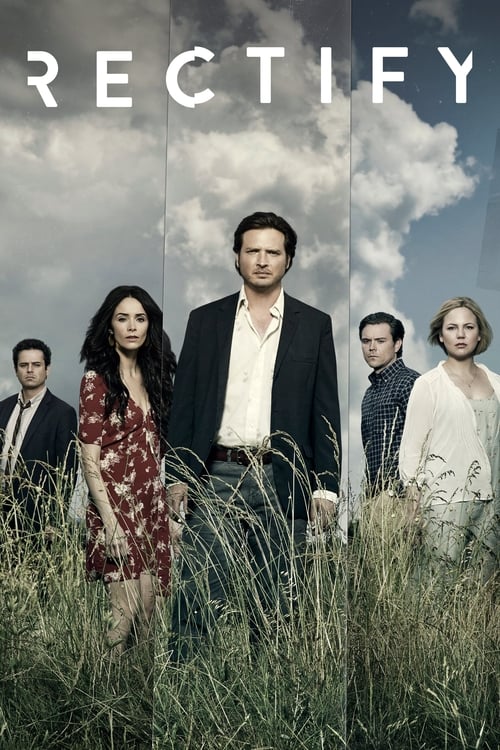
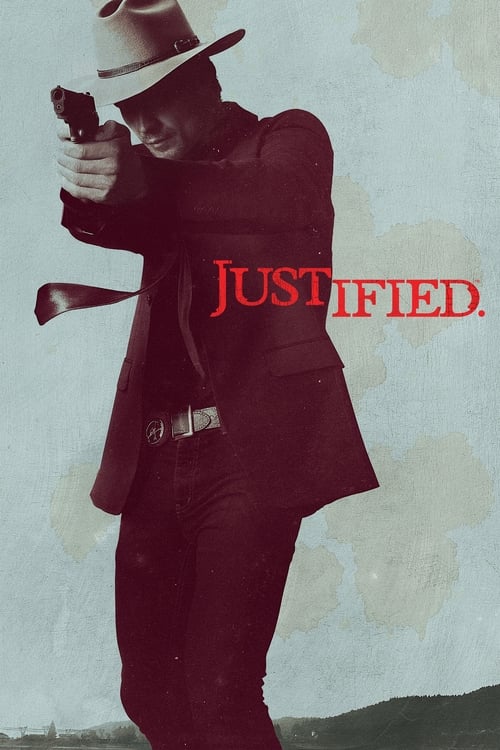
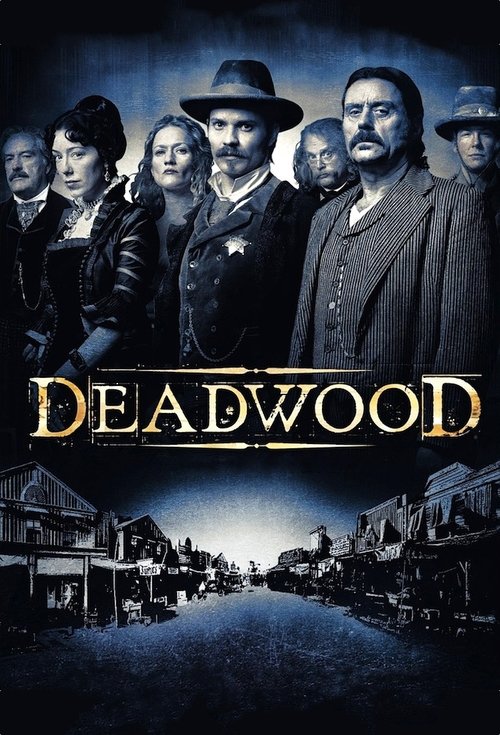
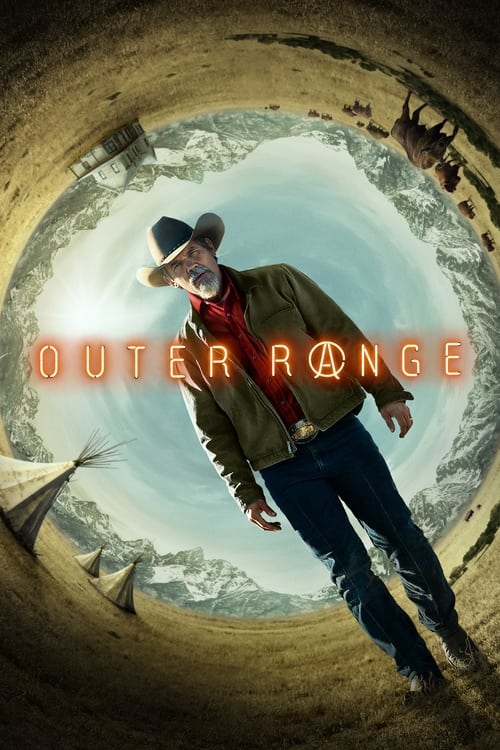
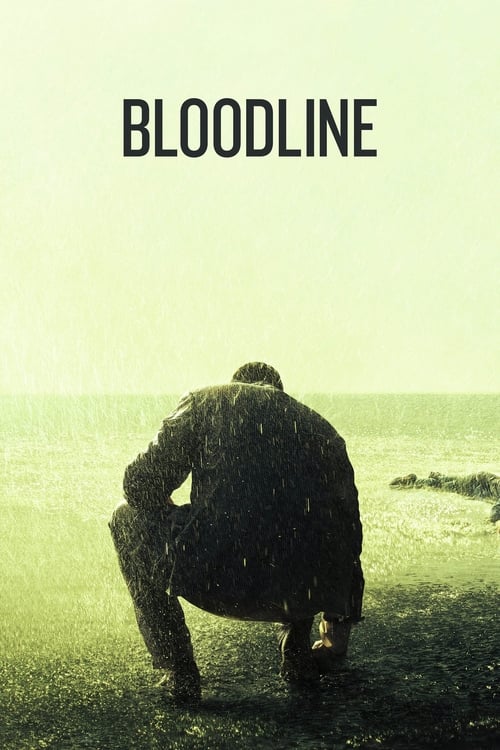
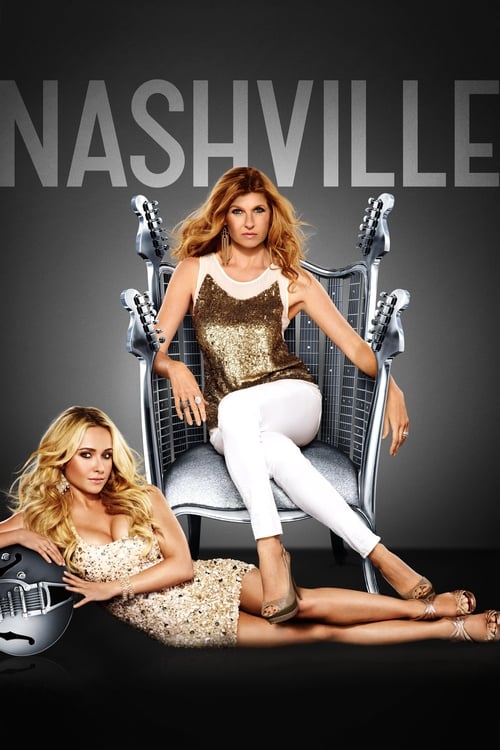
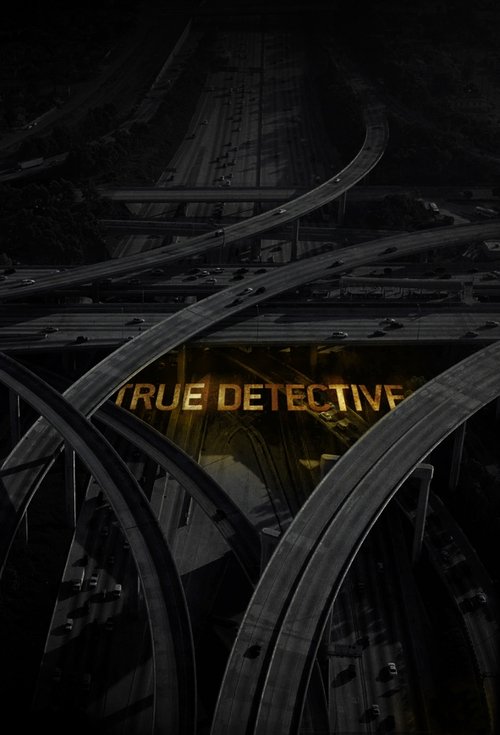
Television with Dirt Under Its Fingernails
Series that share the genre's terrain, character depth, and regional specificity

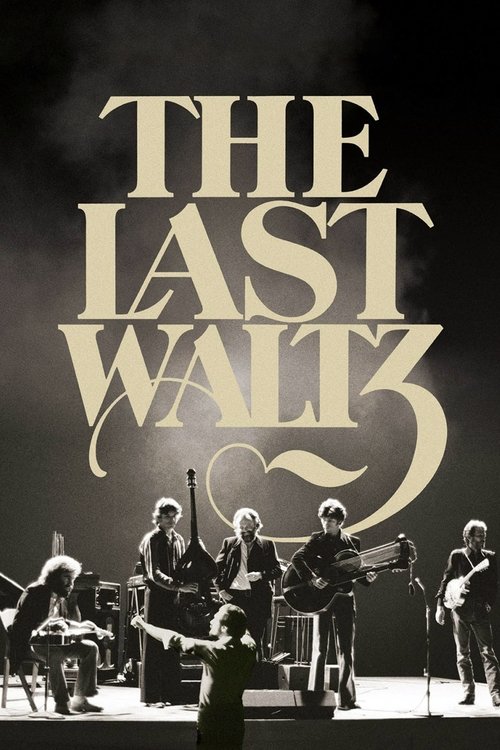
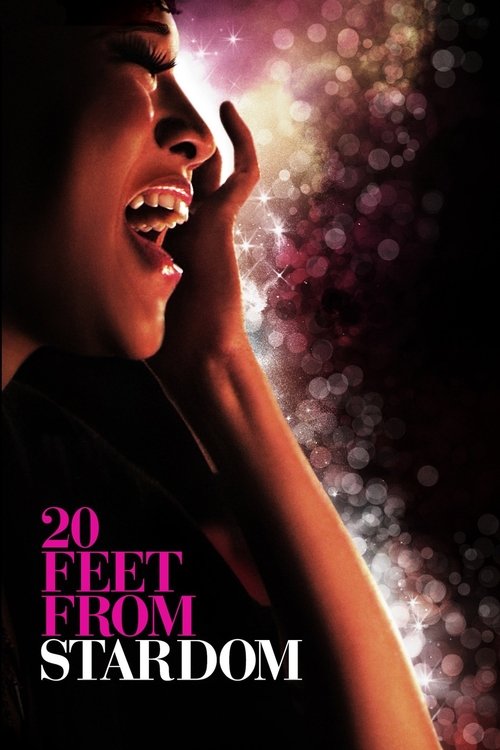
Music Documentaries and Concert Films
The genre on film: portraits, performances, and origin stories


Books That Sound Like Americana
Novels and nonfiction in the same honest, plain-spoken register


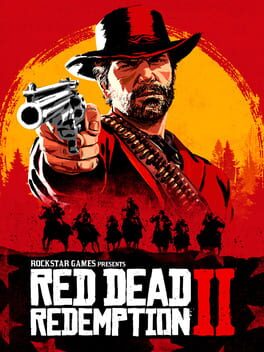
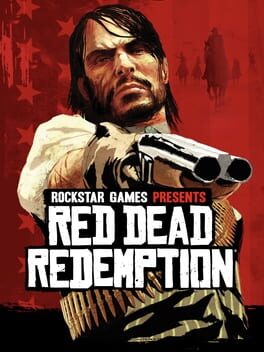
Games with the Same Spirit
Open roads, frontier tension, and folk storytelling in game form



Lucinda Williams Wrote the Blueprint
Car Wheels on a Gravel Road (1998) took twelve years and three abandoned attempts to finish. The result was an album that made perfectionism sound like heartbreak. Lucinda Williams writes about place as feeling: the smell of Macon, the weight of Lake Charles, the specific grief of a car pulling away on a gravel road. No other album in the American roots canon is so insistently, precisely located. Everything that followed in Americana owes her a debt that rarely gets paid loudly enough.
The Coen Brothers Built the Americana Cinematic Canon
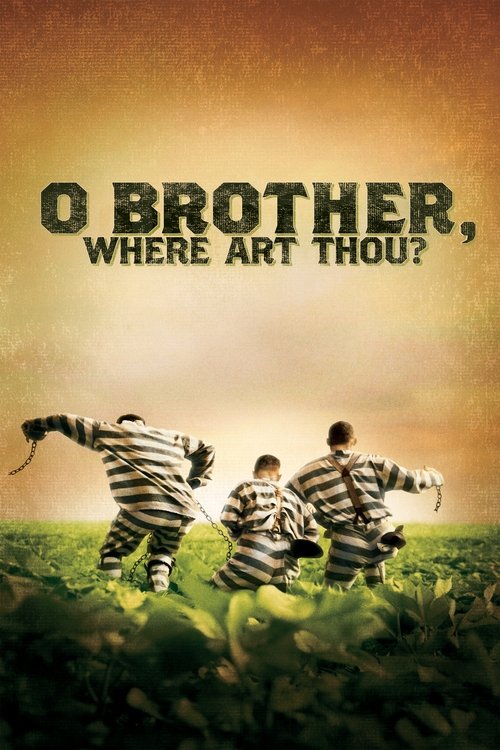
O Brother, Where Art Thou? is not just a film with a great soundtrack. It is a film that proved an audience existed for old-time American music, and it pulled that music from the margins into the mainstream. The T-Bone Burnett-produced soundtrack outsold expectations by a factor no one foresaw, and it seeded the Americana chart category that the Recording Academy would eventually recognize with its own Grammy. The Coens understood that myth, landscape, and vernacular speech are inseparable: you cannot tell these stories in a generic accent.
Jason Isbell Made Redemption a Credible Subject Again
Southeastern (2013) was Jason Isbell's first album made after getting sober, and it sounds like a man examining damage without flinching. The songs are not recovery anthems. They are inventories. Isbell names specific regrets, specific failures, specific people, and then finds a way to keep moving anyway. In a genre prone to nostalgic softening, that kind of precision is rare. The album revived the question of whether country-adjacent music could carry genuine adult weight.
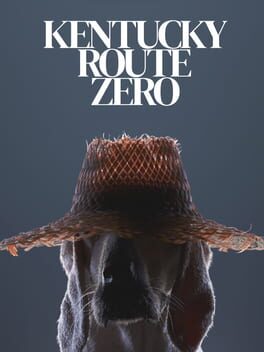
Kentucky Route Zero Is the Most Americana Game Ever Made
Kentucky Route Zero is a point-and-click game set in the American South, structured like a five-act play, and saturated with the imagery of economic decline, magical realism, and folk music. It plays like reading Cormac McCarthy while listening to Palace Brothers. The game's sense of place, its patience, and its refusal to explain its own mythology make it the closest a video game has come to capturing the melancholy and beauty at the core of Americana as a cultural mode.
A Short History of Americana
- 1927The Bristol Sessions: the first commercial recordings of old-time Appalachian music, launching the Carter Family and Jimmie Rodgers.
- 1961Bob Dylan's debut: folk revival reaches its commercial apex and begins absorbing the blues and protest traditions. Bob Dylan
- 1968The Band releases Music from Big Pink, fusing country, R&B, and folk into a template that most American roots music still uses. Music From Big Pink
- 1976Willie Nelson's Red Headed Stranger and the Outlaw Nashville movement rewrite country's relationship to pop production. Red Headed Stranger
- 1986Dwight Yoakam and Steve Earle emerge as the first artists to make roots credibility a selling point against mainstream Nashville.
- 1990Uncle Tupelo's No Depression coins what will eventually be called alt-country and seeds a generation of Americana acts.
- 1998Lucinda Williams' Car Wheels on a Gravel Road sets a new standard for literary precision in American roots music. Car Wheels on a Gravel Road
- 2000O Brother, Where Art Thou? soundtrack sells over 7 million copies and makes old-time American music a mainstream event. O Brother, Where Art Thou?
- 2013Jason Isbell's Southeastern and the Recording Academy's new Americana Grammy category give the genre institutional recognition. Southeastern
- 2016Beyonce's Lemonade proves Americana's sonic and thematic range extends beyond whiteness, drawing on Southern Gothic, blues, and R&B. Lemonade
More roots, open roads, and frontier sound
For Fans of Johnny Cash
Explore the For Fans of Johnny Cash guide →Americana is the sound of people trying to figure out where they came from so they can figure out where they are.Gillian Welch, in interviews on the folk revival tradition