
Johnny Cash did not perform country music so much as he inhabited it. From the Sun Records sessions of the mid-1950s to the stripped-back American Recordings collaborations with Rick Rubin four decades later, he built a body of work defined by moral gravity, hard-won empathy, and a baritone that sounded like bedrock. He sang for prisoners because he understood the cage, for the lonely because he had been lonely, for the faithful and the fallen alike. The Cash catalog is not nostalgia. It is a reckoning. If that sound pulls you in, the works below will follow the same thread: outlaw conscience, American mythology, the beauty of flawed and searching people, and music that refuses to flinch.
Essential Johnny Cash
The albums that define the man and the legend
The Man in Black on Screen
Documentaries, concert films, and the Walk the Line biopic

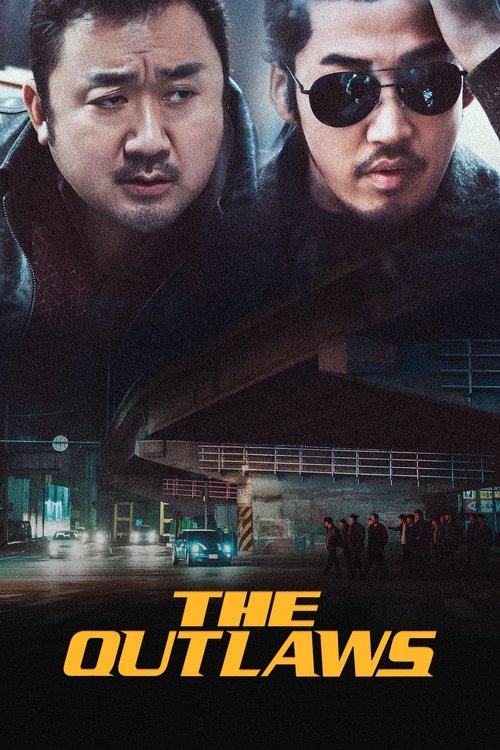
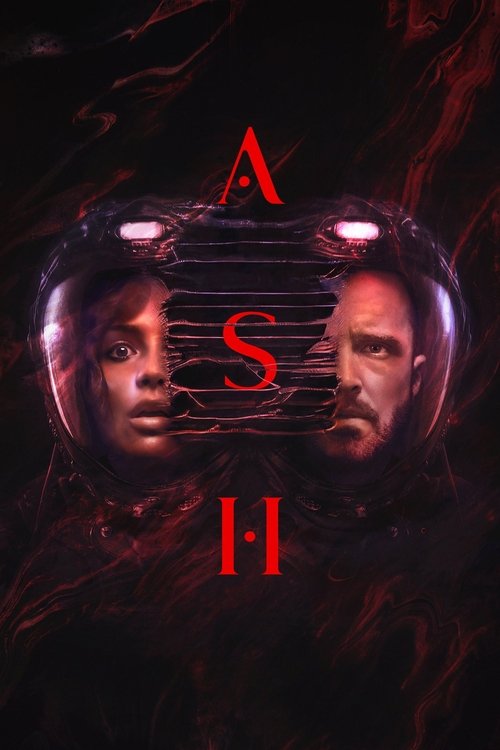
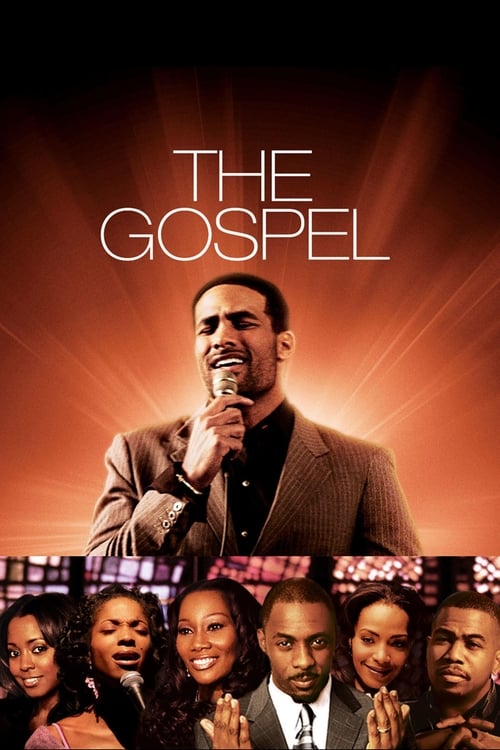
Outlaw Country and Americana: Artists Who Share the Spirit
Music that carries the same dirt, weight, and conscience
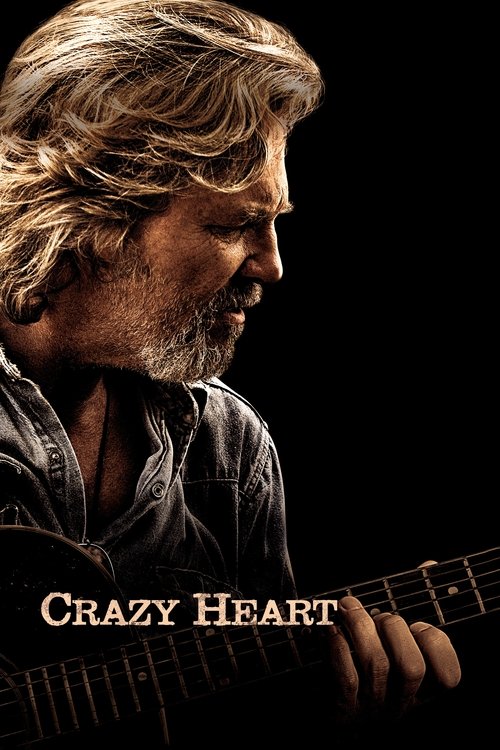
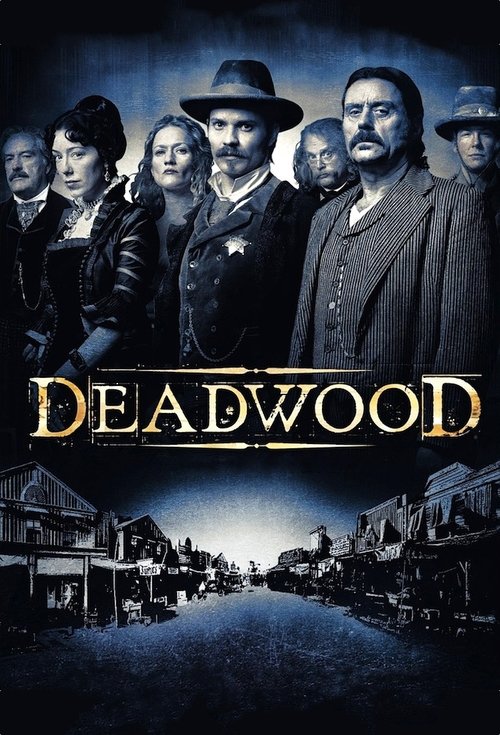
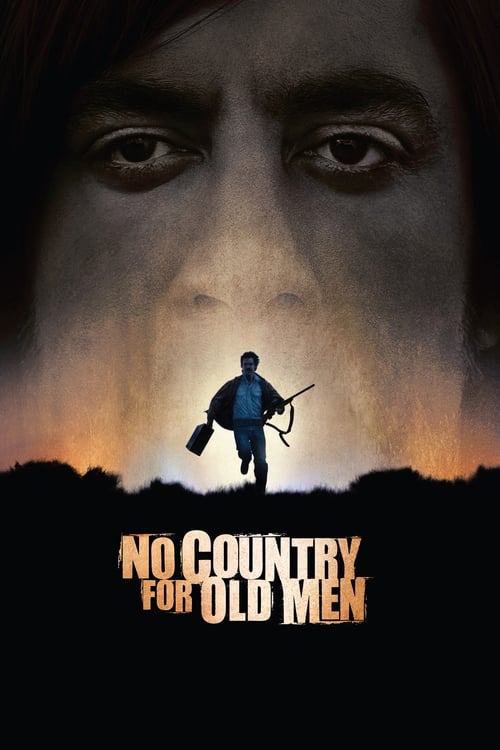
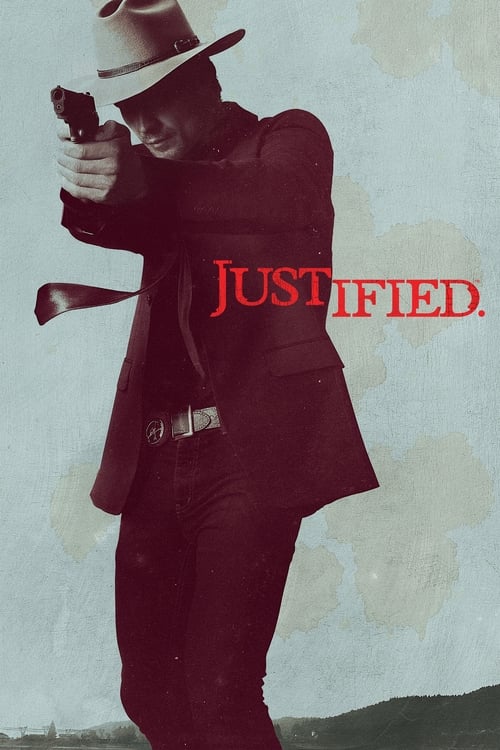
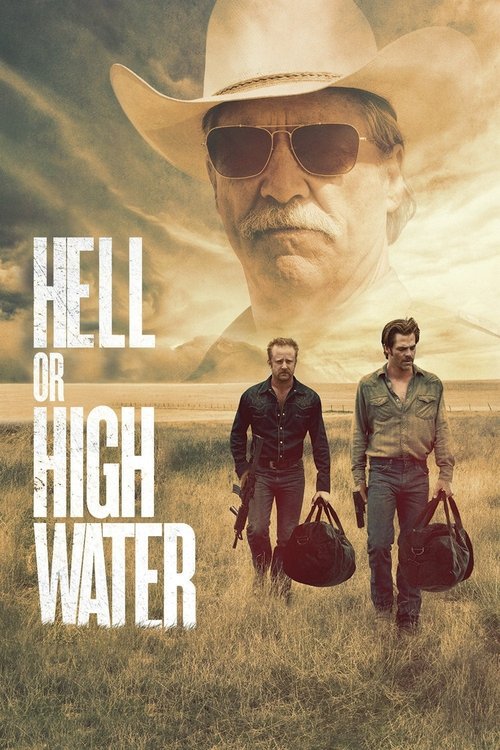
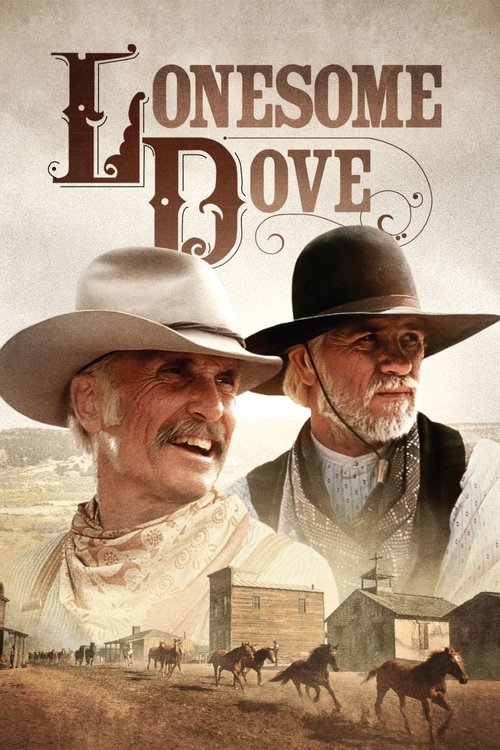
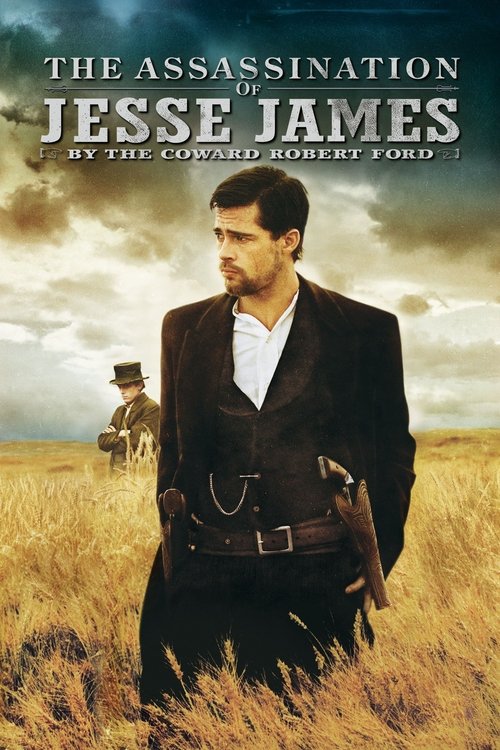
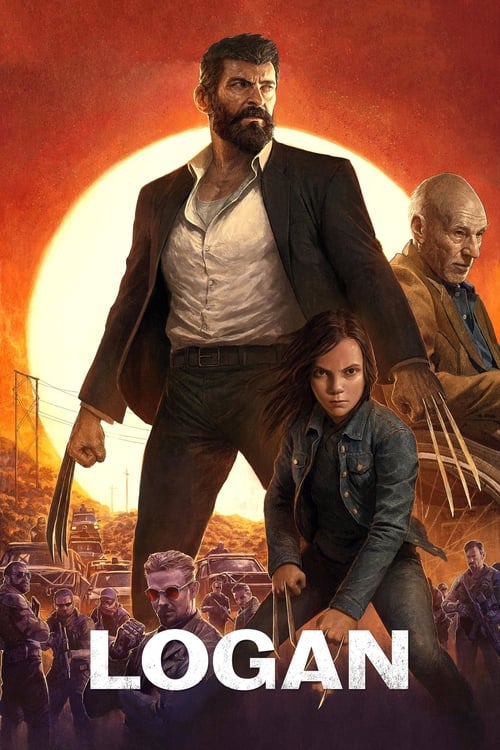
Films and Series with the Same Moral Frequency
American myth, sin, redemption, and the weight of the past
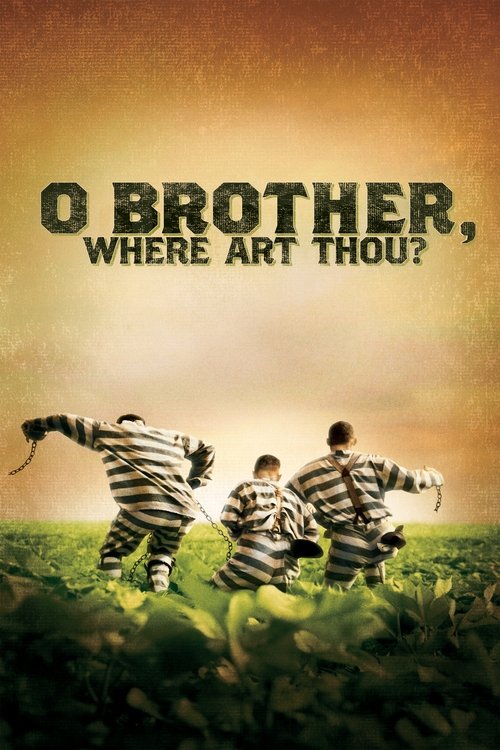

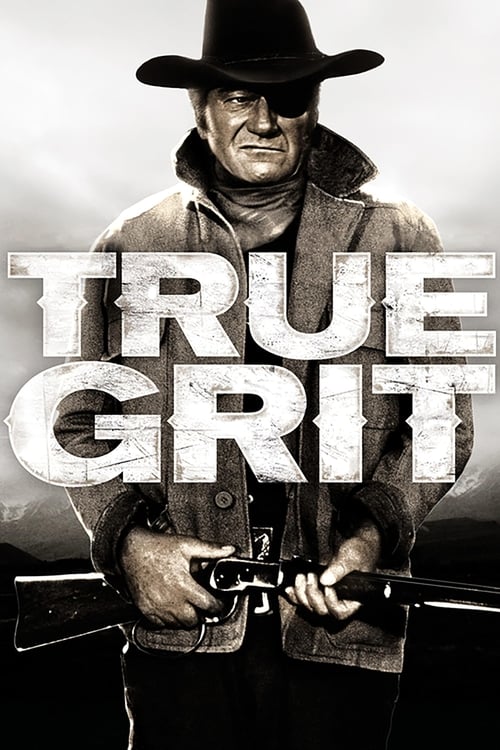
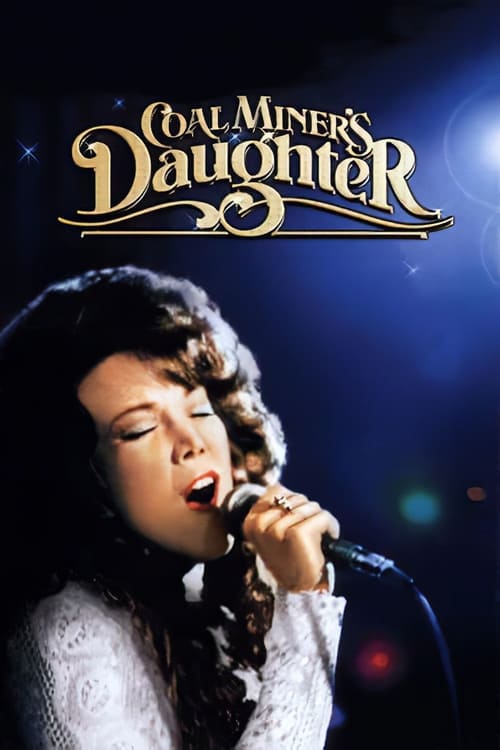
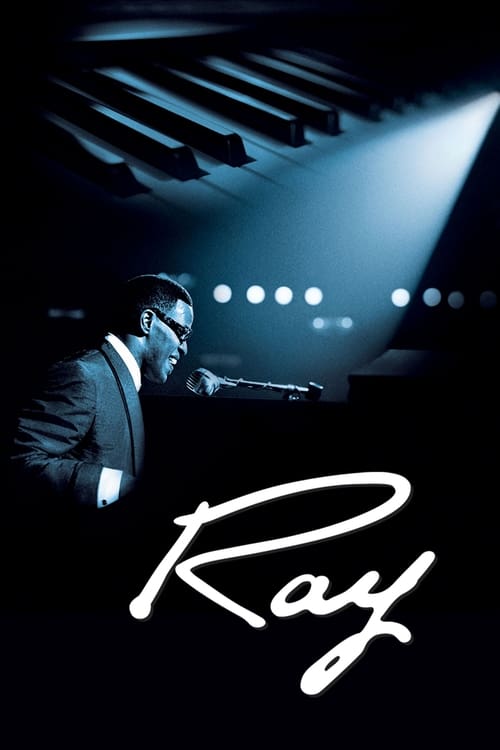
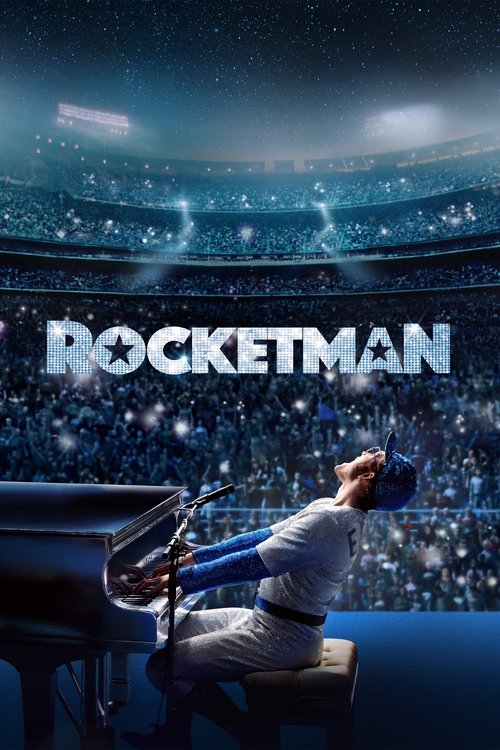
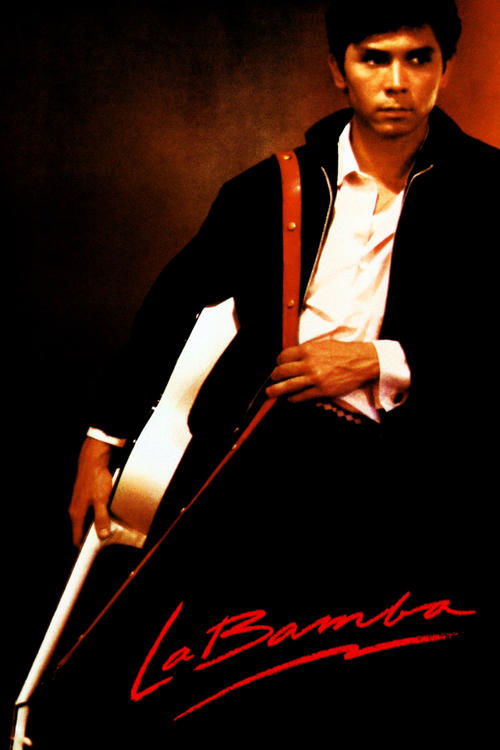
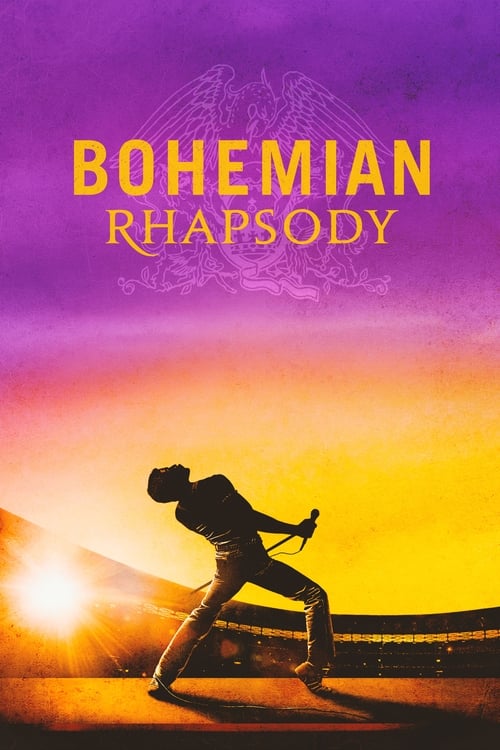
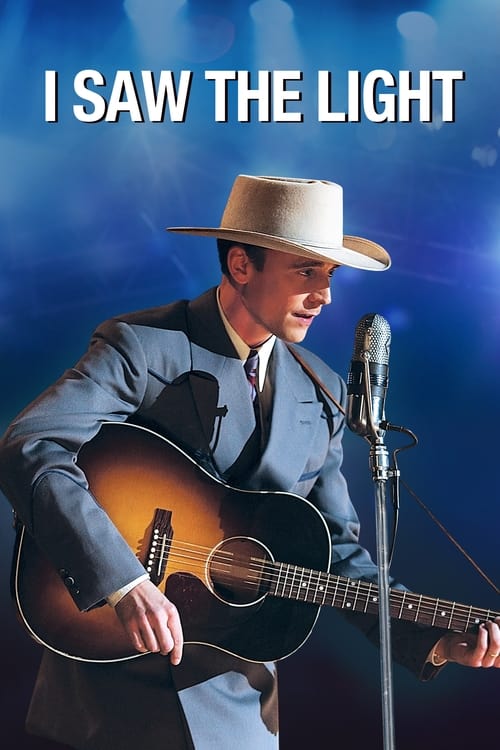
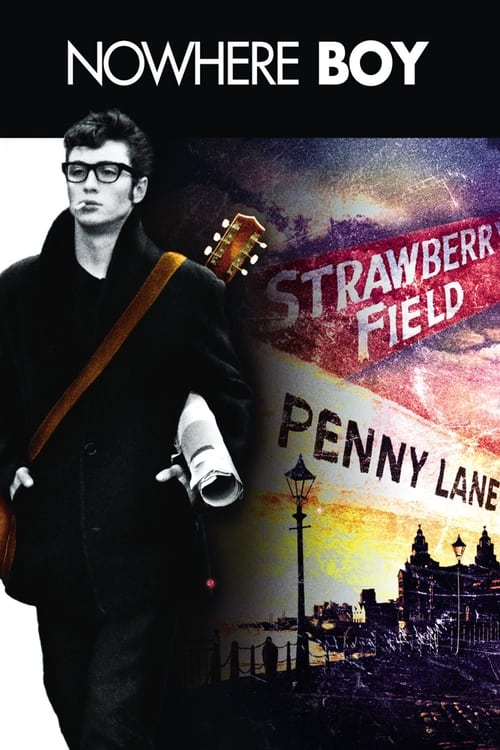
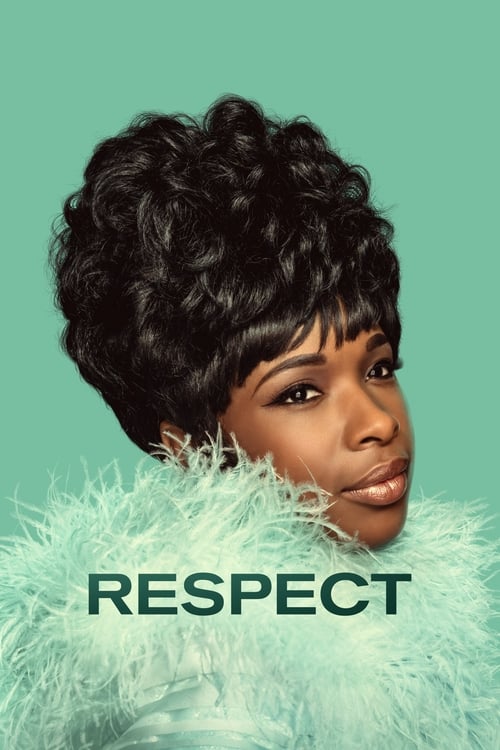
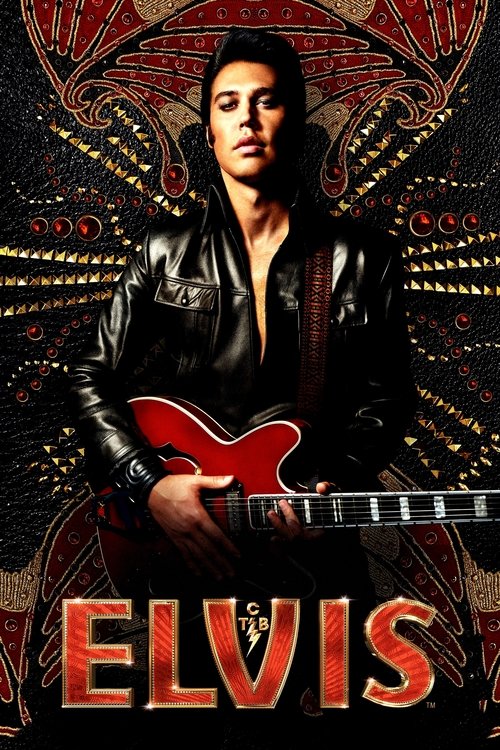
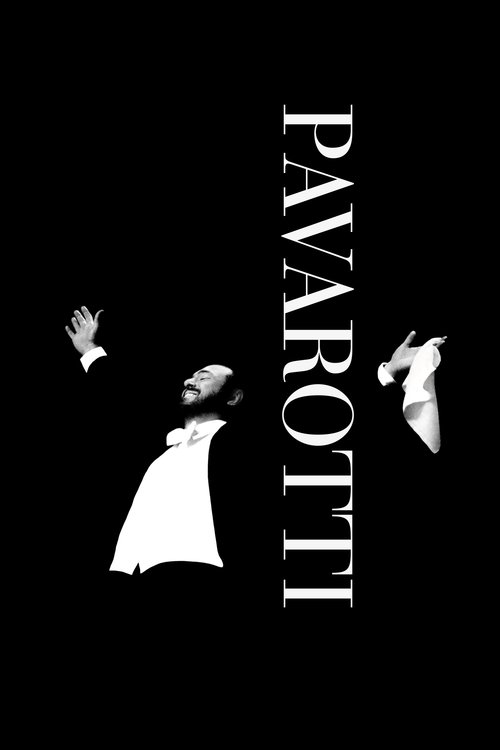
Music Biopics Worth Your Time
The genre at its best: raw life, great songs, complicated people
Books That Live in Cash Country
Prose with the same darkness, faith, and American rootedness


American Recordings Changed What a Late-Career Album Could Be
When Rick Rubin stripped everything away in 1994, no band, no production gloss, just Cash and an acoustic guitar in Rubin's living room, the result was something that sounded genuinely radical. Cash was in his 60s and the record moved more units and earned more critical respect than most of what his younger contemporaries were releasing. It proved that authenticity compounds over time. The four American albums that followed form the most emotionally coherent final chapter any artist has managed in country music, culminating in his haunting cover of Nine Inch Nails' Hurt.
Folsom Prison Was Not a Stunt
Cash had been playing prisons since 1957 before the Folsom album was recorded in 1968. His identification with the incarcerated was not a calculated outsider move but a genuine empathetic claim: he knew about confinement, about addiction, about the gap between who you wanted to be and what you had done. The live album captures a real moment of communion between performer and audience, and the crowd response is part of the music. Nothing about it is performance. That seriousness of purpose is what separates Cash from the legions of artists who borrowed his aesthetic.
Joaquin Phoenix Got It Right for the Wrong Reasons
Walk the Line (2005) is a conventional biopic in structure: rise, addiction, redemption, June Carter. What elevates it is Phoenix's refusal to imitate and Reese Witherspoon's sharp, grounded June. The film is necessarily selective; it barely touches the prison concerts or the later Rick Rubin chapter. But as a portrait of the specific gravity Cash exerted on everyone around him, and the cost that gravity extracted, it holds up. Watch it alongside the American Recordings documentary to see what the biopic could not fit.
A Life at the Edge of Everything
- 1955First Sun Records single: Cry! Cry! Cry!
- 1958I Walk the Line becomes a crossover hit
- 1964Bitter Tears: Ballads of the American Indian challenges country radio Bitter Tears: Ballads of the American Indian
- 1968At Folsom Prison recorded live; career resurgent At Folsom Prison
- 1969The Johnny Cash Show airs on ABC, reaching 50 million viewers
- 1971Man in Black released; the song becomes a statement of conscience
- 1994American Recordings with Rick Rubin reintroduces Cash to a new generation American Recordings
- 2002Hurt (Nine Inch Nails cover) becomes an elegy for a life fully lived American IV: The Man Comes Around
- 2005Walk the Line brings the story to a new generation Walk the Line
- 2006American V: A Hundred Highways released posthumously American V: A Hundred Highways
Outlaws, Westerns, and American roots
For Fans of Hank Williams
Explore the For Fans of Hank Williams guide →He was the most authentic person I have ever met. What you see is what you get: no pretense, no games, no act.Rick Rubin on Johnny Cash