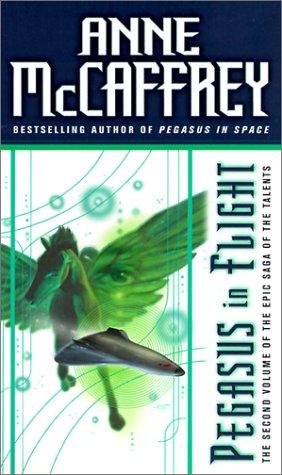

Anne McCaffrey built one of the most enduring alternate universes in science fiction by doing something deceptively simple: she made dragons real. Not magical beasts of legend but biological partners, fire-breathing because of a symbiotic organism, telepathically bonded to their riders by a Impression that neither human nor dragon can survive the loss of. The Dragonriders of Pern began in 1968 and grew across two dozen novels and dozens of short stories, spanning thousands of years of a colony planet's history. McCaffrey was the first woman to win both the Hugo and the Nebula awards, and the readers who found her never quite left. What they were chasing was not just adventure or world-building detail, though Pern has both in abundance. It was the feeling: the absolute certainty that you matter to someone, that a creature older and vaster than you sees you completely and chooses you anyway. McCaffrey returned to that feeling across every series she wrote, from the Talents universe of psychic humans to the Crystal Singer's obsessive calling to the Ship Who Sang's symbiosis of mind and vessel. The through-line is always connection, always the transformation that happens when two different kinds of being reach across the gap.
Essential Anne McCaffrey
The novels that defined her universe, in the order they reward a new reader


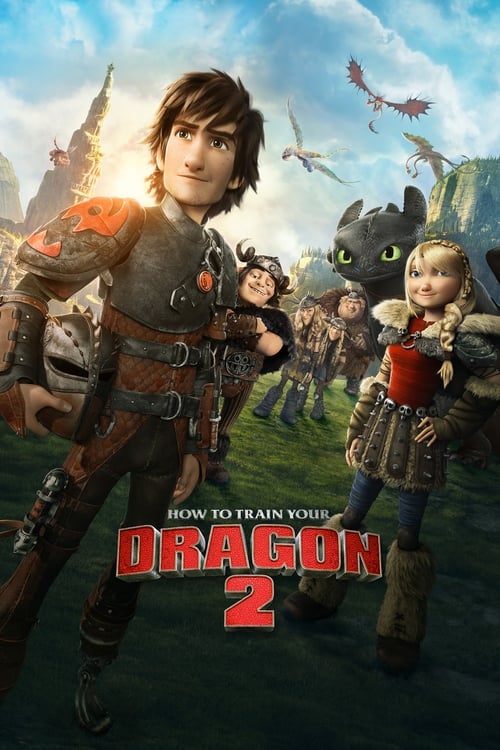
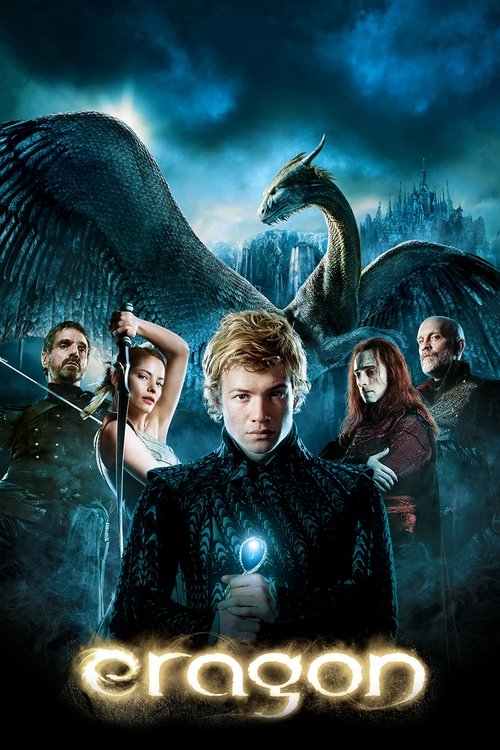
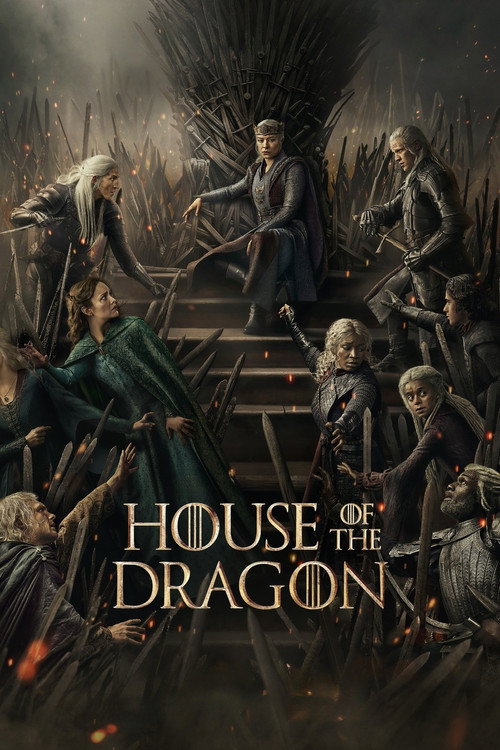
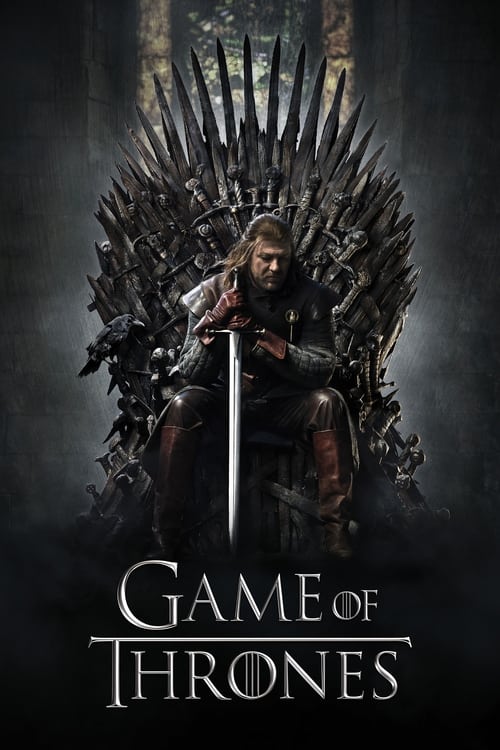
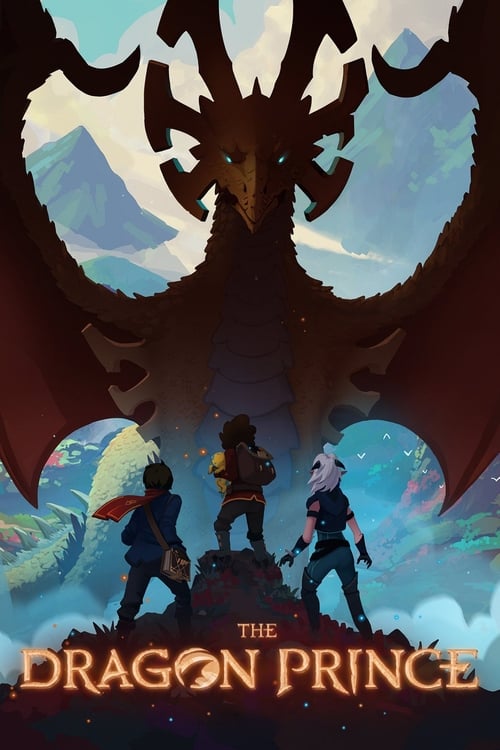
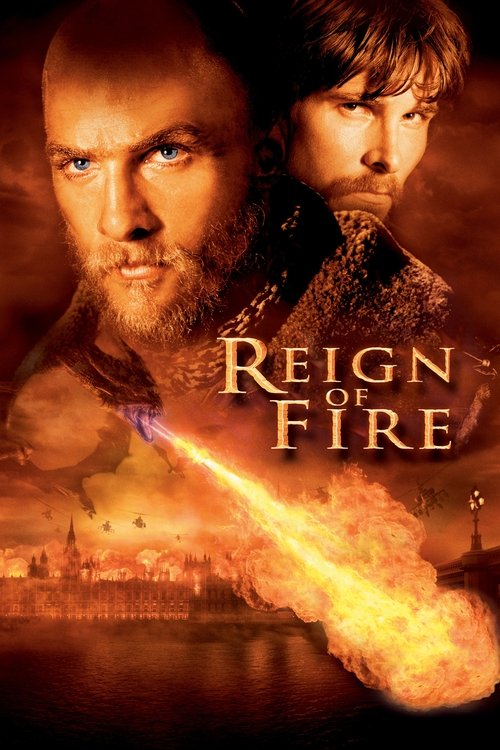
If you love Pern: dragon and creature fantasy on screen
Films and series where the bond between human and flying, fire-breathing creature is the whole point




If you love McCaffrey's sense of wonder: science-fantasy novels with the same soul
Authors who write about bond, belonging, and worlds built from the inside out


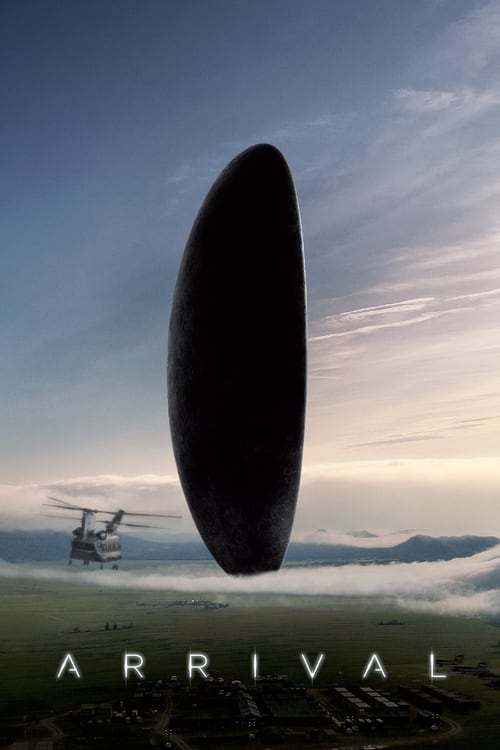
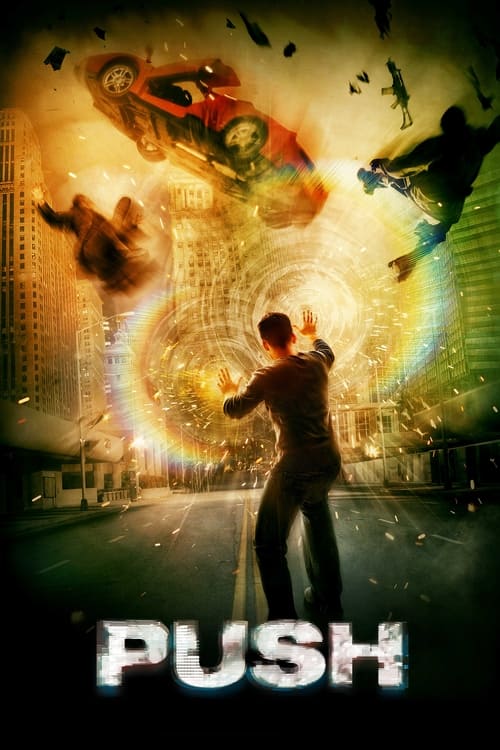
If you love the psychic-bond premise: telepathy and empathy in film and TV
Screen stories where minds touch across species or space, as in McCaffrey's Talents universe








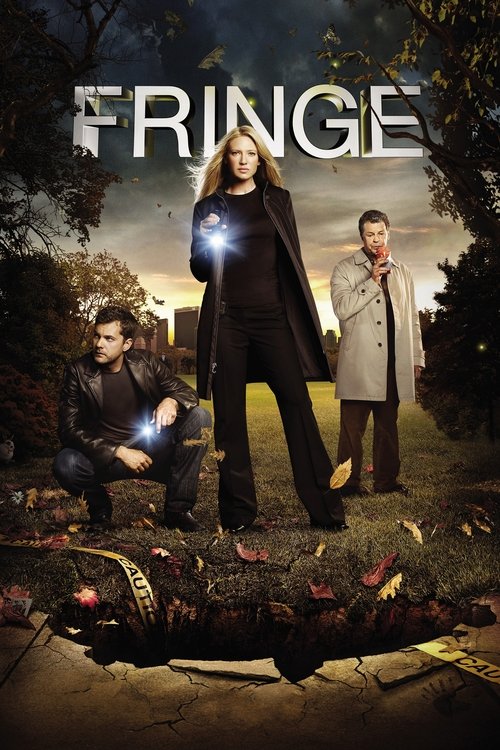
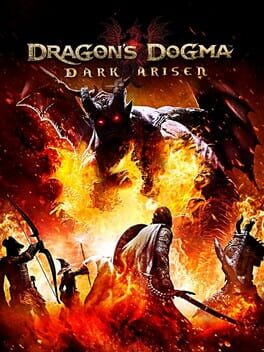
If you love Pern's world-building: fantasy and dragon games to sink into
Games where you bond with creatures, master a magical ecology, or ride into aerial combat
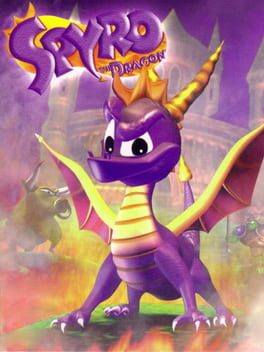
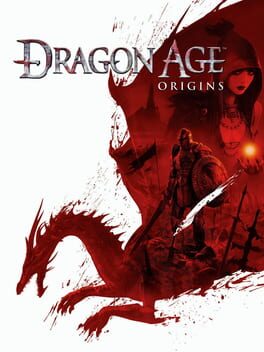
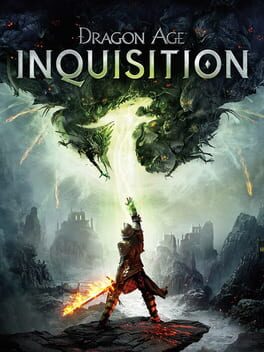


Pern is science fiction pretending to be fantasy, and that's the whole trick
McCaffrey was insistent: Pern is science fiction. The dragons are the product of genetic engineering by colonists from Earth; Thread is an organism, not a curse; the Weyrs are political institutions, not magic circles. She built the biology and the history before she wrote the first page. That rigor is why the world holds. Readers who come for the fantasy stay for the science, and readers who come for the science are seduced by the feeling. Few authors have pulled off this double bind as cleanly.
The Harper Hall trilogy is the best entry point, and it is not even about dragonriders
Menolly's story, Dragonsong and Dragonsinger, requires almost no prior knowledge of Pern, follows a girl finding her voice against institutional resistance, and contains some of the most purely pleasurable reading McCaffrey ever produced. The fire-lizards she Impresses are as good an introduction to the bonding premise as anything in the main series. Dragondrums rounds it out. Start here with younger readers, and they will demand the rest.

The Ship Who Sang remains McCaffrey's most formally daring work
A human brain embedded in a titanium shell, piloting a spaceship, partnered with a mobile human pilot she can never touch: the premise of Helva's story is one of the bleakest conceits in SF, and McCaffrey turns it into one of the warmest. The title story, in which Helva's partner dies and she spends years paying off her ship-debt rather than be partnered with someone she cannot love, is as precise a piece of emotional writing as she ever did. The brainship universe is underrated compared to Pern, and it rewards the reader who goes looking.

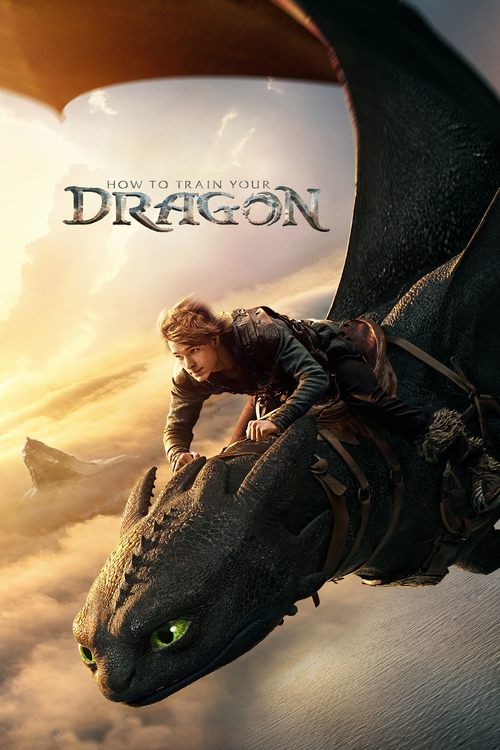
How to Train Your Dragon understood what Pern was always about
The Dreamworks trilogy did not adapt McCaffrey, but it understood her. Hiccup and Toothless enact the Impression premise beat for beat: the terrifying first contact, the moment of chosen trust, the irreversibility of the bond. The second film in particular, with its losses and its insistence that the world changes when you decide to understand instead of dominate, belongs in the same conversation as Dragonflight. McCaffrey fans who have not watched it are missing their own story told in another medium.
Anne McCaffrey: a life in worlds
- 1926Born in Cambridge, Massachusetts
- 1967Dragonflight serialized in Analog Science Fiction Dragonflight
- 1968First Hugo Award: Best Novella (Weyr Search); first Nebula: Best Novella (Dragonrider). First woman to win both.
- 1969Dragonflight published as a novel Dragonflight
- 1969The Ship Who Sang published
- 1971Dragonquest Dragonquest
- 1975Dragonsong: the Harper Hall trilogy begins Dragonsong
- 1978The White Dragon reaches the New York Times bestseller list, a first for science fiction in hardcover The White Dragon
- 1982Crystal Singer: a new universe Crystal
- 1984Moreta: Dragonlady of Pern
- 1990The Renegades of Pern The Renegades of Pern
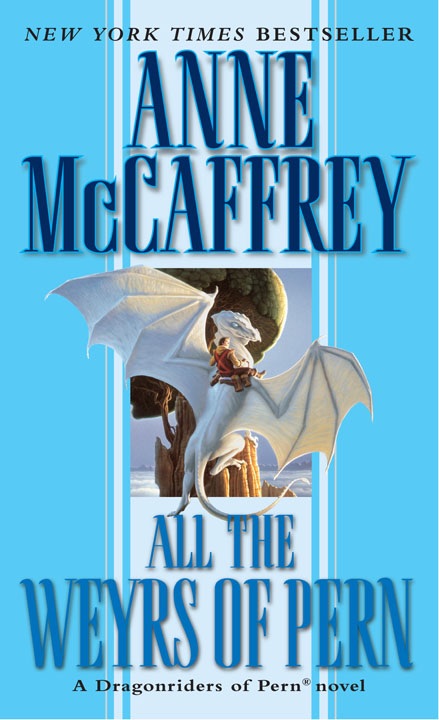
- 1991All the Weyrs of Pern: the colony-ship revelation All the Weyrs of Pern
- 1998The Masterharper of Pern
- 2003Dragon's Kin: co-authored with son Todd McCaffrey begins the next generation of Pern novels Dragon's Kin
- 2011Died at Dragonhold-Underhill, County Wicklow, Ireland, aged 85
More dragons, bonds, and epic fantasy
For Fans of Dragons
Explore the For Fans of Dragons guide →I wanted to do away with the traditional dragon. I wanted to make it so that you could believe in them as real creatures, that they had a purpose in the ecosystem.Anne McCaffrey