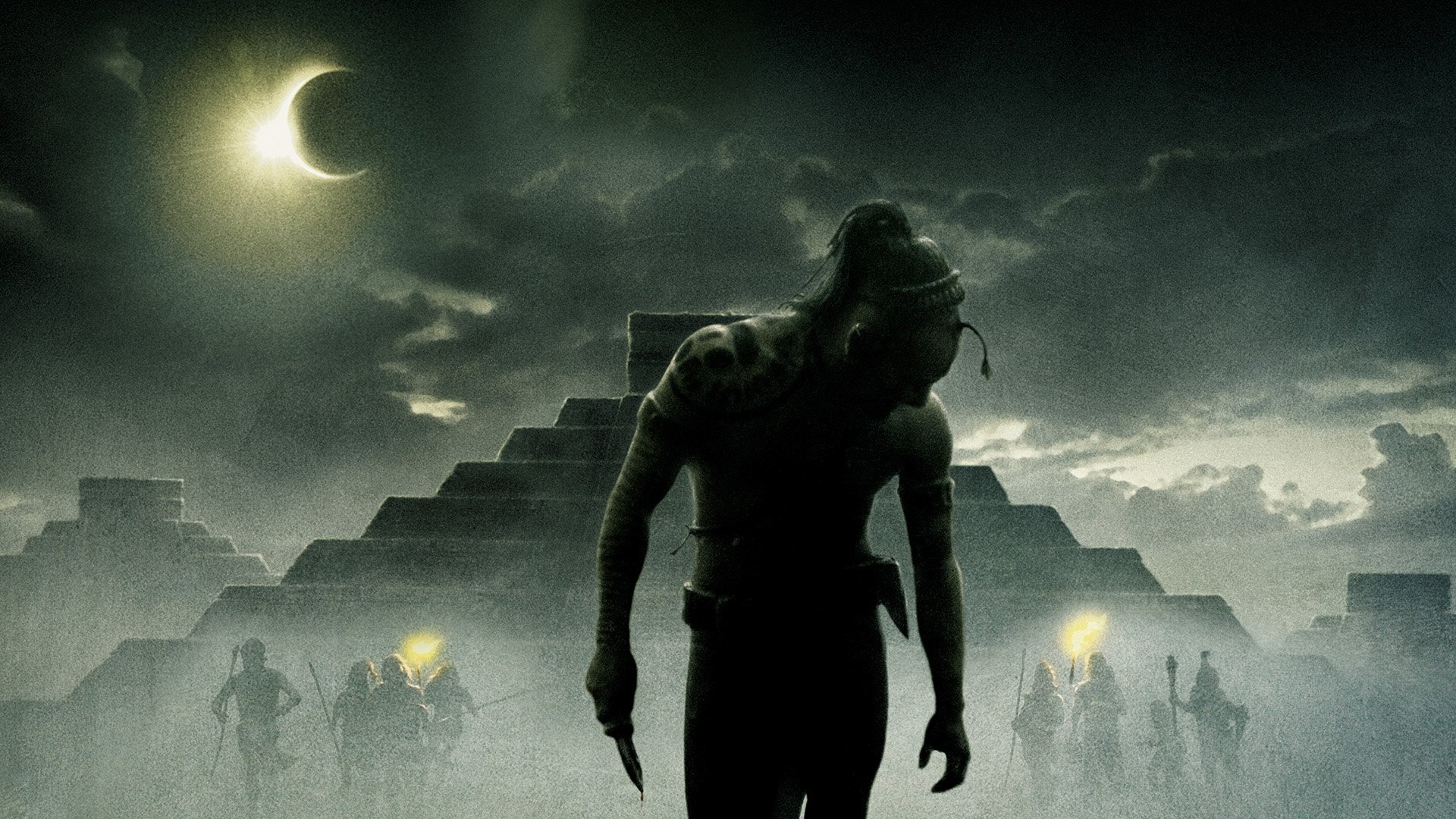

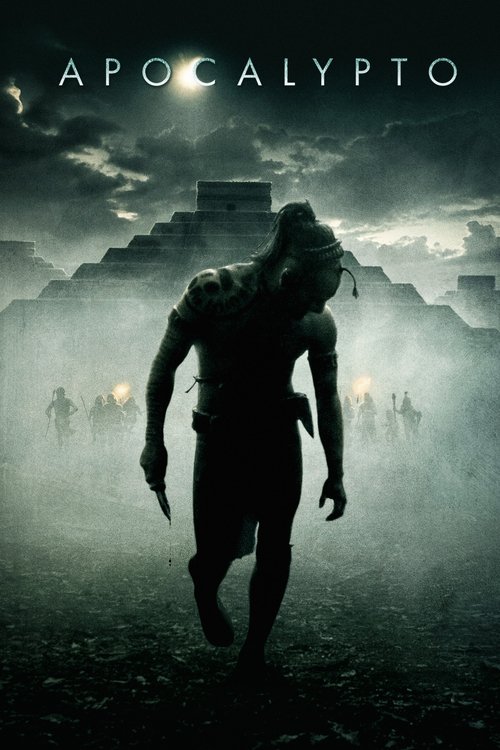
Apocalypto (2006) does one thing that almost no big-budget film attempts: it places you inside a civilization at the point of collapse, strips away every familiar anchor, and turns the last hour into one of the most sustained pursuit sequences in cinema history. Mel Gibson shot it in Yucatec Maya with a largely non-professional cast, on location in the Veracruz jungle. The world it builds is not a backdrop; it is the predator. Jaguar Paw is not a chosen one or a warrior, just a man who knows the forest better than his captors do. That specificity, a particular body in a particular landscape running toward something rather than just away, is what fans come back for. The through-line across every medium below is the same: immersive historical or pre-modern worlds rendered without apology for their violence, stories that trust physical reality to generate suspense, and protagonists who survive by cunning and endurance rather than plot armour.
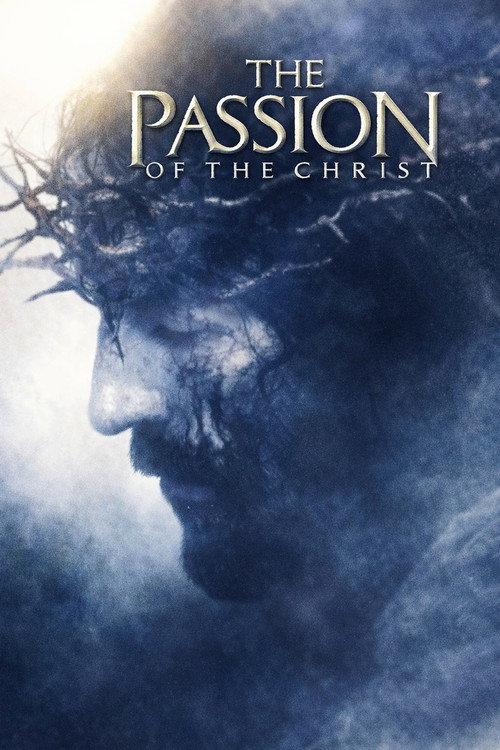
The Mel Gibson Filmography
His work as a director: visceral, operatic, and willing to alienate.
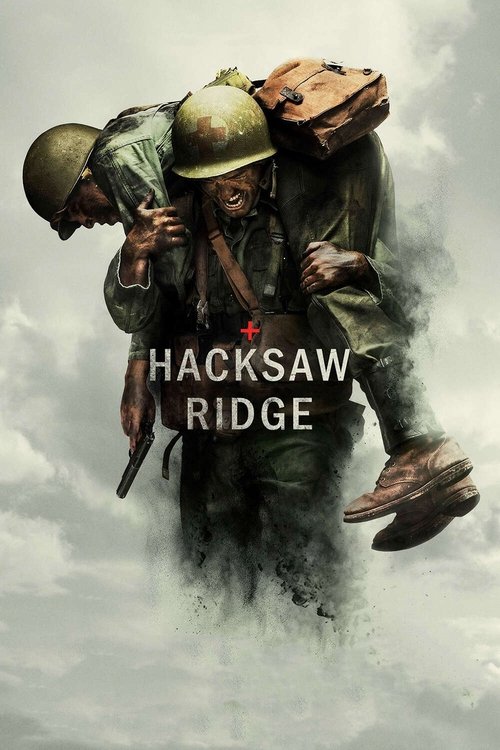
Survival in Ancient and Primal Worlds
Films that drop you into a historical or pre-modern landscape and refuse to explain it.
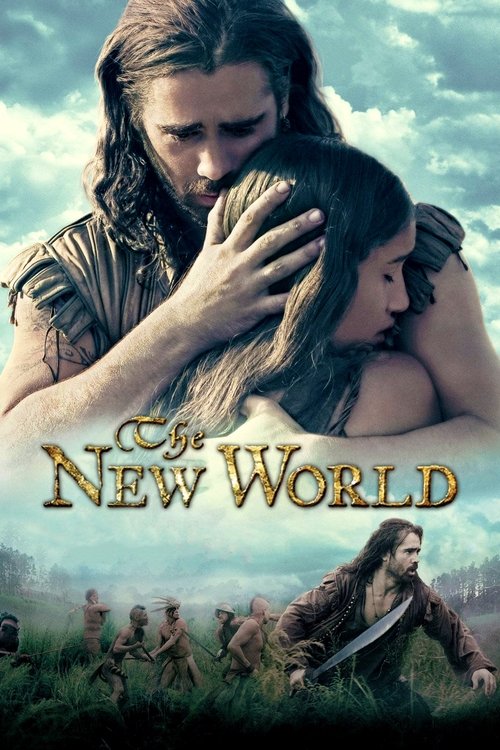
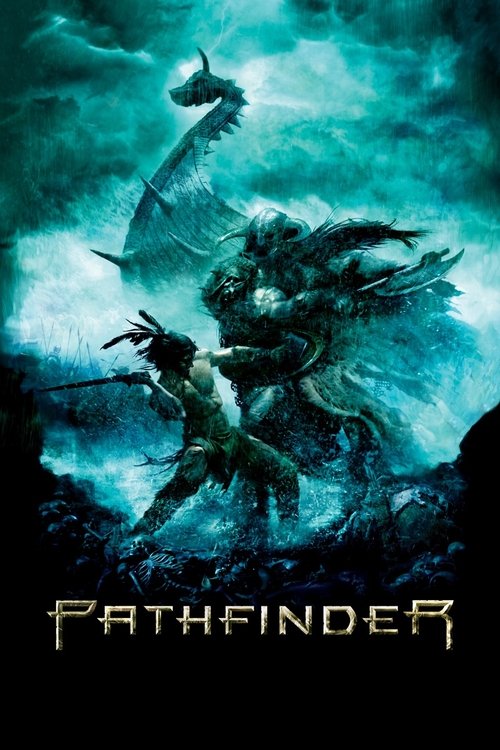
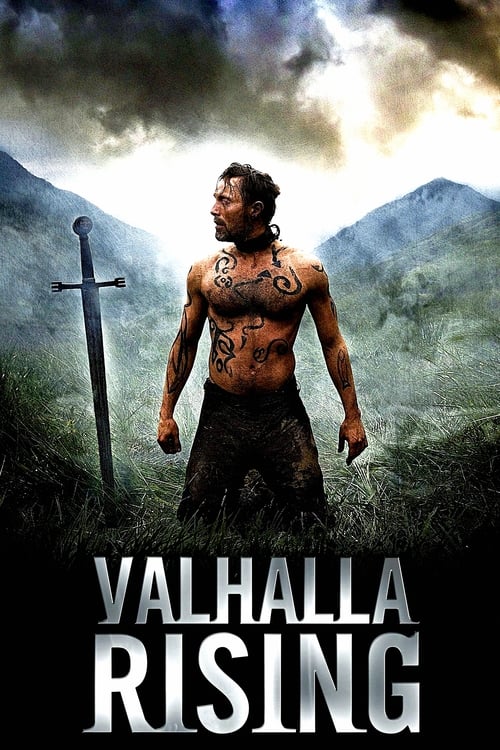

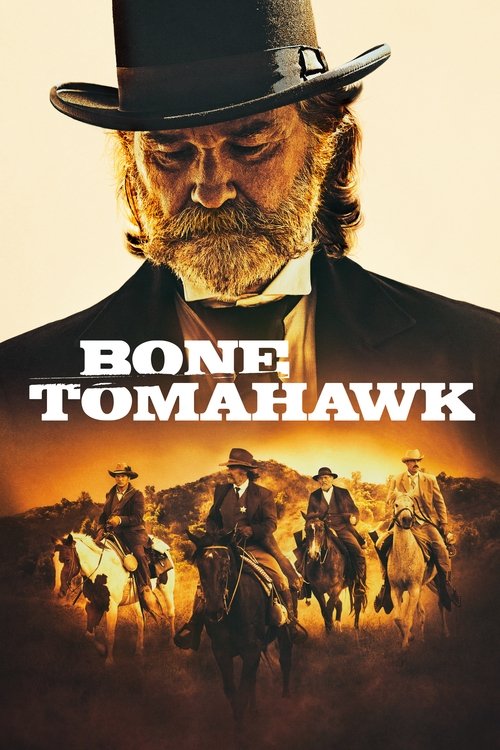
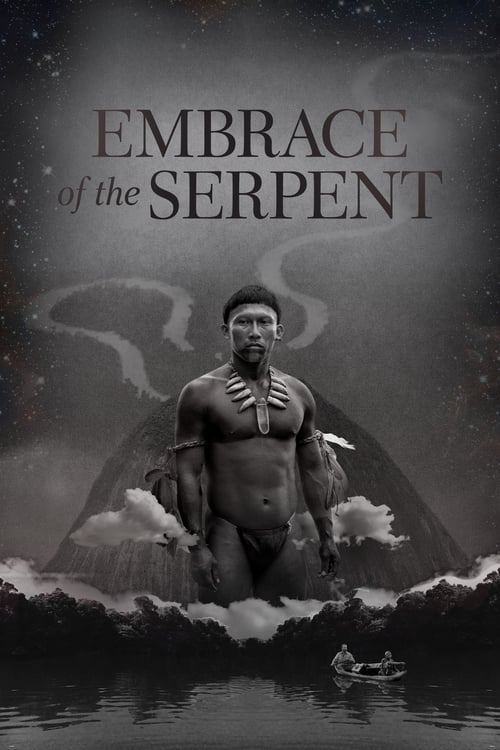
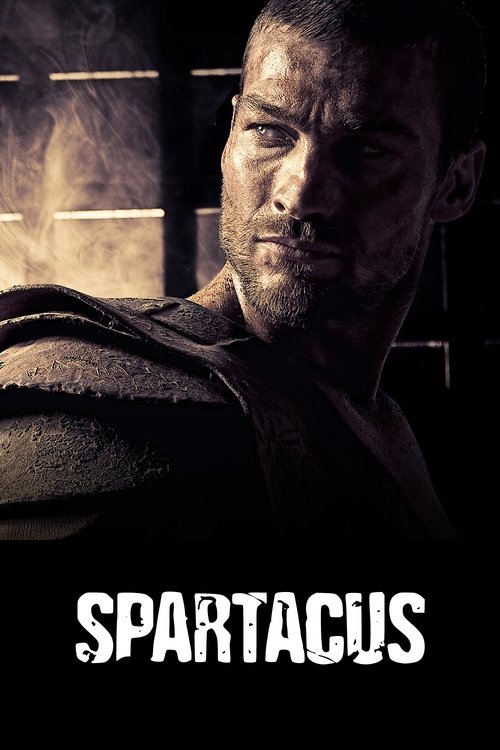
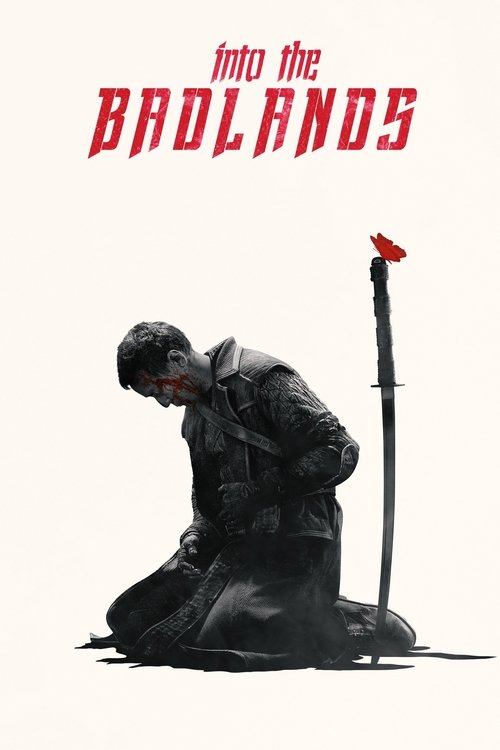
The Long Chase on Screen
TV series built on sustained pursuit, siege, and survival against overwhelming force.





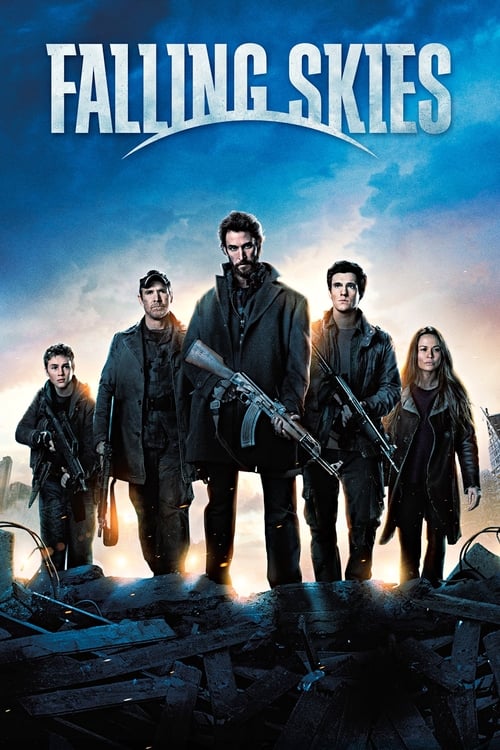
Games: Civilization, Survival, and the Weight of Ancient Worlds
Games that share Apocalypto's feel: dense historical texture, physical stakes, and the jungle as antagonist.

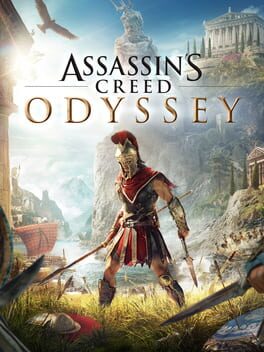


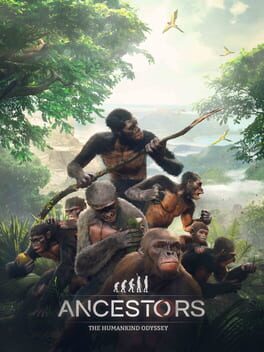

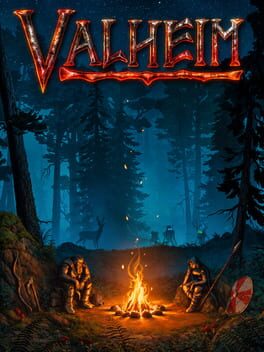
Filming in a Dead Language Was the Right Choice
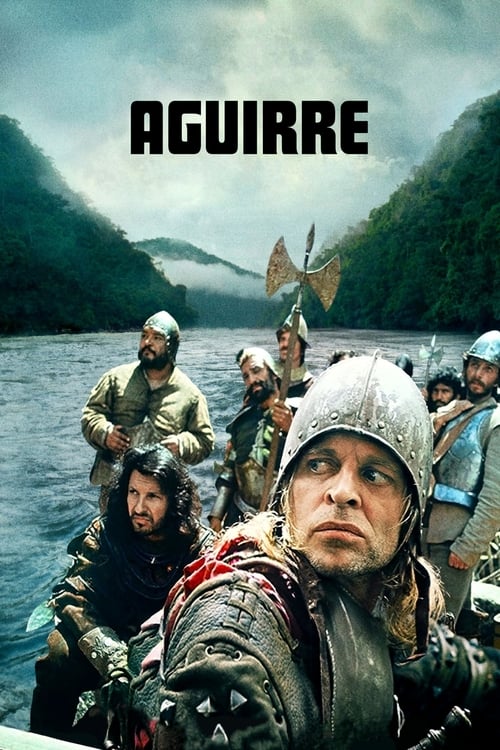
The Yucatec Maya dialogue is not a gimmick. It produces the same defamiliarization that Herzog achieved in Aguirre, the Wrath of God: you cannot coast on dialogue comprehension, so your body reads the film instead. The New World does the same thing from the opposite angle, foregrounding Algonquian and fragmentary voiceover to create a dream-state contact. Both films argue that the pre-Columbian Americas deserve the full cinema treatment, not the Hollywood proxy.
Civilizational Collapse Is the Real Subject
The Mayan city Jaguar Paw is dragged through is visually spectacular and clearly dying: plague victims, resource exhaustion, a ruling class running a ritual economy that has stopped working. The film opens with a Will Durant epigraph about civilizations destroying themselves from within. The Terror pursues the same idea from the inside, watching the Franklin expedition's hierarchies and certainties crack under environmental pressure they refused to read accurately.
Primal Cinema: A Lineage
- 1922Nanook of the North establishes survival in an inhospitable environment as a cinematic subject Nanook of the North
- 1972Aguirre, the Wrath of God puts a European conqueror into the Amazon and watches the jungle win Aguirre, the Wrath of God
- 1981Quest for Fire attempts a Paleolithic survival story with invented language and gesture Quest for Fire
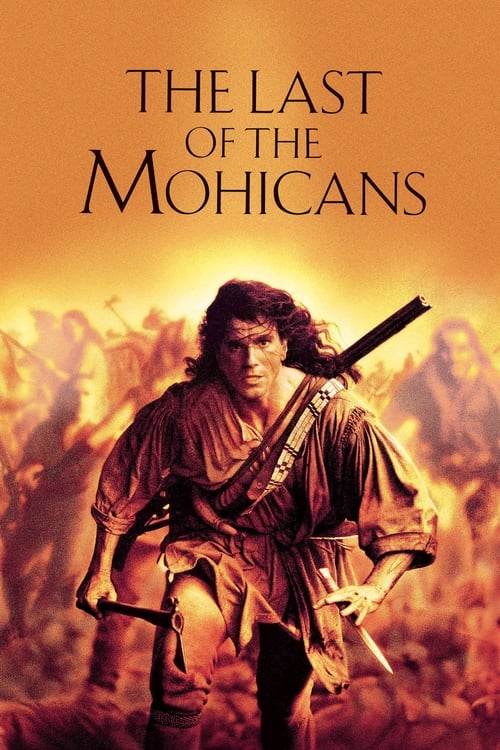
- 1992The Last of the Mohicans raises the standard for North American colonial action cinema The Last of the Mohicans
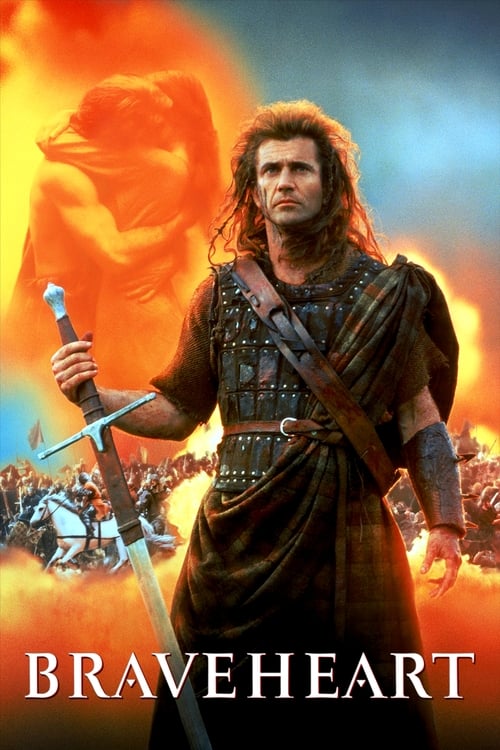
- 1995Braveheart establishes Gibson's template: myth-scale historical brutality, deeply personal stakes Braveheart
- 2001Atanarjuat: The Fast Runner wins the Camera d'Or at Cannes, an Inuit chase story told entirely from inside the culture
- 2005Terrence Malick's The New World makes first contact elliptical and immersive The New World
- 2006Apocalypto arrives: Yucatec Maya, non-professional cast, the jungle as a living antagonist Apocalypto
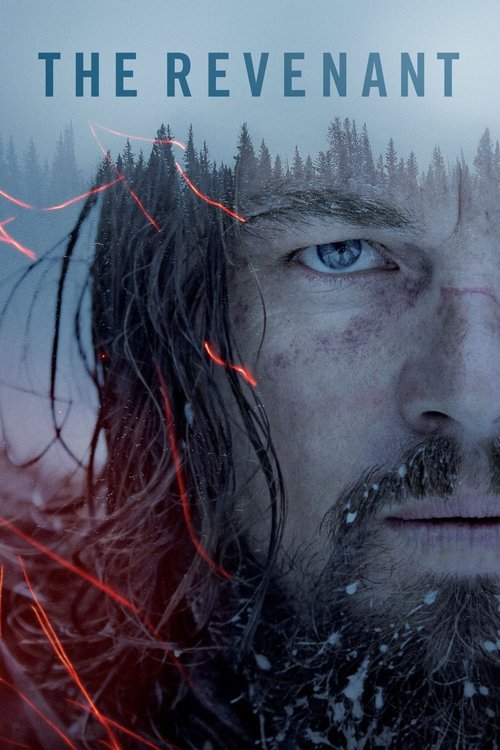
- 2015The Revenant pushes the survival film into art-house territory with Lubezki's natural light The Revenant
- 2016Far Cry Primal transposes the primal survival formula into open-world game design
A great civilization is not conquered from without until it has destroyed itself from within.Will Durant, epigraph to Apocalypto (2006)