
Arcade Fire arrived in 2004 like a distress flare fired from a church basement. The Montreal collective -- a rotating cast anchored by Win Butler and Regine Chassagne -- made indie rock feel urgent again, piling orchestral instruments and raw voices into anthems about childhood, mortality, and the soul-flattening weight of the suburbs. Where other bands offered escape, Arcade Fire offered recognition: the feeling that the place you grew up in both made you and tried to erase you. That tension -- between belonging and suffocation, community and isolation -- is the through-line that runs from Funeral to Everything Now, and it is the same thread that ties together everything on this page.
Essential Arcade Fire
The studio albums, ranked by the weight they leave on your chest
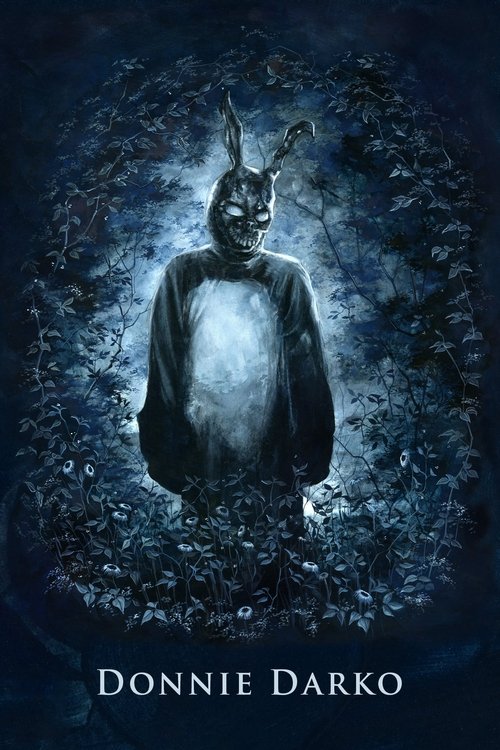
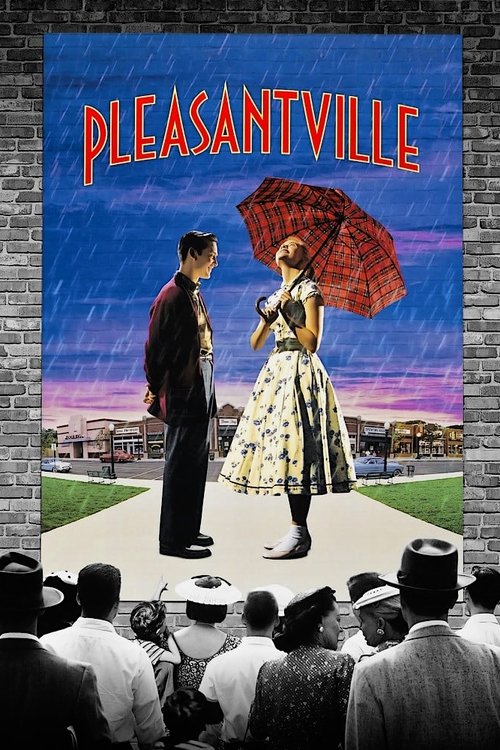
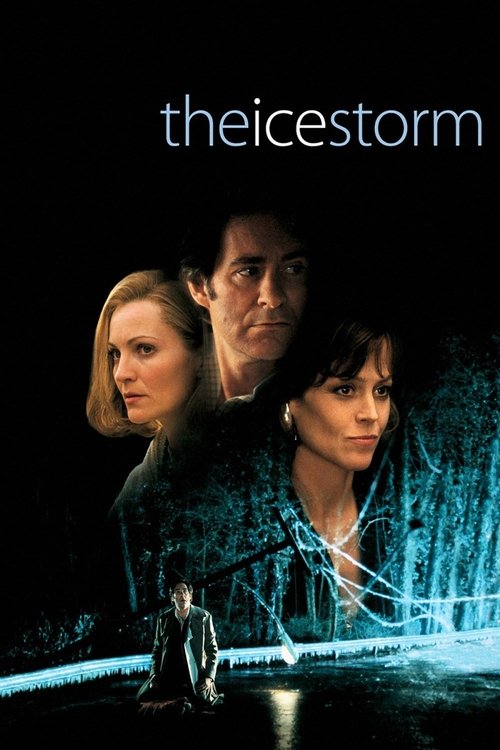
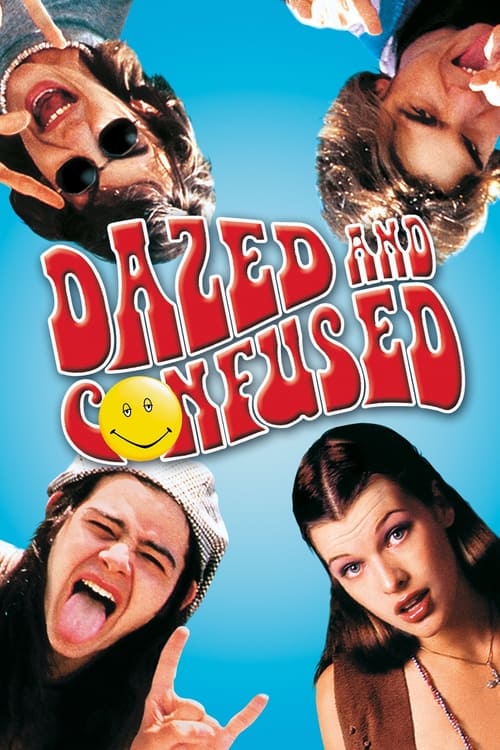
If You Love The Suburbs: Films That Get Suburban Dread Right
The quiet horror of cul-de-sacs and unlived lives




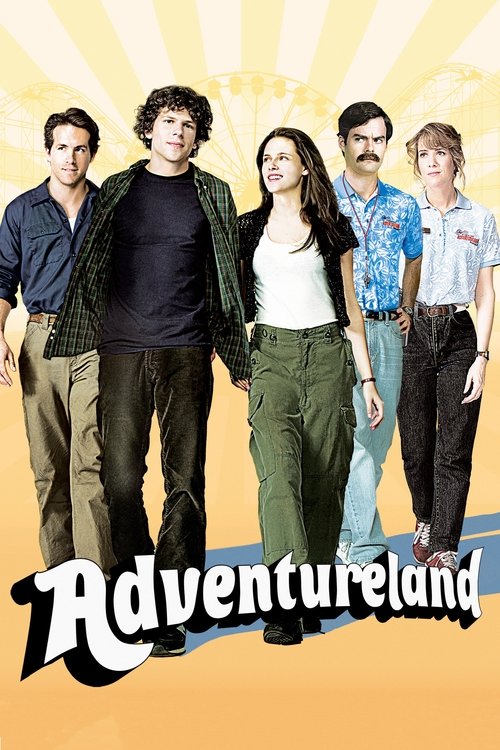

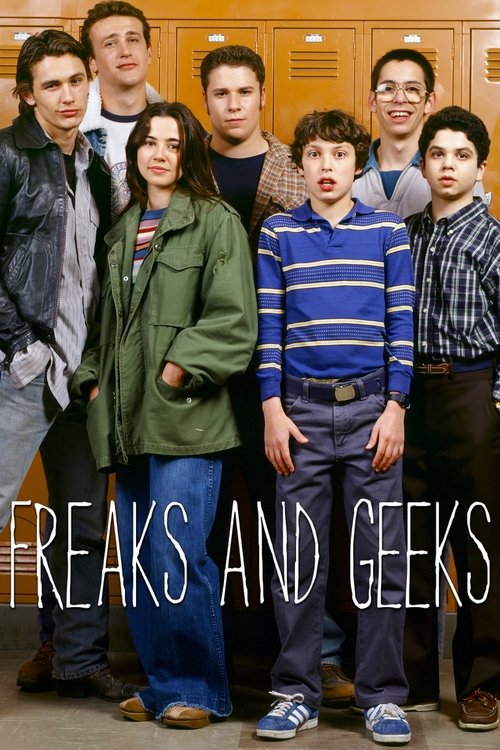
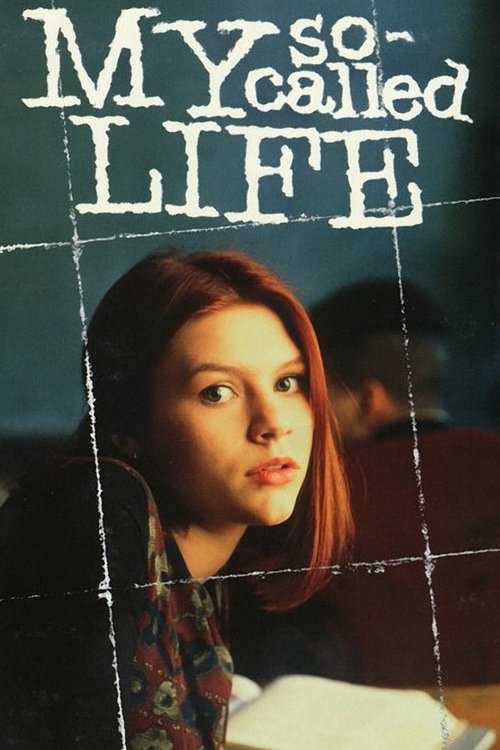
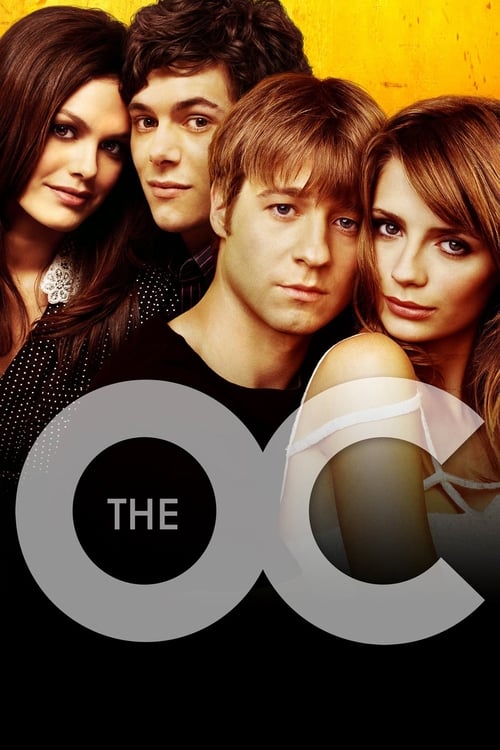
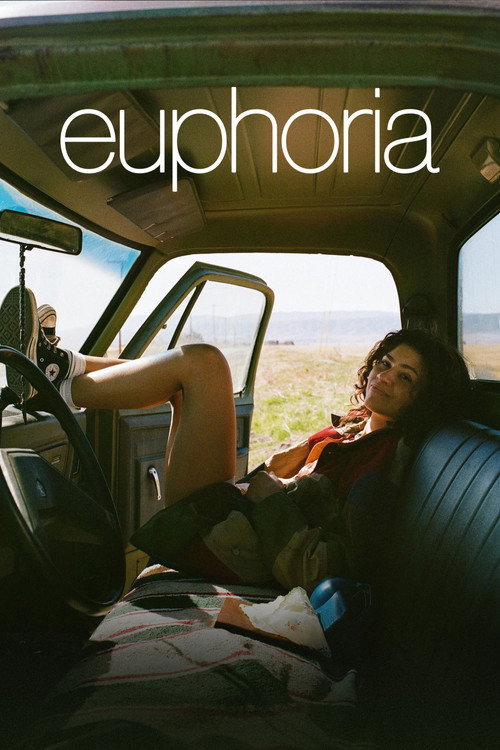
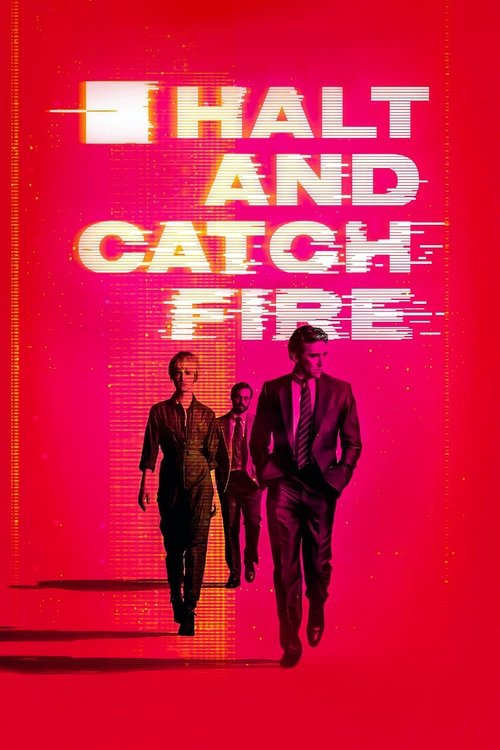
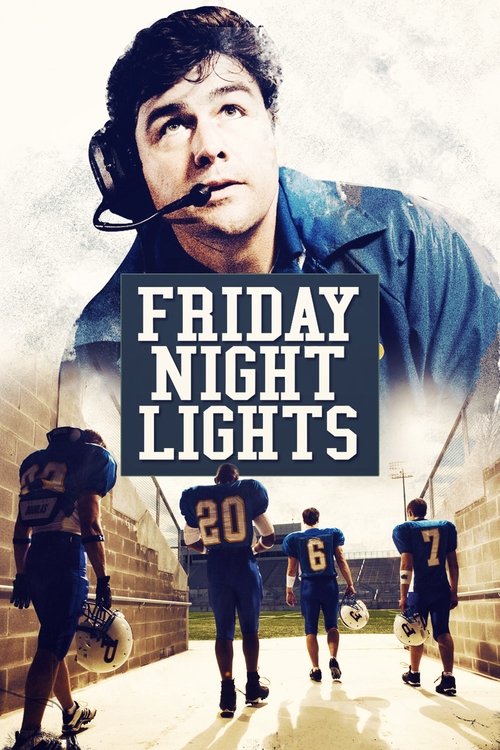
Coming-of-Age TV With the Same Ache
Series that understand youth as something that happens to you
Music Docs and Concert Films Worth the Watch
When a band performs live, the barriers come down

Bands and Albums in the Same Orbit
Grand, literary indie rock that earns its reach
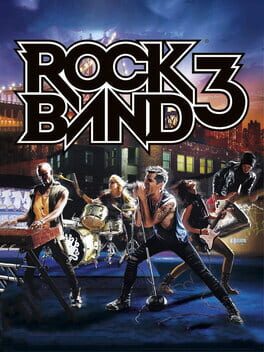
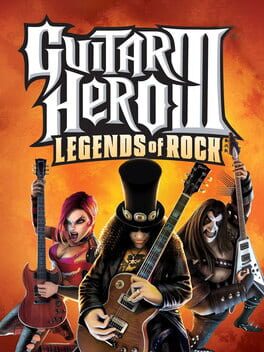
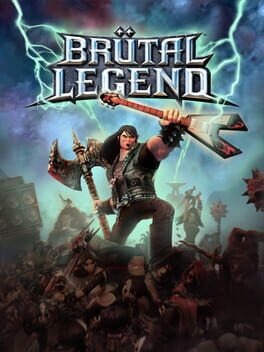
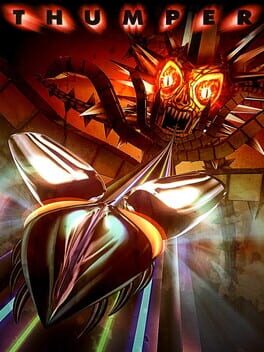
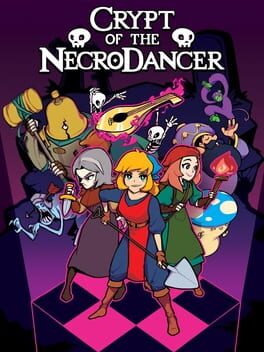
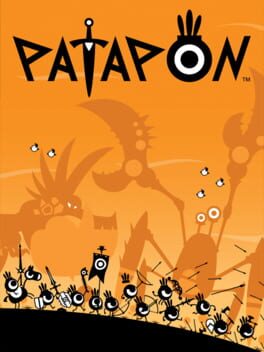
Rhythm and Music Games for the Anthems
Games that make you feel the song in your hands


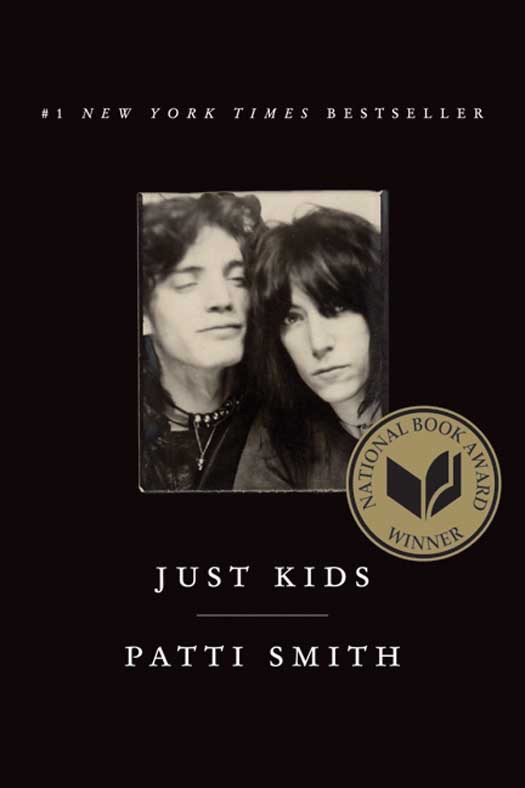
Books That Live in the Same Emotional Frequency
Novels and memoirs about place, memory, and the weight of growing up


Funeral Is a Once-Per-Decade Album
There are debut albums and there are arrival statements. Funeral is the second kind. Written while members of the collective were experiencing actual deaths in their families, it turned grief into architecture: "Neighborhood #1 (Tunnels)" builds a mythology of escape from a small room; "Wake Up" turns loss into a singalong that 80,000 people can scream together. The album did not launch a trend. It launched a conversation about what indie rock could mean when it stopped being embarrassed about scale.
The Suburbs Predicted How We Would Feel About 2010
Released in 2010, The Suburbs is a concept album about the specific anxiety of a generation that was promised something and handed something else. Win Butler grew up outside Houston; the album transforms that biography into a universal grammar of sprawl, boredom, and stunted ambition. It won the Grammy for Album of the Year and promptly confused everyone who expected a prestige pick. Critics who dismissed it as earnest have since quietly updated their lists.
The Reflektor Tapes Is the Best Concert Film of the 2010s
Directed by Kahlil Joseph, The Reflektor Tapes is not really a concert film -- it is a document of a band at the edge of itself. Shot during the Reflektor tour with stops in Haiti (where Regine Chassagne's family is from) and Jamaica, it treats the music as a lens on identity, diaspora, and communal ritual. The Haiti sequences alone justify its existence. It belongs in the same conversation as Stop Making Sense, which is a high bar to clear.
Sayonara Wild Hearts Is What It Feels Like to Hear a Great Arcade Fire Opener
The game does not need you to know Arcade Fire to feel the connection -- but it helps. Simogo's pop album disguised as an endless runner captures the same thing the band does live: the moment when a chord change hits your sternum and the world briefly makes sense. Thirty minutes long. Replayable for years. It costs less than a vinyl single.
Arcade Fire: A Brief History of Reaching
- 2003Self-titled EP released on vinyl from Montreal
- 2004Funeral changes indie rock overnight Funeral
- 2007Neon Bible debuts at #1 in six countries Neon Bible
- 2010The Suburbs wins the Grammy for Album of the Year The Suburbs
- 2013Reflektor explores disco, Haitian rara, and double-album ambition Reflektor
- 2015Kahlil Joseph's tour documentary premieres at TIFF
- 2017Everything Now confronts consumerism (and divides fans) Everything Now
- 2022WE strips back to core: side A inward, side B outward WE
Anthemic feelings, suburban unease
For Fans of Emo
Explore the For Fans of Emo guide →Kids wanna be so hard but in their dreams they're holding hands, and in their dreams they're not so alone.Arcade Fire, "Sprawl II (Mountains Beyond Mountains)"