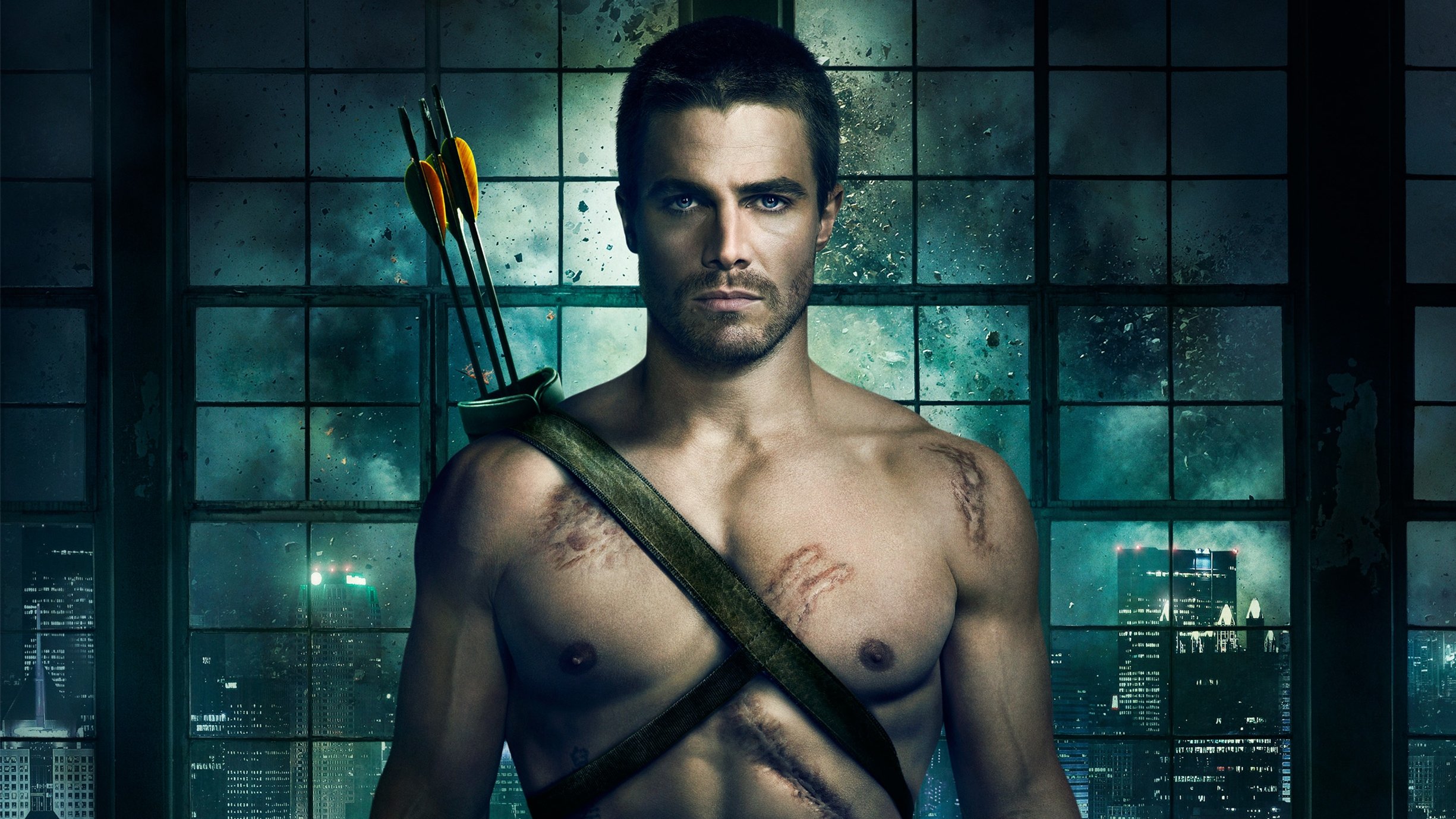

Arrow landed in 2012 and quietly rewired what superhero television could be. Where its comic-book peers leaned into spectacle, Arrow went grim and grounded: a billionaire returns from years of surviving on a hellish island, haunted by what he did there, and picks up a bow to wage a private war on his city's corrupt elite. The show's genius was triangulating three things at once: the physical punishment of a peak-athlete action series, the moral weight of a crime drama asking whether vigilantism is justice or just violence with better abs, and a serialized melodrama that kept you invested in every relationship on the board. Fans fell for the texture, the flashback architecture, the green-lit training sequences, and the way Oliver Queen kept failing before he got it right. The itch it scratches is specific: you want a protagonist defined by discipline and sacrifice, a city that feels like a character, and the constant question of what a person owes the place that made them.
Essential Arrow
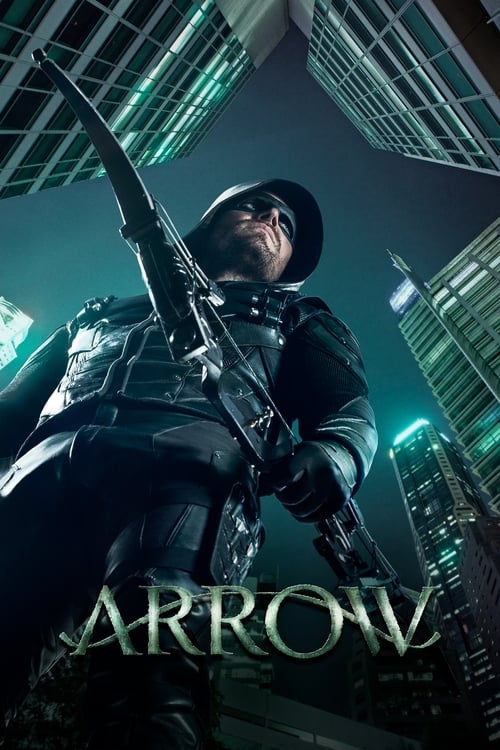
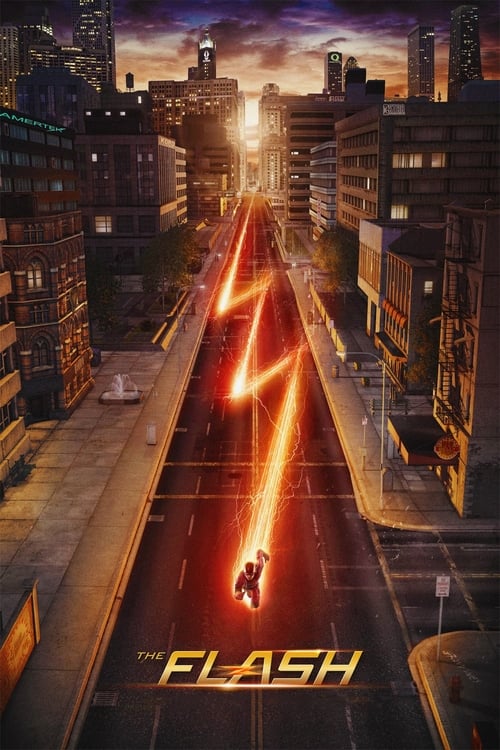
The show at its best, and the Arrowverse entries that share its DNA most directly
Same Obsession, Different Network
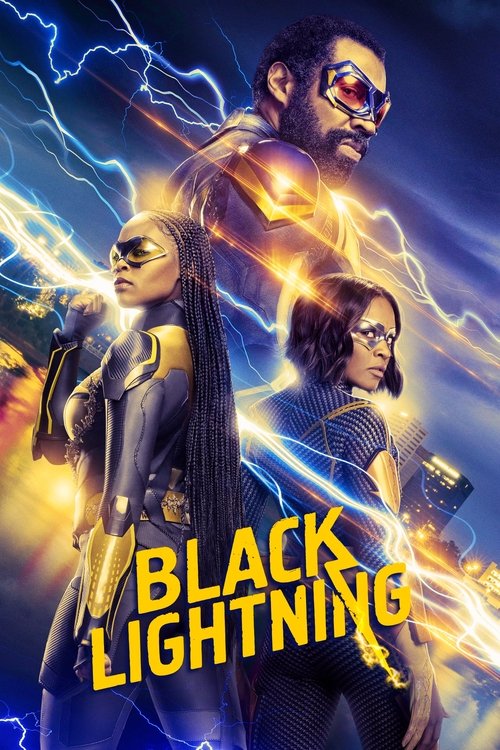
TV series built on the same tortured-hero, street-level justice formula
The Film Version
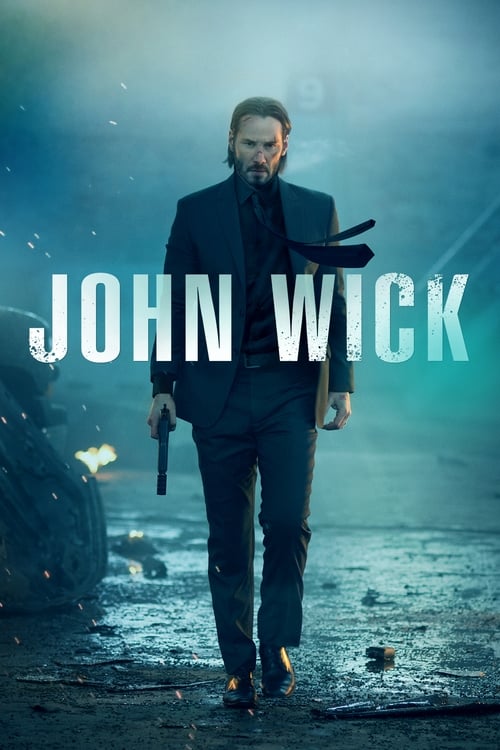
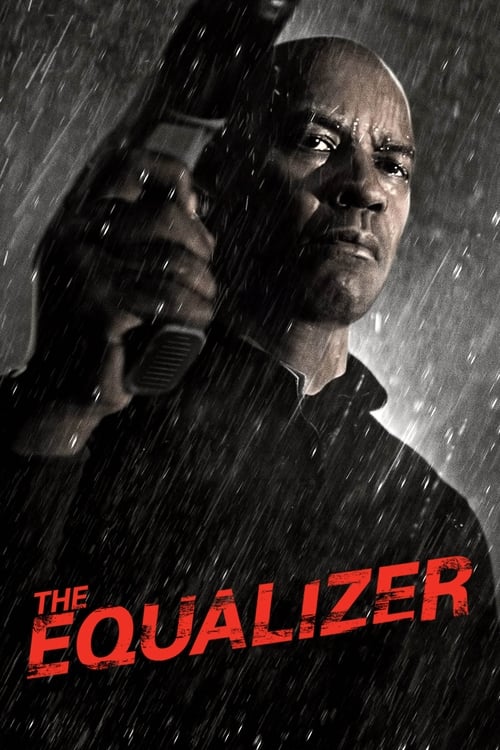
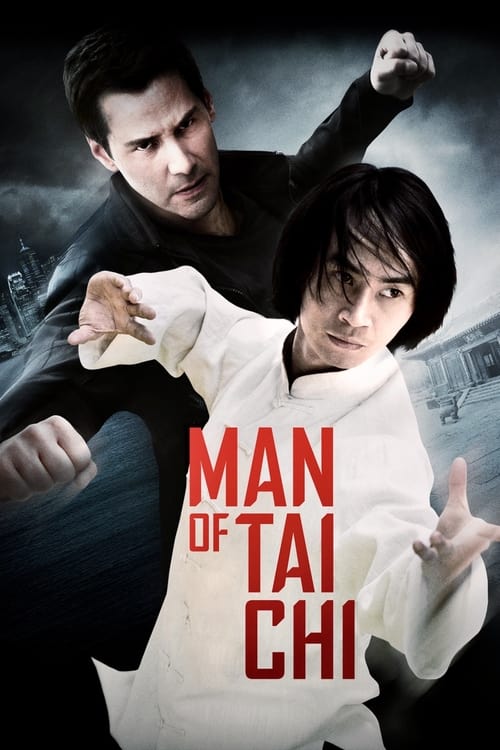
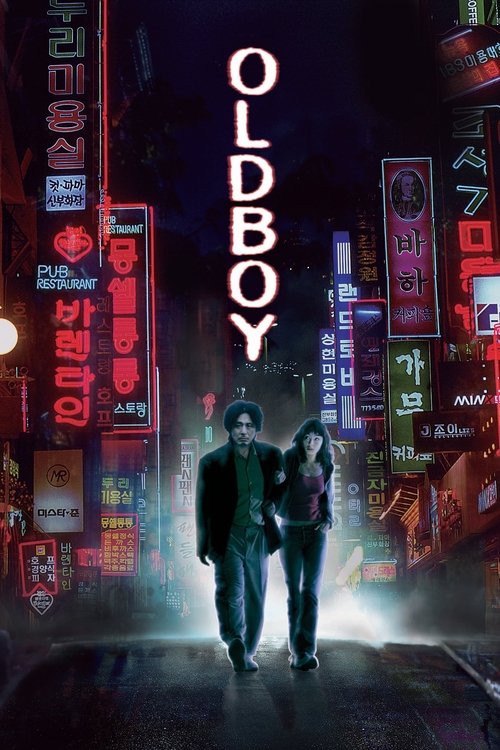
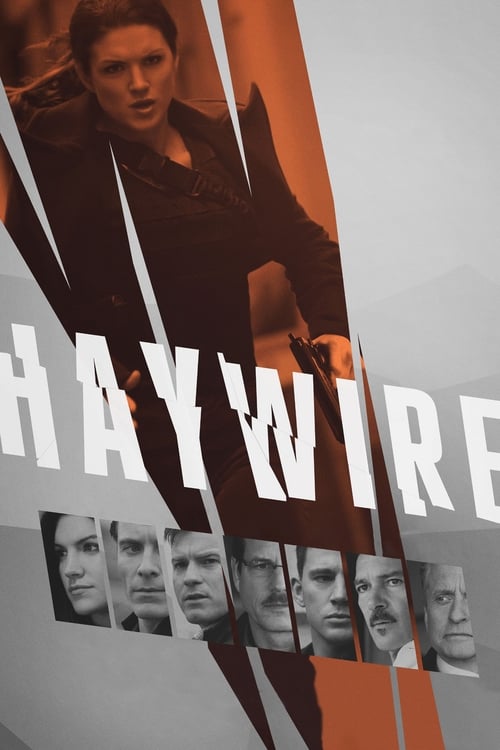
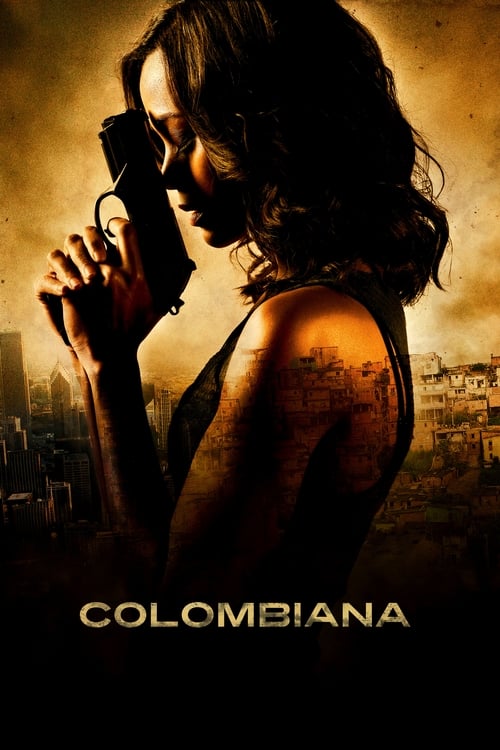
Movies that hit the same notes: one skilled fighter, impossible odds, a city or person worth bleeding for
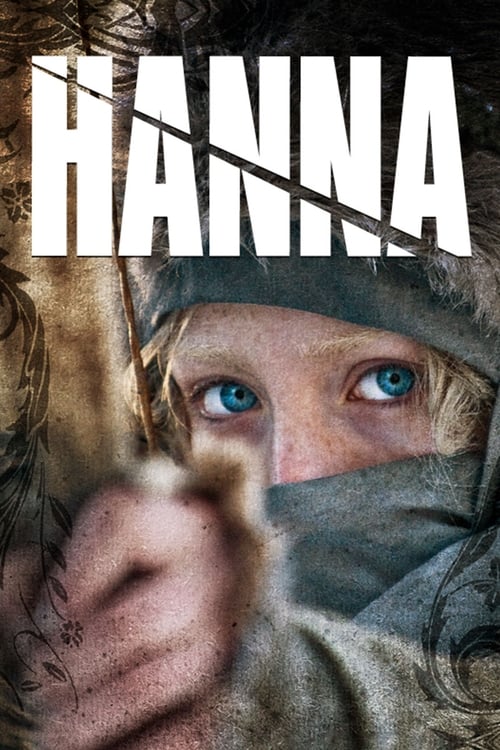
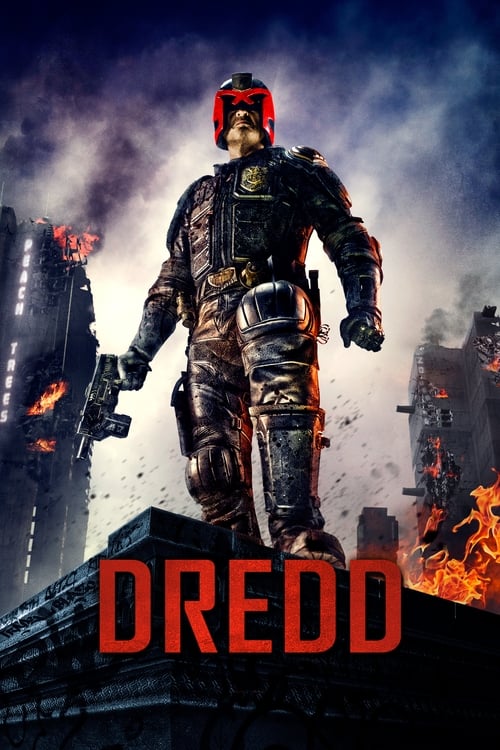
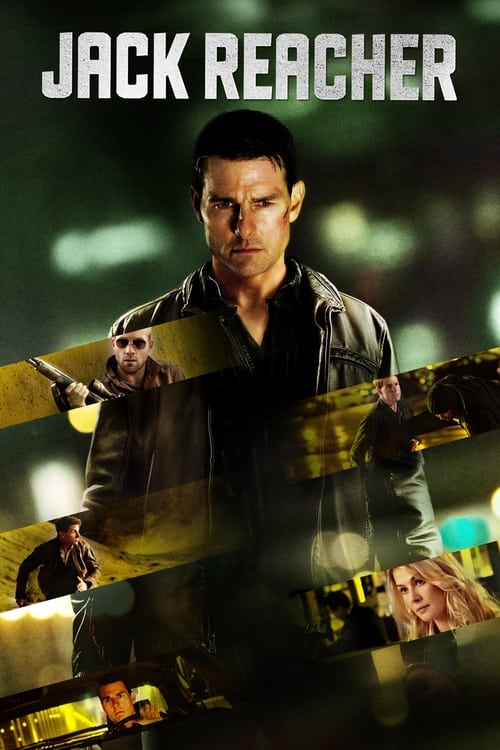
Play the Power Fantasy
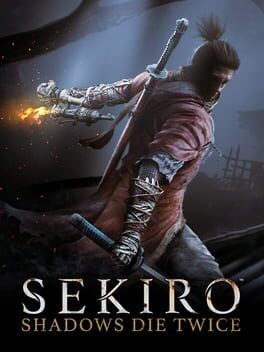
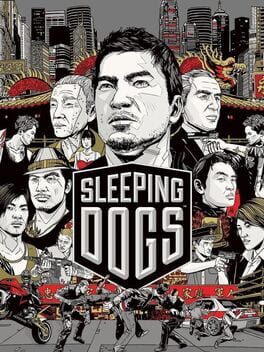
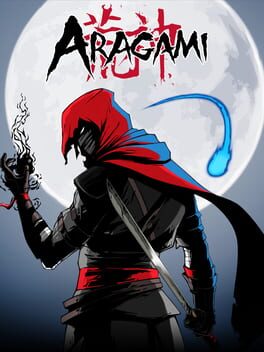
Games that put you in the role of a lone, skilled operative cleaning up a corrupt world
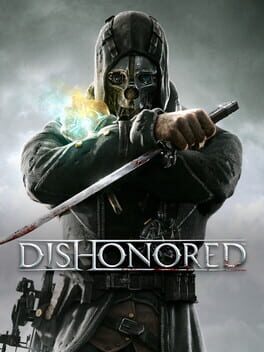
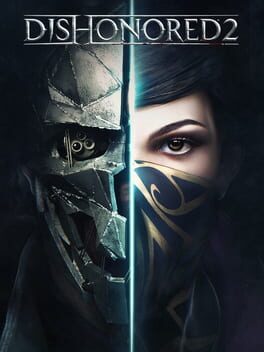
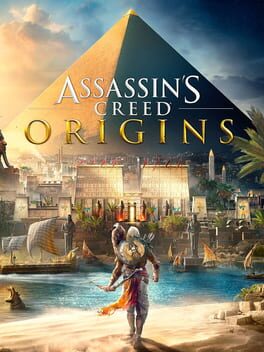
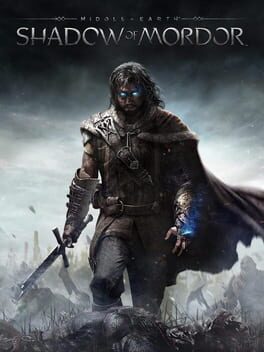
Seasons 1 and 2 Are Some of the Best Superhero Television Ever Made
Arrow's first two seasons form a compact, nearly perfect arc. Season one establishes the island mythology and the vigilante premise with real discipline; season two deepens every relationship, introduces Slade Wilson as one of TV's great antagonists, and pays off the flashback structure in ways that genuinely earned their emotional weight. Before the show expanded its universe and started straining under its own ambitions, it was lean, focused, and genuinely dark in ways network television rarely managed. The back half of season two in particular is appointment viewing.
Daredevil Did the Grim-and-Grounded Formula Better on Netflix, and That Is Okay
Arrow opened a door that Daredevil walked through and built a cathedral in. Netflix's Daredevil season one took the same premise (a driven man in a dark city, fighting crime through pain rather than power) and freed it from network constraints: slower pacing, longer fight sequences, more psychological texture. Arrow fans who have not crossed over are leaving the best version of the genre on the table. The two shows are not rivals; they are the same obsession at different budgets and rating systems.
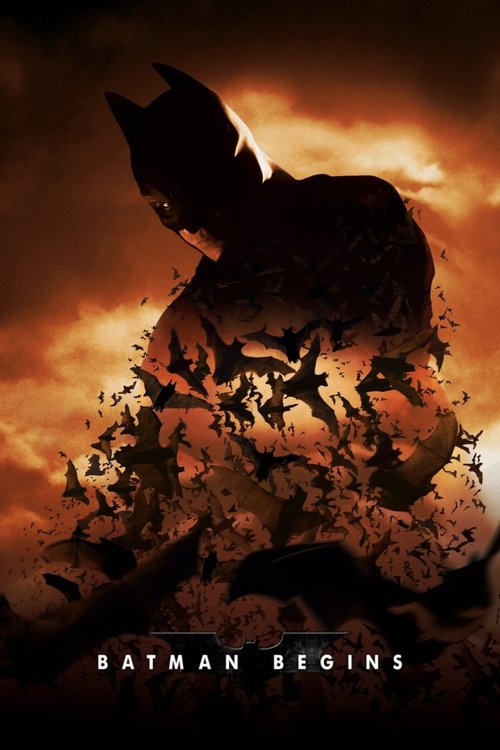
Batman Begins Is Essentially the Arrow Film That Never Got Made
Christopher Nolan's Batman reboot and Arrow share a creative skeleton so similar it is hard to believe they are from different studios. A wealthy heir returns from years of self-imposed exile and physical training to become a costumed vigilante targeting organized crime in a decaying city. Both center on a father's legacy, a trusted mentor who turns out to be a threat, and the question of whether a symbol can outlast the man. Arrow's producers openly cited Nolan's trilogy as an influence, and watching the films alongside the series reveals just how deliberately that tone was borrowed.
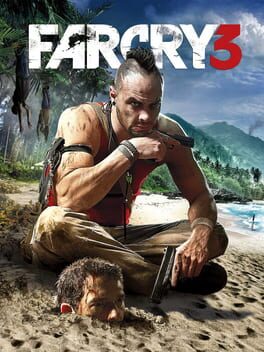
The Bow Is the Most Underrated Action Video Game Weapon, Thanks Partly to This Show
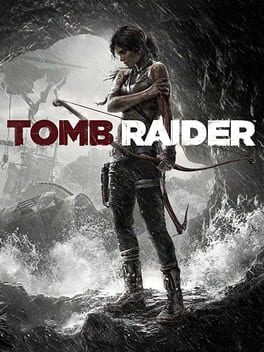
Arrow coincided with a wave of games making archery feel extraordinary: Horizon Zero Dawn's Aloy, the Far Cry 3 bow, Tomb Raider's survival arc. There is something about the draw-aim-release rhythm that translates to satisfying game mechanics in a way that guns rarely match, because it demands patience and body positioning. If Arrow made you feel that Oliver's precision was the whole point, these games will reward you the same way.
The Street-Level Hero on Screen: A Short History
- 1989Tim Burton reframes Batman as a creature of the night, not a campy caped figure, setting the template for every dark superhero adaptation that follows. Batman
- 1994The Crow arrives: a dead man resurrected to avenge his murder, all black leather and rain-slicked rooftops. Arrow draws directly from this visual vocabulary. The Crow
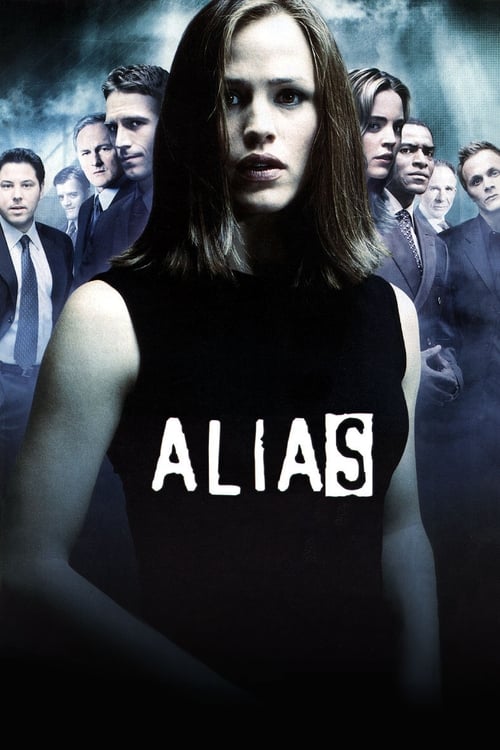
- 2002Alias premieres on ABC and proves network television can sustain a female action lead through serialized spy drama with genuine emotional stakes. Alias
- 2005Batman Begins establishes the grounded superhero origin as a prestige-film genre. Oliver Queen's first season is essentially this film restructured as a procedural. Batman Begins
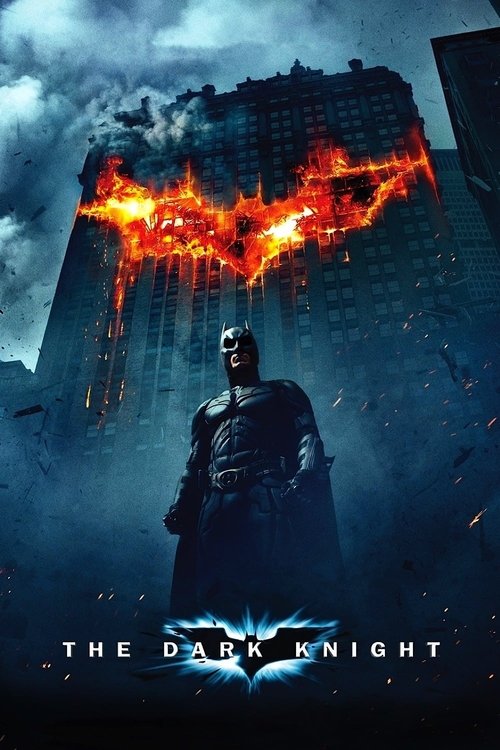
- 2008The Dark Knight raises the bar for comic-book crime drama, centering organized crime and moral philosophy inside a blockbuster action film. The Dark Knight
- 2012Arrow premieres on The CW and launches the Arrowverse, proving the street-level vigilante format can anchor a long-running network television franchise. Arrow
- 2015Daredevil arrives on Netflix and takes the formula as far as it can go on a streaming budget, with the Hallway Fight becoming a reference point for action choreography.
- 2017Horizon Zero Dawn gives the bow-wielding, self-sufficient survivor archetype one of gaming's most complete expressions, in a world Arrow fans find immediately comfortable.
You have failed this city.Oliver Queen, Arrow