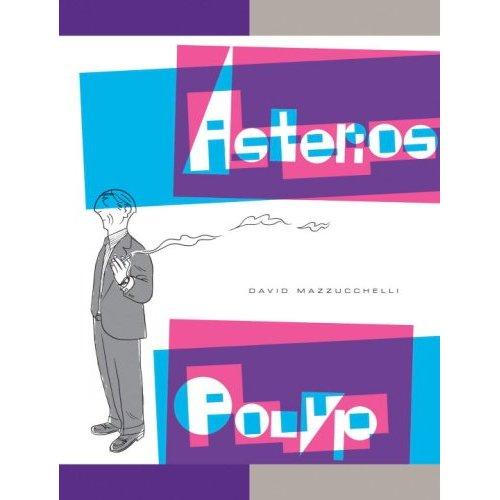

Asterios Polyp (2009) arrives as a single hardcover object, and that object has an argument. David Mazzucchelli uses two distinct visual languages, one for Asterios and one for everyone else, to dramatize the gap between a man's self-image and the reality others see. Asterios is a celebrated architecture professor who has never built a building, a husband whose certainty drove away the wife he loved, a theorist who mistakes his systems for the world. When lightning destroys his New York apartment, he takes a Greyhound to nowhere and rebuilds himself in a small-town garage. The book is formally demanding and emotionally devastating. It rewards rereading. The works below share its preoccupations: form as meaning, the unreliable self, art that uses its own medium as part of the argument.
Essential Asterios Polyp
David Mazzucchelli's own work, and the graphic novels that stand alongside his


Literary Graphic Novels About Identity and Self-Delusion
Books that use the visual form to get at what prose alone cannot


Films About Men Who Build Walls Around Themselves
Movies that diagnose a certain kind of brilliant, difficult, self-defeating man
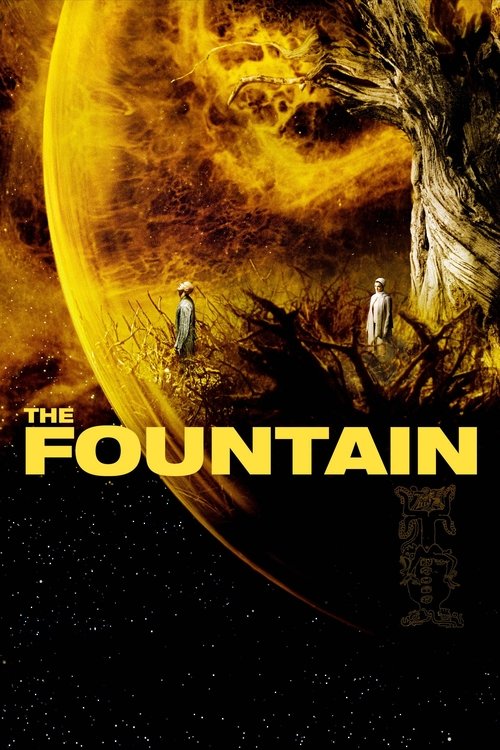
Novels About Architecture, Systems, and the People Who Build Them
Fiction where structure, design, and intellectual obsession drive the story


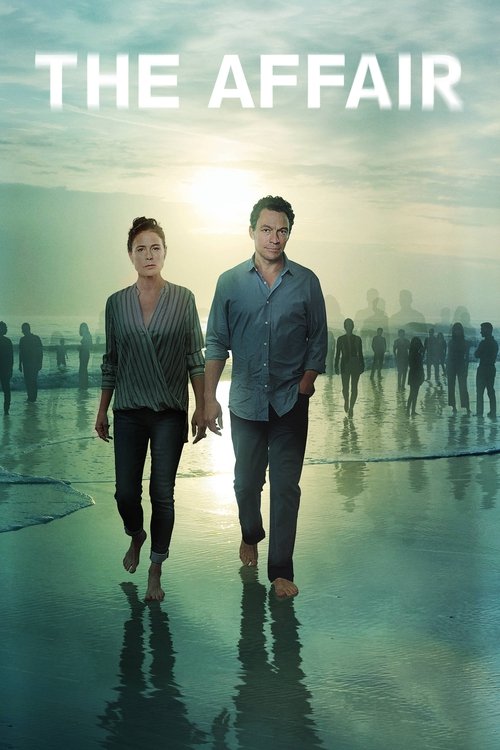
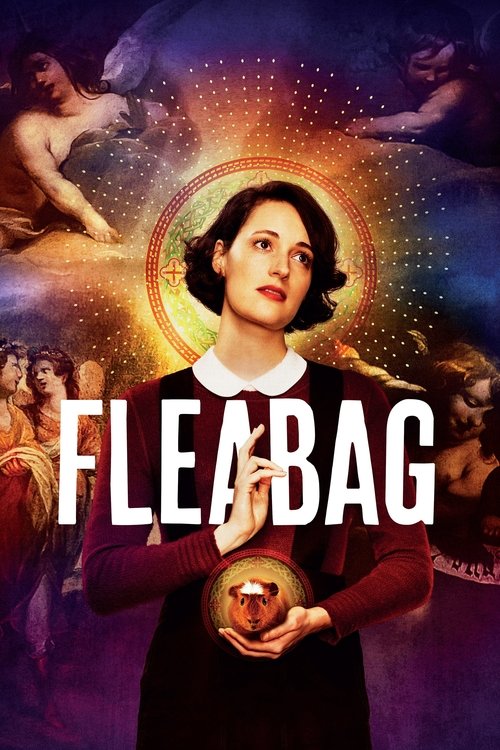
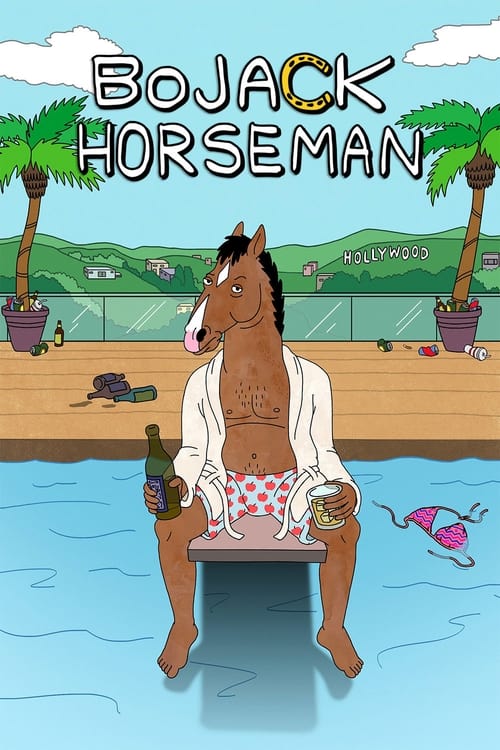
Series That Use Form as Character
Television that makes its visual or structural style inseparable from its meaning


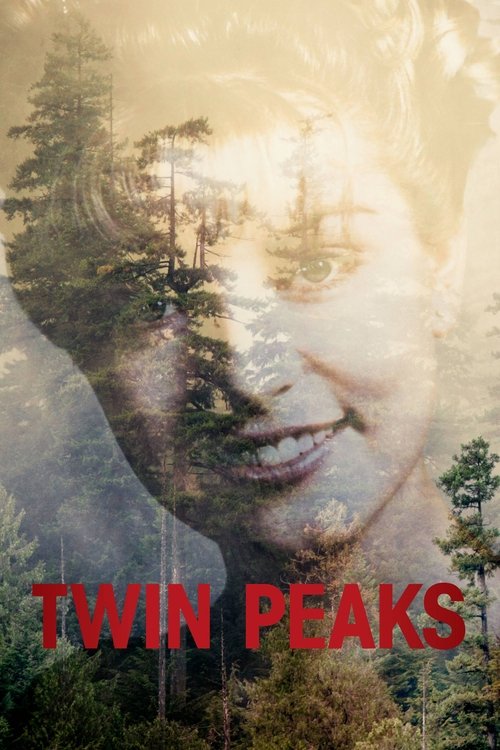

Games About Architecture, Memory, and Reconstruction
Games where the built environment or act of building carries psychological weight
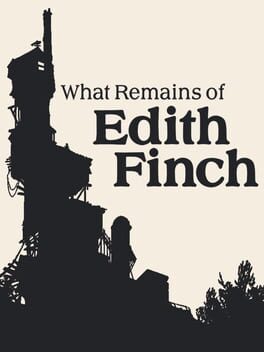
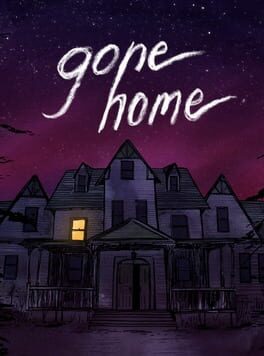
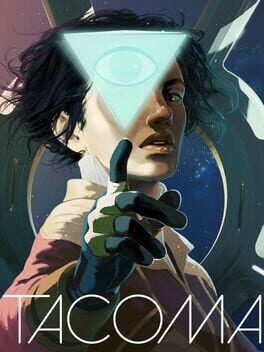
Form Is Not Decoration
The most radical thing about Asterios Polyp is its refusal to let form be neutral. Mazzucchelli assigns each character a visual signature, typeface, color palette, line quality. When characters interact, their visual styles bleed into each other or resist. You are reading an argument about perception and identity, not just watching one. Very few works pull this off. Chris Ware's Building Stories comes closest, using its own materiality, cardboard, posters, booklets of different sizes, to replicate the fragmented experience of memory. Both books prove that the graphic novel format can do things no other medium can.
The Intellectual Who Cannot Feel
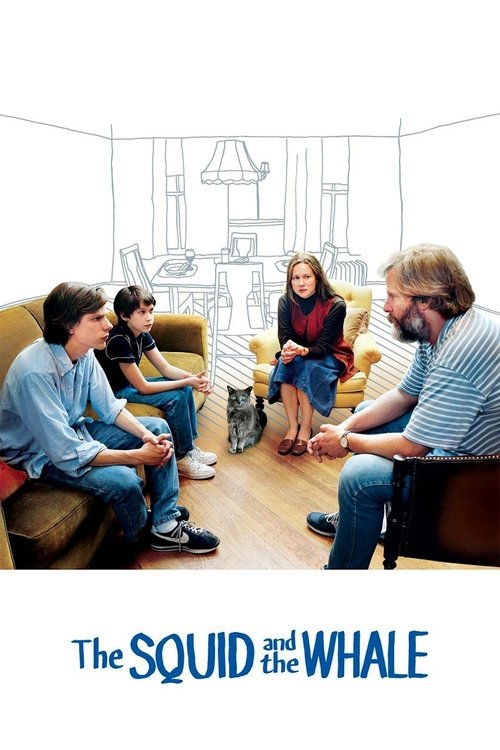
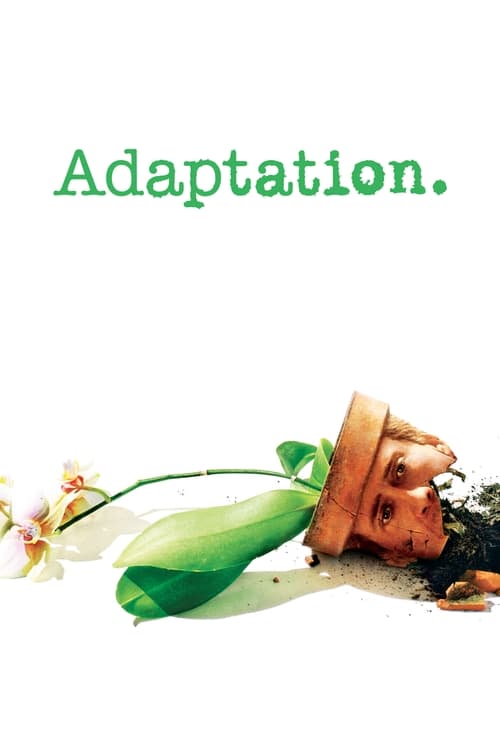
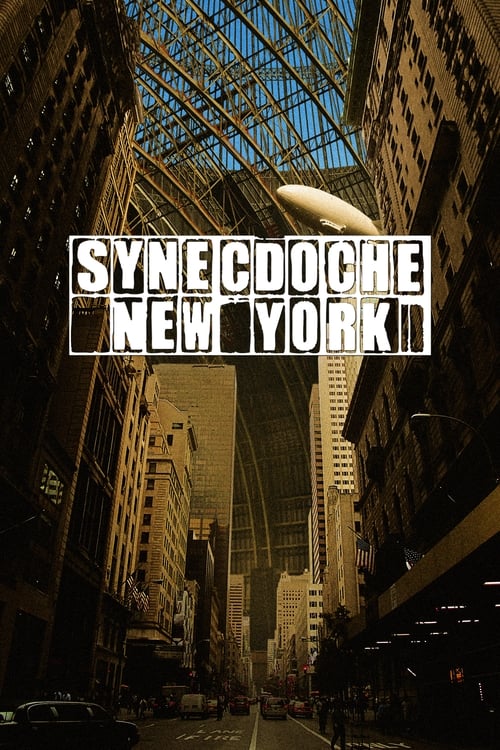
Asterios is a recognizable literary type: the man whose intelligence is a defense mechanism. He theorizes everything because feeling it directly is too dangerous. Film gets at this type with particular efficiency. Charlie Kaufman's Synecdoche, New York and Adaptation share Asterios's circular self-awareness, the protagonist trapped inside his own head, narrating and re-narrating himself. The Squid and the Whale gives the type a more domestic scale and a sharper comedy of inherited failure. All three make you wince in recognition even when you dislike the protagonist.
The Marriage You Watch Fall Apart
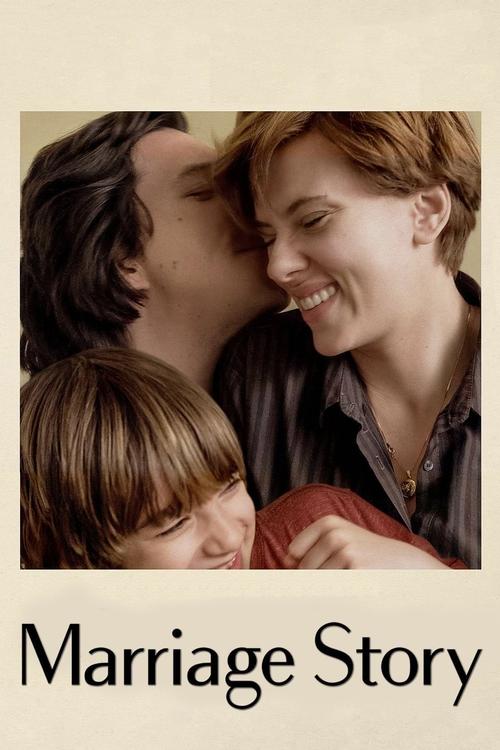
Hana, Asterios's wife, is not a satellite to his story. She is a sculptor whose organic, intuitive approach to making things is the direct opposite of Asterios's systems-thinking, and Mazzucchelli renders that contrast visually. The marriage at the center of Marriage Story covers the same territory in film, two people who loved each other genuinely and still managed to take each other apart. Fun Home, as a memoir, approaches it from the child's perspective, the experience of discovering a parent's hidden self. Both are essential companions.
Games That Know They Are Games
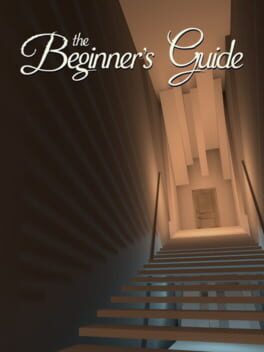
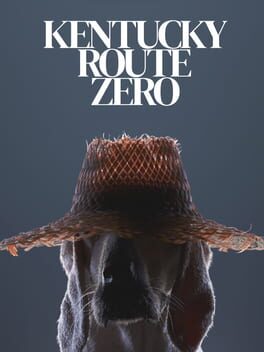
Asterios Polyp is metafictional: it knows it is a drawn object, and it uses that knowledge. The Beginner's Guide, Davey Wreden's strange, uncomfortable follow-up to The Stanley Parable, does the same thing. It uses the game-as-medium to raise questions about authorship, interpretation, and the ethics of projection onto another person's creative work. Kentucky Route Zero carries its magical realism through visual design choices that feel as deliberate as anything in Mazzucchelli's book. Both reward the same close-reading attention Asterios Polyp demands.
David Mazzucchelli and the Graphic Novel as Art Object
- 1986Daredevil: Born Again
- 1987Batman: Year One
- 1991Mazzucchelli launches Rubber Blanket, publishing experimental short comics work outside the superhero mainstream
- 1993Paul Auster's City of Glass adapted as graphic novel (with Paul Karasik), Mazzucchelli illustrating
- 2000Jimmy Corrigan published by Pantheon
- 2009Asterios Polyp
- 2012Building Stories by Chris Ware Building
More literary graphic novels and inner lives
For Fans of Jimmy Corrigan
Explore the For Fans of Jimmy Corrigan guide →What makes Asterios Polyp remarkable is that its argument about perception and identity is inseparable from how it looks. The thesis is the style. Strip away the visual system and there is no book.CrossBinge