
Jimmy Corrigan, the Smartest Kid on Earth is the book that proved comics could carry the full weight of a literary novel. Chris Ware spent years serializing it in the Chicago Reader before Pantheon published the collected edition in 2000, and it promptly won the Guardian First Book Award, the first graphic work to do so. The feeling a fan chases is a very specific kind of ache: social paralysis portrayed with architectural precision, fathers and sons who cannot reach each other across years or dinner tables, the gap between what a person imagines for themselves and what a life actually delivers. Ware's page design is not decoration but grammar, each panel a room you step into and then cannot quite leave.
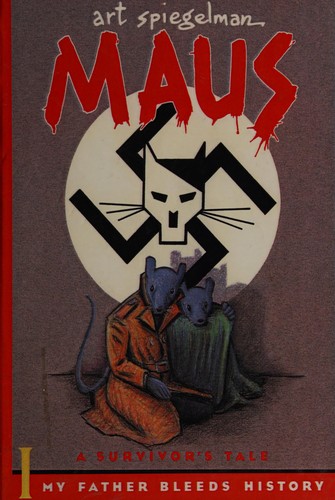
Comics That Read Like Novels
Literary graphic works that treat the form as seriously as Ware does




Novels of Quiet Failure and Family Distance
Fiction that holds the same emotional register: stunted lives, absent fathers, the weight of ordinary unhappiness


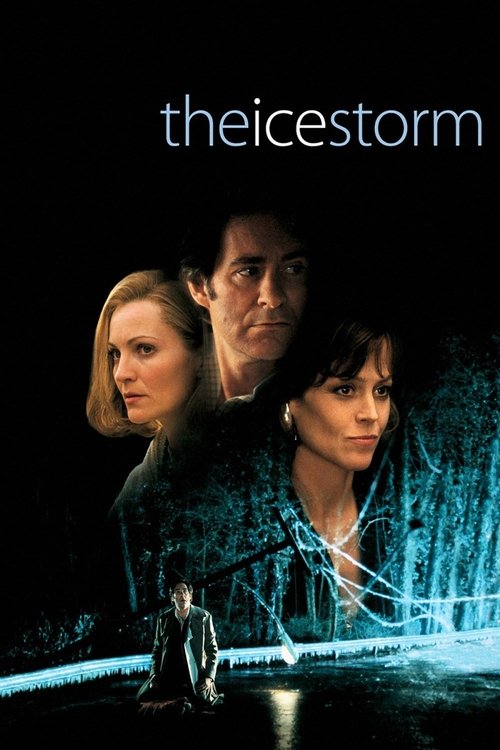
Films in the Same Key
Movies about men who cannot connect, time that passes, and the Midwest as a state of mind







Television's Quiet Realism
Series that prefer the uncomfortable silence over the dramatic scene







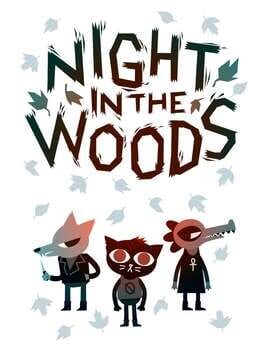
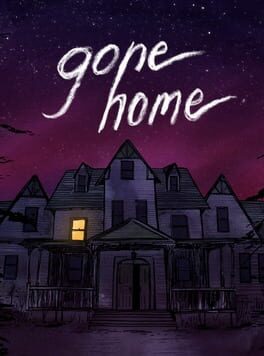
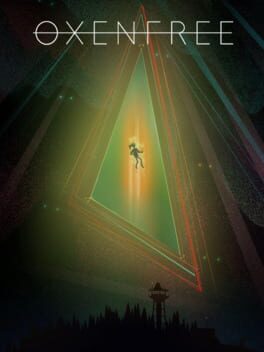
Games About Memory, Loneliness, and Small Lives
Games that share the novel's preoccupation with the interior life and the passage of time


Design Is the Meaning
Ware's page layouts are not style choices, they are content. A panel that shrinks to a postage stamp when Jimmy flinches is not a cute trick; it is the sensation of self-erasure rendered as geometry. Readers who approach the book looking for a conventional story find themselves disoriented, then slowly realize the disorientation is what the book is about. The form and the feeling are identical. That fusion of architecture and emotion is what makes it one of the genuinely irreplaceable books of the past thirty years.

American Splendor Is the Closest Companion
The 2003 film American Splendor, about Harvey Pekar and his autobiographical comics, is the nearest cinematic equivalent to the Jimmy Corrigan experience: the small life treated with complete seriousness, the comic-book form held up as a legitimate vessel for suffering and humor in equal measure. It is the rare adaptation that understands why someone would spend years drawing the same unremarkable face.
Night in the Woods Gets the Midwest Right
Night in the Woods is the game that most fully occupies the same emotional territory as Corrigan: a protagonist who has failed to become whoever she was supposed to be, a decaying Midwestern town where nothing is happening and everything hurts, and a refusal to resolve that tension with false hope. Both works insist on the dignity of an ordinary, stalled life without softening what that actually feels like from the inside.
Stoner Is the Novel It Shares a Nervous System With
John Williams's Stoner (1965, rediscovered in the 2000s) covers a man's entire life, none of it triumphant, all of it observed with an almost unbearable clarity. The affect is identical to Corrigan: no catharsis, no arc, just a life that happened the way it happened. Both books ask whether quiet, persistent consciousness is itself a form of dignity, and both leave the answer unresolved.
The Life of a Masterwork
- 1993Serialization begins in the Chicago Reader as part of Ware's ACME Novelty Library strip
- 2000Pantheon publishes the collected edition
- 2001Wins the Guardian First Book Award, the first graphic novel to receive it
- 2003American Splendor, the closest film companion, reaches theaters American Splendor
- 2012Building Stories published, expanding Ware's architectural approach to an entire box of nested pamphlets Building
- 2019Rusty Brown published, Ware's second major long-form work, even more formally ambitious
Literary graphic fiction, quiet devastation
For Fans of Asterios Polyp
Explore the For Fans of Asterios Polyp guide →Ware draws loneliness the way other artists draw action: with total formal commitment, every panel a small proof that no one is watching and nothing will be saved.CrossBinge