

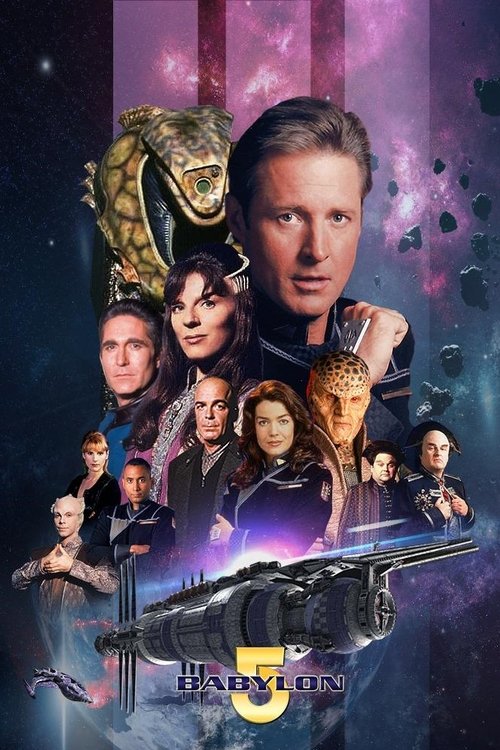
Babylon 5 arrived in 1993 with a promise almost no TV series had ever kept: a five-year story, plotted in advance, with consequences that carried forward and characters who genuinely changed. Creator J. Michael Straczynski wrote the vast majority of the scripts himself, building a serialized arc about power, sacrifice, and the cost of good intentions at a neutral space station where humans and alien civilizations negotiate the future. What fans love is the feeling that the story knew where it was going. Nothing in seasons one through five is filler. Every thread eventually pulls.
Long-Arc Science Fiction Series
TV shows that reward patience with a payoff



Political Space Opera Films
Cinema that takes alien politics and galactic stakes seriously
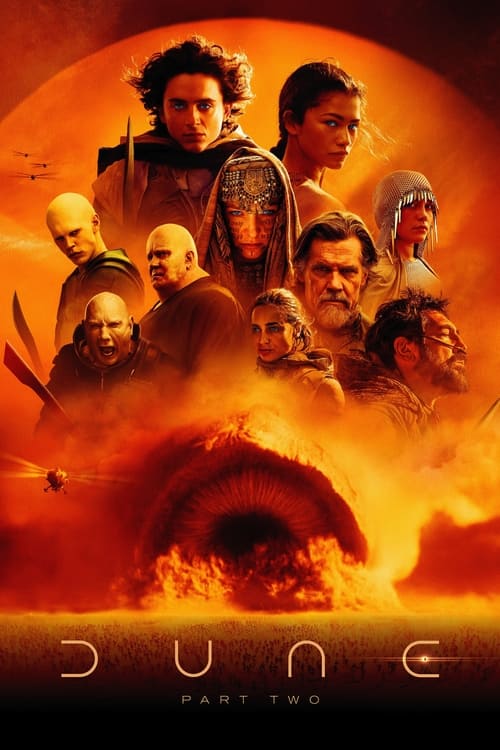
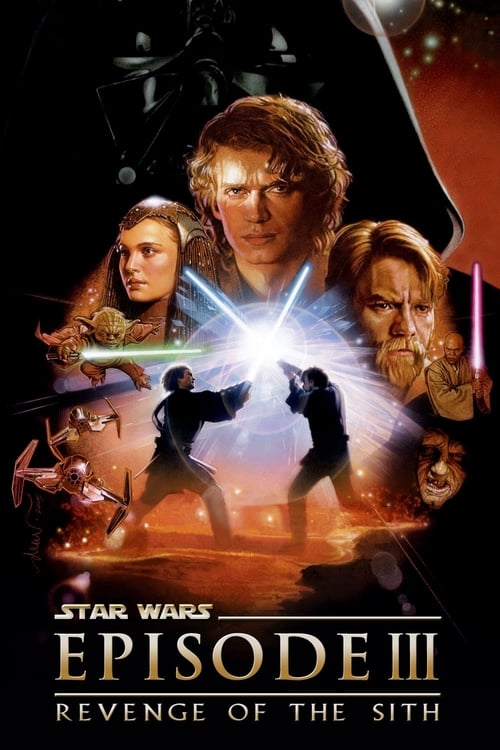
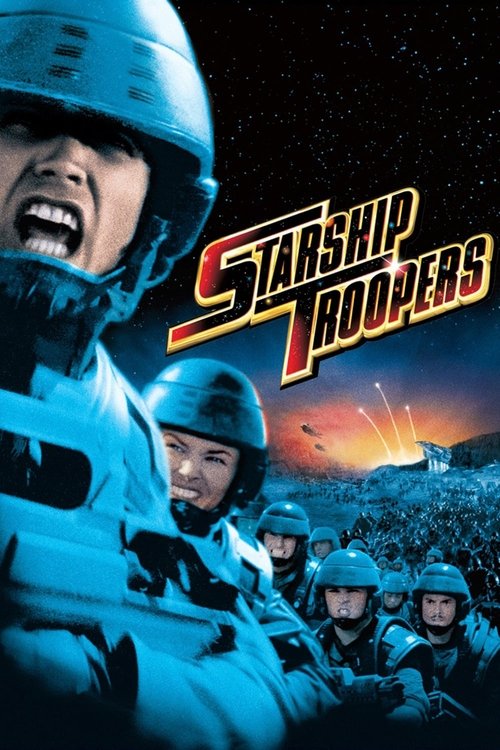
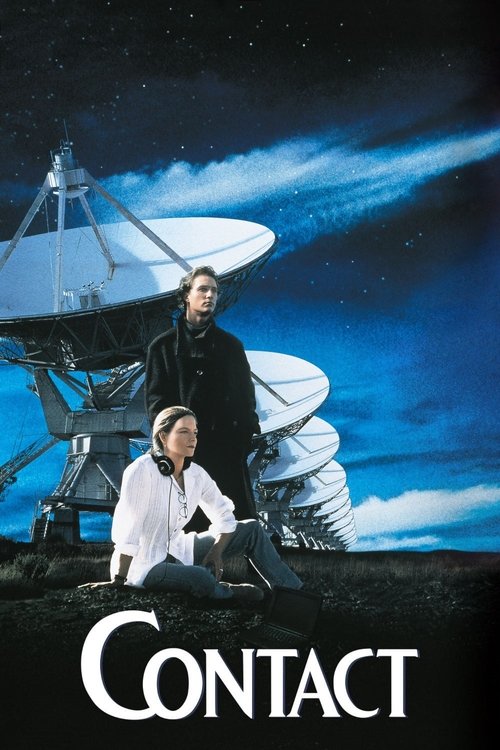

B5 Proved TV Could Tell One Long Story
Before prestige television became a phrase anyone used, Babylon 5 demonstrated that a TV series could function as a single novel. Straczynski structured the show in acts, planted seeds across seasons, and paid them off with a precision that contemporary streaming shows still struggle to match. The Shadows, the Vorlons, the slow corruption of Earth's government: each thread deepens on rewatch because you can see the design. This was not something television was supposed to be able to do.
Books That Share the DNA
Novels with the same appetite for politics, memory, and consequence


Games With the Same Stakes
Strategy and narrative games where diplomacy and survival intersect

The Alien Ambassadors Are the Show
G'Kar and Londo Mollari are among the finest character studies television science fiction has produced. Their arc from contempt to reluctant kinship to something deeper runs through the entire series as a mirror of every political conflict the show dramatizes. The Narn-Centauri war gains its weight because you care about both sides. Most science fiction puts aliens in the background; Babylon 5 put them at the center and made the humans work to keep up.
If You Came for the Philosophy
Stories that grapple with power, faith, and what civilizations are for



Serialization Was the Point
Babylon 5 came out during the era of episodic television, when networks expected every hour to reset. Straczynski refused. Decisions had costs. Deaths meant something. Political victories came with prices paid in later seasons. The show trained a generation of science fiction fans to expect that a story could be planned and delivered, not improvised to the point of incoherence. That expectation shaped how viewers watched The Sopranos, The Wire, and everything after.
The Road from Pilot to Legacy
- 1993The Gathering pilot airs on PTEN
- 1994Season 1: Signs and Portents begins the long game Babylon 5
- 1995Season 2: The Coming of Shadows wins the Hugo Award for Best Dramatic Presentation Babylon 5
- 1996Season 3: Point of No Return escalates the Shadow War Babylon 5
- 1997Season 4: No Surrender, No Retreat delivers the planned climax Babylon 5
- 1998Season 5: Wheel of Fire wraps the station's story Babylon 5
- 1998Crusade spinoff begins production Crusade
- 2007The Lost Tales anthology returns to the universe
Politics and war among the stars
For Fans of Space Opera
Explore the For Fans of Space Opera guide →No one here is exactly what they appear. The universe is a dark place, and we provide our own light.G'Kar, Babylon 5