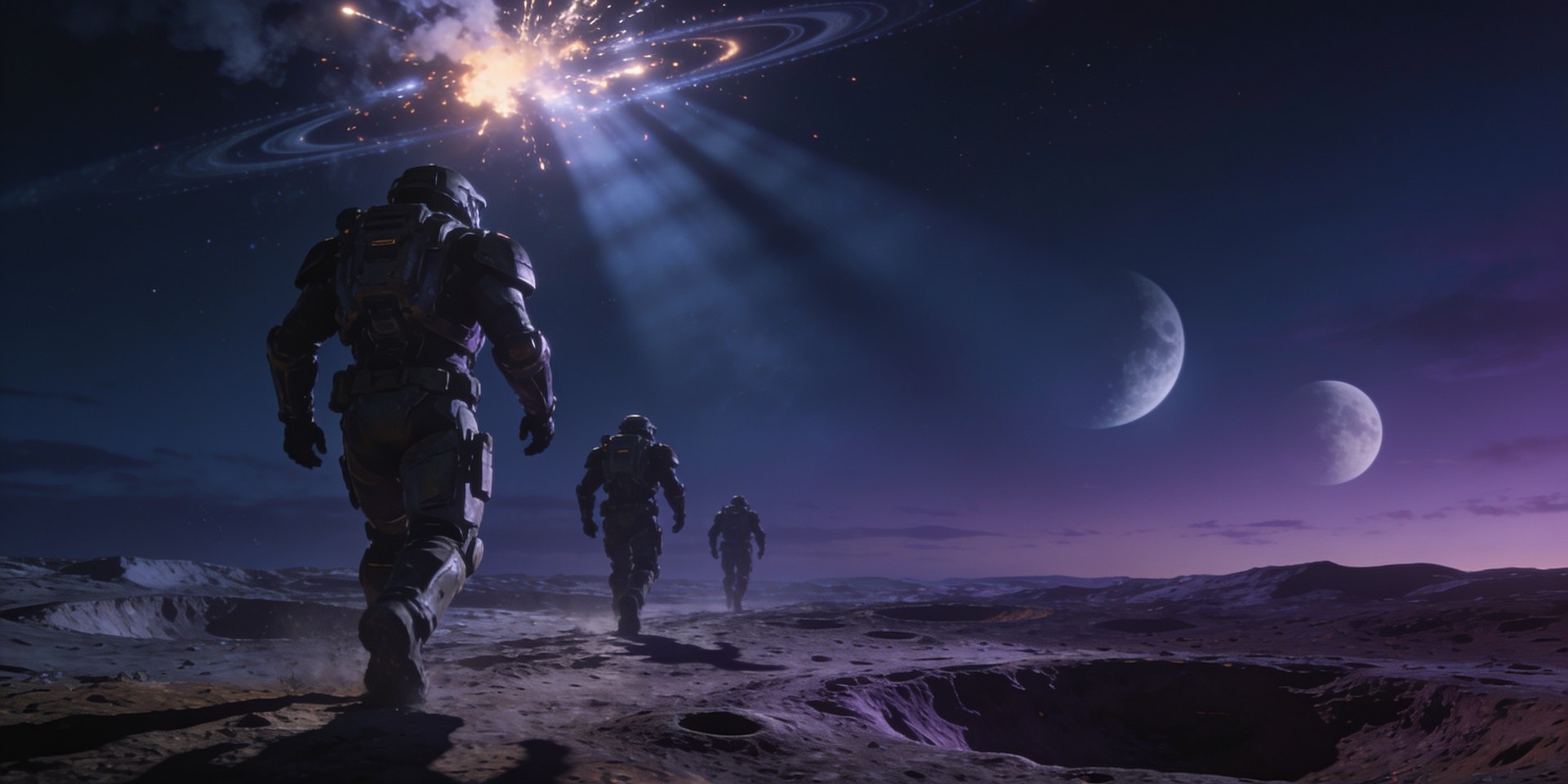

The question military science fiction keeps asking is a simple one: what does it cost to fight a war you barely understand, on terrain you have never seen, against an enemy that does not negotiate? The genre is not interested in generals and grand strategy. It is interested in the person in the suit, the squad in the trench, the pilot running the numbers on how much fuel she has left. Strip out the alien vistas and the faster-than-light travel and what you are left with is a story about people under unbearable pressure, trying to stay alive and maybe do something worth surviving for.
It has no single origin point, but Heinlein's 1959 novel Starship Troopers cast the template in powered armor: the citizen-soldier, the military as civic institution, the philosophical weight behind the physics of the drop. Joe Haldeman's The Forever War (1974) arrived as the direct rebuke, dragging those ideas through the mud of Vietnam. Both books are still being argued about. Every serious entry in the genre since has had to take a position on that argument.
Essential military sci-fi
The canon, across every screen, page, and controller


The film that defined the grunt's-eye view
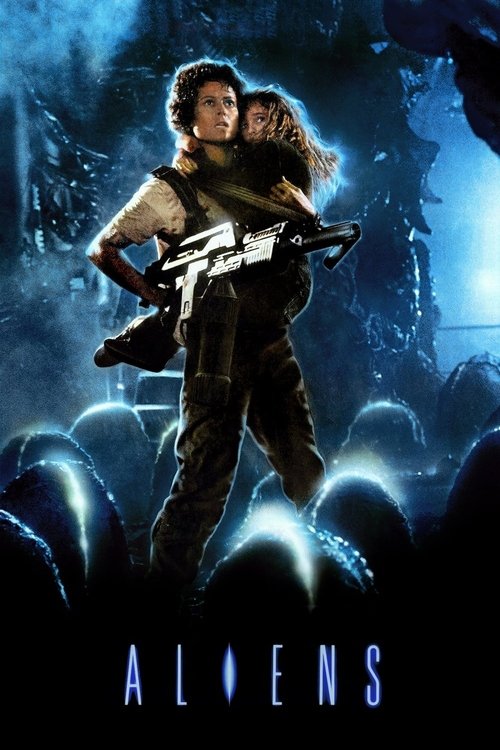
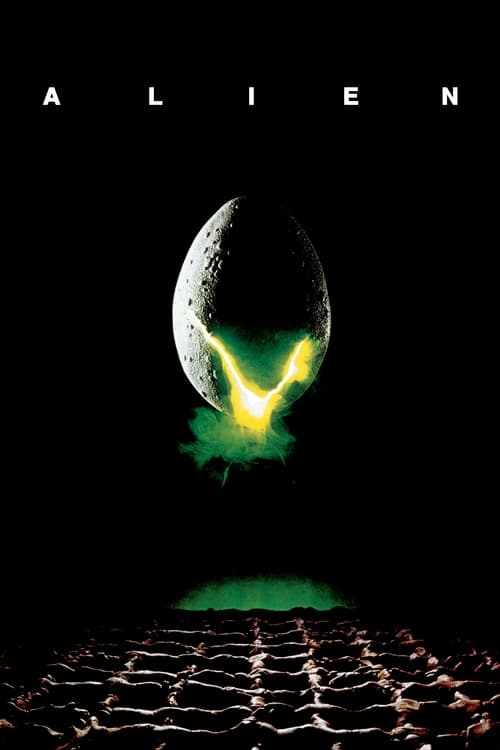
James Cameron's Aliens (1986) is the genre's definitive platoon movie. Ridley Scott's original was horror. Cameron's sequel made it war, and in doing so built the toolkit that every military sci-fi property since has borrowed from: the marines who joke too loud because they are scared, the platoon that gets cut down faster than it expected, the officer who does not understand the situation and the NCO who does. Private Hudson's breakdown in the operations room is not played for laughs. It is the most honest five minutes of military psychology in the genre. The film also pioneered the aesthetic: the worn, lived-in hardware, the pulse rifles with drum counters, the bulky armor that looks like it weighs something. You feel the weight of the gear before anyone fires a shot.
War on the ground
Infantry, squads, and the close-range reality of interstellar combat
The games that made you feel the doctrine
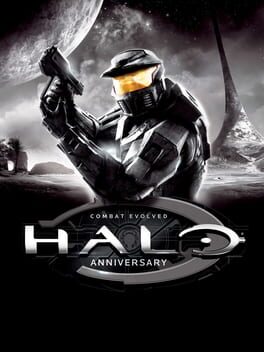
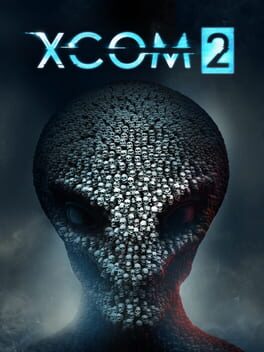
Games are the medium best suited to military sci-fi because they ask the player to operate inside the doctrine rather than observe it. Halo: Combat Evolved built a world around a single supersoldier, but its real achievement was making each encounter feel like a tactical problem with solutions that depend on terrain and ammunition management. XCOM: Enemy Unknown went further in the opposite direction: the Commander is the player, the soldiers are named individuals, and when they die they stay dead. Every squad composition is a consequence of prior decisions. No film can replicate that structure of grief and accountability.
HELLDIVERS 2 arrived in 2024 and sold twelve million copies in two weeks by making co-op misery into comedy. The friendly fire, the chaotic airstrikes, the political satire of a democracy that sends civilians to die on the frontier: it is Starship Troopers as a live-service game, and it is funnier and bleaker than it has any right to be.
Best military sci-fi games
From squad tactics to supersoldier campaigns
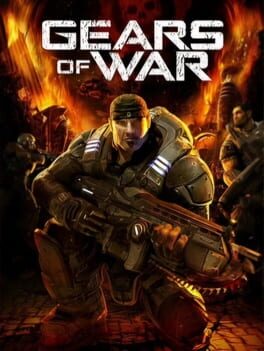
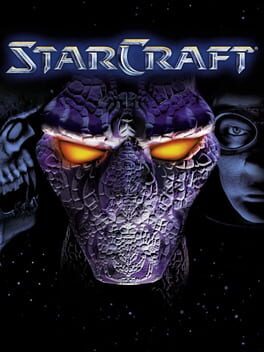
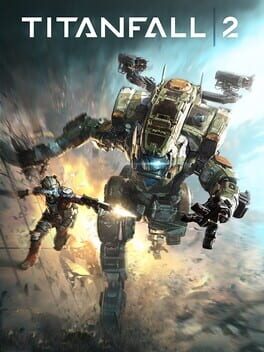
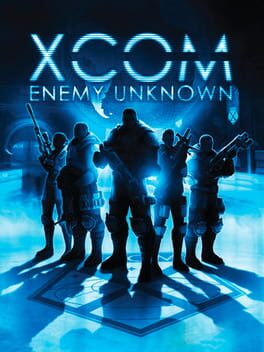
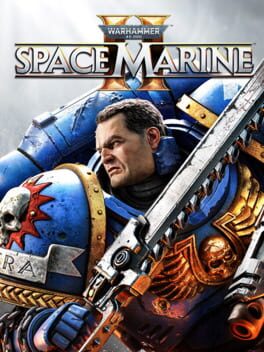
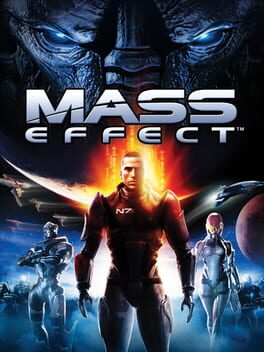
The Expanse is the sharpest military TV in the genre
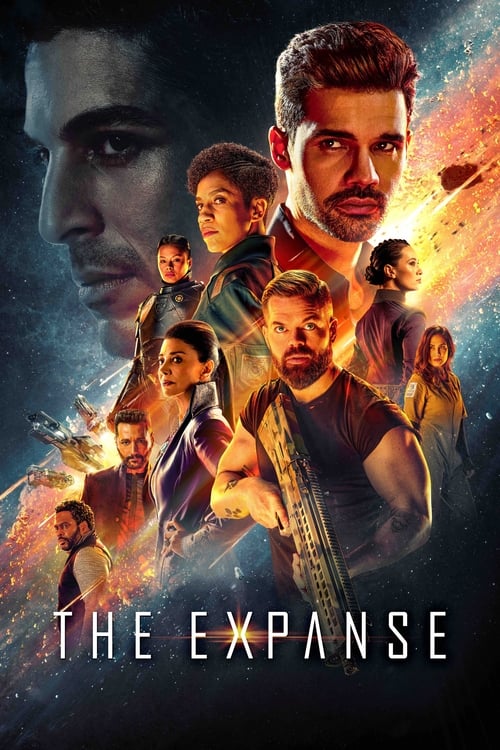
Six seasons of The Expanse (2015-2022) demonstrated something its contemporaries mostly failed to: that military conflict in space should follow the physics. Battles happen at distances where no one can see the other ship. Missiles take minutes to arrive. Acceleration strong enough to outmaneuver an opponent will kill the crew. The Martian Marine Corps is portrayed as an elite institution with culture and politics attached to it, not a backdrop. Bobbie Draper is the best military character in modern science fiction television, and her arc across the series, from true believer to complicated adult, is the show at its most precise. Nothing fires plasma cannons and engages in hand-to-hand combat in the same sequence. The Expanse does not allow that kind of convenience.
Military sci-fi on screen
Series that take the uniform seriously
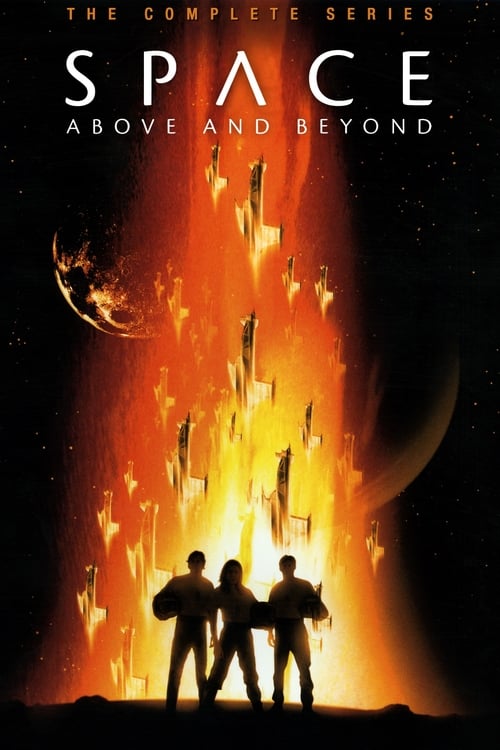
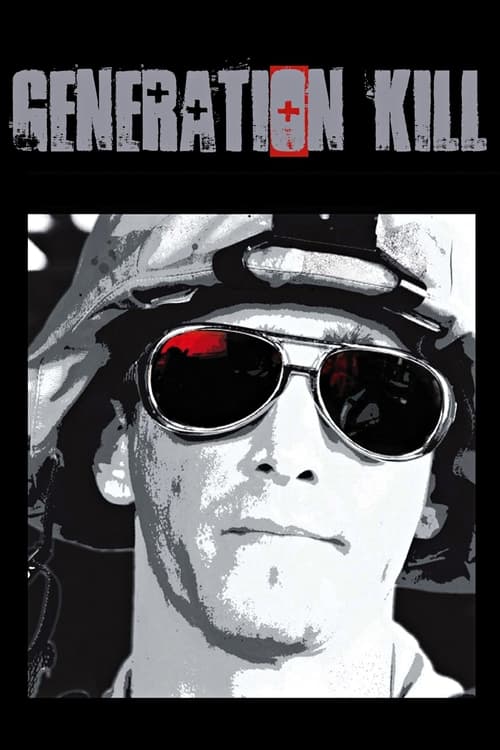
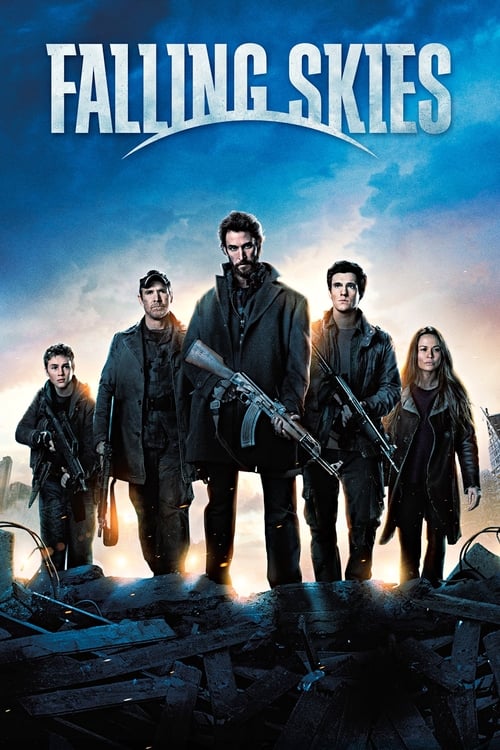
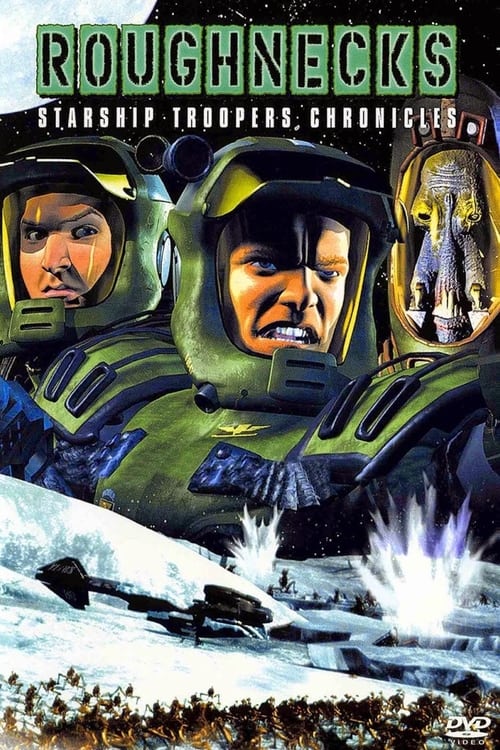

The books that built the genre's conscience
The military sci-fi novel has a long tradition of using the framework of the future war to ask questions the present does not want to answer. Heinlein's original posed the question as political philosophy: does military service confer a form of moral authority that civilian life cannot? Haldeman answered with his own biography of Vietnam: the war changes faster than the soldier, and when you come home you are an alien in your own culture. Neither book lets the reader off the hook.
John Scalzi's Old Man's War (2005) updated the archetype for the 21st century: seventy-five-year-old humans are offered young bodies in exchange for military service, and the irony is that the people most able to fight are also the people most experienced at understanding what fighting costs. The novel is gripping science fiction and a quiet argument about the relationship between age, experience, and the willingness to send other people into danger.
The essential books
Novels that took the genre seriously as literature


Spec Ops: The Line is the genre's most uncomfortable entry
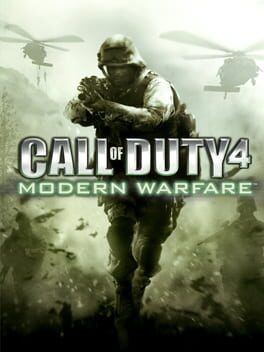
Spec Ops: The Line (2012) committed to a premise most military games avoid: what if the player is the atrocity? It wears the skin of a third-person shooter and uses the genre's conventions to gradually reveal that the protagonist is making progressively worse decisions that the game has been quietly endorsing. The white phosphorus scene is not a set piece. It is an accusation directed at every player who has used that weapon in Call of Duty without considering what it does. The game sold poorly on release and has been discussed constantly ever since. It is the Conrad novel of video game military fiction, which means it is uncomfortable and essential in equal measure.
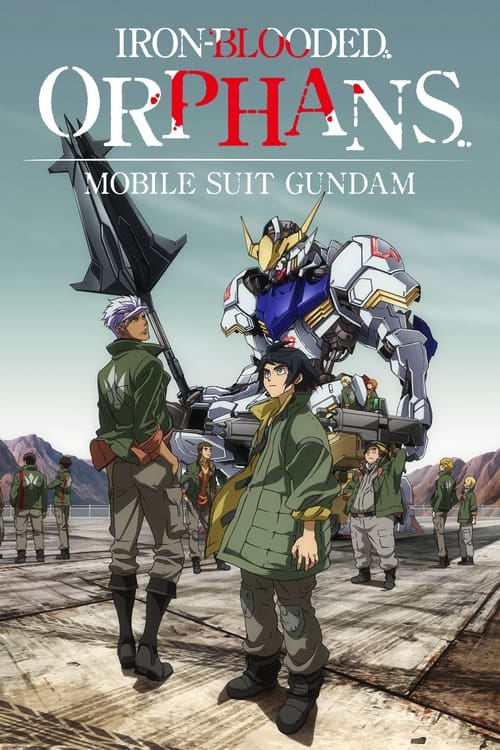
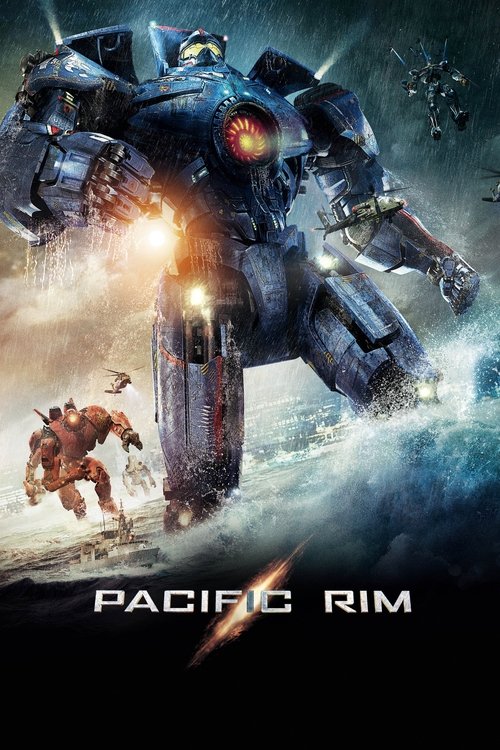
Mecha and armored warfare
When the weapon is the size of a building



The wider field
Fleet battles, resistance fighters, and future wars worth knowing
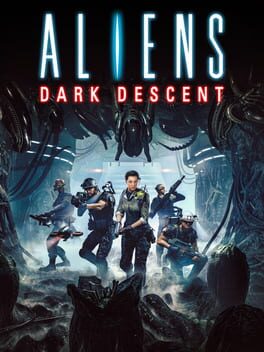
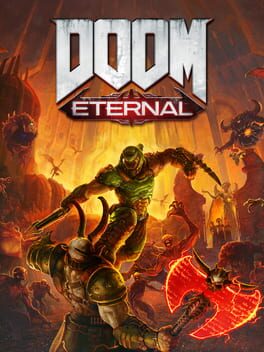
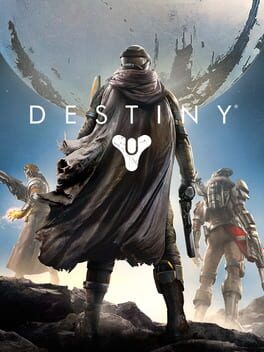
More war among the stars and the machines
Space Opera
Explore the Space Opera guide →The genre does not ask whether war is good. It asks what war does to the people who fight it, and whether anything can be worth that cost. The best entries have never agreed on the answer.On what separates military sci-fi from the glorification it is often mistaken for