

Becky Chambers arrived in 2015 with 'The Long Way to a Small, Angry Planet' and quietly changed what hopeful science fiction could look like. Her Wayfarers novels follow crews, communities, and lone travelers through a future that is complicated and often unjust, but not bleak. The Monk and Robot novellas narrow the lens further: a robot, a monk, and a question about whether rest is something civilization can choose. What holds all of it together is a conviction that the texture of daily life, the meals shared, the misunderstandings worked through, the grief absorbed slowly, matters as much as any plot. Chambers readers are not chasing spectacle. They are chasing the feeling that fiction can hold them with care.
Screen Adaptations of Her Themes: Films
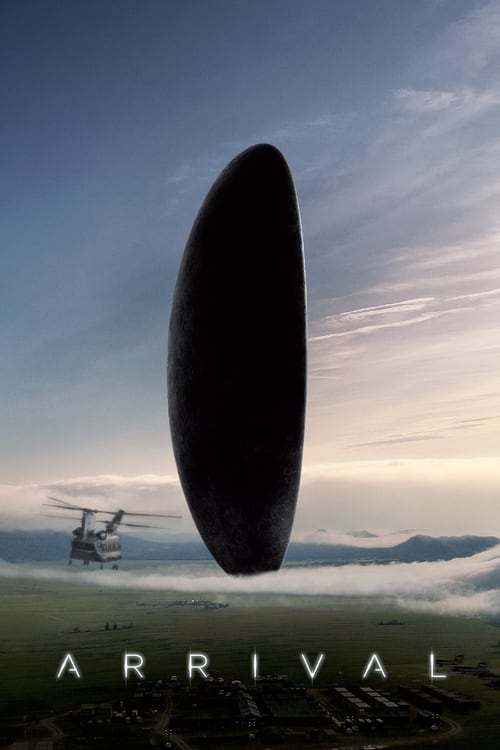
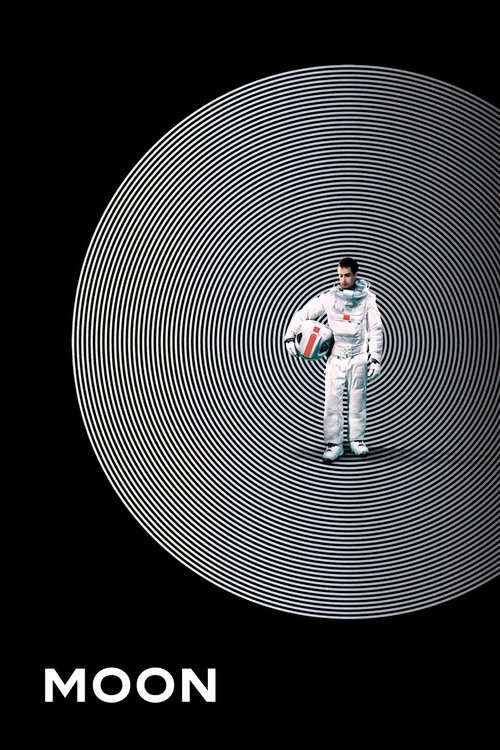
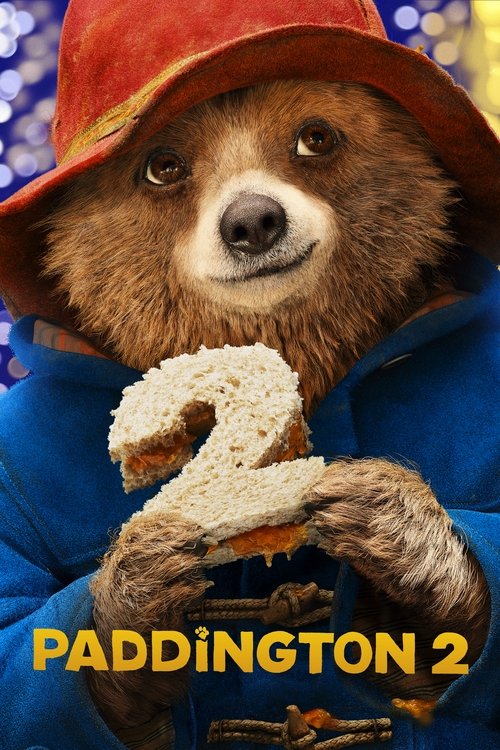
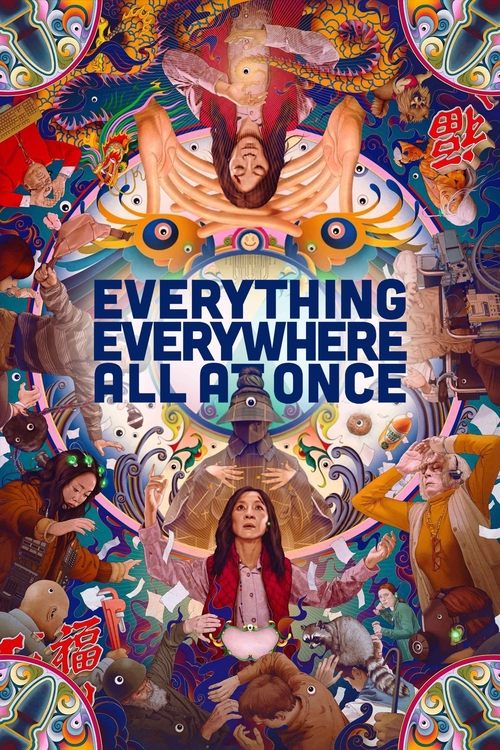
Films that share her warmth, her slow pace, or her focus on found community


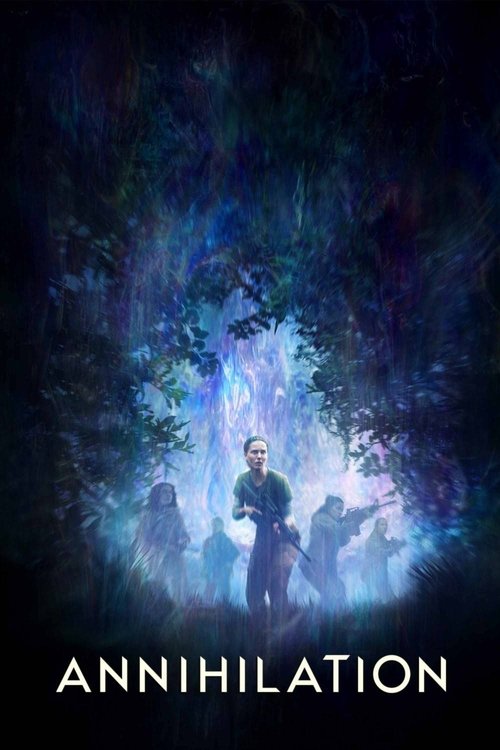

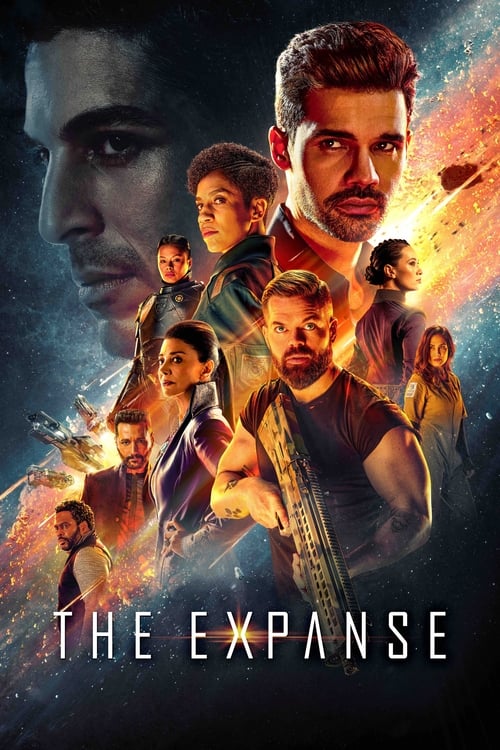
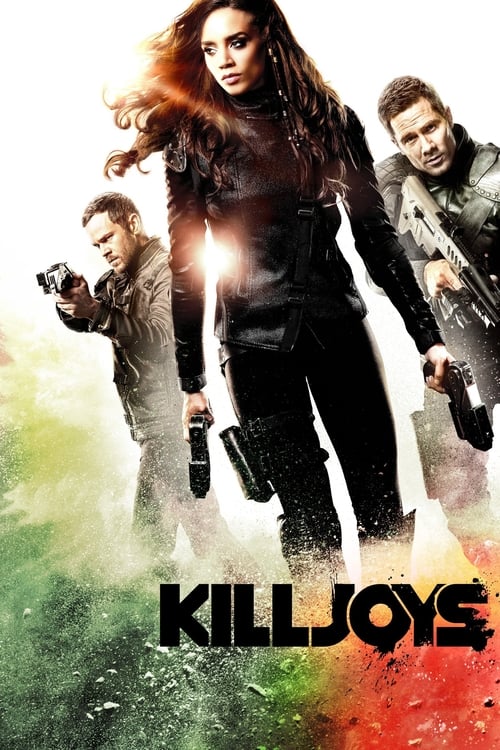
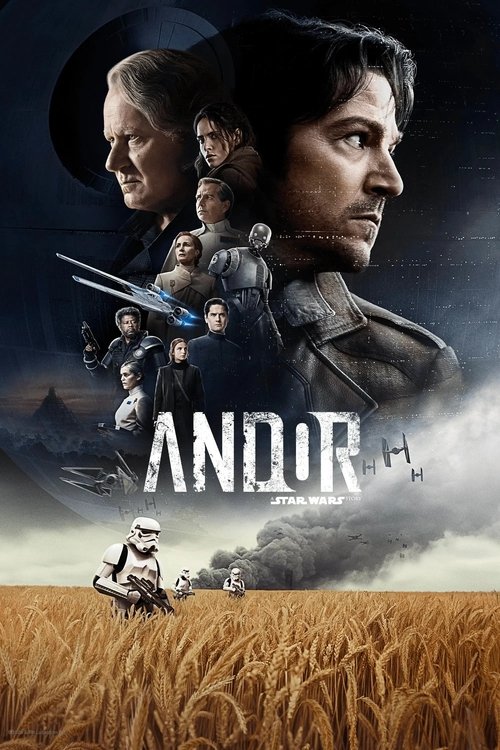
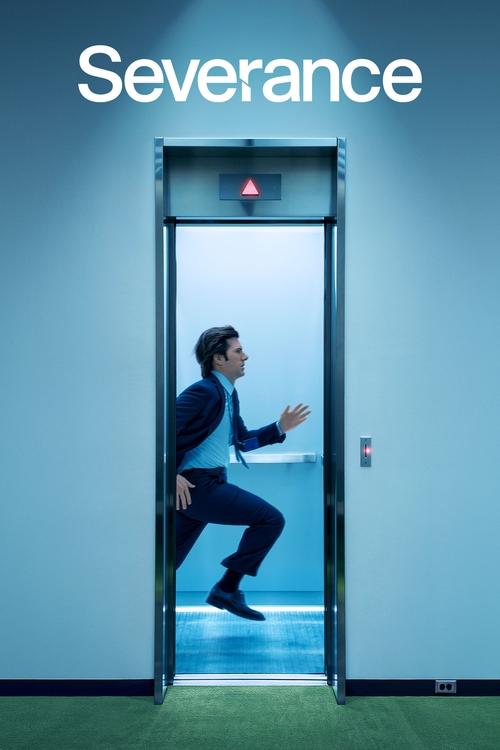
Small-Scale Futures on Screen: TV Series
Series that foreground relationships and community inside speculative worlds
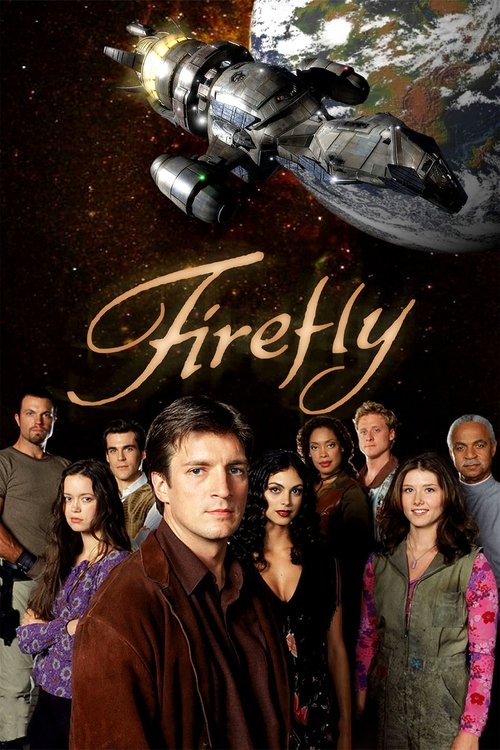
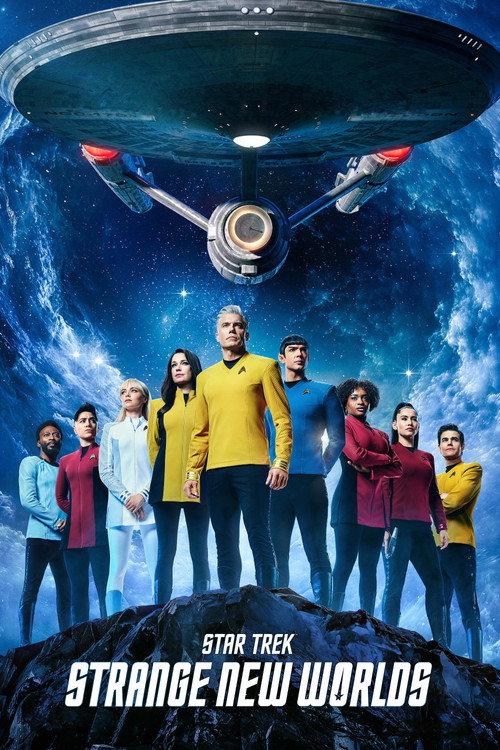

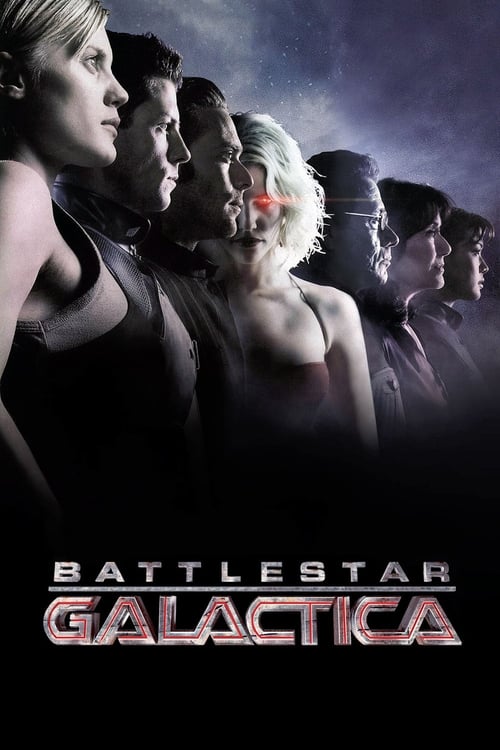
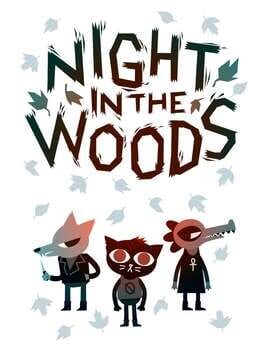
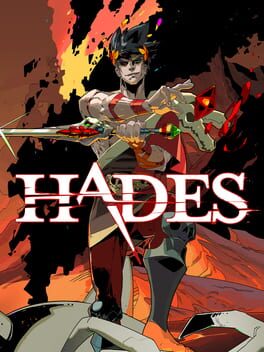
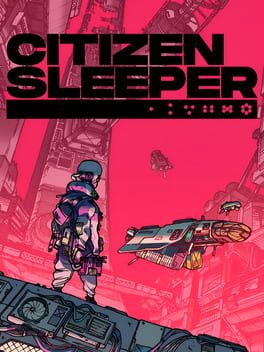
Games That Share Her Gentleness
Games about building, tending, and belonging rather than conflict
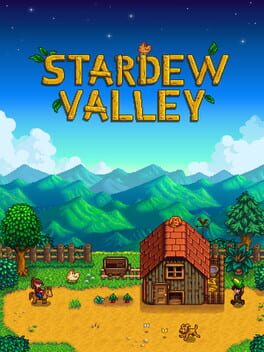
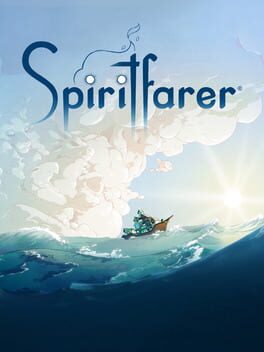
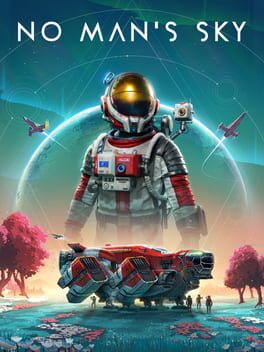
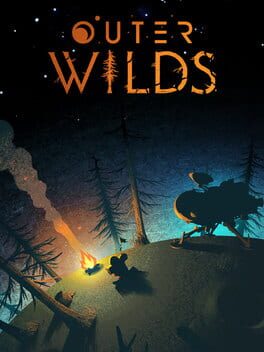
The Cozy SF Argument Is Not a Small One
Critics sometimes file Chambers under 'cozy SF' as though that softens her ambition. It does the opposite. Her books ask what a post-scarcity society actually chooses to do with its freedom, how communities absorb grief without scapegoating, and what robots might understand about rest that overworked humans have forgotten. Those are not small questions dressed in soft lighting. They are the hardest questions, handled without cruelty.

Found Family as Worldbuilding
The Wayfarers books are built on found families: the tunnel crew of the Wayfarer, the inhabitants of Exodan fleets, the travelers who stop at a waystation. Chambers treats these groupings not as a plot convenience but as the actual subject of the books. How do strangers become people who matter to each other? What obligations does that create? The worldbuilding is in service of that question, not the other way around.
What Robot Stories Usually Miss
Most robot fiction uses artificial minds to ask whether machines can become human. The Monk and Robot books ask the inverse: whether humans, who built machines to do everything for them, might learn something from machines that chose to leave. Mosscap is not trying to understand humanity. It is genuinely curious. That shift in posture, from the robot as student to the robot as questioner, is quiet and it lands.
Becky Chambers: A Career in Books
- 2014Self-publishes after a crowdfunding campaign
- 2015Picked up by Hodder and Stoughton for wide release
- 2016Hugo Award nominee; second Wayfarers novel
- 2018Third Wayfarers, focused on the Exodan fleets
- 2021First Monk and Robot novella; wins the Hugo A Psalm for the Wild-Built
- 2021Final Wayfarers novel
- 2022Second Monk and Robot novella
Cozy futures and humane sci-fi
Cozy
Explore the Cozy guide →What Becky Chambers proved is that hope in fiction is not naivety. It is a rigorous choice, and she makes it on every page.CrossBinge editors