

The stars are too far away to reach in a lifetime, so the generation ship is the genre's most honest answer to the problem. You do not arrive. Your great-grandchildren do, if they arrive at all, and only if the ship and the people inside it survive a journey measured in centuries. It is the rare science fiction premise that takes the universe at its actual scale and refuses to cheat with a warp drive. The ship becomes the world. The mission becomes a religion, or a rumor, or a thing nobody believes in anymore.
What makes these stories quietly devastating is the gap between the people who leave and the people who land. The founders volunteer. Everyone after them is conscripted by birth into a voyage they never chose, toward a destination they will never see. Brian Aldiss wrote the template in the 1950s with a starship whose passengers had forgotten they were on a ship at all. Kim Stanley Robinson spent a whole novel arguing the idea might be a cruelty dressed as a dream. Between those poles sits a small, strange, book-heavy corner of the genre, and it is one of the best.
Essential generation ships
The canon of the long voyage, across every medium




Aniara is the bleakest version, and the truest
Most generation-ship stories at least promise a destination. Aniara takes that away. A routine transport ferrying colonists from a dying Earth to Mars is knocked off course by debris, loses its fuel, and becomes a generation ship by accident: a sealed environment drifting toward nothing, with no way to turn around and decades of life support still running. The 2019 Swedish film, adapted from Harry Martinson's 1956 verse epic, is less interested in survival mechanics than in what people do with a future that has quietly been deleted.
What the passengers build instead is denial, then cults, then a kind of collective grief. The ship's AI sanctuary, where people go to relive memories of Earth, becomes the most honest character on board. It is not a comfortable watch and it is not supposed to be. The poem won Martinson a Nobel Prize, and the film keeps its nerve right up to the long, cold final shot.

The long voyage on film
Sealed ships, sleeper ships and the people who wake up wrong



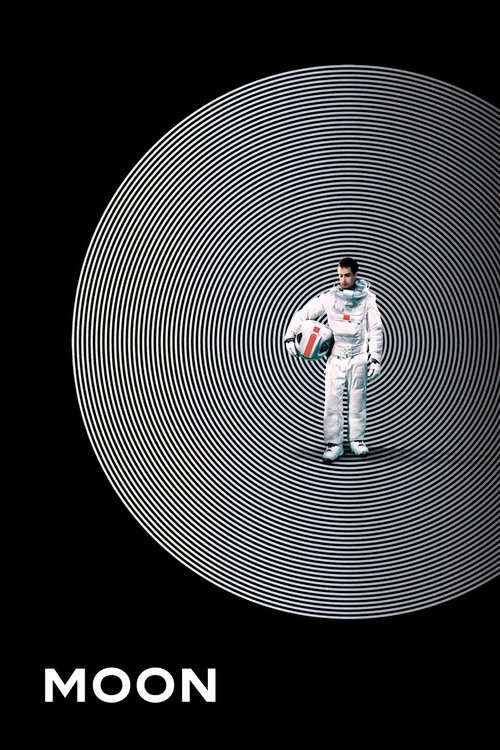
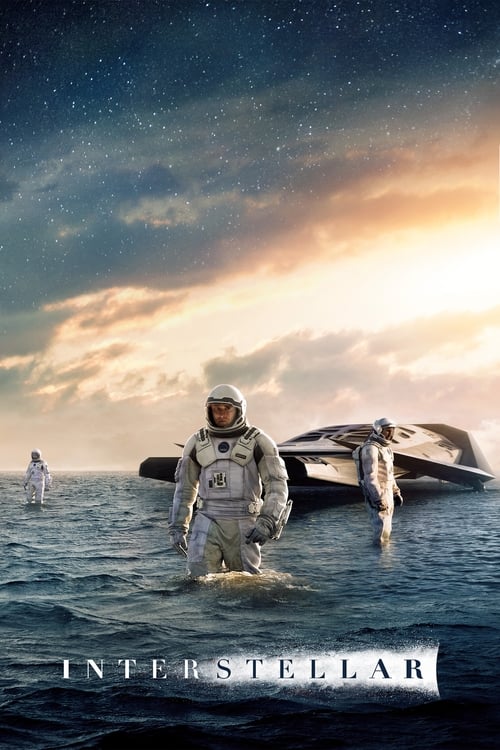
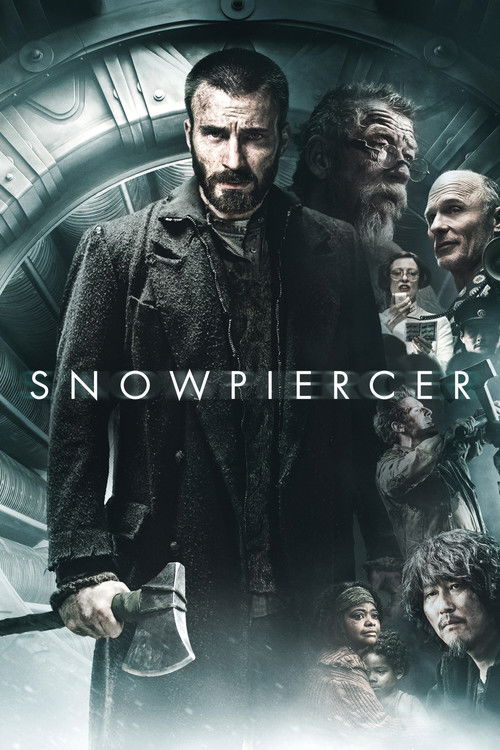
The book that built the genre
Brian Aldiss published Non-Stop in 1958 (it appeared in the United States as Starship), and almost every generation-ship story since owes it a debt. The premise is the one everyone steals: a society living inside a vast vessel, generations deep into the voyage, who no longer know they are aboard a ship at all. The corridors have become jungle. The original mission has decayed into superstition. The act of realizing the truth, that the whole world is a machine pointed at a star, is the plot.
The idea predates Aldiss in pulp form, but he gave it the literary weight it needed. Robert Heinlein's Orphans of the Sky worked similar ground, and the trope of the forgotten mission, the priesthood guarding knowledge nobody understands anymore, threads through the decades that follow. The generation ship has always been at heart a story about institutional memory and how easily a civilization forgets what it is for.
The shelf of slow ships
Where the genre actually lives: the novels of the long dark


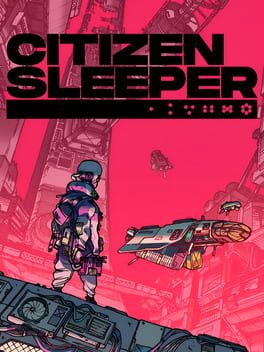
Citizen Sleeper understands the station better than most films understand the ship
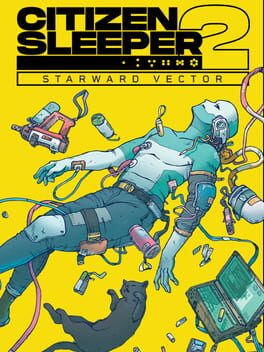
Citizen Sleeper is not a generation ship in the strict sense, but it captures the lived texture of a closed artificial world better than almost anything on screen. You play a digitized consciousness in a manufactured body, stranded on a decaying orbital station built and then abandoned by a corporation. Survival is dice and clocks: every cycle you allocate your failing body to work, repair, scavenge or hide, and every cycle the station and its people push back.
What it gets right is the politics of a sealed habitat. Resources are finite, debts follow you across the dark, and the people you meet are all making the same calculation you are: how to keep a small life going inside a structure that was never really built for living. Citizen Sleeper 2: Starward Vector extends the engine outward into a wider drift of stations and ships, and keeps the same melancholy, generous heart.
Closed worlds to play
Drifting stations, derelict hulls and the slow work of keeping a ship alive





The ship was the world, and the world was a story the crew had stopped telling.The recurring shape of the genre, from Aldiss onward
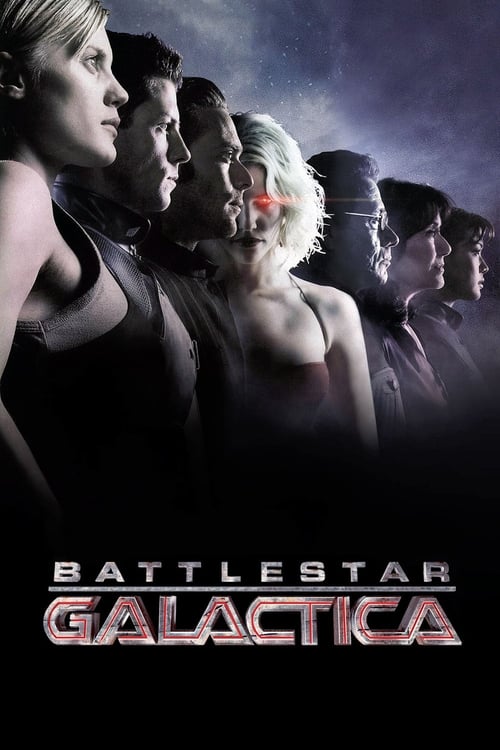
Battlestar Galactica is a fleet, not a ship, and that is the trick
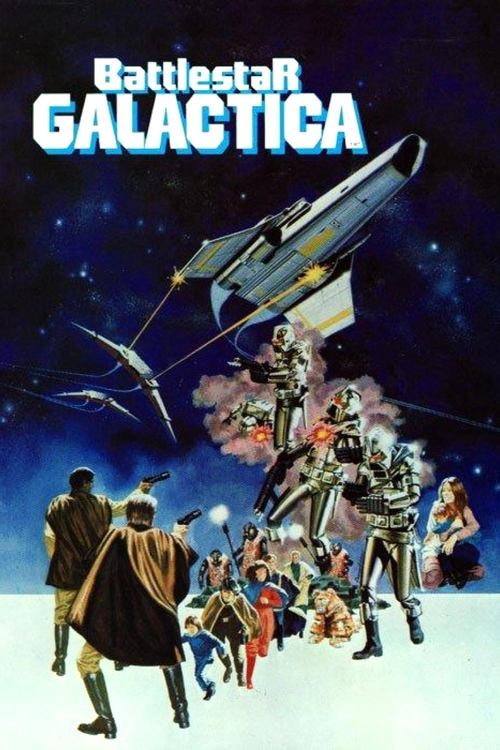
The 2004 Battlestar Galactica reboot reinvented the original 1978 premise as something closer to a generation-ship epic spread across a ragtag flotilla. Roughly fifty thousand survivors of a genocide are crammed into a convoy of mismatched vessels, fleeing toward a half-legendary planet called Earth that most of them have never seen and may not exist. The journey takes years. People are born and die in transit. Elections are held, religions split, and the question of whether the destination is real at all becomes the show's central anxiety.
That is the generation-ship question wearing a war-story coat. The fleet is a society in a bottle, hauling its politics and its grudges across the void, governed by the brutal arithmetic of fuel, water and how many of you are left. Few shows have taken the logistics of a long evacuation this seriously, or let them carry this much moral weight.
Voyages on the small screen
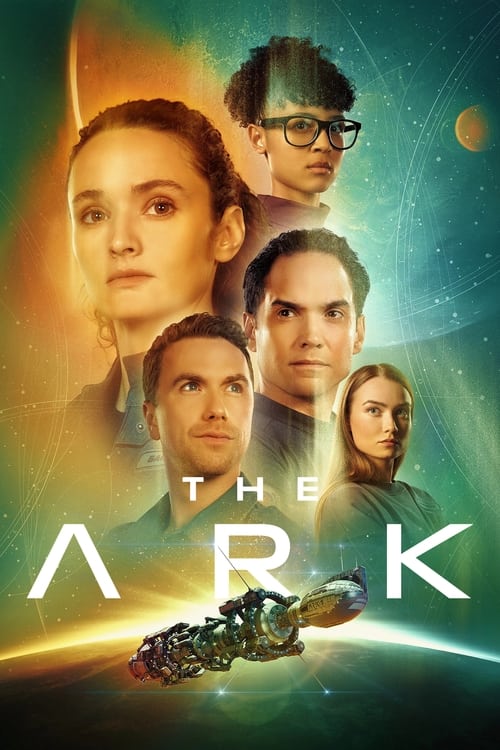
Arks, fleets and frozen sleepers across long-form television



The case against the dream
The most important generation-ship novel of the last decade is also the one most skeptical of the whole idea. Kim Stanley Robinson's Aurora follows a ship that has spent nearly two centuries crossing to a nearby star, and it treats the voyage not as an adventure but as an engineering and biological nightmare slowly coming due. Closed ecosystems drift out of balance. The children of the founders did not consent to be born into a tin can. And the planet at the end may not be habitable at all.
Aurora did not resolve cleanly in our catalog under a clean title match, so we have not forced it into a carousel below, but it belongs in any honest map of this genre and is worth seeking out by name. The same goes for the harder-to-find anchors of the form, from Aldiss to Greg Bear's Hull Zero Three. The shelf above collects the slow-ship novels the catalog does hold, from Arthur C. Clarke's The Songs of Distant Earth, a colony-ship story that pauses to wake the sleepers, to Robinson's own Mars cycle, where the question of who gets to leave Earth is never far away.
Sleeper ships and the cold crossing
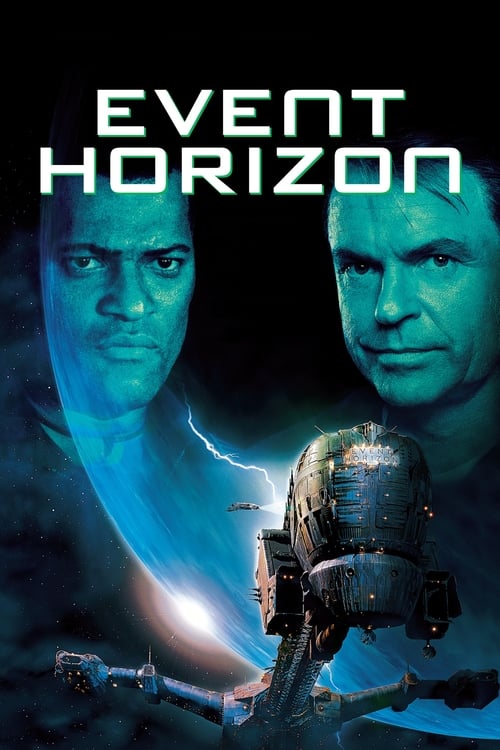
Cryosleep, drift and the films that strand a small crew in the dark


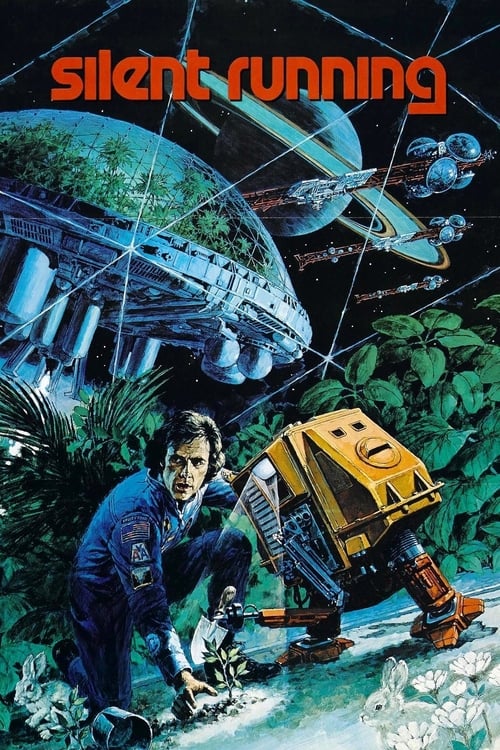
Silent Running is the conscience of the genre
Long before the ark became a thriller setting, Douglas Trumbull's Silent Running (1972) used it as a parable. The last forests of a paved-over Earth are kept alive in geodesic domes aboard a fleet of freighters drifting near Saturn, tended by a botanist who refuses an order to destroy them. When he is left alone with only three maintenance robots for company, the film becomes one of the quietest, saddest things the genre has produced.
It is a generation ship in spirit: a vessel carrying the seed of a world forward through time, in the hope that someone, someday, will want it back. Trumbull came to it straight off the effects work for 2001, and the model work still holds up. The robots, shuffling and mute, are the emotional center, and the ecological grief at the film's core has only sharpened with age.