
The Weight of It All
Black Sabbath came from Birmingham, England, from the industrial grime of a city that made things with its hands and paid a price for it. Four young men, one of them missing fingertips from a factory accident, found a sound that matched the world they saw: heavy, slow, built from dread rather than joy. Where the rest of rock and roll in 1970 was reaching for light, Ozzy Osbourne, Tony Iommi, Geezer Butler, and Bill Ward pointed in the opposite direction.
Their first five albums, from Black Sabbath through Sabotage, laid the architecture for virtually every strain of heavy music that followed. The downtuned riffs. The occult imagery worn as a dare rather than a declaration. Butler's bass as a melodic force. The sheer deliberate slowness, the way a riff could settle into a groove like a stone sinking in water. Later records with Ronnie James Dio brought a more mythological grandeur, high fantasy tinged with genuine menace.
What a Black Sabbath fan loves is not just volume. It is a particular emotional texture: the sense that something vast and cold exists just outside the frame, that beauty and doom are not opposites, and that the heaviest truths are best delivered without irony. If that resonance lives in you, the works below were made for you.
Essential Black Sabbath
The records, front to back
Paranoid is the entry point, but Master of Reality is the one that changes you
Paranoid is faster, louder, and more radio-friendly, and it is the record most people hear first. But Master of Reality is where Iommi detuned further, slowed further, and arrived at the true Sabbath gravity. 'Children of the Grave', 'Into the Void', 'Lord of This World': three songs that define the genre as convincingly as any three songs in rock history. If you have only heard the hits, this is where the weight actually lives.
Riff-Built and Relentless
Bands who inherited the Sabbath blueprint
The Dio era is not a compromise, it is a second peak
When Ozzy left and Ronnie James Dio arrived for Heaven and Hell in 1980, the band lost something irreplaceable and gained something equally rare. Dio's voice had operatic range and genuine mythological conviction; Butler's writing shifted from street-level dread to sword-and-sorcery grandeur. The resulting record is as heavy as anything in the catalogue, just pointed at different stars. Treating it as a lesser entry is a mistake most listeners eventually correct.
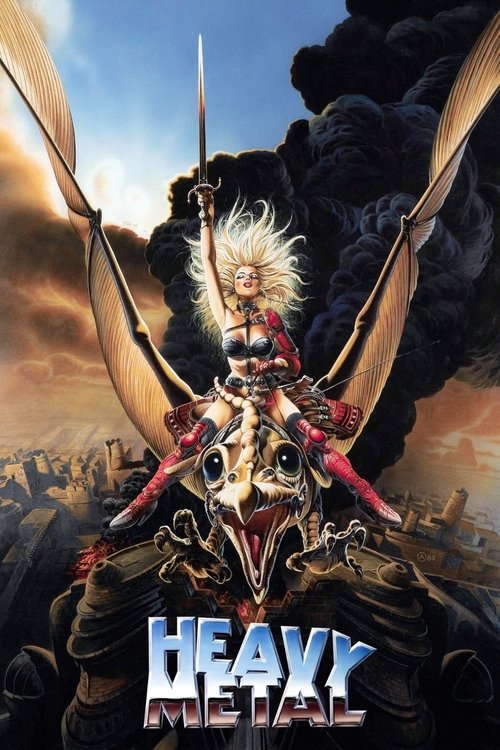
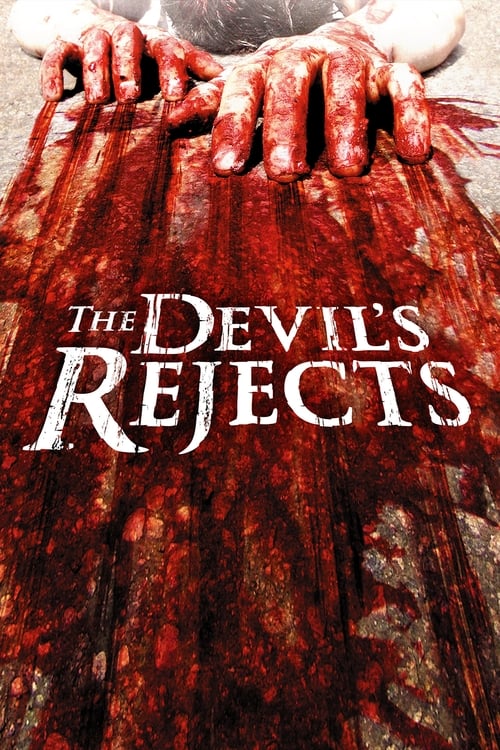
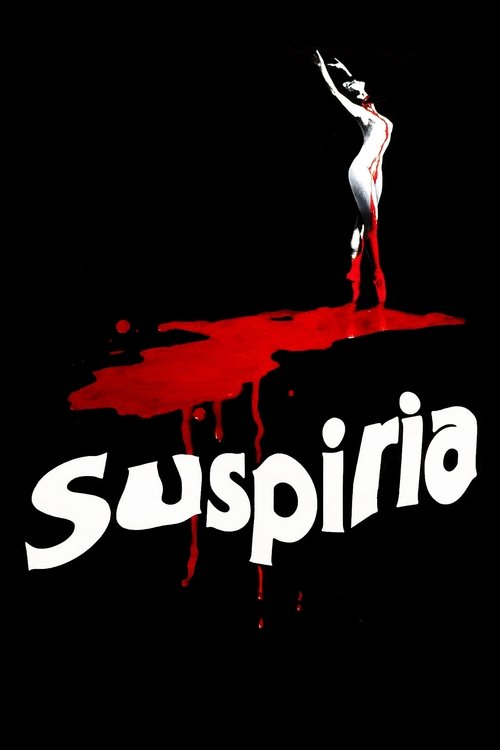
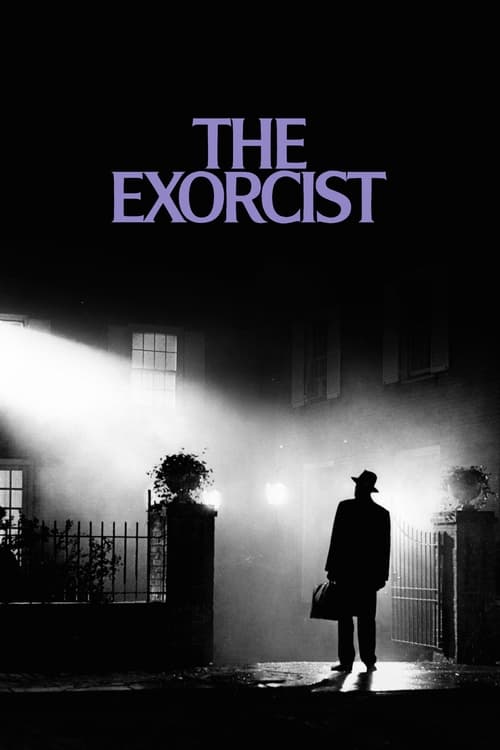
The Darkness on Screen
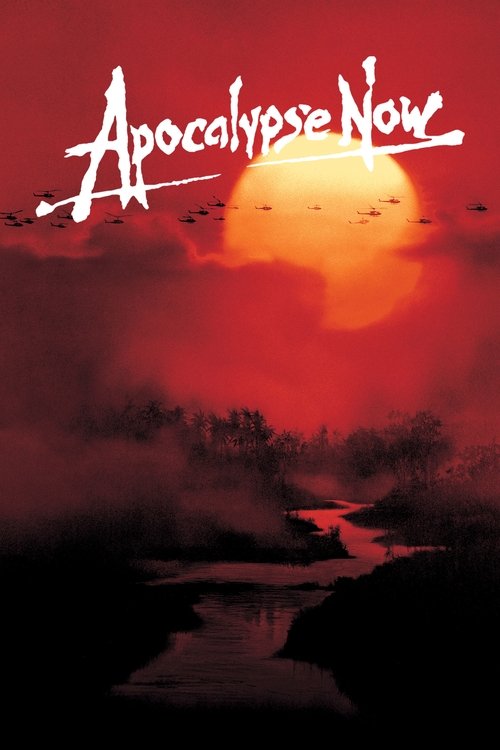
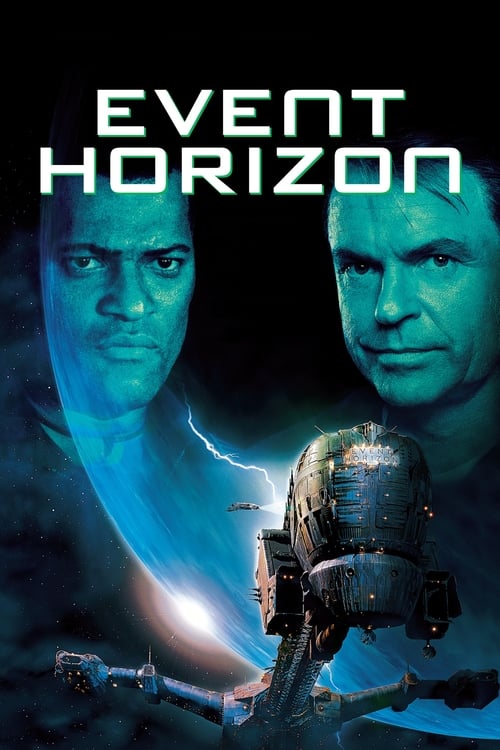
Films that share the Sabbath atmosphere: dread, occult weight, the sense that something ancient and cold is watching



Myth, Doom, and the Occult in Print
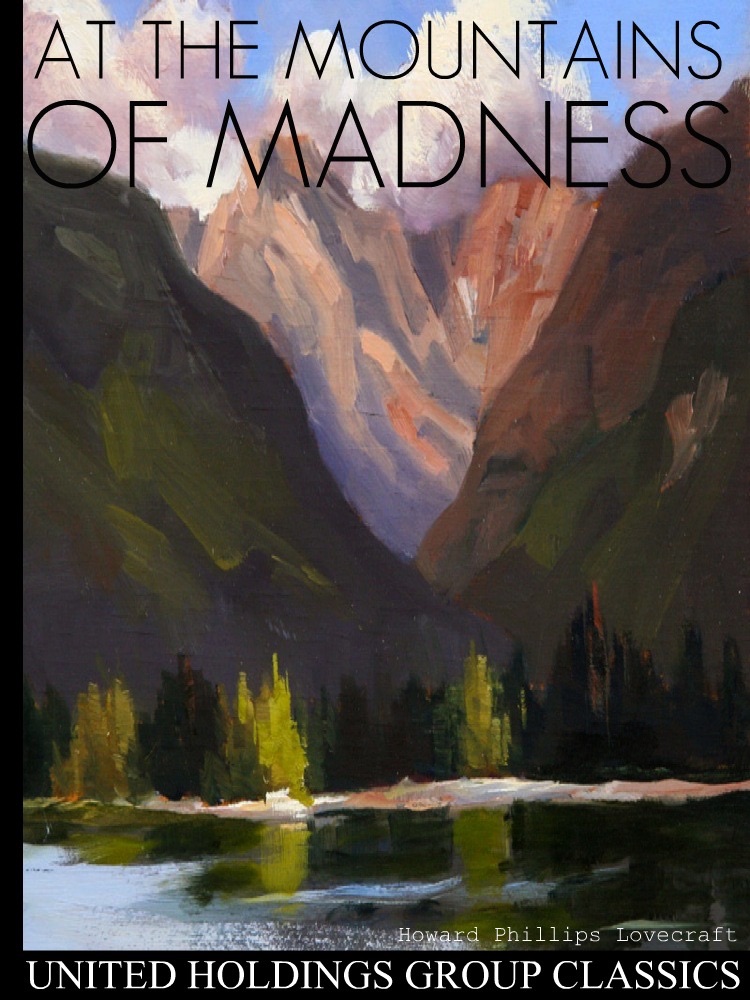
Books that live in the same imaginative space: working-class despair, mythology, cosmic horror, and the weight of fate




Cormac McCarthy writes in the same key as early Sabbath
The Road and No Country for Old Men share something specific with early Sabbath: the refusal of consolation, the insistence that violence and darkness are not decorative but structural. McCarthy writes prose that hits with the same deliberate, unhurried weight as a Sabbath riff. Neither he nor they offer easy exits from the dark rooms they build. That is not a flaw in either case. Both arrive at a strange kind of beauty through it.
Heavy in the Controller
Games built around metal, darkness, mythology, or the grinding weight of the world
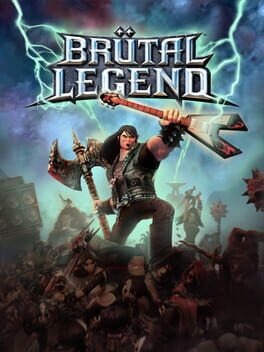
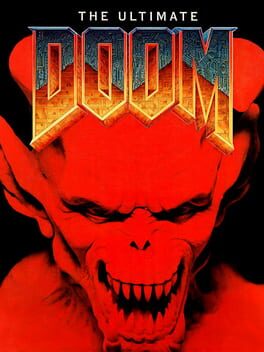
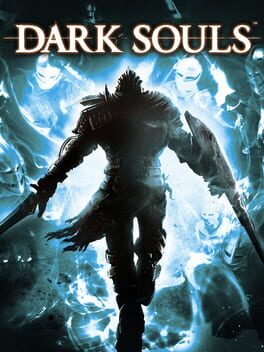

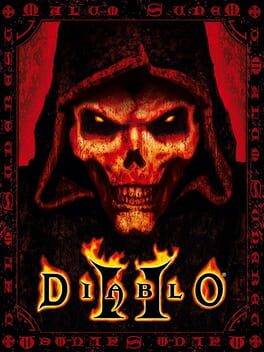
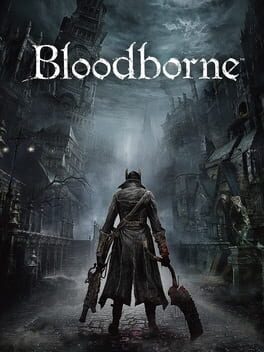

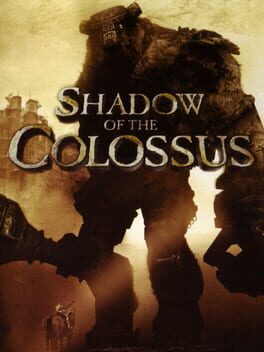
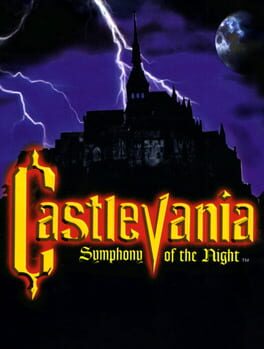
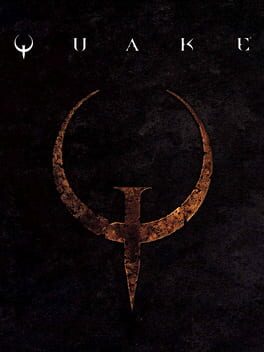
Brutal Legend is the only video game that truly understands what this music is about
Tim Schafer's Brutal Legend does not just use metal as an aesthetic coat of paint. It argues that the genre's mythology, its imagery of battle and fire and the underworld, is a genuine folk art form deserving the same earnest treatment as any other. The game is funny and affectionate but never condescending. For a Sabbath fan, the moment the first riff kicks in over an open landscape feels like recognition: someone built this space for you.
Black Sabbath: Key Moments
- 1970Self-titled debut released, inventing heavy metal in one album Black Sabbath
- 1970Paranoid follows months later, delivering the genre's first anthem Paranoid
- 1971Master of Reality pushes the tuning down and the tempo further Master of Reality
- 1975Sabotage marks the creative peak of the Ozzy years Sabotage
- 1980Dio joins; Heaven and Hell opens a second chapter Heaven and Hell
- 1992Dehumanizer reunites Dio for one of the heaviest late-period records Dehumanizer
- 1997Original lineup reunites at OzzFest, beginning the long reconciliation
- 201313, the original lineup's final studio album, debuts at number one 13
- 2017The End tour concludes in Birmingham; band officially disbands
More guides for the metal faithful
For Fans of Heavy Metal
Explore the For Fans of Heavy Metal guide →We were just four blokes who wanted to make music that sounded like how we felt living in that city. Nobody told us we were inventing anything.Geezer Butler