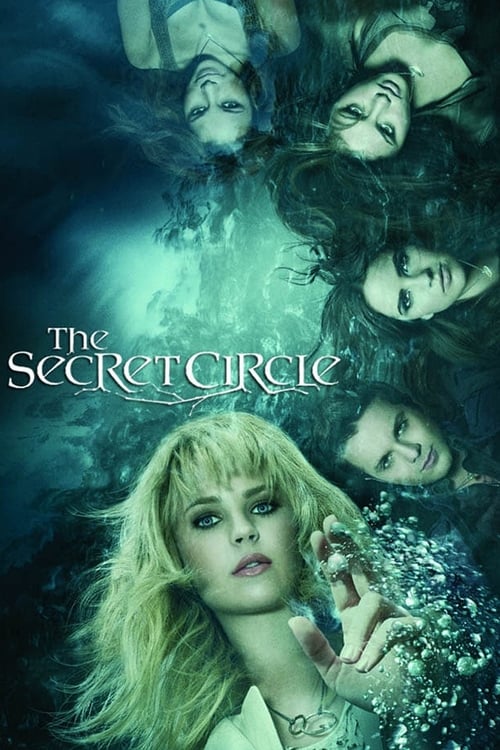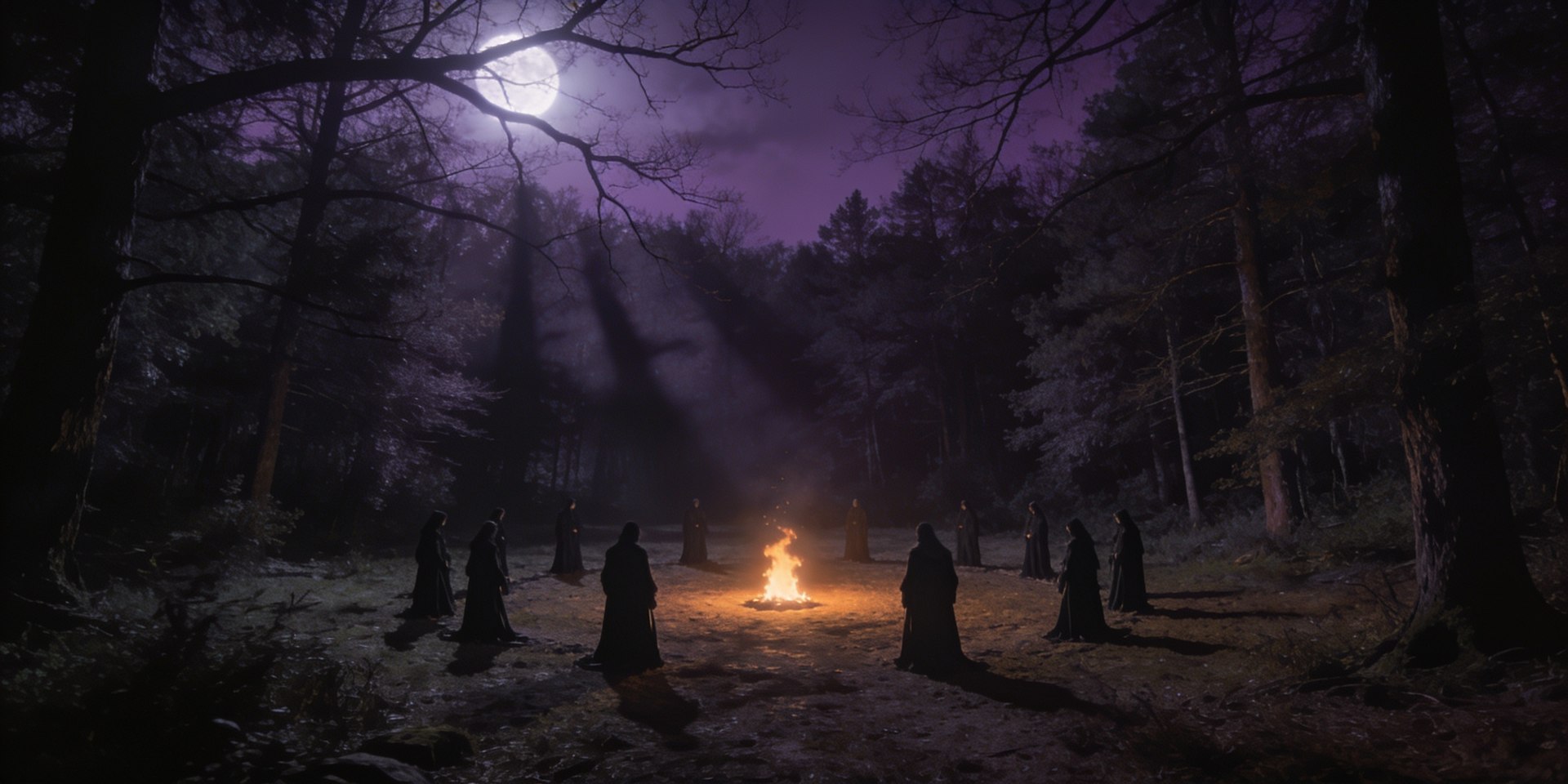

The occult is not the same thing as the supernatural at large. It is something more specific and more unsettling: the deliberate pursuit of hidden power through ritual, study, and sacrifice. Where the haunted house merely has a ghost, the occult thriller has a person who summoned one. That distinction changes everything. The terror here comes not from what might find you in the dark, but from what someone chose to invite in.
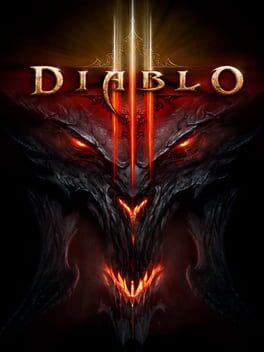
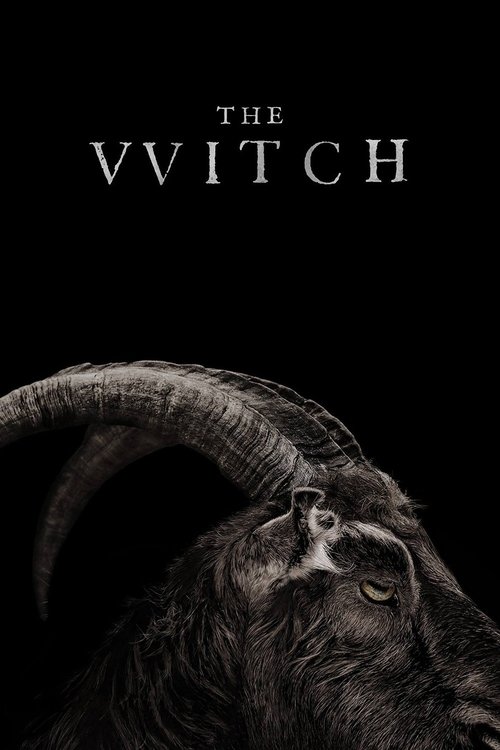
The tradition runs from Dennis Wheatley's pulp Satanism novels through the Hammer films they spawned, past Polanski's paranoid New York apartment blocks and Argento's corridors of witch-light, into the slower, more clinical dread of the modern wave: Ari Aster, Robert Eggers, Luca Guadagnino, Ben Wheatley. Games have built entire cosmologies out of it (Diablo's Sanctuary, Cultist Simulator's secret histories). The music that belongs to this world is rarely background; it is ceremony.
Essential occult cinema
The films that defined the genre, across six decades
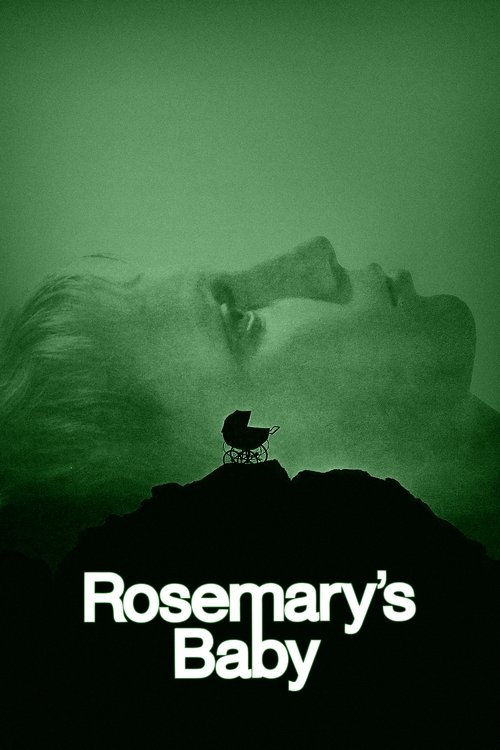
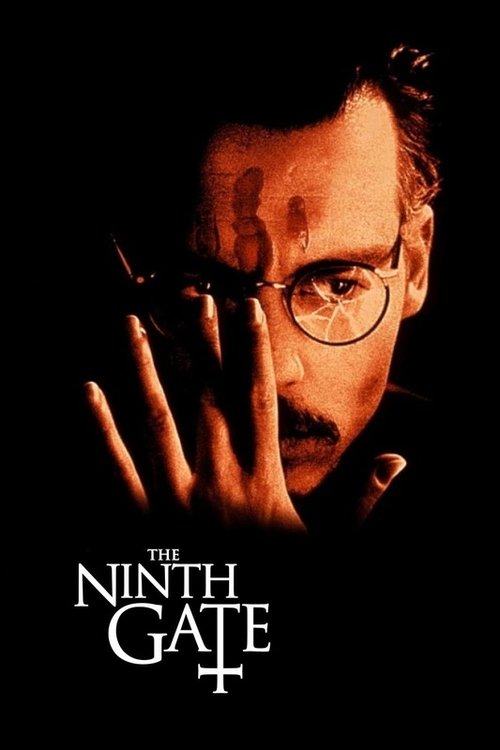
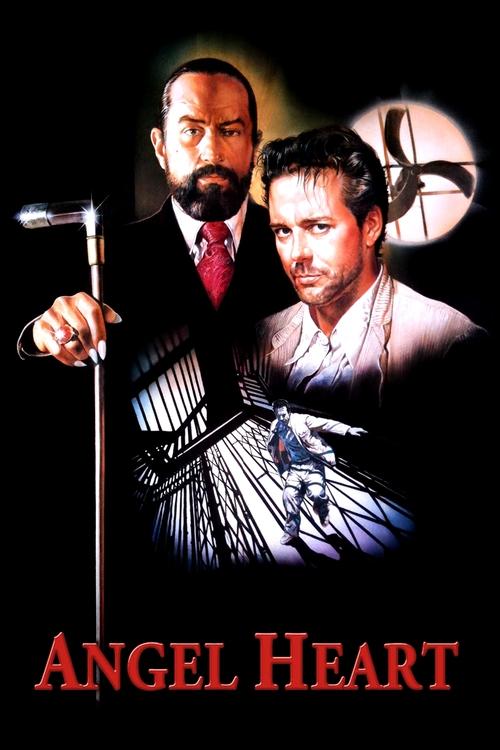
The film that set the template
Rosemary's Baby (1968) is the closest thing the occult thriller has to a founding text on film. Polanski took Ira Levin's novel and stripped out the grindhouse. What remained was a film about institutional betrayal, about a woman whose body becomes a site of other people's ambitions, dressed up in Satanism as a pretext for something far more corrosive: the realisation that nobody around you, not the helpful neighbours, not the smiling doctor, not even your husband, is actually on your side. The Devil barely appears. He does not need to.

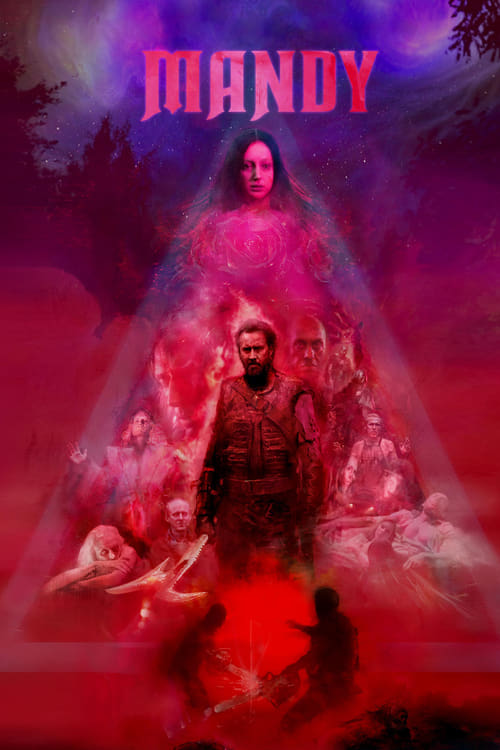
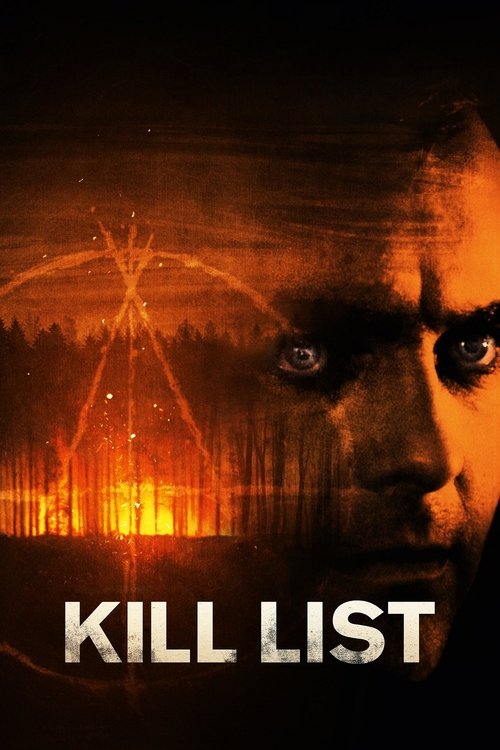
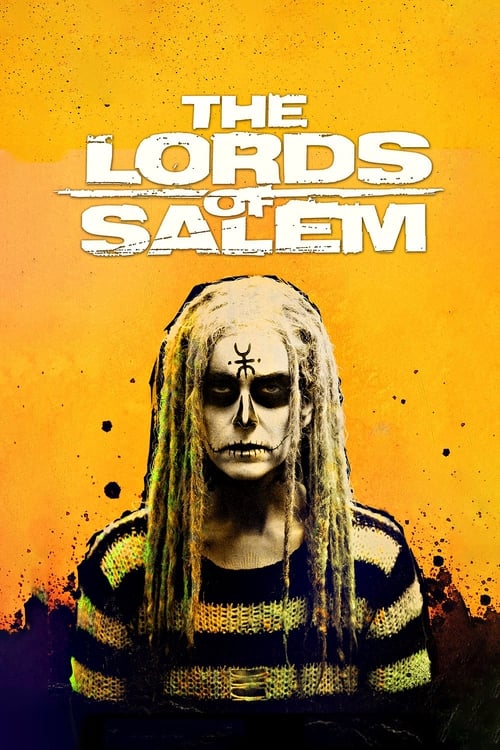
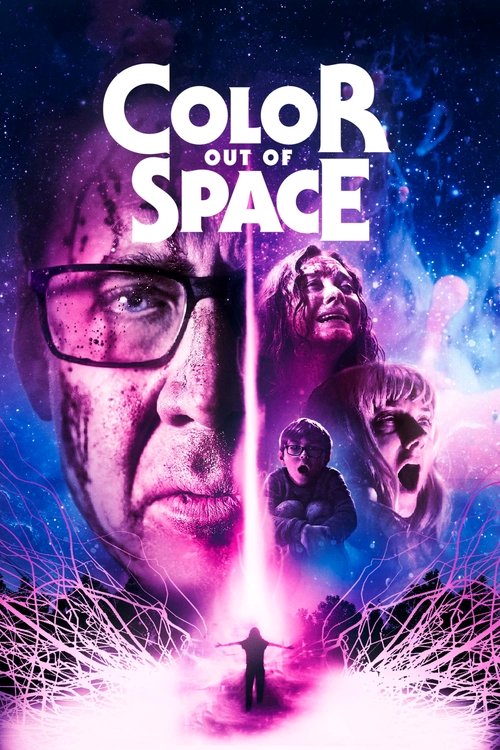
The new wave: ritual horror since 2010
Folk rites, dark ceremonies, and the slow accumulation of dread

The argument about what Satanism is for
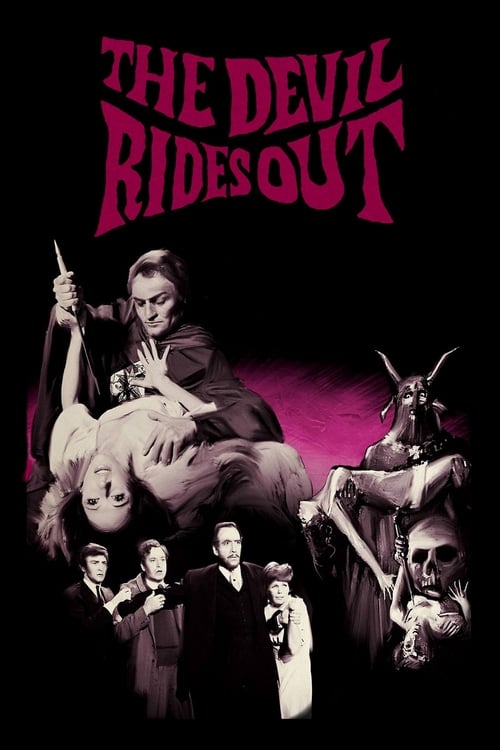
The genre has always split on this question. For Wheatley and the Hammer films that followed him, Satanism is a philosophy of power: its adherents are aristocrats, intellectuals, people who have decided that conventional morality is for the weak and that the old rites offer a shortcut to dominance. The Duke de Richleau in The Devil Rides Out is essentially fighting a class war in evening dress. For the American tradition that Polanski launched, the occult is more suburban and more paranoid: the coven is not a secret society of the elite but your actual neighbours, the people who brought you a casserole, the couple you thought were just a bit too friendly.
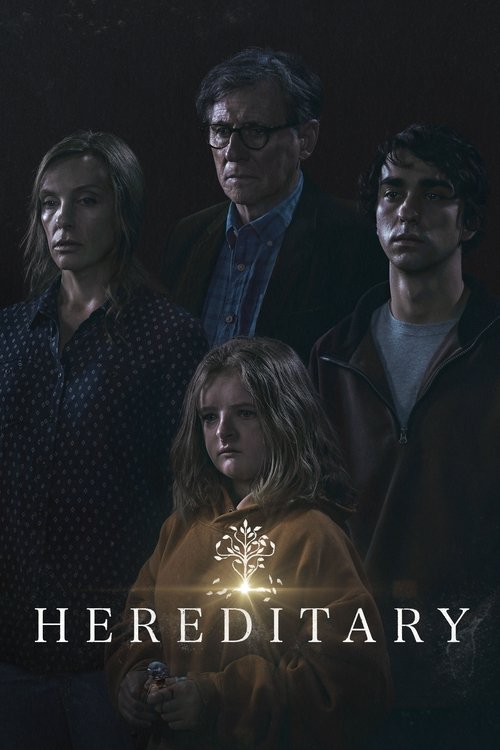
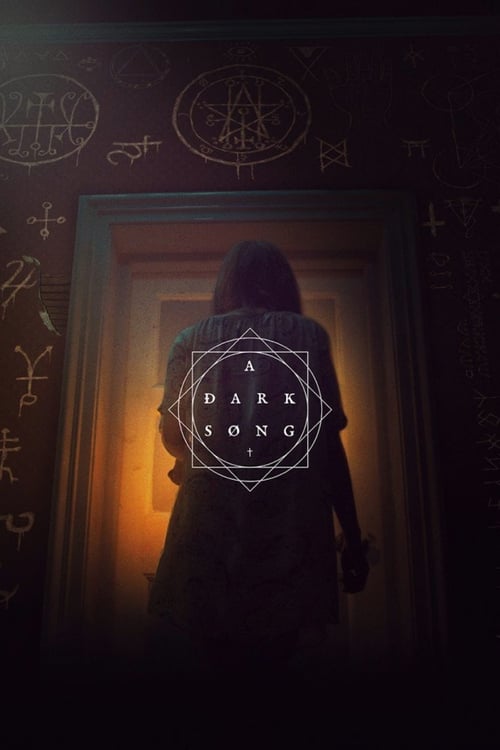
The contemporary wave has mostly abandoned both framings. Hereditary treats its occult apparatus as a genetic trap, something passed through bloodlines before anyone consents to it. A Dark Song makes the ritual itself the point: two people, a grieving woman and a difficult occultist, locked in a house performing the Abramelin operation, which takes the best part of a year. No jump scares. Just the slow, exhausting weight of ceremony.
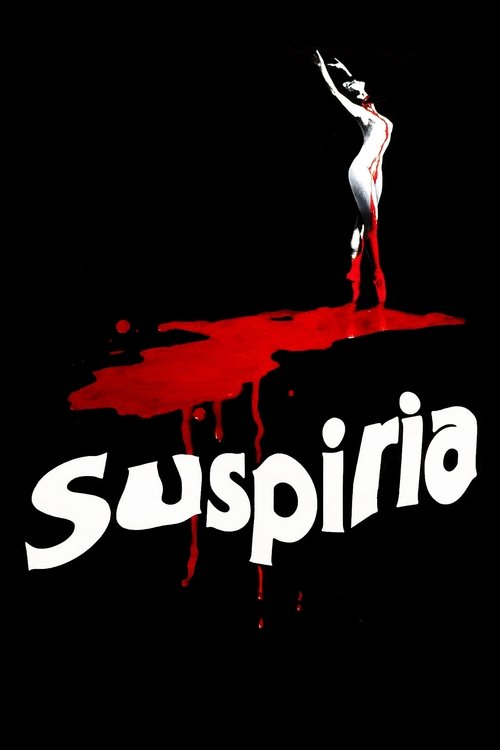
Argento's Suspiria is about colour, not plot
The 1977 Suspiria does not really have a plot. It has a palette, a Goblin score, and a series of murders in spaces lit like fever dreams. Argento was not interested in explaining the witch academy at the centre of the film; he was interested in what it felt like to be inside one, where the corridors are red and the architecture is wrong and the music will not let you relax. That is why the 2018 Guadagnino remake, which is considerably more interested in history and politics and guilt, feels like a companion piece rather than a replacement: it is the explanation for something that never asked to be explained.

Occult television
The small screen's darker ceremonies
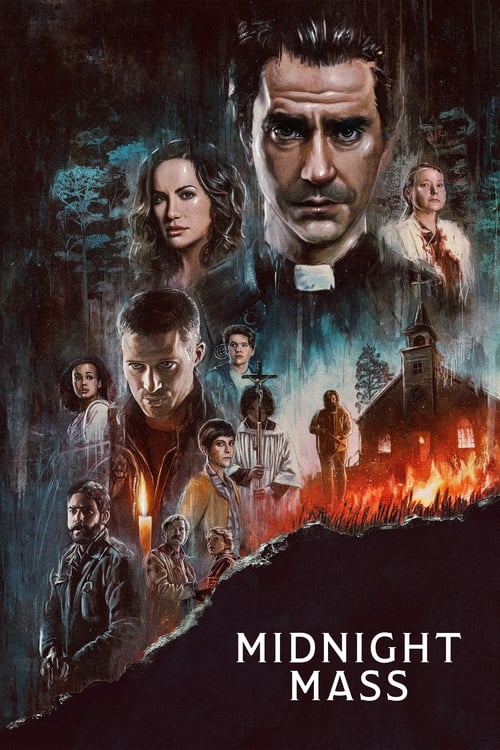
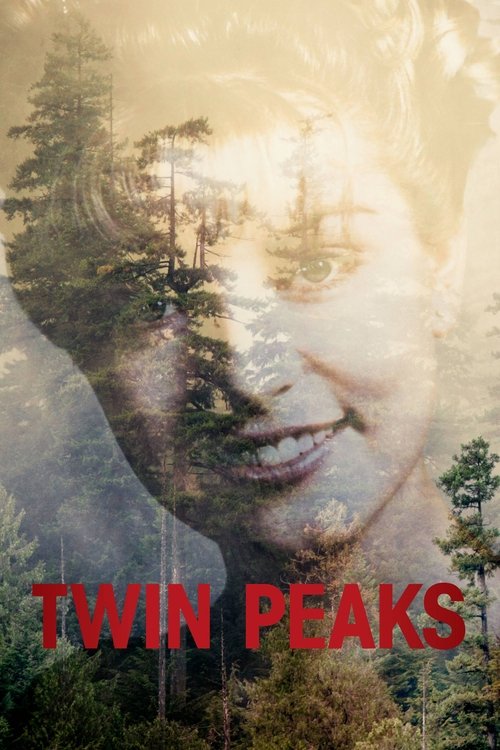
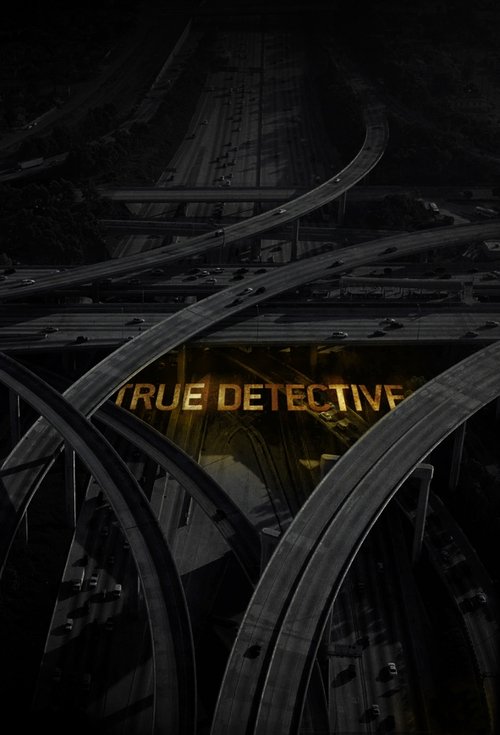
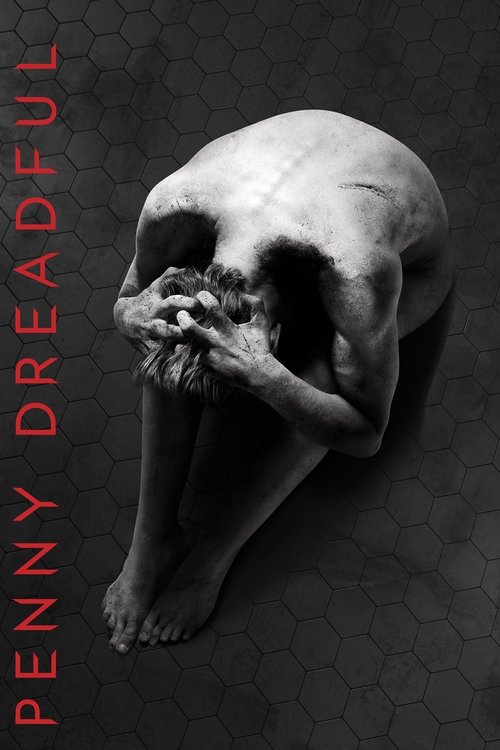
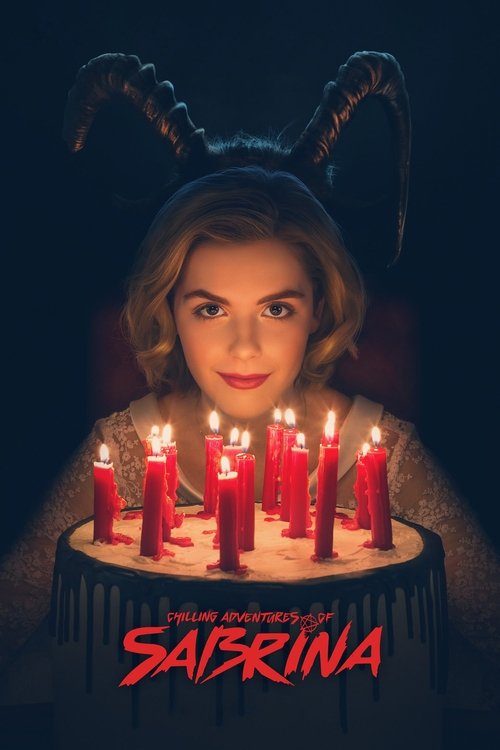
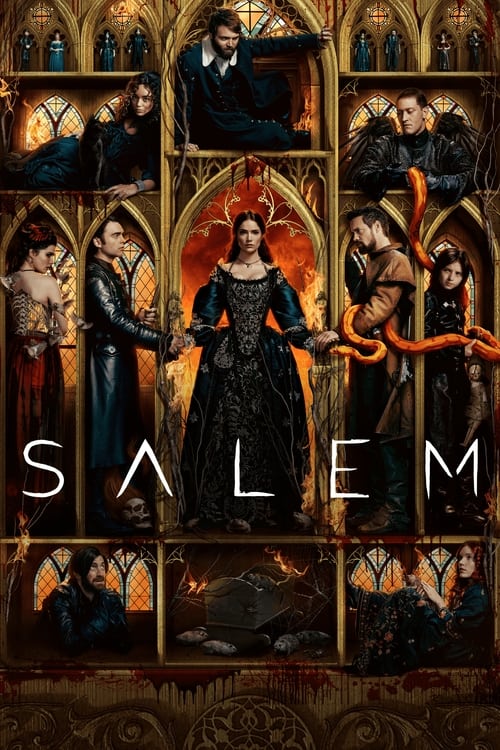
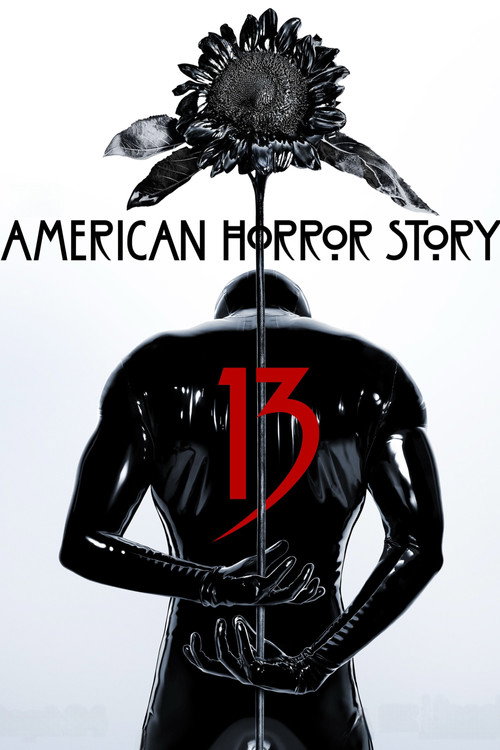
Twin Peaks opened the door; True Detective walked through it
Lynch never committed to naming his mythology. The Black Lodge, Judy, the Red Room: you feel their weight without being given a theology. That deliberate incompleteness is part of what made Twin Peaks so influential, and part of why the first season of True Detective landed so hard. Pizzolatto gave the Louisiana swamp a coherent occult framework, the Yellow King, Carcosa, the spiral antler shrines, and then let Rust Cohle voice the philosophical dread underneath it. Together, these two series established that American television could sustain occult atmosphere over multiple episodes without losing its nerve and explaining everything away.
Dark arts in games
From Sanctuary to the simulator, the occult made playable
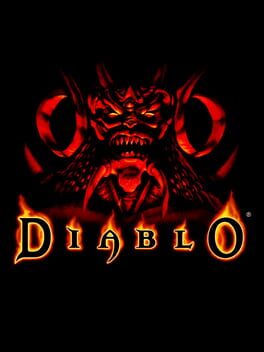
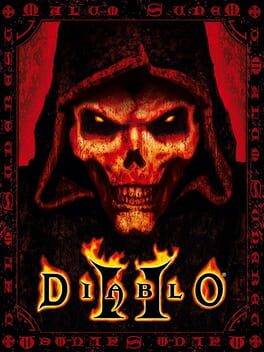
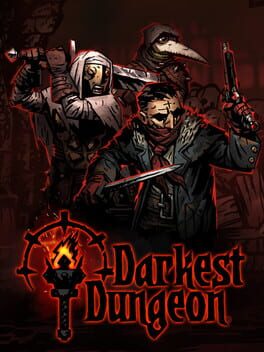
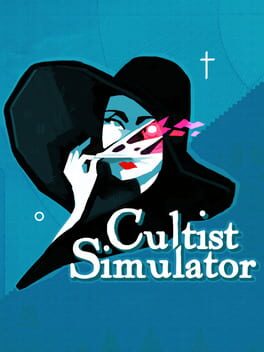
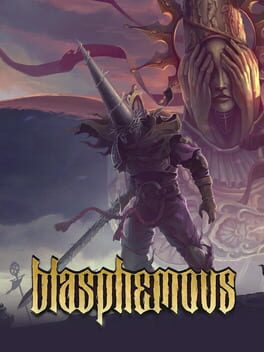
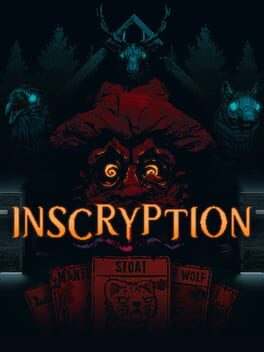
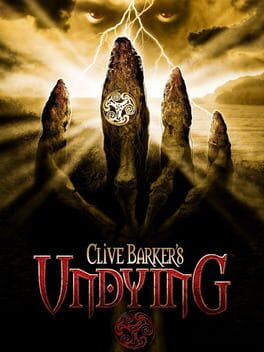
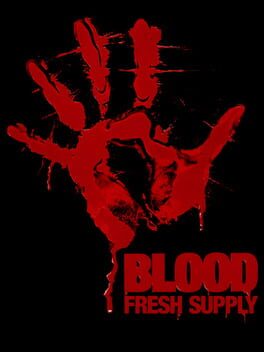
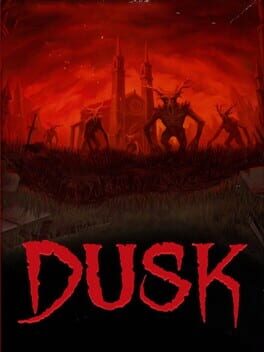
Diablo invented the occult ARPG, but Cultist Simulator understood the obsession
Blizzard's Diablo (1996) built its entire world from occult aesthetics, the Horadrim, the Prime Evils, the corrupted archbishop, and it worked because the lore felt old in the way only medieval Christian demonology can feel old. The sequels built on that foundation, adding more baroque theology with each instalment. But Cultist Simulator (2018) did something those games never quite managed: it made the occult feel genuinely secret. You play someone who finds a book that should not exist, and from there the game becomes about the compulsive logic of initiatory mystery, the way the Work expands to fill every hour you give it, the way you stop sleeping, the way the Dread is also, somehow, ecstatic.
Occult fiction
The novels and graphic works behind the genre


The occult thriller's great insight is that the most frightening thing is not a demon, but the person who spent years learning how to call one.On the difference between haunting and invocation
The music of ritual
Albums that belong to this world
How the music fits
Black Sabbath's Paranoid (1970) named the genre before the genre existed. Tony Iommi's tritone riff, the interval medieval theorists called diabolus in musica, was not a studied occult reference; it was just the sound that emerged when a man with factory-injured fingers slacked his strings and played slower. But it sounded like something being summoned, and that is why it has never left.
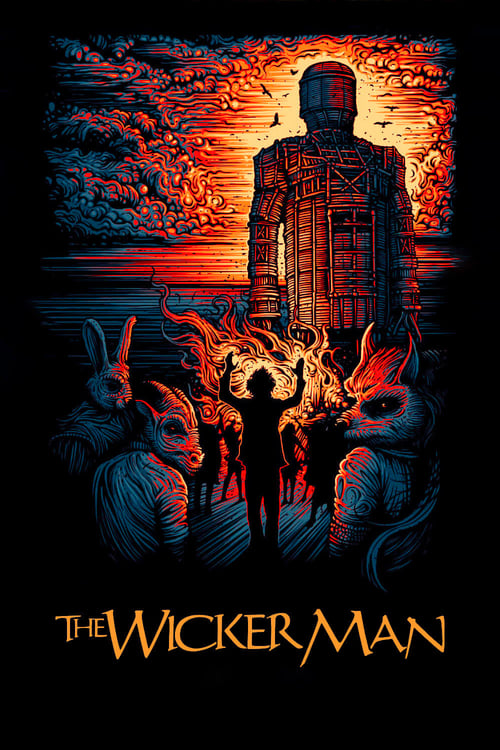
The tradition it spawned runs in two directions. Slayer's Reign in Blood (1986) and Mercyful Fate's Don't Break the Oath (1984) took the mythology literally, dressing their records in explicit Satanic imagery. Comus's First Utterance (1971) came from a stranger place: British folk music with a violence underneath it, acoustic guitars and flutes playing something that feels like it comes from the same pagan tradition as The Wicker Man. The Goblin soundtrack to Suspiria belongs to all of them at once: prog rock that sounds like ceremony.
The broader occult canon
Deep cuts and companion pieces across the tradition