
The Man Who Made Pratfalls Feel Like Poetry
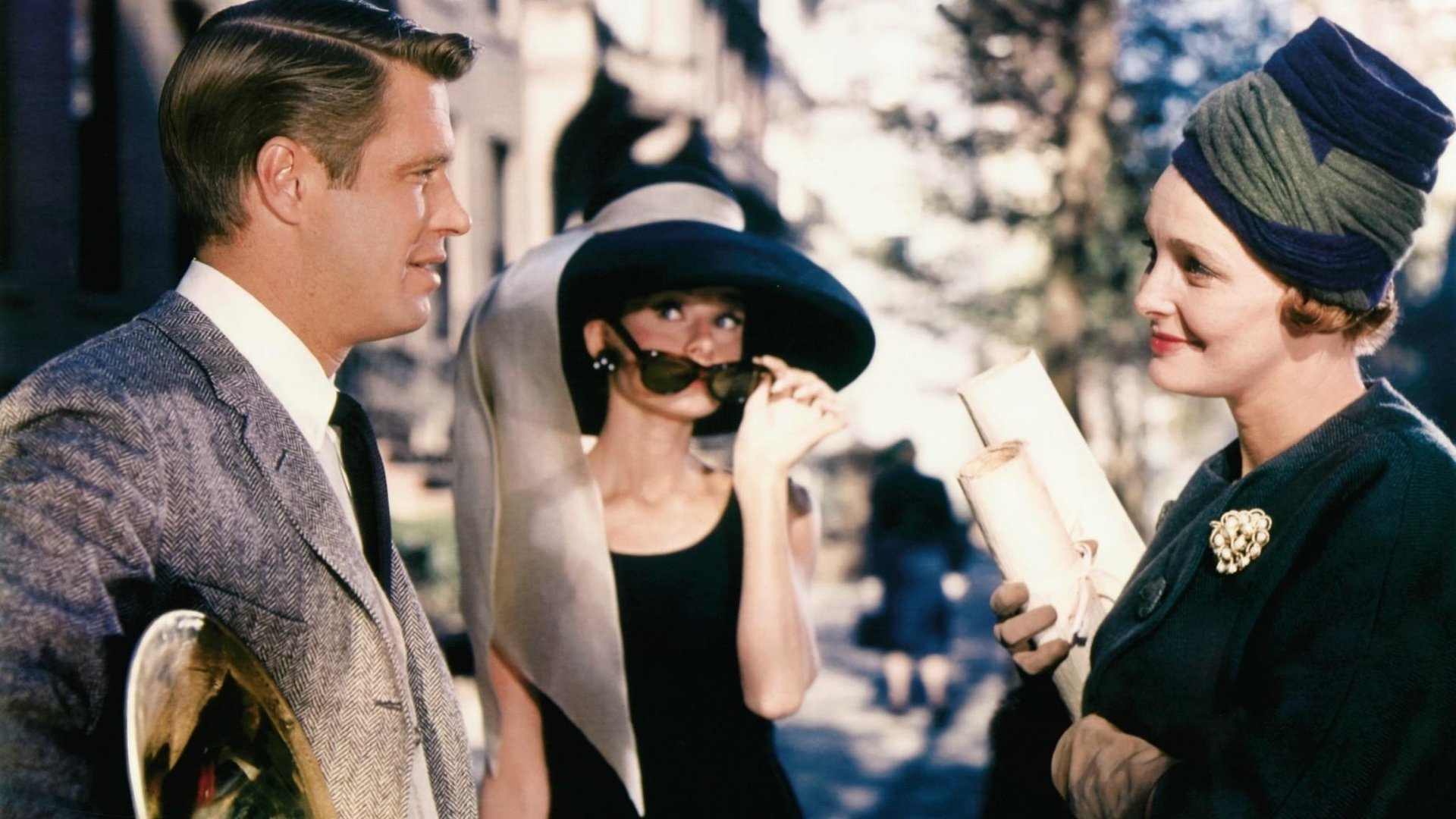
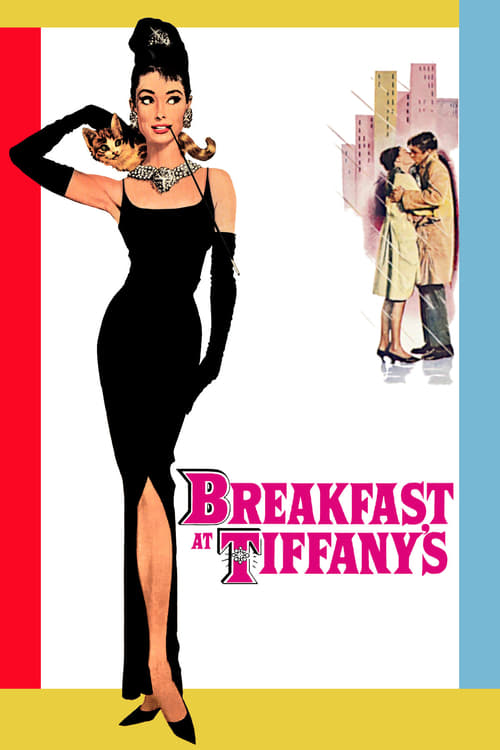
Blake Edwards built a career on a contradiction: the funniest scenes in his films are also the saddest. Inspector Clouseau stumbles through a suite and destroys it in a perfect chain of cause and effect, and you laugh until your ribs hurt, but there is something underneath it, a man completely blind to how the world actually works, trying so hard and failing so completely. That tension between dignity and disaster is the Edwards signature. He came up writing and directing television (his crime series Peter Gunn gave Henry Mancini his breakout platform), then crossed into features with Breakfast at Tiffany's, a film that should not work, a romantic comedy built around a woman who is fundamentally unable to let anyone in. It does work, completely.
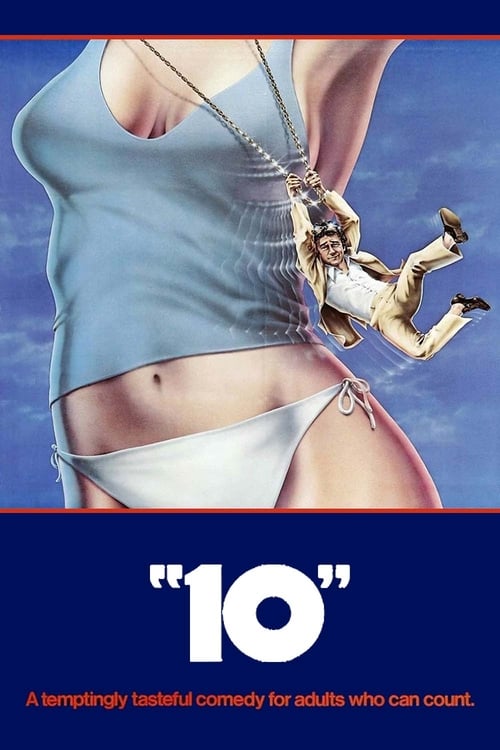
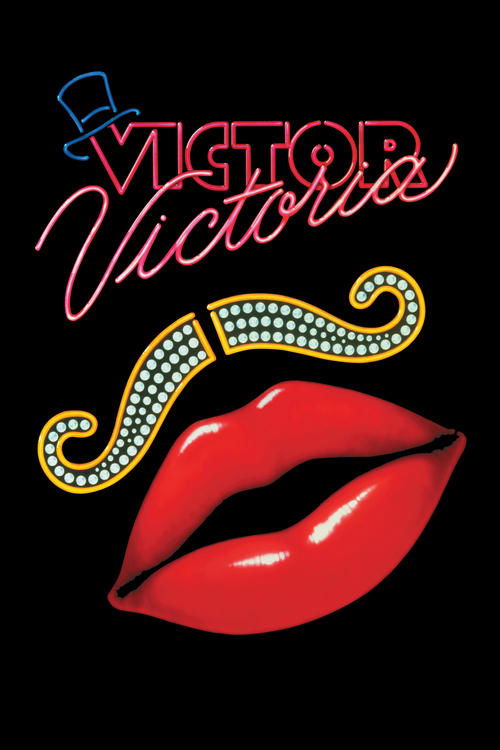
The later career deepens and darkens. Days of Wine and Roses is as honest a portrait of addiction as Hollywood produced in its era. 10 is a mid-life-crisis comedy that keeps undercutting its own horniness with real melancholy. Victor/Victoria is a screwball farce about performance and identity that plays, from a distance, as something more serious than it pretended to be. Edwards was always doing two things at once: landing the joke and asking why the joke had to be made in the first place.
Essential Blake Edwards
Start here. Eight films that define what he was after.


The perfect entry point is not the one you think
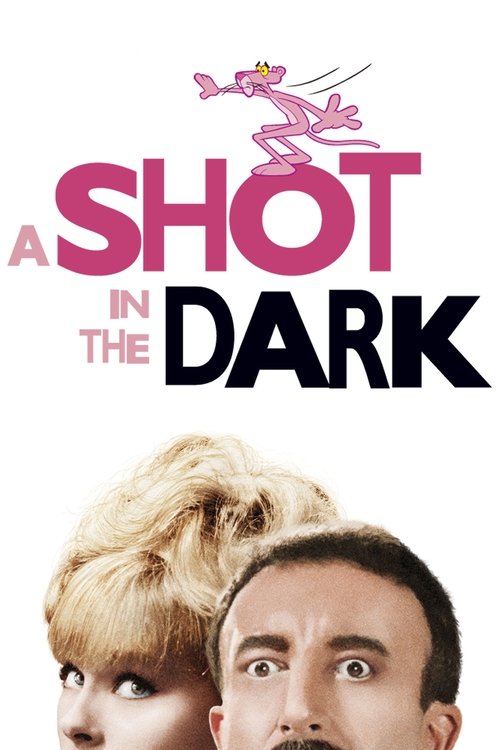
Everyone starts with the Clouseau films, which is correct, but the better introduction is A Shot in the Dark (1964), the second in the series. It is tighter, stranger, and funnier than the original, and it establishes the full template: Clouseau as a man whose absolute confidence in his own abilities is the engine of all catastrophe around him. Once you have seen it, you understand everything else Edwards was doing.
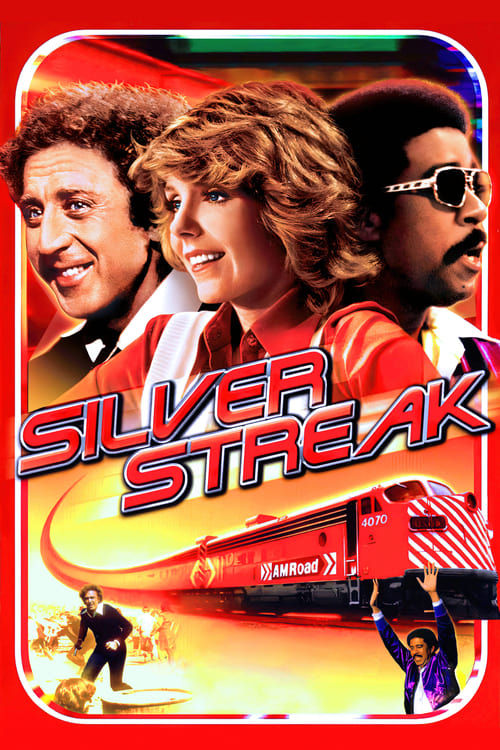
Other Directors Who Work the Same Seam
Physical comedy as moral philosophy, slapstick with genuine stakes.
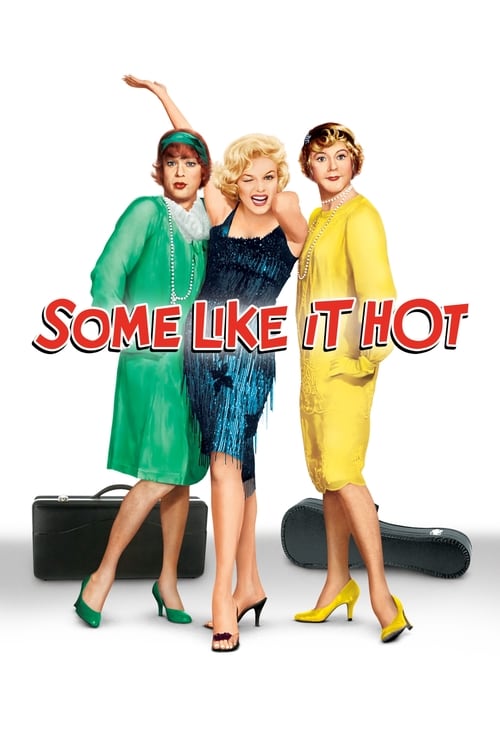
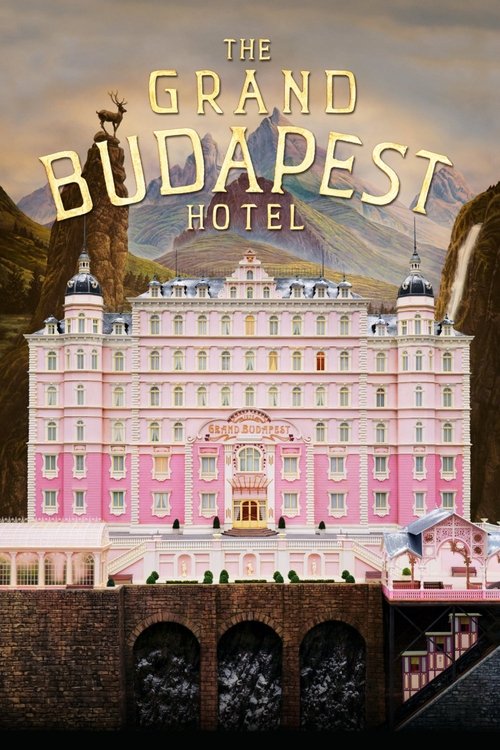
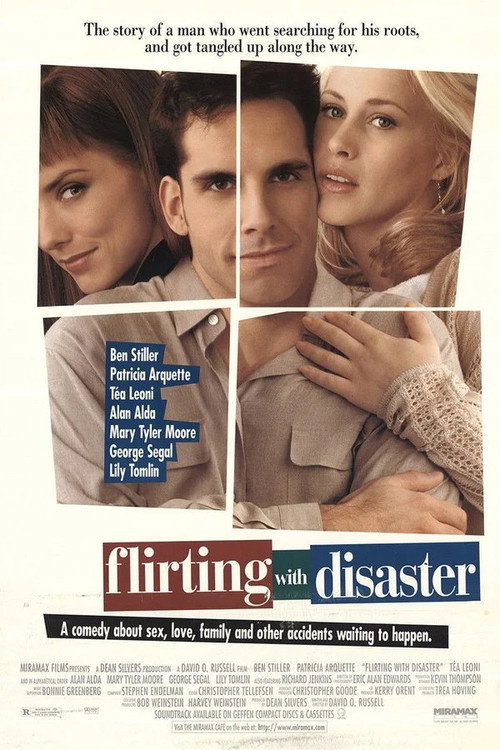
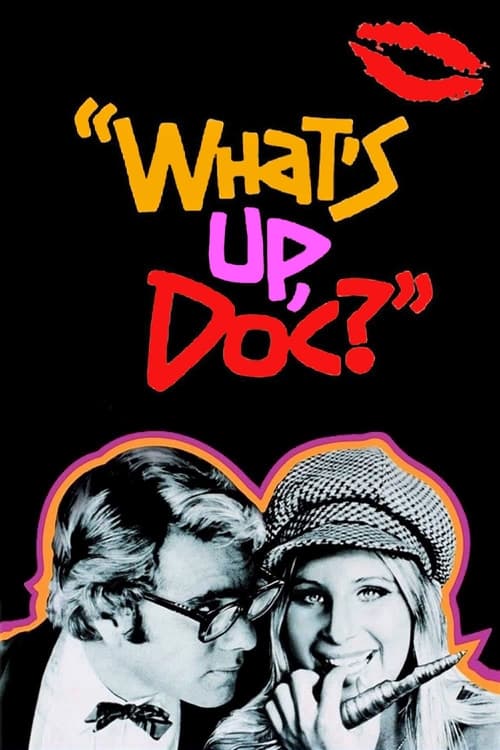
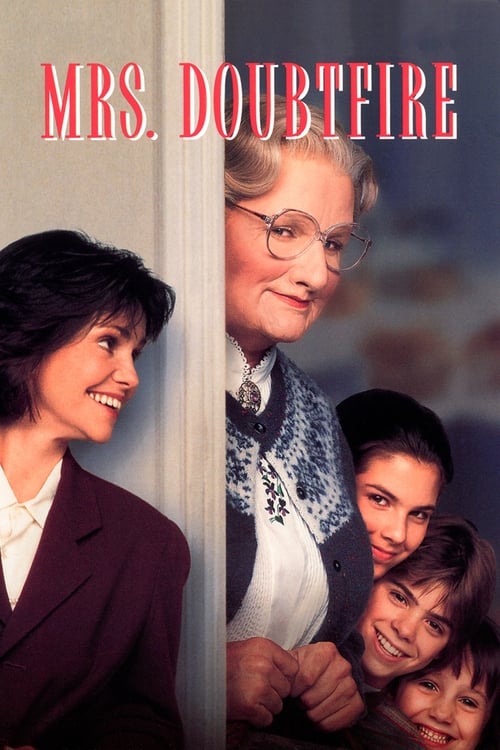
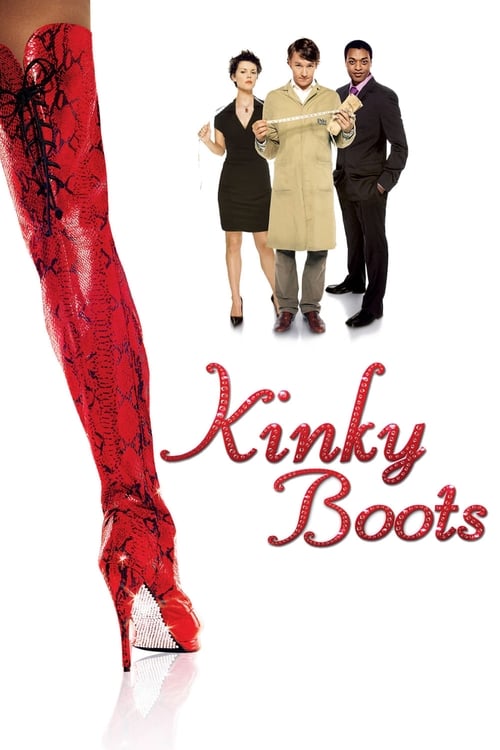
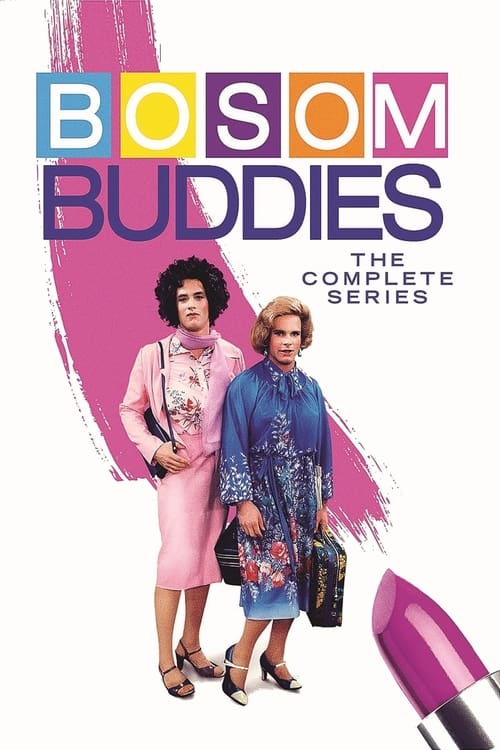
Identity, Performance, and the Comedy of Disguise
Films, TV, and books that share Edwards' fascination with who we pretend to be.
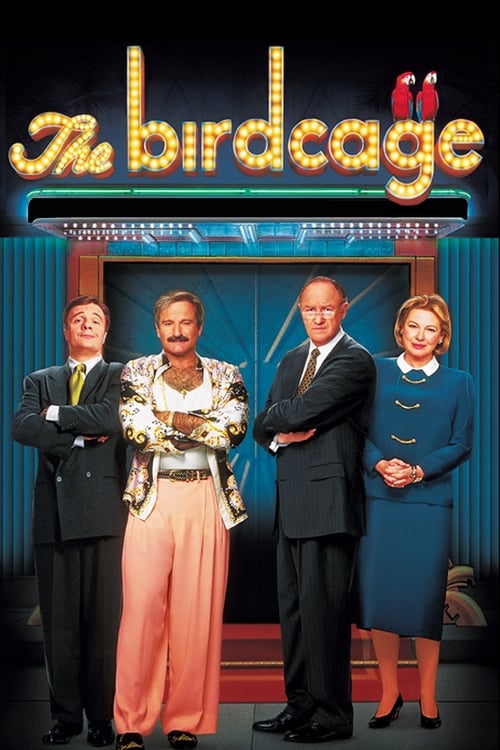
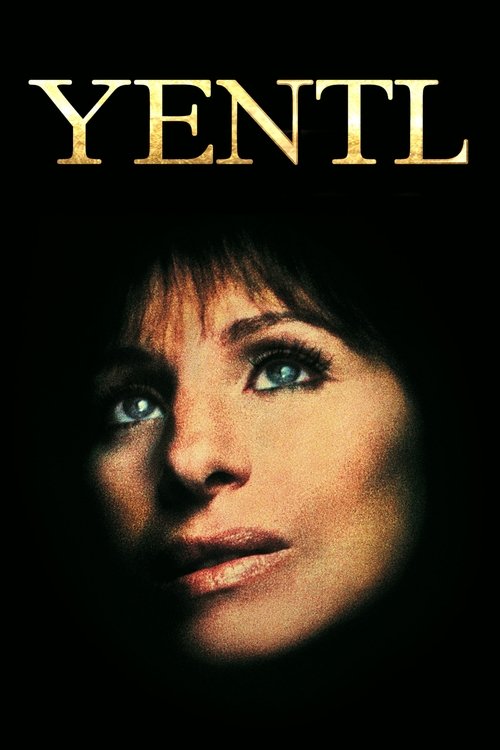
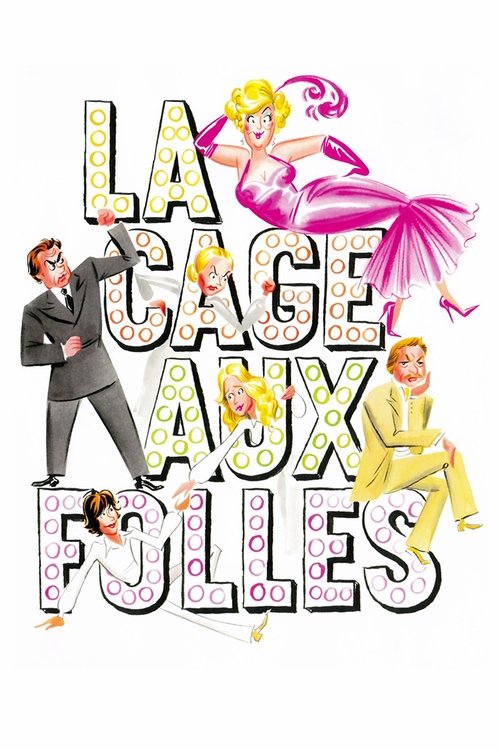


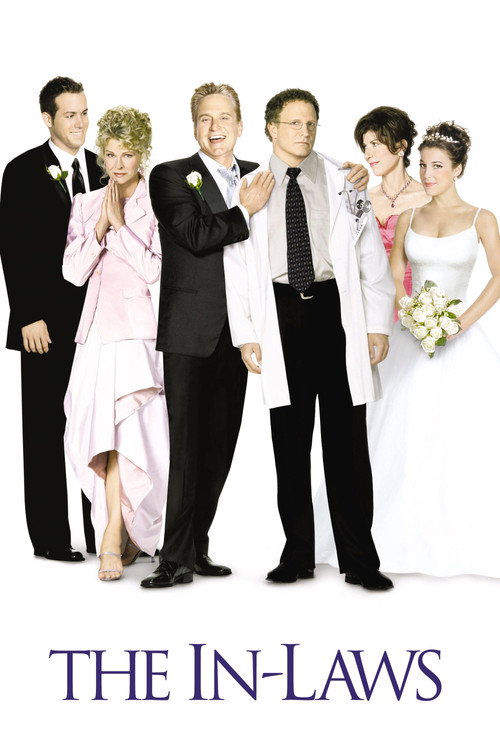
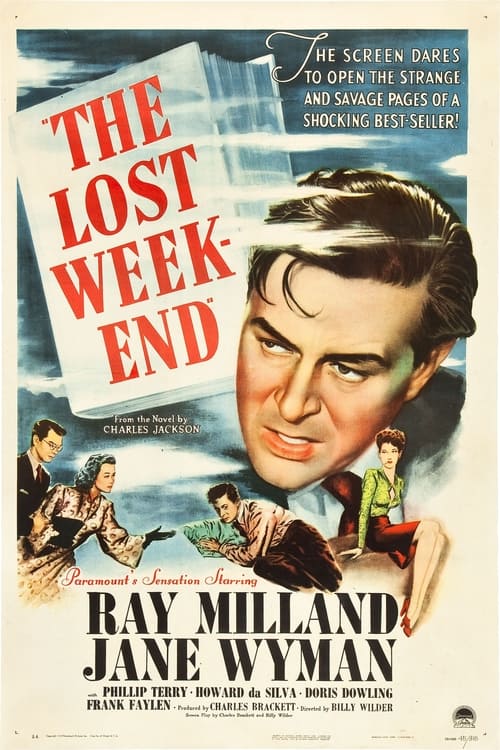
Addiction, Loneliness, and the Serious Underside
Edwards was not only a comedian. These go to the same dark place his best dramas visited.



Victor/Victoria is the one that aged best
Victor/Victoria (1982) gets treated as a crowd-pleaser, a Broadway-ready romp, and it is that. But sit with it now and the premise, a woman performing as a man performing as a woman in 1930s Paris, is doing something that most mainstream films have still not caught up to. Edwards plays it for laughs and gets them, but he never condescends to the characters' confusion, and the film's emotional center, Robert Preston's Toddy, is one of the kindest portrayals of a gay man in studio-era Hollywood.
Blake Edwards, Decade by Decade
- 1959Creates Peter Gunn for NBC, establishing his TV voice and his partnership with Mancini Peter Gunn
- 1961Breakfast at Tiffany's turns a thin novella into an enduring romantic mythology Breakfast at Tiffany's
- 1962Days of Wine and Roses: the dramatic turn no one saw coming Days of Wine and Roses
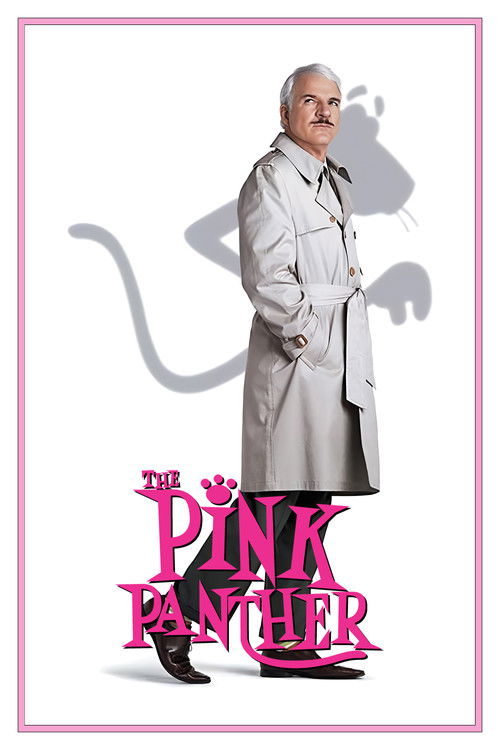
- 1963The Pink Panther launches the Clouseau franchise The Pink Panther
- 1968The Party, a near-silent anarchic set-piece built around Peter Sellers The Party
- 197910 arrives as a meditation on desire and middle age that caught the cultural moment 10
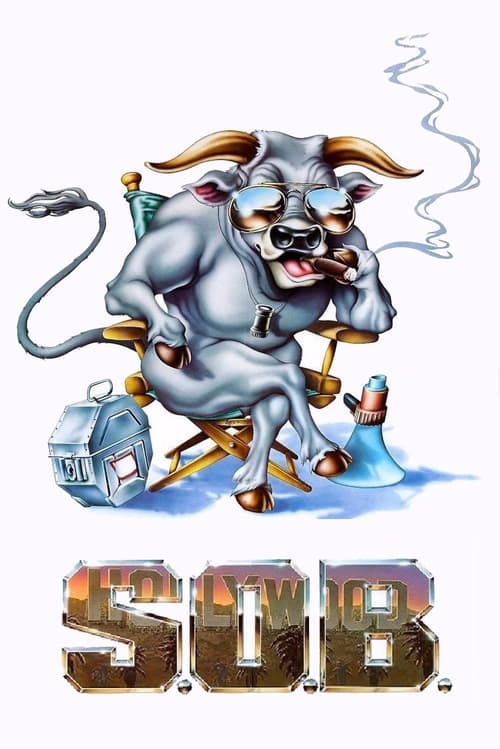
- 1981S.O.B.: a savage satire of Hollywood that burned almost every bridge he had S.O.B.
- 1982Victor/Victoria, the peak of his late career, co-written for Julie Andrews Victor/Victoria
Comedy is not about making people laugh. It is about making them feel something they did not expect to feel.Blake Edwards
The Party is the underrated masterpiece
Everyone knows the Clouseau films. Almost nobody talks about The Party (1968), in which Edwards gave Peter Sellers an empty house and a wealthy party and let the destruction accumulate over ninety minutes with the patience of a Swiss watchmaker. It is the purest expression of his method: a single premise, escalating consequences, and at the center a guileless man who keeps trying to do the right thing and keeps making everything catastrophically worse. The film has almost no plot. It does not need one.