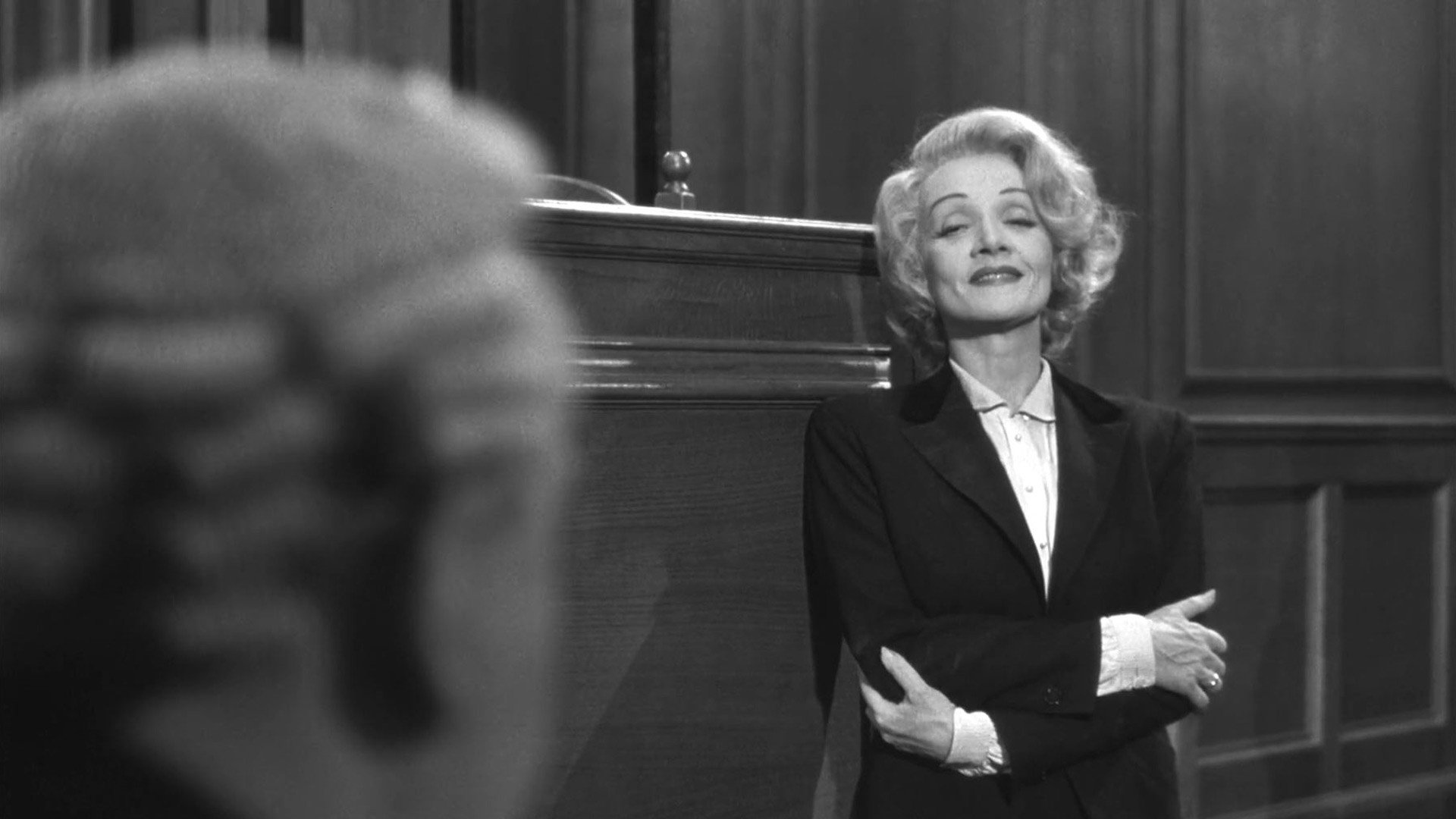

The Man Who Knew How Rotten People Could Be, and Loved Them Anyway
Billy Wilder arrived in Hollywood as a refugee from Nazi-occupied Vienna, carrying a European's unsentimental eye and a screenwriter's ear for the exact word that stings. He became the defining voice of Hollywood's darkest golden era: the director who proved you could make audiences laugh at a corpse floating in a swimming pool, weep for a hack screenwriter who sold her soul, and root for a sad little accountant who lent out his apartment key as currency in a corporate food chain.
The thing Wilder understood better than almost anyone was that corruption is mundane. His villains are not exotic monsters. They are insurance salesmen, studio bosses, newspaper editors, advertising men, businesspeople who have simply made one small moral compromise after another until the compromises became the whole personality. And his heroes are the people in the same system who cannot quite bring themselves to go all the way.
The texture of a Wilder film: a script so tight it feels engineered, dialogue that sounds offhand but lands like a slap, a fundamental tenderness for losers and dreamers that never tips into sentimentality, and a moral architecture that rewards attention. If you love Wilder, you love the feeling of watching something that is both funnier and sadder than it first appeared.
Essential Billy Wilder
The films themselves, in rough order of entry
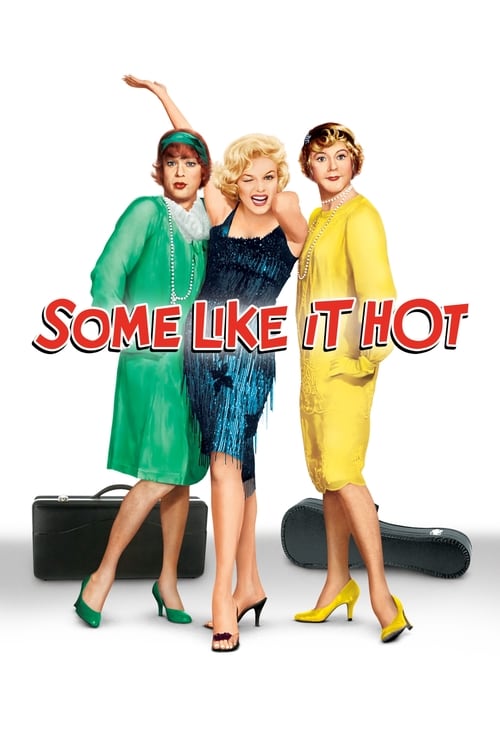
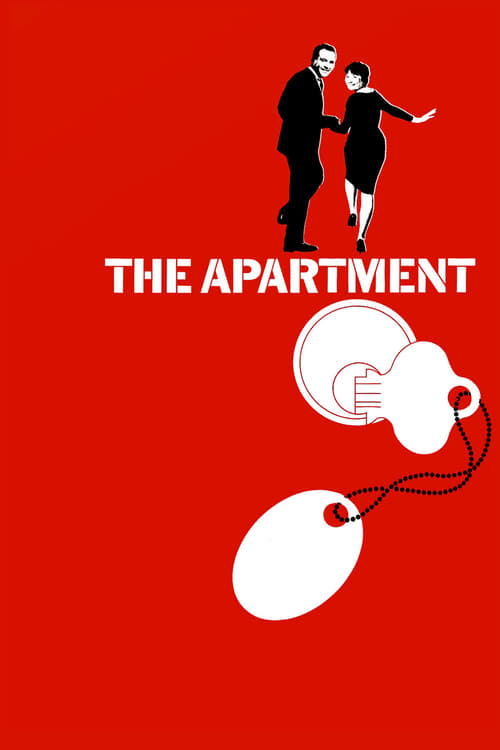
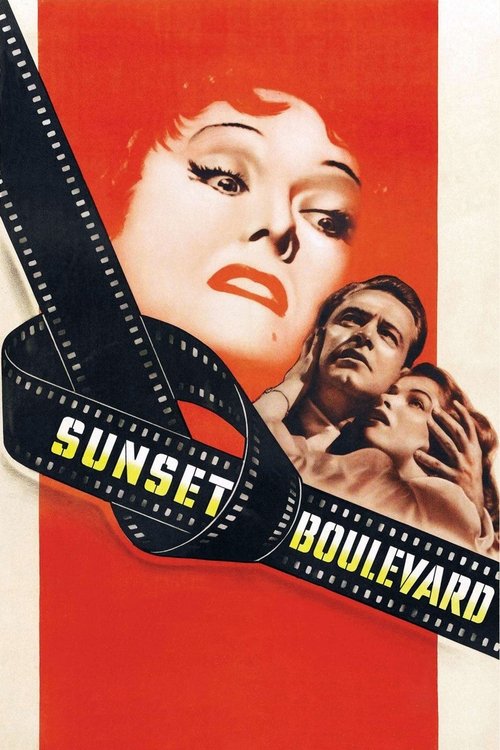
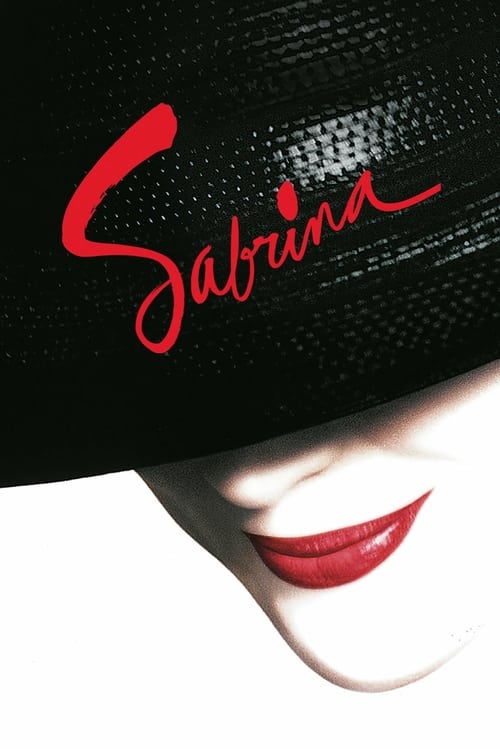
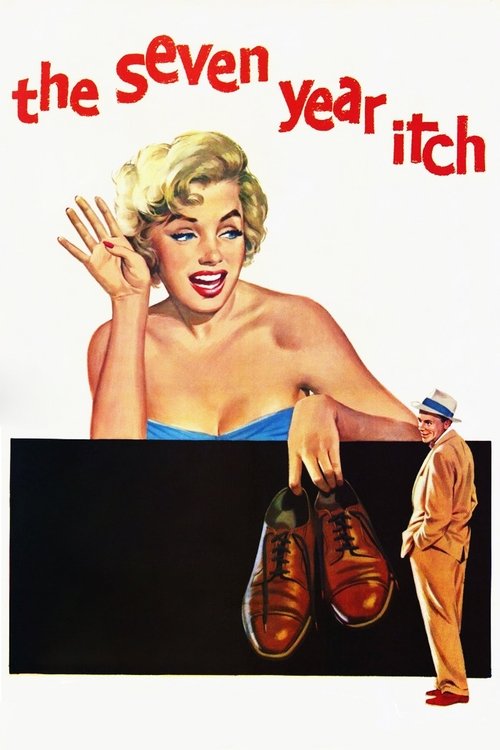
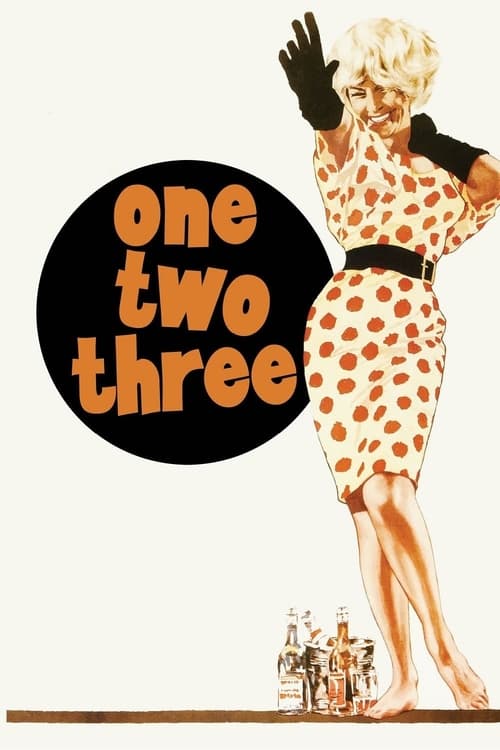

Start with The Apartment, not Sunset Boulevard
Sunset Boulevard is a masterpiece, but it announces its greatness from the first frame. The Apartment sneaks up on you. It looks like a light romantic comedy and ends up being one of the most melancholy films Hollywood ever made about loneliness and institutional cruelty. Jack Lemmon's C.C. Baxter is the perfect Wilder hero: decent, compromised, finally forced to choose. Once you understand what The Apartment is doing, Sunset Boulevard hits twice as hard.
The Morally Compromised Professional
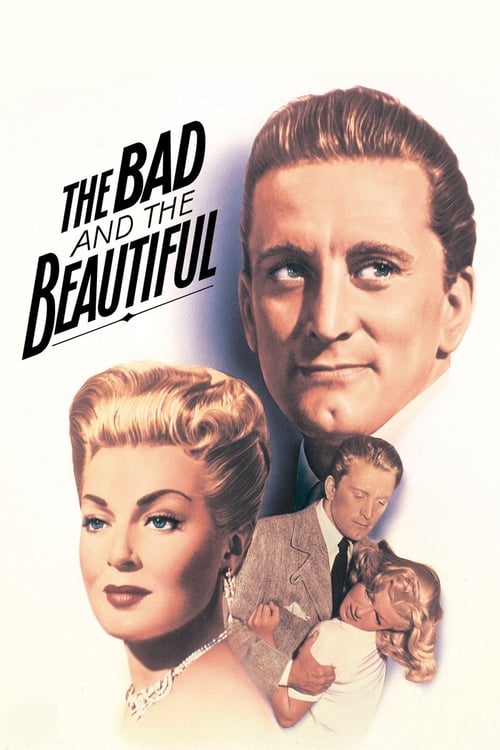
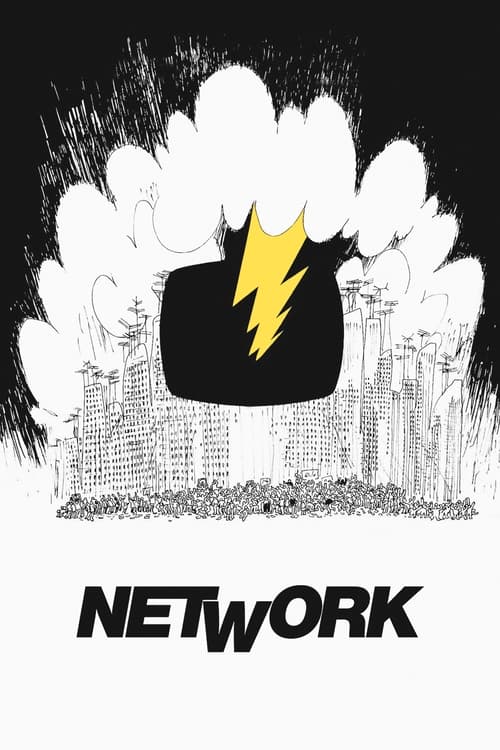
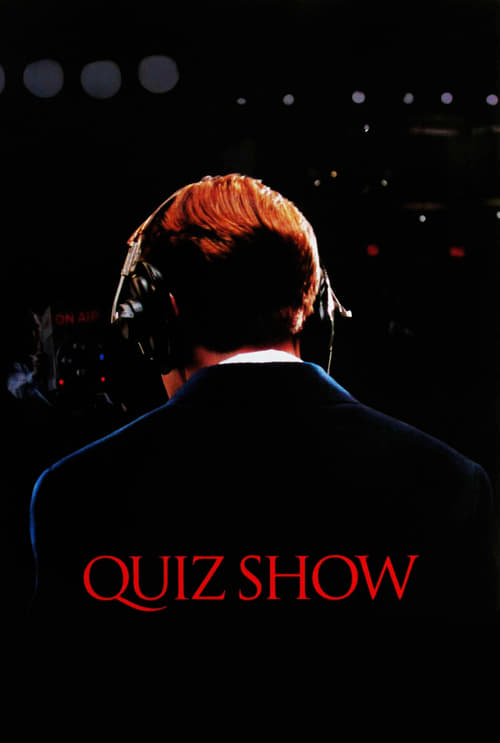
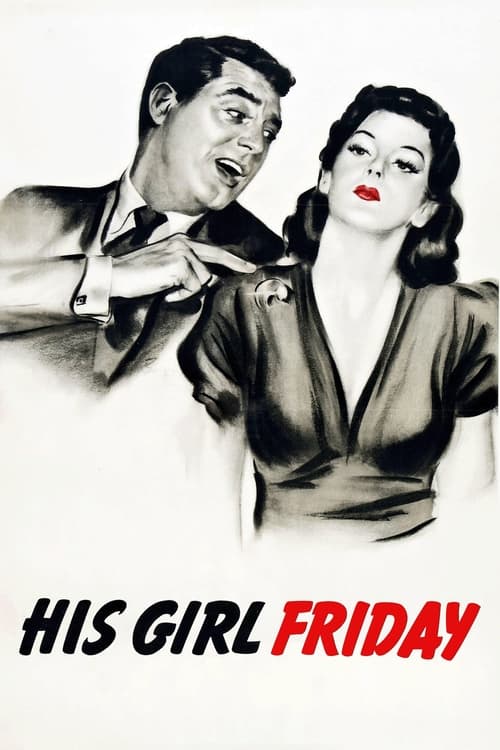
Films and shows about people who know exactly what they are doing and do it anyway

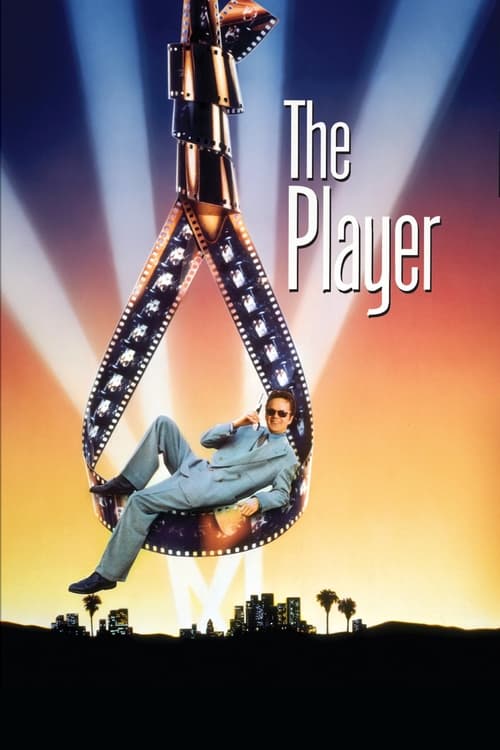
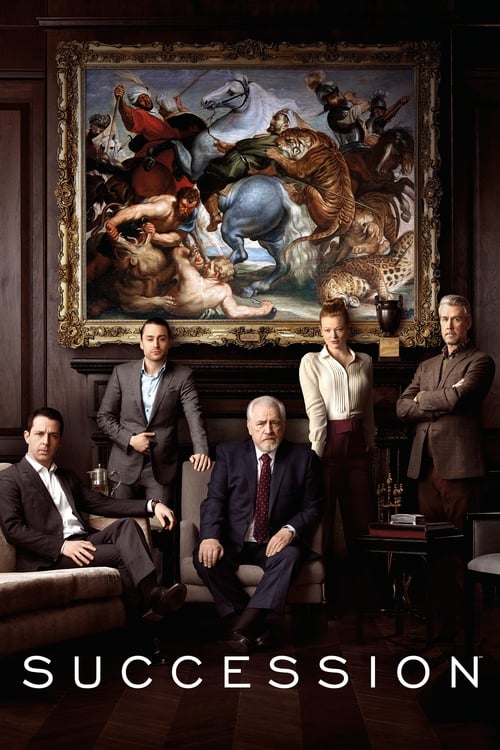
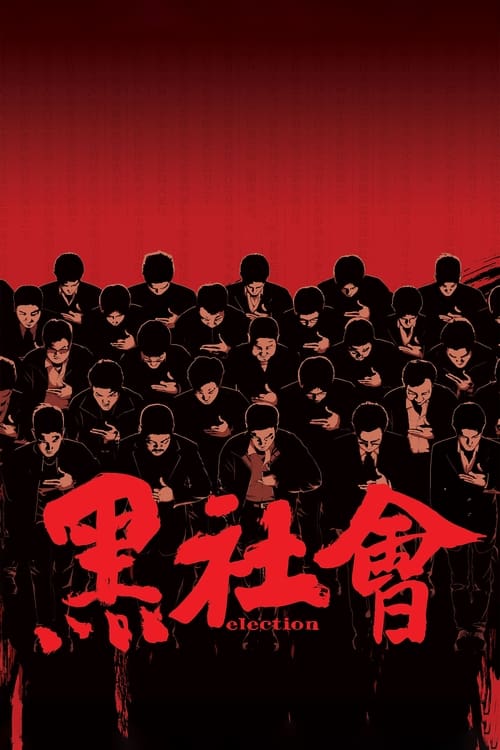
Ace in the Hole is the most relevant Wilder film right now
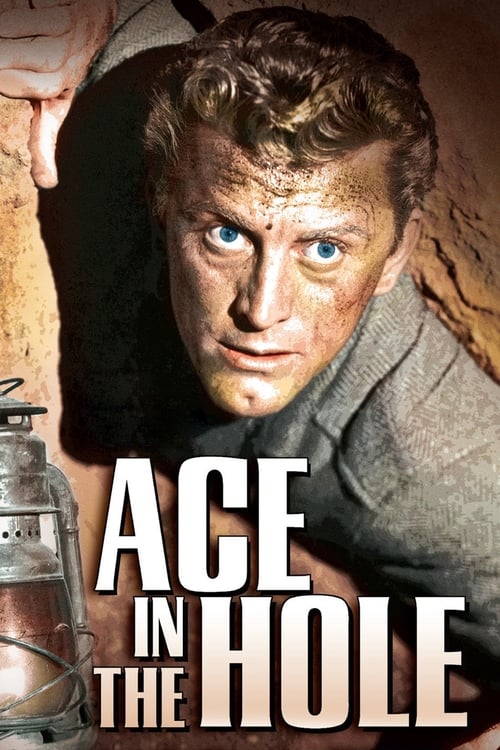
Made in 1951 and a box-office disaster at the time, Ace in the Hole is about a washed-up reporter who prolongs a man's death underground to manufacture a media spectacle and revive his career. Wilder was criticized for being too cynical. He was simply early. Kirk Douglas's Chuck Tatum is the template for every ambulance chaser, engagement-farming grifter, and manufactured-outrage merchant that came after him. The film's failure hurt Wilder; the film was right.
Cynicism With a Soft Centre
Comedies and dramas that keep a warm heart strictly hidden
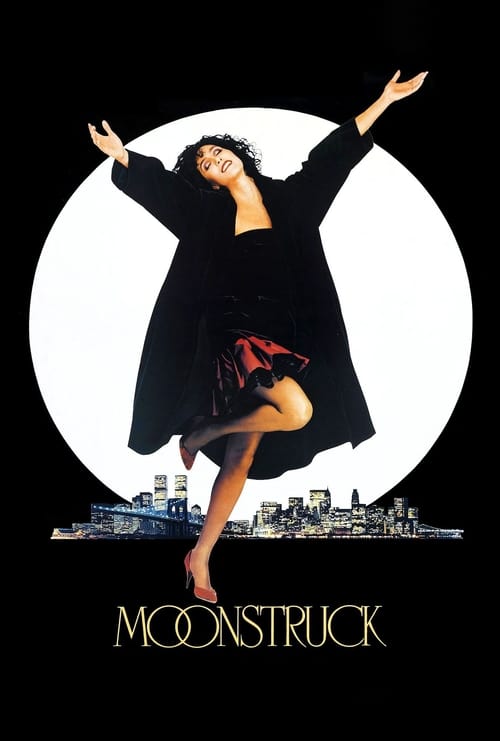
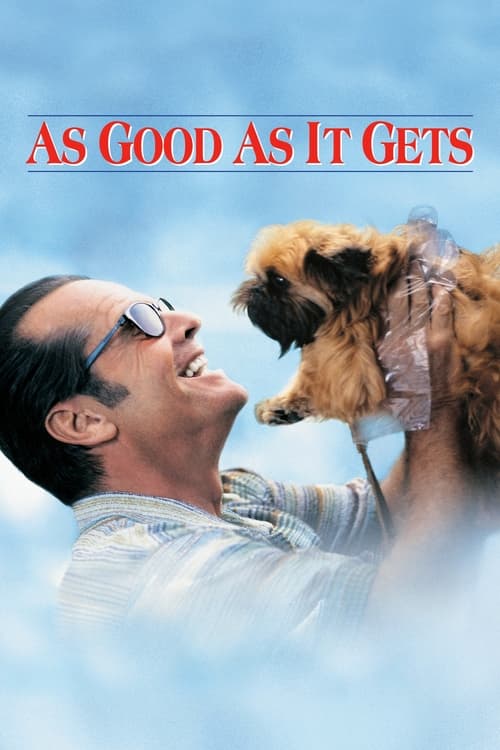
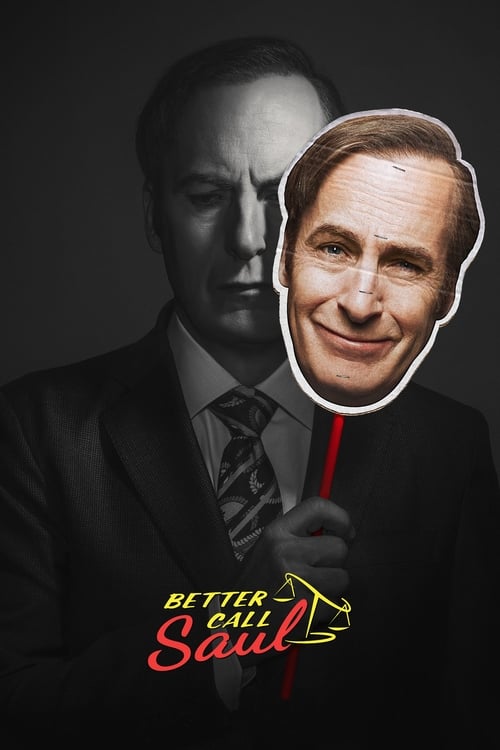
The spiritual successor is Better Call Saul
No television series has tuned to Wilder's frequency as precisely as Better Call Saul. Jimmy McGill is a Wilder protagonist: charming, talented, genuinely funny, and constitutionally unable to stop himself from making the choice that costs him the most. The show shares Wilder's understanding that the journey into moral failure is not dramatic, it is a series of small rationalizations. It also shares his refusal to hate the character for it.
Noir and the Darkness Under the Surface
When the polished facade finally cracks
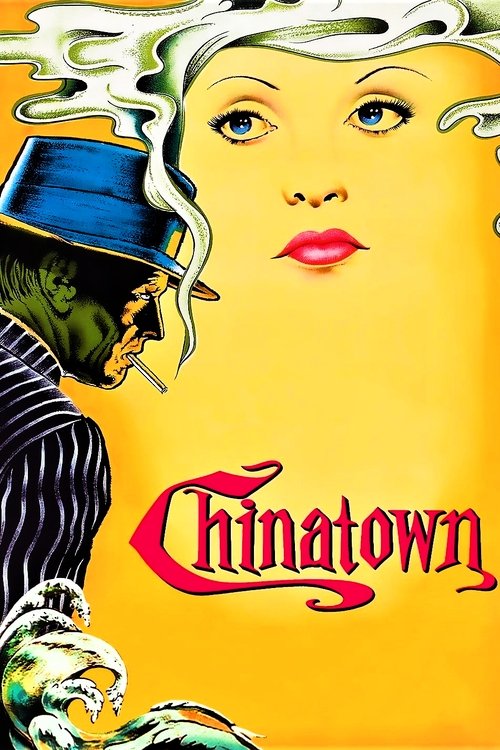
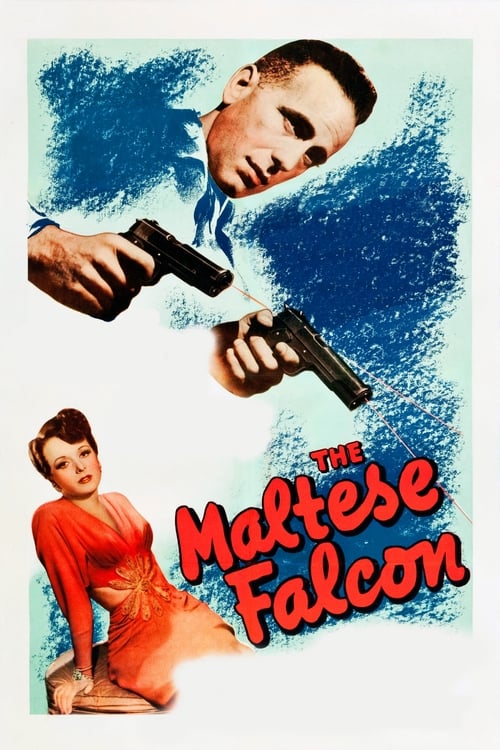

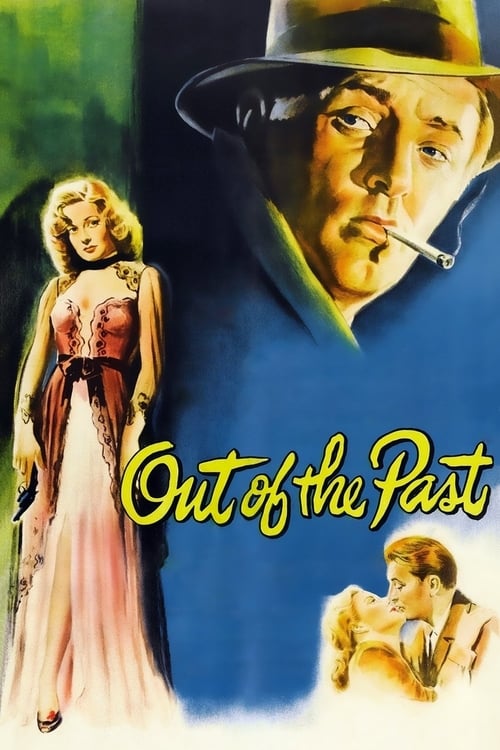
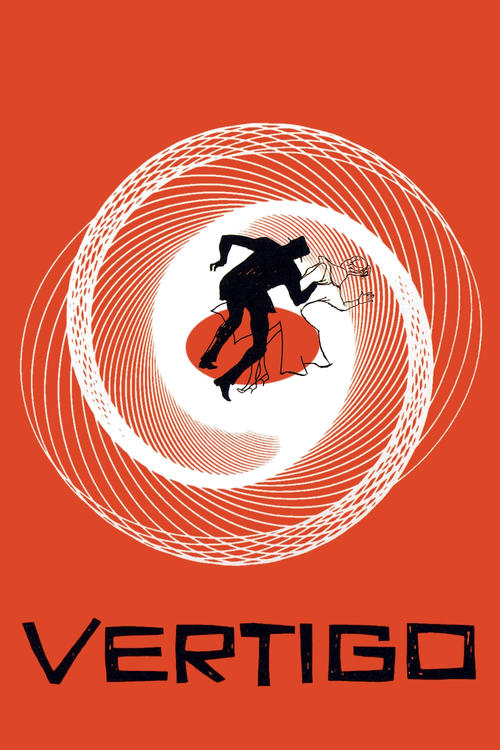
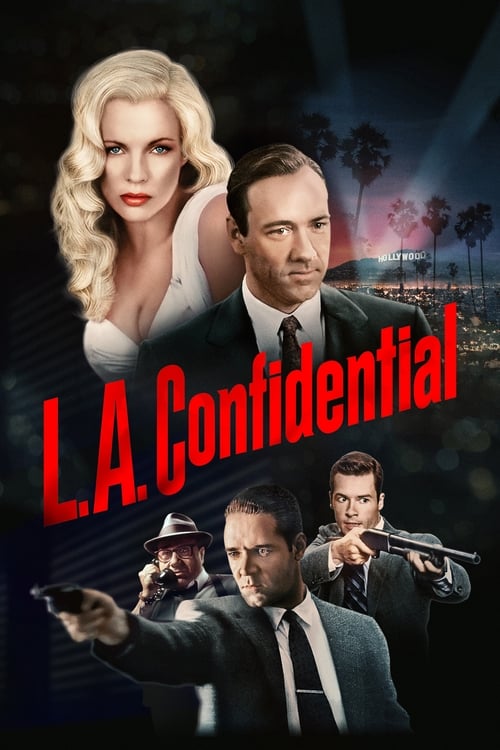
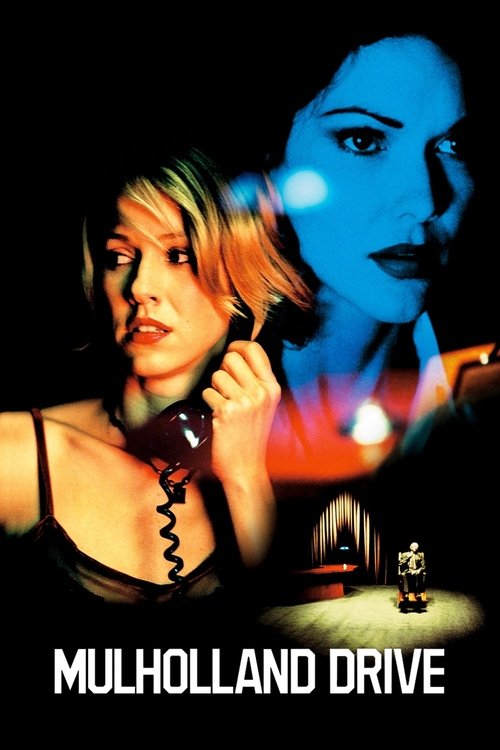


I have ten commandments. The first nine are, thou shalt not bore. The tenth is, thou shalt have right of final cut.Billy Wilder
Sharp Scripts and the Writers Behind Them
The Wilder tradition of dialogue that sounds effortless and lands with precision
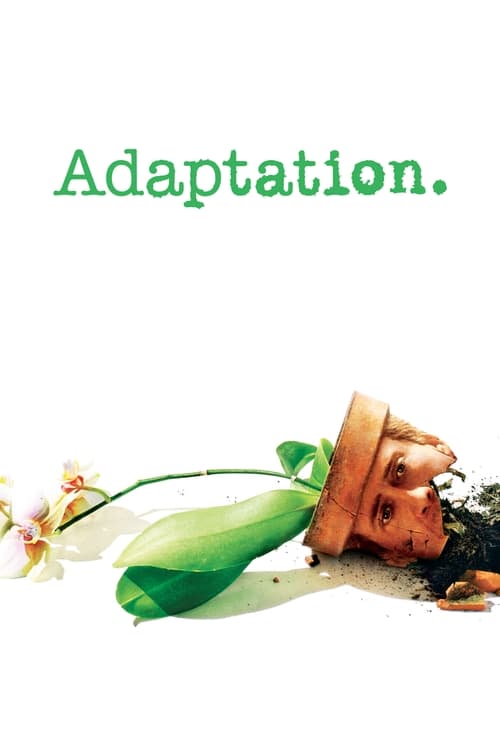
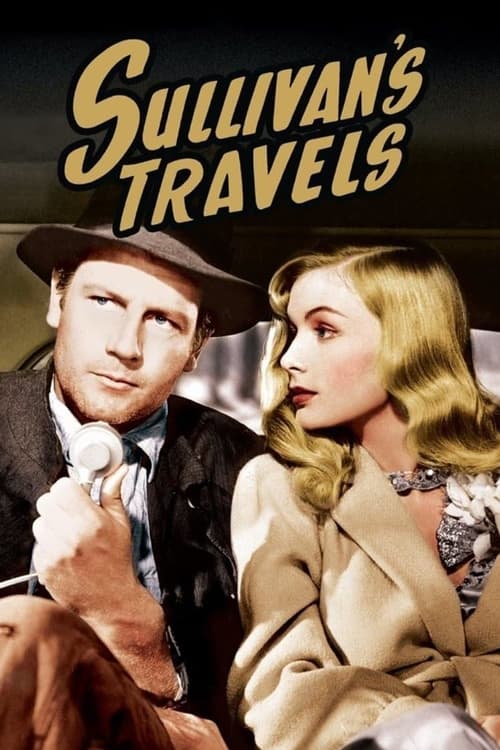
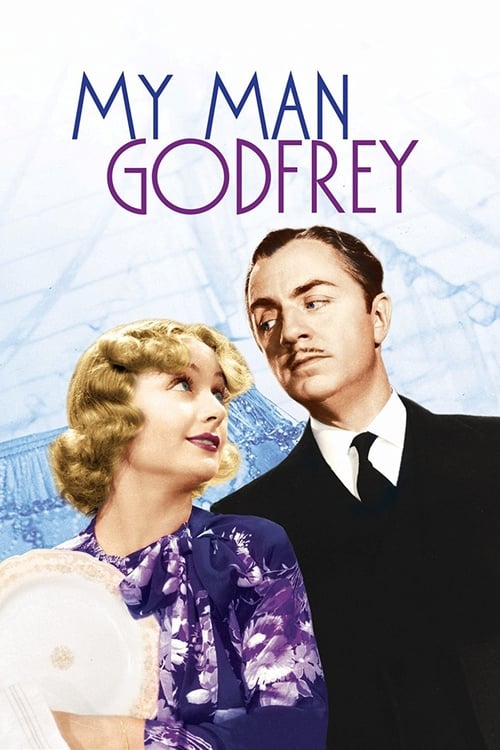
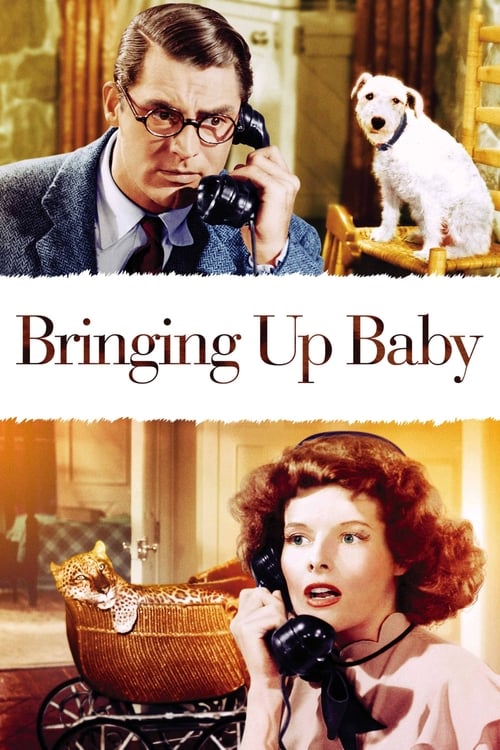

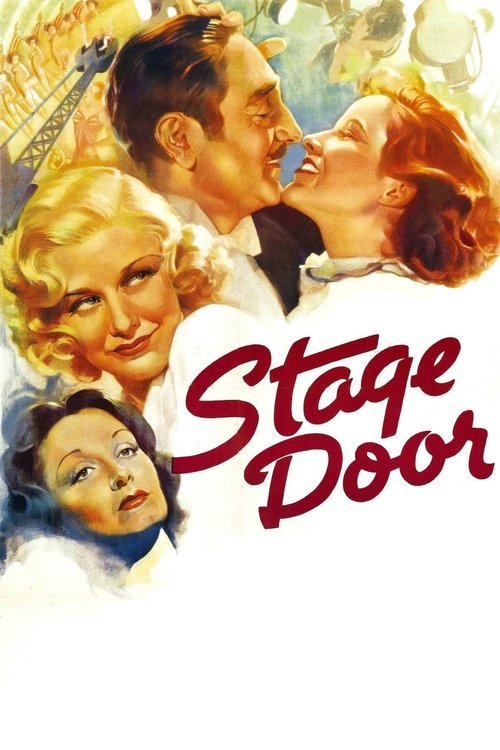
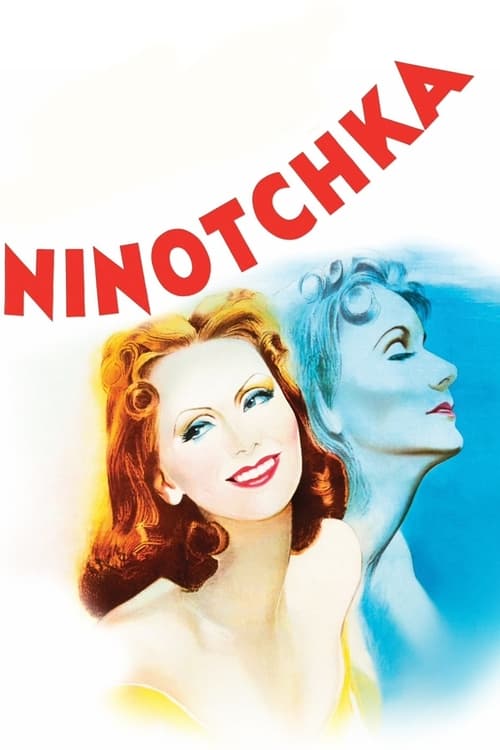
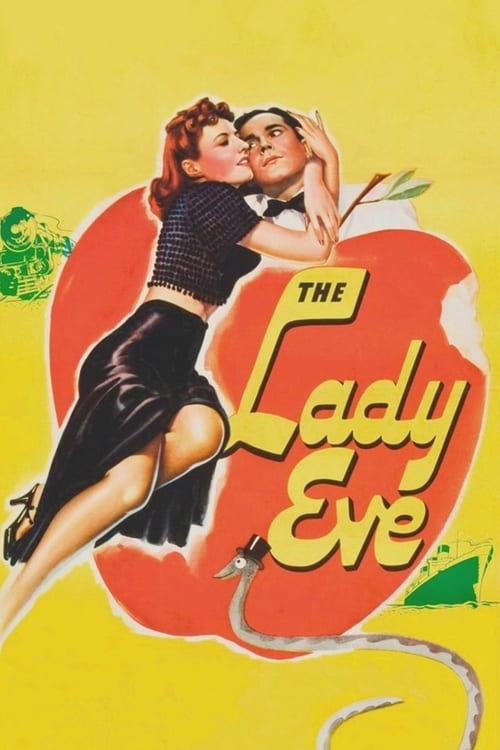
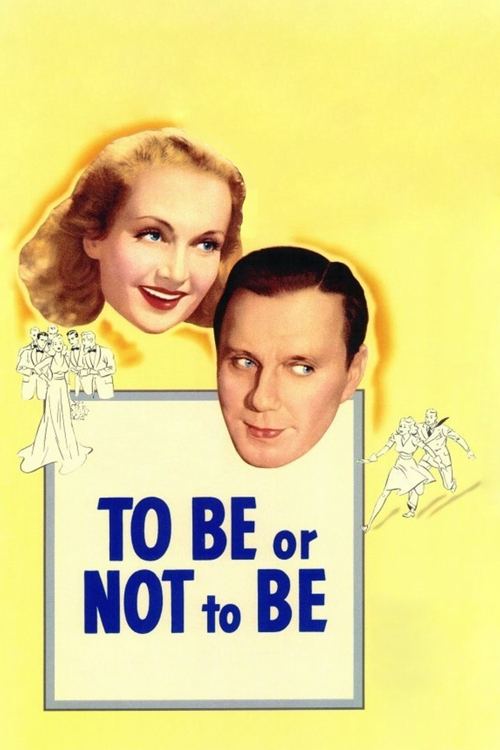
The overlooked late Wilder is worth your time
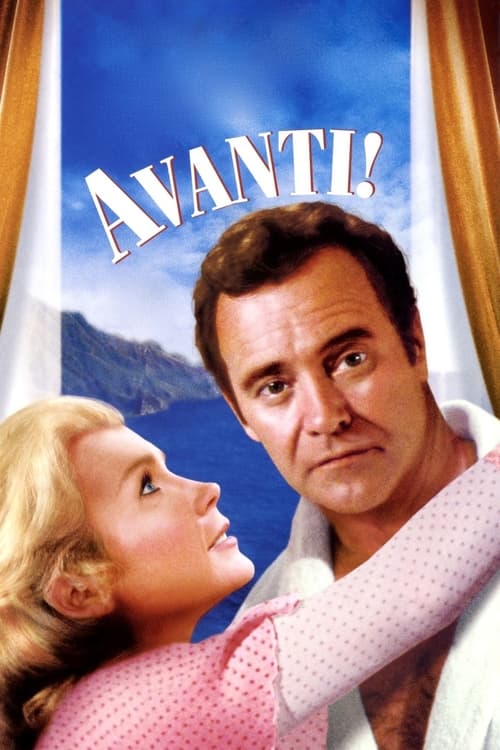
Avanti!, from 1972, is rarely discussed alongside the canonical Wilder titles, but it might be his most purely generous film. A stuffy American executive travels to Italy to collect his dead father's body and discovers his father kept a decades-long romance with an Italian woman. It is slow, warm, funny about death with a directness American cinema rarely permits itself, and quietly devastating. It is proof that Wilder's talent for finding the human thing in an absurd situation never left him.
A Career in Sharp Turns
- 1929Begins writing scripts in Berlin, Weimar-era Germany
- 1933Flees Nazi Germany; arrives in Hollywood via Paris
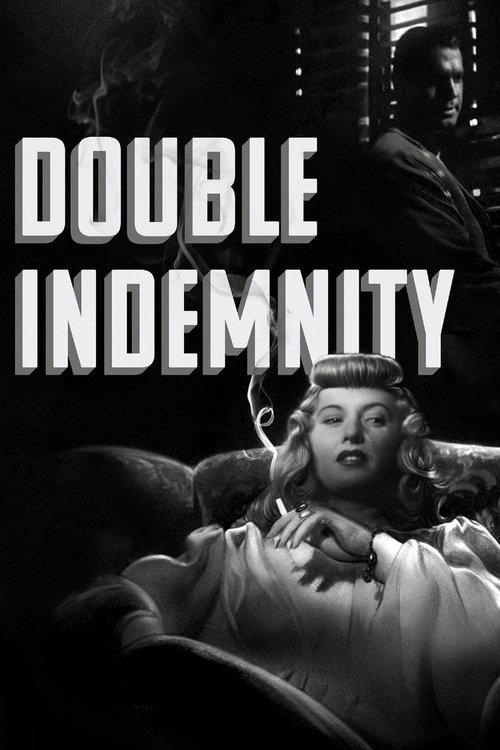
- 1944Double Indemnity: the template for American noir Double Indemnity
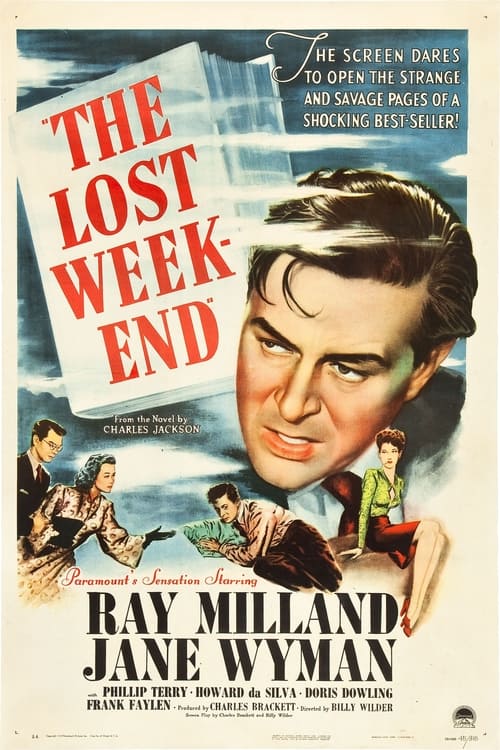
- 1945The Lost Weekend wins four Oscars including Best Picture The Lost Weekend
- 1950Sunset Boulevard: Hollywood's sharpest self-portrait Sunset Boulevard
- 1951Ace in the Hole: too cynical for 1951, too accurate for comfort Ace in the Hole
- 1959Some Like It Hot: arguably the funniest American film ever made Some Like It Hot
- 1960The Apartment wins Best Picture; Wilder at his most tender The Apartment
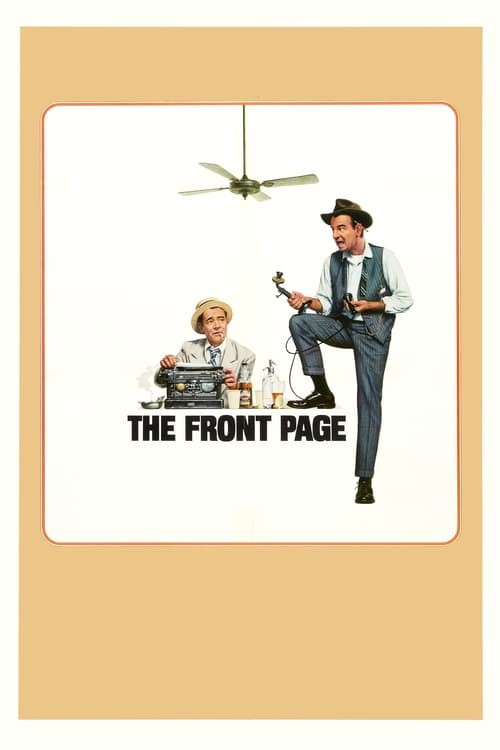
- 1974The Front Page: the newspaper comedy he kept returning to The Front Page
- 1981Buddy Buddy, his last film; by 1981 the Hollywood he had diagnosed had dissolved around him