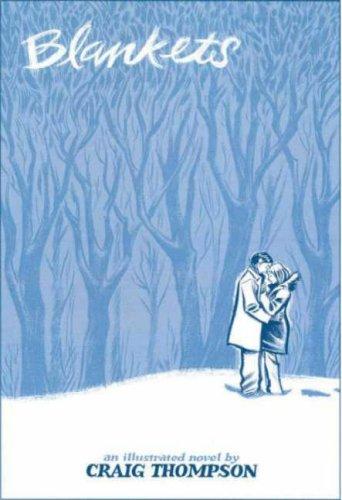

Craig Thompson spent five years drawing Blankets by hand, and every page shows it. Published in 2003, the 592-page memoir traces a Wisconsin childhood under evangelical Christianity, a first love with a girl named Raina during a winter visit, and the slow, painful release of faith as adolescence ends. What makes it endure is not the autobiography but the precision of the feeling: that specific ache of loving something, whether a person or a belief, while sensing it slipping. Thompson draws snow and quilts and Bible verses with equal care, and the visual language, loose where memory is hazy, dense and intricate where emotion presses hardest, does things prose cannot. If you finished Blankets and felt the hollow it left, this guide is built for that feeling.
Graphic Memoirs That Go Just as Deep
Autobiographical comics where the drawing is inseparable from the truth





Coming-of-Age Novels With the Same Interior Ache
Prose fiction about faith, first love, and the cost of growing up


Films That Hold the Same Winter Quiet
Movies about memory, belief, and the tenderness of first love


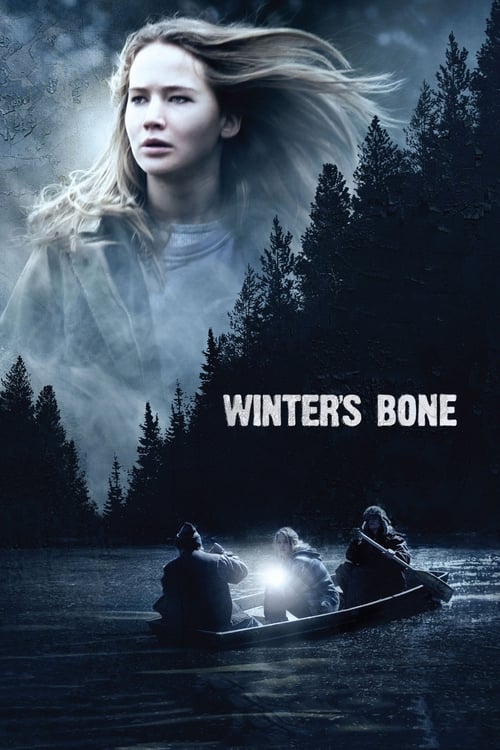


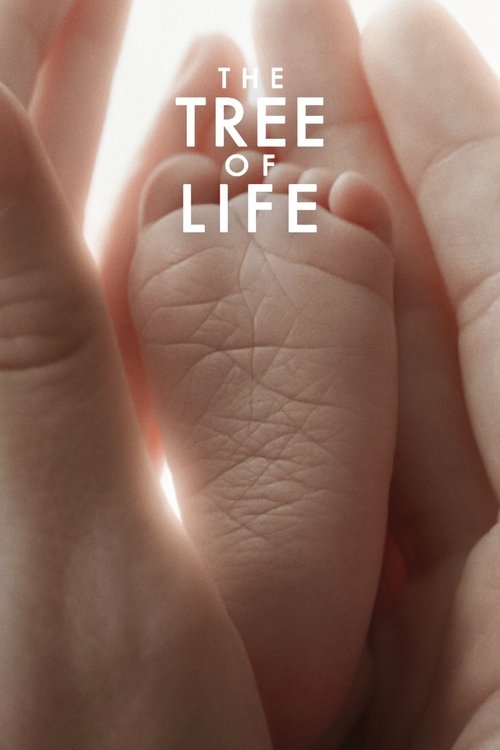
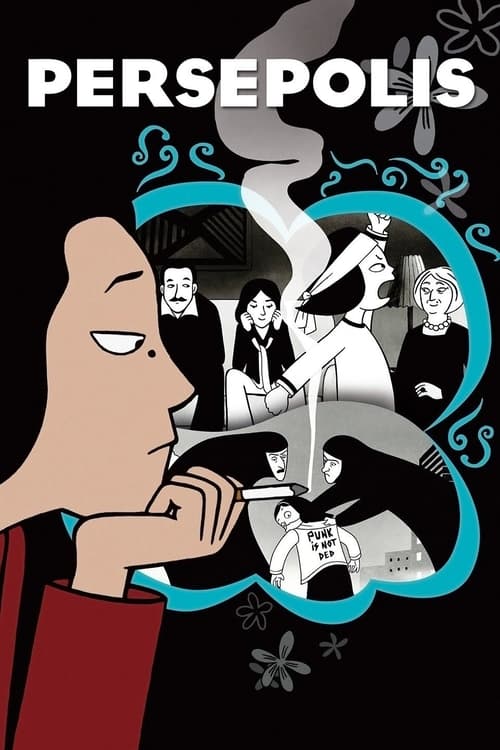
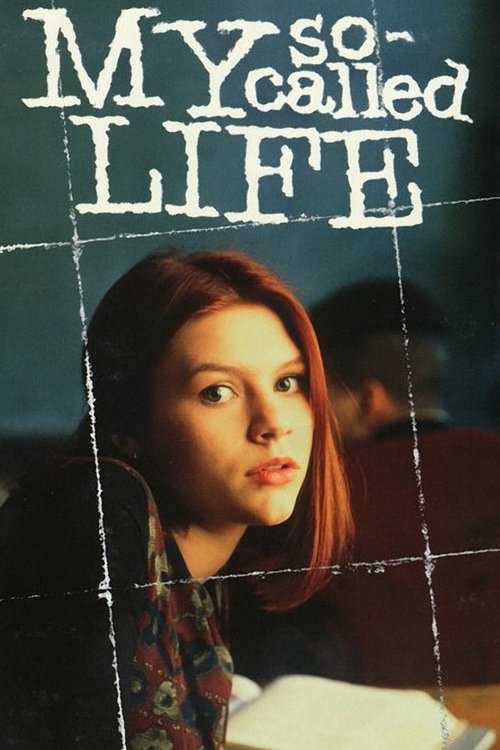
TV That Treats Adolescence as Something Serious
Series where growing up carries real weight


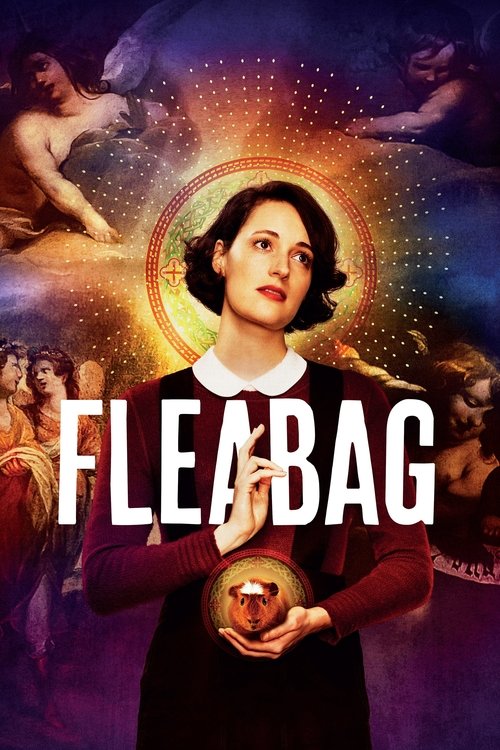



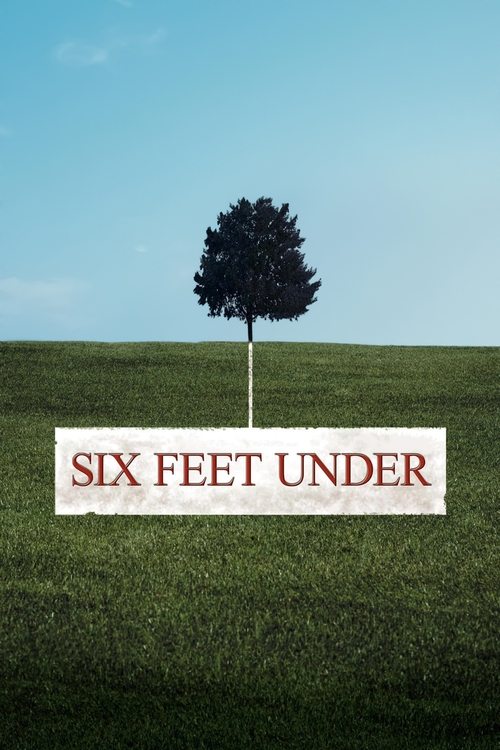
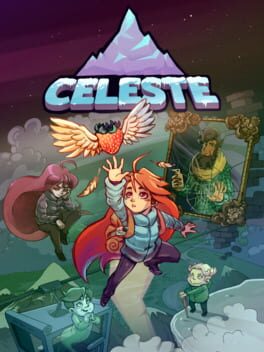
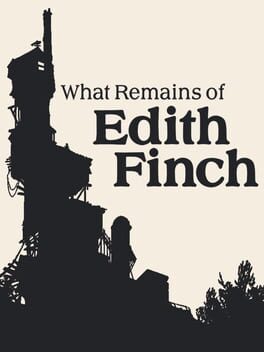
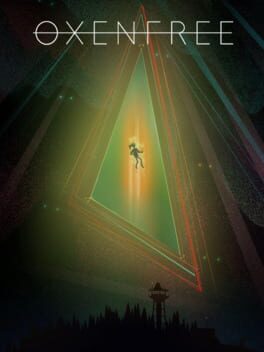
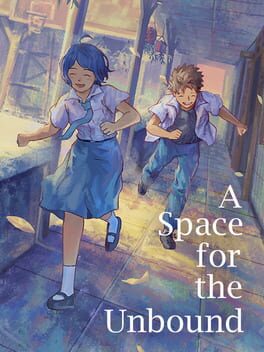
Games About Memory, Isolation, and Inner Life
Games where the emotional world is the landscape
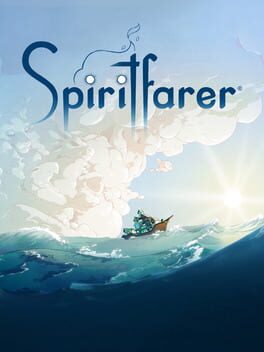


The Snow Is the Point
Blankets is one of the few books where setting functions as emotional argument. Thompson's Wisconsin winters are not backdrop. They are the mood itself: the blanketing (the title is not accidental) of memory under cold, the way snow makes familiar places strange, the beauty that insists on itself even when you are in pain. The books and films that resonate most with Blankets share this quality: they find a physical world that externalizes the inner one without ever explaining the connection.
Faith as Subject, Not Backdrop
Most stories use religion as flavor or obstacle. Blankets takes it more seriously: Thompson grew up inside evangelical Christianity and draws it from the inside, with the specificity of someone who loved it before he doubted it. That internal view, the belief that was real before it became a problem, is what separates the book from easy critiques. The works worth pairing with it treat faith the same way: not as the villain, but as the thing that shaped the person even after it stopped being true.
Literary Comics Changed What the Form Could Say
Blankets arrived at the same moment as Fun Home and Persepolis, and together they established that the graphic memoir could carry the same weight as any literary novel. Thompson's line work, influenced by his admiration for Moebius and traditional illustration, proved that the visual choices in comics are not decoration but argument. The books grouped here as similar are not similar because they are comics: they are similar because they use their form with the same intentionality Thompson brought to his.
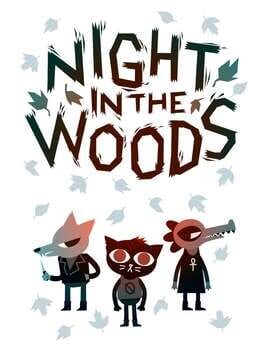
Night in the Woods Is Blankets in a Different Medium
Night in the Woods shares so much with Blankets that the comparison feels inevitable: a young person returning to a small town after a crisis of belief, friendships that survived adolescence carrying the weight of everything left unsaid, a physical environment that feels like a mood. Where Thompson uses snow, Night in the Woods uses autumn and economic decay. Both are fundamentally about the specific grief of outgrowing the world you were born into, and neither offers a clean resolution.
Craig Thompson: Key Dates
- 1975Craig Thompson born in Traverse City, Michigan
- 1999Debut graphic novel published
- 2003Blankets published by Top Shelf Productions, 592 pages
- 2004Blankets wins three Eisner Awards and two Harvey Awards
- 2004Travel journal of his European tour published
- 20118-year second major work published Habibie & Ainun
- 2015Children's graphic novel published
Literary Comics: First Love, Lost Faith
For Fans of Daytripper
Explore the For Fans of Daytripper guide →To be loved by someone is to realize how much wasted time you've spent not being loved.Craig Thompson, Blankets