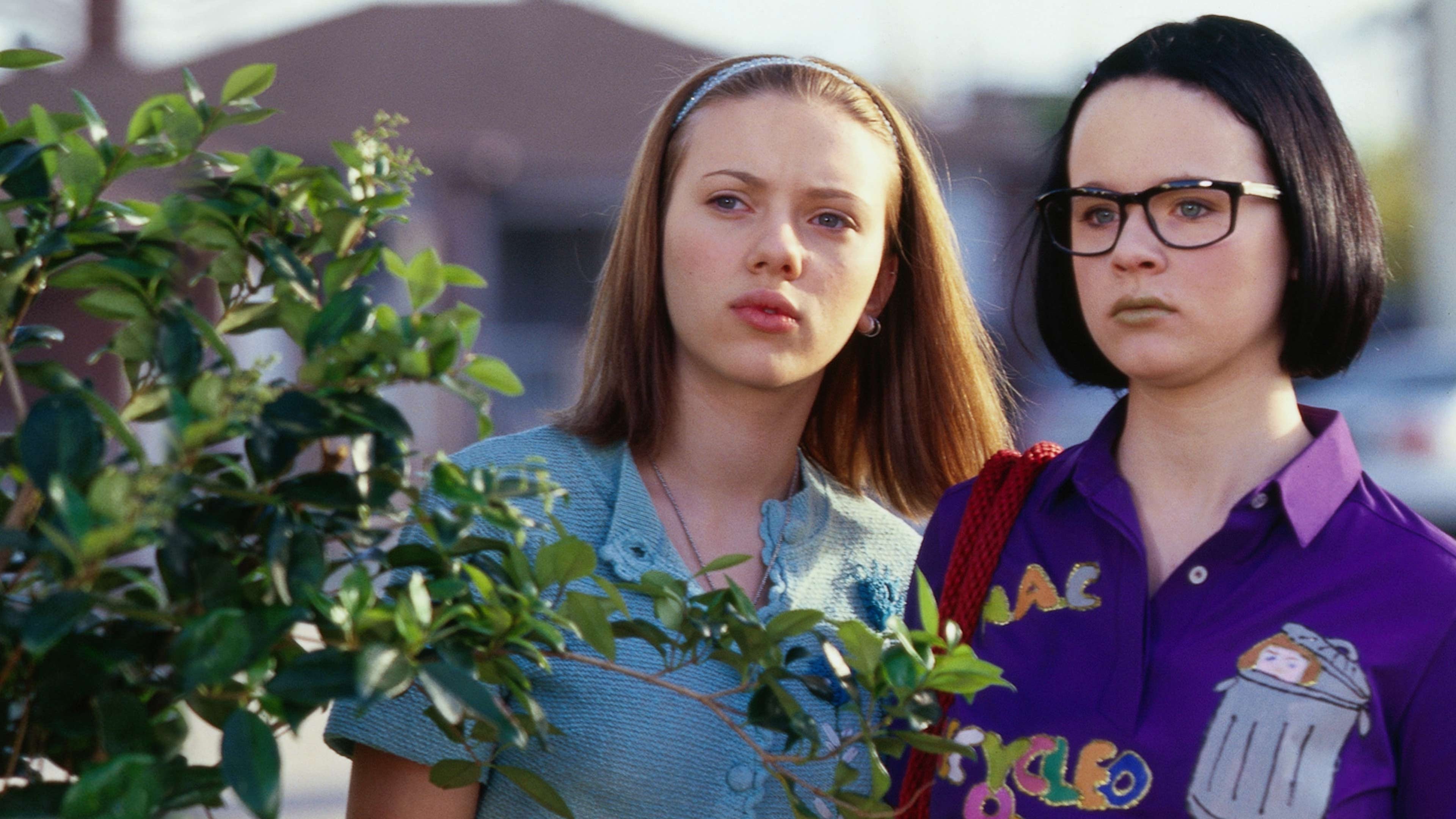

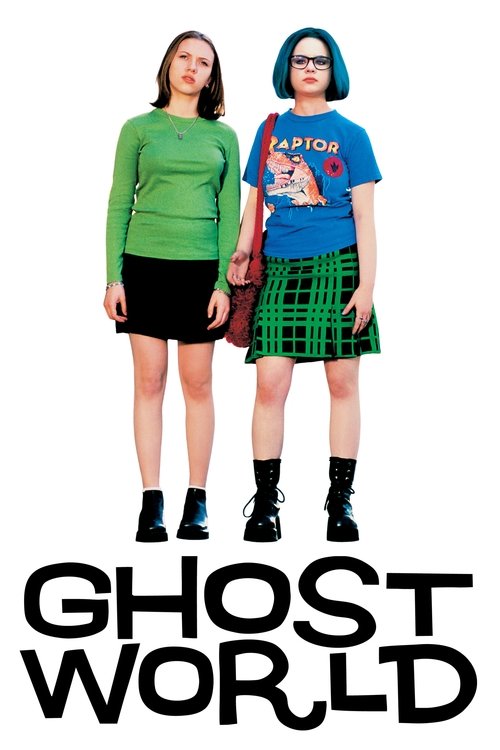
Ghost World began as a serialized comic in Daniel Clowes's anthology Eightball in the early 1990s, collected in 1997 into one of the defining works of literary comics. Enid Coleslaw and Rebecca Doppelmeyer are best friends freshly sprung from high school, too smart and too contemptuous to fit anywhere, too scared to admit they have no idea what comes next. What a fan chases in Ghost World is a specific kind of loneliness: the comedy of seeing through everything while belonging to nothing, and the melancholy underneath that comedy. Terry Zwigoff's 2001 film adaptation (screenplay co-written by Clowes) expanded the story and introduced Thora Birch, Scarlett Johansson, and Steve Buscemi to audiences who had never picked up a comic. Both versions reward the same sensibility: outsider humor, visual wit, and an absolute refusal to be sentimental about growing up.
Essential Ghost World
The source and its closest kin from Daniel Clowes




The Literary Comics Shelf
Graphic novels that share Ghost World's confessional precision and visual intelligence




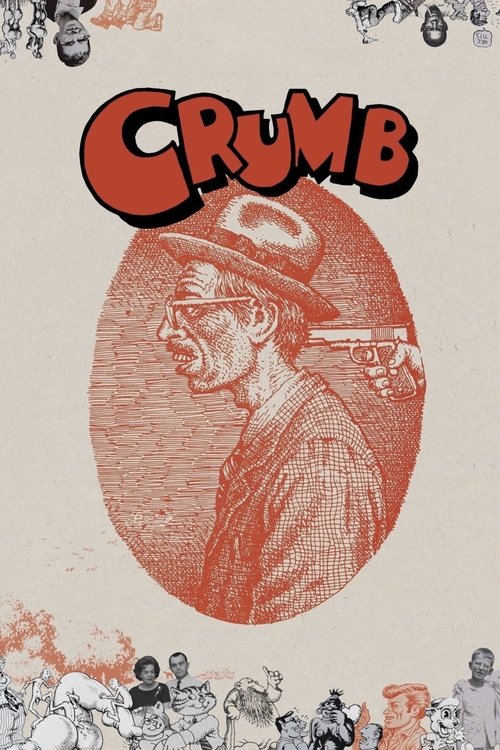
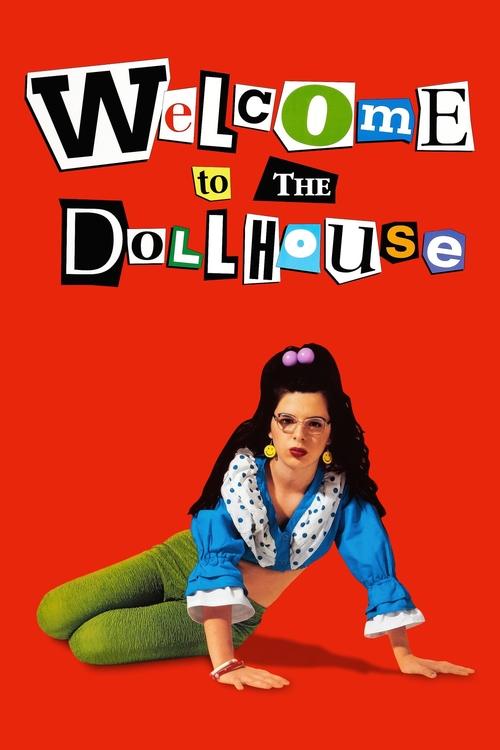
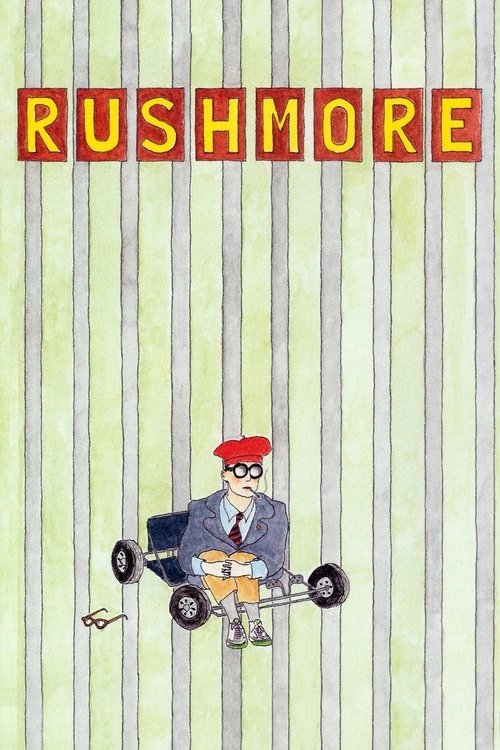
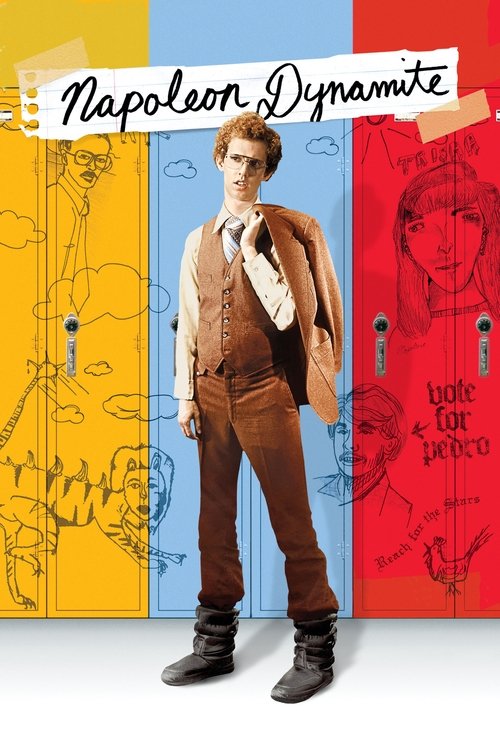
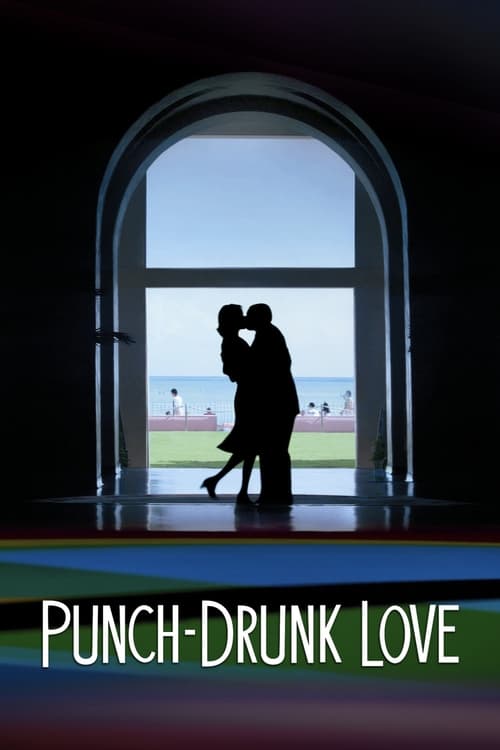
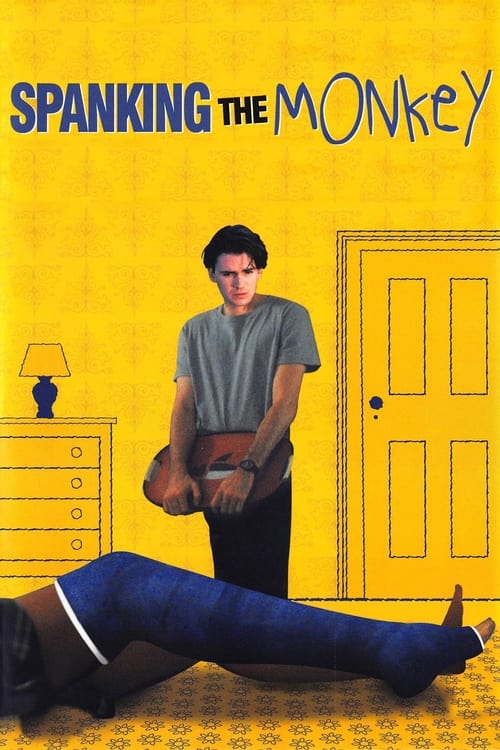
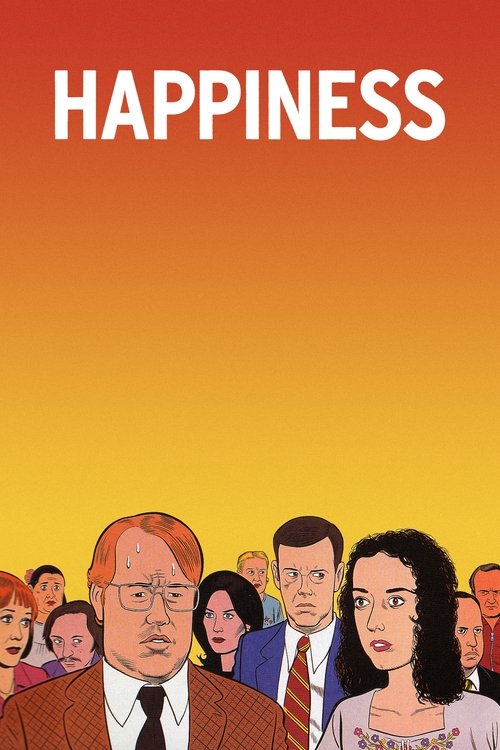
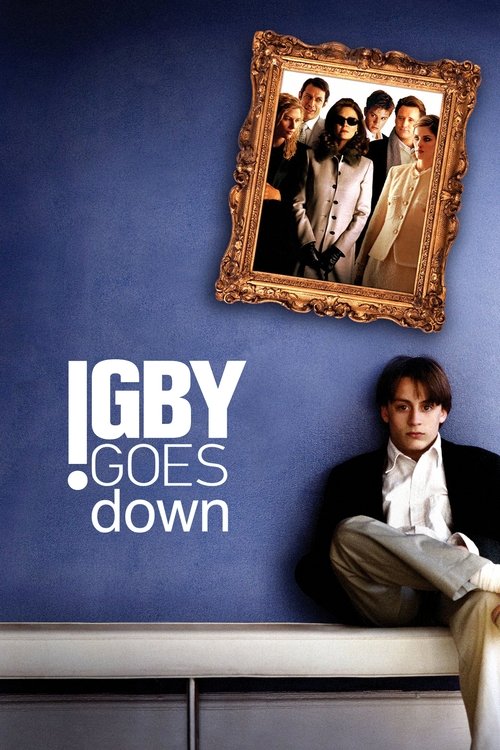
Outsider Cinema
Films that get the same alienated, quietly devastating tone

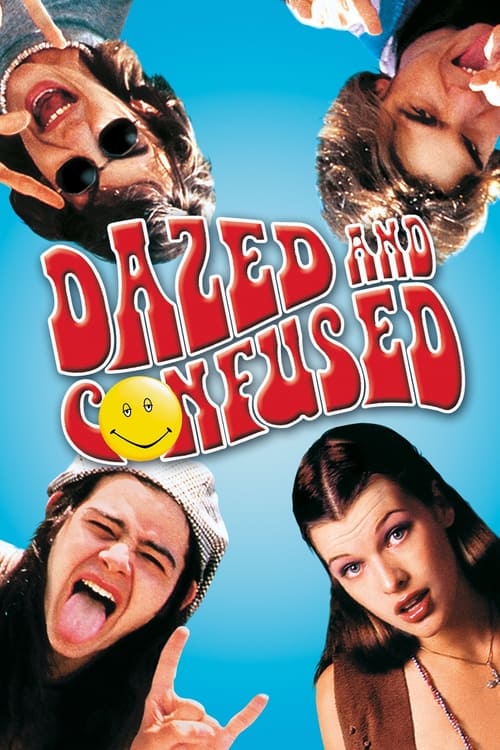
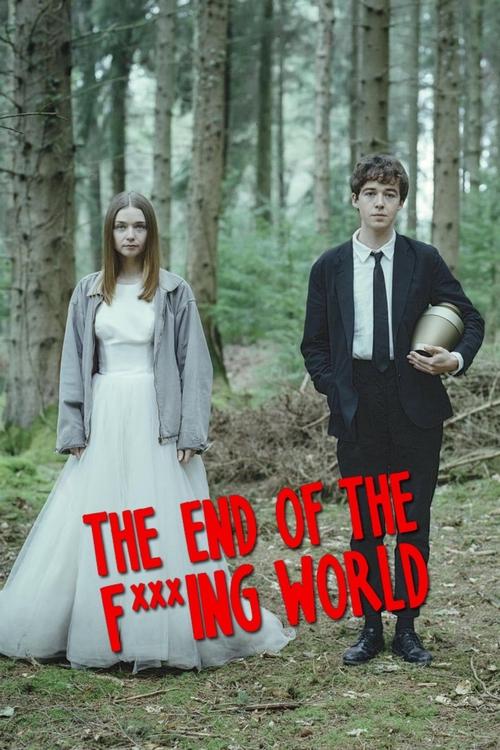
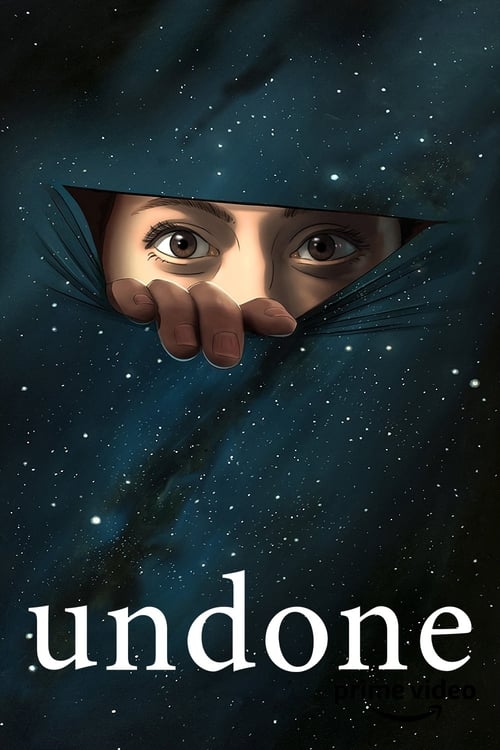
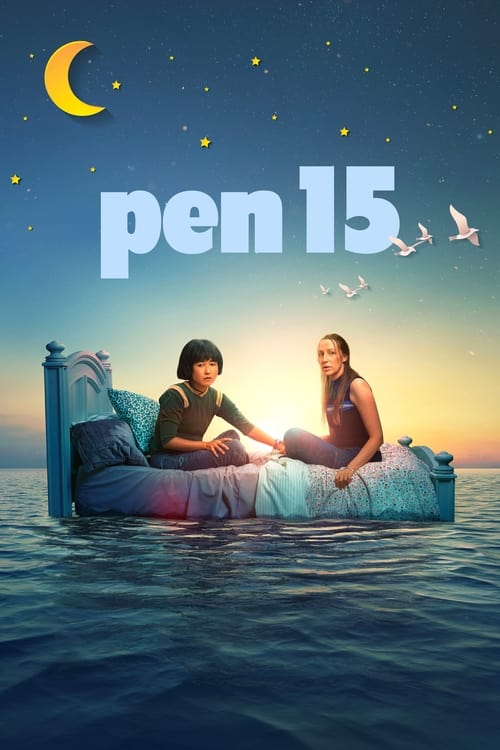
TV That Refuses to Grow Up Quietly
Series about the specific dread and dark comedy of being young and unmoored
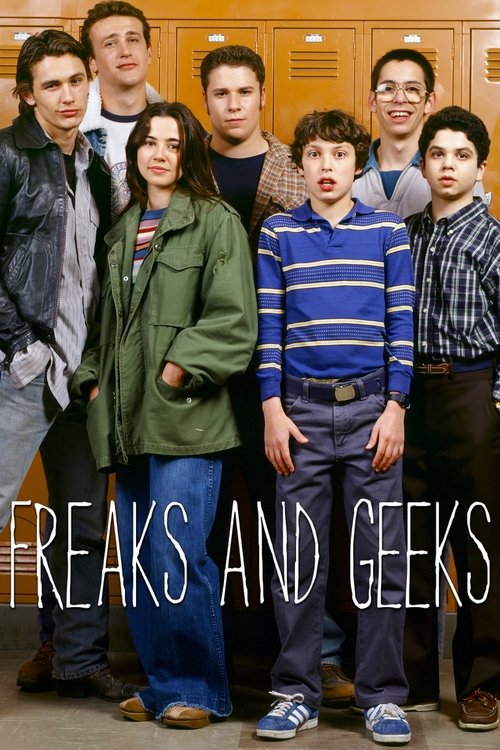
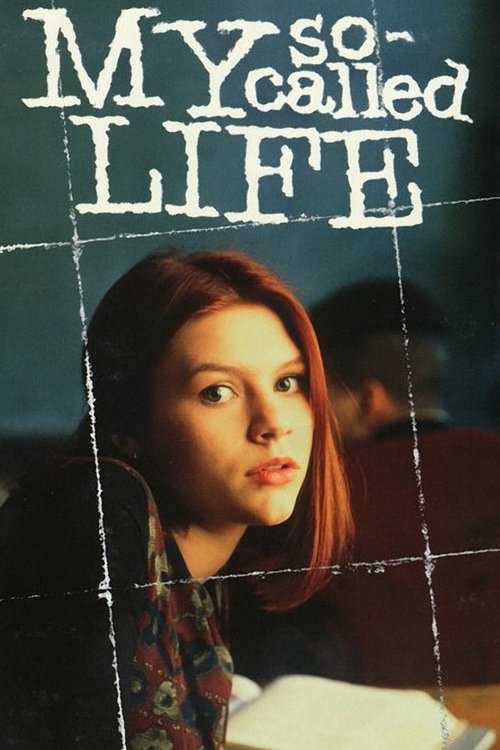

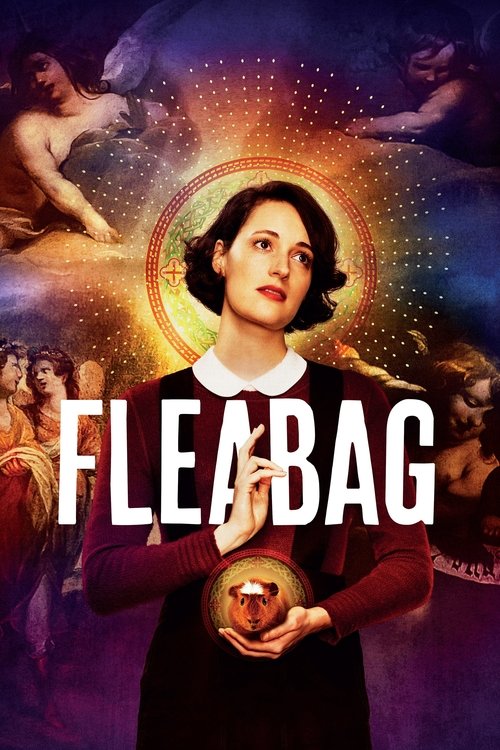

Books for People Who Hate Inspirational Books
Prose fiction with the same anti-romantic, acutely observed sensibility


Games With That Lonely, Wry Interior Life
Games that prize character voice, deadpan humor, and the texture of everyday alienation

The Adaptation That Expanded the Original
Zwigoff's 2001 film is one of the rare adaptations that genuinely adds to its source without diluting it. Clowes co-wrote the screenplay and folded in Enid's obsession with 78 rpm records and the character of Seymour (Steve Buscemi), a lonely crate-digger who barely appears in the comic. The result is a film about two kinds of outsiders who briefly orbit each other before their trajectories separate. It is funnier and sadder than the book in different places, and both are better for existing.
Clowes Is Not Really a Cynic
Enid Coleslaw's withering commentary on everything around her is frequently misread as pure misanthropy. But Clowes is writing about the gap between the self you perform for other people and the self you cannot quite locate. The cruelty in Ghost World is a defense mechanism. Clowes's other books, David Boring especially, make this clearer: his characters are not above the world they mock. They are frightened of it.
Where Comics and Prose Fiction Actually Meet
Ghost World sits in a tradition of confessional fiction that runs from Salinger through the 1990s alternative-comics boom. Clowes, Chris Ware, Seth, and Adrian Tomine were doing for comics what Raymond Carver had done for short fiction: stripping away plot machinery and foregrounding voice, embarrassment, and ordinary disappointment. Readers who loved Ghost World and never explored that prose shelf are missing half the conversation.
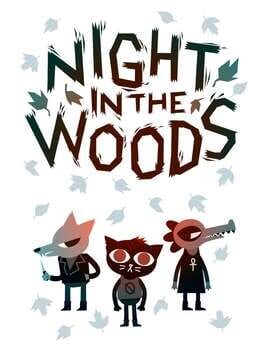
Night in the Woods Is Ghost World as a Game
Mae Borowski returns to her dying rust-belt hometown with no plan and too much self-awareness, and she spends the game failing to fit back in anywhere. Night in the Woods is not a direct adaptation of anything, but it is clearly in conversation with the same tradition: the sardonic young woman who sees through social performance, the specific grief of a place that used to mean something, the comedy that keeps barely covering a real dread. If Enid had grown up in Possum Springs, she would understand.
Ghost World and the Alternative Comics Wave
- 1993Ghost World begins serialization in Eightball #11 Ghost
- 1997Collected graphic novel published by Fantagraphics
- 1998David Boring serialization begins in Eightball David Boring
- 2000David Boring collected David Boring
- 2001Terry Zwigoff's film adaptation released Ghost World
- 2005Ice Haven collected
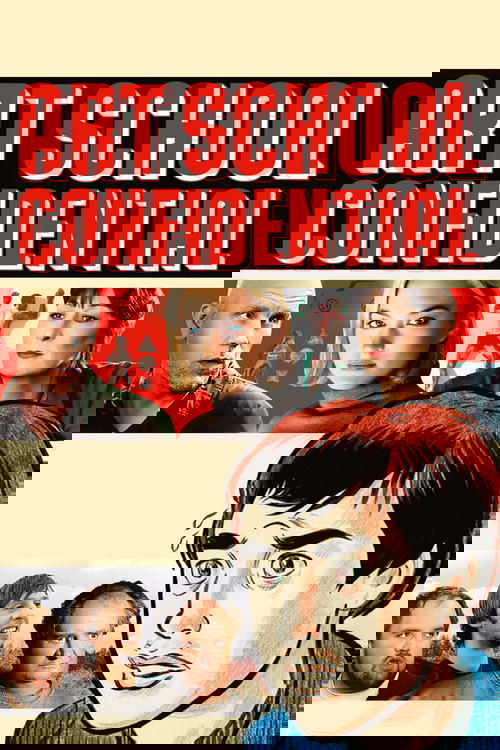
- 2006Art School Confidential film (Zwigoff and Clowes reunite) Art School Confidential
- 2010Wilson published Son
- 2016Patience published, cementing Clowes's late style
Outsider adolescence and aching realism
Coming of Age
Explore the Coming of Age guide →Ghost World is about the specific terror of having a personality before you have anywhere to put it.CrossBinge