

Bossa nova arrived in late-1950s Rio de Janeiro as a whisper that changed everything. João Gilberto's stripped-down guitar technique, Antonio Carlos Jobim's impressionist harmonies, and the intimate poetry of Vinicius de Moraes fused jazz sophistication with the samba's swing into something that felt inevitable. It was music for small rooms and close listeners: cool without being cold, sophisticated without being stiff. A fan of bossa nova chases that particular quality of suspended time, the feeling that a note held a fraction too long is the whole point. From Copacabana apartments to the stages of Carnegie Hall, the sound spread quietly and permanently into film, literature, and beyond.
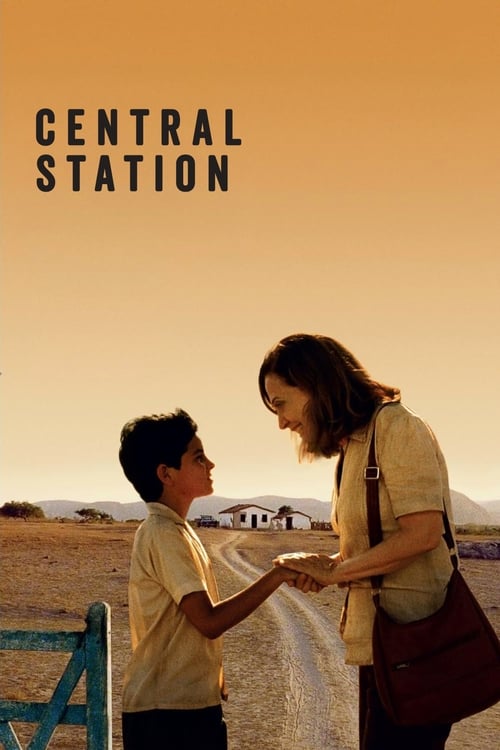
Saudade on Screen: Films with the Same Soul
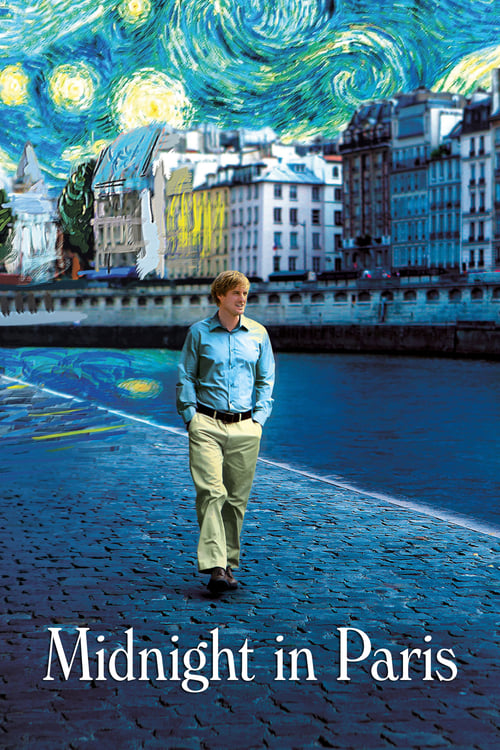
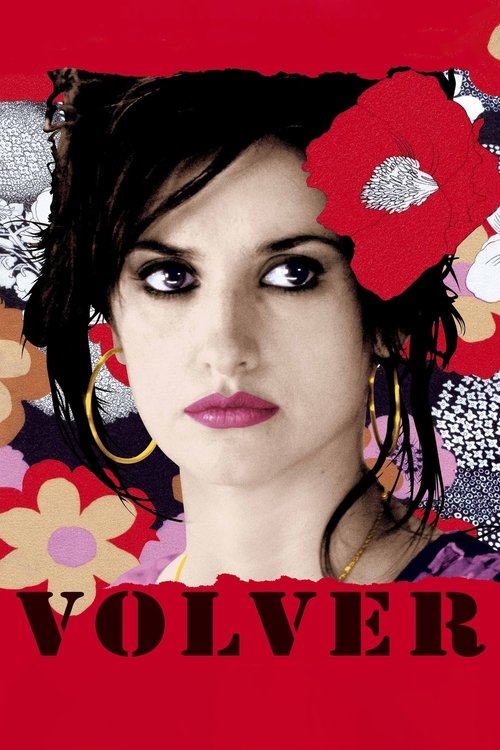
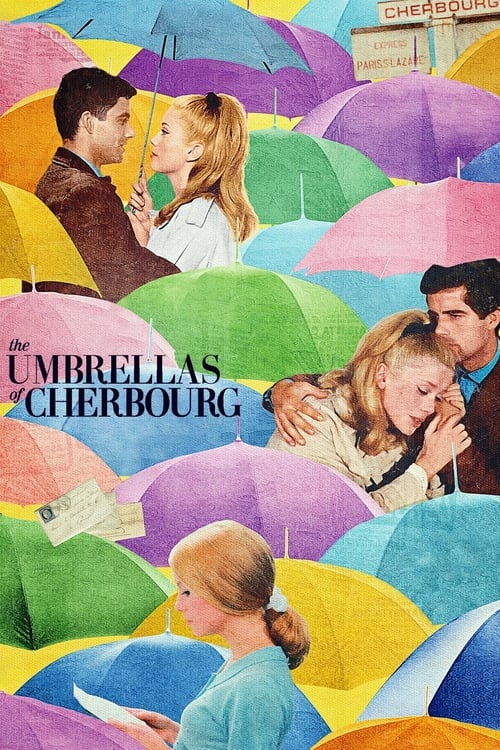
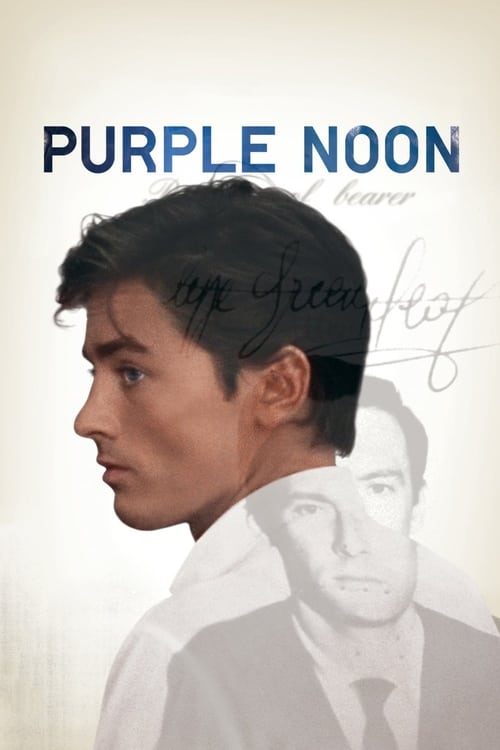
Cinema that shares bossa nova's mood: warmth, longing, and beauty worn lightly



Cool Jazz and Quiet Fire: Kindred Music
Albums for when bossa nova leads you outward, into jazz, MPB, and other warm-weather sounds
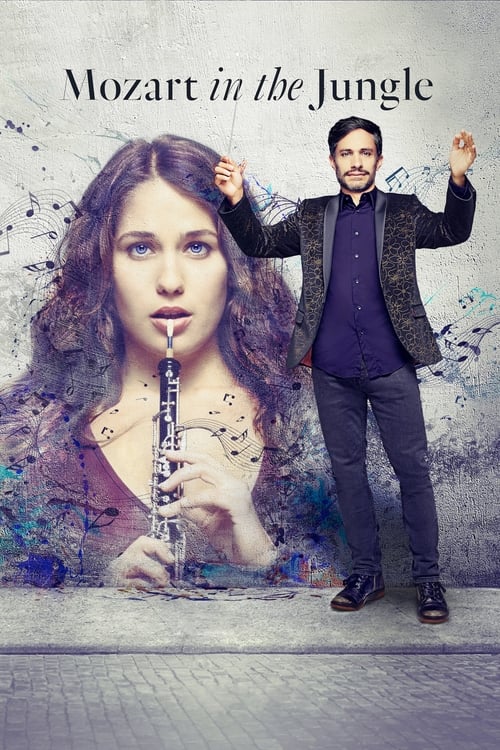
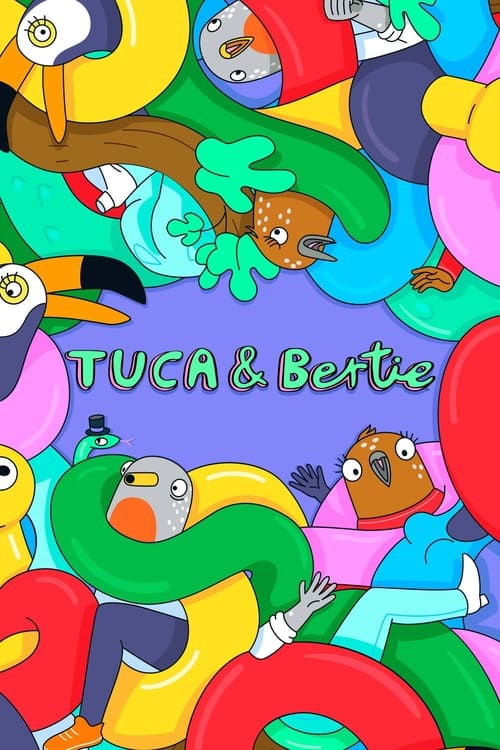
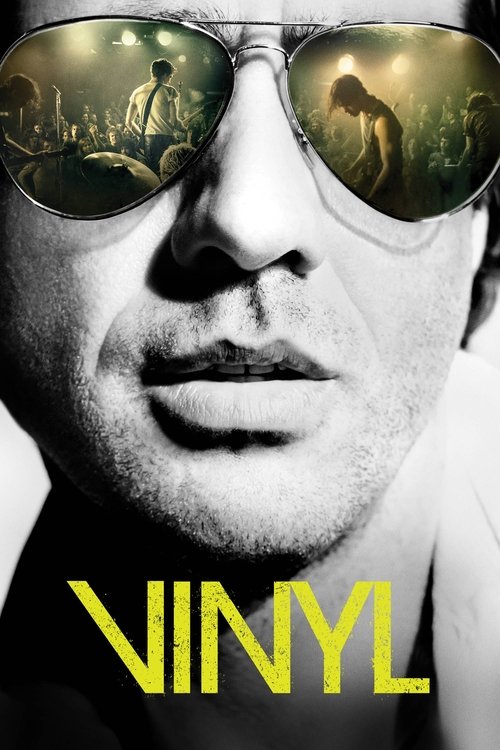
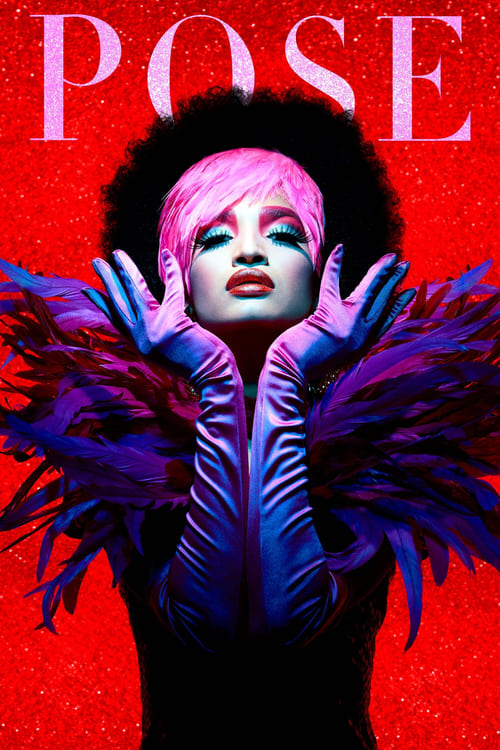
Music on Television: Series That Get the Sound Right
TV that puts music at its centre or captures the heat and light of Latin-tinged stories

The Literature of Longing
Novels and books for readers who recognize the feeling bossa nova puts a name to


Rhythm and Play: Games with Groove
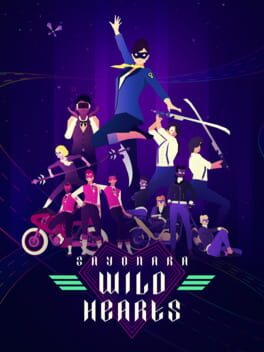
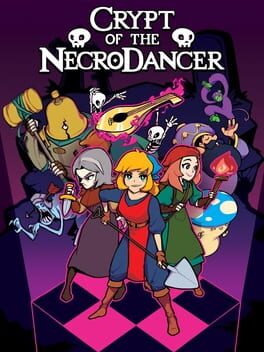
Games built around music, or with soundtracks and atmospheres that fit the mood

Black Orpheus Remains the Essential Companion Film
Marcel Camus's 1959 film won the Palme d'Or and an Oscar the same year Getz and Gilberto were finding each other's records. Shot on location in Rio during carnival, with a score drawing directly from Jobim and Luiz Bonfa, it is less a film about bossa nova than a film that is bossa nova: the same lightness over tragedy, the same insistence that beauty is worth holding even when you know it will end. Every serious fan of the genre should see it once, preferably with headphones after midnight.
Getz/Gilberto Is Not the Beginning, It Is the Peak
The 1964 album that introduced Stan Getz's tenor saxophone to Joao Gilberto's guitar and the voice of Astrud Gilberto is often treated as the genre's entry point. It is not: that is Gilberto's 1958 debut, Chega de Saudade. What Getz/Gilberto did was complete the outward journey, proving the sound could carry across language and ocean without losing anything essential. The accident of Astrud's untrained voice on 'The Girl from Ipanema' turned out to be the whole point: restraint as revelation.
Saudade Is a Real Feeling and Bossa Nova Is Its Best Map
Portuguese has a word for a bittersweet longing for something you love that is absent or past: saudade. Every bossa nova lyric lives there, between desire and acceptance. Vinicius de Moraes, who co-wrote 'The Girl from Ipanema' and 'Garota de Ipanema', was a poet before he was a lyricist, and his words carry weight even in translation. Readers who want to follow that thread into literature would do well to start with Brazilian fiction: Jorge Amado's Gabriela is bossa nova in prose.
Antonio Carlos Jobim Composed the Twentieth Century's Most Returned-To Melodies
Jobim's output between 1956 and 1966 produced more jazz standards than almost any other single songwriter: 'Garota de Ipanema', 'Corcovado', 'Desafinado', 'Wave', 'Aguas de Marco', 'One Note Samba'. These are not songs that date; they are structures that welcome any player. His 1967 album Wave, recorded in New York with Claus Ogerman arranging, remains the clearest argument that bossa nova and orchestral writing were always heading toward each other.
Bossa Nova: A Short History in Key Moments
- 1958João Gilberto records 'Chega de Saudade' in Rio, establishing the genre's guitar technique and vocal restraint.
- 1959Black Orpheus wins the Palme d'Or and the Oscar for Best Foreign Film, bringing the Rio sound to global cinema. Black Orpheus
- 1962Jobim, Gilberto, and a generation of bossa nova musicians perform at Carnegie Hall in New York, the genre's international breakthrough concert.
- 1964Getz/Gilberto is released, reaching number one on the Billboard pop chart. 'The Girl from Ipanema' becomes the second most-recorded song in history. Getz / Gilberto
- 1967Jobim records Wave in New York, his most fully orchestrated bossa nova album and the genre's last great first-era document. Wave
- 1974Elis Regina and Jobim record Elis & Tom in Los Angeles, widely heard as the most perfect late documentation of the original spirit.
- 1987Milton Nascimento and Wayne Shorter record Yo-Yo, tracing bossa nova's thread into 1980s jazz-fusion.
- 2000Carlos Diegues directs Orfeu, a Rio-set retelling of the myth that first animated Black Orpheus, reconnecting the bossa nova lineage to its mythic source.
More music and sun-warmed cinema
Music & Musicians
Explore the Music & Musicians guide →Bossa nova is music that does not rush. It knows where it is going and prefers the scenic route.Ruy Castro, Bossa Nova: The Story of the Brazilian Music That Seduced the World