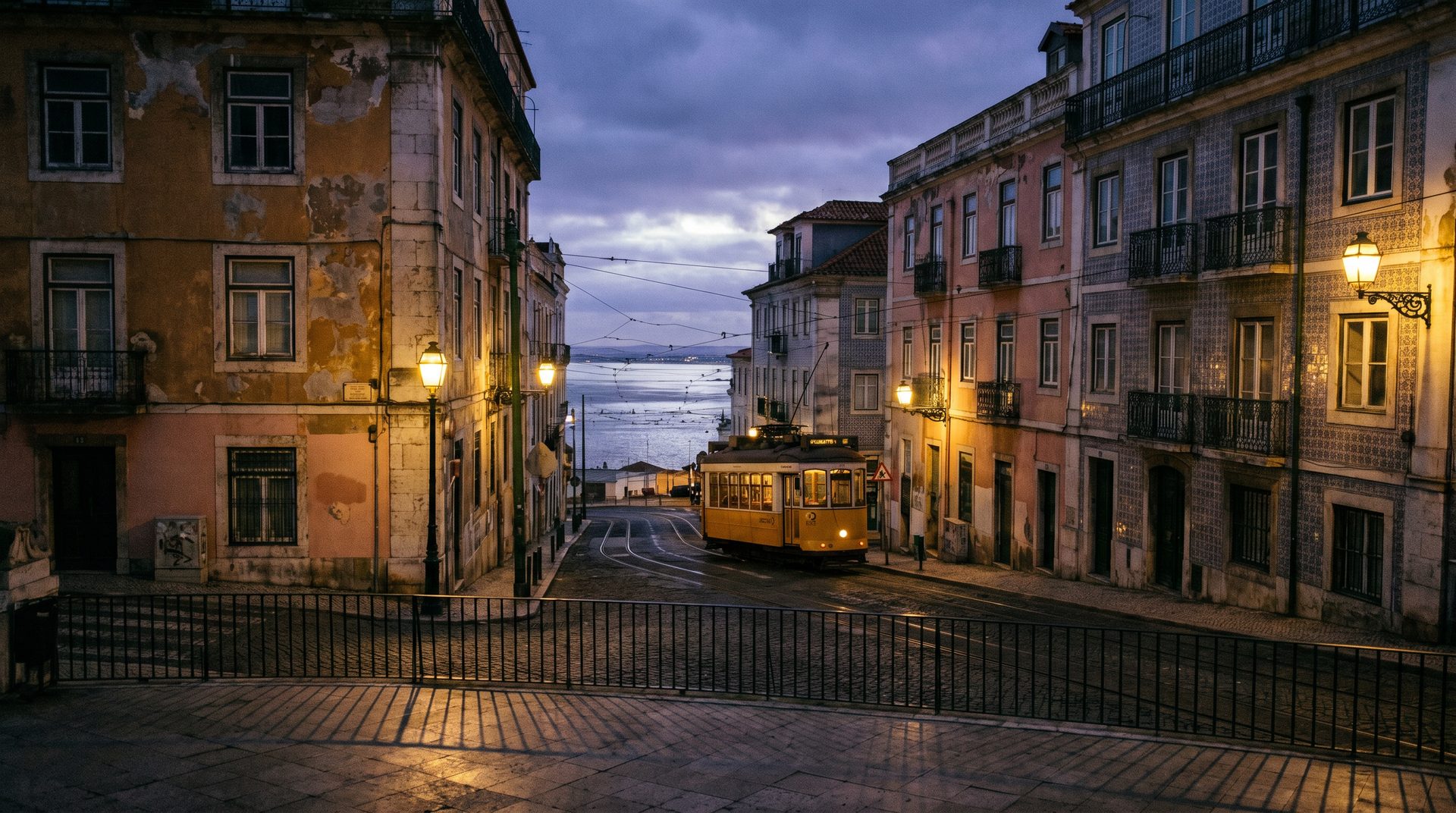

One Language, Two Cinemas
Portuguese is spoken across four continents, and its cinema splits, productively, into two temperaments. Portugal makes films about time: the slow ruin of empire, the weight of saudade, faces held in frame until they crack. Brazil makes films about heat and hunger: the drought-cracked sertão, the favela, the carnival that masks a class war. They rarely look alike. They almost never feel alike. But put them side by side and you get one of world cinema's most quietly important bodies of work.
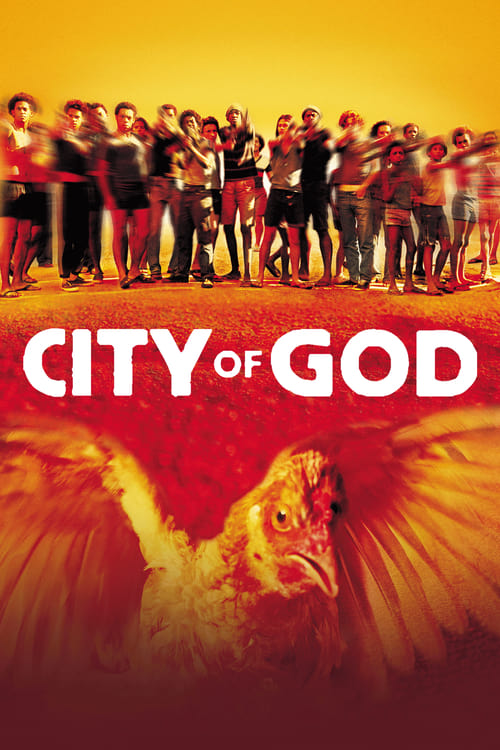
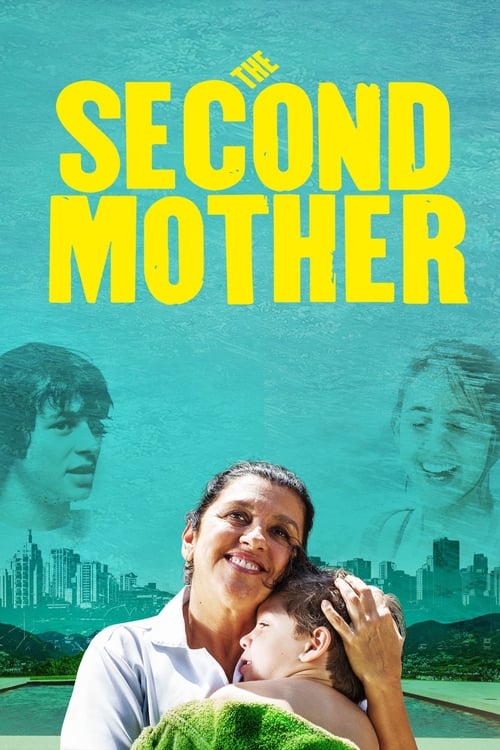
The Portuguese line runs through Manoel de Oliveira, who kept directing past the age of 100, and the austere modernism of his heirs: Pedro Costa filming the Cape Verdean immigrants of Lisbon's Fontainhas neighborhood, Miguel Gomes braiding fable and politics, the deadpan absurdism of João César Monteiro. The Brazilian line begins in fury with Cinema Novo (Glauber Rocha, Nelson Pereira dos Santos) and surges back into global view around 2002 with City of God, then powers a contemporary wave that carried Walter Salles to an Oscar with I'm Still Here.
This guide treats both halves as one family. It also reaches, where the catalog genuinely holds them, into the Brazilian literature and music that the films grew out of, because you cannot read this cinema without bossa nova and without the novelists of the backlands.
Brazil's Global Breakthroughs
The films that made the world watch Brazilian cinema again



Cinema Novo: A Camera in the Hand, an Idea in the Head
That slogan, Glauber Rocha's, is the founding creed of Cinema Novo, the movement that detonated Brazilian film in the early 1960s. Rough, urgent, openly political, it answered Italian neorealism with something hotter: the estética da fome, an aesthetic of hunger, that turned poverty itself into both subject and style. Rocha's Black God, White Devil (1964) and Entranced Earth (1967) are its hallucinatory peaks, mixing mysticism, banditry and Marxist critique in the dry northeastern sertão.
Nelson Pereira dos Santos is the movement's other patriarch. His Vidas Secas (1963), adapted from Graciliano Ramos's novel, is the most rigorous account of drought and dispossession Brazilian cinema produced, and his satire How Tasty Was My Little Frenchman (1971) turned the colonial encounter into black comedy: the colonizer, literally, eaten. After the 1964 military coup tightened censorship, the movement bent toward the playful, allegorical Tropicália mode, exemplified by Joaquim Pedro de Andrade's Macunaíma (1969).
Cinema Novo and the Brazilian Modernists
Rocha, dos Santos, and the aesthetic of hunger



Portugal films the silence after empire; Brazil films the noise of a country still arguing with itself. The shared language only sharpens how differently they use it.CrossBinge editors
The Portuguese Masters
Oliveira, Costa, Gomes: austerity, fable, and the ruins of saudade

Lisbon Schools: Oliveira's Long Shadow
Manoel de Oliveira had one of the strangest careers in film history. He shot his first work in the early 1930s and kept making features into his second century, a body of work that stretches from silent documentary to literary chamber pieces like Francisca and The Convent. Theatrical, talky, formally severe, his films taught generations of Portuguese directors to trust stillness and the human voice.
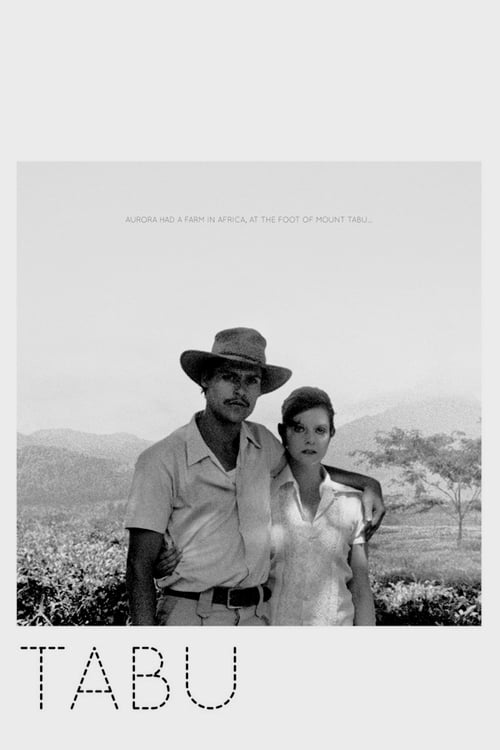
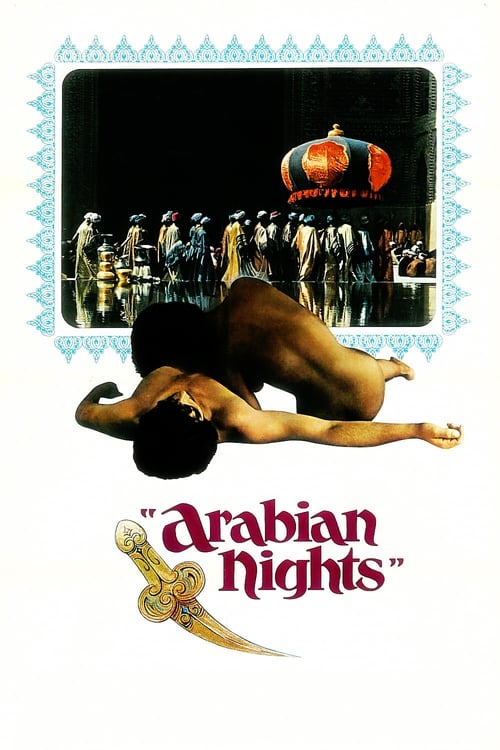
The heir who pushed furthest is Pedro Costa, whose Fontainhas films (Ossos, In Vanda's Room, Colossal Youth) shot the Cape Verdean immigrants of a condemned Lisbon neighborhood with the patience and chiaroscuro of a painter, blurring documentary and fiction until the distinction stops mattering. Miguel Gomes took the opposite tack toward play: Tabu splits into a Lisbon present and a silent African-colonial romance, and the sprawling Arabian Nights trilogy turns austerity-era Portugal into a chain of folk tales. Around them sit the deadpan eroticism of João César Monteiro and the political memory pieces of João Botelho. This is a small national cinema that has long outweighed its size at Cannes and Locarno.
A Lusophone Film Chronology
- 1931Manoel de Oliveira shoots his first film, the documentary short Douro, Faina Fluvial, in Porto
- 1942Oliveira's Aniki Bobo, a tender Porto street-children fiction, anticipates neorealism
- 1959Marcel Camus's Black Orpheus, shot in Rio, wins the Palme d'Or and the Oscar, carrying bossa nova abroad Black Orpheus
- 1963Nelson Pereira dos Santos's Vidas Secas crystallizes Cinema Novo's drought realism
- 1964Glauber Rocha's Black God, White Devil; a military coup the same year forces the movement toward allegory Black God, White Devil
- 1969Macunaima brings Tropicalia's anarchic color to the screen
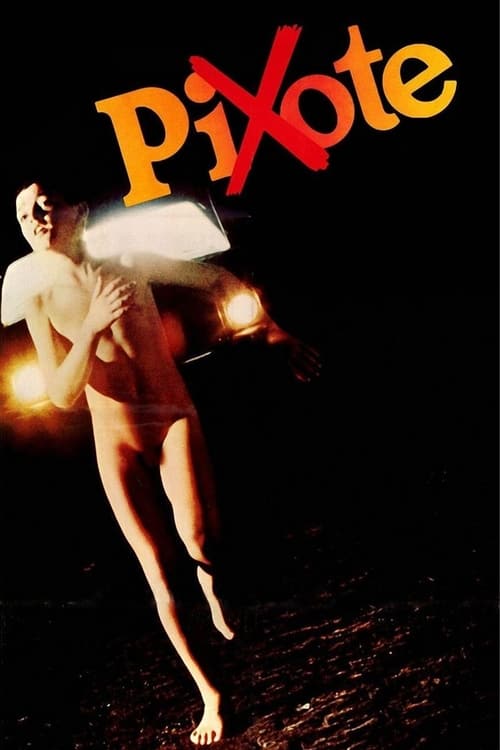
- 1980Hector Babenco's Pixote exposes the brutality faced by Brazil's street children Pixote
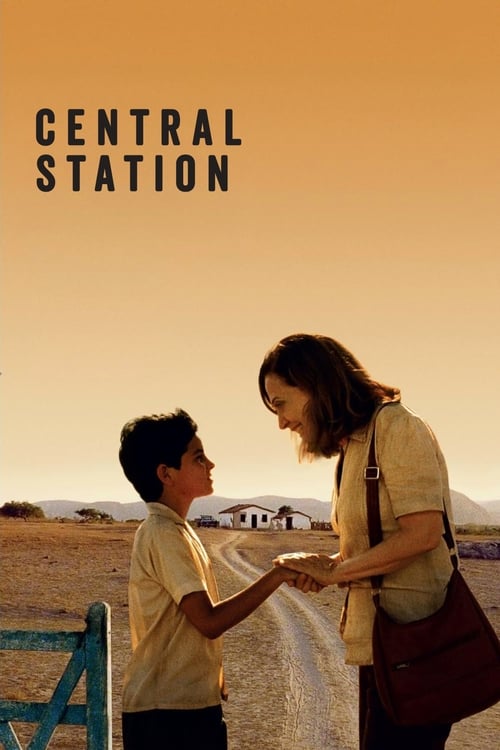
- 1998Walter Salles's Central Station wins the Berlin Golden Bear Central Station
- 2002City of God breaks onto the world stage and reignites interest in Brazilian cinema City of God
- 2012Miguel Gomes's Tabu marks a new international high point for Portuguese arthouse Tabu
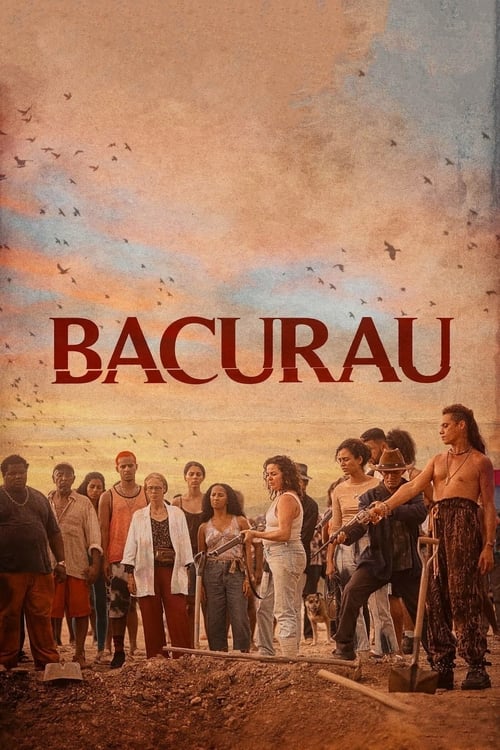
- 2019Bacurau wins the Cannes Jury Prize, fusing western, horror and political fable Bacurau
- 2025Walter Salles's I'm Still Here wins the Oscar for Best International Feature I'm Still Here
On Television: Brazilian Series and the Crime Wave
The novela machine plus a new streaming-era ambition




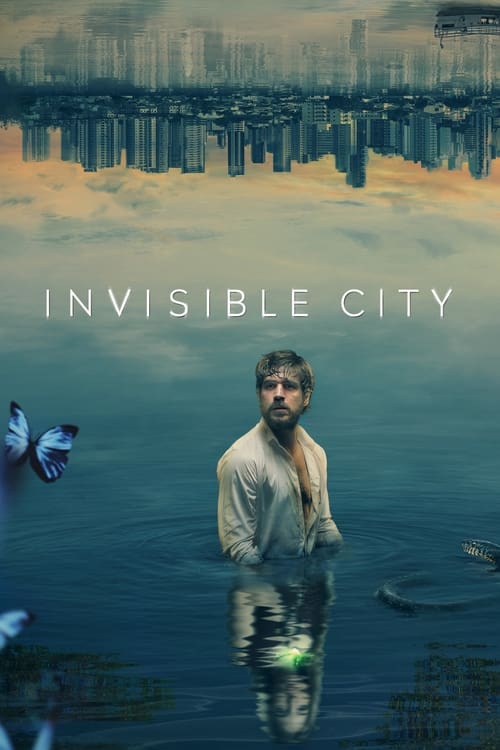
Read the Backlands: Brazilian and Portuguese Literature
The novels these films grew out of, and the canon beside them


Pedro Costa, not Walter Salles, is the most important Portuguese-language filmmaker alive
Salles has the Oscars and the global reach, and Central Station and I'm Still Here are genuinely moving, humane films. But Pedro Costa is doing something almost no one else in cinema attempts: building a decades-long fiction-documentary record of a single dispossessed immigrant community, on its own terms, at its own pace, with a formal rigor that turns a condemned Lisbon neighborhood into a Rembrandt. In Vanda's Room and Colossal Youth are hard, slow, and uncompromising. They are also the closest contemporary cinema comes to the patience and moral seriousness of the great painters. Salles gives you catharsis. Costa gives you a way of seeing that does not leave you.