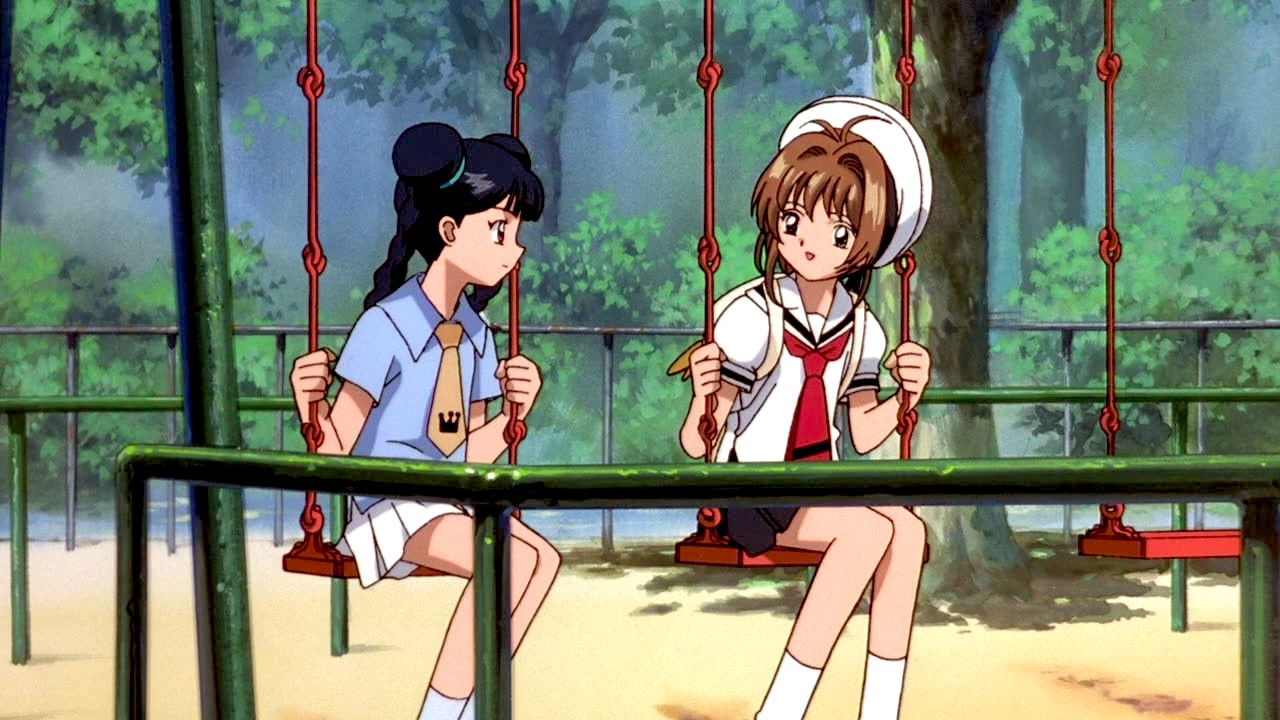

Cardcaptor Sakura arrived in 1996 as a manga by CLAMP and became one of the defining magical-girl series of its era, not because of escalating power levels or world-ending stakes, but because of something quieter: sincerity. Sakura Kinomoto collects the scattered Clow Cards one by one, and each card is a small story about a feeling, a fear, a memory. The series rewards patience and attentiveness. It trusts its young heroine to solve problems with creativity rather than force, and it takes her friendships, rivalries, and first loves as seriously as any action beat. That combination of warmth, precise character craft, and a distinctly Japanese visual elegance is what fans carry with them long after the final card is sealed.
Essential Cardcaptor Sakura
The core anime and films, in order
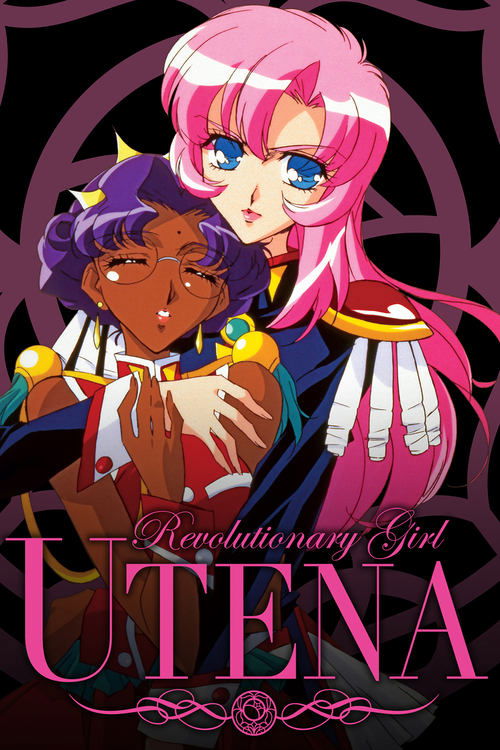
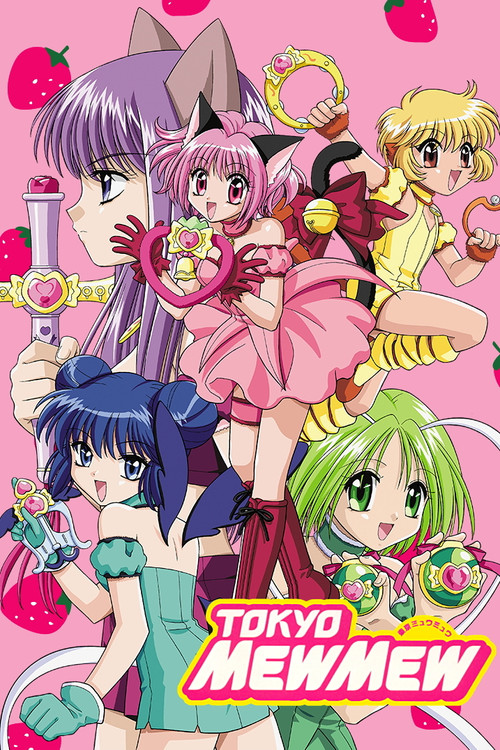
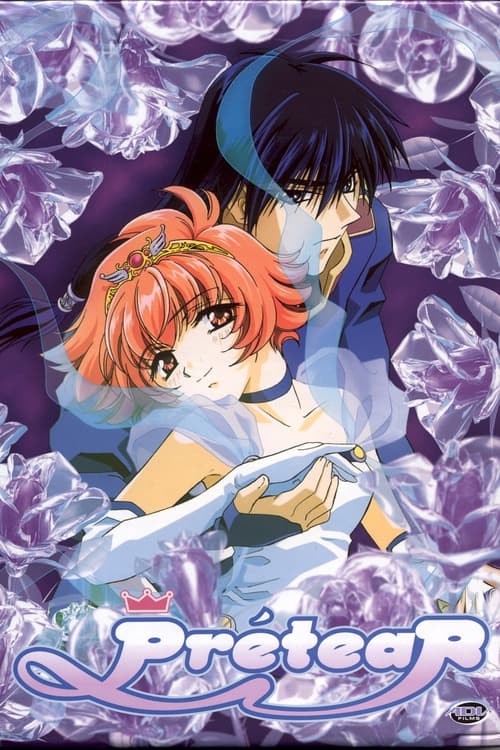
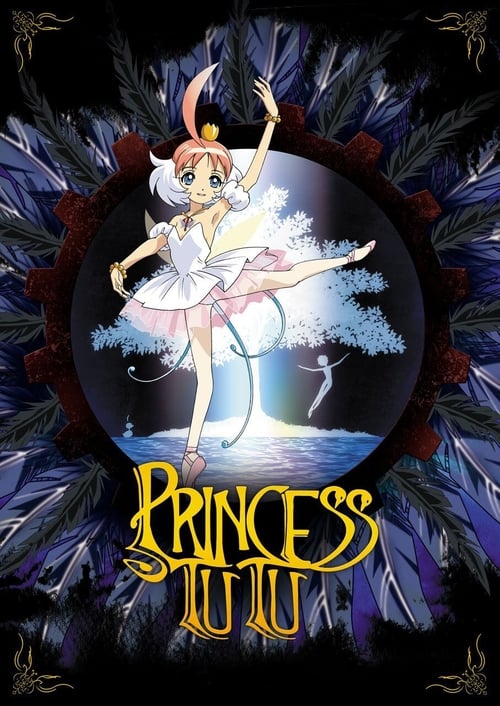
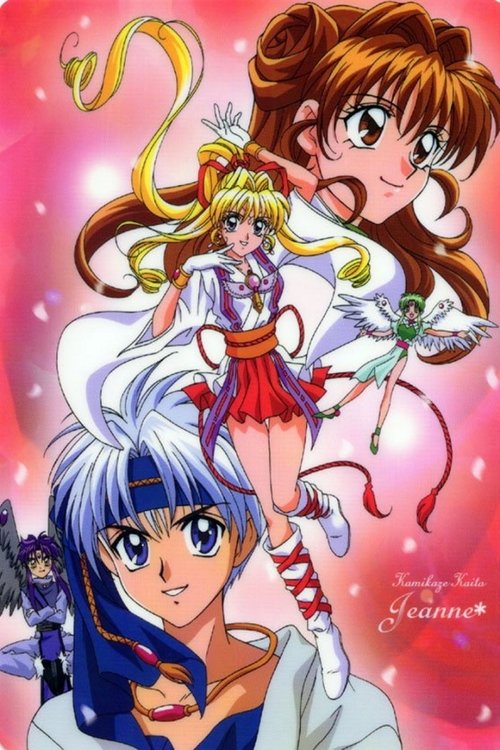
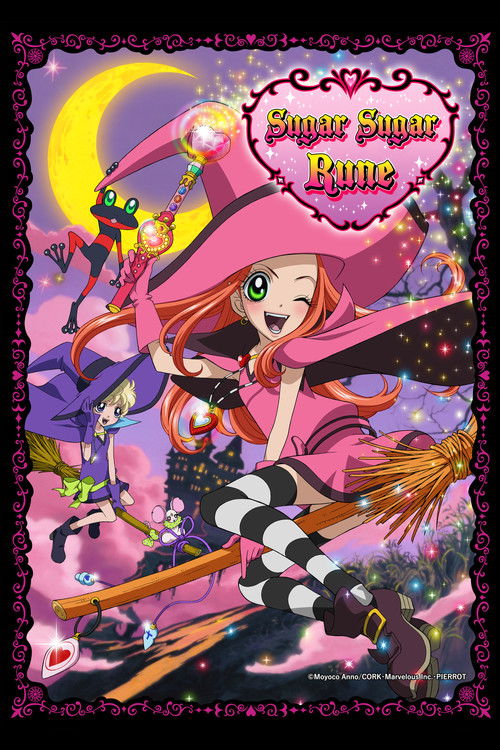
Similar Anime: Heart Over Power
Magical-girl and shojo series built on relationships and emotional truth
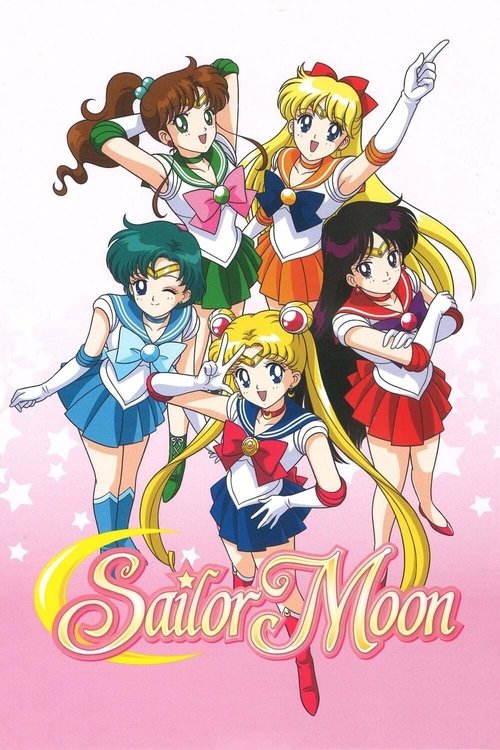
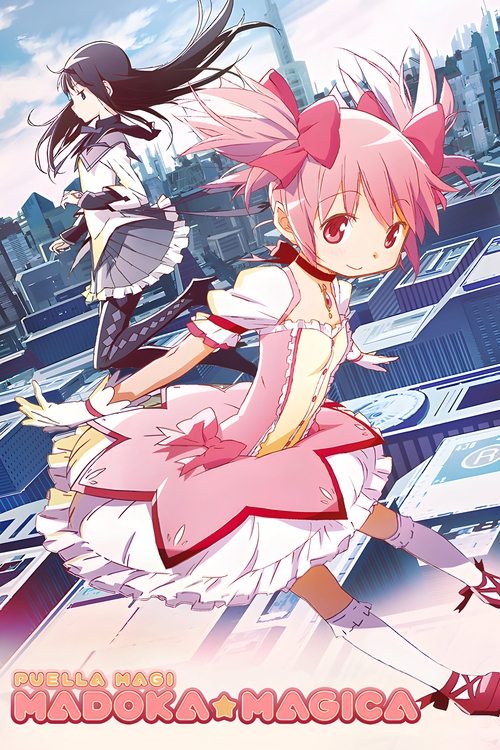
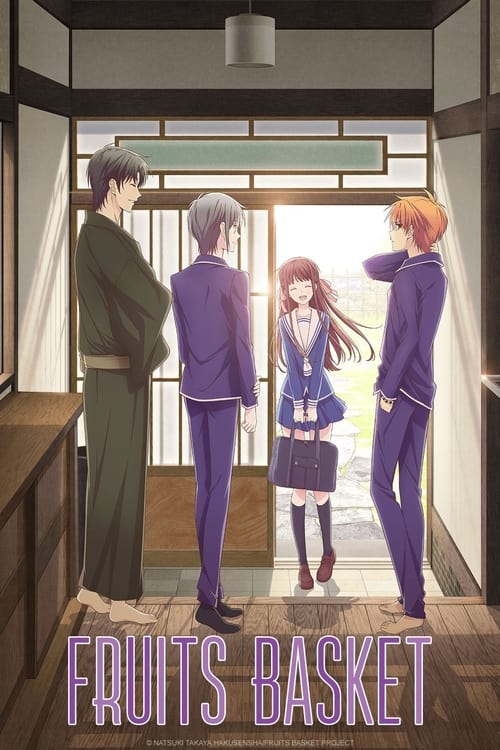
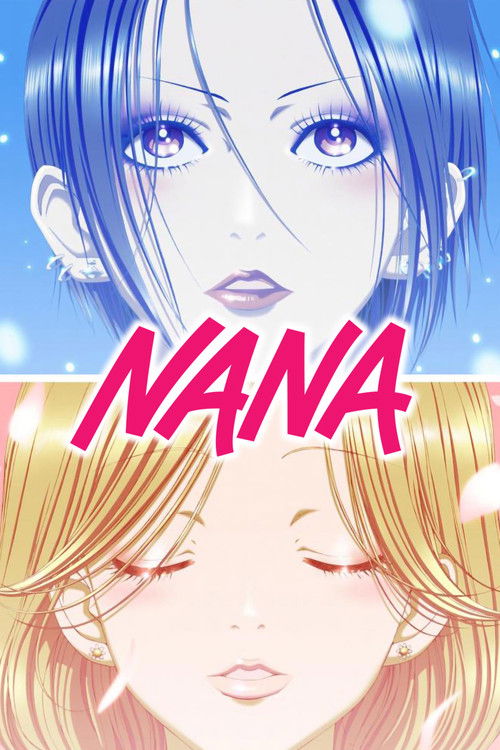

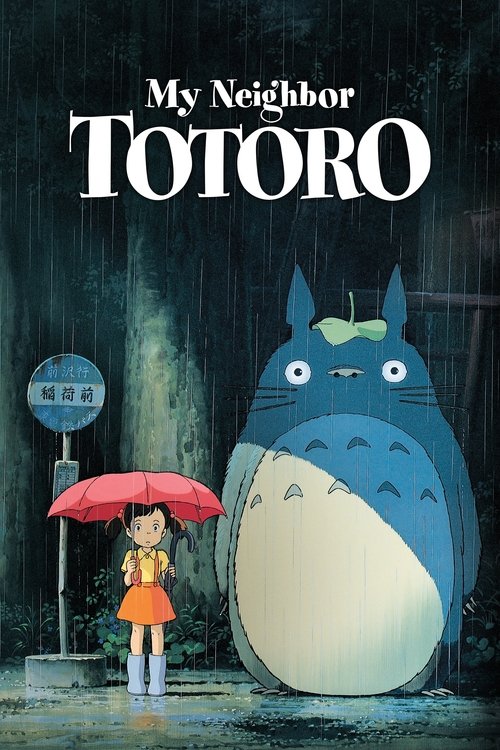
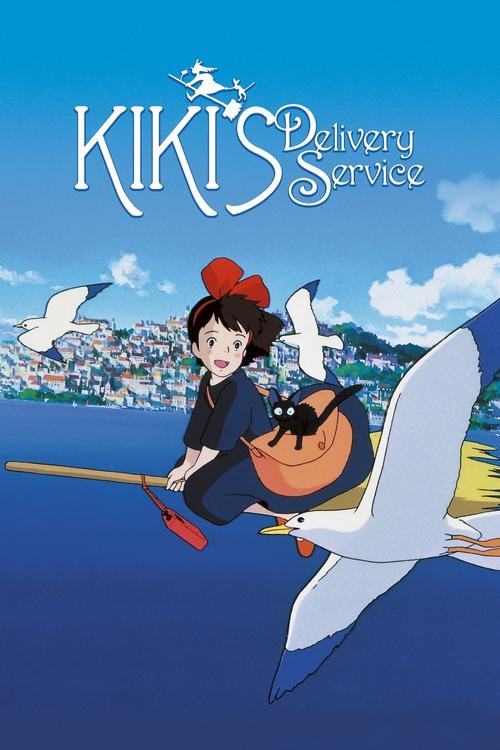
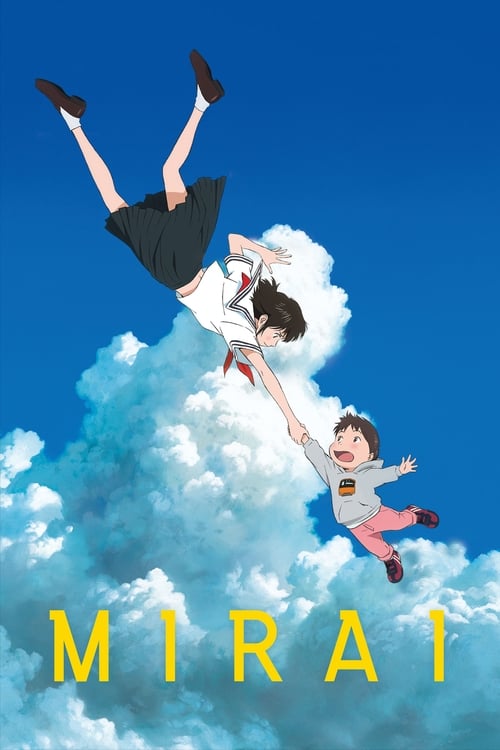
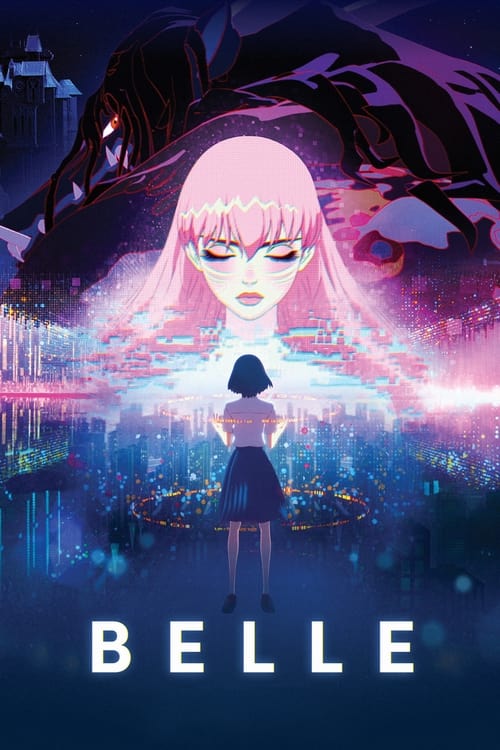
Films With the Same Feeling
Movies that share Sakura's warmth, wonder, and coming-of-age clarity
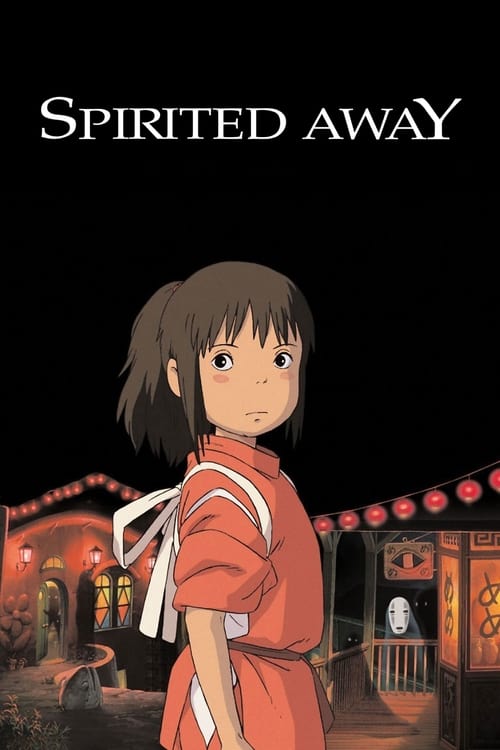

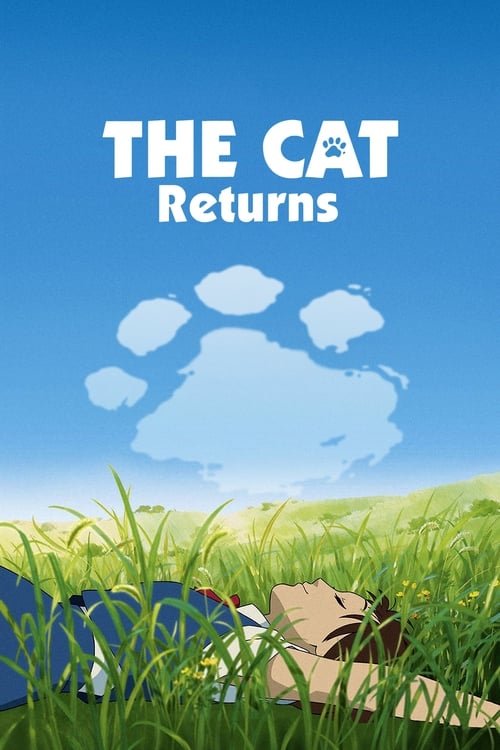
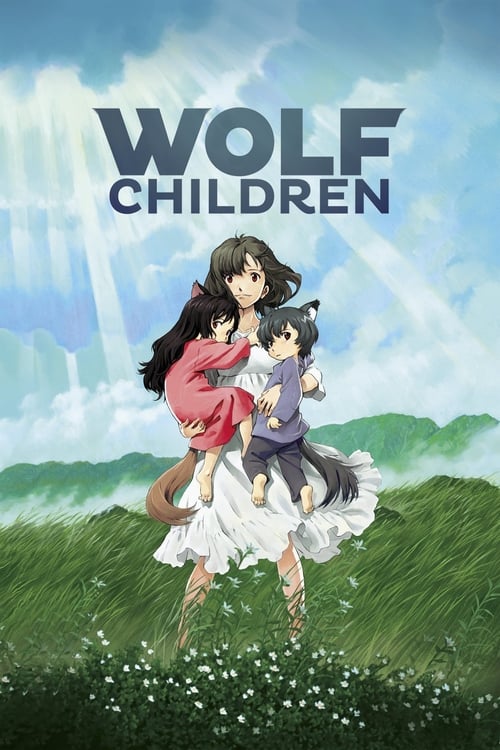
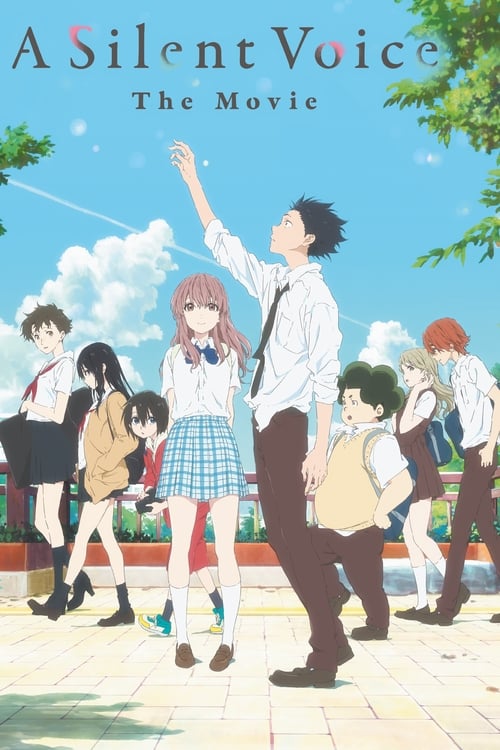
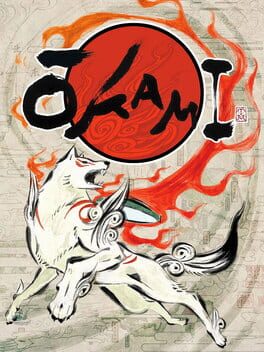
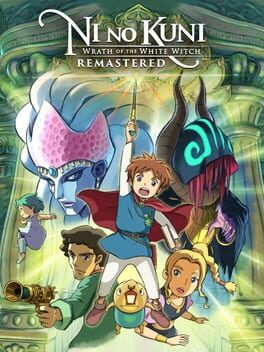
Games That Capture the Magic
Games with the same emphasis on discovery, charm, and gentle adventure
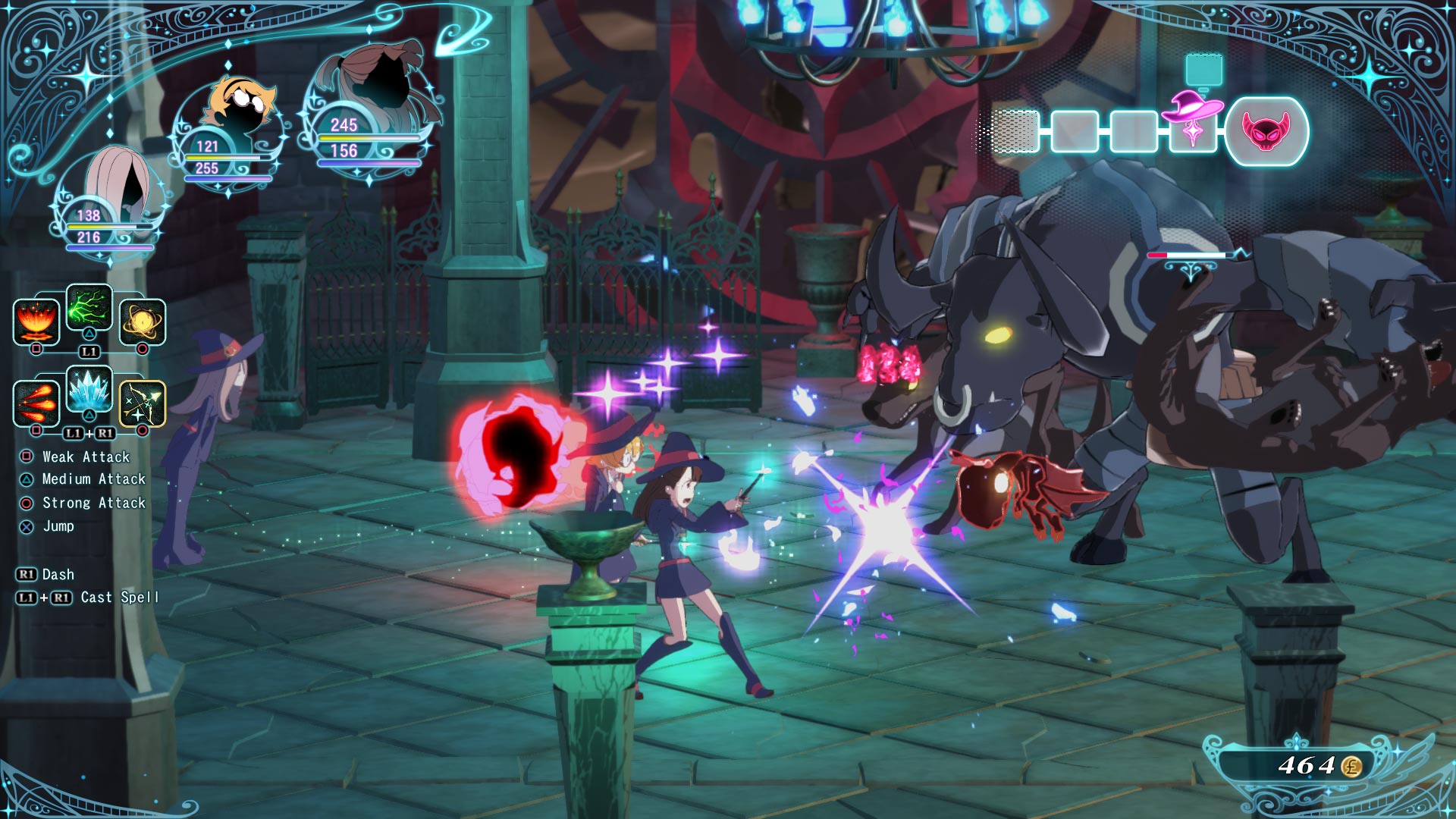

CLAMP Understands How Children Actually Feel
Most adventure series treat children as miniature adults who haven't leveled up yet. Cardcaptor Sakura does something rarer: it portrays Sakura's interior life with full seriousness. Her nervousness before a test, her affection for Yukito, her guilt when a card causes harm, all receive the same emotional weight as the magical set-pieces. CLAMP had spent years studying how feelings work before they drew a single panel of this series, and it shows. The result is a shojo work that adults revisit not out of nostalgia alone, but because it holds up as an honest portrayal of early emotional development.
The Costume Design Is Part of the Story
Tomoyo's elaborate battle costumes for Sakura are a running delight, but they also tell you something about the series' values: care, craft, and the idea that protection can be beautiful. Each outfit is tailored to the specific challenge ahead. This attention to design carries through the whole series. The Clow Cards themselves are aesthetic objects, each one its own small world. For fans who love anime where the visual vocabulary is doing real narrative work, Cardcaptor Sakura rewards close looking.
The Clear Card Arc Is a Worthy Continuation
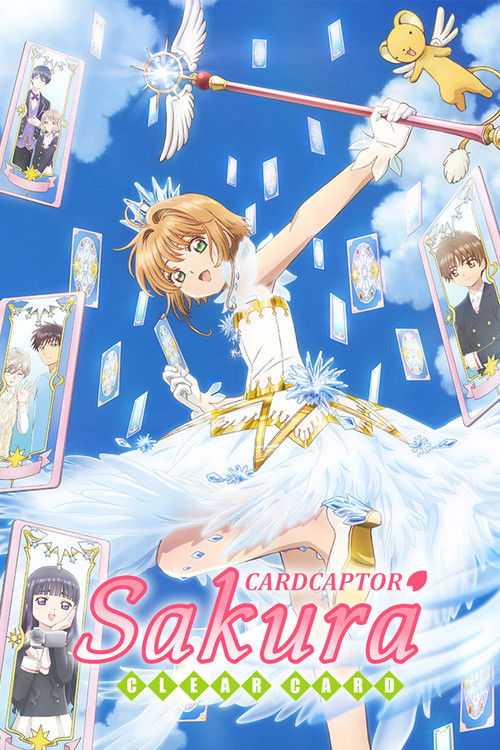
Sequels to beloved series from the 1990s frequently disappoint by leaning on nostalgia without earning it. Cardcaptor Sakura: Clear Card is a different case. CLAMP returned to their characters 20 years later with a clear sense of where Sakura and her relationships had to go next. The new cards carry a different emotional register, cooler and more mysterious, which suits a story about the threshold between childhood and adolescence. It is not simply a victory lap: it asks fresh questions about identity and connection.
Cardcaptor Sakura Through the Years
- 1996CLAMP's manga begins serialization in Nakayoshi magazine
- 1998Anime adaptation premieres on NHK, spanning 70 episodes Cardcaptor Sakura: Clear Card
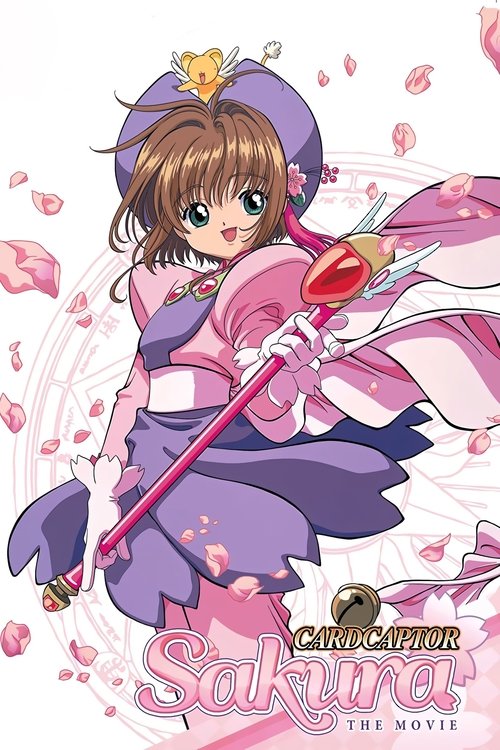
- 1999First theatrical film released Cardcaptor Sakura: The Movie
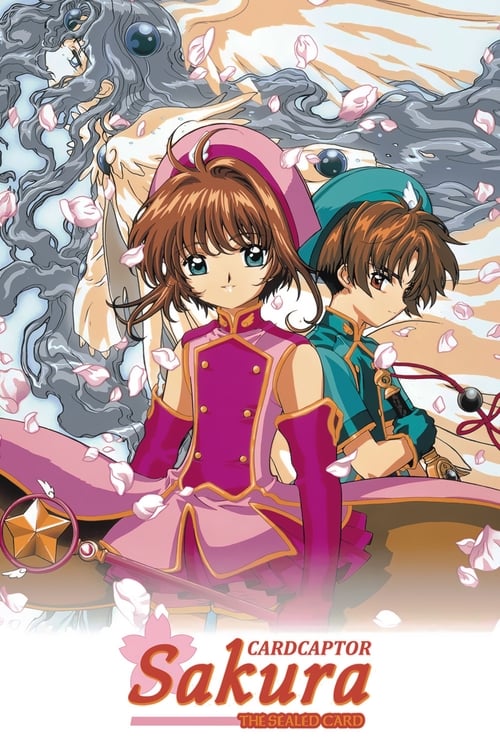
- 2000Second film and manga conclusion Cardcaptor Sakura: The Sealed Card
- 2016Clear Card manga begins, continuing the story 20 years on
- 2018Clear Card anime adaptation premieres Cardcaptor Sakura: Clear Card
More magical-girl wonder
For Fans of Sailor Moon
Explore the For Fans of Sailor Moon guide →The real magic in Cardcaptor Sakura is not in the cards. It is in watching someone learn that caring for others is itself a form of power.CrossBinge editors