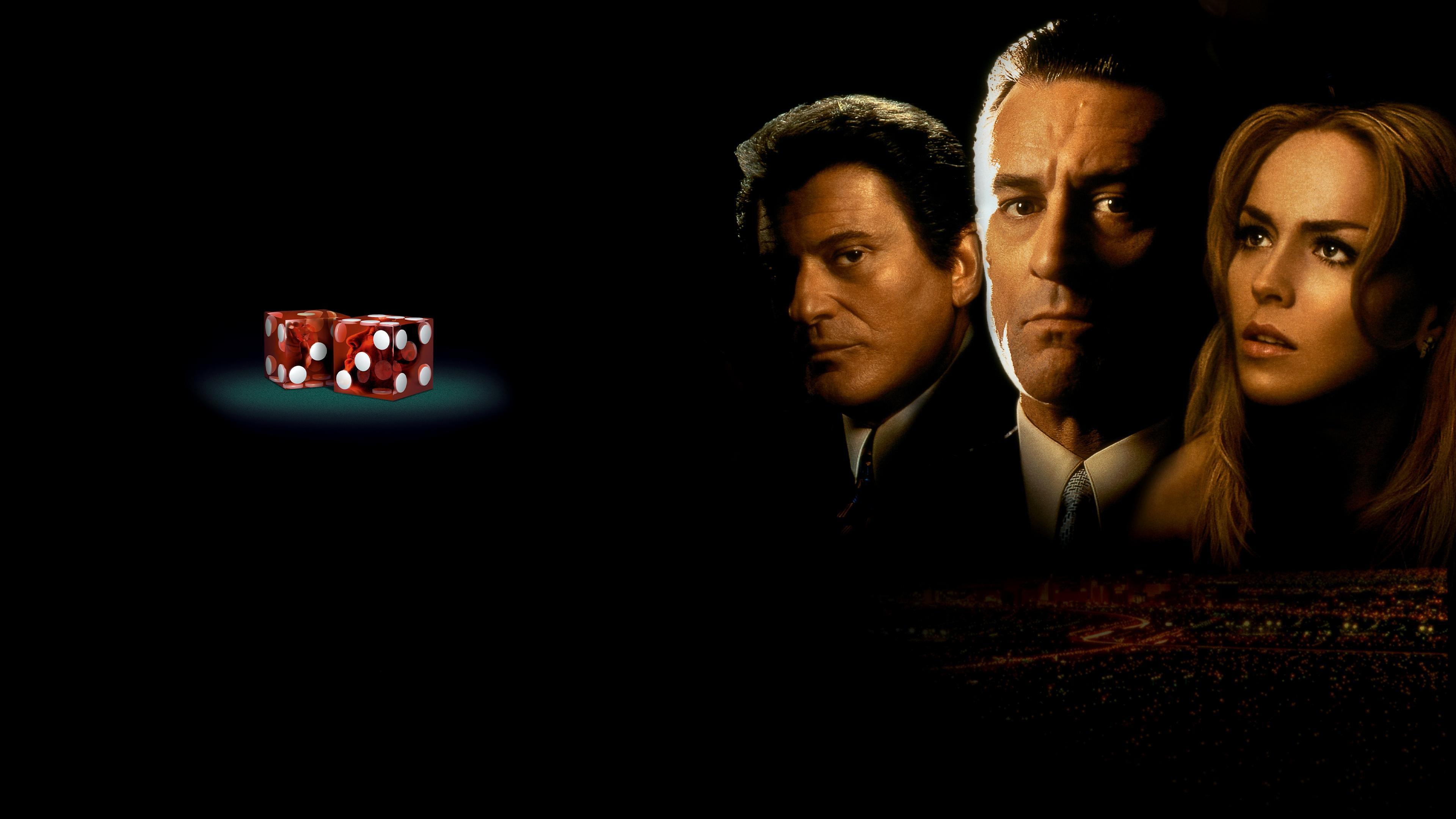

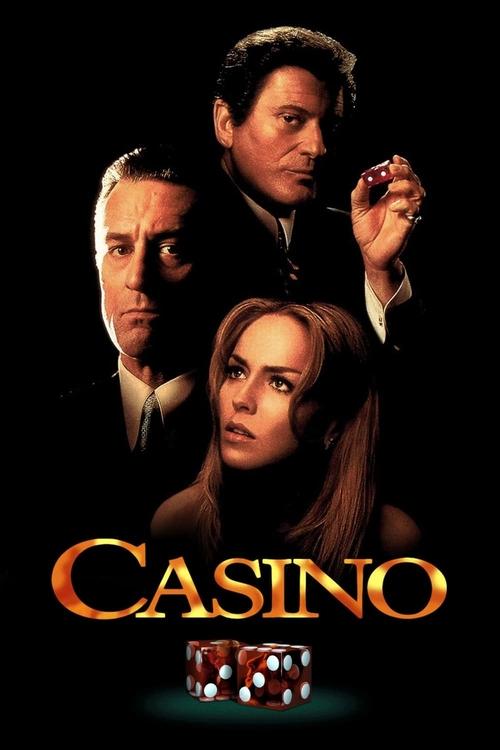
Casino is a film about what happens when the desire to control everything meets a system designed to grind everyone down. Robert De Niro's Sam 'Ace' Rothstein runs the Tangiers with a jeweler's obsession: every camera angle optimized, every dealer watched, every inch of carpet accounted for. Joe Pesci's Nicky Santoro is the chaos that obsession cannot contain. Sharon Stone's Ginger is the one variable Ace keeps misjudging. Over nearly three hours, Scorsese and co-writer Nicholas Pileggi build a tragedy in the classical sense: men who are very good at a very specific thing, destroyed by the one thing they cannot quantify.
What Casino fans chase is that particular Scorsese texture: narration that contradicts the image, pop songs weaponized against violence, a procedural love of how institutions work paired with a coroner's interest in how they rot. The Las Vegas of 1973-83 is the subject, but the real subject is always the machinery of organized power and the human vanity that believes it can ride that machinery forever.
Essential Casino
The film itself and Scorsese's closest companions in ambition and form

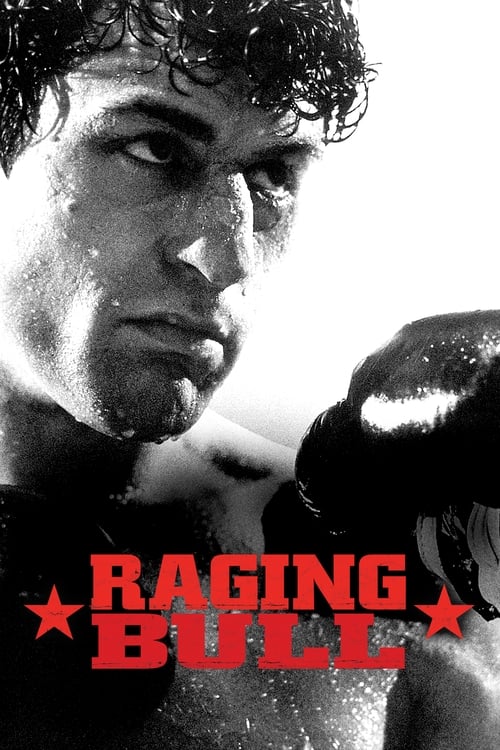
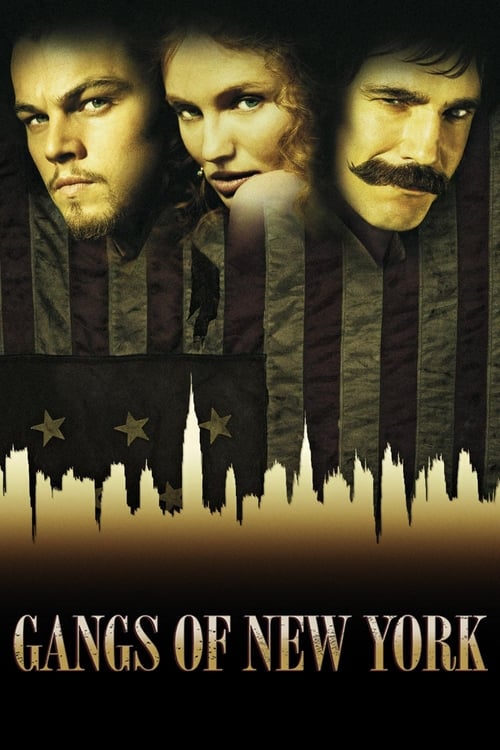
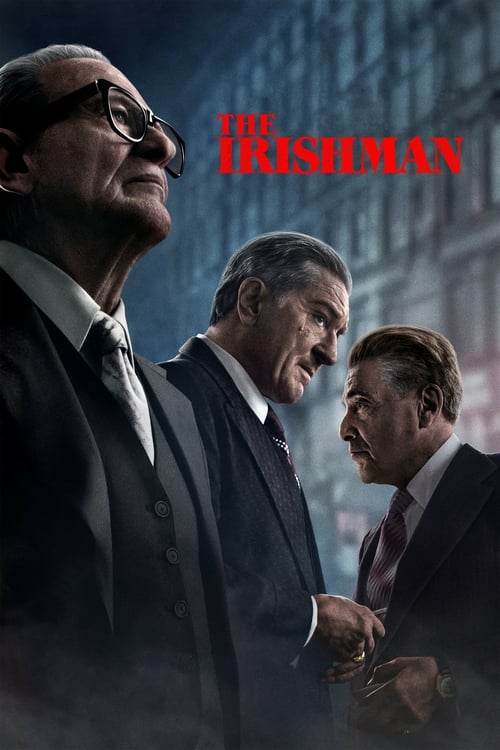
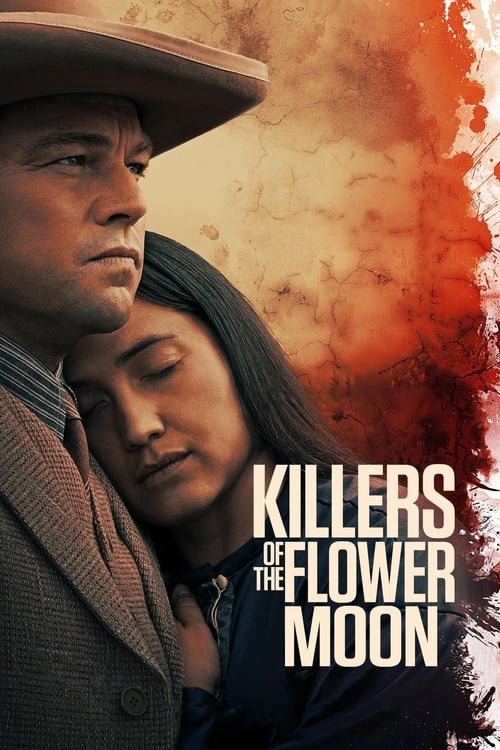
The rise-and-fall arc is the purest form of American tragedy
Casino belongs to a lineage of American films that treat ambition as a terminal condition. The structure is always the same: a gifted operator climbs inside a system, masters it, and then overreaches by one degree. Scorsese learned this shape from the gangster pictures of the 1930s and refined it across three decades. The pleasure is not the fall itself but the slow revelation that the fall was baked in from the opening frame.
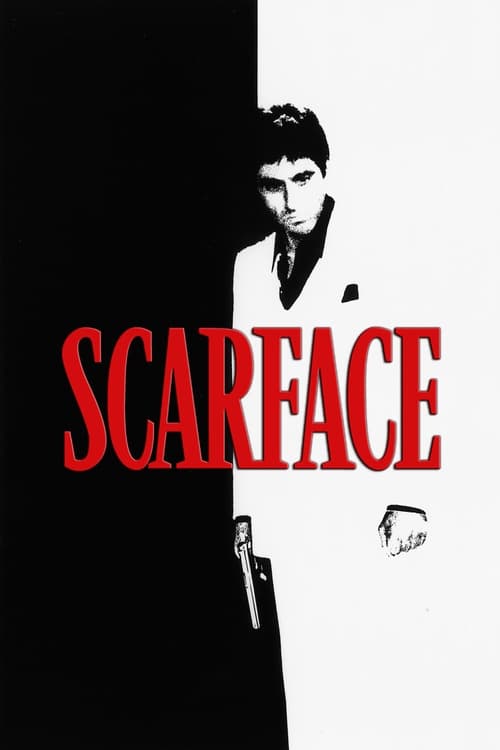
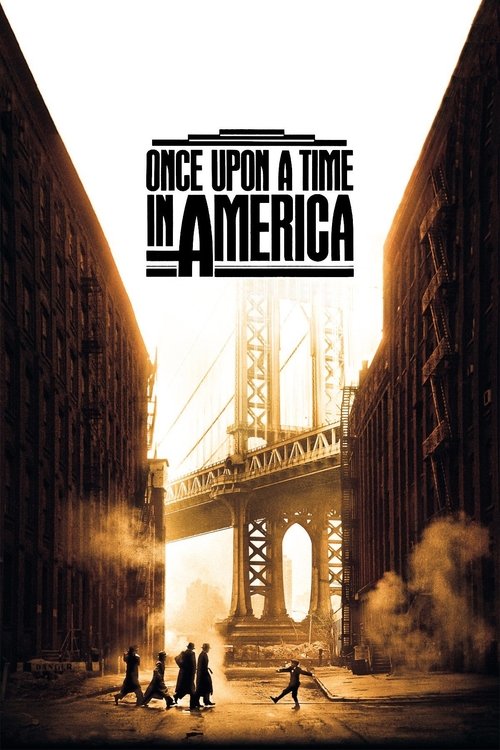
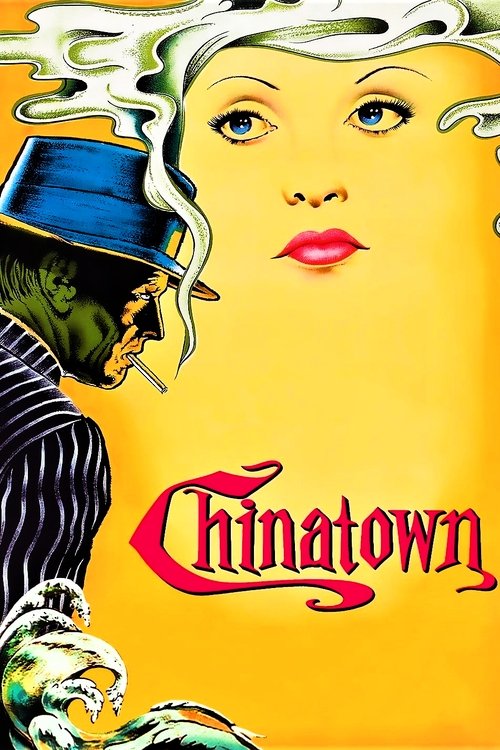
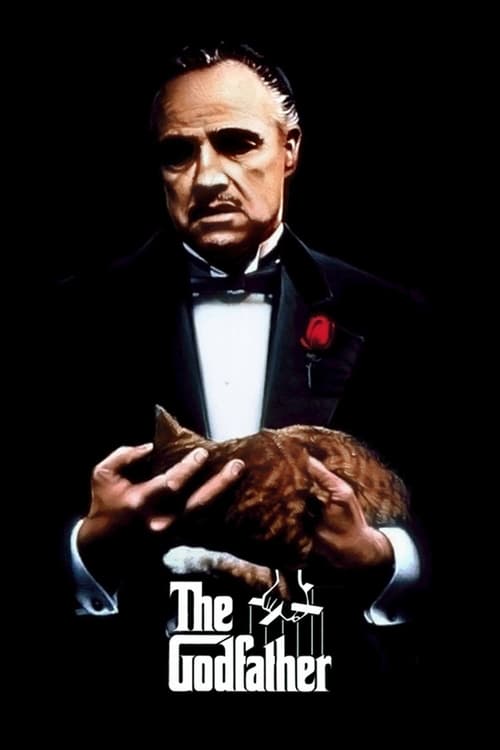
Same-vibe crime cinema
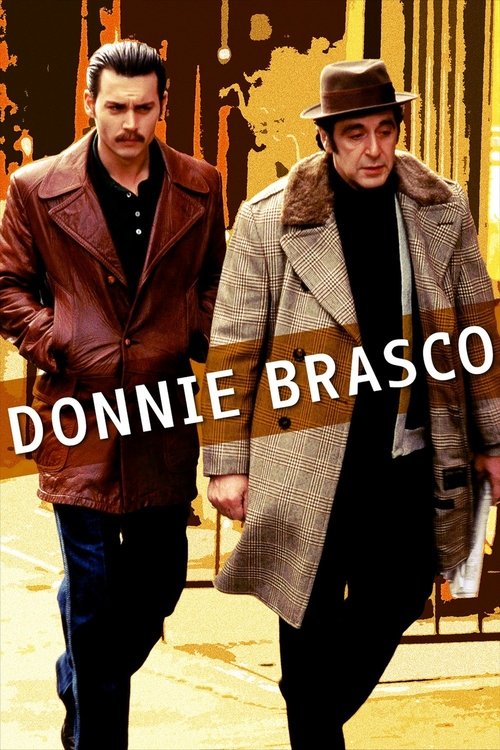
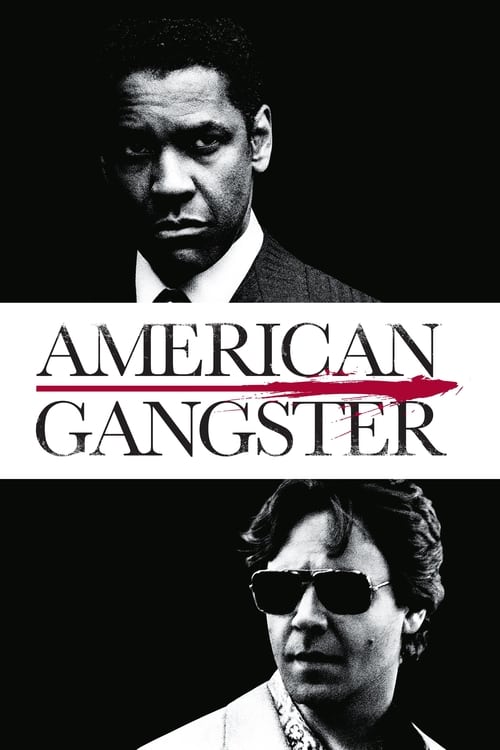
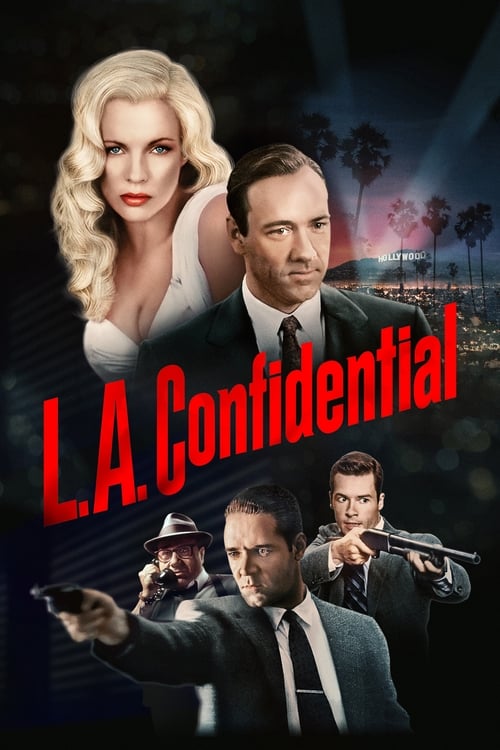
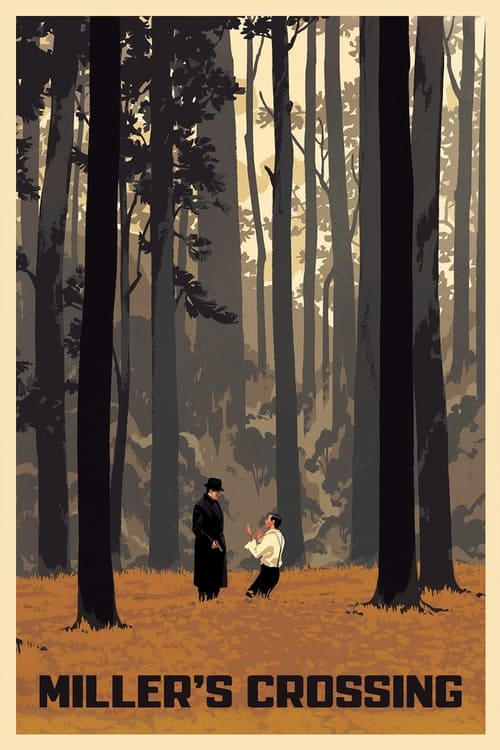
Films that share Casino's operatic scale, unreliable narrators, and institutional rot
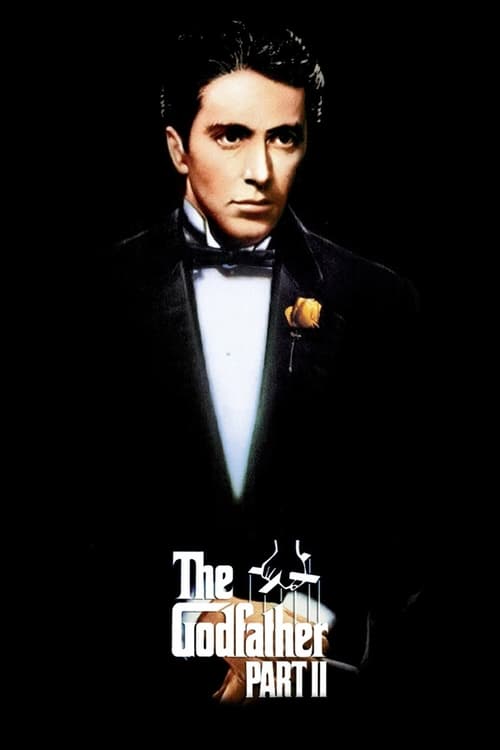
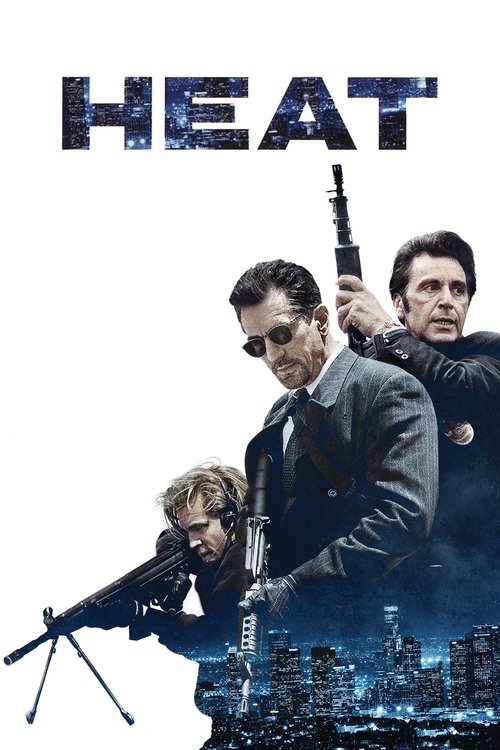
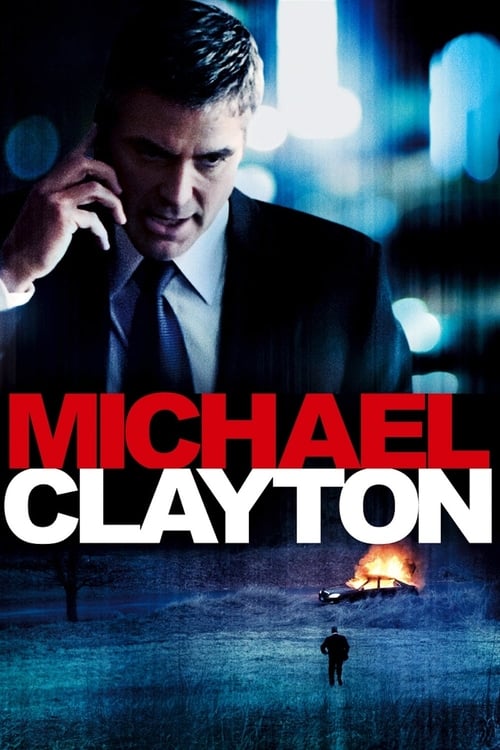
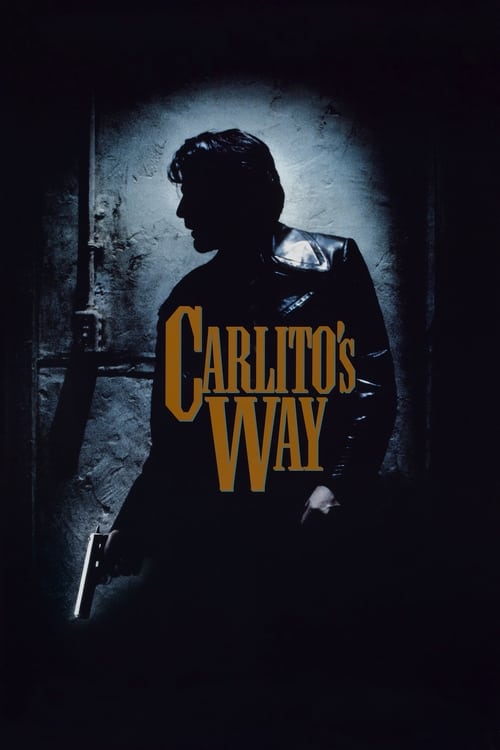
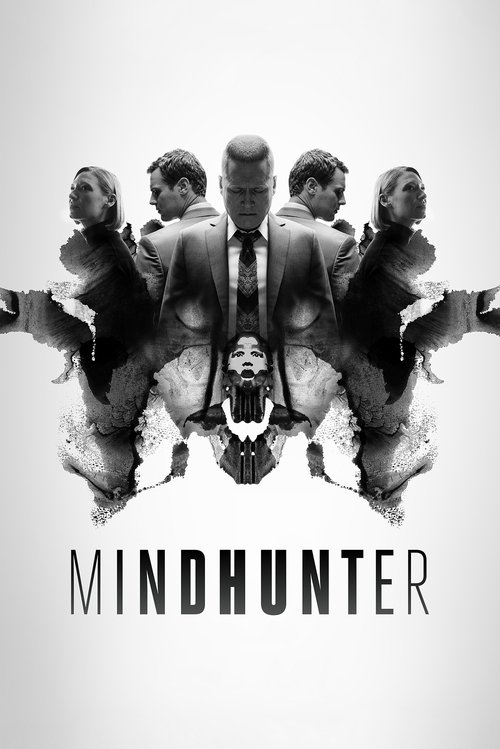
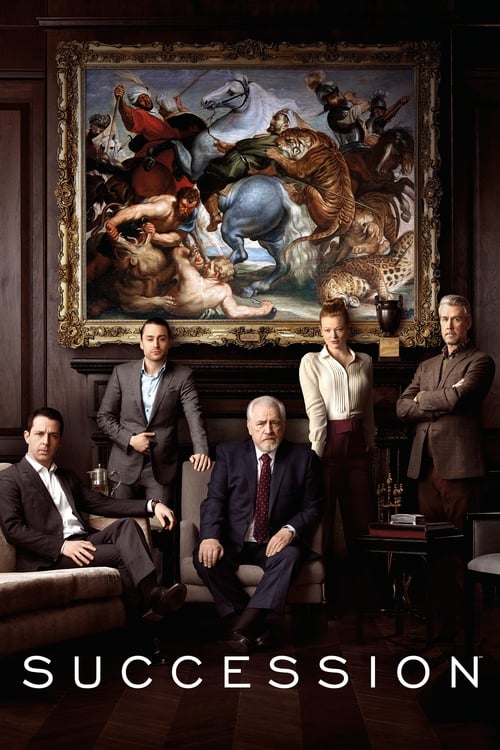
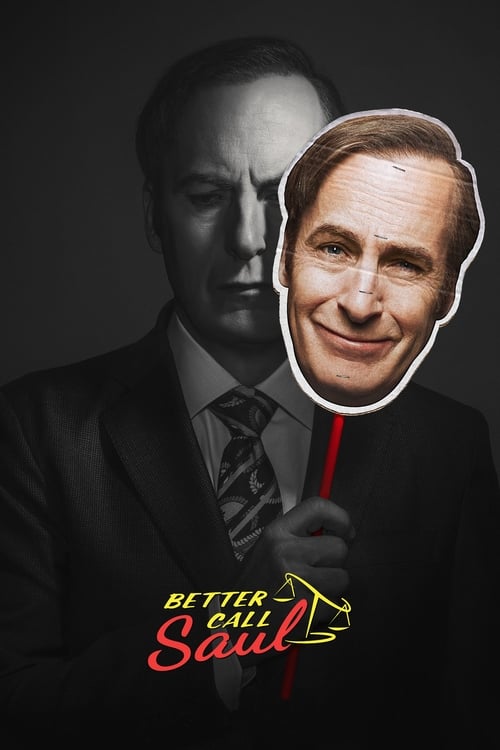
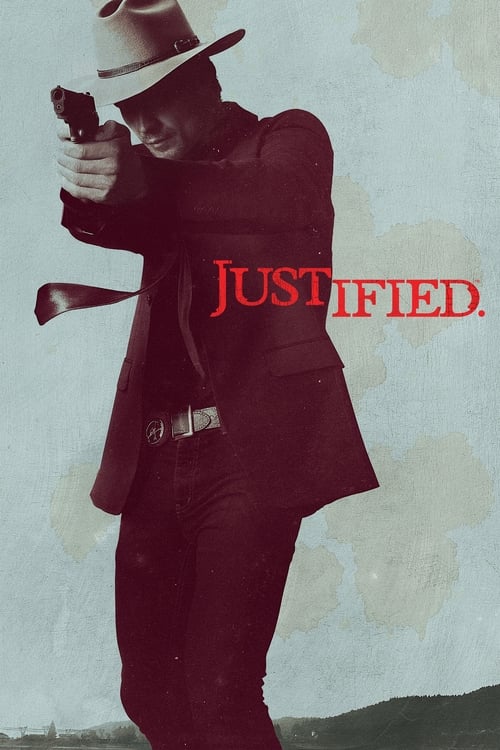
Series that live inside the machine
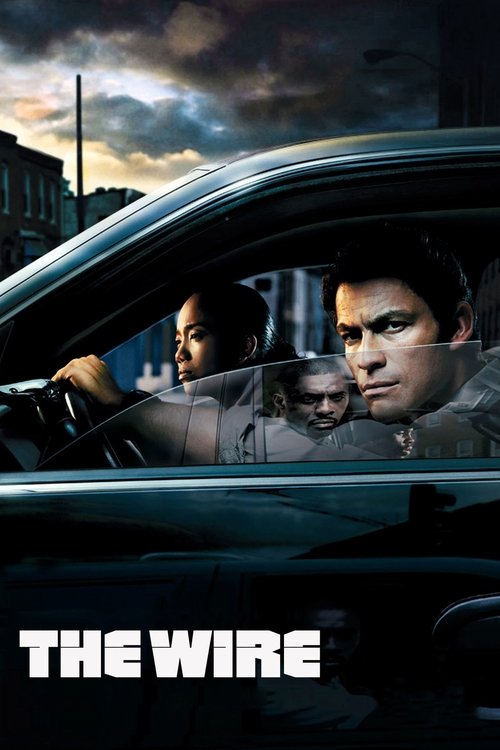
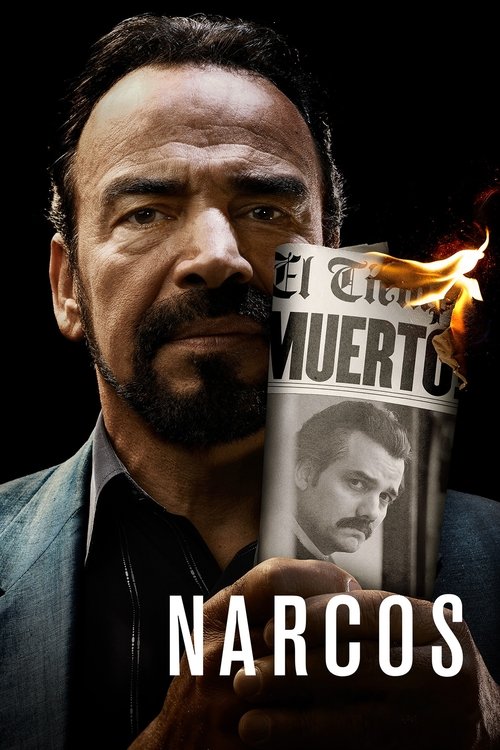
TV that brings the same institutional obsession and moral rot over a longer burn

Sharon Stone's Ginger is the best-written woman in the Scorsese crime canon
The gangster film is almost always a male genre, and its women are almost always props. Ginger is different: she has her own set of calculations, her own loyalties that predate Ace, her own logic that the film respects even as it watches her fall apart. Stone won the Golden Globe and lost the Oscar (to Susan Sarandon in Dead Man Walking) in what remains one of the more debated Academy nights of the 1990s. Whether or not the Academy got it right, the performance is the film's emotional center.

The books behind the crime
Nonfiction and fiction that share Casino's appetite for how criminal enterprises actually work


Games that put you inside the machine
Games that capture the power, paranoia, and corruption at the heart of Casino
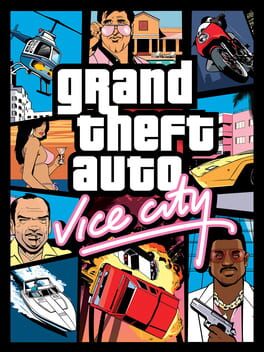
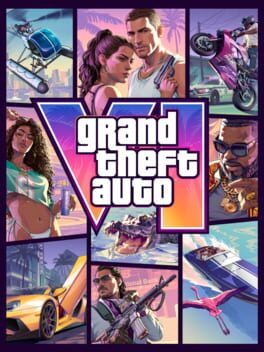

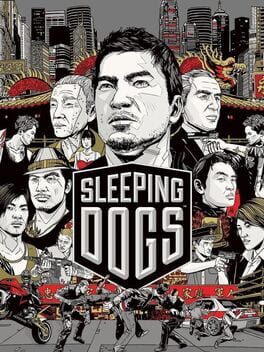
The needle-drop as emotional sledgehammer
Scorsese was using pop music as ironic counterpoint before the technique had a name. The opening of Casino, set to the Rolling Stones' 'Love is Strong' over a slow-motion explosion, announces the entire film's method: the song is not illustrating the image, it is arguing with it. By 1995 this was Scorsese's signature, but Casino pushed it further than Goodfellas, running through the Stones, Devo, Fleetwood Mac, and the Velvet Underground as a kind of emotional audit trail of the decade being depicted.
The sounds of Casino
Music from the film, the era, and composers who score crime and moral ambiguity
Casino and its world: a timeline
- 1963The real Stardust casino comes under Mob control, the period Casino depicts beginning.
- 1972The Godfather released, setting the template for the American crime epic. The Godfather
- 1974Chinatown: power, corruption, and a city that eats its own. Chinatown
- 1983Scarface: the rise-and-fall arc goes operatic in neon. Scarface
- 1984Once Upon a Time in America: Leone's four-hour American crime elegy. Once Upon a Time in America
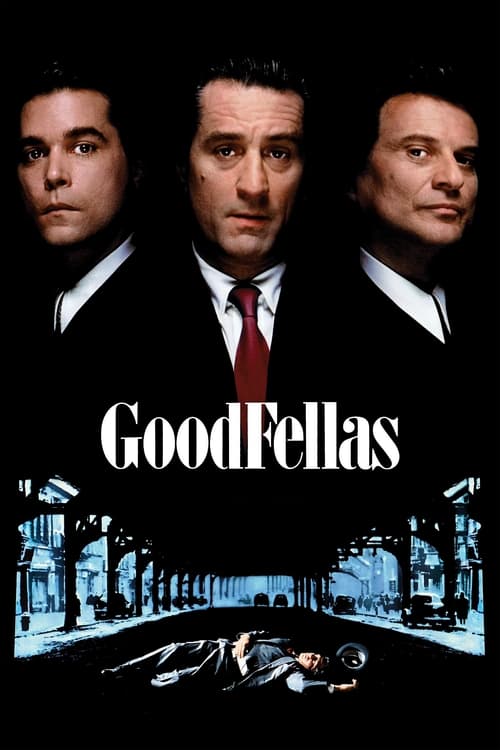
- 1990Goodfellas: Scorsese and Pileggi's first collaboration; the dry run for Casino's approach. GoodFellas
- 1995Casino released. De Niro, Pesci, and Stone. Three hours. The Las Vegas machine eats everyone. Casino
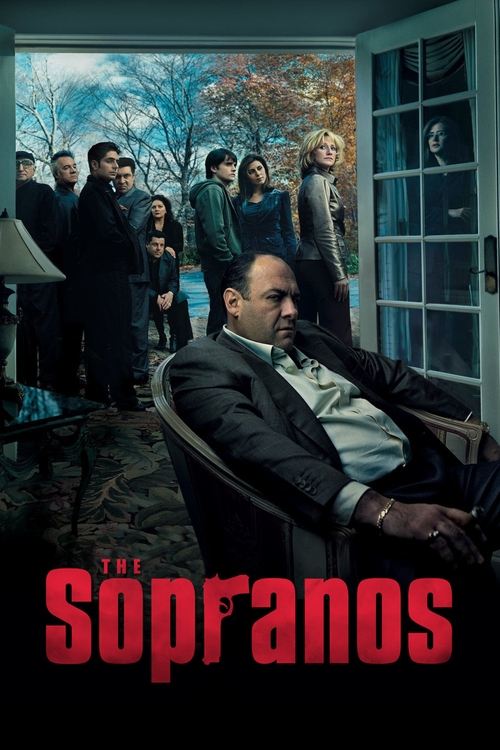
- 1999The Sopranos premieres: the crime series finally gets the psychological depth the films had. The Sopranos
- 2002Mafia: a game that finally commits to the period crime drama structure. Mafia
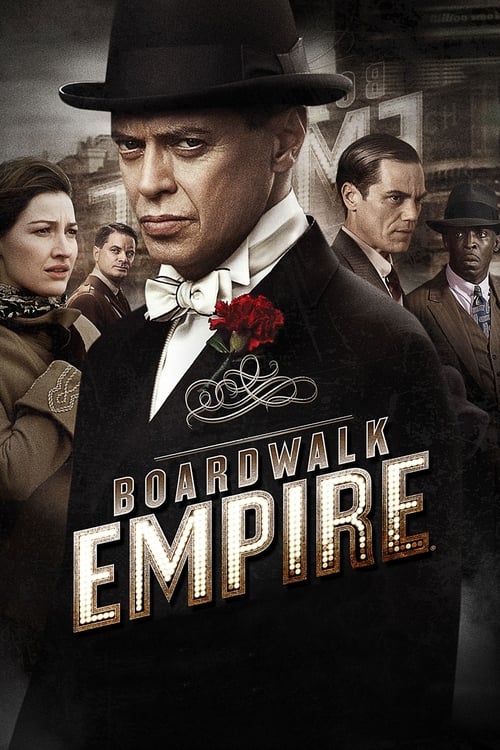
- 2010Boardwalk Empire: HBO and Scorsese (as director of the pilot) bring the formula to Prohibition Atlantic City. Boardwalk Empire
- 2011L.A. Noire: the crime procedural as playable neo-noir. L.A. Noire
- 2019The Irishman: Scorsese closes the rise-and-fall trilogy, this time with a reckoning about time. The Irishman
More Mob, Money, and Betrayal
Mafia & Organized Crime
Explore the Mafia & Organized Crime guide →In Vegas, everybody's gotta watch everybody else. Since the players are looking to beat the casino, the dealers are watching the players. The boxmen are watching the dealers. The floormen are watching the boxmen. The pit bosses are watching the floormen. The shift bosses are watching the pit bosses. The casino manager is watching the shift bosses. I'm watching the casino manager. And the eye in the sky is watching us all.Sam 'Ace' Rothstein, Casino (1995)