
For thirteen years, from 1920 to 1933, the United States made it a crime to sell a drink. The result was not a sober nation but the richest criminal economy the country had ever seen. Prohibition did not stop America from drinking. It moved the drinking behind a sliding panel and a password, handed the distribution rights to men with machine guns, and turned a tavern keeper into a folk hero. Al Capone grossed more than a hundred million dollars a year selling the one thing the law had forbidden, and a generation of writers, filmmakers and game designers has been mining that contradiction ever since.
The appeal is obvious once you name it. This is the only era in American history where the gangster and the audience wanted the same thing: a cold drink and a good time. The bootlegger was not preying on the public, he was serving it, which is why the stories built on him are so seductive and so morally slippery. A speakeasy is a stage set that comes with its own jazz band, its own dress code and its own built-in tension, because the police could kick the door in at any moment. From the gleaming Atlantic City boardwalk of HBO's flagship drama to the smoke and brass of a Chicago jazz club, this is a world that begs to be dramatized.
Essential Prohibition
The canon of bootleggers, speakeasies and tommy-gun law across every medium
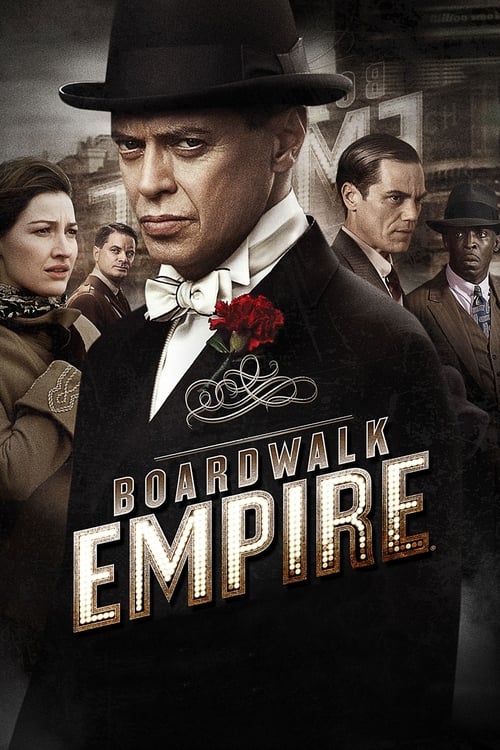

Boardwalk Empire is still the genre's high-water mark
Terence Winter came off The Sopranos and built the definitive screen account of how Prohibition actually worked: not as a single crime boss but as a machine of treasurers, ward heelers, federal agents and ambitious lieutenants, all feeding off the same illegal river of liquor. Steve Buscemi's Nucky Thompson is a politician first and a gangster second, which is the show's quiet thesis. The men who profited most from the dry law were not the shooters but the fixers who controlled the docks, the ballots and the cops.
What keeps Boardwalk Empire ahead of its imitators is texture. The period detail is obsessive without being a museum piece, the violence is sudden and consequential rather than stylish, and the show is genuinely interested in the era's politics: the rise of the FBI, the corruption of city hall, the way an entire economy reorganized itself around a single prohibition. Five seasons later it remains the first thing to watch if you want to understand the decade.
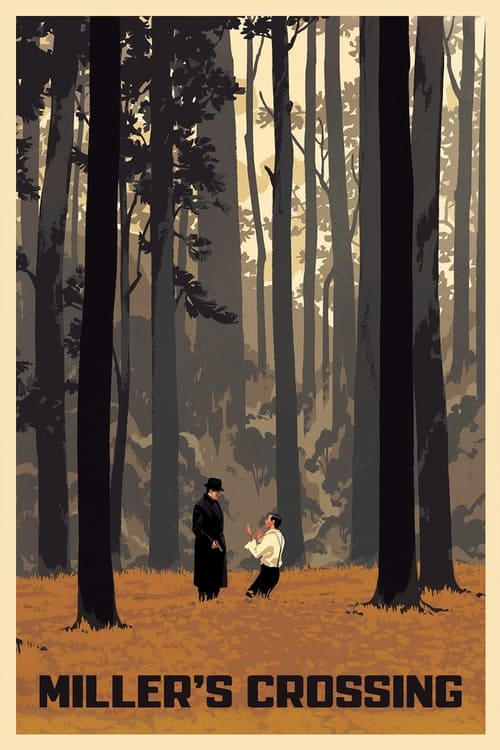
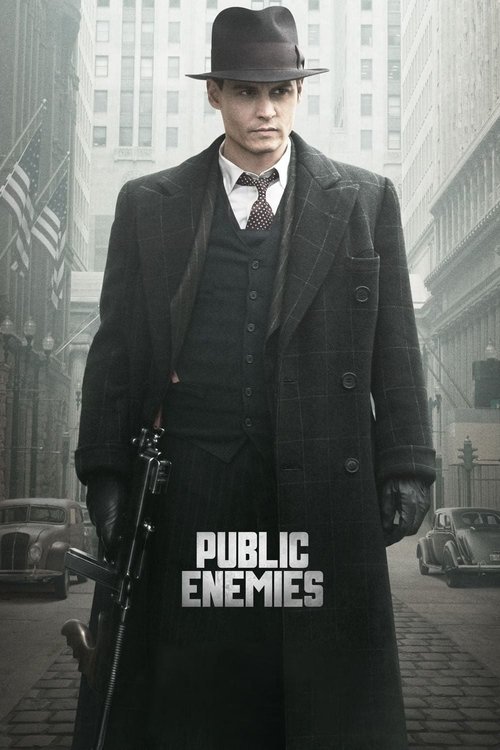
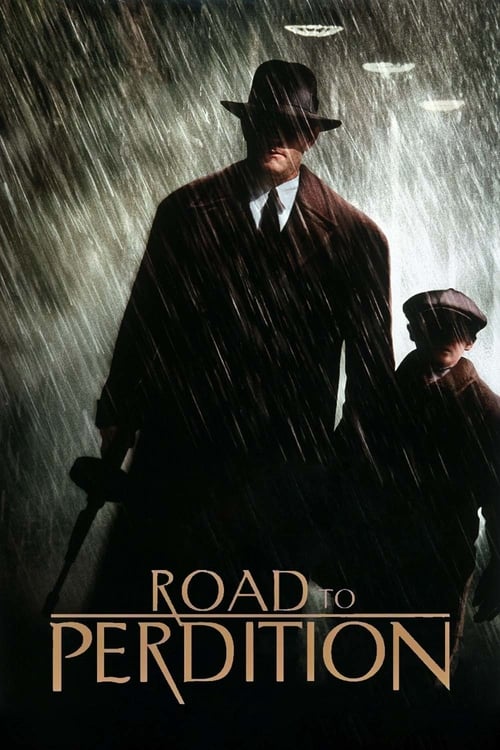
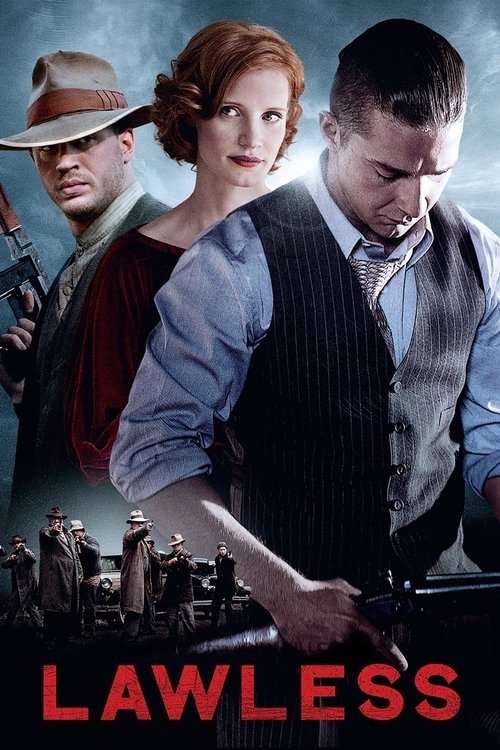
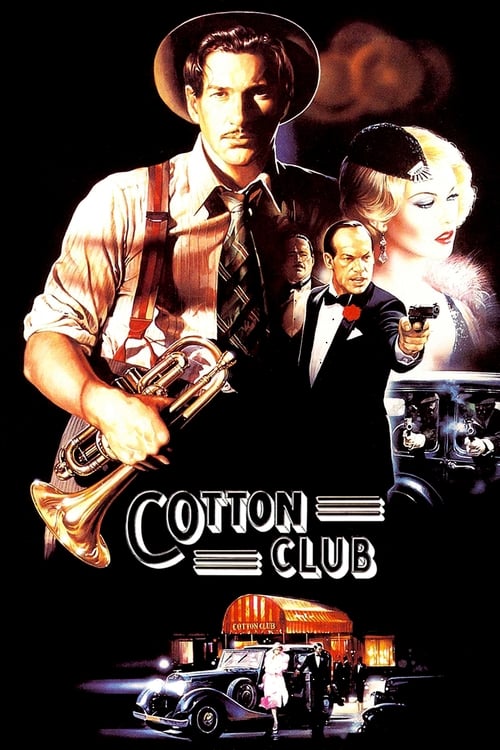
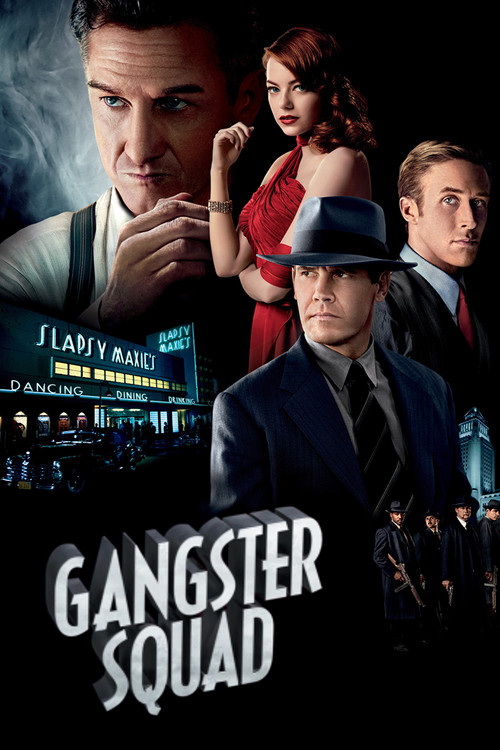
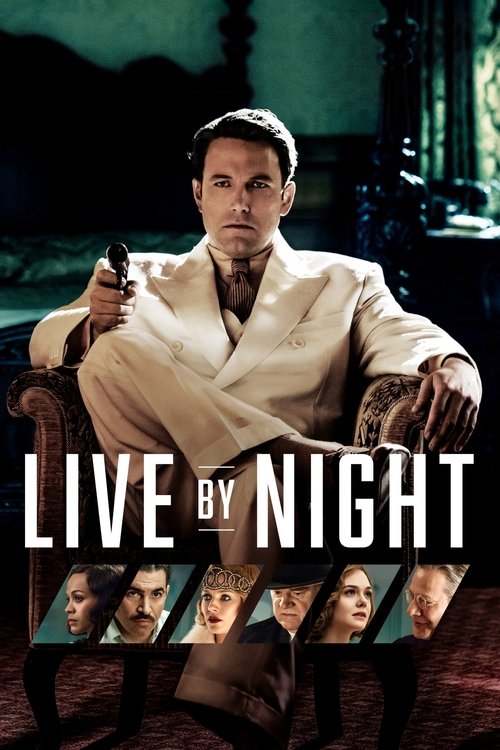
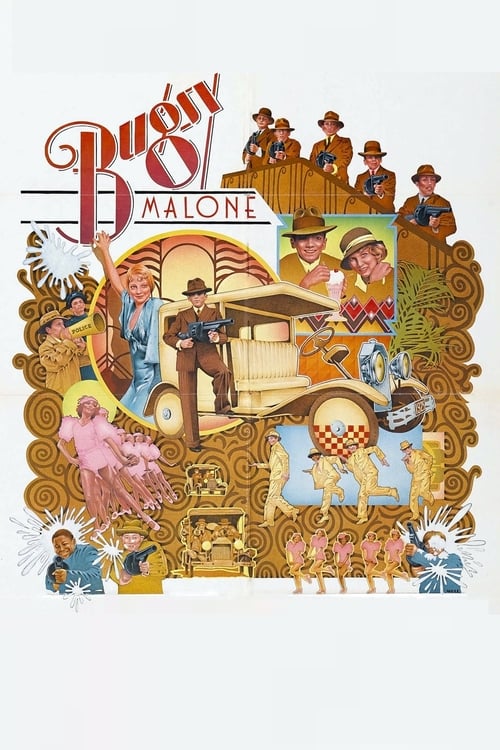
Bootleggers on film
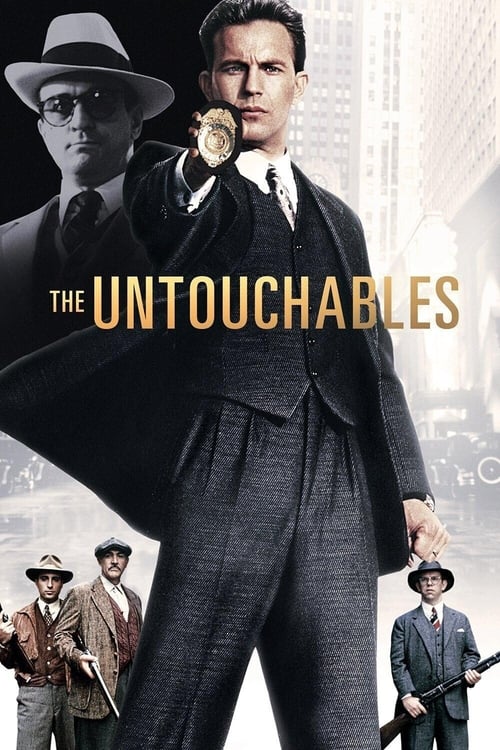
Leone, De Palma, the Coens and Mann on rum-runners and federal men
The films that invented the gangster
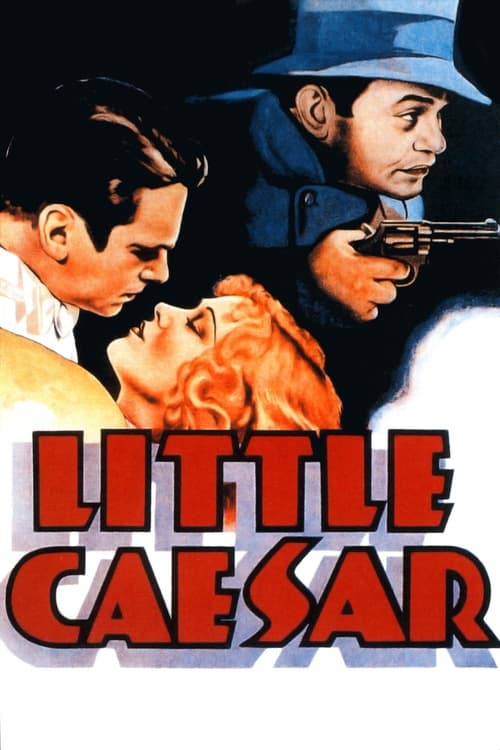
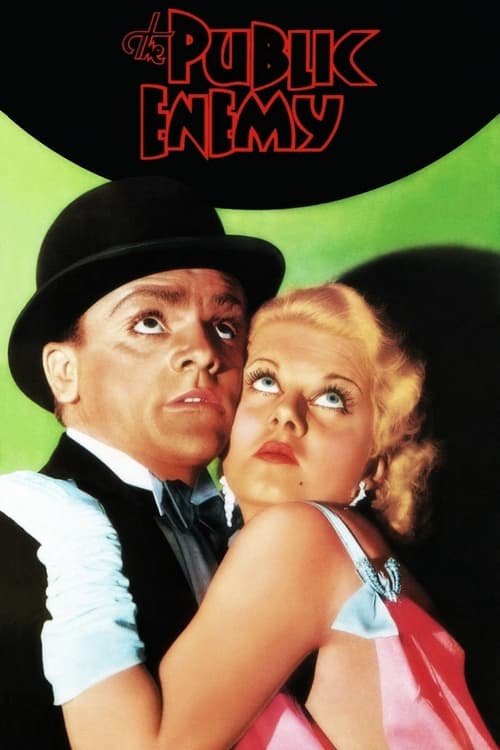
Before the period dramas came the originals, made while Prohibition was still the law of the land or barely cold. The pre-Code crime cycle of the early 1930s gave Hollywood its first true antiheroes, and the censors hated them precisely because audiences did not. Little Caesar (1931) made Edward G. Robinson a star as a small-time hood clawing his way up, and its closing line became the template for every doomed gangster who followed. The Public Enemy (1931) put James Cagney in the role that defined him, a charming brute whose grapefruit-in-the-face cruelty and grim final delivery shocked 1931 audiences. Scarface (1932), the Howard Hawks version, was so violent and so transparently modeled on Capone that it sat on the shelf fighting the censors before release.
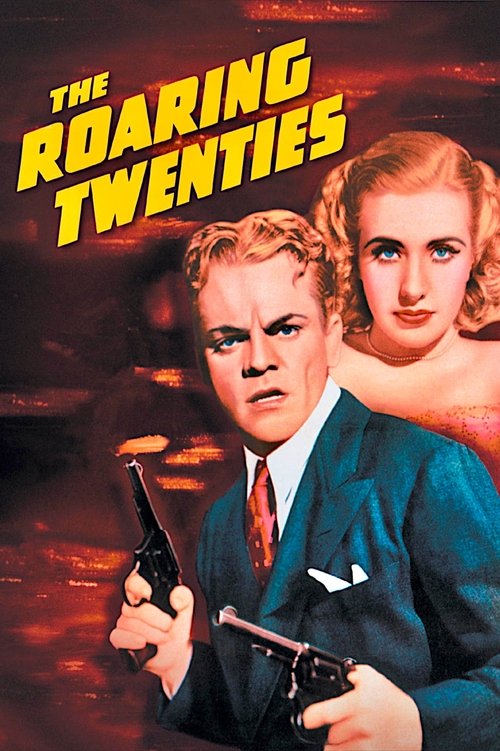
These films are the DNA. Every speakeasy shootout and every tommy-gun montage since traces back to this handful of Warner Bros. and Hughes productions, made by people who could still smell the cordite. The Roaring Twenties (1939), with Cagney again, closed the cycle by treating the whole era as elegy, looking back on Prohibition almost the moment it ended.
The originals: pre-Code crime
The 1930s films that built the gangster archetype while the era was still warm

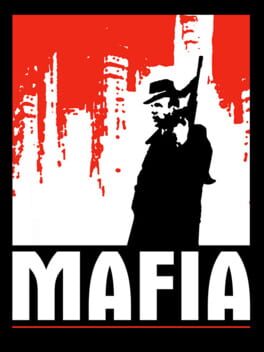
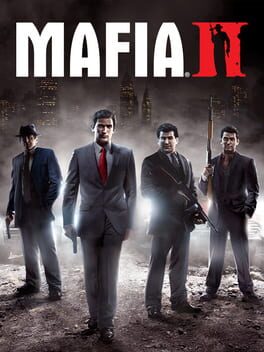
The Mafia games understand the era better than most films
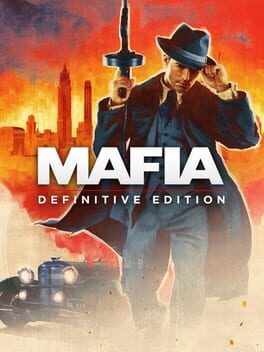
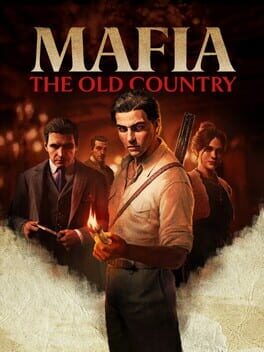
The original Mafia (subtitled The City of Lost Heaven) arrived in 2002 and did something no crime film had the runtime for: it let you live inside the period, hour after hour. Tommy Angelo's rise from cab driver to made man in the fictional Lost Heaven of the early 1930s plays out across vintage cars you actually have to drive carefully, tommy-gun shootouts in rain-slick streets, and a story that takes the slow corruption of an ordinary man seriously. The 2020 Definitive Edition rebuilt it from the ground up and is the best way in today.
Mafia II moves the clock forward to the 1940s and Mafia III to the 1960s, but the series keeps returning to this fountainhead because the Prohibition-and-after world is where it works best: period radio, period clothes, period cars, and a sense that crime is a job with a uniform. For a decade about illegal commerce, the simulation form turns out to be the right one. You feel the grind of the work in a way a two-hour film cannot show you.
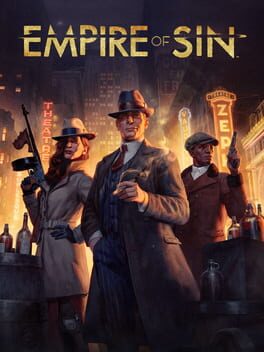
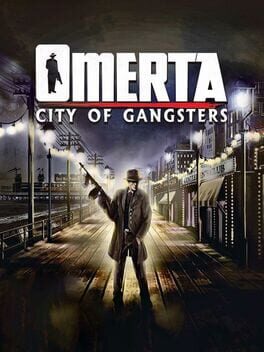
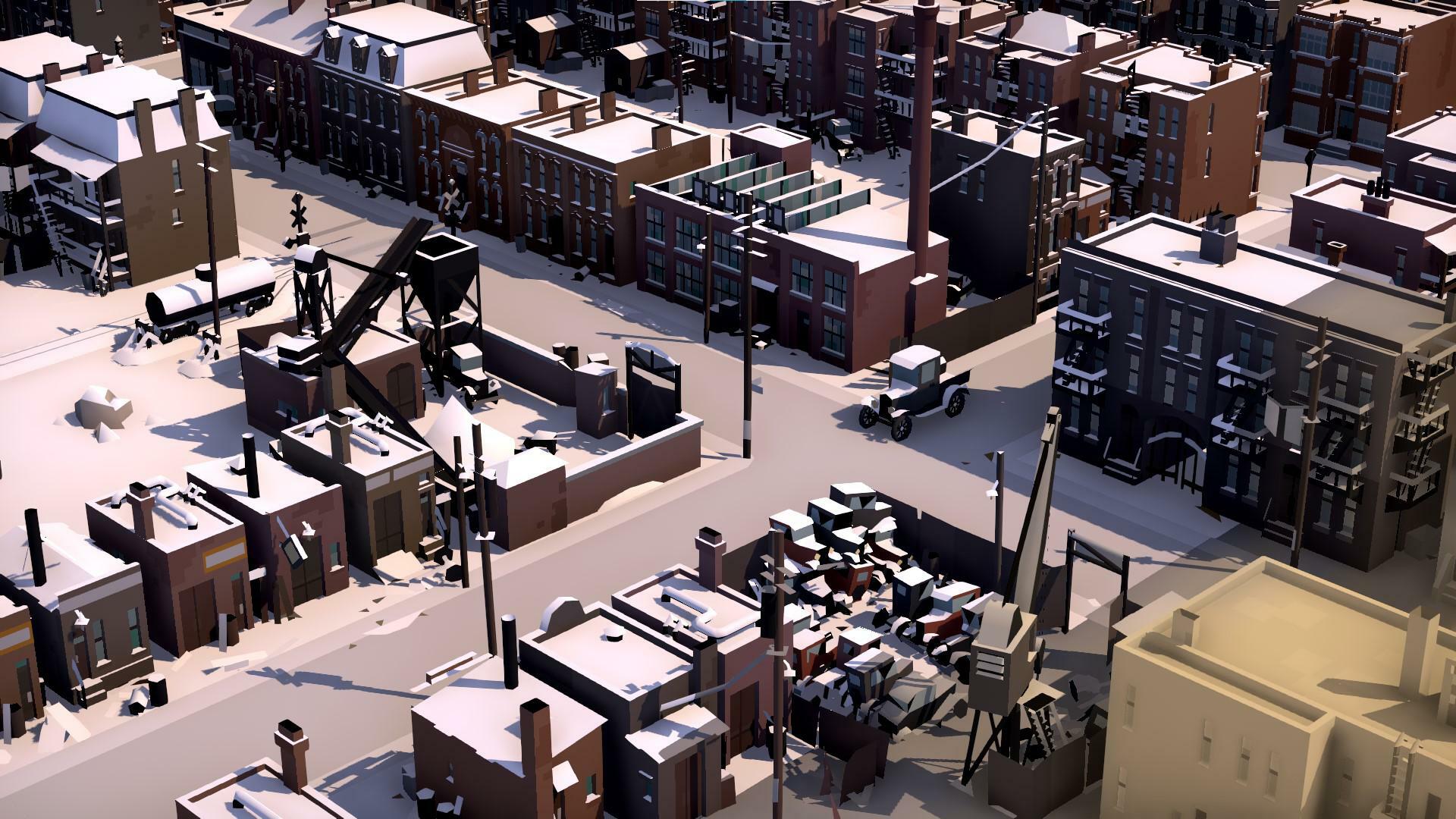
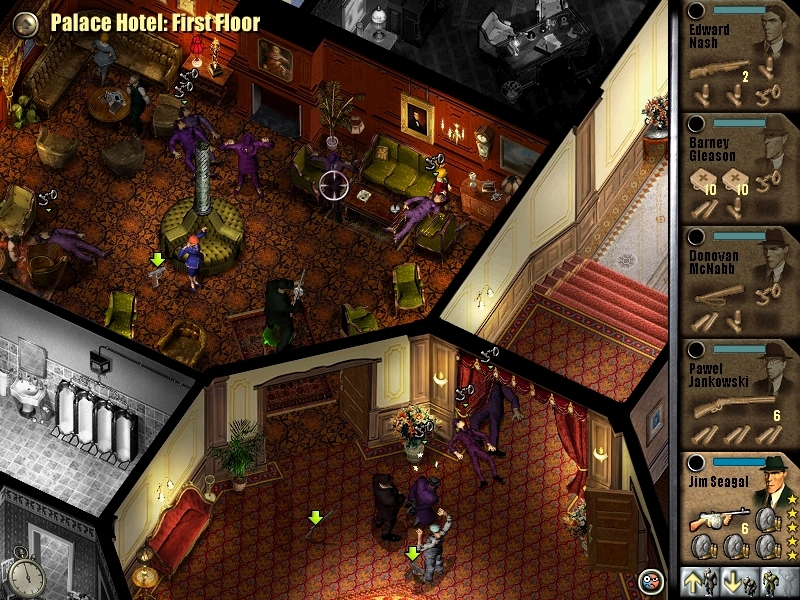
Run the rackets yourself
From open-world crime epics to bootlegging tycoon sims
I am like any other man. All I do is supply a demand.Al Capone, on the business that Prohibition handed to men like him
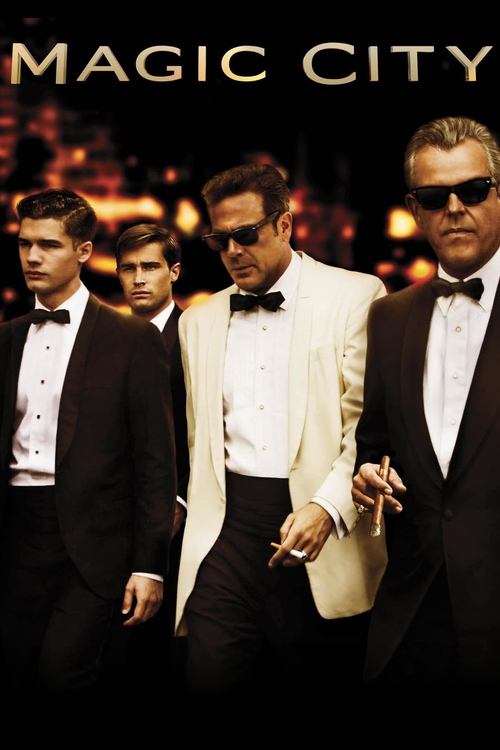
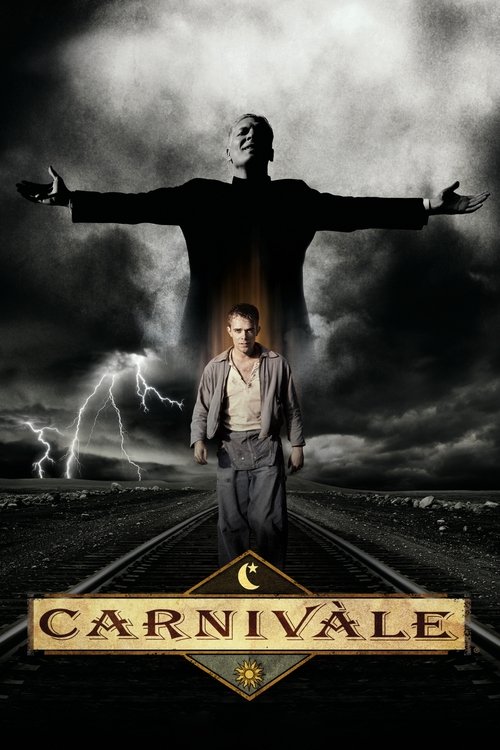
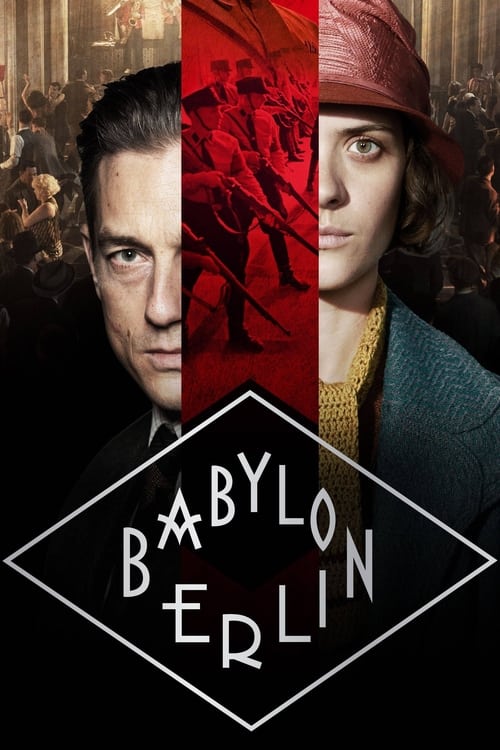
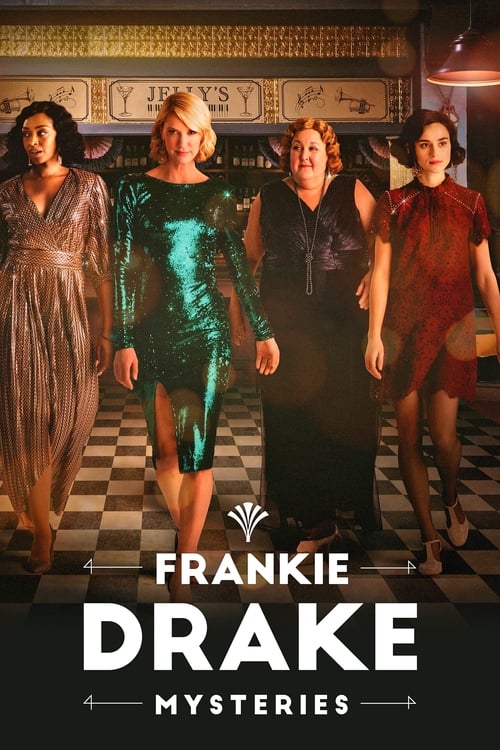
The era on the small screen
Atlantic City to Birmingham, Miami to a flapper-age Toronto
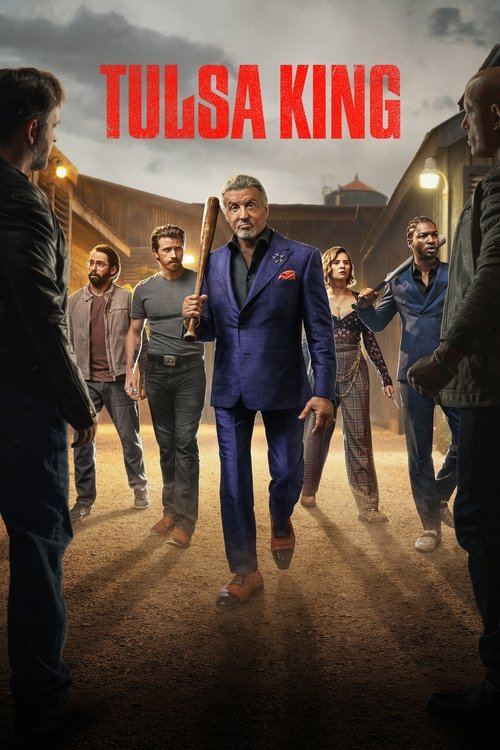
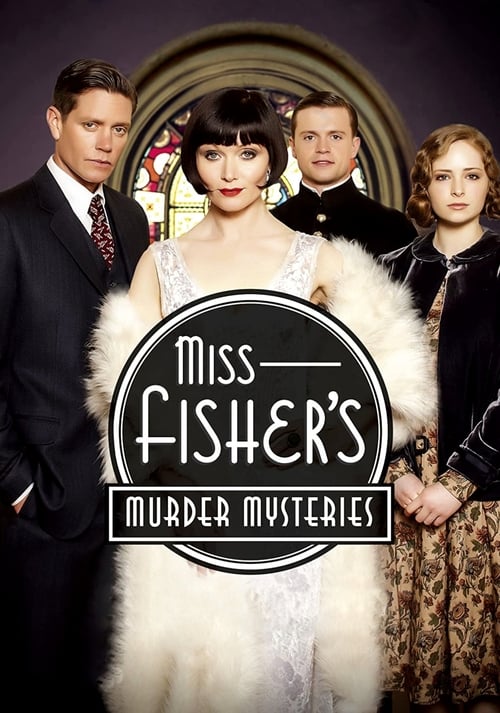
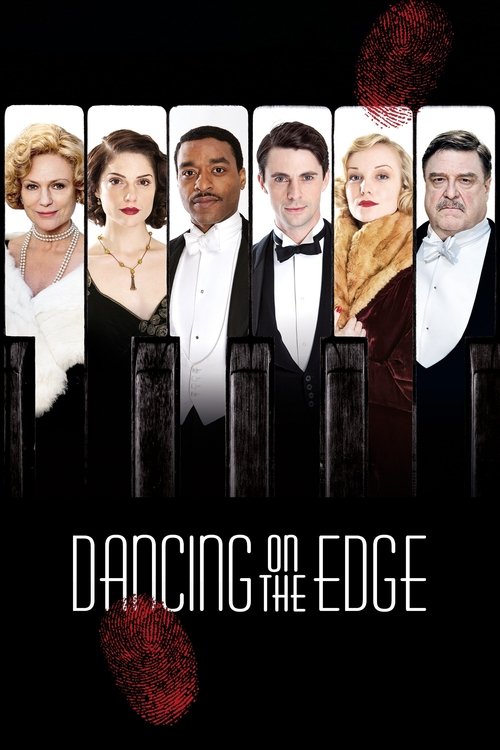
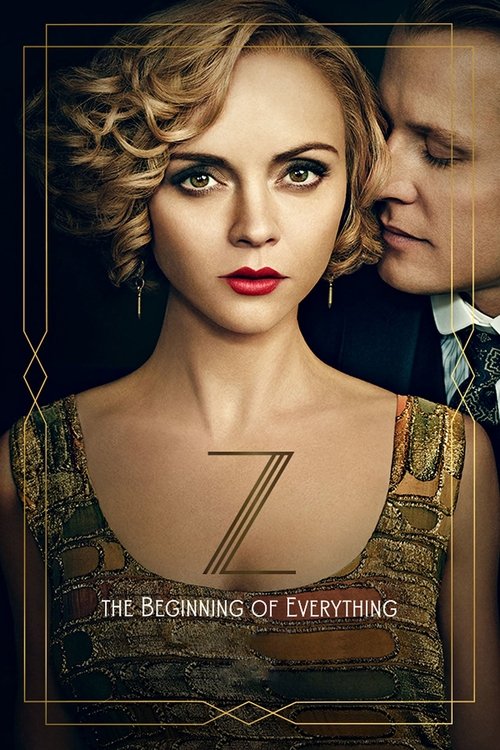
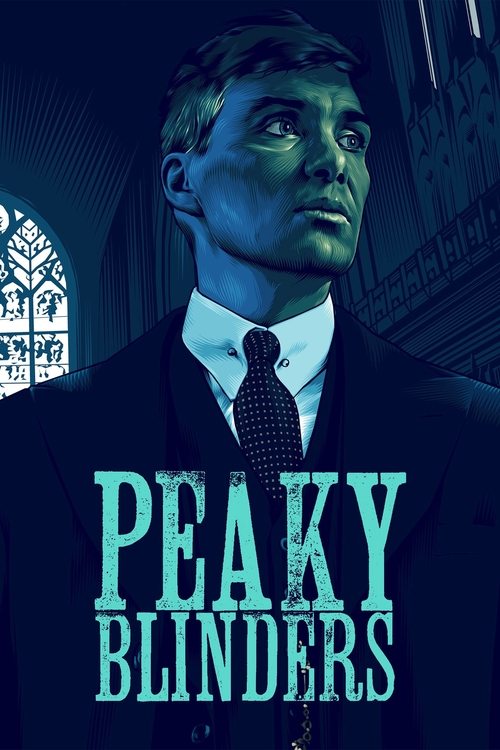
Peaky Blinders proves the bootlegger story crosses the Atlantic
Prohibition was an American law, but the appetite it created was global, and Peaky Blinders is the proof that the gangster myth travels. Steven Knight's Birmingham crime saga starts in 1919 and moves through the 1920s, with the Shelby family expanding from race-fixing and protection into legitimate fronts and, by later seasons, into the American liquor trade itself. Cillian Murphy's Tommy Shelby is the British cousin of Nucky Thompson: a war-traumatized strategist who treats crime as a corporation to be built rather than a gun to be fired.
The show's hyper-stylized swagger, the long coats, the slowed-down rock soundtrack, the framing of every walk as a strut, is the opposite of Boardwalk Empire's careful realism, and that is the point. Peaky Blinders is the era refracted through pure attitude. It understood that the jazz-age gangster is, before anything else, an icon of style, and it built a global phenomenon on that single insight.
The page where the jazz age was written
The literature of the era is led by one book that towers over everything else. F. Scott Fitzgerald's The Great Gatsby is the jazz age's own self-portrait, written from inside the party: the bootlegger Jay Gatsby throwing open his mansion to a society that drinks his liquor and despises his origins. Fitzgerald named the period in his story collection Tales of the Jazz Age, and his short fiction, gathered in volumes like The Curious Case of Benjamin Button and Other Jazz Age Stories, maps the same glittering disillusionment in miniature.
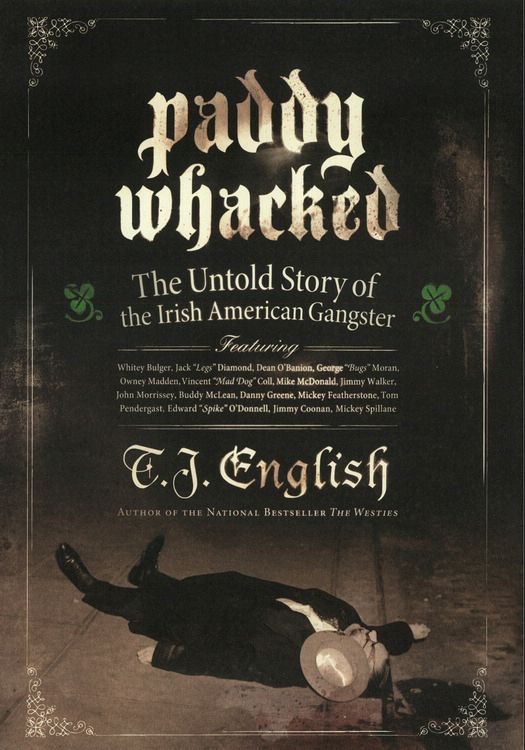
The nonfiction is just as rich. T.J. English's Paddy Whacked traces the Irish-American gangster from the docks through Prohibition, and David Levering Lewis's When Harlem Was in Vogue documents the cultural explosion happening uptown while the bootleggers ran downtown. On the fiction side, Dennis Lehane's World Gone By and Libba Bray's supernatural The Diviners both use the decade as a stage. And the satirists were there at the time: Evelyn Waugh's Vile Bodies skewered the same flapper world from across the Atlantic.
Prohibition on the page
Fitzgerald, Lehane, Waugh and the historians of the dry decade




The sound of the speakeasy
No era is more inseparable from its music. Prohibition and jazz grew up together: the speakeasy needed a band, the band needed an audience that stayed out late, and the illegal drink kept everyone in their seats. Louis Armstrong came up the Mississippi from New Orleans and reinvented what a soloist could be, and his recordings are the foundational sound of the decade. Duke Ellington built his reputation in exactly the venue that defined the period, the Harlem nightclub, where the orchestra played for dancers who had come for the liquor and stayed for the swing.
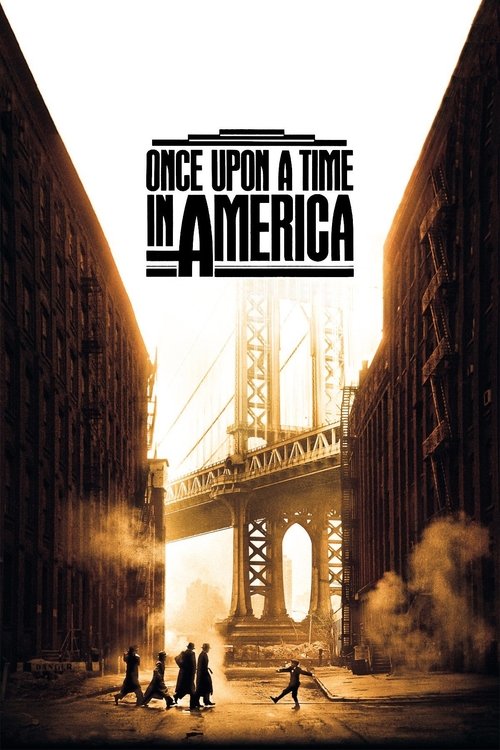
The music has been kept alive by every screen treatment since. Baz Luhrmann's Great Gatsby deliberately fused jazz-age glamour with modern beats on its soundtrack, and Ennio Morricone's score for Once Upon a Time in America is one of the most haunting evocations of memory and loss ever written for a gangster film. The thread runs unbroken from Armstrong's cornet to the needle-drops of today's prestige dramas.
The jazz-age soundtrack
Armstrong, Ellington and the scores that revived the speakeasy sound
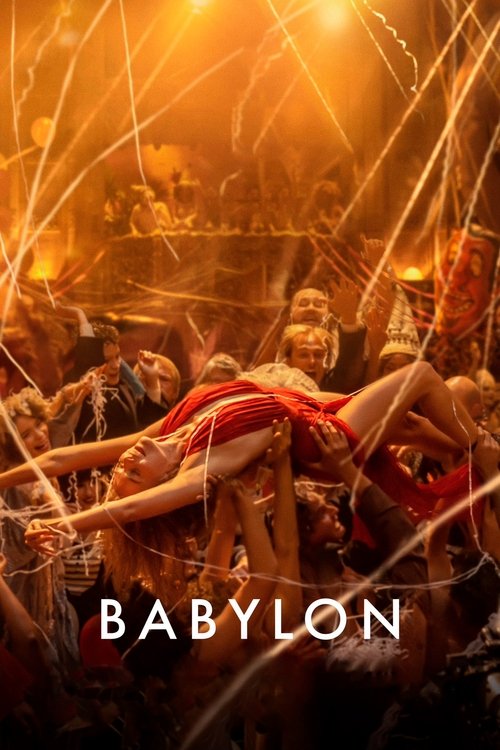
Babylon is the era's hangover, and it earns it
Damien Chazelle's Babylon (2022) is not strictly a bootlegger film, but it is the truest portrait of what the Prohibition-era party actually felt like, and what it cost. Set in late-1920s Hollywood as silent film gives way to sound, it opens with a bacchanal of such scale and excess that it functions as a thesis statement: this was a decade that drank and danced as if the bill would never come due. The bill, of course, was the 1929 crash and the long sober reckoning of the 1930s.
The film divided audiences precisely because it refuses to flatter the era. The glamour is real, but so is the squalor underneath it, and Chazelle insists on showing both in the same frame. As a counterweight to the lacquered romance of most jazz-age cinema, it is essential. The party was this loud, this filthy and this doomed, and very few films have been honest enough to say so.
Jazz, scandal and the wider decade
The musicians, the headlines and the high society of the 1920s