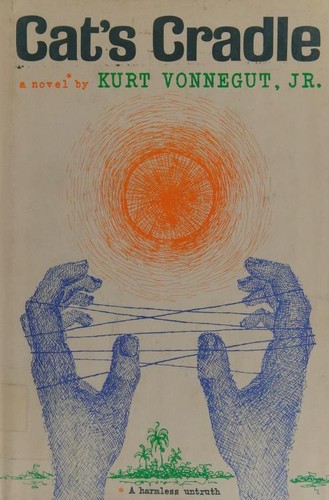

Kurt Vonnegut's Cat's Cradle (1963) does something few novels manage: it makes the end of the world feel like a punchline you saw coming and still weren't ready for. Its power comes from the collision of three forces: a made-up religion (Bokononism) that is openly admitted to be lies yet offers more comfort than the truth; a discovery (ice-nine) that represents science weaponized by bureaucratic indifference; and a narrator too self-aware to be a hero. What fans of Cat's Cradle are really chasing is that specific tone, wry and despairing and oddly tender, where absurdist humor is the only honest response to the violence of modern institutions and the fragility of everything we pretend is permanent. The works below travel the same territory across every medium: satirical fiction that doesn't flinch, films that use dark comedy as a scalpel, series that find the ridiculous inside genuine horror, games that put the player inside systems too absurd to be played straight, and music that carries the same sense of beautiful futility.
Essential Vonnegut
The novels that surround Cat's Cradle and complete the picture of what Vonnegut was doing


The Satirical Novel Shelf
Fiction that uses absurdism and dark comedy to dissect institutions, power, and the human capacity for self-destruction


Films That Play the Apocalypse for Laughs
Movies where the funniest thing and the most terrifying thing turn out to be the same thing
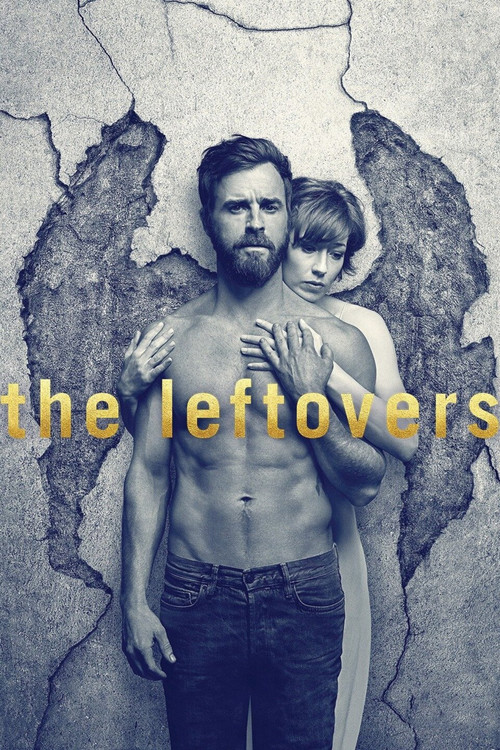
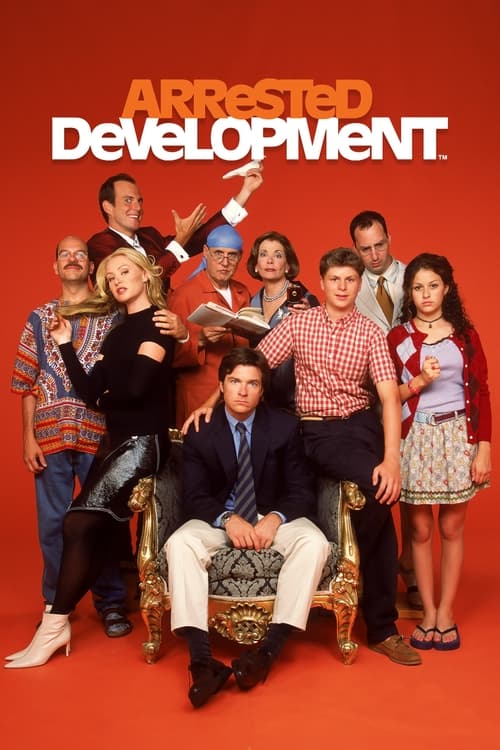
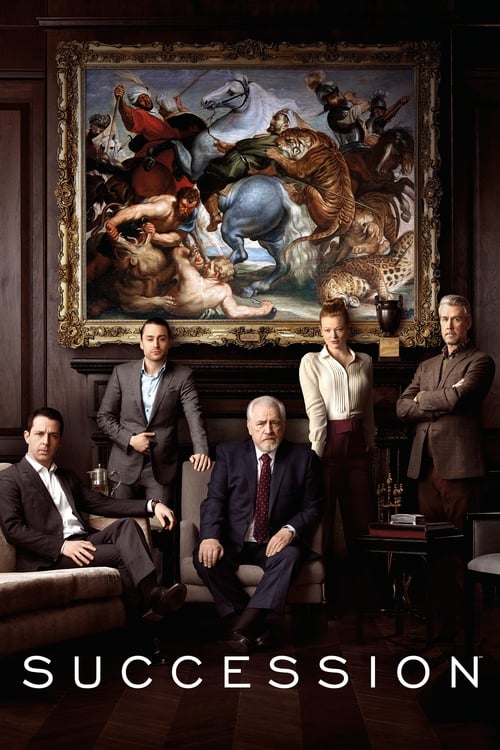
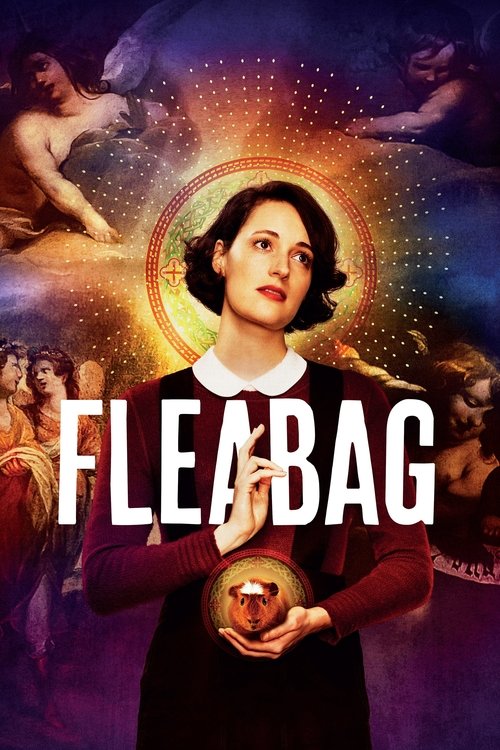
Series for the Institutionally Skeptical
TV that treats bureaucracy, religion, and authority with the same affectionate contempt Vonnegut did


Games Where the System Is the Villain
Games whose core argument is that the structures humans build are as dangerous as any monster
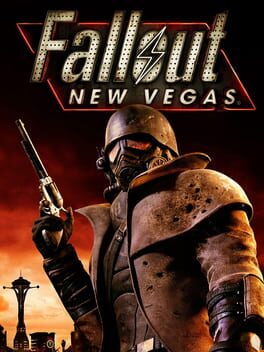
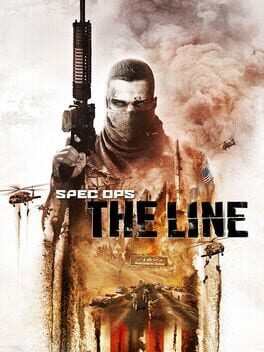
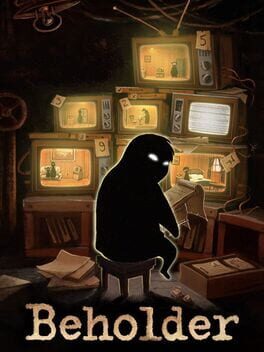
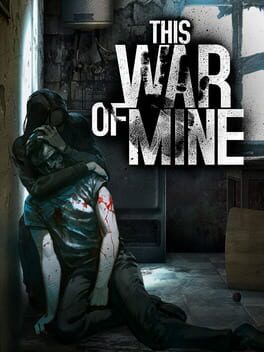
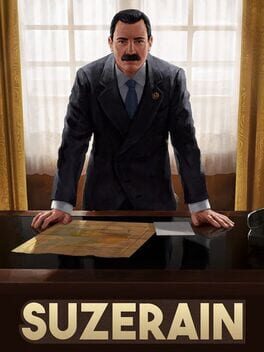
Music for the End of Everything
Albums and scores that carry the same mood: beauty and dread, sincerity wrapped in irony, comfort that knows it is temporary
Bokononism Is the Most Honest Religion in Fiction
Most fictional religions are either sinister cults or lazy stand-ins for real-world faiths. Vonnegut's Bokononism is neither: it is a belief system founded explicitly on lies, by a man who knows they are lies, offering comfort precisely because it makes no pretense of truth. That paradox is sharper than anything in most serious theology. The closest a game comes to replicating it is Disco Elysium, where you can build an entire worldview from contradictory ideologies and the game never mocks you for believing any of them.
The Real Subject of Cat's Cradle Is Science Without Ethics
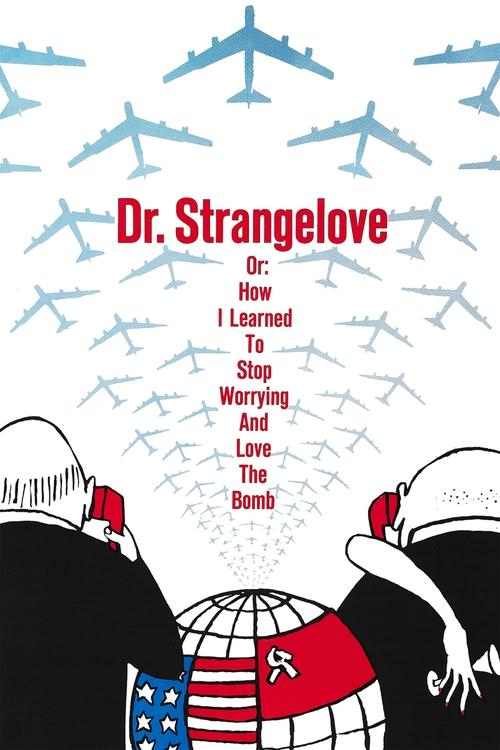
Ice-nine is not a metaphor for nuclear weapons; it is a metaphor for the mindset that produces them: the scientist who solves a beautiful problem without asking what it is for. Felix Hoenikker is not a villain, which is the point. He is simply indifferent. Kubrick understood this perfectly when he made Dr. Strangelove the same year, placing characters who are technically brilliant and morally absent inside a system that converts their expertise into catastrophe. Read Don DeLillo's White Noise for the prose equivalent: the airborne toxic event is generated by people who were just doing their jobs.
Absurdist Satire Requires Genuine Affection for Its Targets
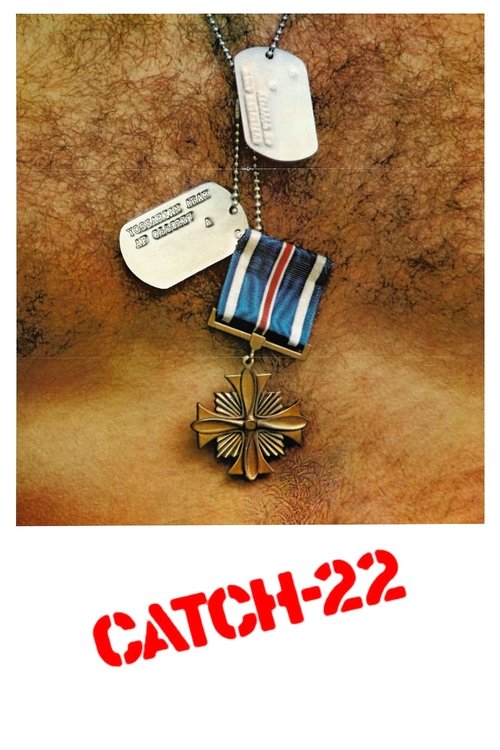
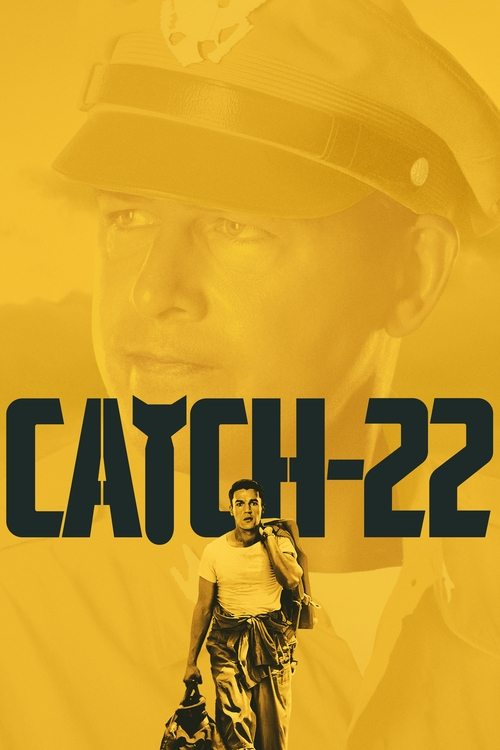
The failure mode of political satire is contempt: the writer hates the thing they are mocking and the work becomes sour. What separates Vonnegut from lesser satirists is that he clearly loves humanity even as he despairs of it. Joseph Heller does the same thing in Catch-22: Yossarian's rage at the military machine coexists with deep tenderness for the men it destroys. The Good Place is the TV version: the show takes a genuinely hard philosophical problem (how do you be good?) seriously, and comes out the other side with warmth rather than cynicism.
The Funniest Dystopias Are the Ones That Actually Happened
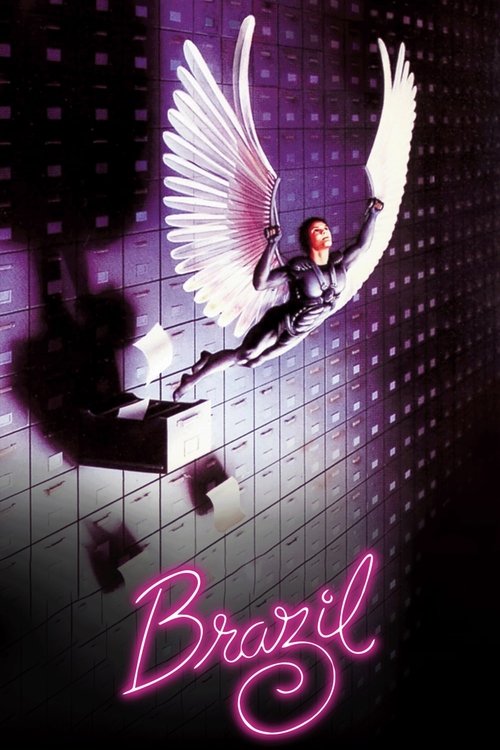
Vonnegut's fiction is often described as speculative, but almost nothing in Cat's Cradle requires much imagination: the military-science complex, the Caribbean island of deliberate poverty, the religion invented for colonial subjects, the weapon that ends the world by accident rather than intention. Brazil and Severance work the same way: their horrors are exaggerations of things that already exist, which is why they are funny and why the laughter never fully dissolves the dread.
Milestones in Satirical Apocalypse Fiction
- 1961Heller publishes the defining anti-war satirical novel Catch-22
- 1963Vonnegut publishes Cat's Cradle, coining Bokononism and ice-nine
- 1964Kubrick releases the cold-war satire that mirrors Vonnegut's themes exactly Dr. Strangelove or: How I Learned to Stop Worrying and Love the Bomb
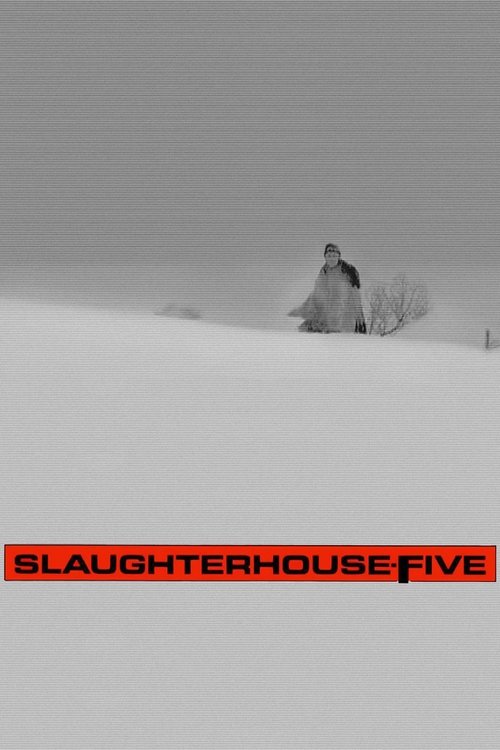
- 1973Vonnegut adapts his own Dresden novel for the screen Slaughterhouse-Five
- 1985Gilliam's bureaucratic nightmare reaches cinemas Brazil
- 1985DeLillo publishes the novel of industrial catastrophe and consumer numbness White Noise
- 1997Pynchon's maximalist satire of wartime science and systems receives its first major readership surge Gravity's Rainbow
- 2000Radiohead channels technological dread into a landmark album Kid A
- 2013Papers, Please makes bureaucratic complicity a game mechanic Papers, Please
- 2019Disco Elysium builds a political RPG around ideology, failure, and self-delusion Disco Elysium
- 2022Severance premieres, making corporate dehumanization surreal and funny Severance
We are what we pretend to be, so we must be careful about what we pretend to be.Kurt Vonnegut, Mother Night (1962)