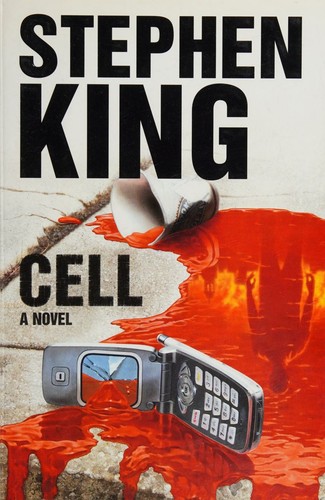

Cell works because it locates apocalyptic horror in the most mundane object imaginable: the phone in your pocket. When a mysterious signal called the Pulse rewires every cell-phone user into a blank, violent creature, Stephen King strips away the comfortable distance between reader and disaster. The threat is not a comet or a plague from a lab; it is something you chose to carry. What fans keep chasing is that specific flavor of civilizational freefall, where the veneer of modern life cracks in hours rather than years, survivors form reluctant bonds across social lines, and the horror is as much psychological as physical. The Phoners are scary not because they are monsters but because they were, minutes ago, ordinary people. That sense of contagion lurking inside the familiar, of technology as betrayal, of the crowd-mind as something to fear more than any single predator, runs through everything recommended here.
Start Here: Stephen King's Outbreak Canon
King's own novels that share Cell's DNA: sudden civilizational rupture, unlikely survivor groups, and the terror of the familiar gone wrong.


The Signal Corrupts: Tech-as-Weapon Horror Fiction
Novels where technology, media, or modernity becomes the vector for horror, dread, or mass psychological collapse.



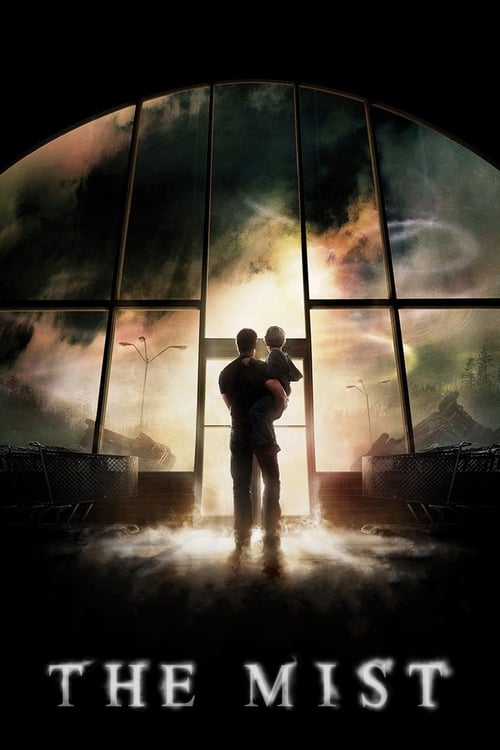
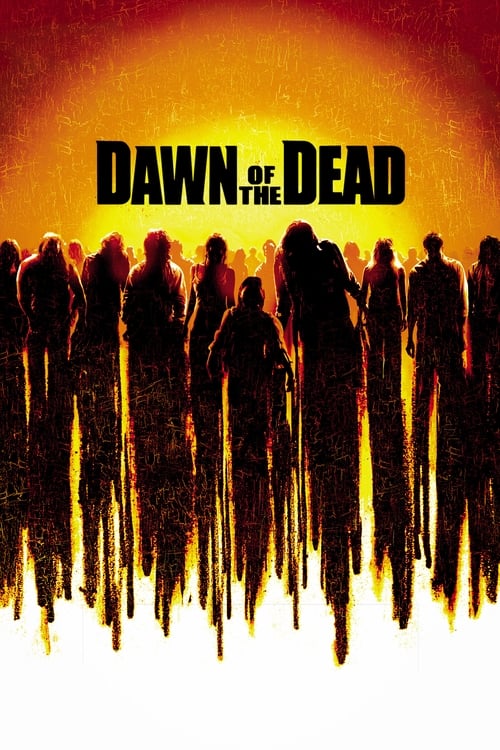
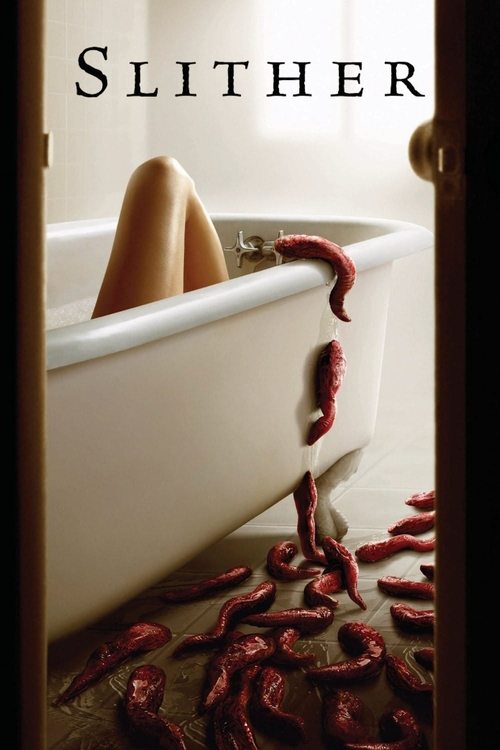
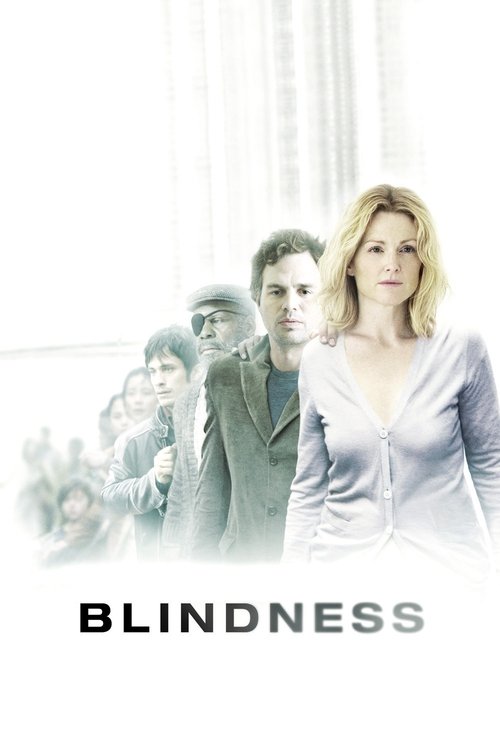
Civilisation Folds in a Day: Films
Movies where the collapse is sudden, the cause is disturbingly plausible, and ordinary people become the greatest threat.



The Hive Doesn't Sleep: Television
Series that sustain the slow dread of societal breakdown, hive-mind contagion, and survivor psychology across multiple episodes.

You Are the Last Sane One: Games
Games that replicate the feeling of being one clear-headed survivor in a world that has been fundamentally rewritten by an outside force.


Pontypool Understood the Premise Better Than Most Imitators
Cell's core idea, that the means of communication itself becomes the weapon, found its purest cinematic expression not in the 2016 film adaptation but in Tony Burgess's Pontypool. A radio station. A language virus spreading through English words of endearment. The setting is a single room and the horror is entirely sonic. It is the exact same logical step King took with the mobile signal, and it works because it refuses spectacle. Both works argue that what connects us can, overnight, destroy us.
The Last of Us Is What Happens When a Game Takes the Survivor Psychology Seriously
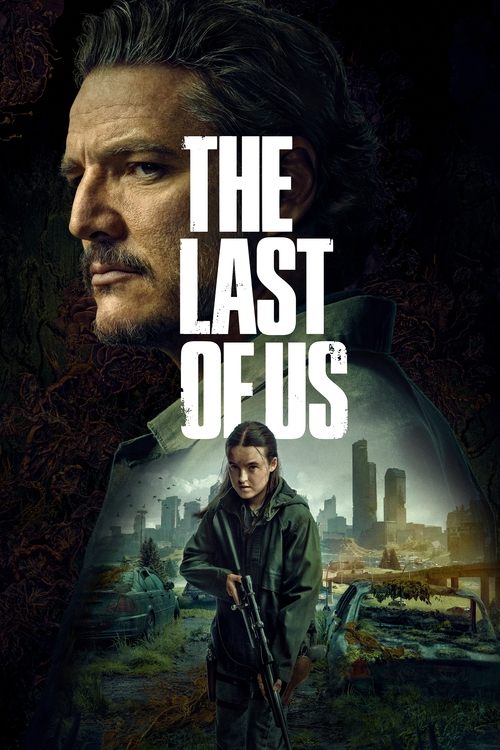
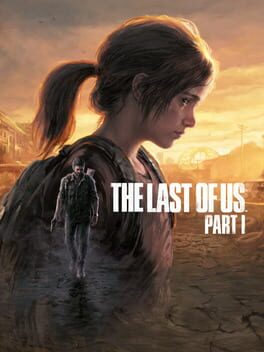
Most post-collapse games focus on the infected. Naughty Dog's The Last of Us focuses on what the survivors do to one another. Joel and Ellie's relationship is built on exactly the kind of desperate, morally compromised bond that forms among King's Cell survivors: people who would not have chosen each other, clinging together because the alternative is worse. The infected are almost incidental. The human factions are the real threat, which is entirely Cell's argument.
Black Mirror Is Cell's Direct Television Descendant
Charlie Brooker has named King as an influence, and episodes like "The Entire History of You" and "Men Against Fire" are essentially Cell compressed to 60 minutes: technology embedded in the body rewires perception and strips away something fundamental. Black Mirror's anthology format is the right container for this anxiety because, like Cell, the horror lands hardest in the gap between the device and the person holding it.
A Timeline of the Wireless Apocalypse
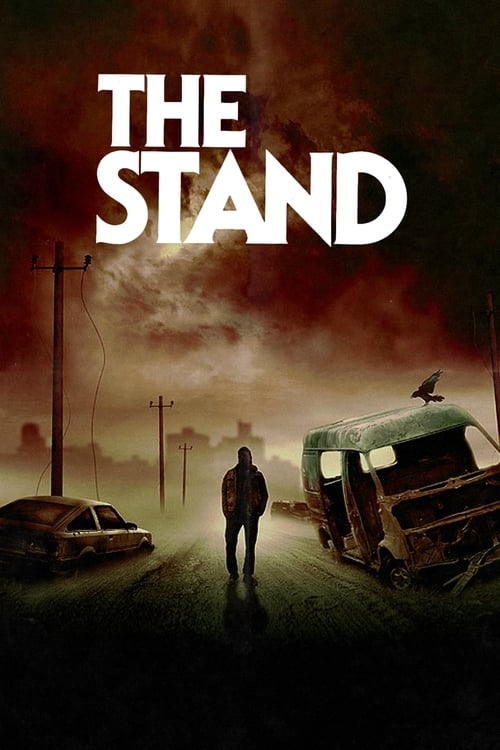
- 1978King publishes The Stand, establishing the template: a pathogen wipes out civilization, a small group of survivors navigates the aftermath The Stand
- 200328 Days Later resets the zombie subgenre by making the infected fast, furious, and the result of a rage virus rather than supernatural agency 28 Days Later
- 2006Cell is published; King moves the contagion vector from biology to broadcast signal, implicating mobile technology directly Cell
- 2007The Road wins the Pulitzer and brings post-collapse literary fiction to a mass audience, changing what the genre is allowed to aspire to The road
- 2008Pontypool adapts the language-as-virus idea for radio; the stage production precedes the film Pontypool
- 2011The Passage establishes the long-form hive-mind epic as a viable commercial and literary form
- 2013The Last of Us launches and proves that post-collapse survivor psychology is the right lens for prestige gaming The Last of Us Part I
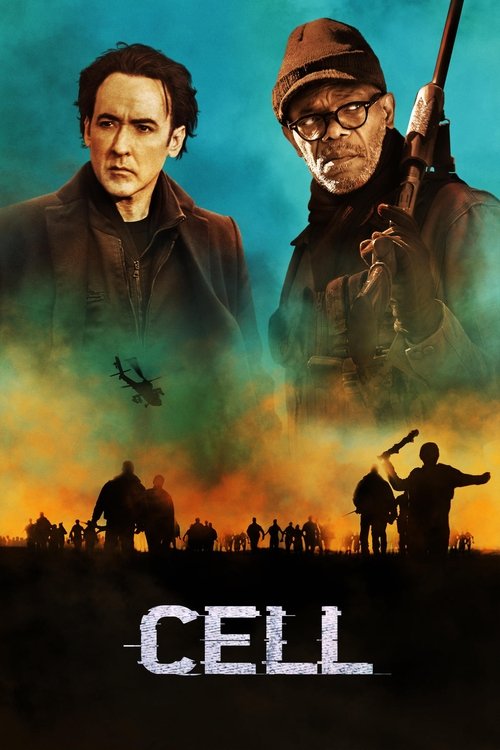
- 2016Cell is adapted as a film starring John Cusack and Samuel L. Jackson Cell
- 2023The Last of Us series premieres on HBO, bringing the survivor-bond post-collapse story to the widest television audience yet The Last of Us
- 202528 Days Later gets a direct sequel film, 22 years after the original, signaling continued cultural appetite for the fast-infected collapse narrative 28 Days Later
King is most frightening when he is most mundane. The Pulse is terrifying not because the phone does something we cannot imagine, but because we already cannot put it down.CrossBinge Editorial