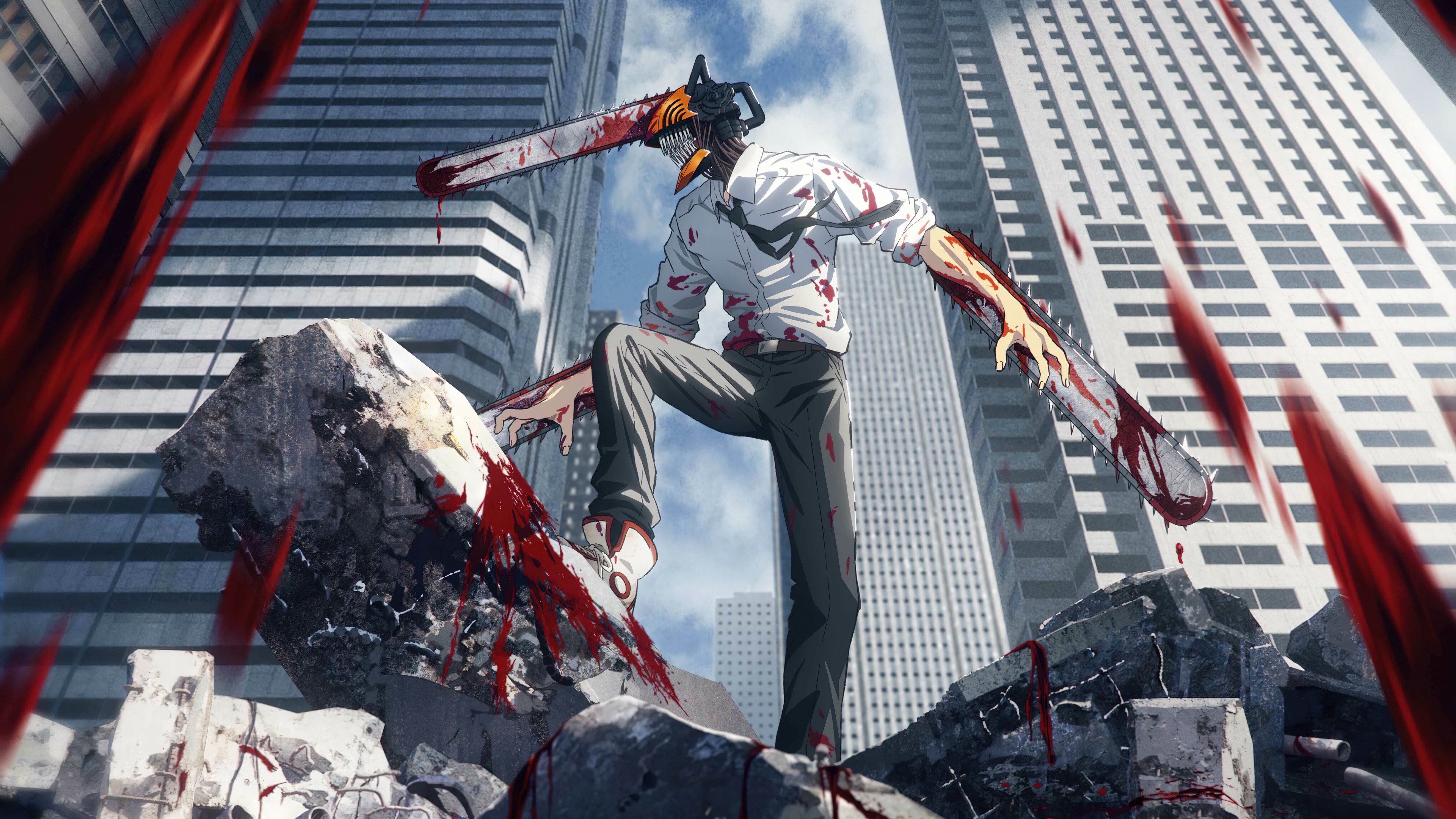

Tatsuki Fujimoto's Chainsaw Man arrived in Weekly Shonen Jump in 2018 and rewired what action manga could feel like. Its hero Denji is not chosen, gifted, or noble: he's a debt-slave who merges with his pet devil-dog Pochita and becomes the Chainsaw Man purely because he wants to eat a decent meal and touch a girl's chest. That gleeful lowering of the stakes is the point. Underneath the chainsaw-dismemberment and the nightmare devil designs runs a story about grief, loneliness, and the absurdity of trading one form of exploitation for another. MAPPA's 2022 anime adaptation matched the manga's restless visual grammar with a $100,000-per-episode production that became one of the most-watched premieres in Crunchyroll history. Whether you came in through the manga or the show, the pull is the same: irreverent, genuinely surprising, and far more emotionally precise than its gore suggests.
Essential Chainsaw Man
The core works, from the original manga to the anime
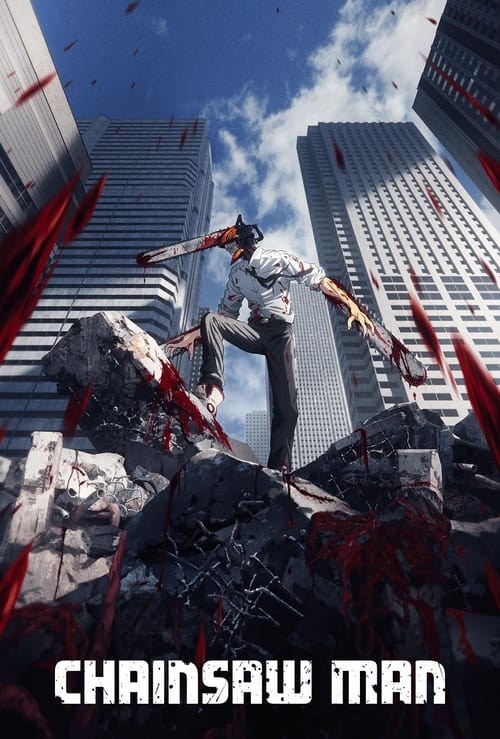


If You Love Chainsaw Man: Visceral Anime
Series that share its brutality, dark humor, or genre-bending ambition
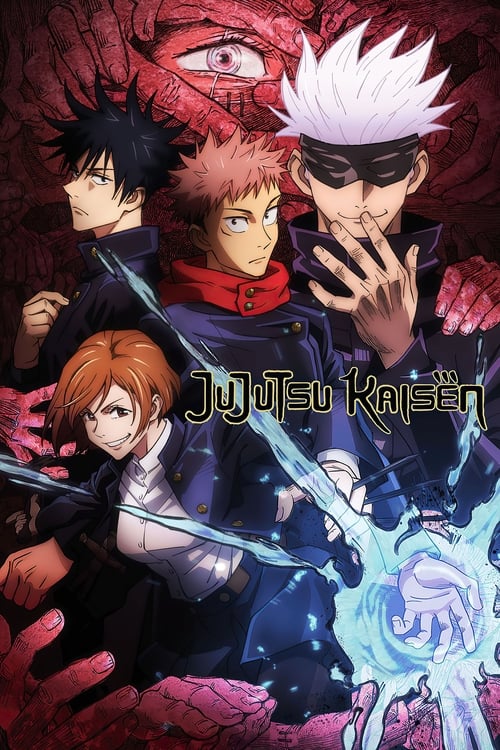
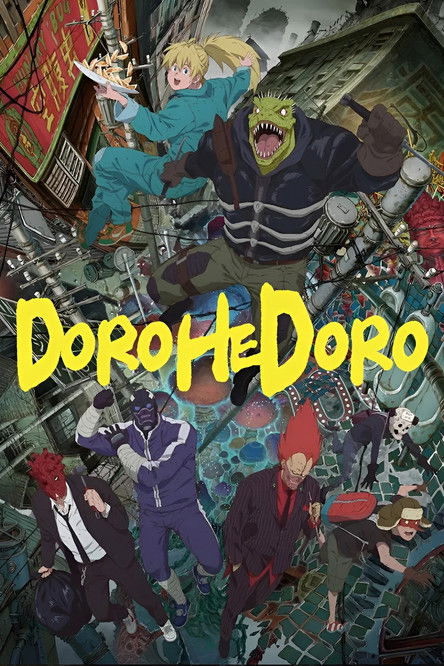


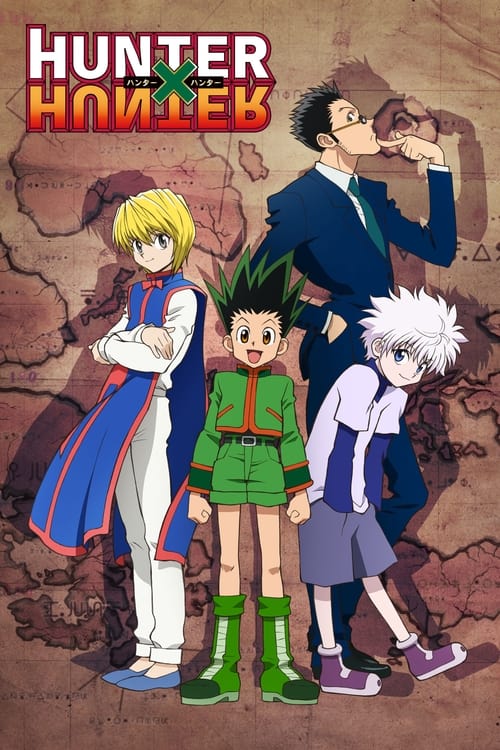
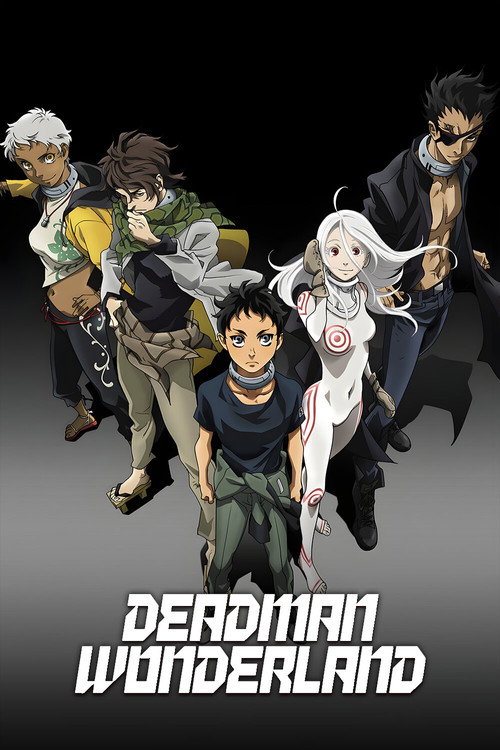
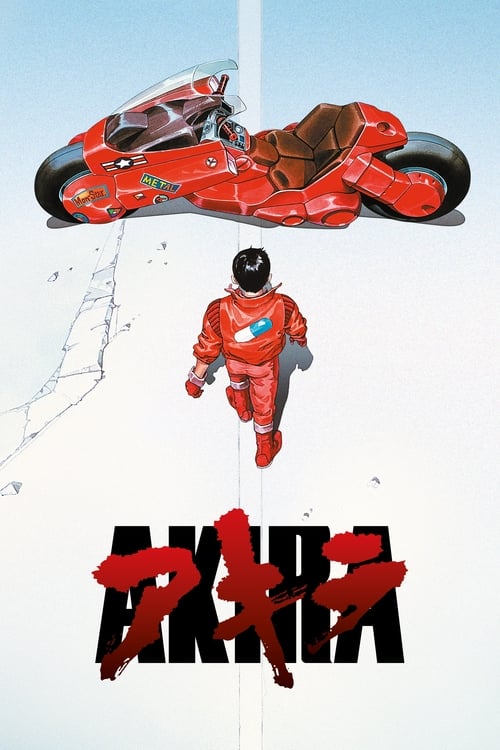
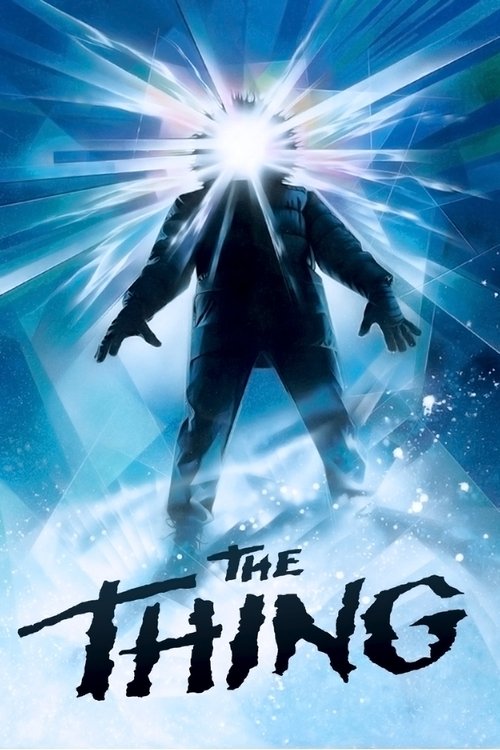
If You Love Chainsaw Man: Horror and Body-Horror Films
Movies that weaponize the human body and refuse to look away

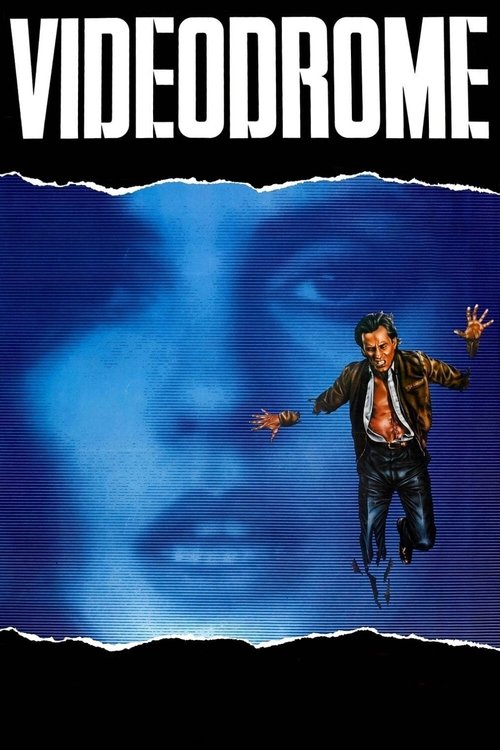
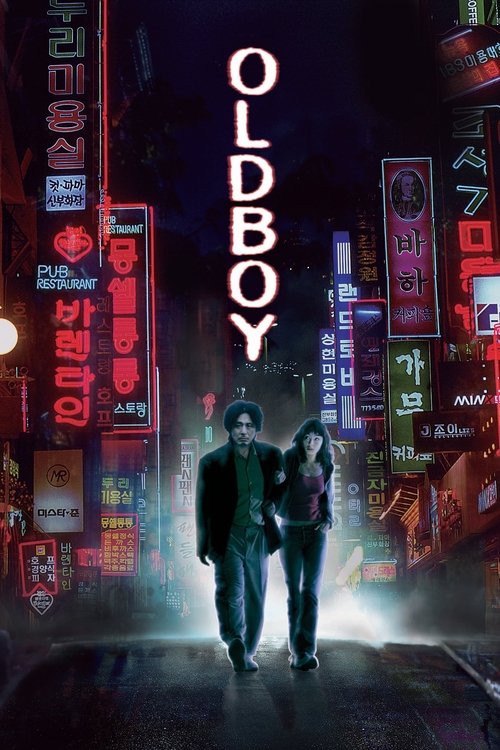
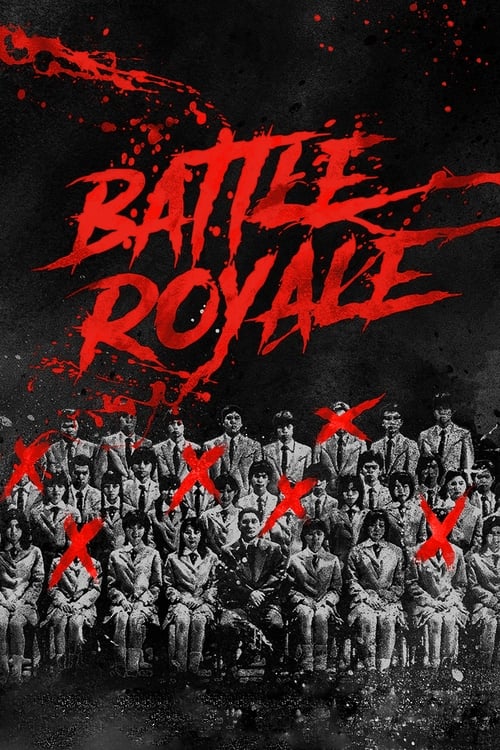
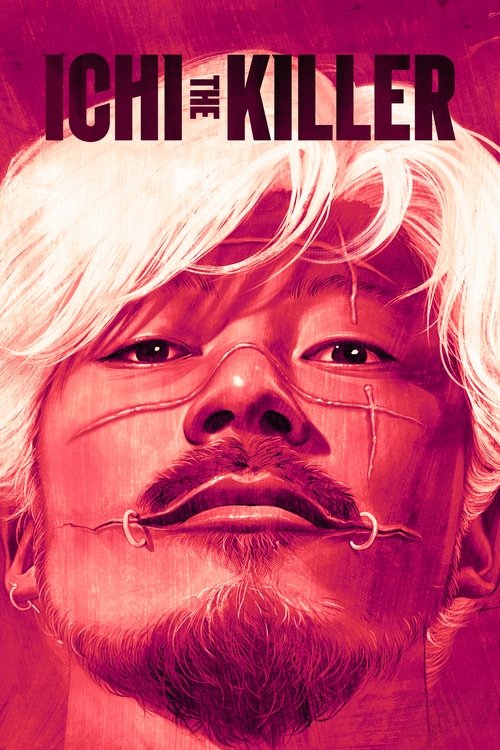
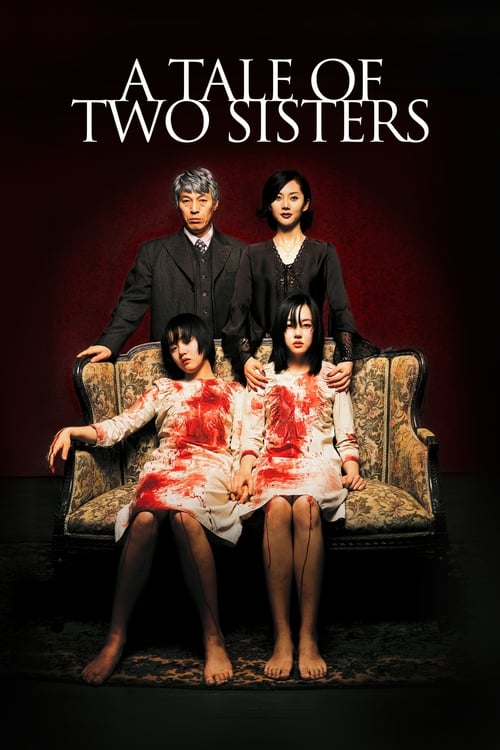
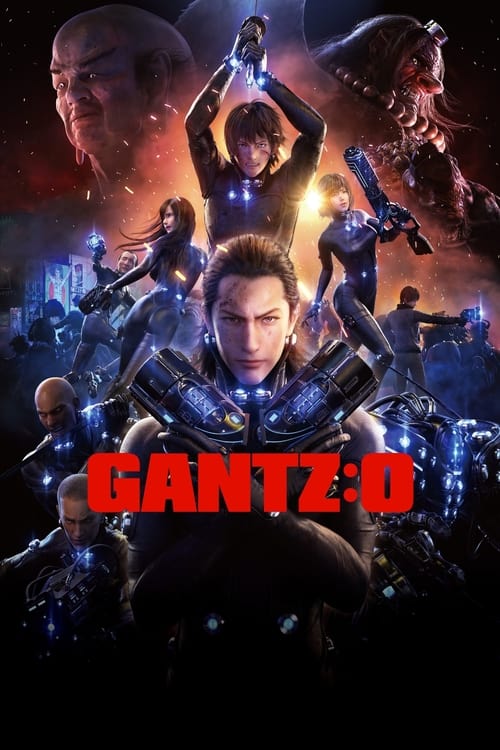
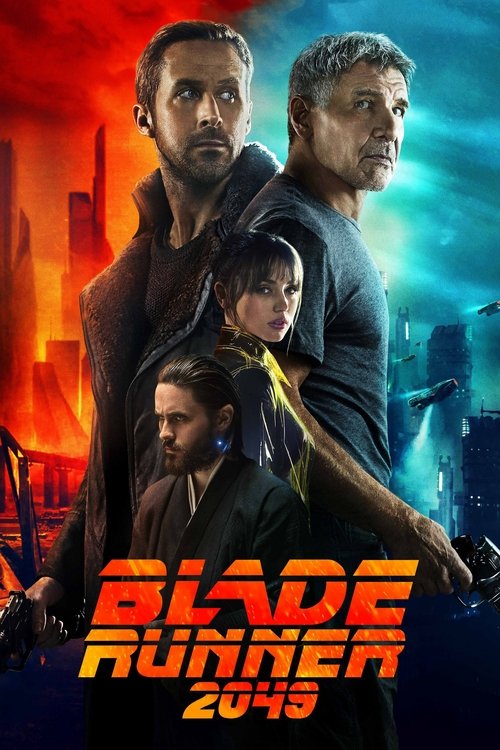
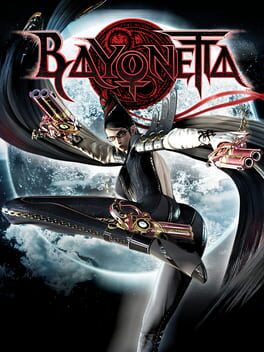
If You Love Chainsaw Man: Games with Devil-Deal Energy
Games where power always costs something and the world is unkind

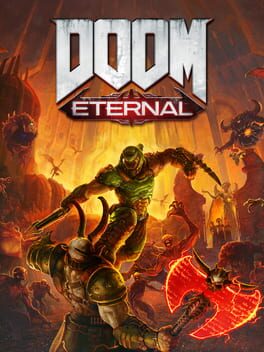
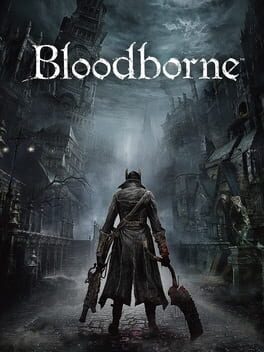
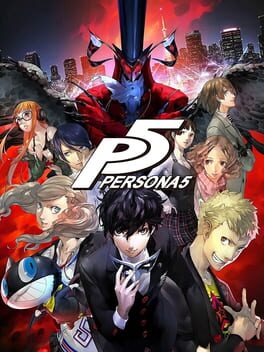
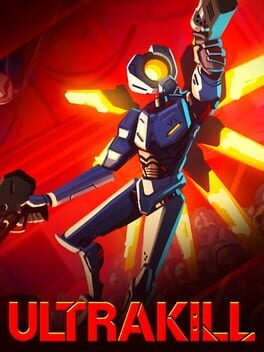
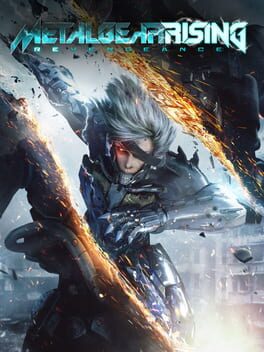
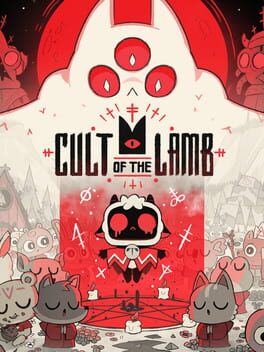
If You Love Chainsaw Man: Manga and Novels with the Same Edge
Books that match Fujimoto's willingness to destroy what you love


Fujimoto Makes Death Mean Something
Most shonen manga protect their beloved characters, using near-death as a tension device before the safety net arrives. Chainsaw Man yanks the safety net away. Characters the story has spent chapters building are gone in a panel, and the series does not apologize. That ruthlessness is not edginess for its own sake: it forces Denji (and the reader) to sit with loss rather than shrug it off. It is the same quality that makes Kentaro Miura's Berserk or Fumiko Fumi's more intimate work so sticky: grief as a structural force, not a detour.
MAPPA Treated the Anime Like a Music Video
Each Chainsaw Man episode ends with a different ending theme song and a distinct animated sequence, turning the credits into a rotating gallery of directorial vision. The choice was deliberate: Chainsaw Man's chapters frequently shift tone mid-story, and the rotating ED lineup mirrors that instability. It also made the show a phenomenon for animation fans who were used to skipping credits. The production referenced live-action cinema far more than typical anime, with rack-focus pulls and handheld-adjacent framing that felt closer to Denis Villeneuve than Toei.
The Real Genre is Tragicomedy
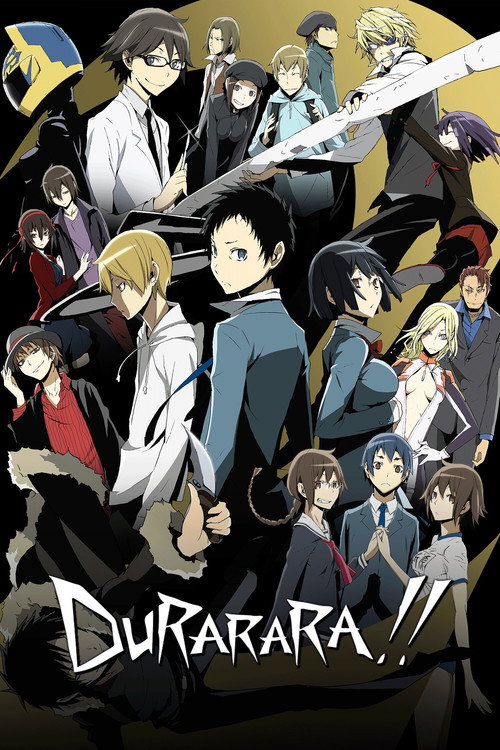
Strip away the chainsaw hands and the devil contracts and Chainsaw Man is a story about a broke kid who has never been allowed to want anything except survival. Denji's goals are embarrassingly small, which makes them funnier and sadder than any grand destiny. That emotional register, comedy and heartbreak occupying the same sentence, belongs to a tradition that includes Yoshihiro Togashi's Hunter x Hunter and Ryohgo Narita's Durarara novels: stories that treat their low-status protagonists with enough dignity to make their losses land.
Body Horror as Emotional Language
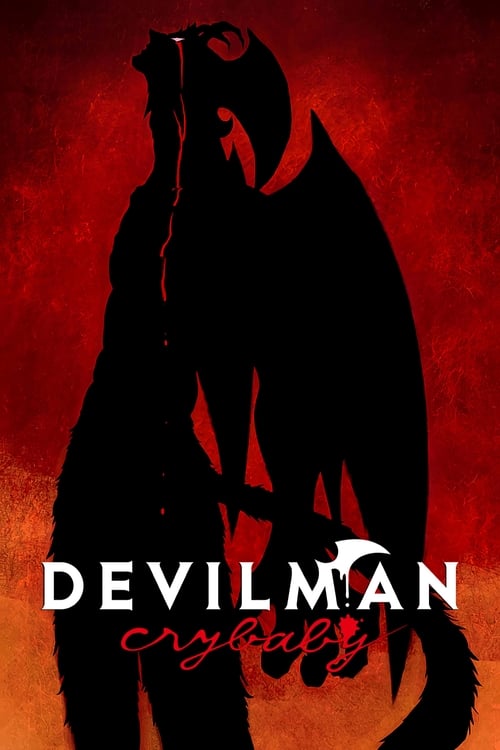
The devils in Chainsaw Man are fears given physical form: the Gun Devil, the Darkness Devil, the Doll Devil. Fujimoto's character designs pull from surrealist and body-horror traditions, making each devil a walking visual argument about what people are most afraid of. The Doll Devil sequence in particular owes a clear debt to directors like Takashi Miike and to David Cronenberg's idea that flesh is unreliable. When Devilman Crybaby did the same thing in 2018, it proved the approach could work in motion; Chainsaw Man extended it into a full genre grammar.
Chainsaw Man: A Timeline
- 2018Chainsaw Man manga begins serialization in Weekly Shonen Jump Chainsaw Man, Vol. 1
- 2020Part 1 (Public Safety arc) concludes; wins the 66th Shogakukan Manga Award
- 2021Part 2 (Shonen Jump+ / Academy arc) begins; Fujimoto confirms continuation
- 2022MAPPA anime adaptation premieres; 12-episode run covers Part 1's early arc Chainsaw Man
- 2022Each episode's rotating ending themes become a fan and animation-industry talking point
- 2023Chainsaw Man ranked among the top global anime of 2022 on streaming platforms; Part 2 manga continues
Devils, gore, and dark fantasy
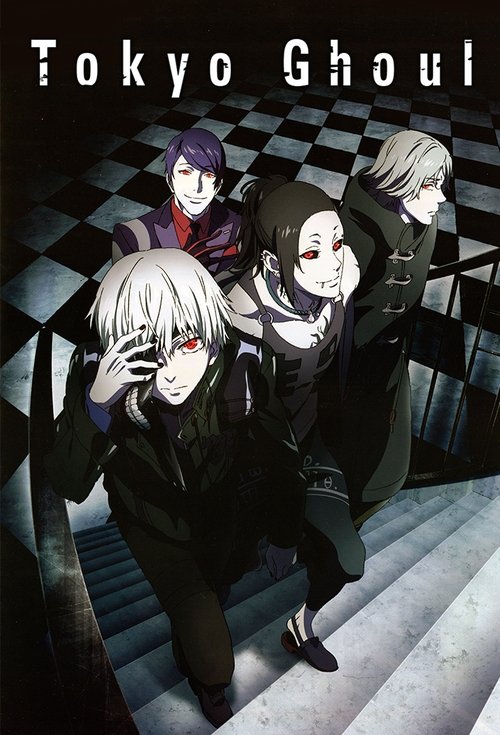
For Fans of Tokyo Ghoul
Explore the For Fans of Tokyo Ghoul guide →Chainsaw Man is what happens when a mangaka stops trying to protect the reader and starts telling the truth about how much life costs.CrossBinge editorial