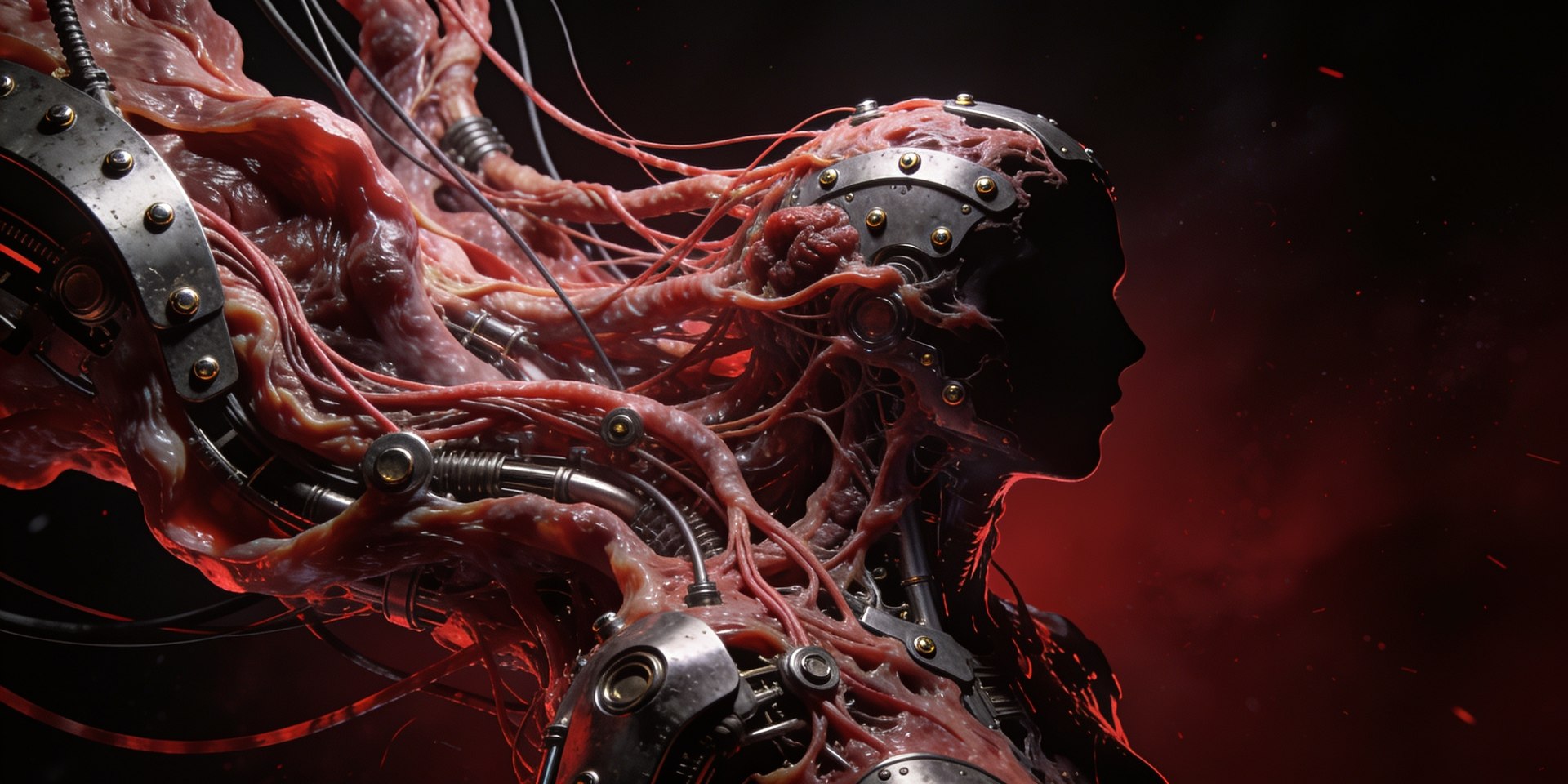

Every horror subgenre positions the threat outside you. The intruder is in the house, the creature is in the woods, the ghost is in the walls. Body horror closes that distance entirely. The thing you are afraid of is your own skin, your own cells, the machinery of your own biology tipping past its tolerances. The monster was already inside.
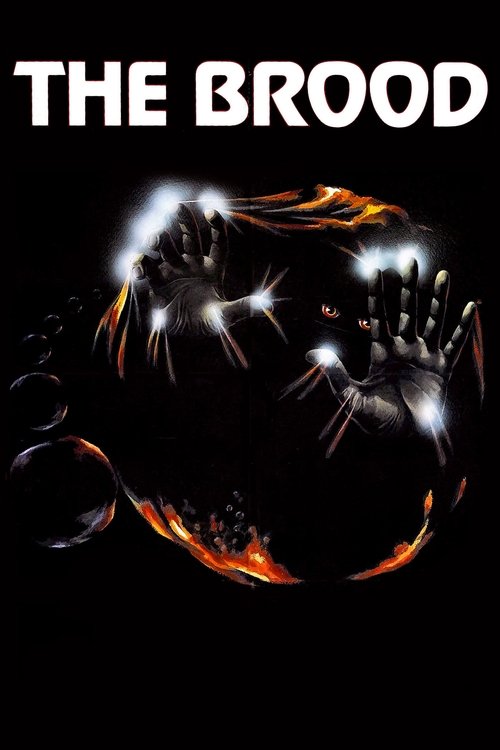
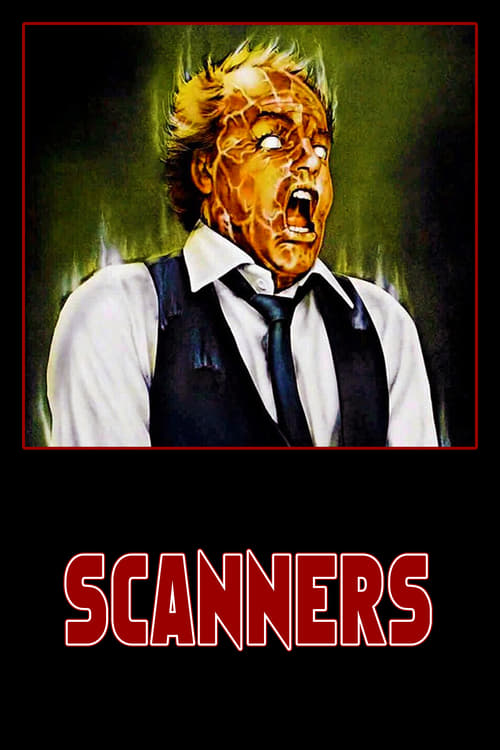
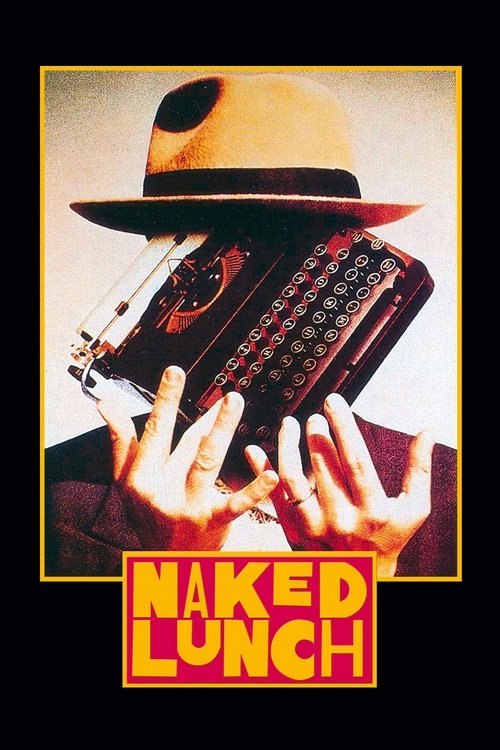
No filmmaker understood this more rigorously than David Cronenberg, who built an entire career around the proposition that flesh is software, and software can be rewritten. His films of the 1970s and 1980s are still the genre's true north: Shivers, Rabid, Scanners, Videodrome, The Fly, The Brood, eXistenZ, Naked Lunch and, returning forty years later, Crimes of the Future. The body as medium. The body as antenna. The body as evidence of something that has gone catastrophically, fascinatingly wrong.
But body horror is older than Cronenberg. Mary Shelley assembled a man from parts and asked what that man owed his maker. Kafka turned a man into vermin overnight and watched his family pretend it had not happened. The genre's question has never changed: what are you if your body is no longer yours?
Essential body horror
The canon, across every screen and page

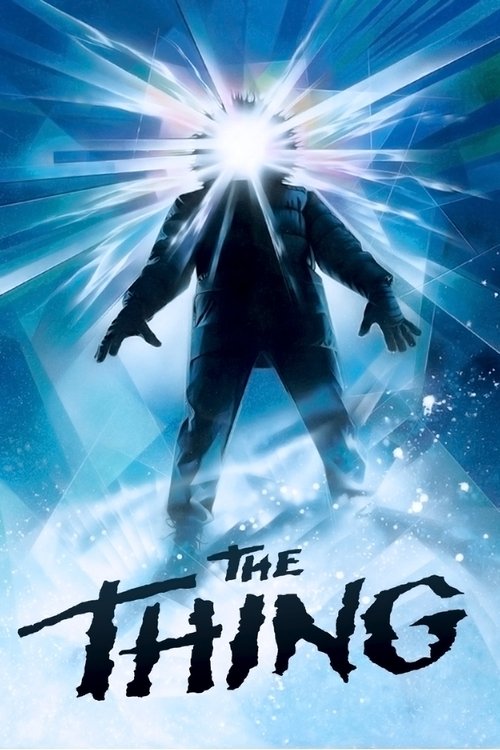




The Fly is a love story about watching someone die
Cronenberg's 1986 remake is not a monster movie. It is a film about watching a person you love decay, and being unable to stop it. Jeff Goldblum's Seth Brundle maps his transformation onto the progress of a terminal illness with a precision that makes the horror almost unbearable: the euphoria first, then the slow deterioration, then the moments of clarity that make everything worse. Geena Davis is not a screaming victim; she is someone losing a partner in real time. By the time the body horror reaches its most grotesque extremes, you have already been destroyed by the emotional logic. The makeup is unforgettable. The grief is worse.
Cronenberg: the complete works
Cinema's most rigorous philosopher of the mutating body




The new flesh
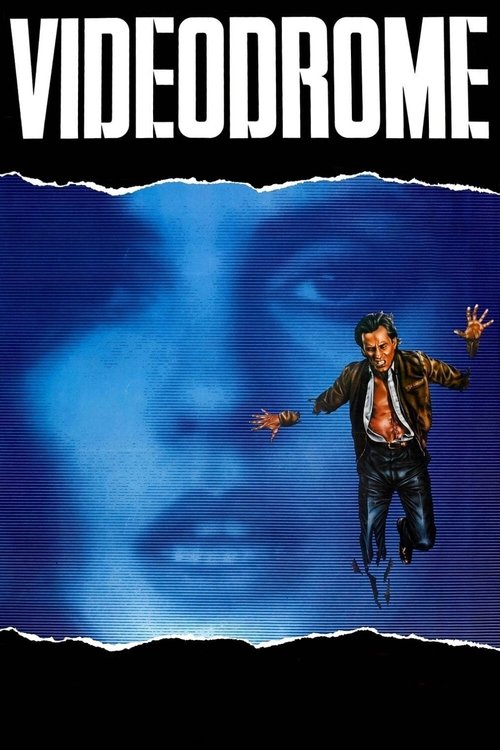
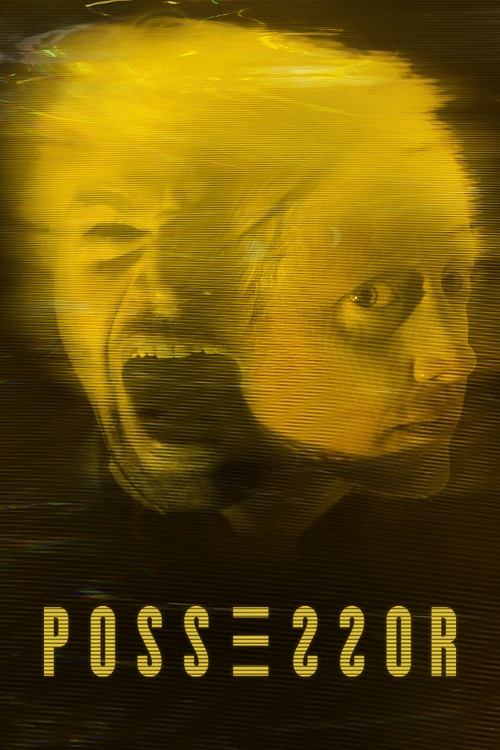
What Cronenberg called the New Flesh in Videodrome was a prediction: the body colonized by technology, by media, by the desires of systems larger than itself. Thirty years later that idea has spread through the genre like a parasite. Julia Ducournau's Titane takes it further than even Cronenberg dared, finding lust and kinship in the fusion of woman and machine. Brandon Cronenberg's Possessor inherits his father's preoccupations and turns them colder: the body as a rental property, consciousness as a tool of corporate violence. The flesh is still the battleground. The war has new sponsors.
Japanese body horror runs a parallel track, angrier and more electric. Shinya Tsukamoto's Tetsuo: The Iron Man inverts the colonization: a salaryman consumed and remade by industrial metal, erupting from inside the city he helped build. Katsuhiro Otomo's Akira takes the same energy to its logical terminus, a body that keeps growing until it becomes something the universe itself can barely contain.
Flesh and transformation
The body remade: Japan, the New Flesh, and the films that followed





The Substance is the purest body horror in years
Coralie Fargeat's 2024 film takes the genre's central anxiety, the commodification of the female body, and amplifies it until it becomes something almost abstract: a succession of images so precise in their ugliness that they become genuinely beautiful. Demi Moore and Margaret Qualley are not playing characters so much as two halves of a single proposition about what happens when a culture demands women constantly improve on themselves. The body horror arrives in escalating waves, each more explicit than the last, but the real horror is in the early scenes: a TV presenter past her sell-by date, replaced before our eyes by someone younger wearing her face. The transformation sequences are spectacular. The diagnosis is exact.
Pain, flesh and Clive Barker
From the Lament Configuration to the limits of sensation





Games understand body horror better than any other medium
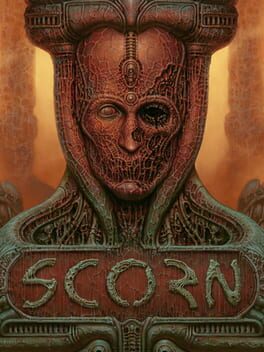
A film can show you a body being unmade. A game can make you responsible for what happens next. Dead Space straps you into an engineer's suit and sends you through a ship full of Necromorphs, creatures assembled from human remains, and the horror is partly aesthetic, partly mechanical: you can only kill them by removing limbs. The game teaches you to dismember with the same care a surgeon uses to cut, and that is exactly the wrong lesson. Scorn takes it further, putting you inside a world built from bone and viscera and meat, where every tool is also a body part and you never feel clean. Both games understand what the best body horror always knows: the terror is greatest when you have no choice but to touch it.

Body horror in games
When the controller shakes in your hands

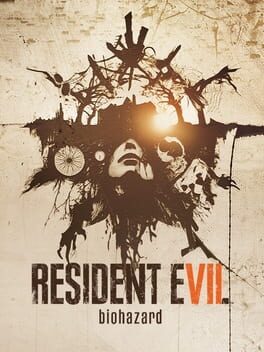


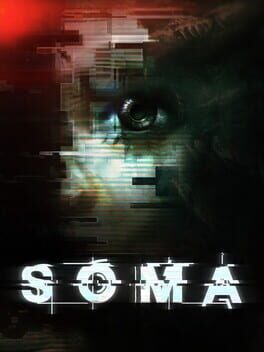


Body horror on screen
The small screen's most unsettling transformations





Junji Ito's manga is the genre's purest literary form
Junji Ito works in ink, and ink is the right medium for what he does. His horror is architectural: a spiral that invades a town and rewrites every body in it; fish that walk on mechanical legs, trailing the stench of something that has gone wrong at a cellular level. The images are so precise in their wrongness that they stay on the inside of your eyes long after the page is turned. Two animated adaptations have captured pieces of his work, and the 2024 Uzumaki series is the most faithful screen translation yet. But the manga is still the thing itself: the body observed with a calm that makes the violation worse.
Body horror on the page
The books and manga that got under the skin first


More flesh that turns against you
Biopunk
Explore the Biopunk guide →The body is the only home you cannot leave. Body horror is the literature of people who have noticed that their landlord is insane.On what the genre is really about