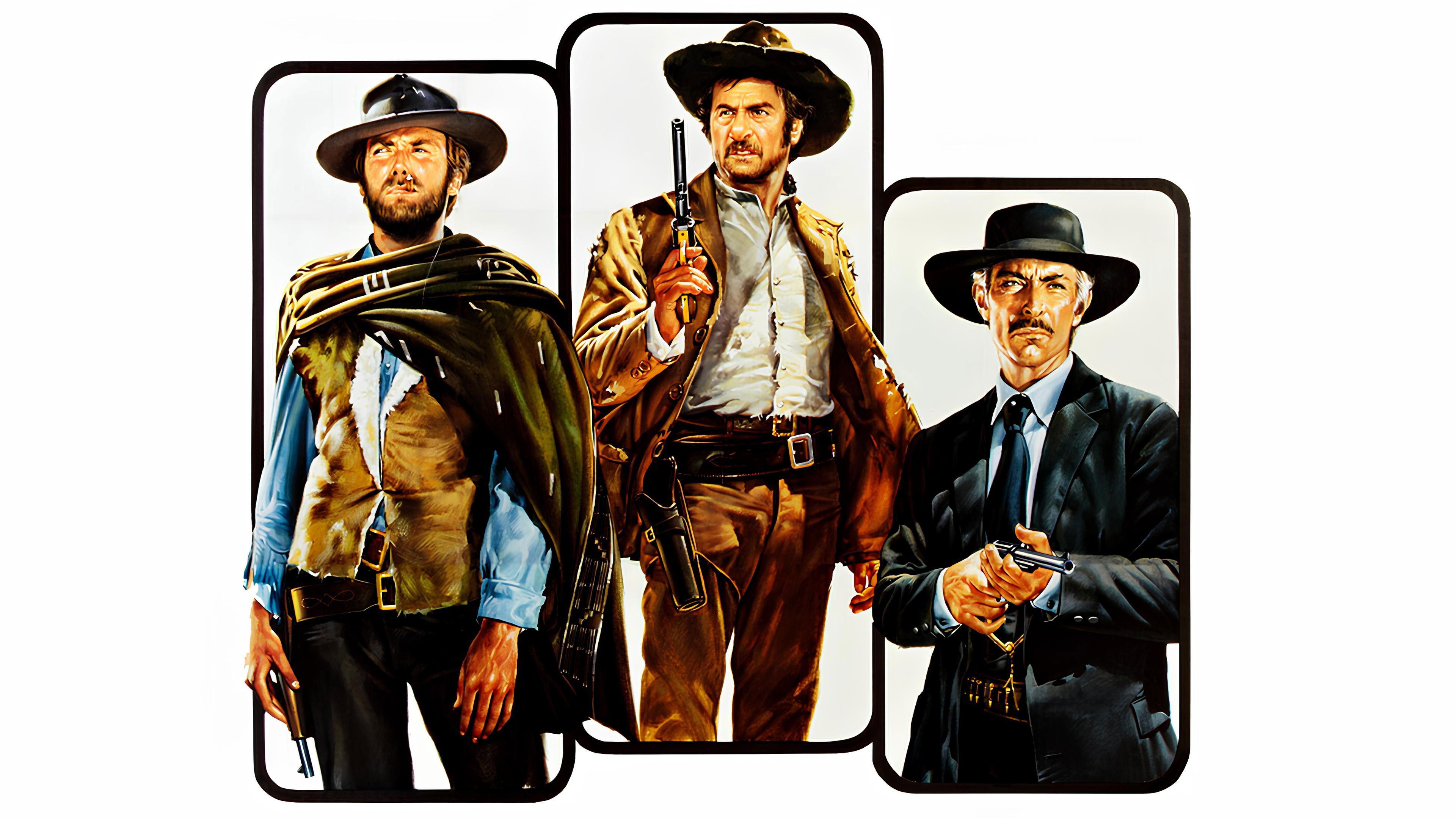

The Man Who Made Silence Dangerous
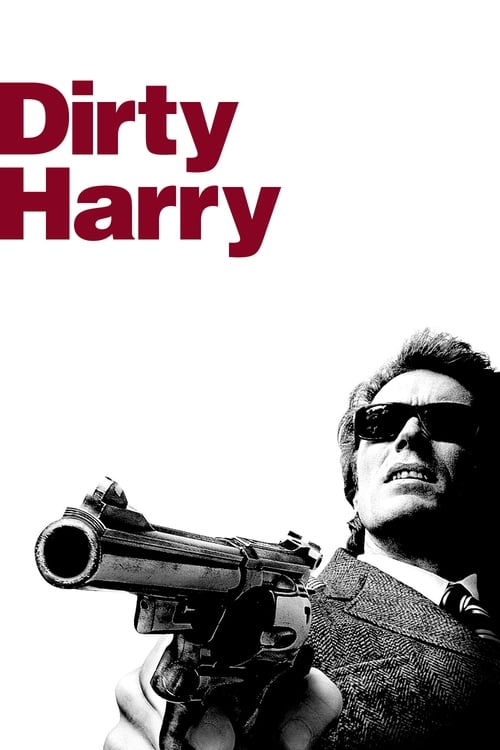
Clint Eastwood built a career on what he doesn't say. As an actor he perfected the still, watchful presence: the Man With No Name squinting into the Sergio Leone sun, Dirty Harry's jaw set against a corrupt city, Josey Wales refusing to stay broken. As a director, he carried that economy into filmmaking itself: unhurried cuts, natural light, jazz-soaked scores, and a willingness to sit with moral ambiguity long after most filmmakers would have wrapped things up neatly.
His work keeps returning to a particular set of questions. Can a violent man redeem himself, or is he just good at violence? What does justice actually cost the person who delivers it? What do we owe the dead? These are questions without clean answers, and Eastwood rarely pretends otherwise. Whether he is directing a boxing tragedy, a WWII dual portrait, or a late-career meditation on guilt and aging, the texture is the same: arid, patient, a little elegiac. The fans who love him tend to love that texture above everything else.
Essential Clint Eastwood
The films that define him, whether he is in front of the camera, behind it, or both
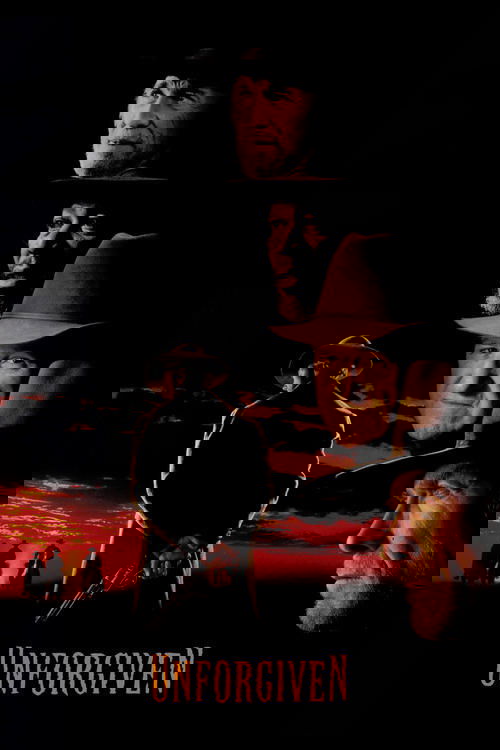
Unforgiven is the perfect entry point
If you have never watched Eastwood closely, Unforgiven is where to start. It contains everything: the mythic Western setup, the slow-burn direction, the refusal to let the hero stay heroic. Gene Hackman's sheriff is almost more interesting than Eastwood's killer-turned-farmer, and that tension, two versions of what justified violence looks like, is the whole film's engine. It won Best Picture in 1992 and it earned it.
Lone Wolves and Moral Reckoning
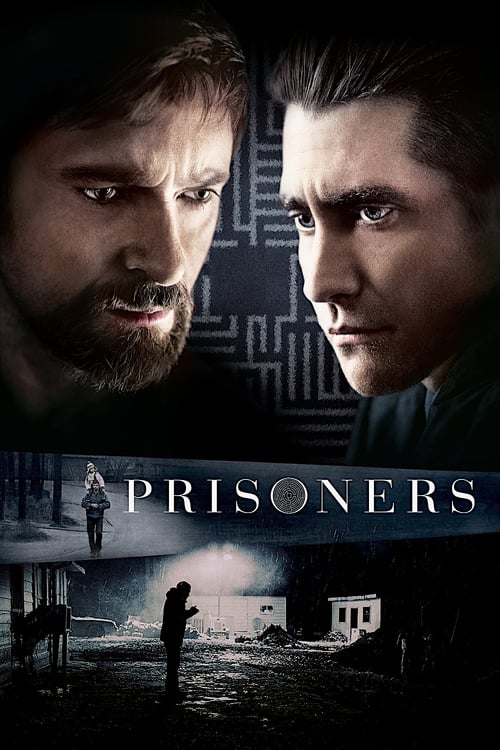
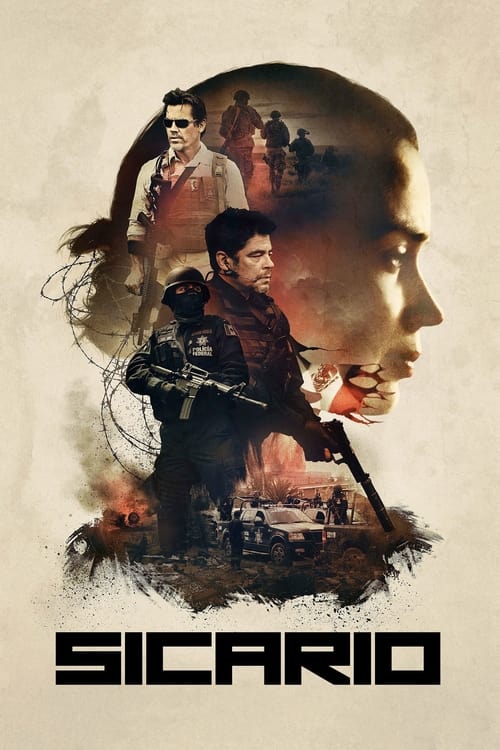
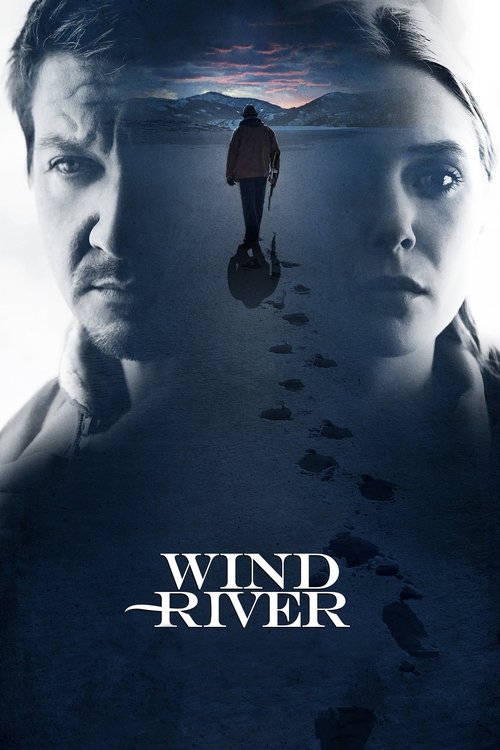
Films about men who operate outside the rules and pay the full price for it
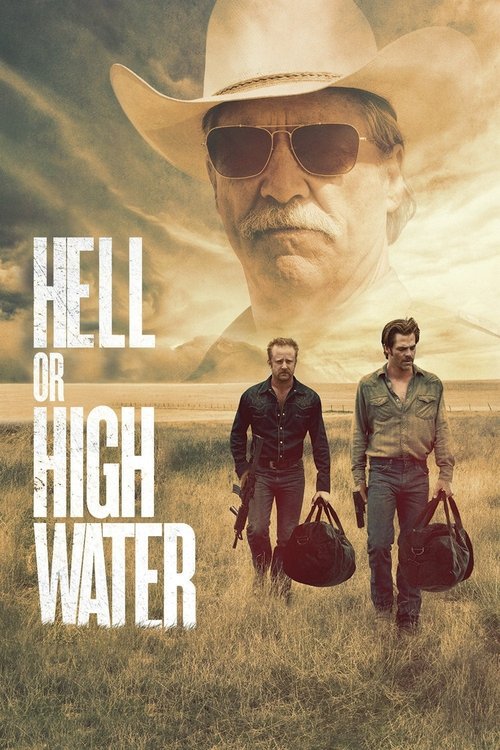
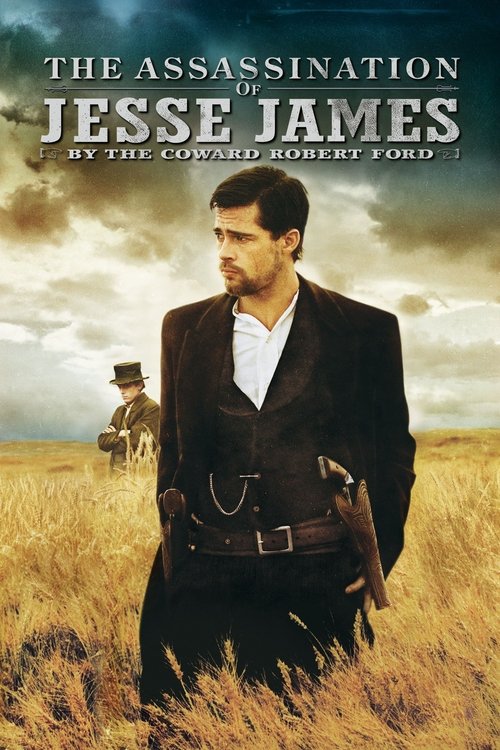

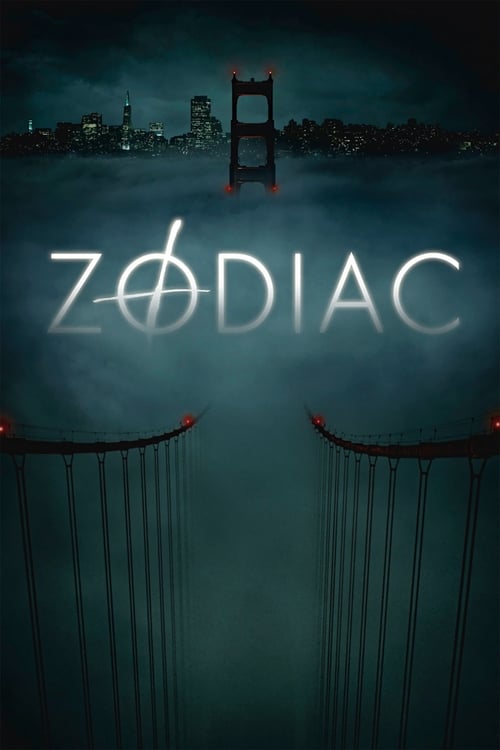
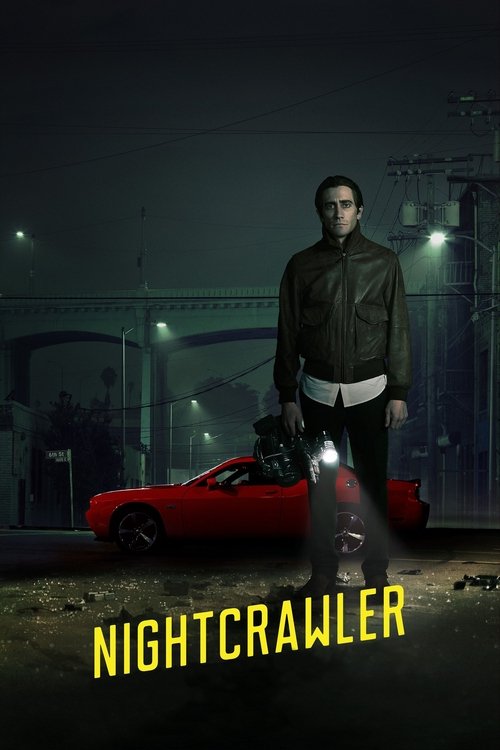
Old America, Hard Choices
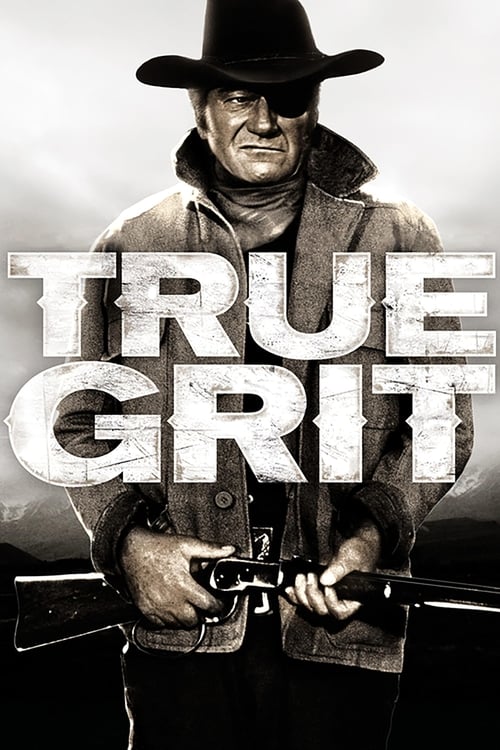
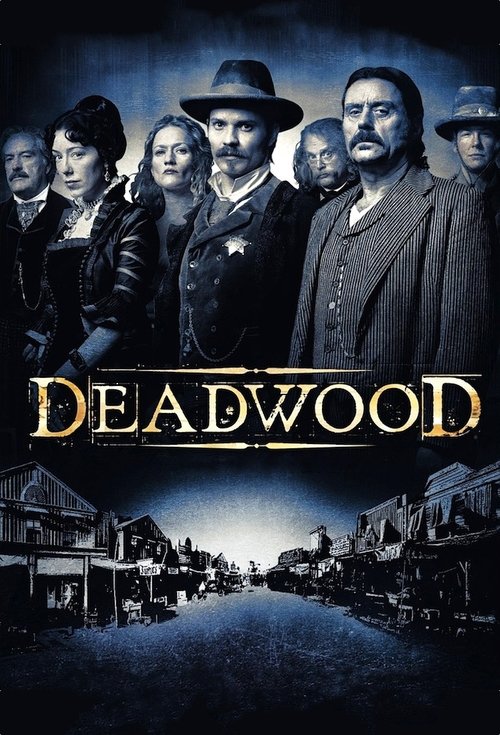
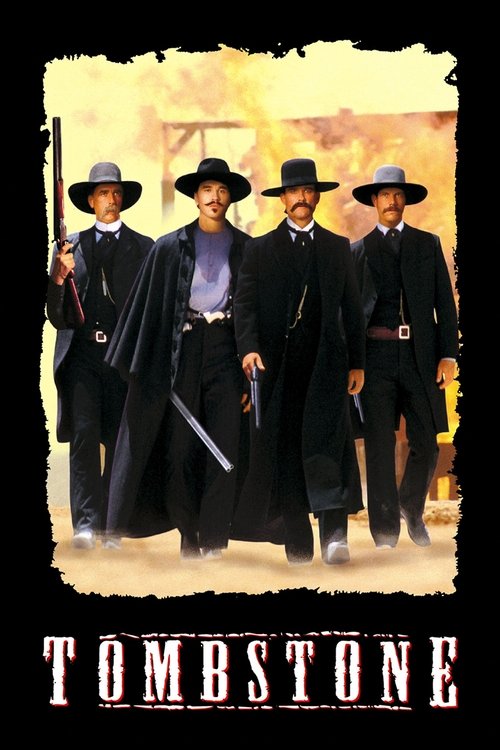
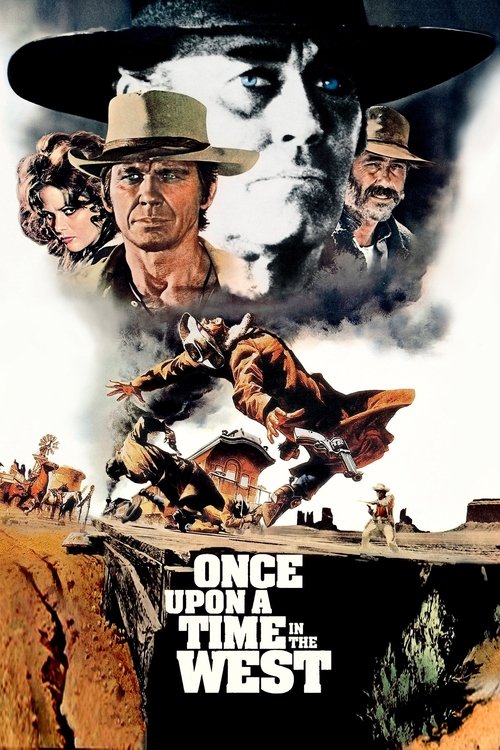
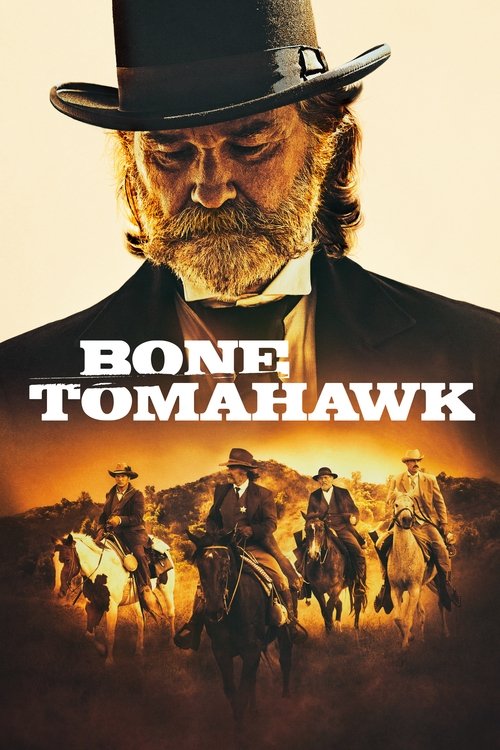
Westerns, frontier stories, and tales where landscape itself is a moral force


Letters from Iwo Jima is the underrated masterpiece
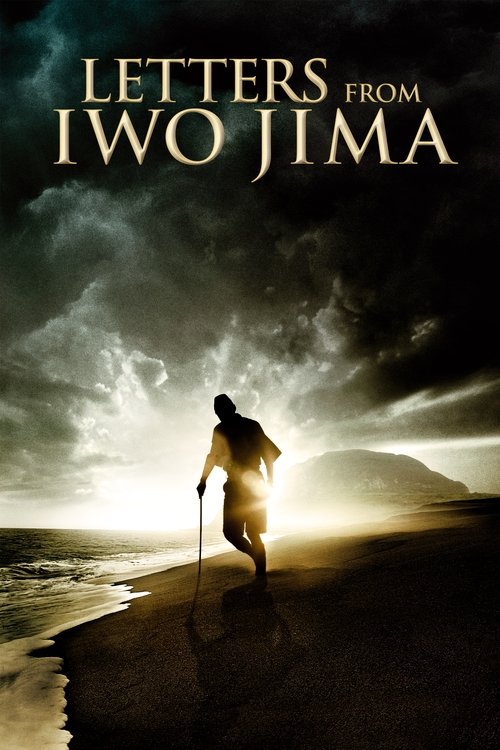
Shot back-to-back with Flags of Our Fathers and almost entirely in Japanese, Letters from Iwo Jima is the film that should have sealed Eastwood's reputation as a world-class director. It is a WWII film with zero interest in heroism as a concept. It is interested in letters home, in the gap between what soldiers are told and what they see, in the ordinary human weight of a terrible situation. It lost the Best Picture race to The Departed. That was the wrong call.
Grief, Guilt, and Getting Old
Late-career Eastwood keeps asking what aging men owe the world; these works ask the same
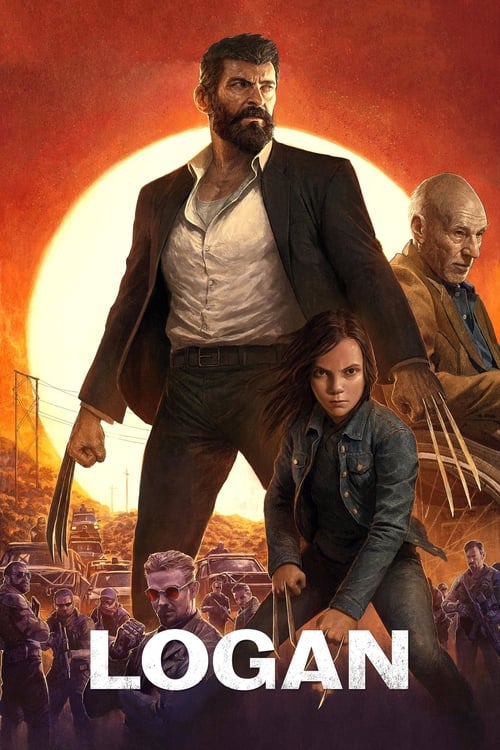
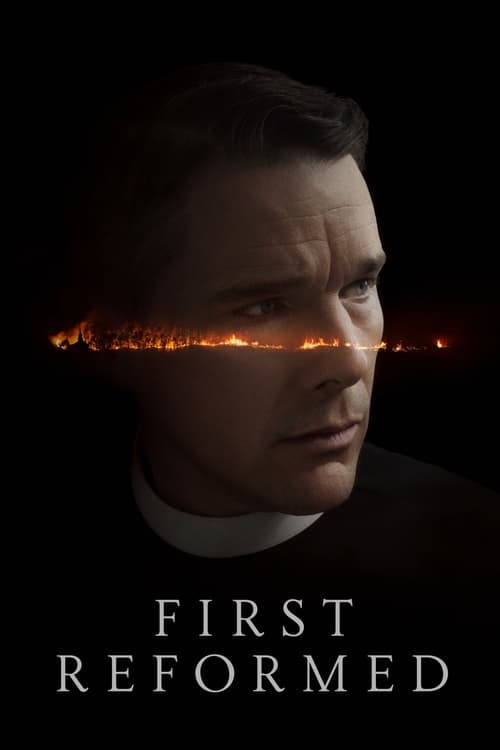
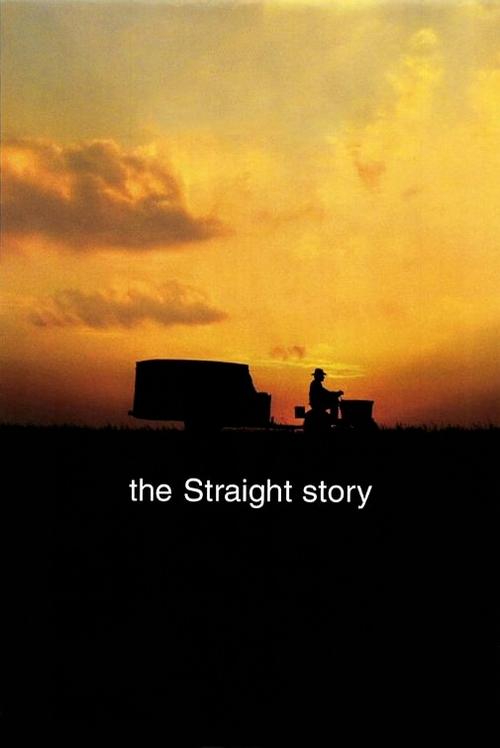
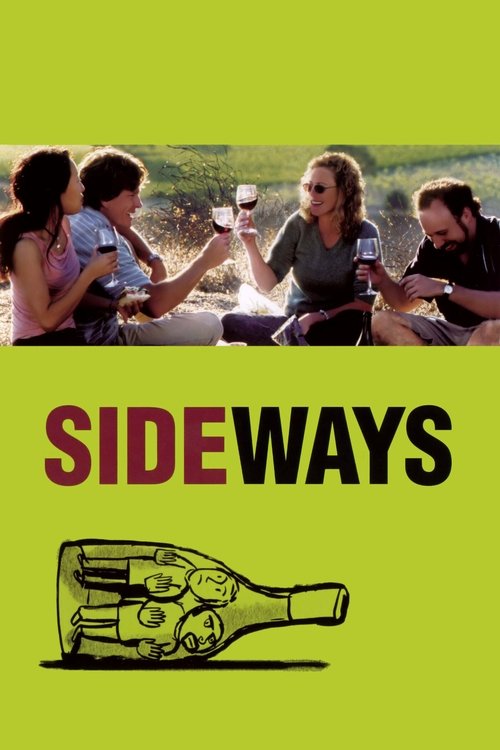

No Country for Old Men is the spiritual successor
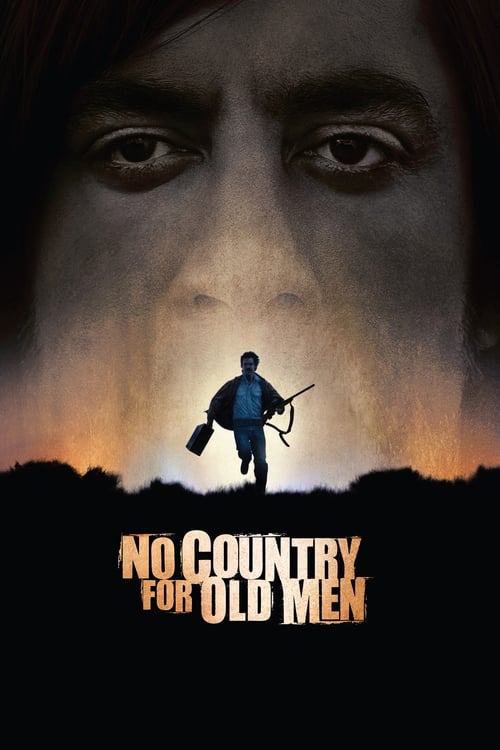
The Coen Brothers made No Country for Old Men the same year Eastwood was deep into his late-career run, and the two filmmakers are in a kind of conversation. Both ask whether a man built for violence can survive a world that has moved past him. Tommy Lee Jones' sheriff narrates his own obsolescence the way Eastwood has been doing since Unforgiven: quietly, without self-pity, and with the gnawing feeling that there was never a time when things made sense.
Jazz, Blues, and the American Night
Eastwood's films are soaked in American music; these go deep into that world


The books Eastwood films are always circling
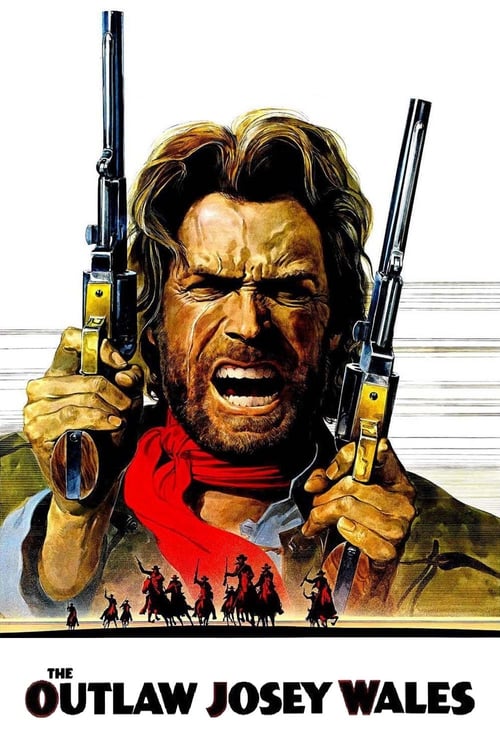
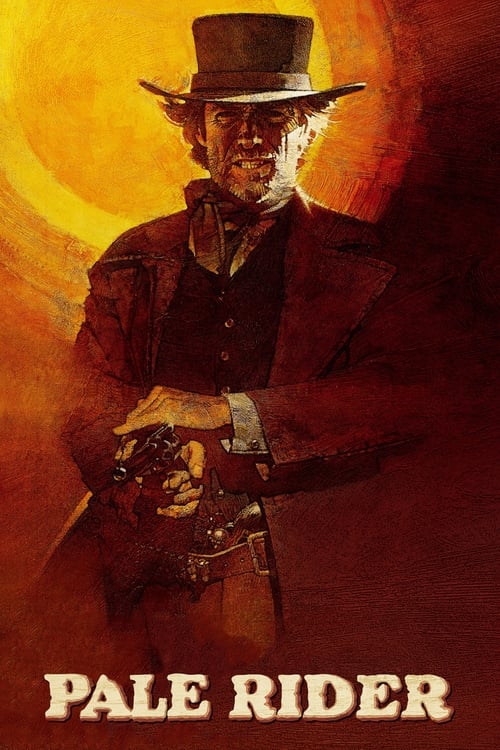
Cormac McCarthy's novels have been filmed, partially filmed, and declared unfilmable in roughly equal measure. But anyone who watches Unforgiven, The Outlaw Josey Wales, or Pale Rider and wants to follow that thread to its darkest literary source should start with No Country for Old Men on the page. The prose is leaner than the Coens' adaptation lets on. All the Pretty Horses and The Road take the same moral seriousness into entirely different registers. McCarthy and Eastwood are not making the same argument, but they are staring at the same abyss.


A Career in Chapters
- 1959Rawhide launches his TV career Rawhide
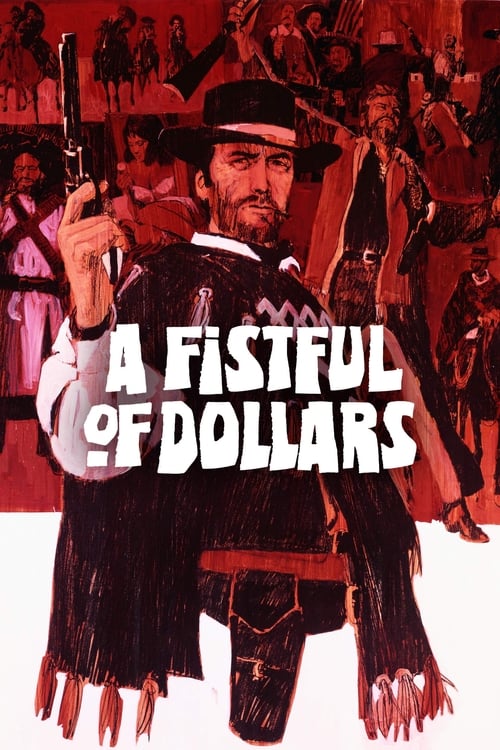
- 1964Sergio Leone reinvents him as an icon A Fistful of Dollars
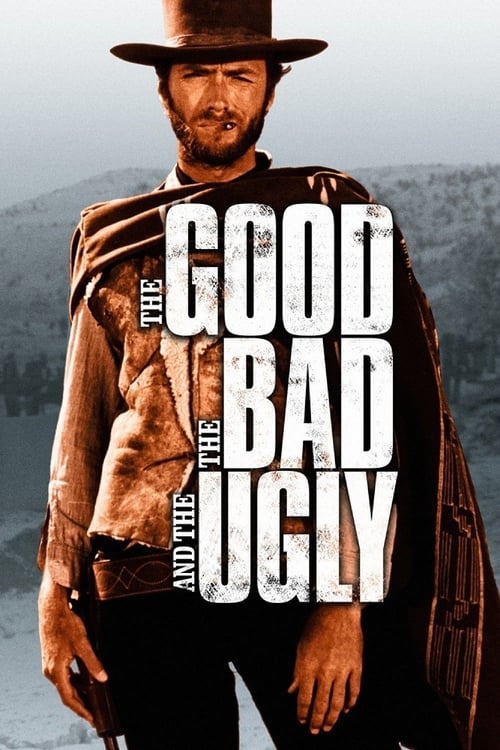
- 1966The trilogy peaks The Good, the Bad and the Ugly
- 1971Dirty Harry makes him a superstar Dirty Harry
- 1973First directorial horror: the avenging ghost Western High Plains Drifter
- 1976First major directorial statement The Outlaw Josey Wales
- 1985Pale Rider confirms his eye behind the camera Pale Rider
- 1992Unforgiven wins Best Picture and Best Director
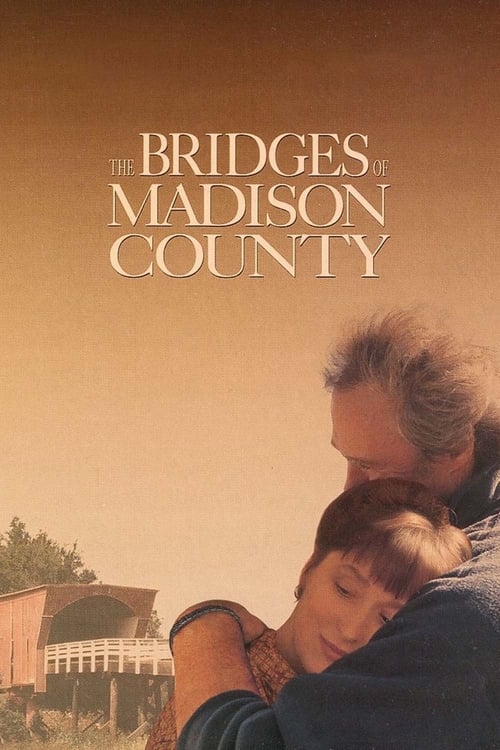
- 1995Surprising romantic turn The Bridges of Madison County
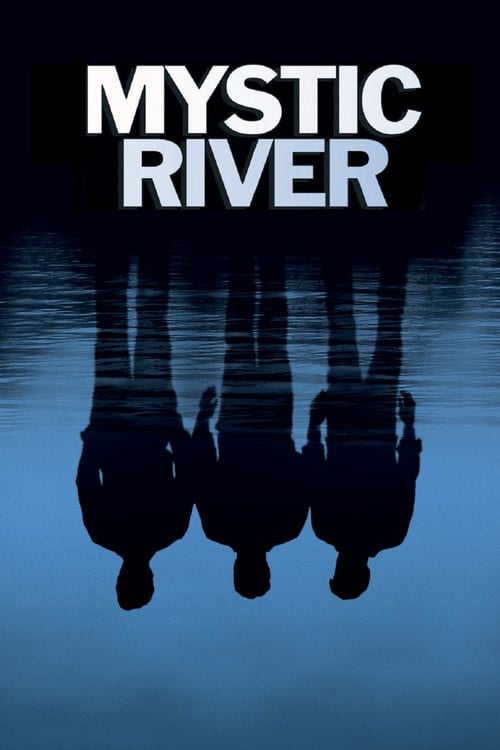
- 2003Mystic River: crime as Greek tragedy Mystic River
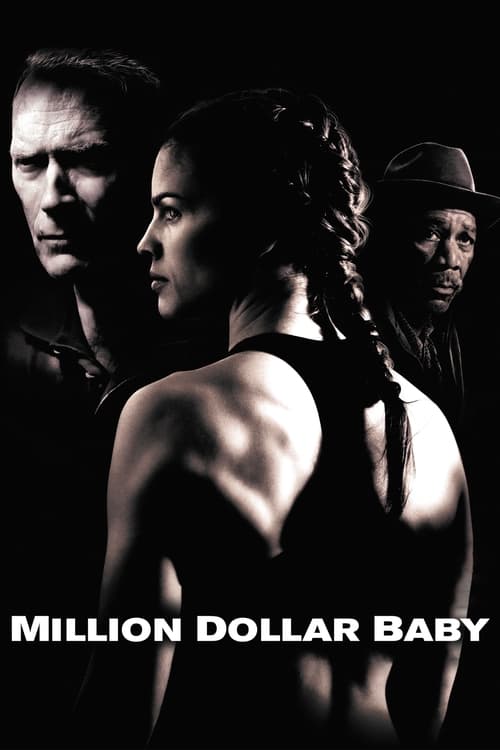
- 2004Million Dollar Baby sweeps the Oscars Million Dollar Baby
- 2006Dual WWII portraits, one in Japanese Letters from Iwo Jima
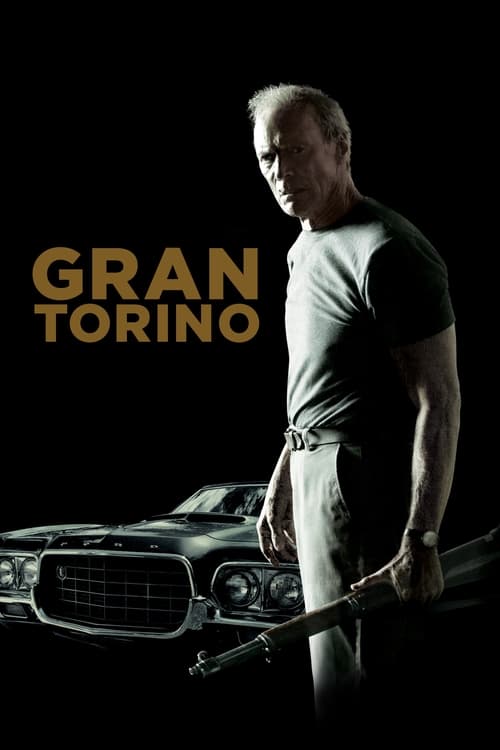
- 2008Gran Torino: the last great performance Gran Torino
More gritty American myth-making
Westerns
Explore the Westerns guide →He has always understood something most action stars never figure out: the weight of a gun is moral, not just physical. Every time a character fires in an Eastwood film, something is lost.CrossBinge editorial