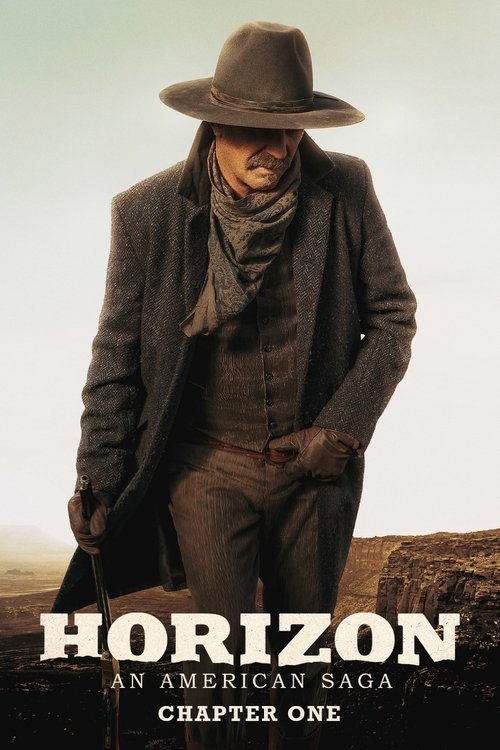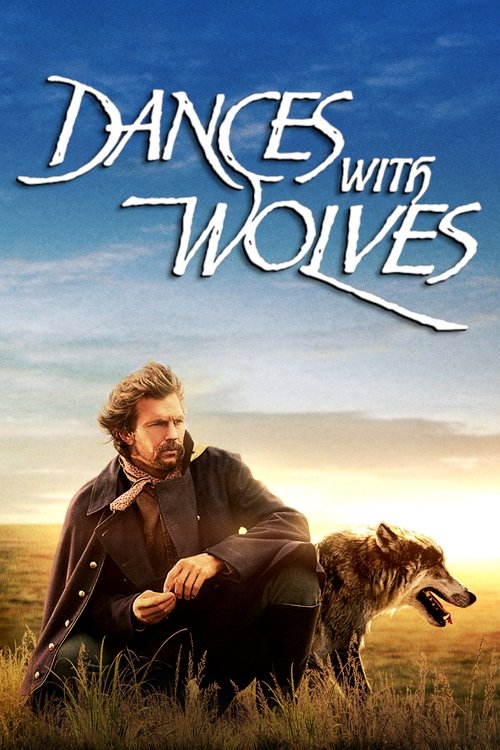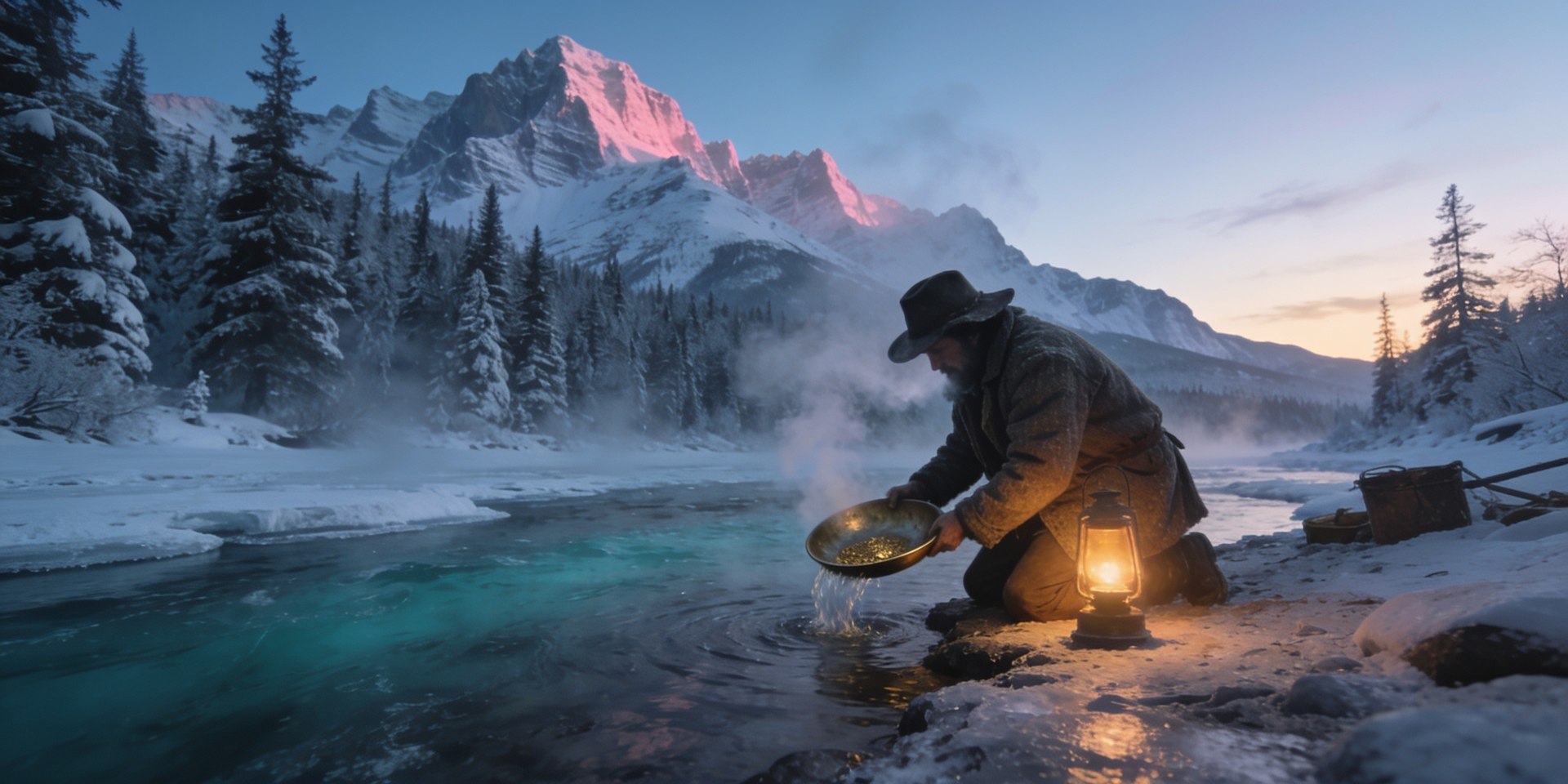

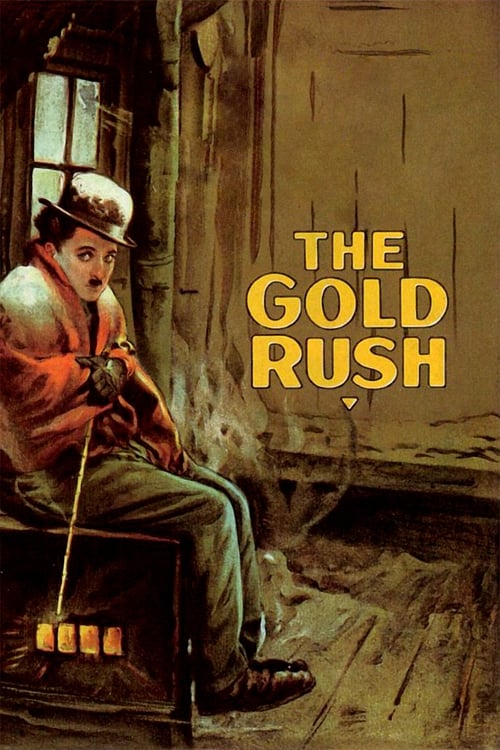
Gold does something to people, and the stories worth telling are never really about the gold. They are about what the wanting does to a person once the wagon stops and the river runs cold. The frontier rush is the oldest American engine of myth: a rumor of color in the gravel, a town that springs up overnight around a saloon and a sluice, and a few thousand strangers who will lie, freeze, dig and occasionally murder to get at it first. Charlie Chaplin understood that the funniest thing in the world is a starving man boiling his own boot, and Paul Thomas Anderson understood that the same hole in the ground can make a man rich and hollow at once.
This is a fever that crosses every medium. Jack London froze his way through the Klondike and came back with two of the most reprinted animal novels ever written. Rockstar spent a fortune rebuilding the dying days of the open range so you could ride through it yourself. HBO put more profanity and Shakespeare into a muddy Dakota mining camp than the genre had ever carried. What follows is the cross-media canon of the rush: the prospectors, the claim jumpers, the boomtowns that became cities and the ones that became ghost towns, told in film, television, games, books and the songs that grew up around the campfire.
Essential gold rush and frontier
The canon: the fever, the boomtown and the long cold road north
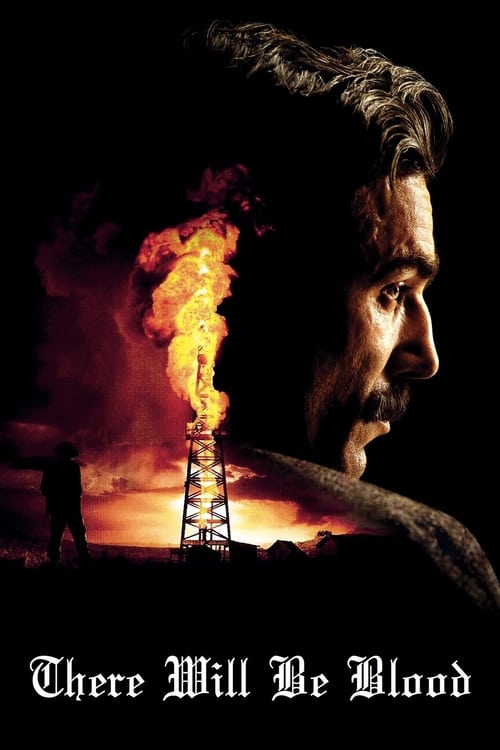

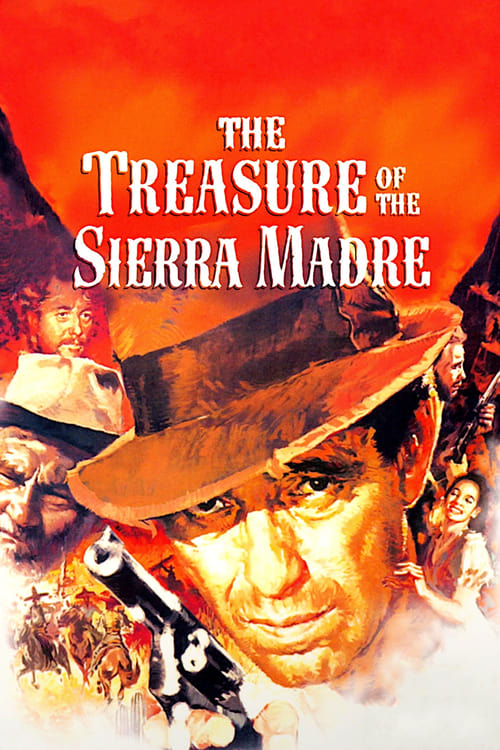
There Will Be Blood is the rush stripped of romance
Paul Thomas Anderson's There Will Be Blood takes the frontier fortune story and removes every comfort the genre usually offers. There is no plucky underdog, no town worth saving, no woman to ride off with. There is only Daniel Plainview, who comes up out of a silver mine on a broken leg dragging an ore sample behind him, and who spends the next two and a half hours converting the California oil boom into a private kingdom of contempt. Daniel Day-Lewis plays him as a man who learned early that wealth and isolation are the same thing, and he is right.
The film is loosely drawn from Upton Sinclair's novel Oil!, but Anderson burned away the politics and kept the geology: the derricks, the gushers, the fire that lights the night sky while a man stands in front of it counting his future. Jonny Greenwood's score scrapes and shrieks like the machinery. It is the truest frontier-fortune film ever made because it refuses to pretend the fortune was worth it.
The rush on film
From Chaplin's frozen cabin to the bloodied derricks of California


The cold road north
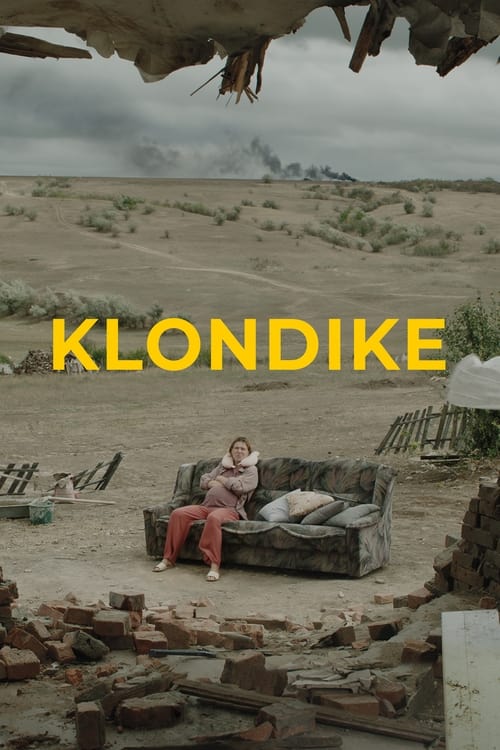
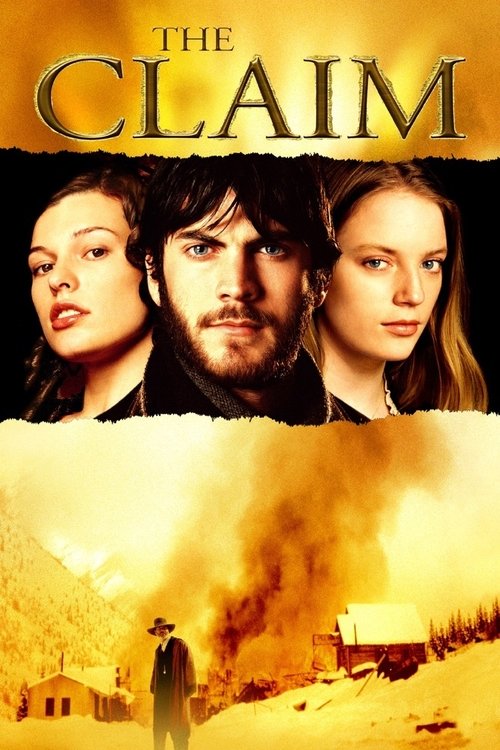
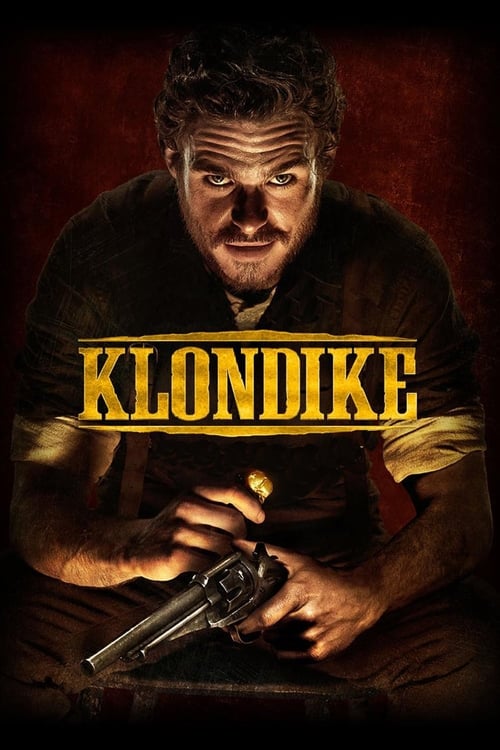
The California rush of 1849 gets the songs, but the Klondike rush of the late 1890s gets the better stories, because it was so much harder to survive. To reach the goldfields you crossed the Chilkoot Pass on foot, hauling a year of supplies up a frozen staircase carved into the snow, turn after turn, because the Mounties would not let you into the Yukon without enough food to last the winter. Most of the hundred thousand who set out never reached Dawson City. Most who reached it found every good claim already staked.
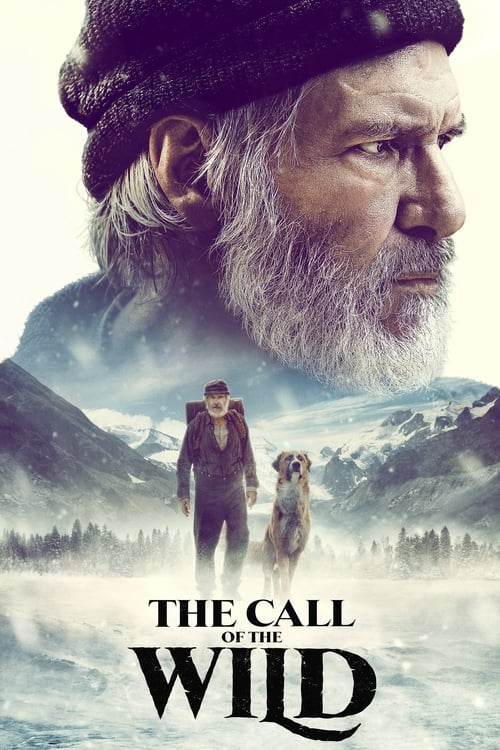
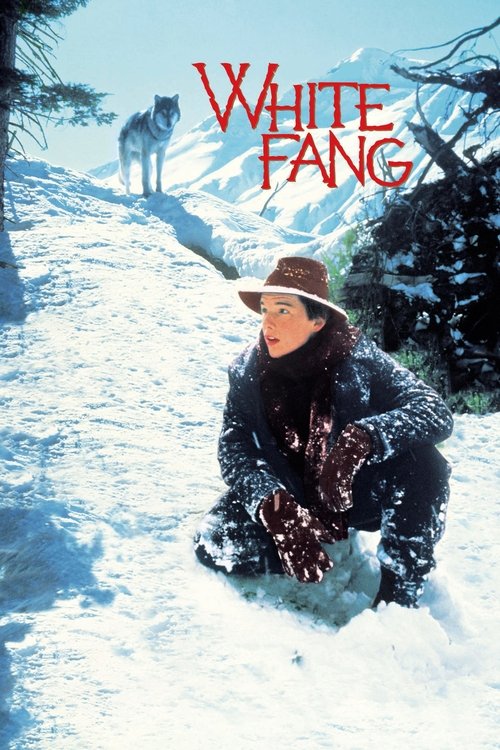
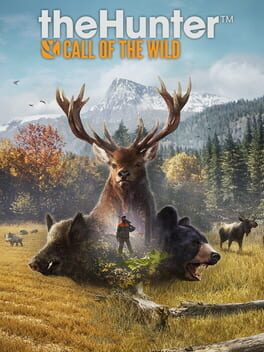
Jack London was one of the ones who went, and he came back broke and scurvy-ridden with the only fortune that mattered: material. The Call of the Wild and White Fang are bookends, one about a tame dog turning wild in the traces of a Klondike sled, the other about a wild dog learning to trust a man. Both are really about what the cold does to the line between civilization and survival, which is the only question the far north ever asks.
Frozen north: the Klondike and the Yukon
Sled dogs, the Chilkoot Pass and the boomtown at the end of the trail
![The Call of the Wild [adaptation]](https://covers.openlibrary.org/b/id/9378473-L.jpg)
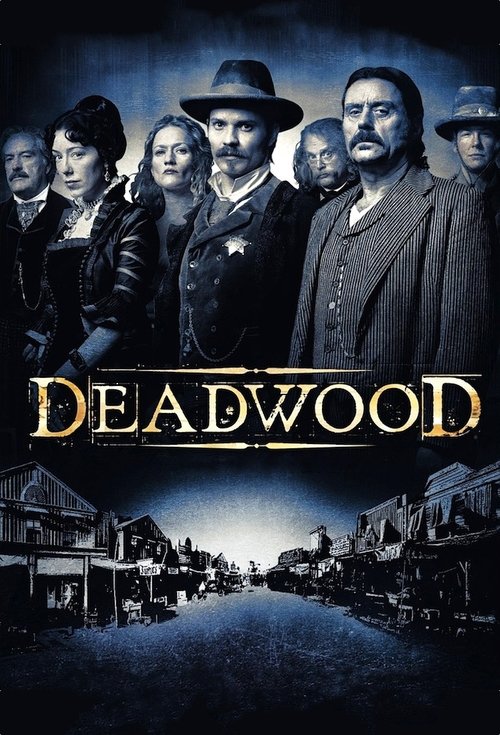
Deadwood is the boomtown told in iambic profanity
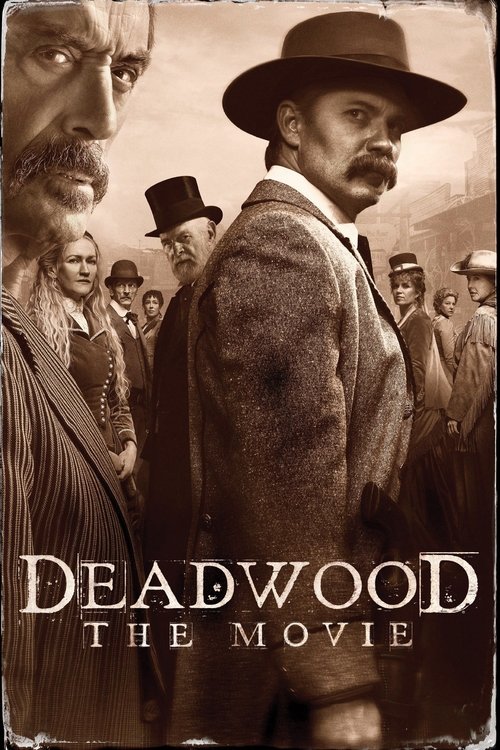
David Milch built Deadwood on a simple historical fact: a gold camp in the Black Hills of 1876 had no law, because it sat on land the United States had no legal right to settle. Out of that vacuum he made a study of how civilization actually arrives, which is to say through commerce, violence and the slow grudging invention of rules nobody wants. Al Swearengen runs the Gem Saloon and most of the camp's bloodshed, and Ian McShane plays him as the most articulate monster on television, a man whose obscenity is structured like verse.
What makes the show essential to the gold-rush canon is that it almost never shows the gold. The fortune is the gravity that pulls everyone in, but the drama is what they build once they are stuck there together: the newspaper, the bank, the brothel, the first elected officials, the smallpox, the murders that have to be quietly arranged so the camp can keep functioning. It is the truest portrait of a boomtown becoming a town that any medium has produced. Deadwood: The Movie gave the camp a graceful, elegiac farewell more than a decade later.
The frontier on television
Mining camps, railheads and the families who pushed west
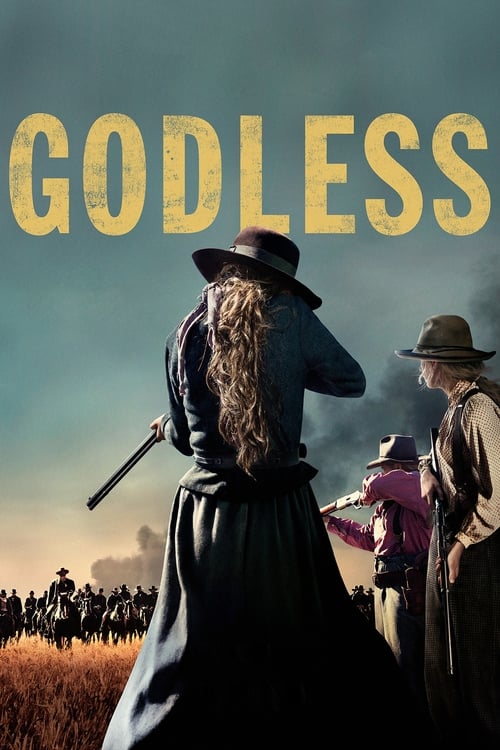
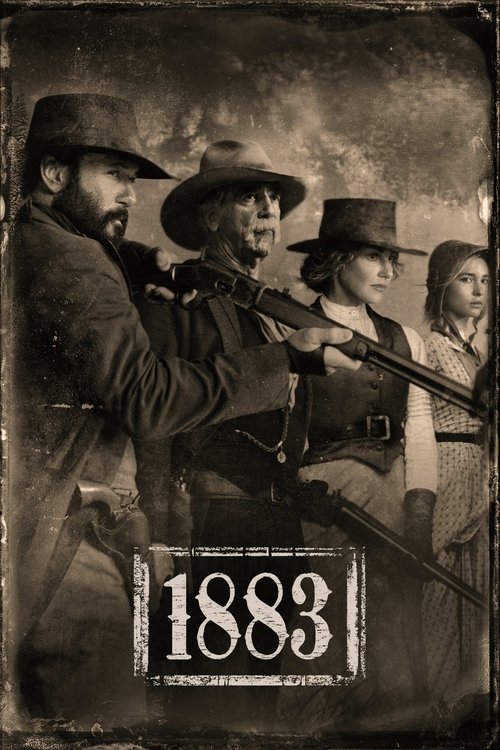
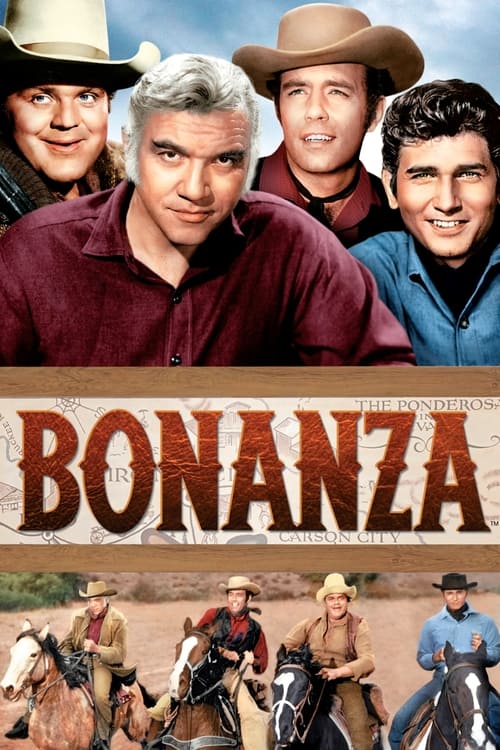
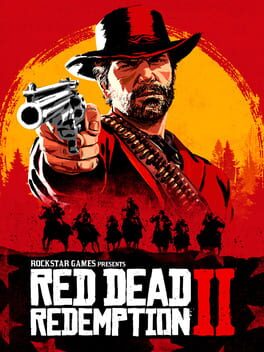
Red Dead Redemption 2 is the only place you can live in the dying frontier
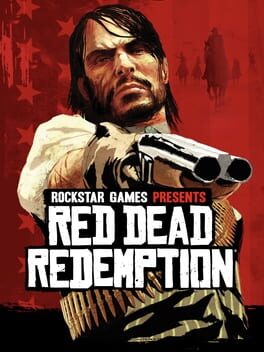
Rockstar's Red Dead Redemption 2 is set in 1899, at the exact moment the open frontier is closing and the fortune-hunters are running out of room to run. You play Arthur Morgan, an outlaw in a gang that keeps chasing one more big score across a landscape that no longer has a place for them. The gold is there, in caches and stagecoaches and a doomed treasure hunt, but the game is honest about the fact that the easy money is gone and the law is closing the distance.
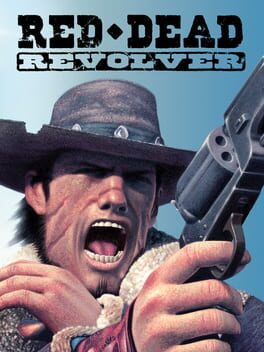
No other medium lets you simply be in the frontier this way: ride a horse through snow that drifts realistically against the timber, watch your breath in the cold, sit by a campfire while the gang sings, skin a deer, get snowed in, go hungry. The first game, Red Dead Redemption, and the arcade-flavored Red Dead Revolver before it built toward this, but the sequel is the masterpiece. It understands the rush as the genre's elegy: the fortune was always a story people told themselves about why they could not stop moving.
Stake your claim: the frontier to play
Outlaws, sluice boxes and the long winter survival camp

We were sloshing around in the Klondike for the same reason everyone else was: because somewhere upriver a man had pulled gold out of the ground, and the rest of us could not bear the thought of not being there when it happened again.The spirit of the rush, as Jack London lived it on the way to Dawson City
The books that staked the claim
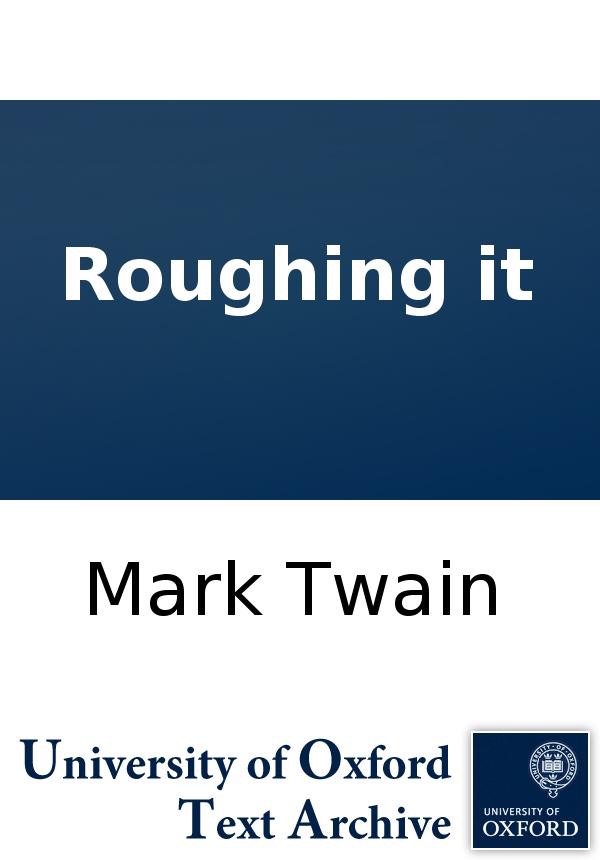
The rush put more ink on paper than it ever put gold in pokes. Jack London is the spine of it, his Klondike fiction collected and reprinted endlessly, but the shelf runs much wider than the dog stories. Mark Twain's Roughing It is the funniest first-hand account of going west to get rich and failing at it, a memoir of silver fever in the Nevada Comstock that treats the whole enterprise with the affection of a man who lost his shirt and enjoyed it.
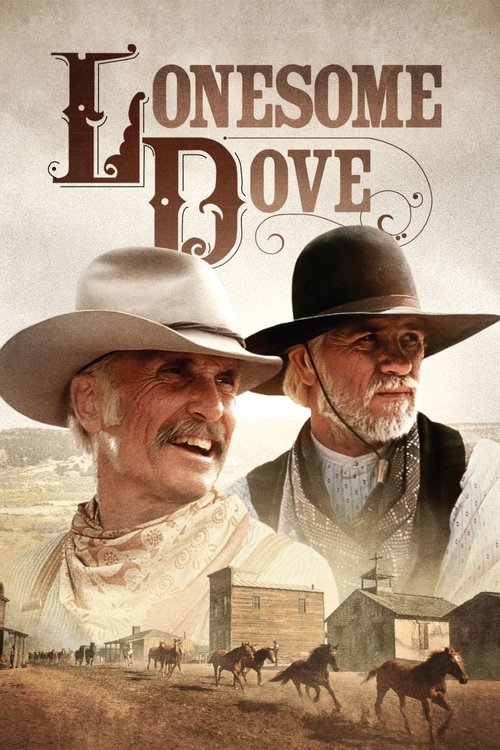
The frontier was not only men with pans. Elinore Pruitt Stewart's Letters of a Woman Homesteader is the real correspondence of a widow who staked a Wyoming claim and worked it, the rare frontier-fortune account written by someone who stayed to build rather than rushed off to dig. Larry McMurtry's Lonesome Dove and Molly Gloss's The Jump-Off Creek round out the page: the cattle drive and the homestead, the two slower fortunes that outlasted every gold camp.
The rush on the page
London, Twain and the homesteaders who wrote the West down


After the Gold Rush is the sound of the fever burning out
Neil Young never wrote a concept album about the 1849 rush, but the title track of After the Gold Rush keeps coming back to the same image: the dream that drew everyone west, gone strange and ruined, mother nature on the run. The record is fragile and high and a little haunted, the sound a ghost town makes when the wind goes through the empty buildings.
The music of the frontier fortune tends to be elegiac like this, because the rush only ever ended one way. Bruce Springsteen's The Ghost of Tom Joad carries the same migration despair into the Dust Bowl and beyond. The O Brother, Where Art Thou? soundtrack reaches further back into the old-time Appalachian and chain-gang songs the prospectors would have carried west with them. Even the Back to the Future Part III score, set in an 1885 boomtown, knows the West is half memory and half tall tale by the time anyone gets around to scoring it.
Songs of the trail
Campfire ballads, migration laments and the music of the open West
The wider West: rushes, outlaws and reckonings
The frontier the fortune-hunters rode into and rarely rode out of