
Creedence Clearwater Revival never sounded like San Francisco, even though that is where they came from. While their Bay Area contemporaries were chasing psychedelic excess, John Fogerty pointed his guitar at the swamps, the back roads, and the working people caught between a crumbling old America and a war nobody wanted. Between 1968 and 1972 they released seven studio albums and a string of singles that defined what roots rock could be: lean, direct, built on real acoustic soil, and charged with a political unease that never tipped into lecturing. What CCR fans love is that feeling of music that knows exactly what it is and burns cleanly.
Essential Creedence Clearwater Revival
The albums and songs that define the catalog
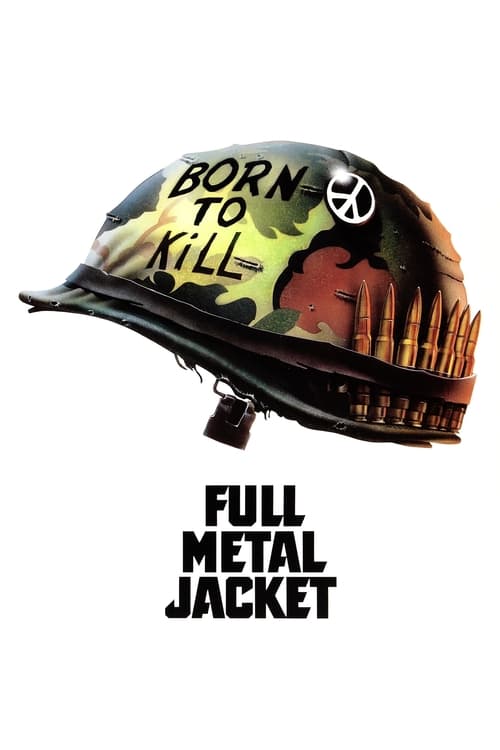
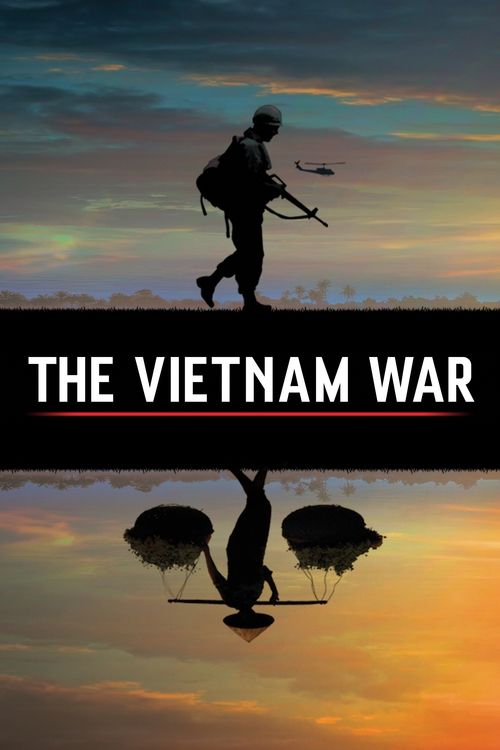
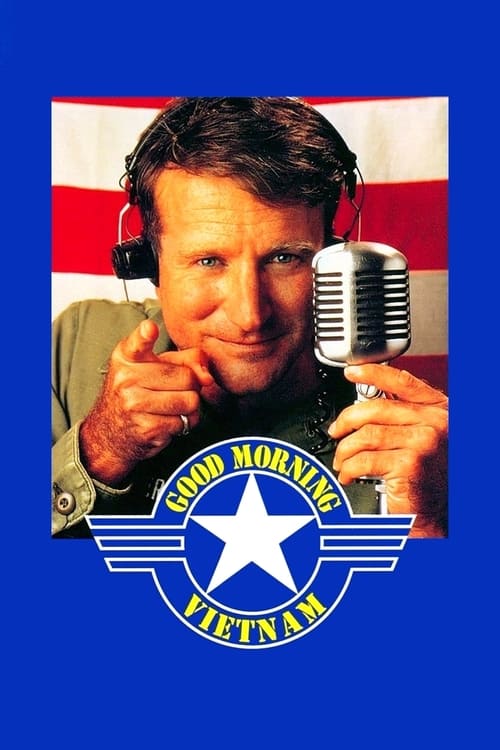
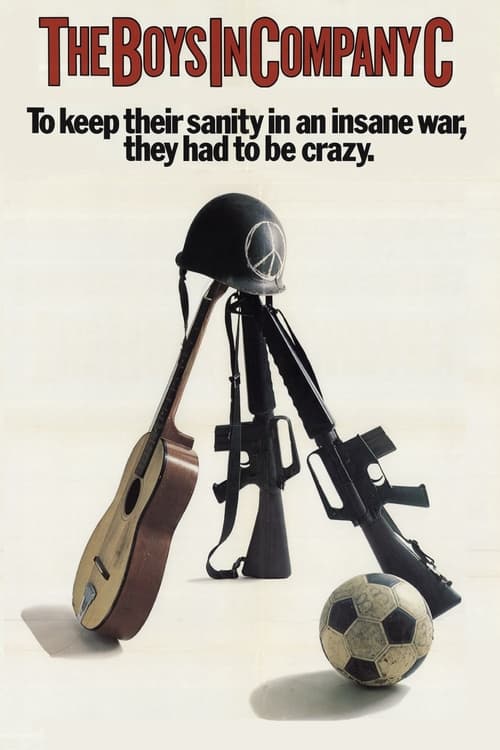
The Vietnam Soundtrack
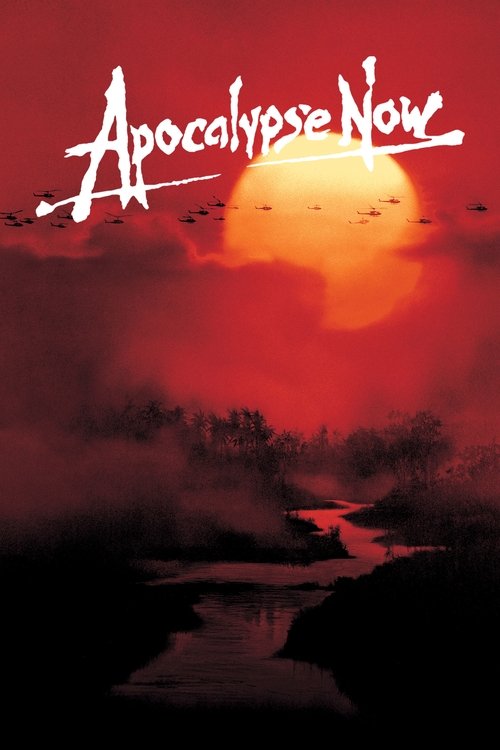
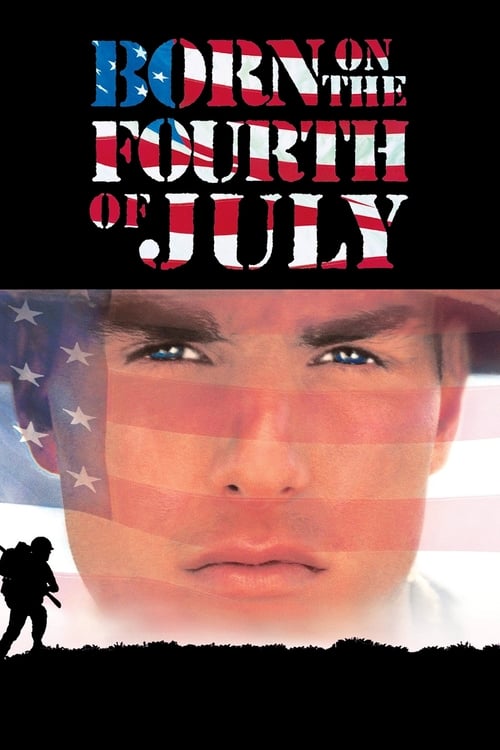
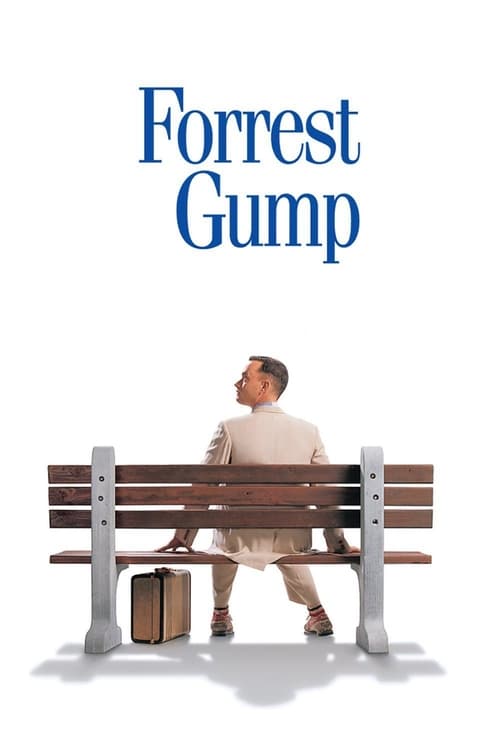
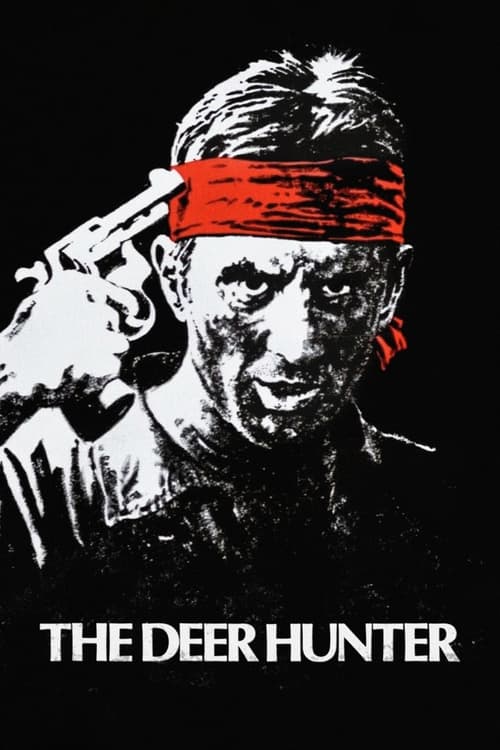
Films and series where CCR becomes the sound of America at war


Same Roots, Same Dirt
Artists whose music shares the bayou-and-backroads DNA
Rock Docs and Concert Films
The era on camera: the scene, the movement, and the music itself

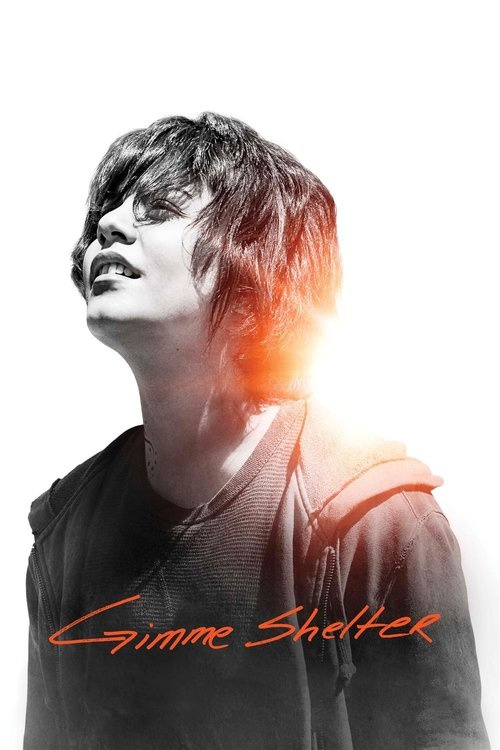

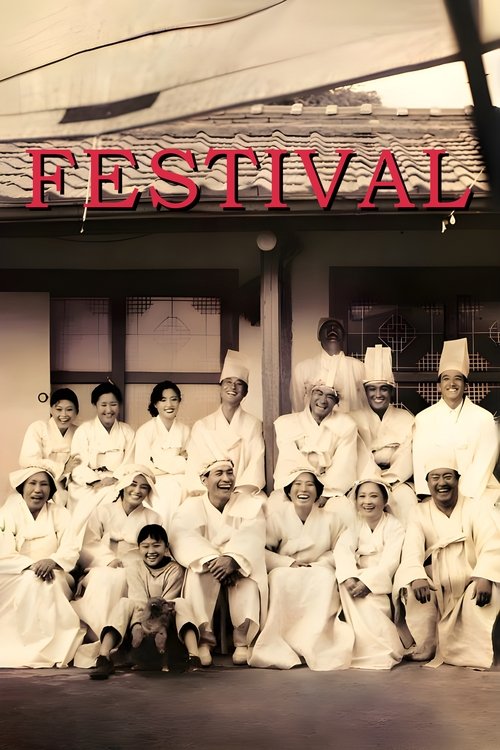
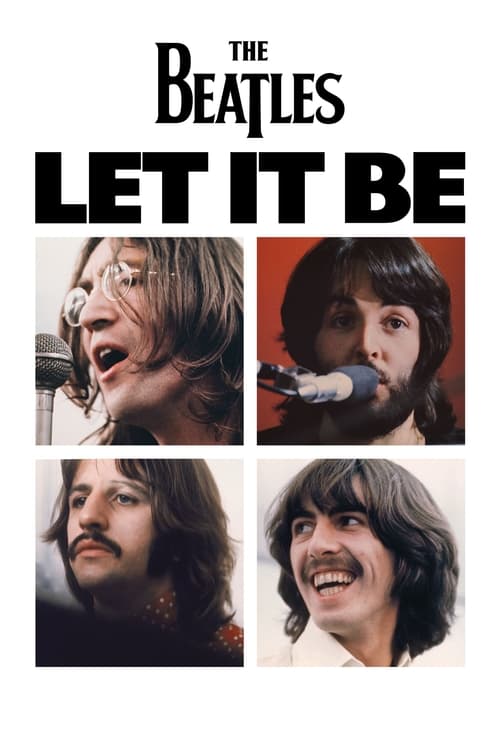
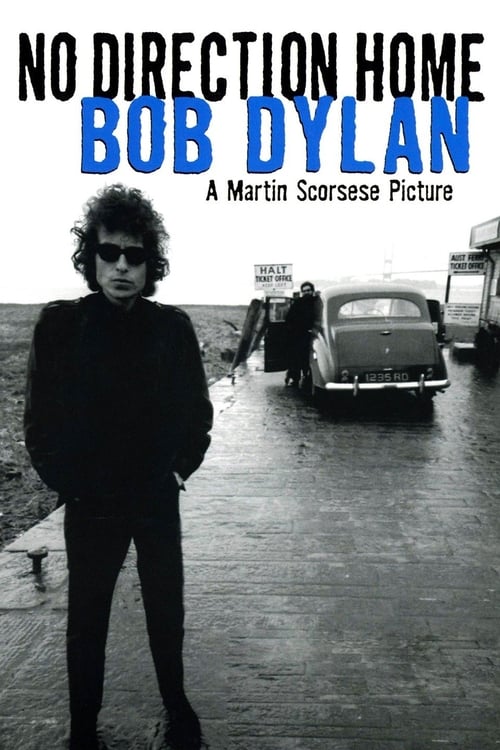
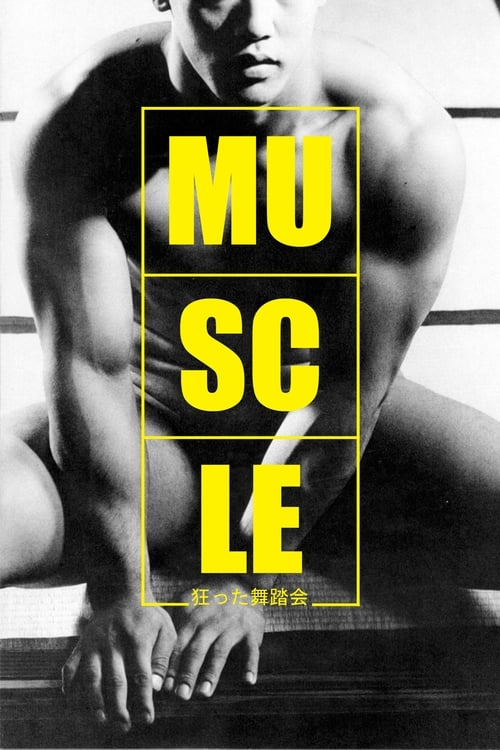
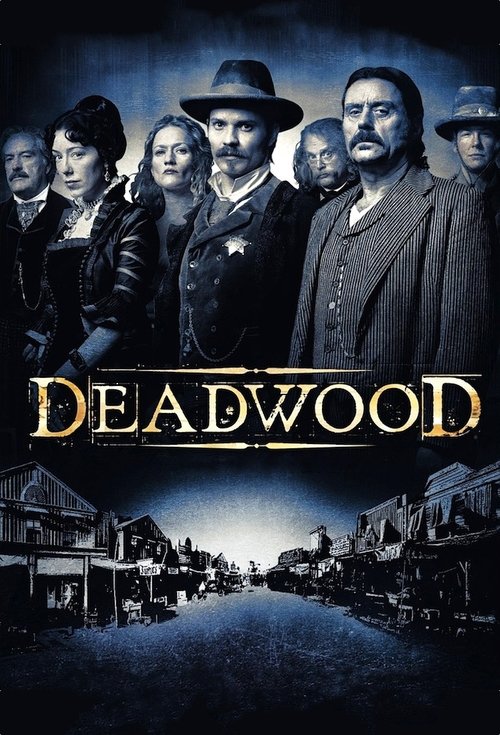
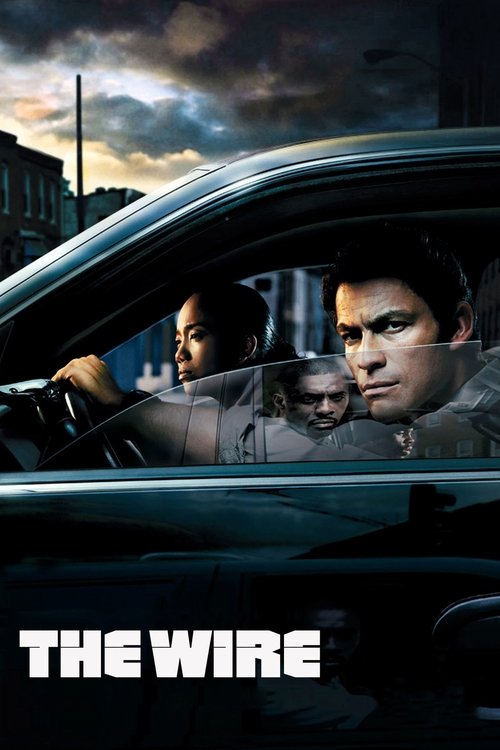
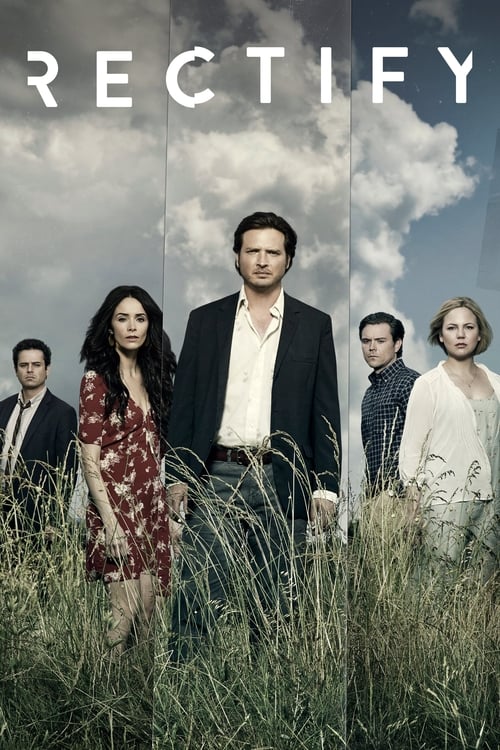
Working-Class America on Screen
Films and series with the same grit, longing, and political edge
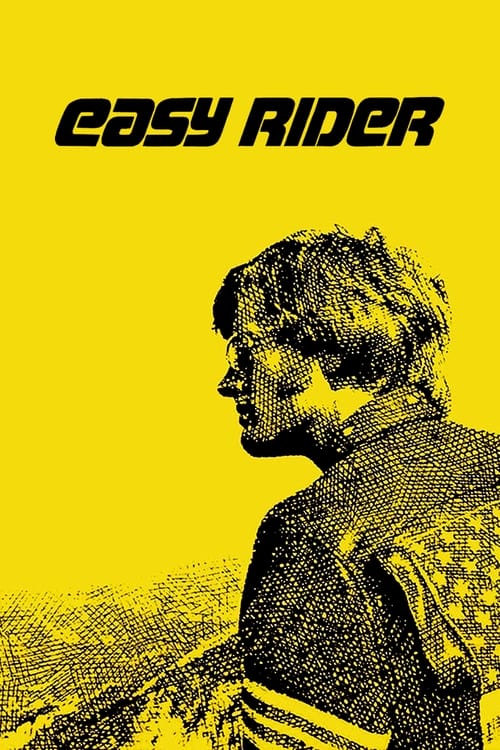

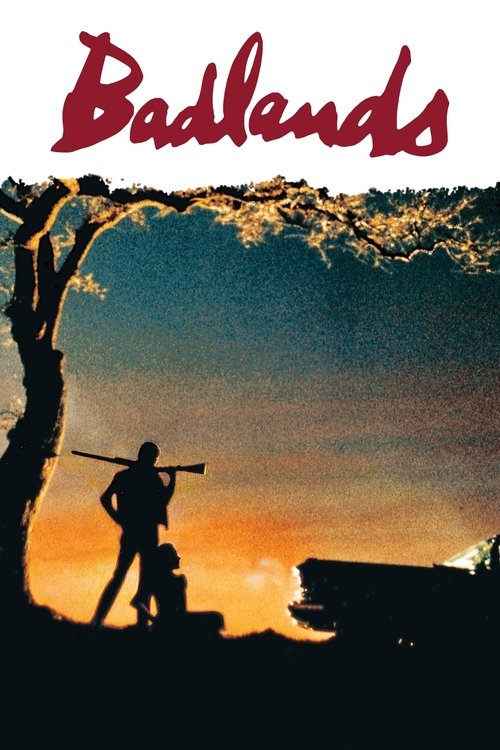
Play It Loud
Games for people who feel music in their bones

Read the America CCR Sang About
Books that live in the same landscape of ordinary lives and extraordinary pressure


Cosmo's Factory Is the Greatest Album of 1970
Six studio albums in three years, including two in 1969 alone, and then Cosmo's Factory in the summer of 1970: eight singles, zero filler, and a cover of Marvin Gaye that somehow out-grooves the original. The record contains Fogerty's best writing (Up Around the Bend, Lookin' Out My Back Door), his most terrifying (Run Through the Jungle), and his most panoramic (I Heard It Through the Grapevine at eleven minutes). No other American band had a run like it.
Fortunate Son Is Not a War Song, It Is a Class Song
People still argue about what Fortunate Son means, which is proof it has never stopped being relevant. It does not protest the Vietnam War specifically: it protests the gap between those who go and those who get out of going. Fogerty wrote it in twenty minutes in 1969 and it has spent fifty years finding new contexts to haunt. The power is in its precision: it names the mechanism, not the politics.
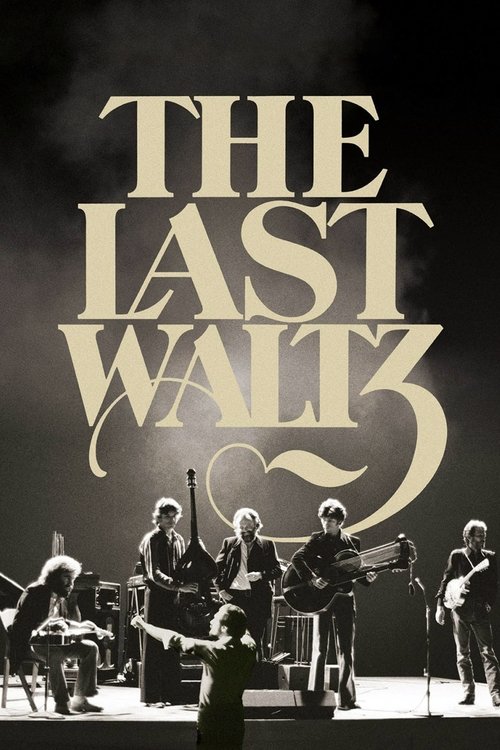
The Last Waltz Captures What CCR Missed
CCR broke up before anyone thought to film them properly, which is the tragedy their fans live with. The Last Waltz, Martin Scorsese's document of The Band's final show, is the closest thing: a portrait of a generation of American roots musicians at the end of something. Several artists who shared CCR's context and DNA appear here. Watching it is partly celebration and partly mourning for the road not taken.
The Things They Carried Is the Novel Fortunate Son Became
Tim O'Brien's linked story collection is not a war novel in the conventional sense. Like CCR's best songs, it is preoccupied with the weight of ordinary lives caught in something bigger than they agreed to. O'Brien's prose has the same stripped quality as Fogerty's guitar: no ornamentation, no distance, all nerve endings. If you have played Fortunate Son on repeat and wanted more, this is the book.
CCR and the World They Soundtracked
- 1968CCR releases their self-titled debut; Tet Offensive reshapes the Vietnam War Creedence Clearwater Revival
- 1969Bayou Country and Green River both land; Woodstock festival immortalizes the era Woodstock
- 1969Fortunate Son released as a single; becomes the defining anthem of draft-age dissent Willy and the Poor Boys
- 1970Cosmo's Factory peaks at number one; Kent State shooting divides the nation Cosmo’s Factory
- 1971Pendulum and Mardi Gras close the CCR chapter; band dissolves in 1972
- 1979Apocalypse Now uses the era's music and dread to define Vietnam cinema Apocalypse Now
- 1986Platoon and Full Metal Jacket bring a new generation to the same landscape Platoon
- 1994Forrest Gump embeds CCR into boomer nostalgia and introduces the band to a new audience Forrest Gump
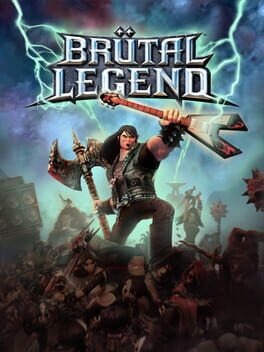
- 2005Brutal Legend and Guitar Hero launch a wave of music-first gaming Guitar Hero 5
- 2017Ken Burns and Lynn Novick's The Vietnam War documentary uses Fortunate Son as its thesis The Vietnam War
More Roots Rock and Open Roads
For Fans of Bruce Springsteen
Explore the For Fans of Bruce Springsteen guide →I can hear you, I can hear you. I got the green river on my mind.John Fogerty, Green River (1969)