

No American war has produced more films than Vietnam, and almost none of them glorify it. That is the first thing to understand about this subject in fiction: by the time Hollywood got there, the country already knew it had been lied to, already had the body count, already had the protest footage and the POW camps and the fall of Saigon. The art came out of the wreckage, and it looks like it.
What you find, across every medium, is the same set of questions asked from different angles. What does a war do to the people sent to fight it? What does it do to the country that sent them? And what happens when the soldiers come home to a country that cannot decide whether to mourn them or blame them? From the triple-canopy jungle to the VA waiting room, from the Mekong Delta to the Ohio campus, this guide maps the full landscape.
Essential Vietnam War
Start here, across every medium

The film no one ever fully recovers from
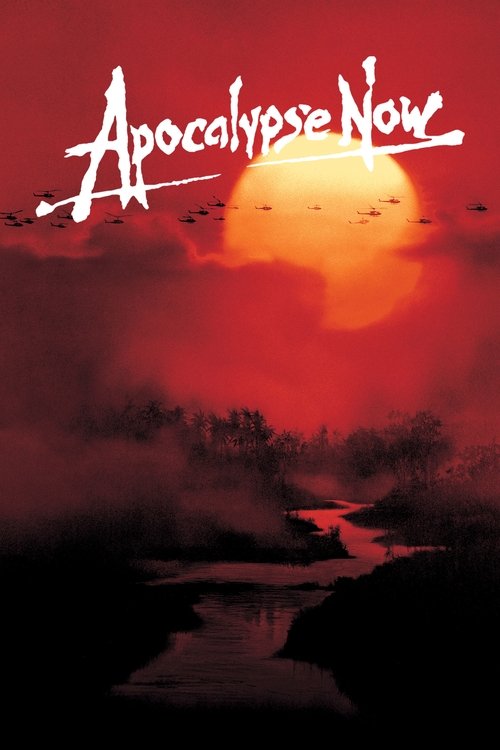
Apocalypse Now (1979) is the only Vietnam film that understood it was making a myth, and went ahead anyway. Coppola sent Martin Sheen up the river into a Conrad novel, into the Philippine jungle, into a production so catastrophic it nearly destroyed everyone involved, and what came back was something that felt less like a war film than a fever dream about what Western civilization had done to itself when it carried its certainty into someone else's country.
The horror of the Kurtz compound is not Brando's improvised monologue or the severed heads. The horror is that you understand how a person gets there. The war did not corrupt Kurtz. It clarified him. Forty-five years on, the film still has no answer to the thing it diagnosed. That is why it cannot be dismissed.
In the field
Films that put you inside the combat experience
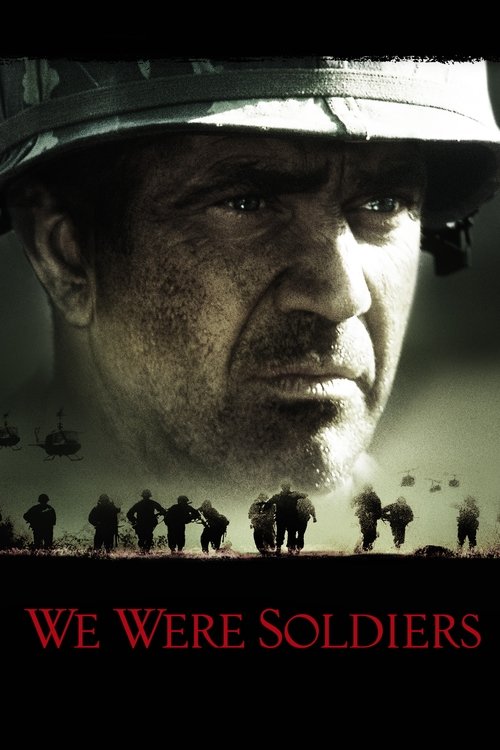
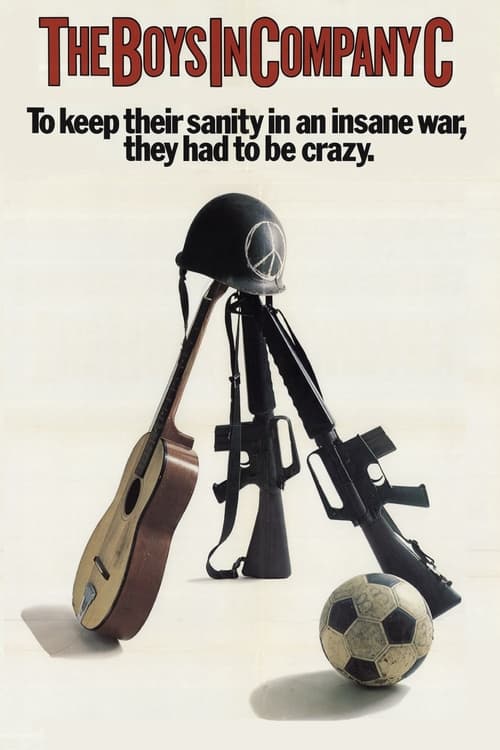
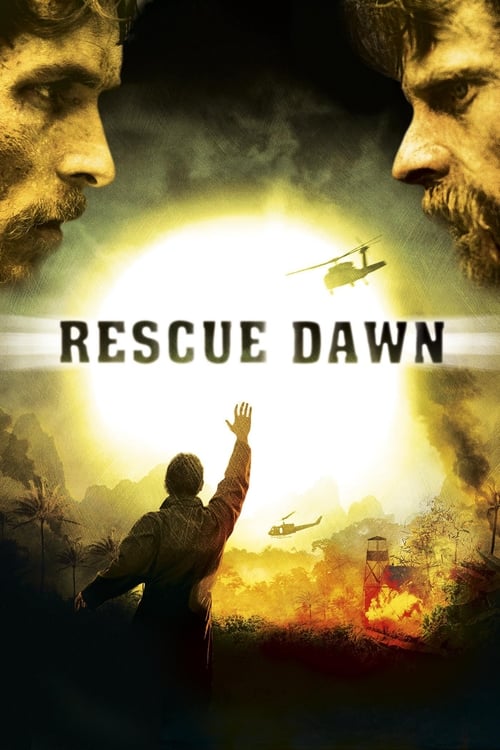
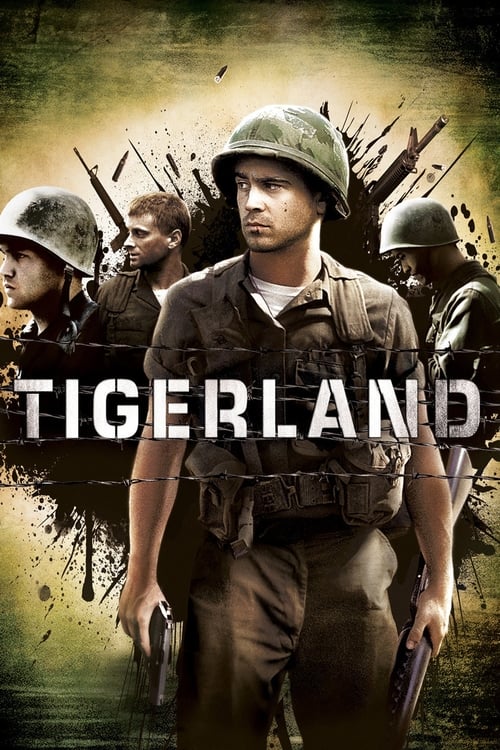
Two kinds of cost
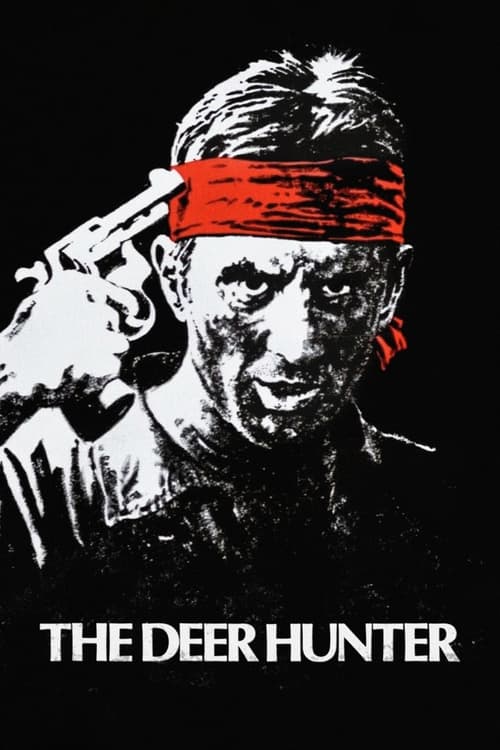
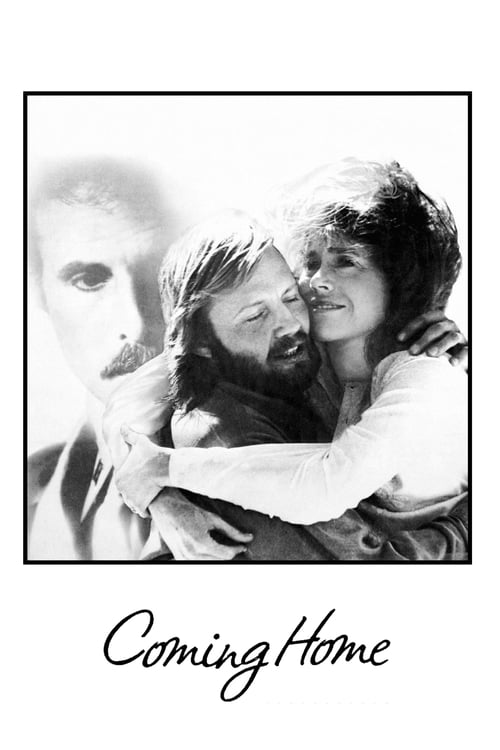
The Deer Hunter and Coming Home came out the same year, 1978, and together they form a diptych of what the war extracted from working-class American life. Cimino's film is about what combat does to the interior lives of three friends from a Pennsylvania steel town: the roulette wheel is not a plot device, it is a statement about what it means to have death made random. Coming Home is about what the soldiers carried back: Jon Voight's paralyzed vet and Jane Fonda's officer's wife arriving, slowly, at the realization that the country had arranged for them to grieve but not to object.
Neither film is entirely comfortable to watch now. Both of them are necessary.
Coming home
The war in the rearview: veterans, trauma, and the home front
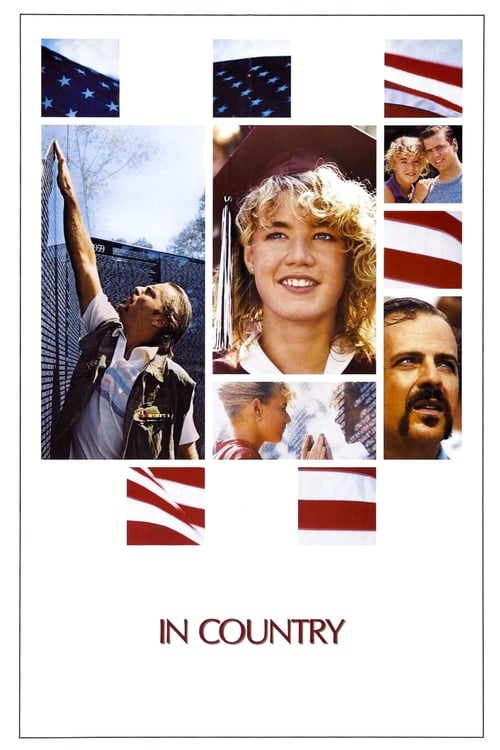
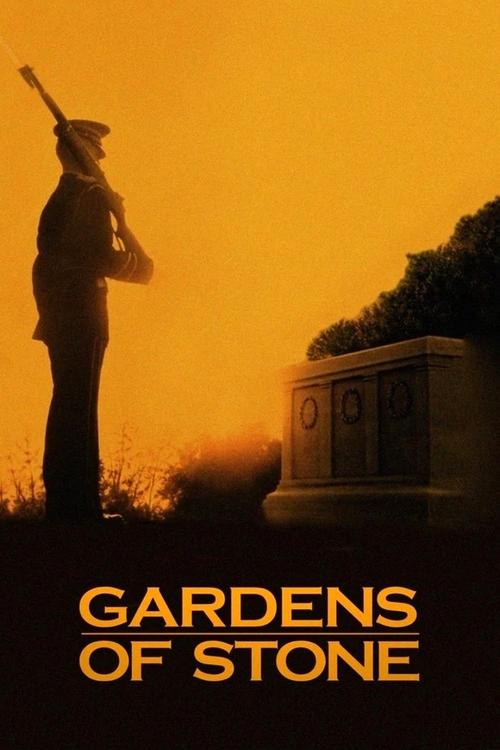
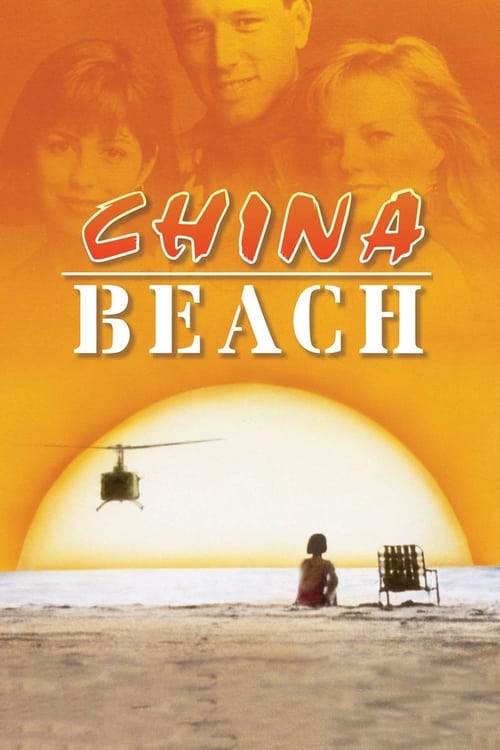
The full picture: Ken Burns on eighteen years of war
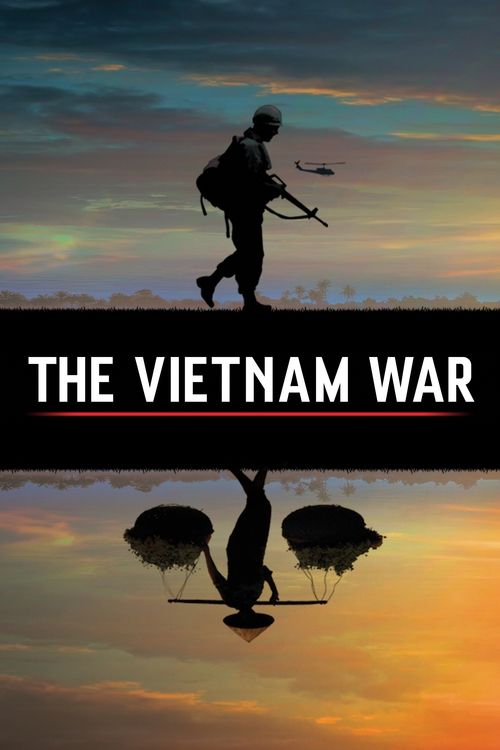
The 2017 Ken Burns and Lynn Novick documentary series The Vietnam War runs to nearly eighteen hours and manages something the fiction mostly cannot: it holds the American and Vietnamese experiences in the same frame. Veterans from both sides. Civilians from both sides. The series does not let anyone off cleanly, which is why it is essential viewing before or after everything else on this page.
Its great editorial argument is that the war was not a series of mistakes. It was a series of choices, made by people who knew they were choosing wrong, and made anyway because the alternative was admitting the whole premise had been flawed from the beginning. That argument runs through every episode and never hardens into lecture. This is what documentary filmmaking is for.
On television
Long-form, from the jungle to the aftermath

The novel that says more than any film
Tim O'Brien's The Things They Carried (1990) is not a novel and not a memoir and not a collection of stories. It is something O'Brien invented for the purpose, a form that keeps interrogating its own truth-claims while making them. The central provocation is that a made-up story about something that didn't happen can tell a truer thing about the war than a factual account of something that did.
The famous opening inventory, the literal things the soldiers carried, weight by weight, is the best introduction to what the book does: it forces you to understand the physical and psychological load together, inseparable. If you read one book on this page, this is the one. It does what fiction does best, which is not to describe an experience but to give it to you.
On the page
From battlefield memoir to literary fiction


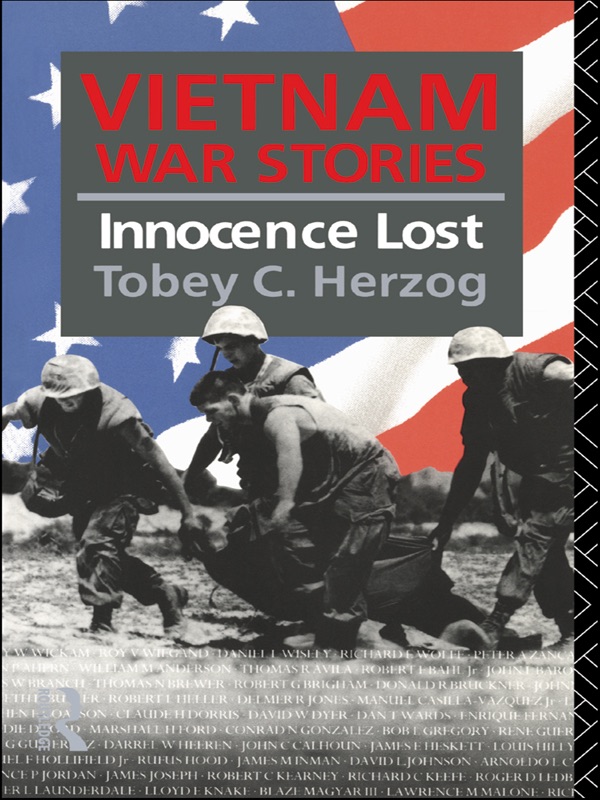
Where games went that films couldn't
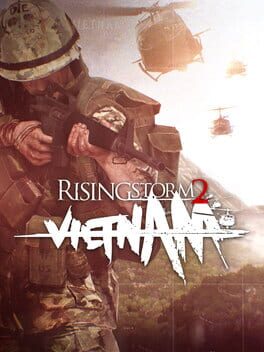
Rising Storm 2: Vietnam is not a story. It has no protagonist, no arc, no redemption. It drops you into a firefight in the Central Highlands and asks you to survive, or to direct a squad to a hilltop objective while your communications break down and the tree line opens up. It is the closest thing in any medium to what the tactical literature describes: the confusion, the noise, the impossibility of knowing who is winning.
That is what games can do that film cannot: make the player responsible for the outcome, or for the absence of one. The whole genre of Vietnam shooters is thin by comparison with the war-film canon, but Rising Storm 2 earns its place by treating the asymmetry seriously. The American player has firepower; the NVA player has terrain and patience. The match lasts thirty minutes and the lessons are old ones.
Games of the war
From first-person grunt to real-time command
Forty years of reckoning
- 1955Graham Greene publishes 'The Quiet American', a pre-war novel that predicted the failure of American idealism in Southeast Asia more precisely than almost anything written after. The Quiet American
- 1978The Deer Hunter and Coming Home both open, the first major films to reckon with what the war did to the people who fought it. The Deer Hunter
- 1979Apocalypse Now premieres at Cannes, shared the Palme d'Or. The war finally has its myth. Apocalypse Now
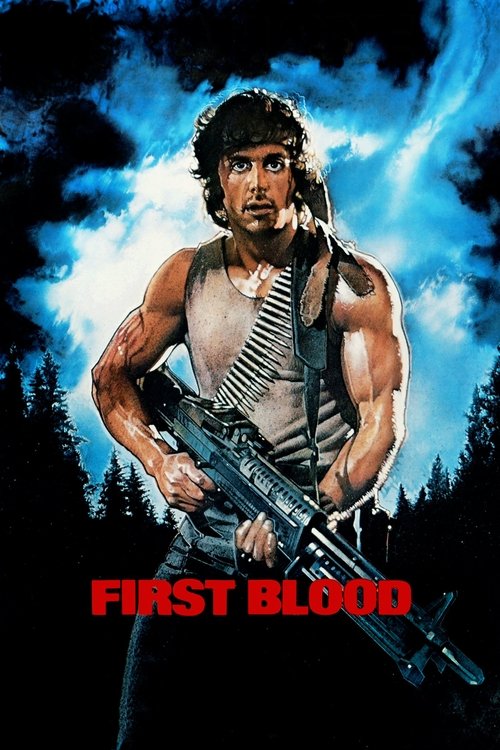
- 1982First Blood introduces Rambo: the vet the country couldn't accommodate, redirected into an action franchise that eventually rewrote what the war meant in popular memory. First Blood
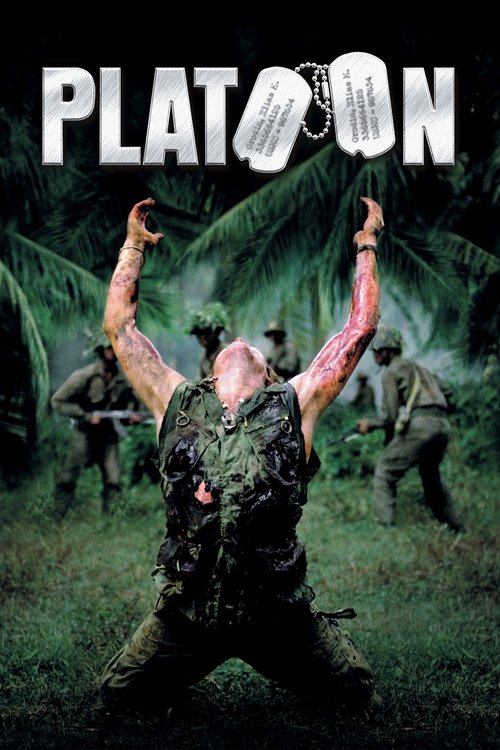
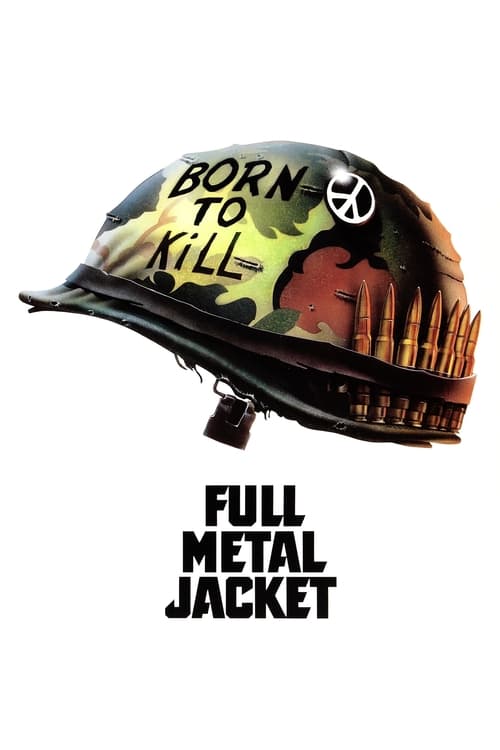
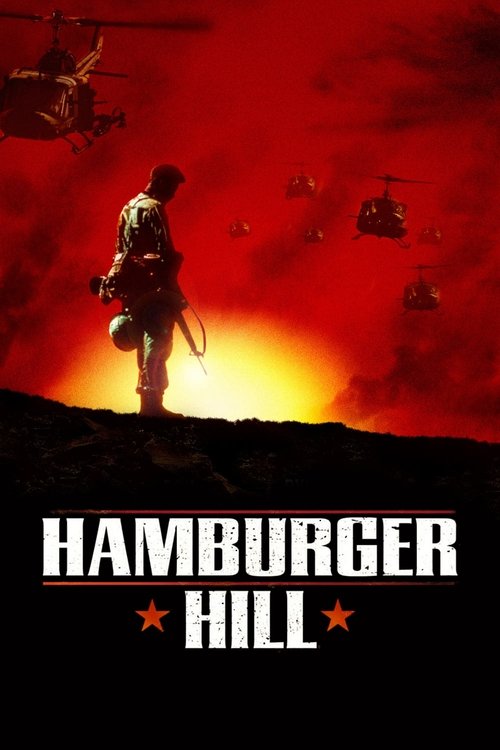
- 1987A landmark year: Platoon, Full Metal Jacket, Good Morning Vietnam and Hamburger Hill all open. Oliver Stone, Stanley Kubrick, Barry Levinson. The war finds its cinema season. Platoon
- 2017Ken Burns and Lynn Novick deliver the definitive documentary account, eighteen hours of the war told from both sides. The Vietnam War
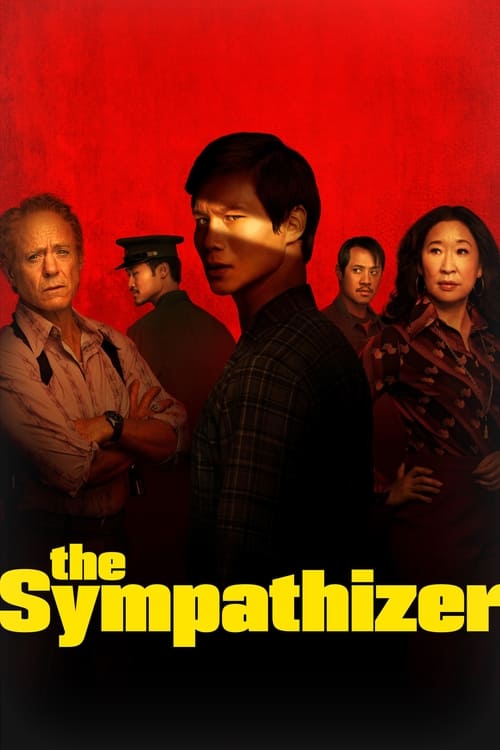
- 2024The Sympathizer adapts Viet Thanh Nguyen's Pulitzer-winning novel for HBO, giving the war its first major screen treatment told from the Vietnamese communist perspective. The Sympathizer
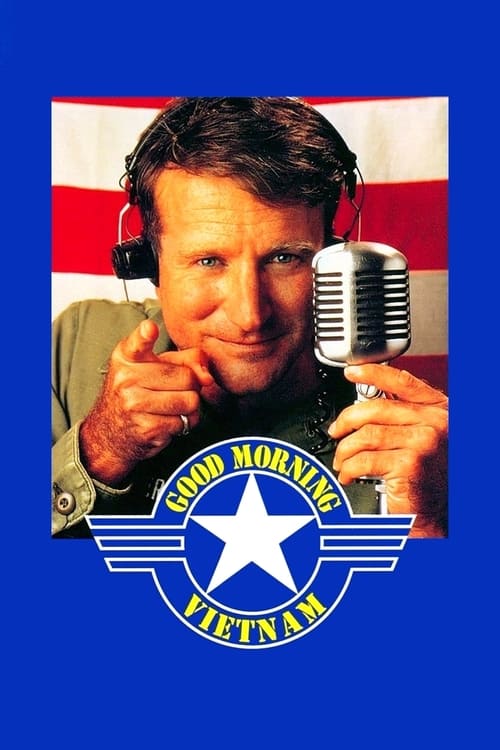
Good Morning Vietnam is a better film than it pretends to be
Barry Levinson's Good Morning, Vietnam (1987) is usually classified as a Robin Williams showcase with some serious bits around the edges. That is wrong. Williams' Adrian Cronauer is a soldier who weaponizes humor against the information blackout, who instinctively understands that the censored news reports are themselves a form of damage. The film's third act, when the actual war presses through the comedy and Cronauer's Vietnamese friendship becomes impossible, is as bleak as anything in the more obviously serious films of the same year.
It is the war film that most clearly sees what mass entertainment was doing to how Americans understood what was happening: cheerfully, professionally, officially.
The soundtrack of a generation at war
The music that defined the era and the films that used it
Wider lens: before, after, and alongside
The war through alternative angles
Other wars that broke the men who fought them
The Cold War
Explore the The Cold War guide →The war was not fought in a jungle. It was fought inside the people who were sent there, and then inside the country that sent them, and neither of those wars has ever quite ended.On what the Vietnam War actually cost