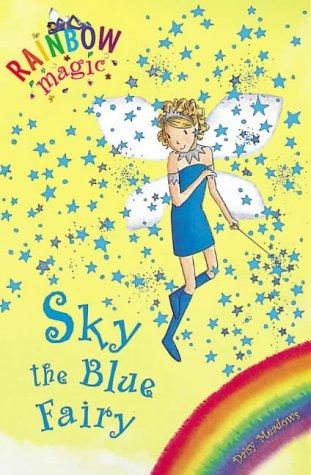

The world where every fairy has a name
Daisy Meadows is the pen name behind the Rainbow Magic series: over 200 short chapter books, published from 2003, that have sold somewhere north of 150 million copies worldwide and quietly introduced a generation of early readers to the pleasure of a story that delivers exactly what it promises. The formula is disarmingly simple. Two best friends, Rachel and Kirsty, stumble into Fairyland and discover that Jack Frost's goblins have stolen a fairy's special object. Over a short, self-contained adventure they recover it. Order is restored. The world glitters again.
What made it work was not the plots, which repeat, but the texture: the cosy certainty that good wins, the satisfaction of a complete small story, the parade of fairies each with her own domain (the weather fairies, the gem fairies, the music fairies, the sports fairies), and an underlying message that friendship is the most reliable magic of all. Fans of Rainbow Magic tend to be people who loved a world that felt safe and abundant, where there was always another fairy to meet and another adventure waiting just the other side of a rainbow. That specific pleasure, it turns out, exists in many shapes across every medium.
Essential Daisy Meadows
The Rainbow Magic series: where it all begins


Fairy worlds on screen
Films and series that live in the same pastel, wings-and-magic frequency
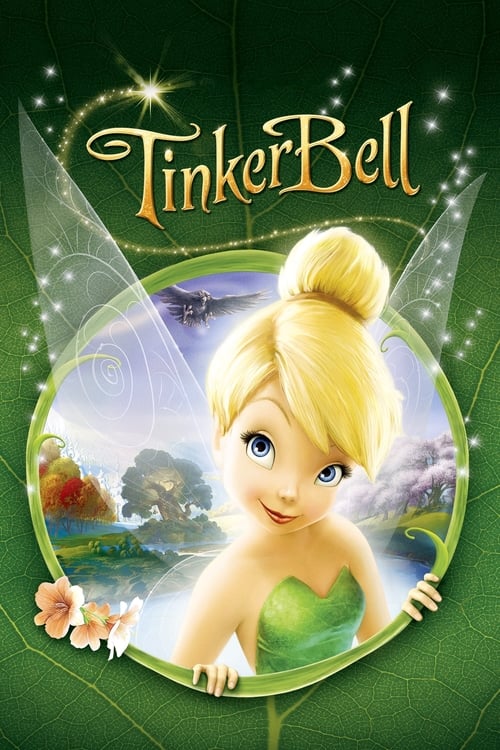 Tinker Bell
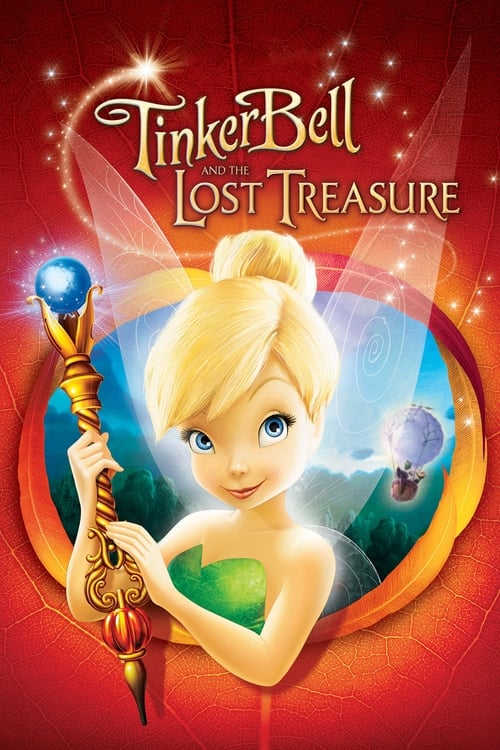 Tinker Bell and the Lost Treasure
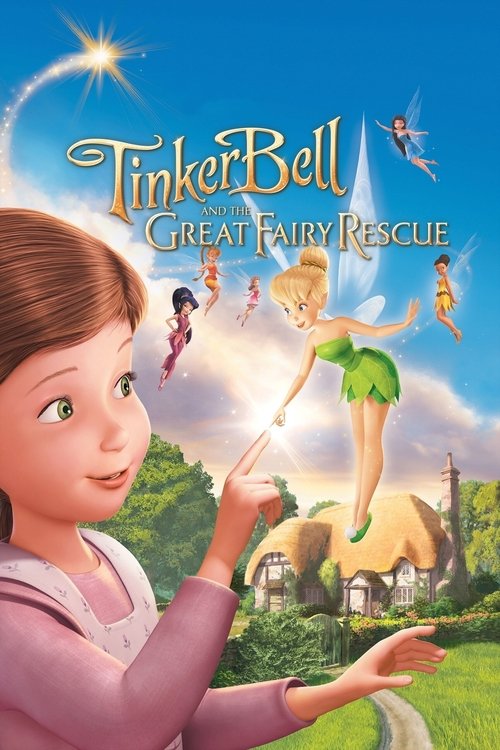 Tinker Bell and the Great Fairy Rescue
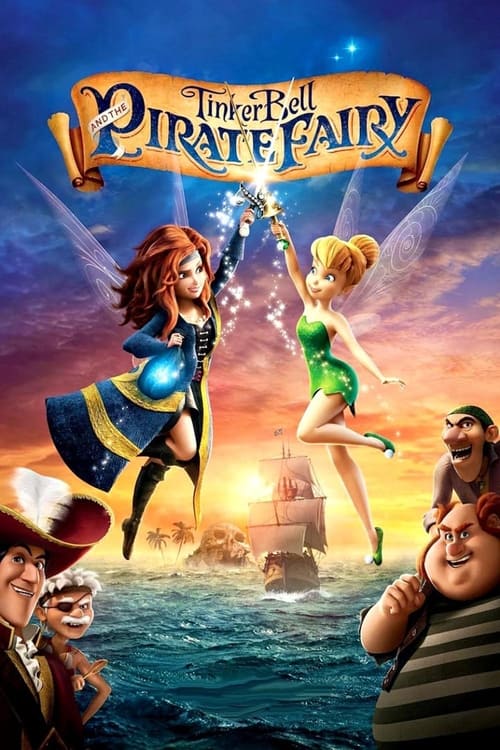 Tinker Bell and the Pirate Fairy
 Tinker Bell and the Legend of the NeverBeast
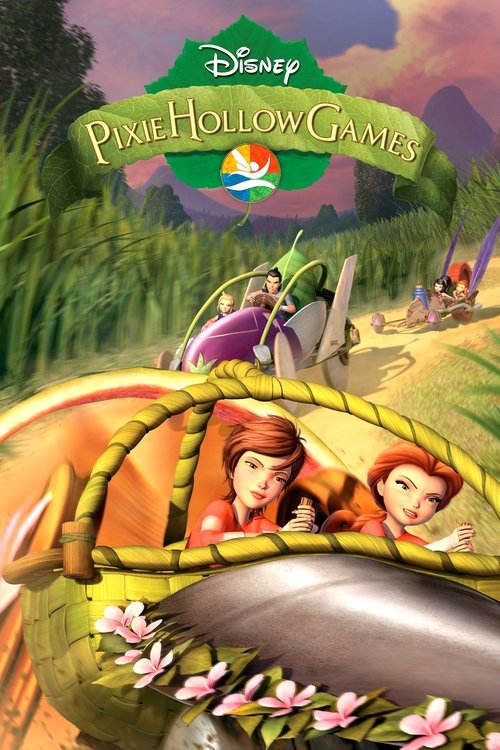 Pixie Hollow Games
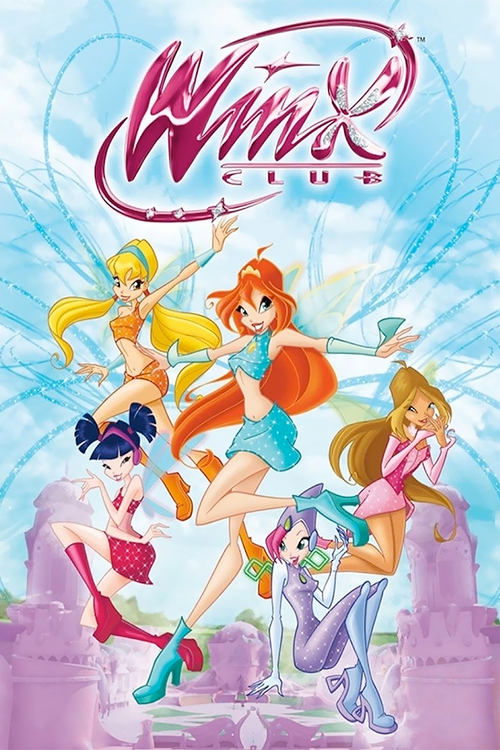 Winx Club
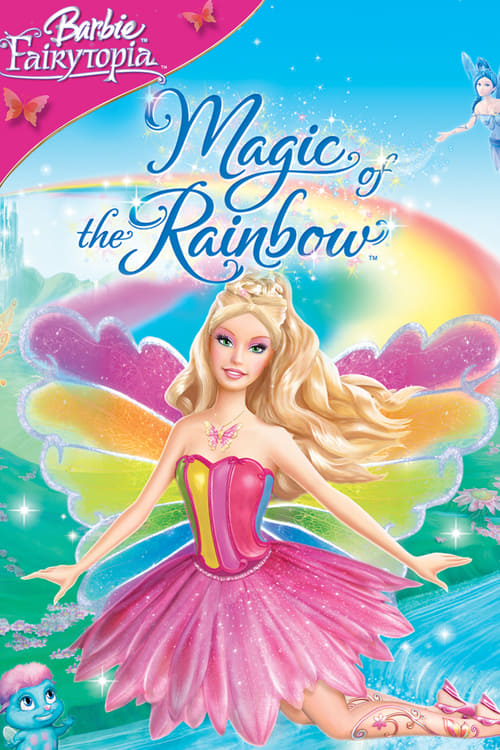 Barbie Fairytopia: Magic of the Rainbow
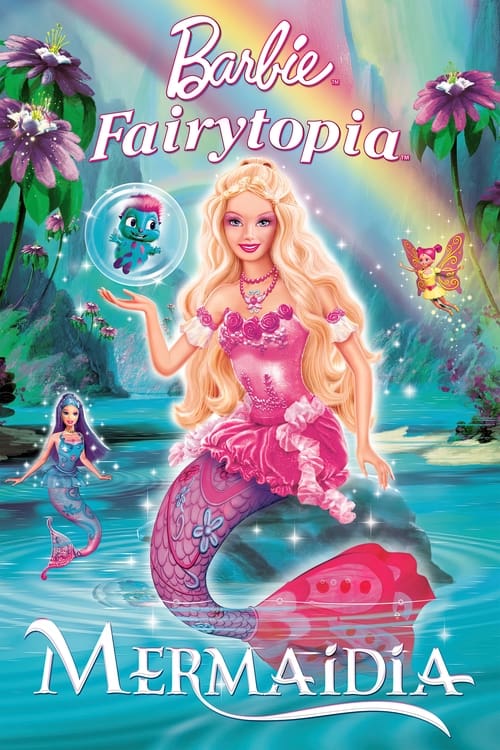 Barbie Fairytopia: Mermaidia
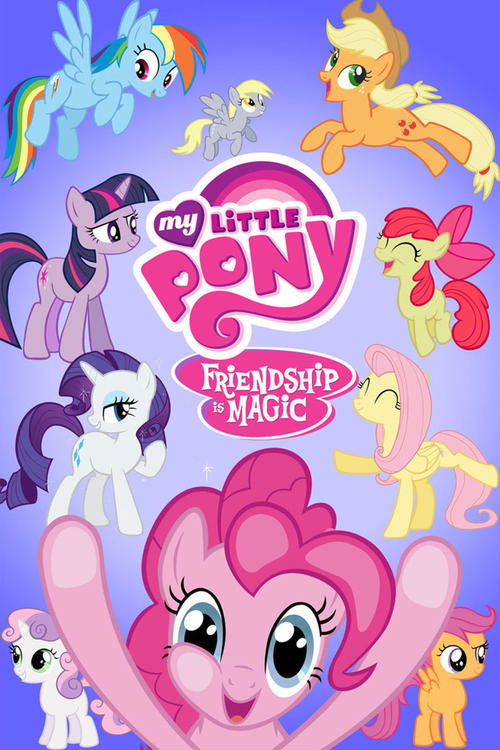 My Little Pony: Friendship Is Magic
 Miraculous: Tales of Ladybug & Cat Noir
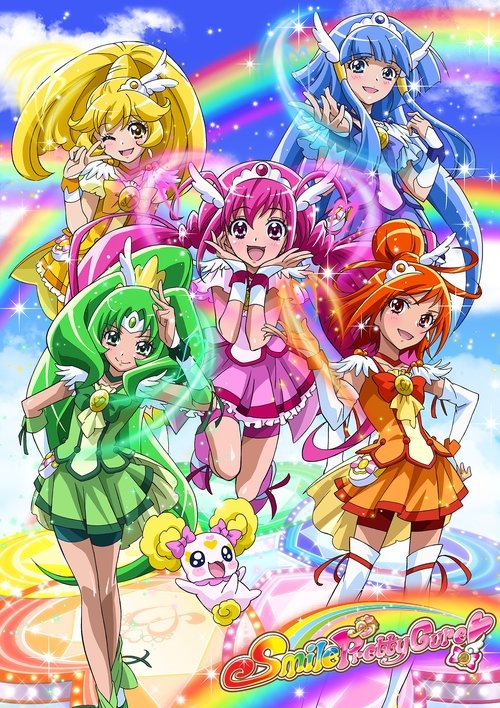 Glitter Force
The perfect entry point: Tinker Bell (2008)
If you have never watched the Disney Fairies films, Tinker Bell is the cleanest on-ramp to the visual world Rainbow Magic readers already picture in their heads. It has the same logic: every fairy has a specific talent, community matters, and problems are solved through cooperation rather than power. The animation is gentle and warm and feels genuinely handmade. Start here, then follow the whole Pixie Hollow sequence in order.
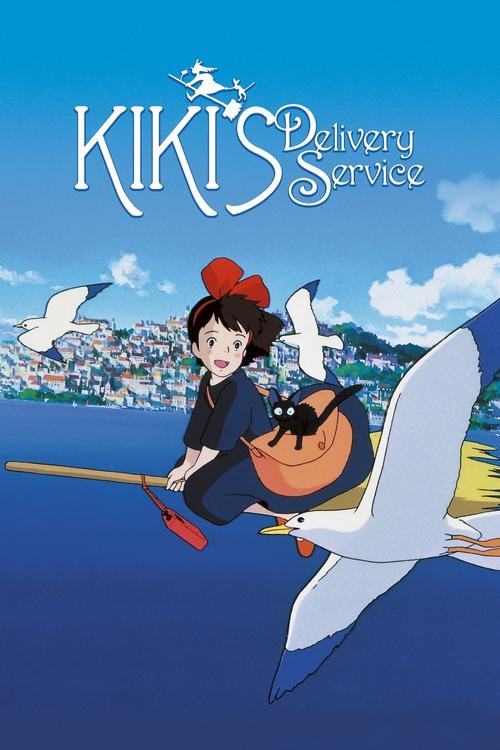
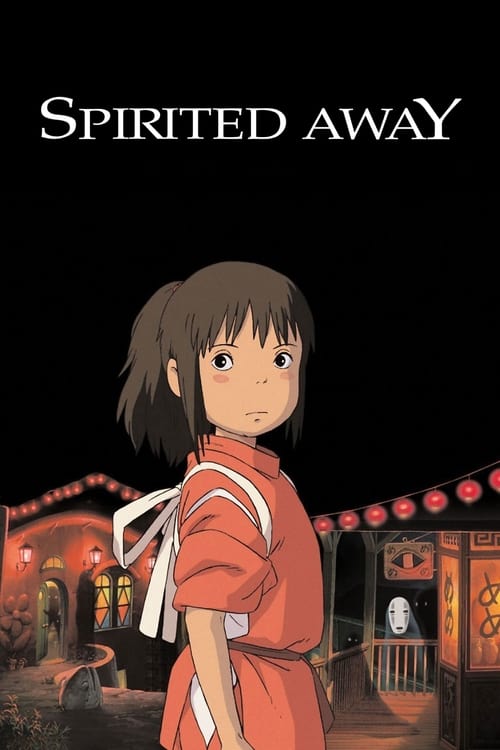
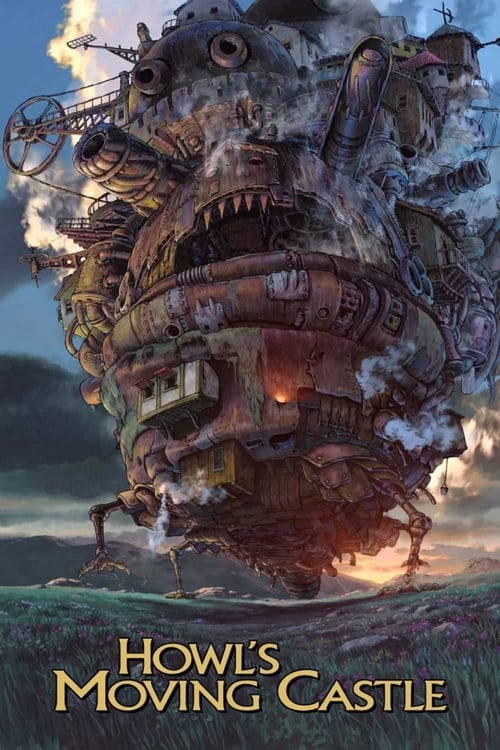
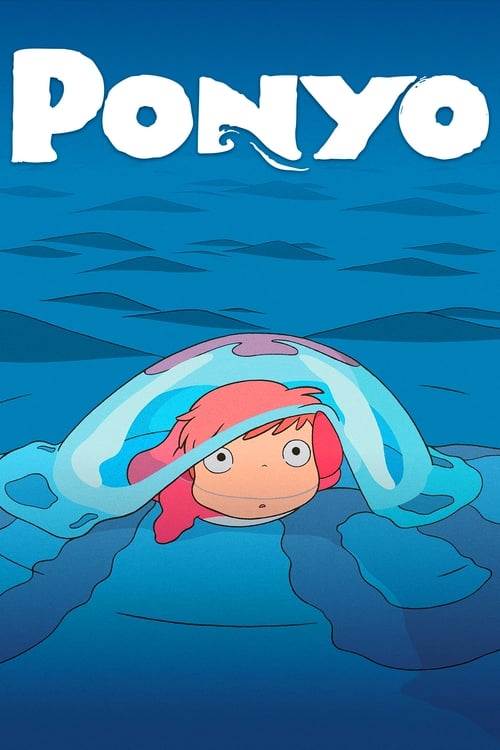
The cosy magic of Studio Ghibli
Worlds where the everyday and the magical are always just next door to each other
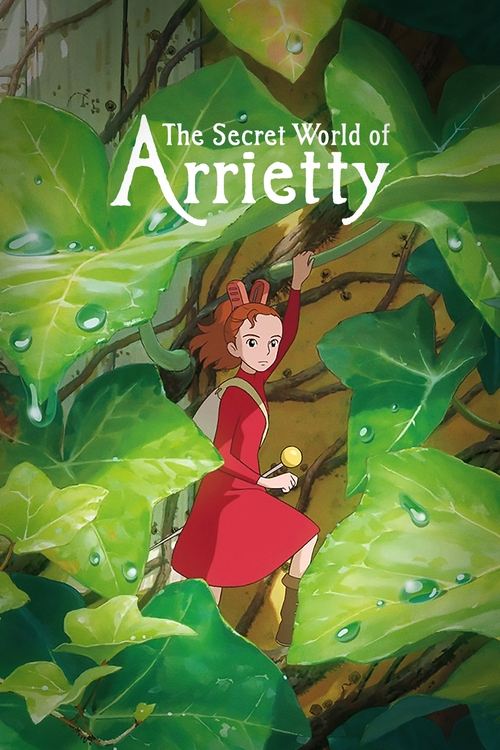
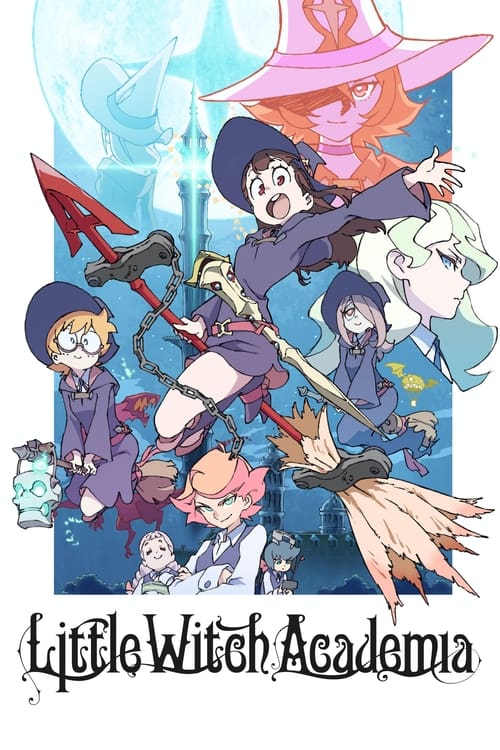
The underrated one: Winx Club
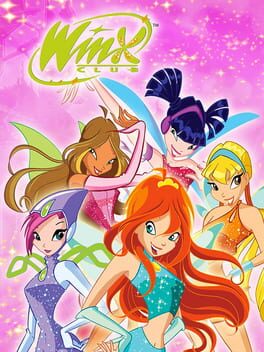
Winx Club has been treated as guilty-pleasure viewing since its 2004 debut, but the original Italian series has a genuinely spirited energy that maps directly onto what Rainbow Magic readers love: a fairy for every element, a group of friends who each have distinct personalities, and a world that keeps expanding with new realms and new foes. The later seasons lose the plot somewhat, but Seasons 1 and 2 are tight, funny, and full of the same fizzy optimism as a stack of Daisy Meadows paperbacks.
Books with the same warm magic
Children's fiction built on friendship, small quests, and worlds that feel endlessly explorable


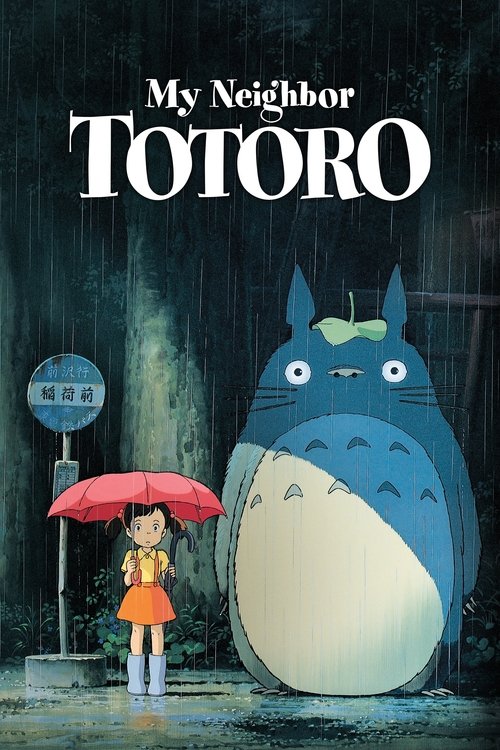
The spiritual successor: My Neighbor Totoro
Rainbow Magic is ultimately a story about two girls who stumble into a magical world that runs parallel to their own, and who are trusted to help keep it safe. My Neighbor Totoro is the same emotional territory, told at a different pace and with different tools. The magic here is quieter and more ambiguous, but the core feeling (that the world is larger and stranger and kinder than it looks) is identical. It is the film to watch when a child has outgrown the Rainbow Magic books and needs something that treats wonder with a bit more weight.
Games that feel like living inside a storybook
Soft, beautiful, explorable, with a gentle sense of purpose
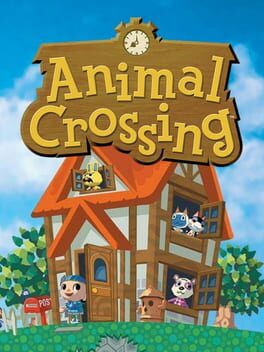
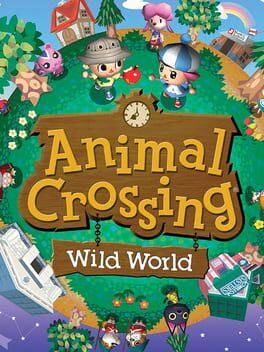
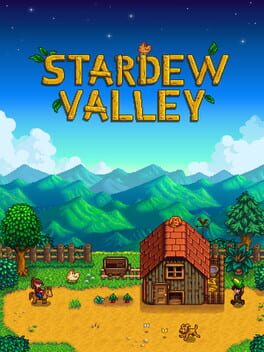
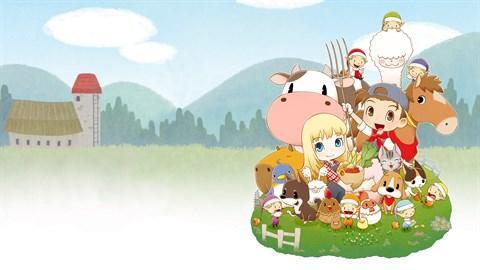
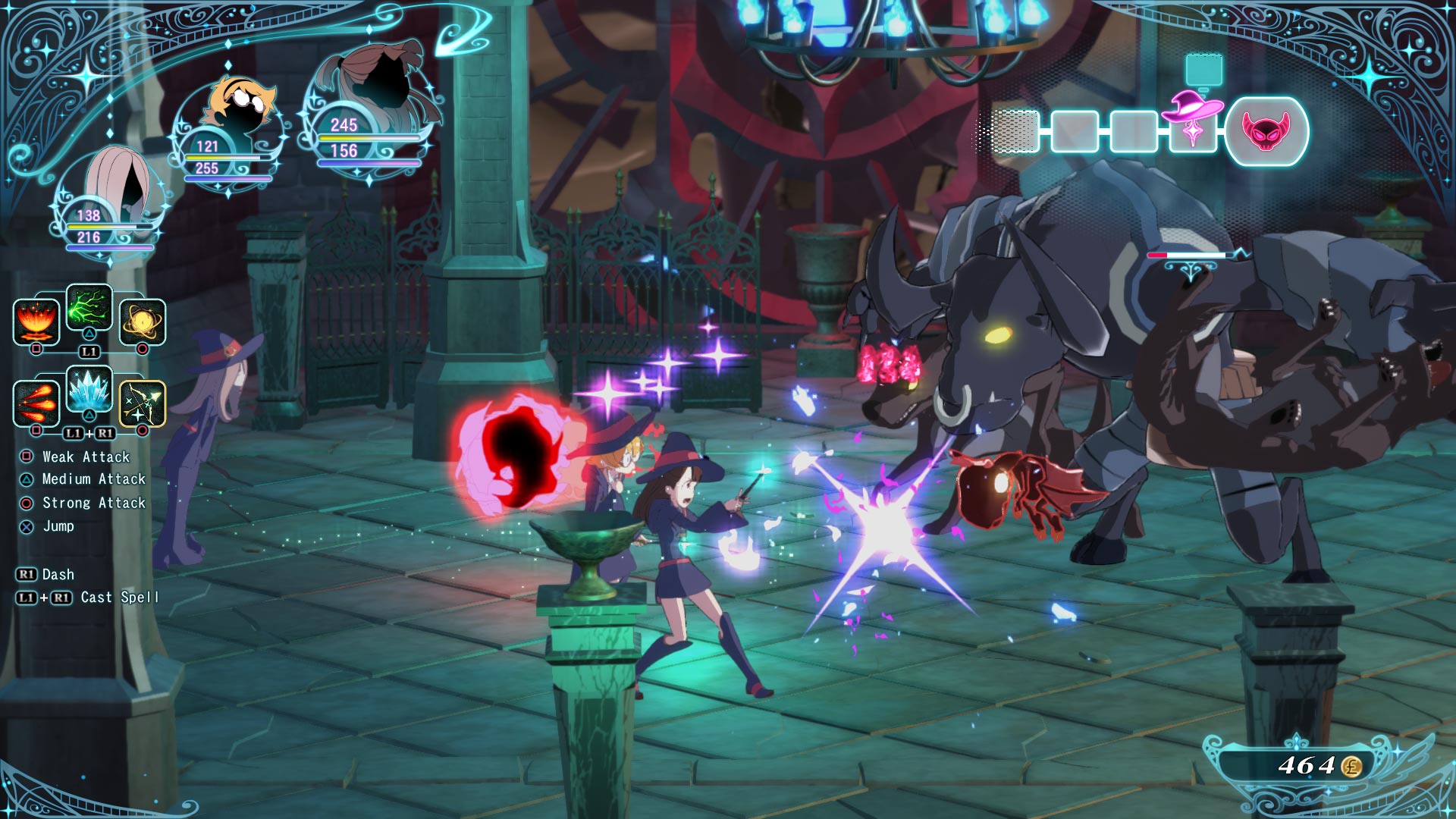
The surprise pick: Stardew Valley
This might not look obvious, but the appeal of Rainbow Magic is also the appeal of Stardew Valley: a world with a clear structure, lots of named characters each with their own personalities and specialties, and a gentle drip of small goals that always feel achievable. The satisfaction of completing a fairy's adventure maps almost exactly onto the satisfaction of fulfilling a villager's request. Both reward patience and attention to the details of a world that rewards being cared about.
The Rainbow Magic books understood something that a lot of children's media forgets: kids do not want chaos. They want structure with sparkle. A world with rules, and just enough magic to make those rules feel wonderful.On the enduring appeal of the Daisy Meadows formula
The Rainbow Magic universe grows
- 2003Ruby the Red Fairy launches the original seven-book Weather Fairies arc in the UK
- 2004Series reaches the US via Scholastic; the Gem Fairies sequence begins
- 2006Ocean Fairies, Sports Fairies and Party Fairies expand the world's taxonomy Pearl the Cloud Fairy
- 2008Disney Fairies' Tinker Bell gives the parallel fairy-film universe its most recognisable face Tinker Bell
- 2010Rainbow Magic passes 100 titles; new Magical Animal Fairies and School Days Magic arcs begin
- 2016Series surpasses 200 books with no sign of slowing; Daisy Meadows remains one of the bestselling children's imprints globally