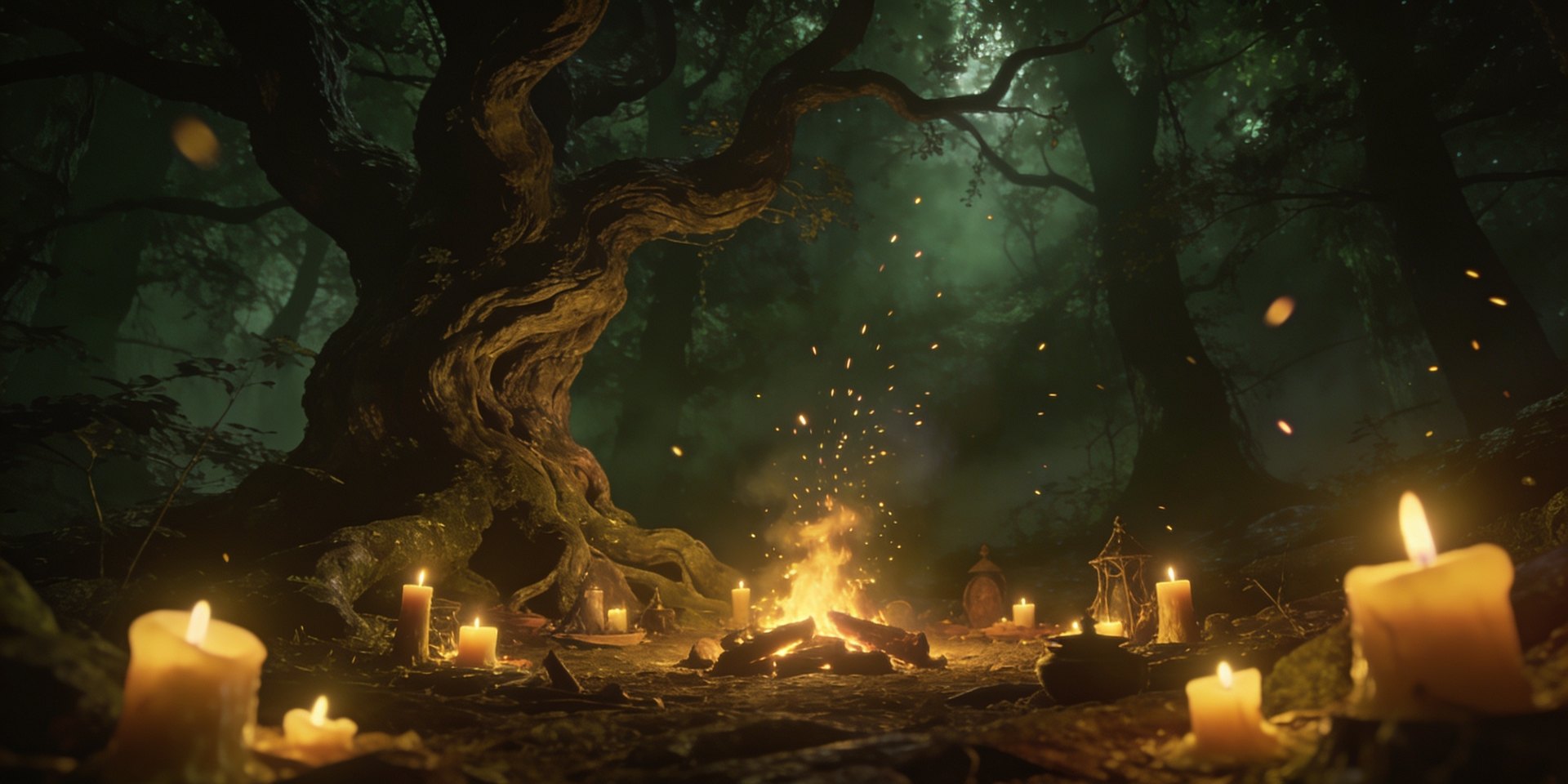

The witch is the most loaded figure in storytelling, because she has always been about power that society could not control. That is why she can be a green-skinned villain, a teenage girl coming into her strength, or a folk-horror nightmare in the woods: each is a different answer to the same uneasy question of what happens when a woman cannot be told what to do.
The genre swings from cozy to terrifying and back, often in the same breath. That range is exactly the point.
Essential witches
The non-negotiable canon
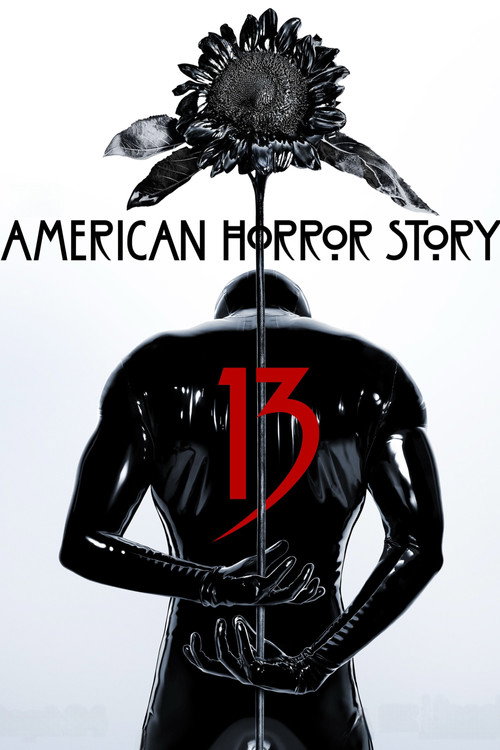
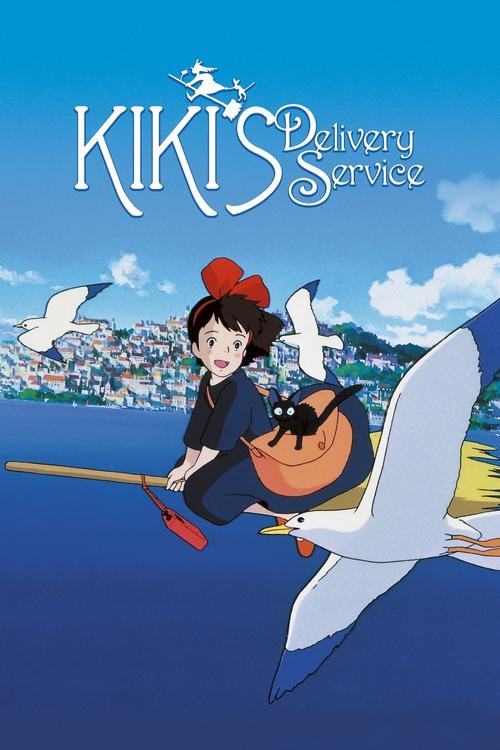
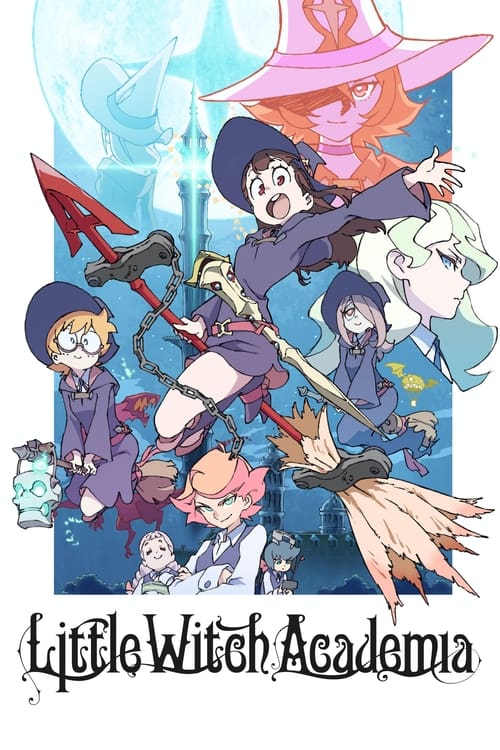
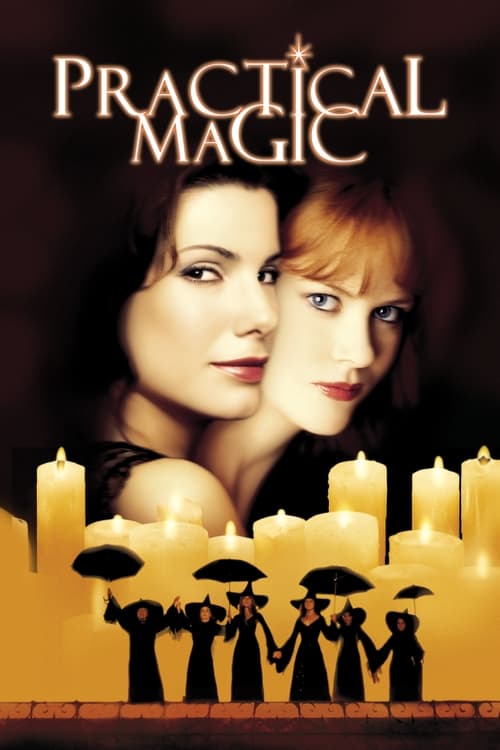
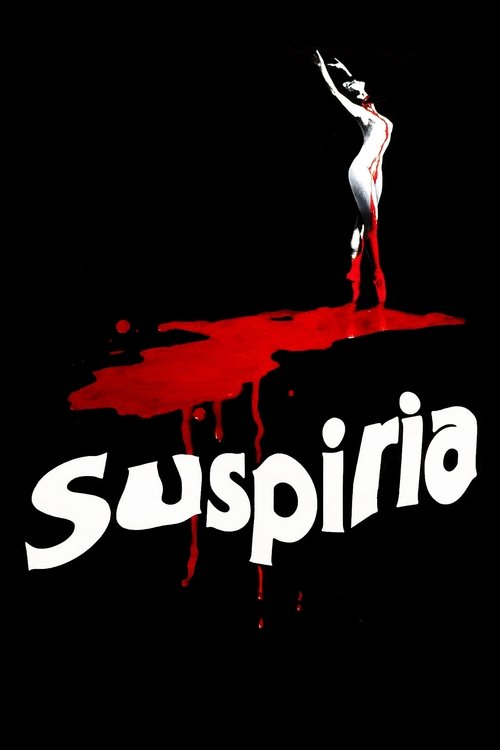
Comfort and dread
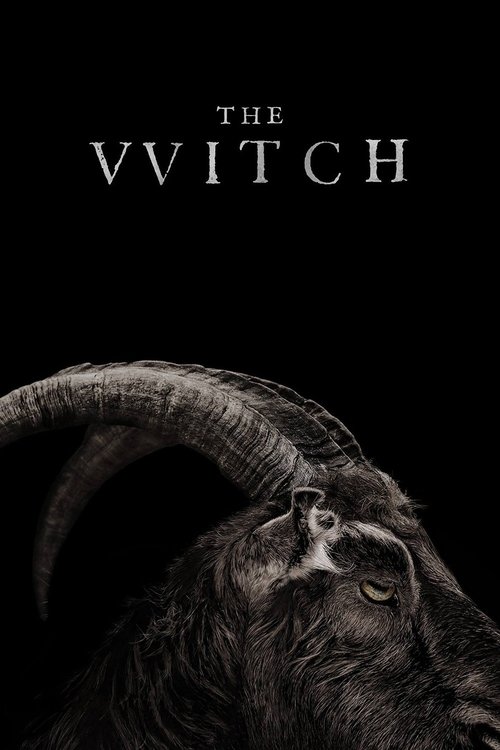
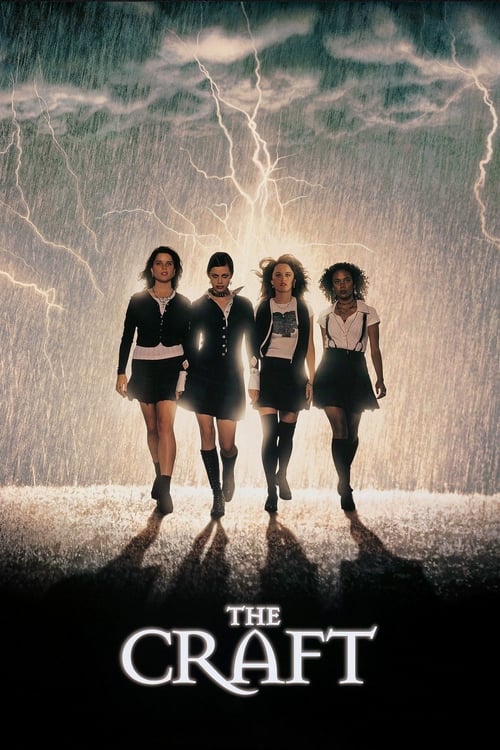
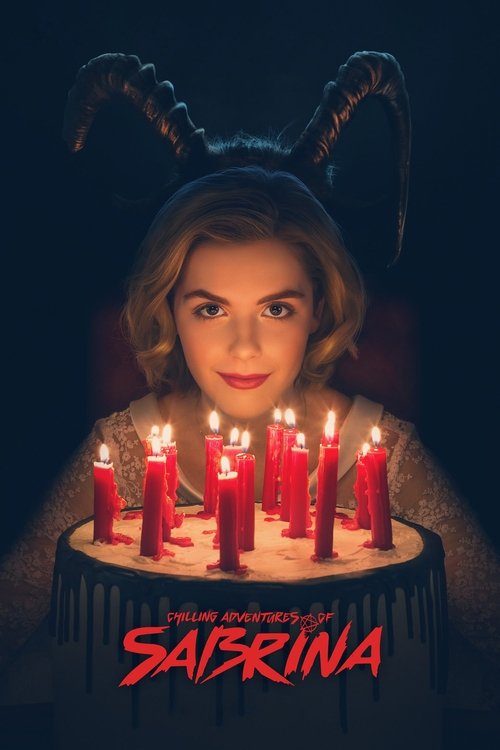
Witch stories live on a spectrum. At one end, the warm wish-fulfilment of a coven that has your back. At the other, the cold dread of folk horror, where the old craft is something to fear. The great ones travel the whole distance.
Witchy films
Folk-horror dread to Halloween comfort
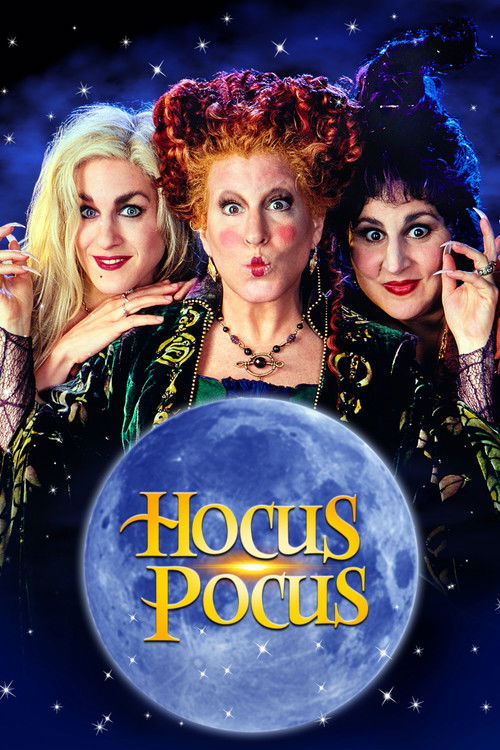
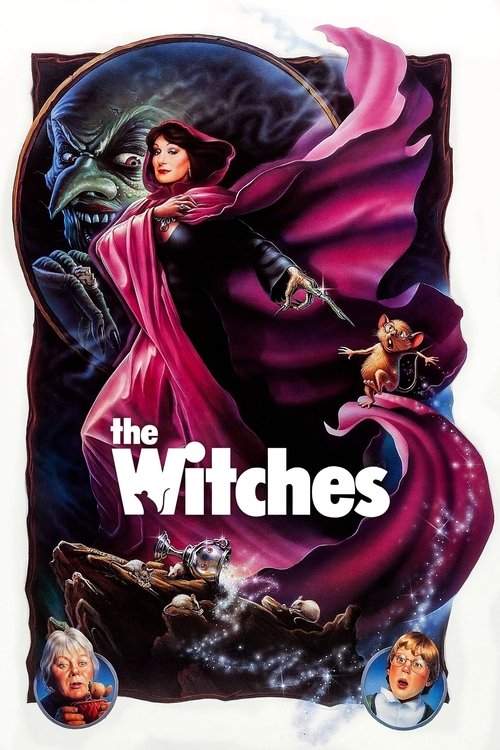
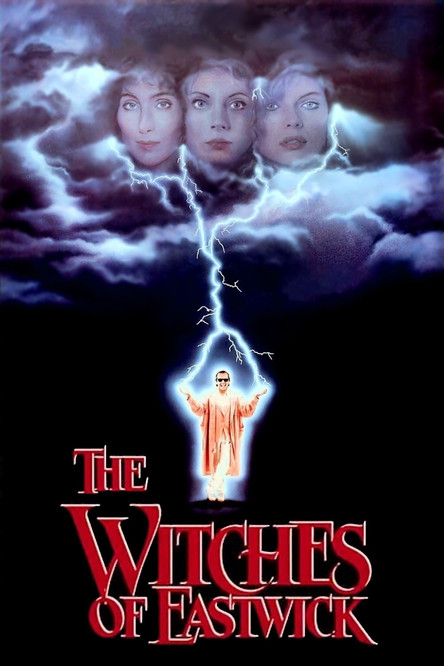
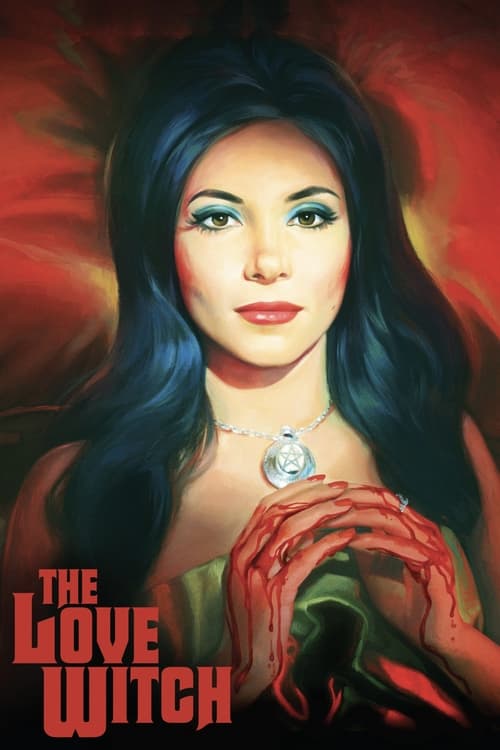
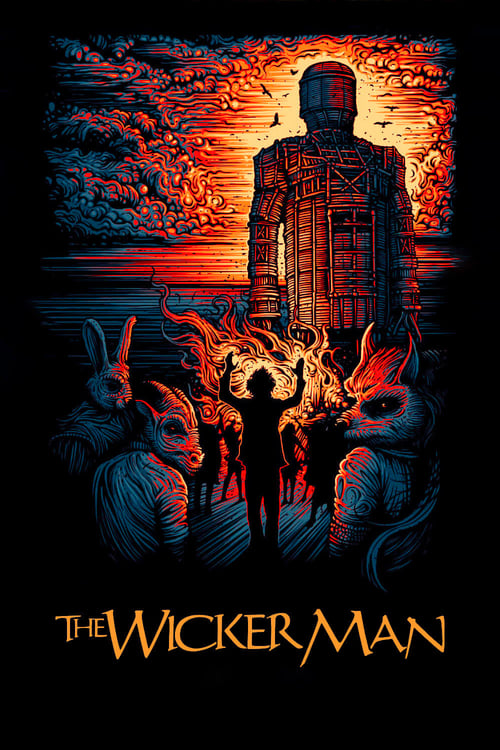
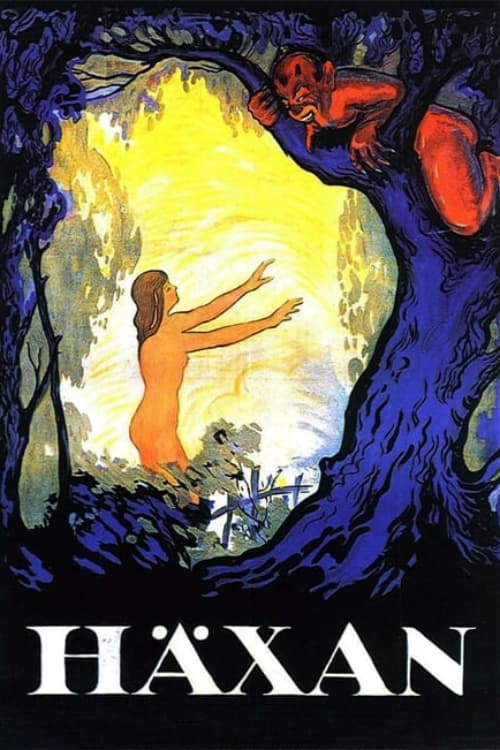
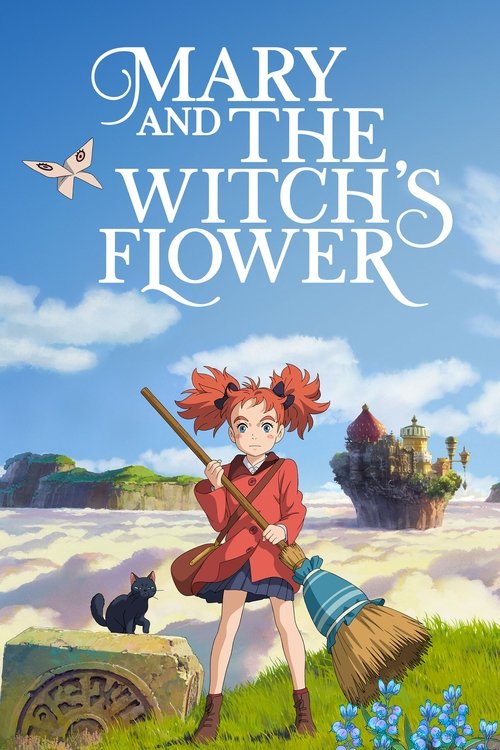
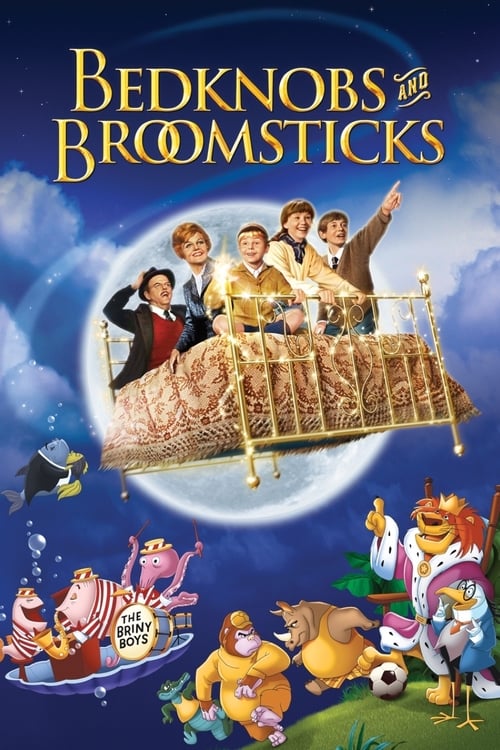
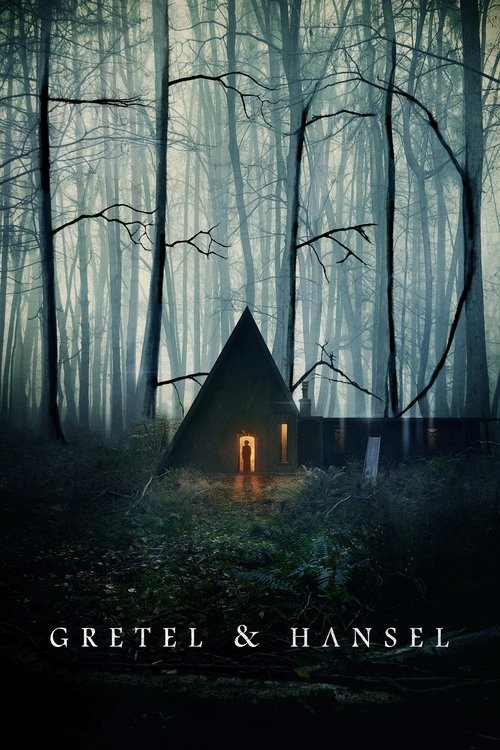
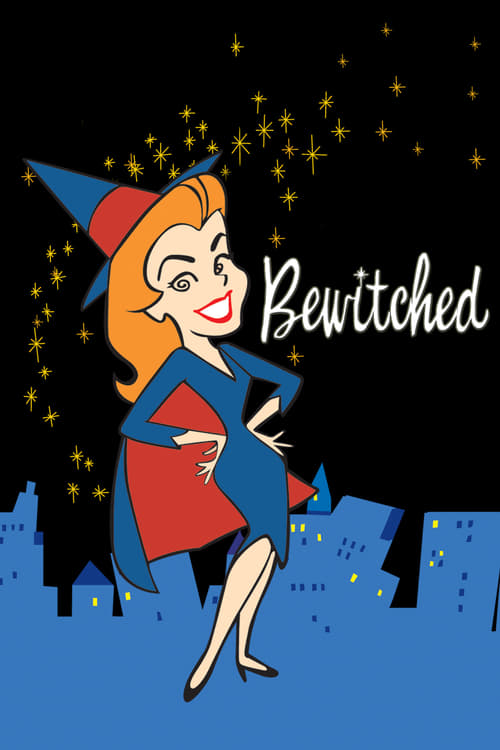
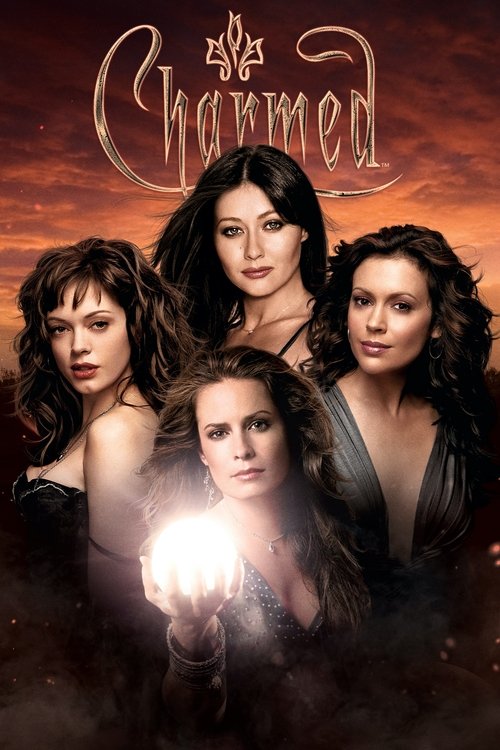
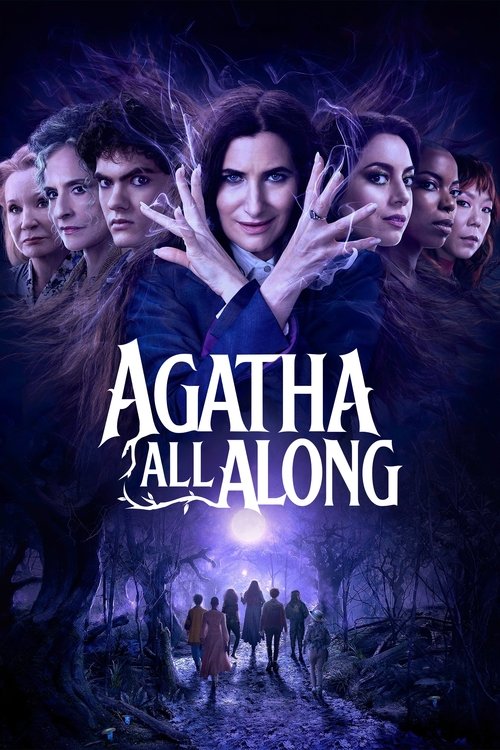
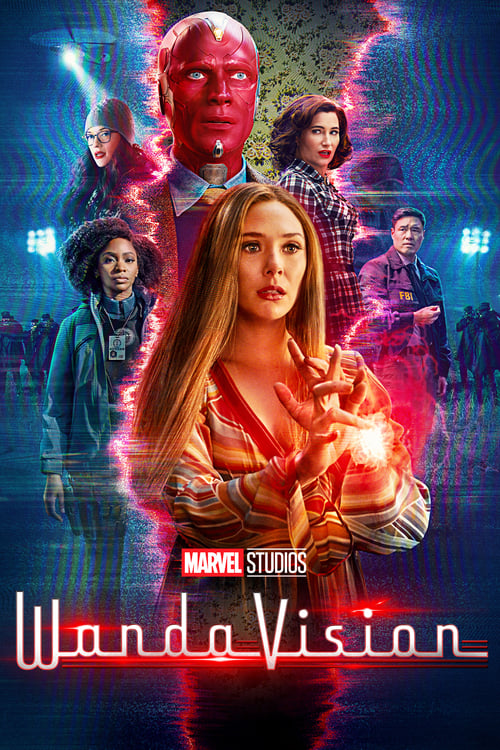
Covens on TV
Sisterhoods, spell schools and sorcery
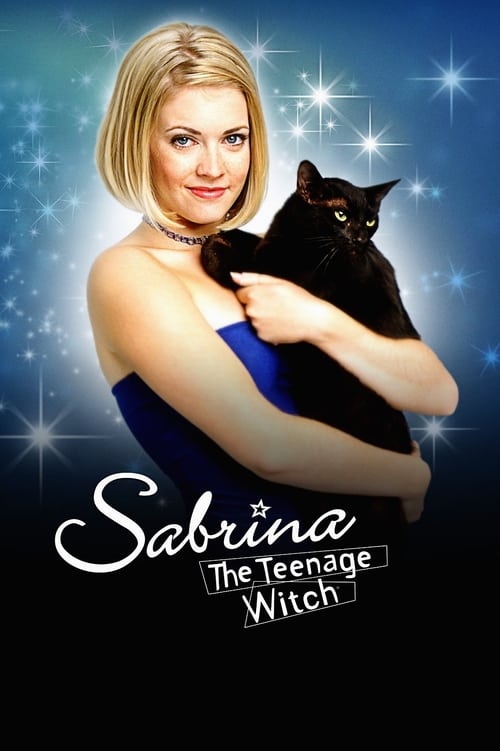
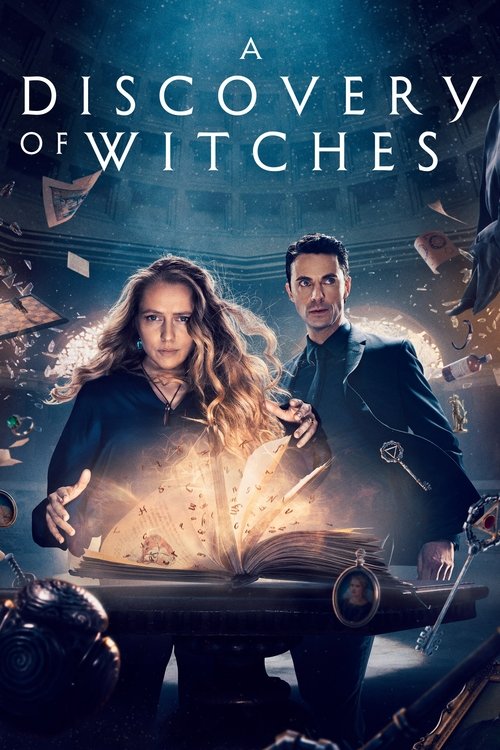
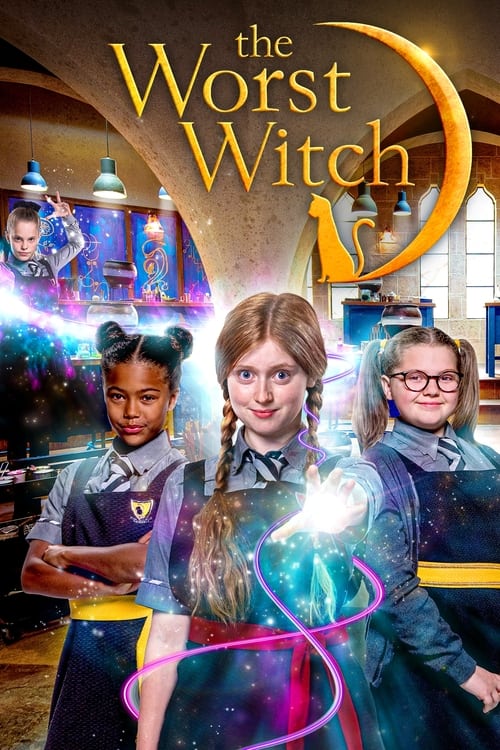

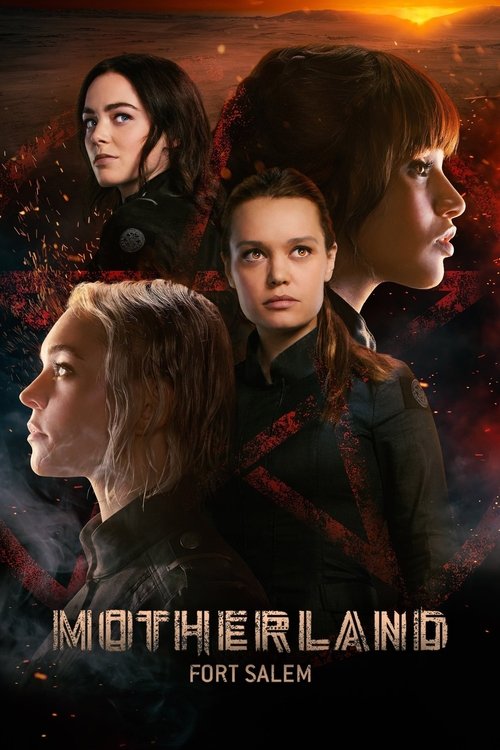
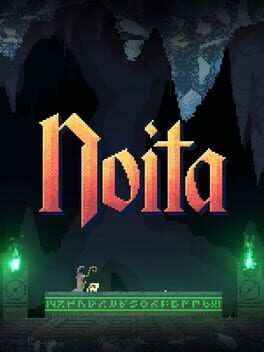
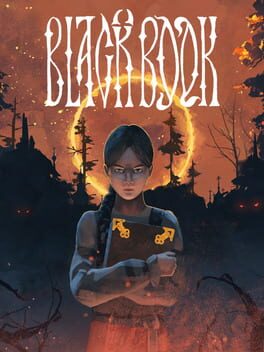
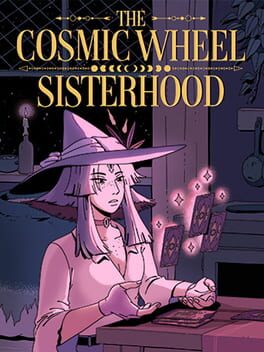
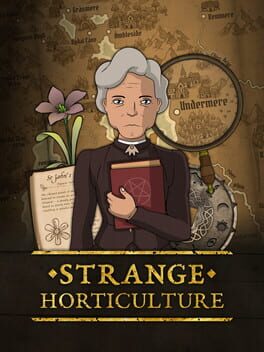
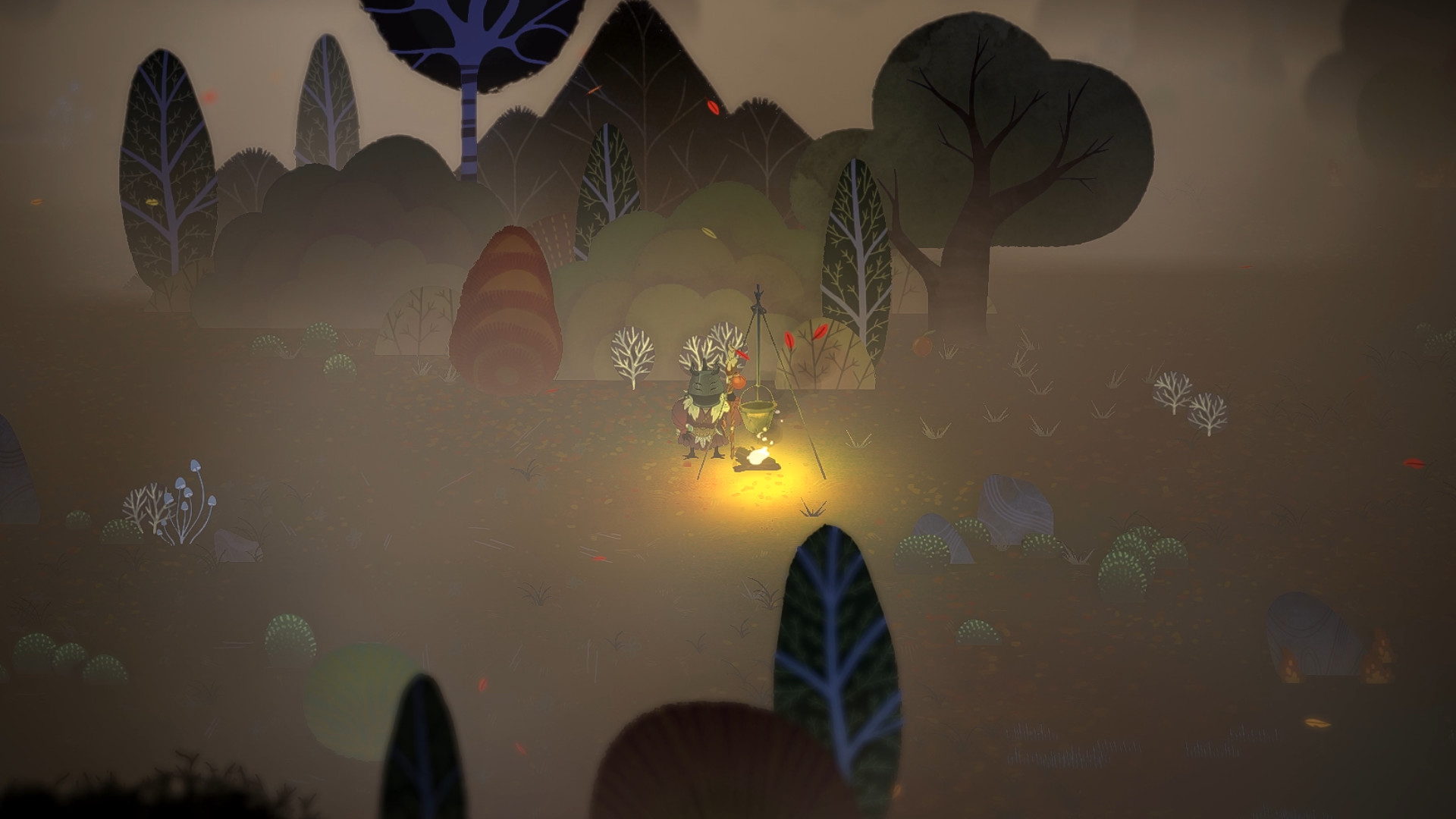
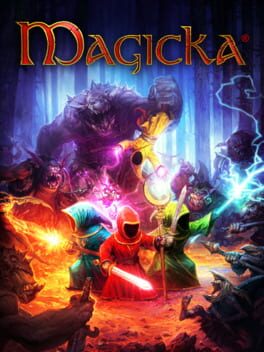
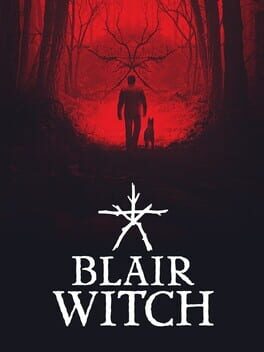
Games let you actually do the witchcraft: brew the potion, draw the sigil, pay the price. Spellcasting is a fantasy made for your hands.
Magic you play
Cast spells, brew potions, run a coven
On the page
Witch lit from cozy to literary


And the witch was a literary figure long before film, from Macbeth's three weird sisters to the modern novels reclaiming her as heroine rather than hag.
More spellcraft and dark power
Wizards & Magic Schools
Explore the Wizards & Magic Schools guide →Every witch story is really about power that refuses to ask permission. That is why they keep trying to burn her, and why she keeps coming back.