
Dark (2017-2020) is the German Netflix series that rewired expectations for what television could do with time travel. Created by Baran bo Odar and Jantje Friese, it traces four interconnected families in the small town of Winden across multiple centuries, using a cave system as a passage between 1953, 1986, 2019, and beyond. What begins as a missing-children mystery becomes something far larger: a meditation on determinism, inherited trauma, and whether love itself can break a closed causal loop. The series never condescends to its audience. It hands you a puzzle and trusts you to hold dozens of threads simultaneously. If you loved the dread, the visual precision, the emotional devastation of the final revelation, these are the works that share its DNA.
If You Love Dark: Series That Bend Time and Mind
Television built on labyrinthine mystery, unreliable timelines, and the slow horror of inevitability
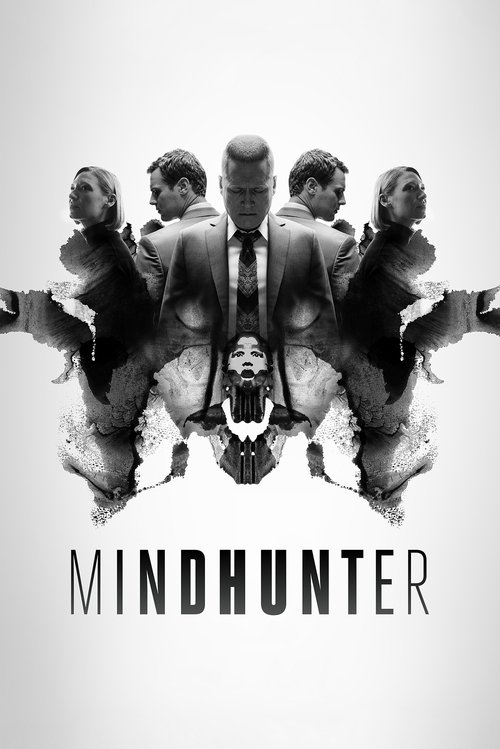
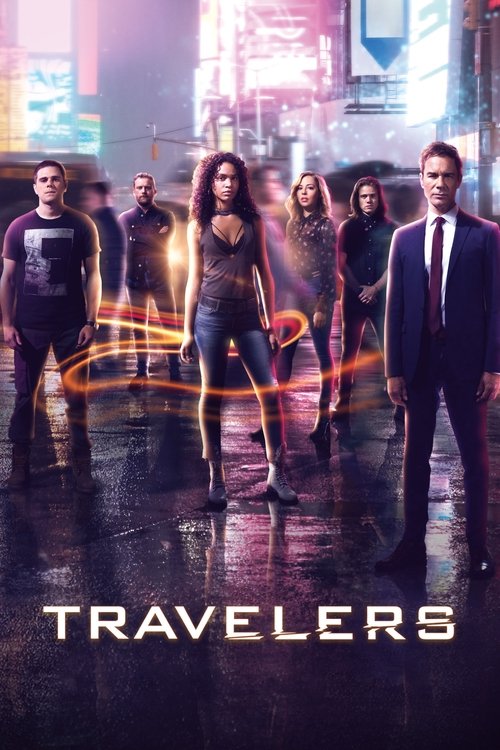
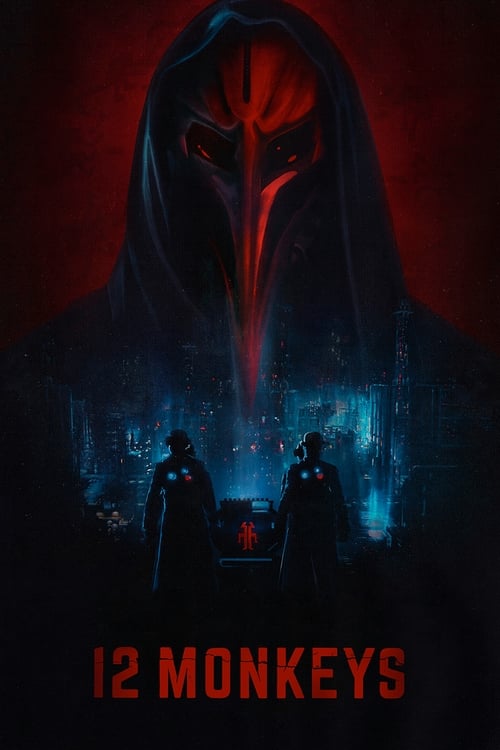
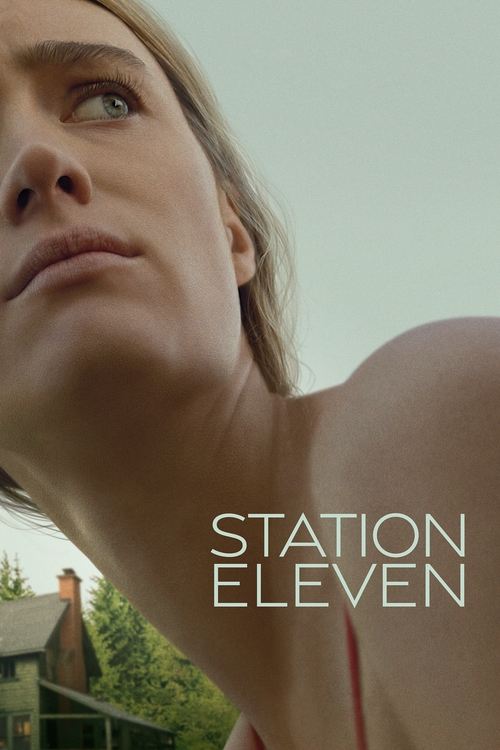
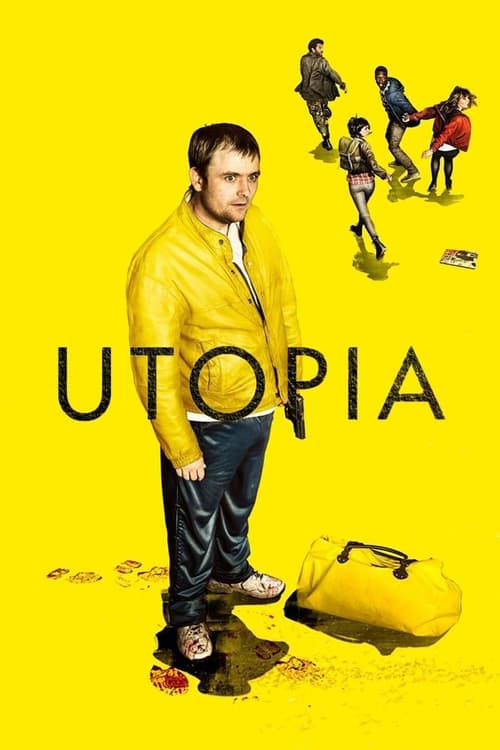
If You Love Dark: Films That Unravel Time
Cinema that treats causality as a weapon and the loop as a trap


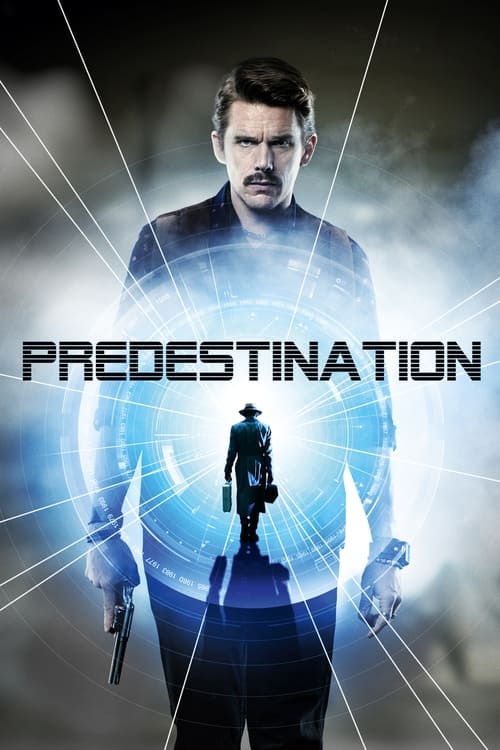
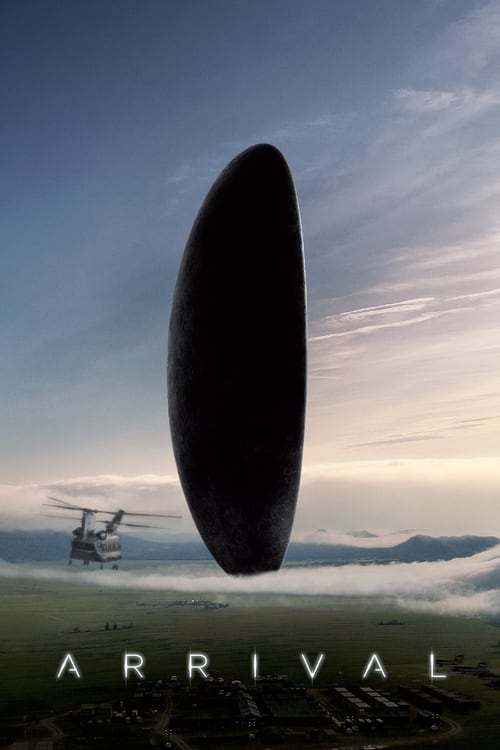
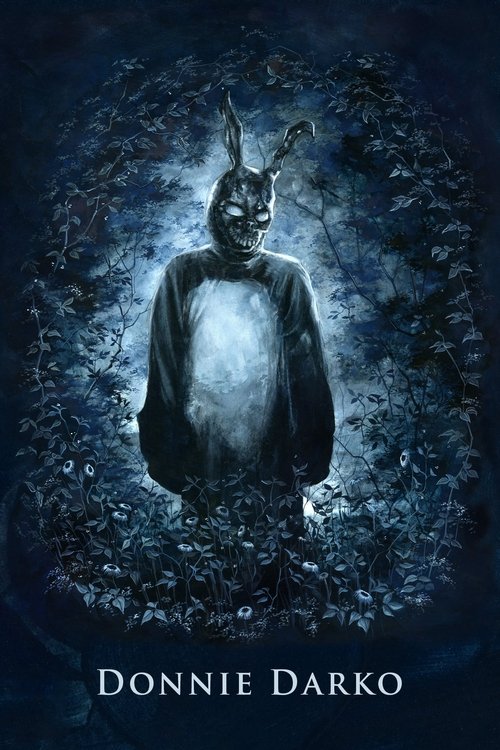
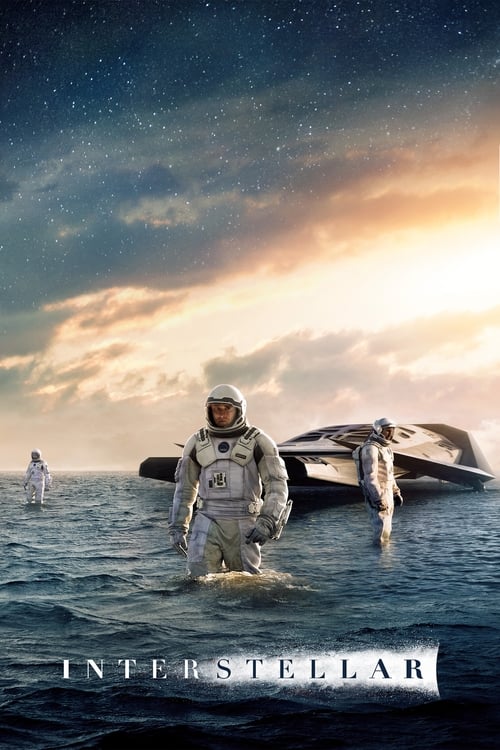
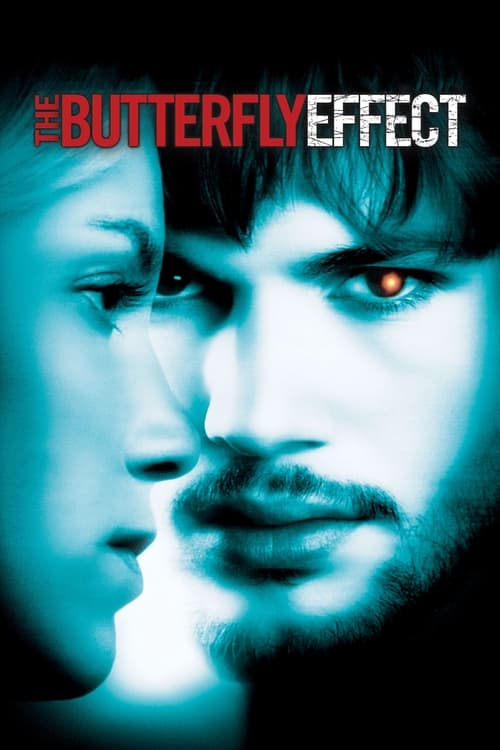
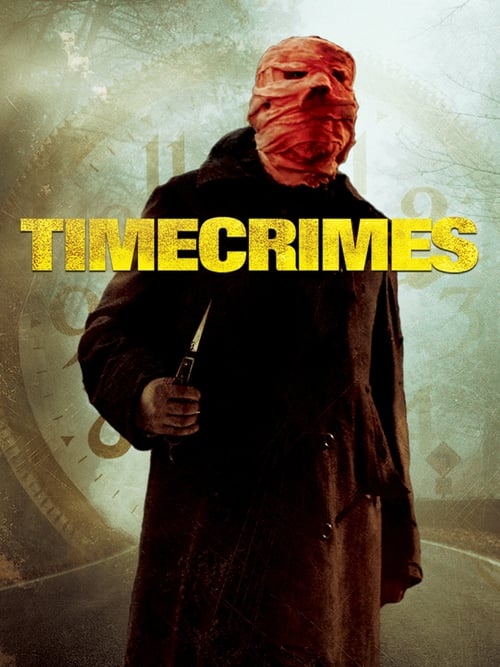
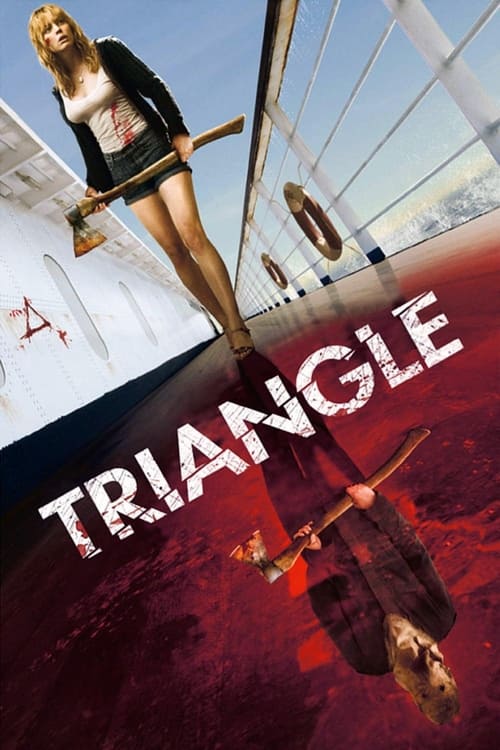
If You Love Dark: Books That Trap You in Time
Novels where the past refuses to stay past and cause bleeds into effect


If You Love Dark: Games Where Time Breaks
Games that use temporal mechanics not as a gimmick but as the core of dread and discovery
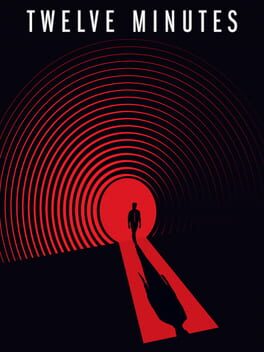
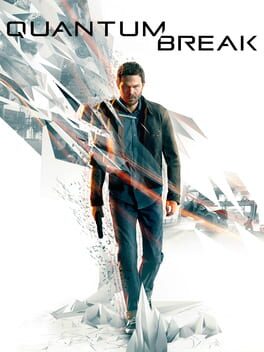
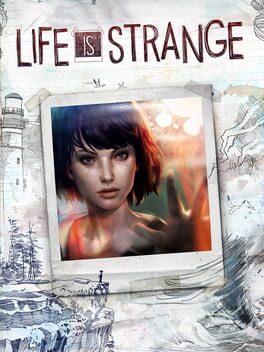
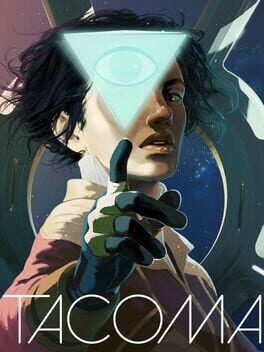
Primer Is the Closest Film Has Come to Dark's Logic
Shane Carruth's 2004 debut was made for $7,000 and still confounds physicists. Like Dark, it treats time travel as an engineering problem with catastrophic personal consequences. There are no heroics, no clean paradox resolutions. Two engineers accidentally invent something they cannot control, and the film trusts you to keep up with no hand-holding. The tone is clinical, the dread accumulative. If Dark trained you to rewatch and reconstruct, Primer is the purest expression of that discipline in 78 minutes.
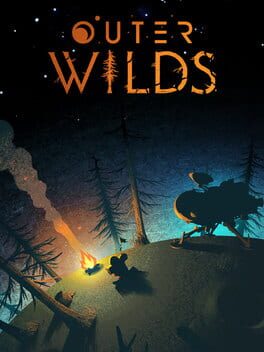
Outer Wilds Achieves in Games What Dark Achieves in TV
Outer Wilds is a game about a solar system frozen in a 22-minute loop before it ends. You are an explorer piecing together what happened to an ancient civilization from the ruins they left behind. The information architecture is exactly Dark's: nothing is explained to you directly, everything is encoded in the environment, and the emotional revelation at the end recontextualizes every hour of play. The loop is not a gameplay conceit. It is the theme. Both works ask whether knowledge changes fate or only deepens grief.
The First Fifteen Lives of Harry August Understands the Loop as Burden
Claire North's novel follows a man who is reborn at the same point in history each time he dies, retaining all his memories. The book is a meditation on what it means to live the same century repeatedly, to know outcomes before they happen, and to still be unable to stop loss. This is precisely the emotional register of Dark's Adam and Eva: people who have seen every iteration of events and are trapped by that knowledge rather than freed. The prose is measured and bleak in the right ways.
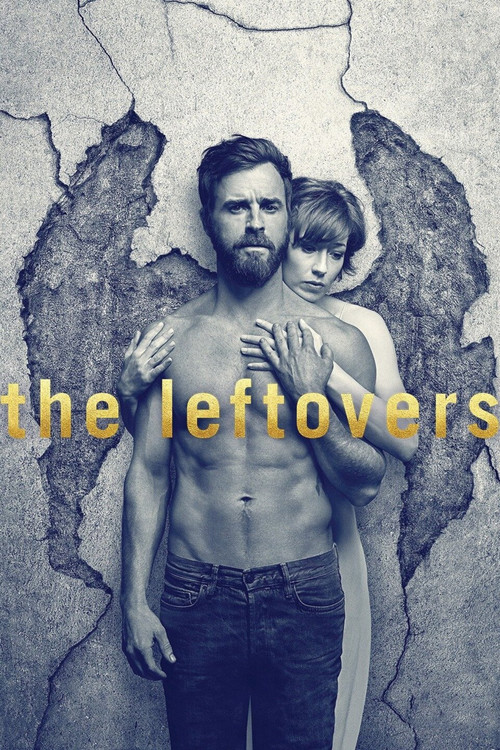
The Leftovers Shares Dark's Willingness to Wound
Damon Lindelof's The Leftovers is not a time-travel show. It is a grief show. But it shares something essential with Dark: the refusal to explain, the commitment to devastation as a valid emotional endpoint, and the belief that mystery is not a problem to be solved but a condition to be inhabited. Dark's final season is ultimately about letting go of the need to fix what cannot be fixed. The Leftovers arrives at the same place by a different road. Both will leave you sitting quietly for a while after the credits roll.
Dark's Roots: A Timeline of the Genre
- 1944Jorge Luis Borges publishes 'The Garden of Forking Paths', the foundational text of branching-timeline fiction
- 1973Slaughterhouse-Five adapted for film; Vonnegut's unstuck-in-time soldier reaches a new audience Slaughterhouse-Five
- 199512 Monkeys reimagines La Jetee as a full feature: causality as a closed loop, the future already written
- 2001Memento and Donnie Darko in the same year: mainstream cinema discovers fractured time as aesthetic Donnie Darko
- 2004Primer establishes the hard-sci-fi time-travel film: uncompromising, low-budget, permanent Primer
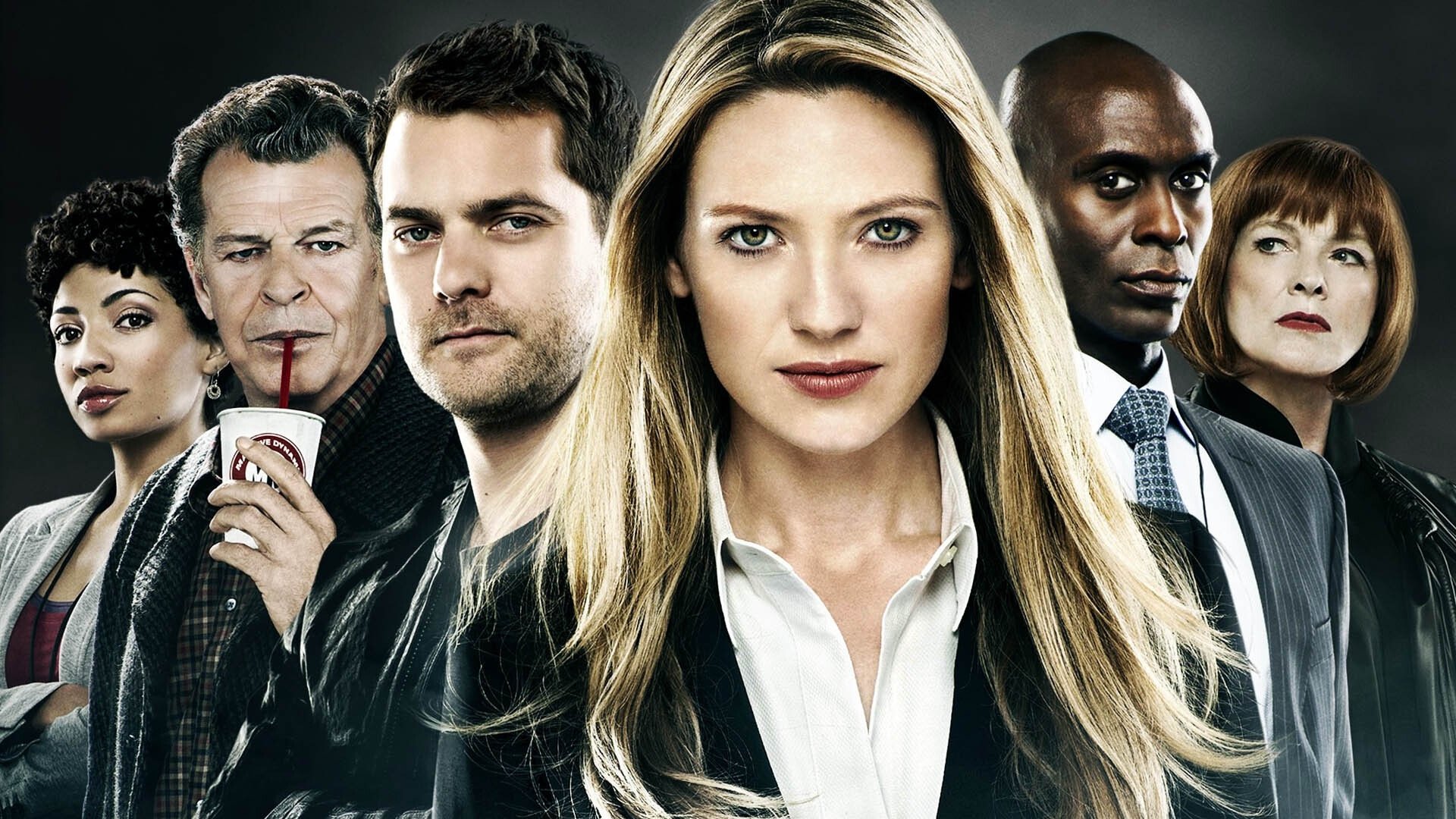
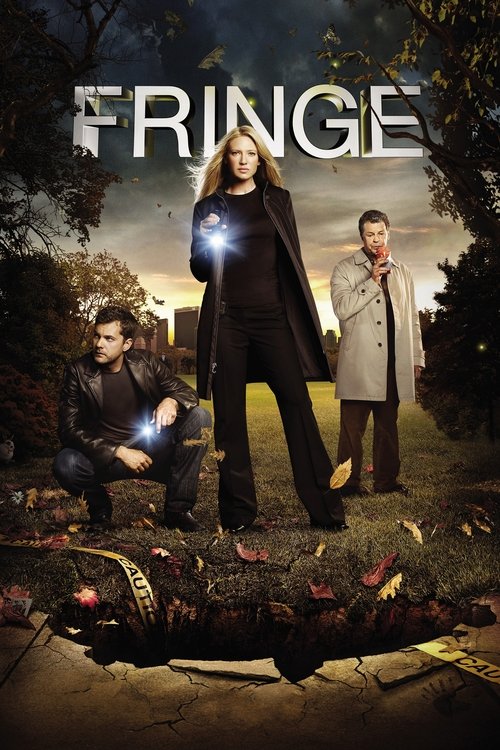
- 2008Fringe begins its five-season run, building a multiverse mythology in primetime Fringe
- 2013The Time Traveler's Wife paperback reaches its peak cultural moment; TV adaptation greenlighted The Time Traveler's Wife
- 2016Arrival reframes first-contact film as a meditation on non-linear consciousness and predetermined loss Arrival
- 2017Dark premieres on Netflix: the first major German-language original series, and immediately its most acclaimed Dark
- 2019Outer Wilds wins multiple awards; critics call it the most emotionally resonant time-loop game yet made Outer Wilds
- 2020Dark Season 3 resolves all three seasons in a finale that became a reference point for satisfying complex storytelling Dark
More time-bending, fate-haunted stories
Time Travel
Explore the Time Travel guide →The question is never whether you can change what happened. The question is whether you can live with knowing you cannot.The logic of Dark, distilled