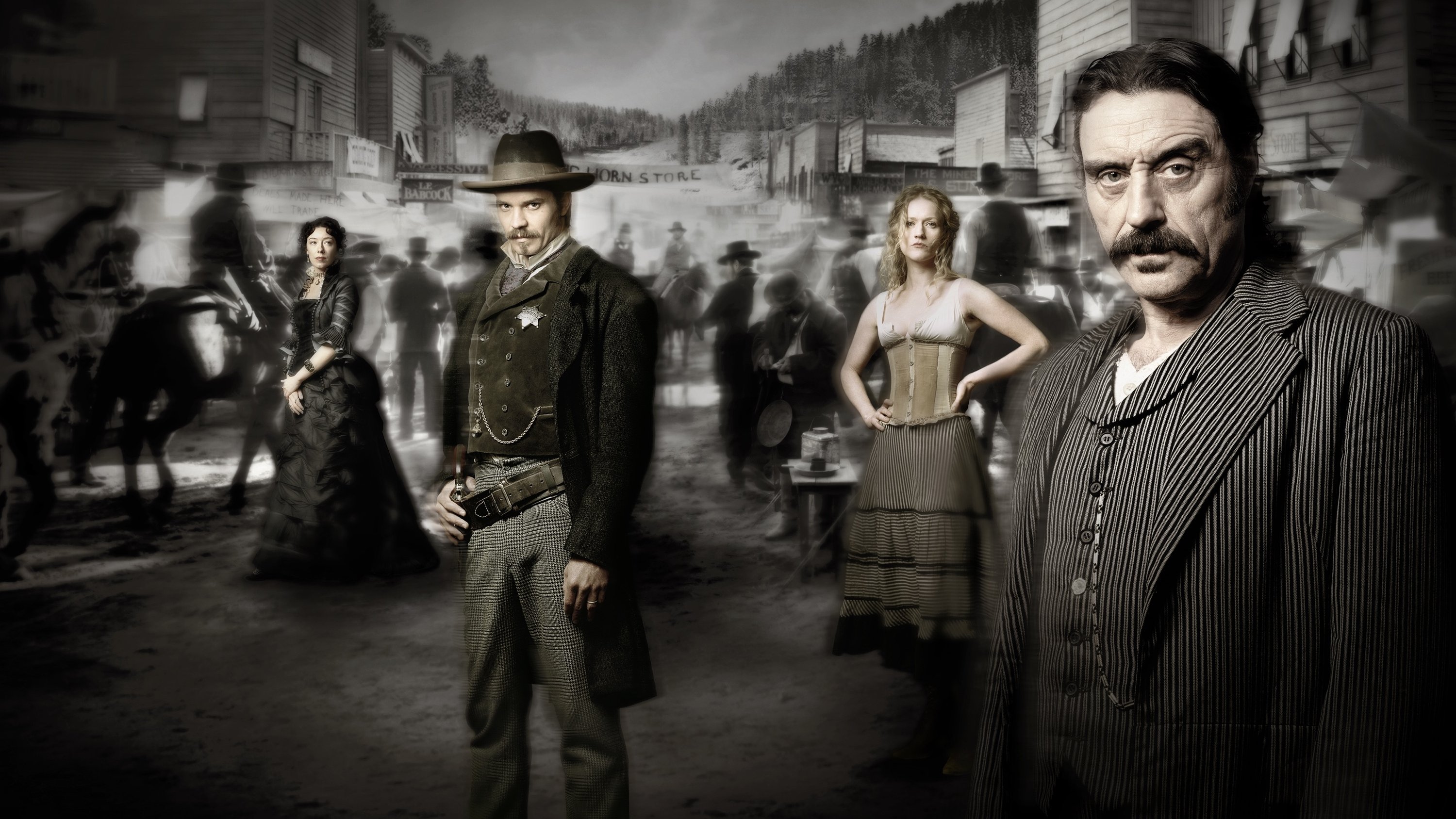

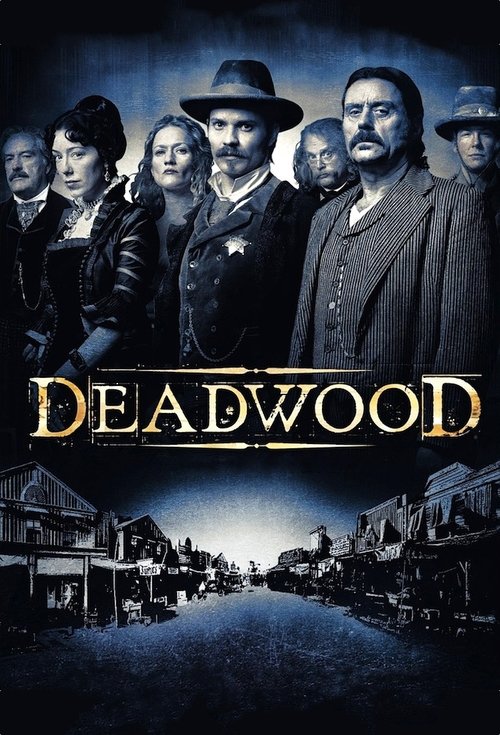
Deadwood ran on HBO from 2004 to 2006, three seasons plus a 2019 telefilm, and it did something few Westerns attempt: it treated the settlement of the American West as a political and economic drama rather than a myth. The camp of Deadwood, South Dakota, in 1876 was technically outside U.S. law, and creator David Milch used that vacuum to examine how power, commerce, and language forge a community from nothing. Al Swearengen (Ian McShane) and Seth Bullock (Timothy Olyphant) are not hero and villain but rival architects of the same emergent order. The dialogue is dense, anachronistic, and profane in ways that deliberately echo Jacobean theater. What binds Deadwood fans together is appetite for moral complexity, linguistic richness, and historical texture rendered without nostalgia.
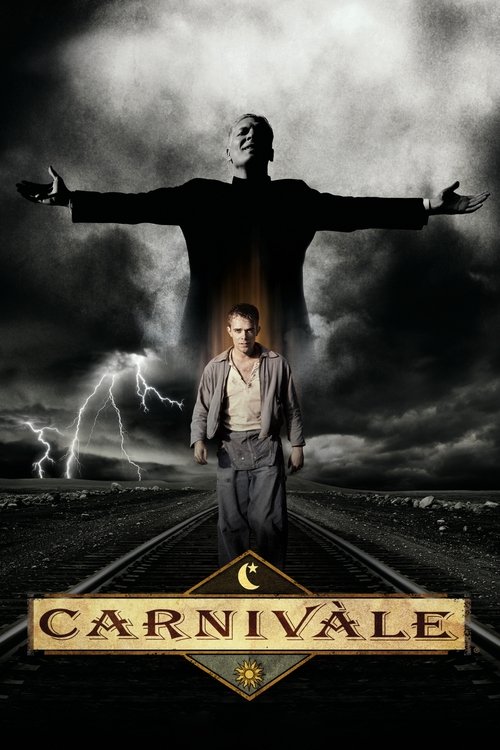
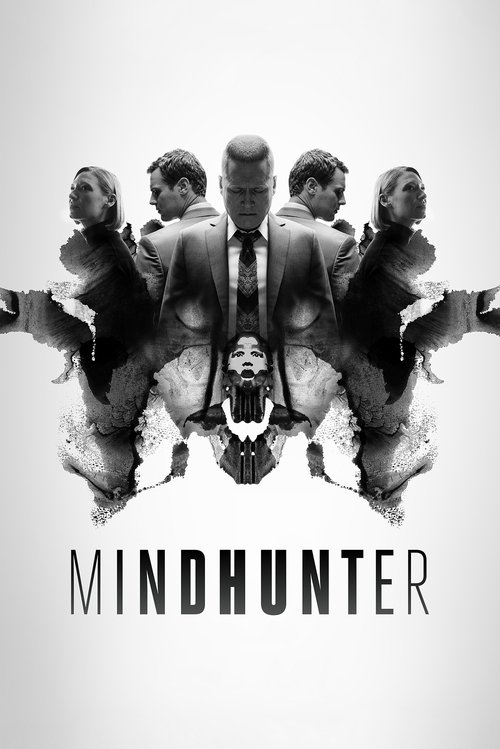
Frontier Power: Series in the Same Key
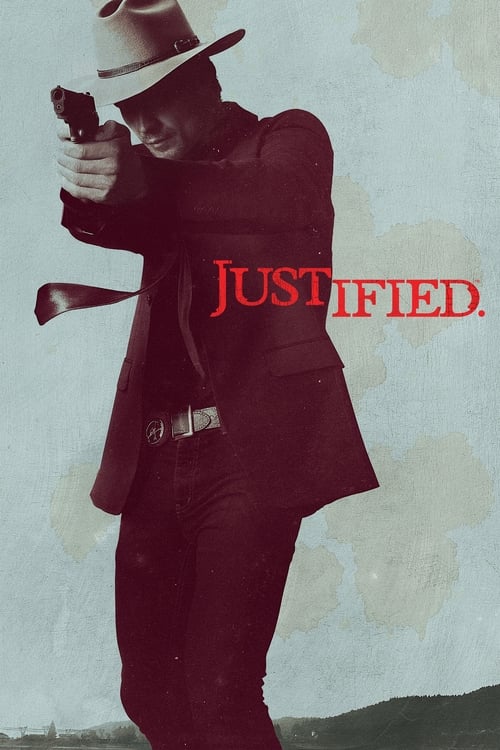
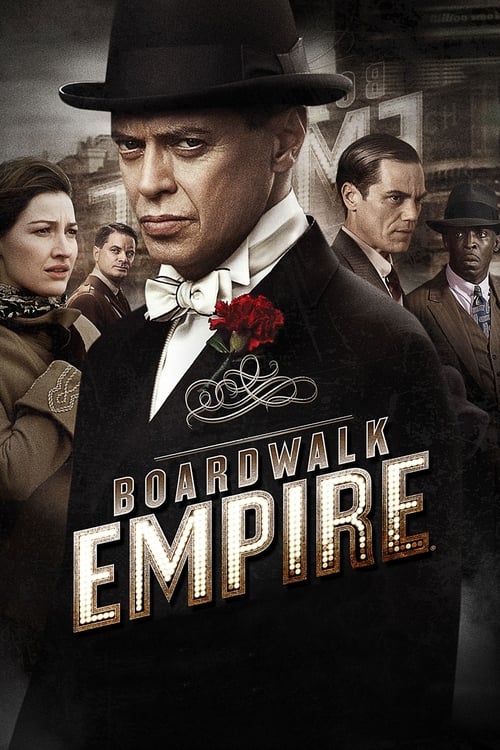
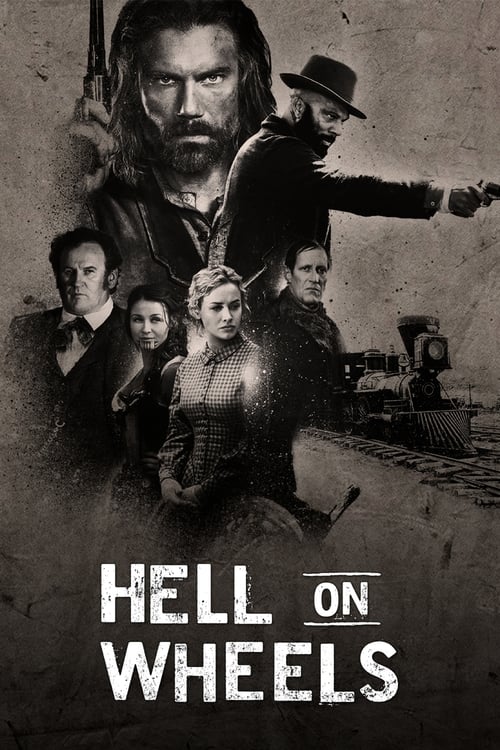
TV drama that takes moral ambiguity, history, and politics as seriously as Deadwood does

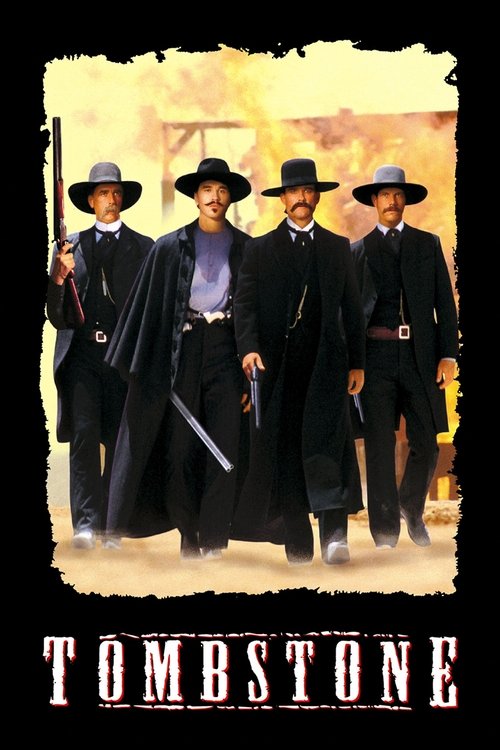
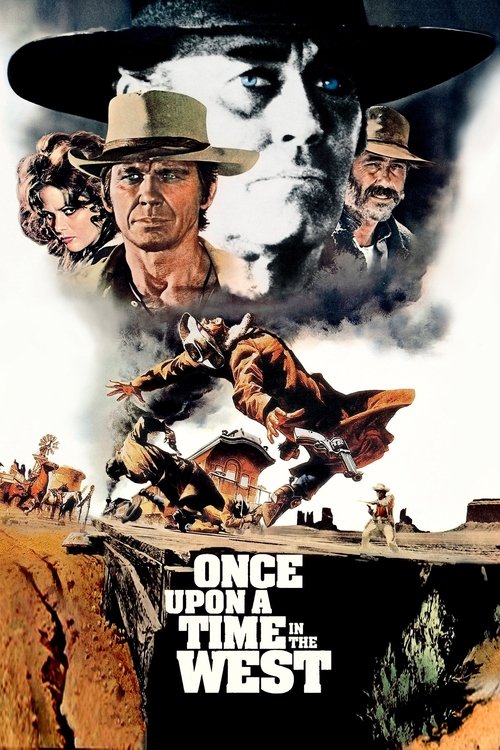
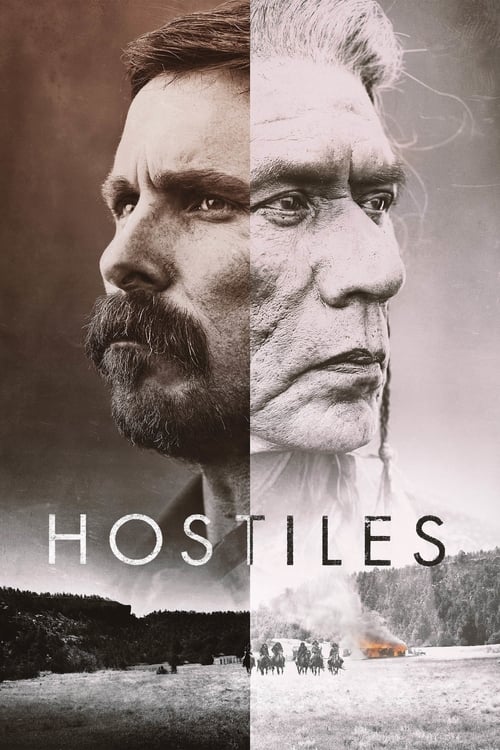
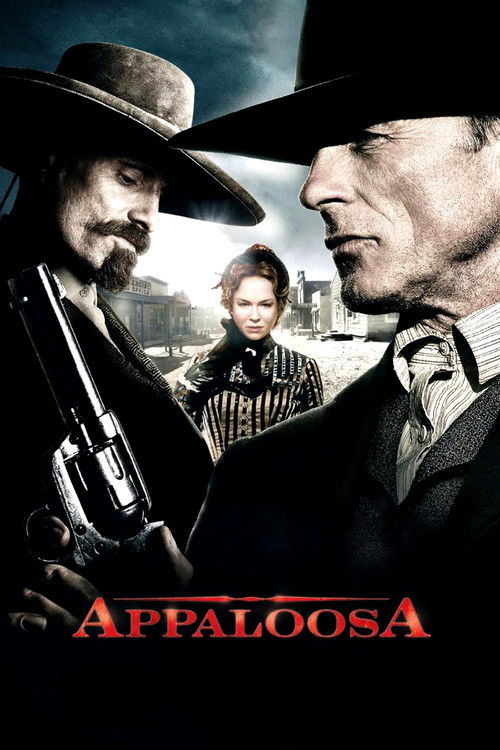
The Western on Film: Revisionist and Classical
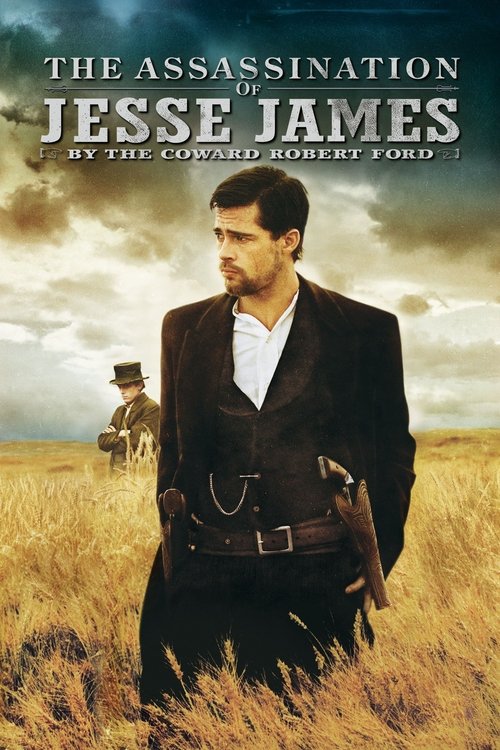
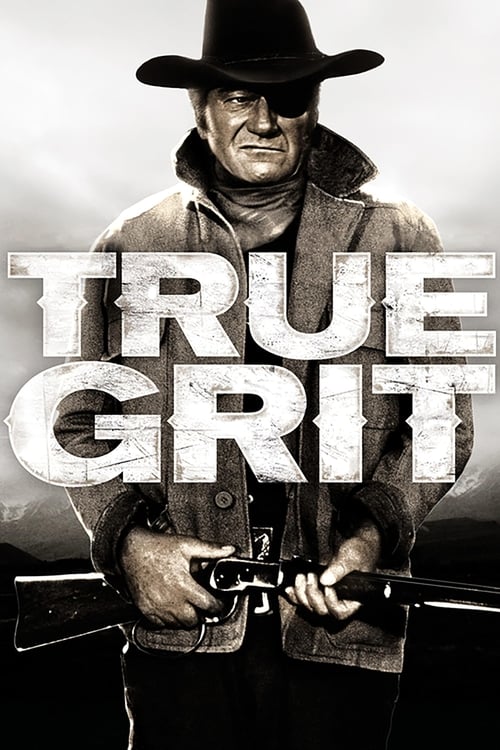
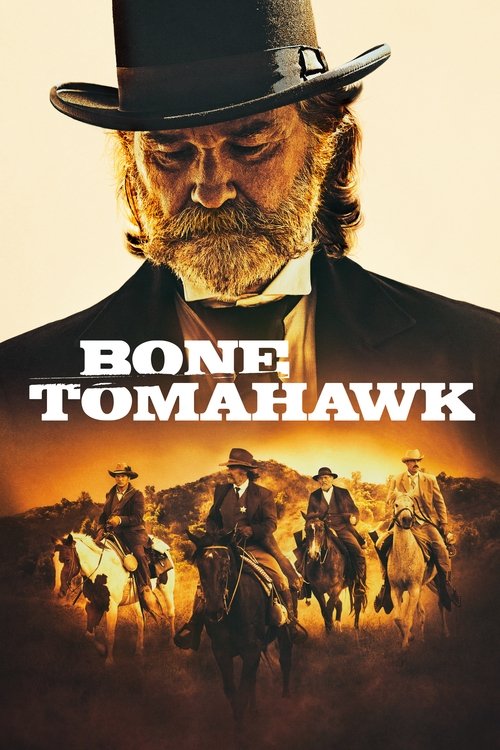
Movies that share Deadwood's willingness to look the frontier in the face without flinching

The Literature of the West
Novels and histories that feed the same hunger: the real frontier, with all its violence and possibility


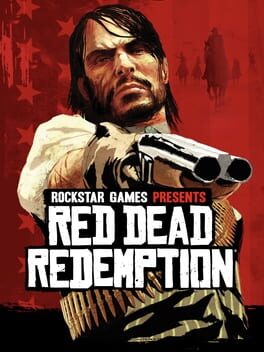
Games of Frontier and Outlaw Power
Games that put you inside the moral calculus of survival, territory, and building something from nothing

Ian McShane Made Al Swearengen One of Television's Greatest Characters
Al Swearengen arrives as a villain and ends as something closer to a reluctant civic leader, which is a tribute to the writing and entirely to Ian McShane's performance. McShane plays every scene as if Swearengen is simultaneously three moves ahead and genuinely uncertain whether that calculation serves him. The monologues delivered to a dying or already-dead body in his room are unlike anything else in prestige television: confessional, strategic, and blackly funny at once. Boardwalk Empire's Nucky Thompson and Justified's Boyd Crowder both inherit something from that template.
Blood Meridian Is the Novel Deadwood Was Born Knowing
Cormac McCarthy's 1985 novel and David Milch's series share a conviction: violence is not an aberration on the frontier but the mechanism by which land becomes property and property becomes law. Blood Meridian refuses moral resolution with the same commitment Deadwood refuses a tidy hero. Readers who come to it from the show will recognize the rhythms, the weight given to landscape, and the way language is used to dignify acts the narrative refuses to excuse. The Judge is Swearengen's nightmare twin.
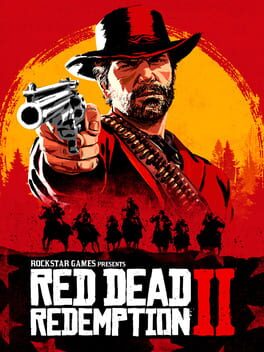
Red Dead Redemption 2 Is the Closest Games Have Come to Deadwood's World
Rockstar's 2018 game takes roughly the same period (1899, at the frontier's official close) and asks similar questions about what a man built for lawlessness does when the world that made him becomes illegal. The writing is unusually literary for a game of its scale: secondary characters have genuine arcs, the camp dynamics echo the politics of Deadwood's thoroughfare, and the ending earns its melancholy. The open world rewards exactly the kind of patient, observational attention that Deadwood's pacing demands of a viewer.
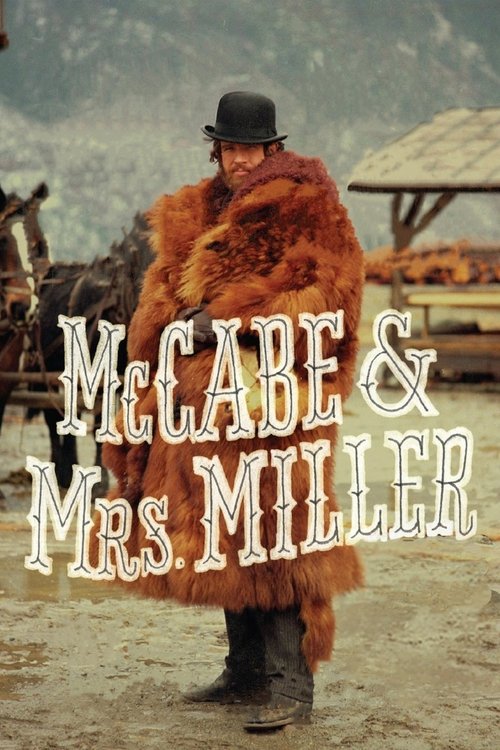
McCabe and Mrs. Miller Predicted Deadwood Twenty Years Early
Robert Altman's 1971 film is set in a Pacific Northwest mining camp and follows a gambler (Warren Beatty) who partners with a madam (Julie Christie) to build a bathhouse-brothel enterprise. It predates Deadwood by 33 years and occupies exactly the same moral and economic territory: the camp as a nascent capitalism, the vulnerable foundations of any arrangement between people, the casualness of violence when law has not yet arrived. Its tone is melancholy where Deadwood's is operatic, but they are unmistakably kin.
The World Deadwood Was Built From
- 1874Custer's expedition confirms gold in the Black Hills, sparking illegal settlement of Sioux treaty land
- 1876The period the show depicts: Deadwood camp at its wildest, before Dakota Territory jurisdiction arrives Deadwood
- 1876Wild Bill Hickok is killed in Deadwood, August 2, holding what becomes the dead man's hand
- 1877Calamity Jane publishes her autobiographical account; Dakota Territory formally annexes the camp
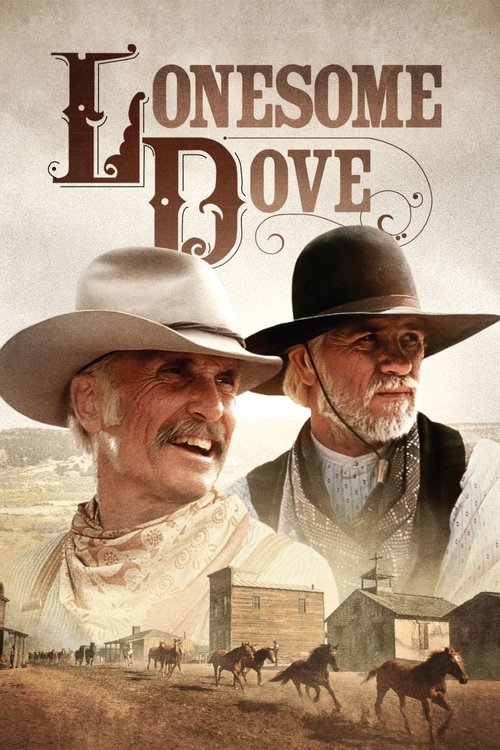
- 1887Larry McMurtry's Lonesome Dove begins in the post-Civil-War frontier and closes this era in novel form Lonesome Dove
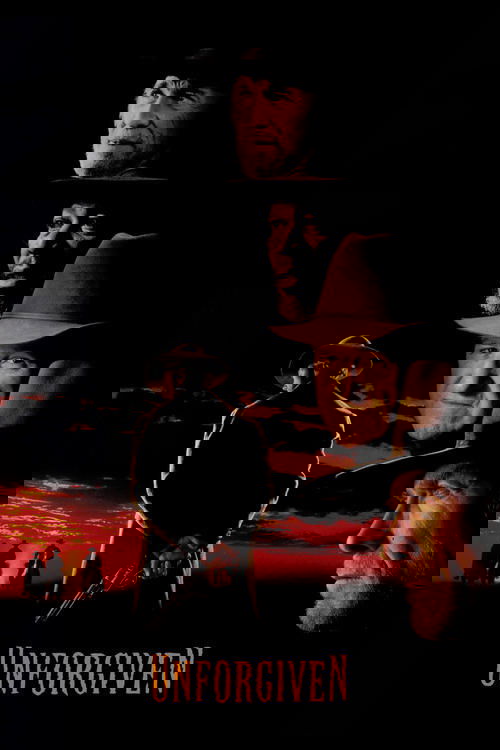
- 1992Clint Eastwood's Unforgiven resets the Western's moral frame for a generation of filmmakers Unforgiven
- 1985Blood Meridian published, the darkest literary treatment of frontier violence Blood Meridian
- 2004Deadwood premieres on HBO, Season 1 Deadwood
- 2006Deadwood cancelled after Season 3, leaving the story unresolved for 13 years
- 2018Red Dead Redemption 2 sets the definitive game standard for the dying frontier Red Dead Redemption 2
- 2019Deadwood: The Movie wraps the characters' stories with a two-hour telefilm Deadwood: The Movie
More mud, blood, and frontier ambition
Westerns
Explore the Westerns guide →Announcing your plans is a good way to hear God laugh.Al Swearengen, Deadwood